
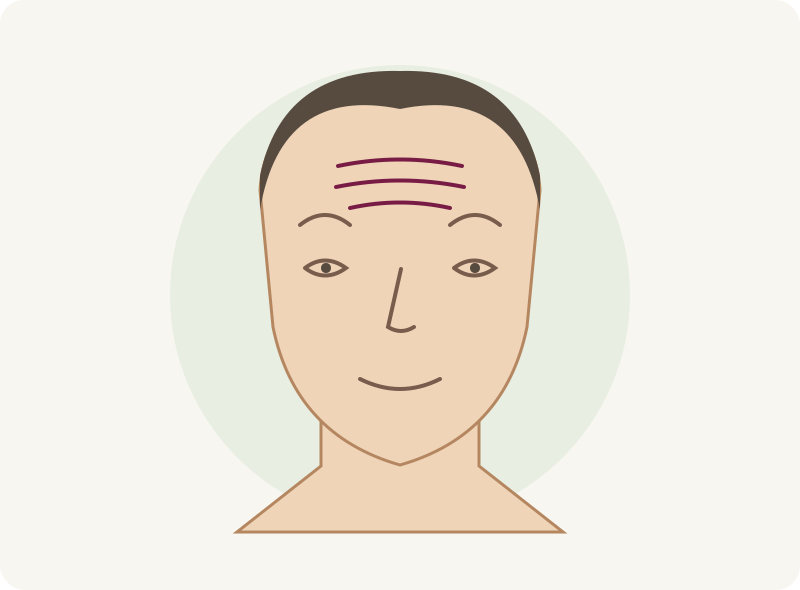
Expression lines
Lines show as you smile, frown or raise your brows. Muscle movement is part of the cause.
Explore lines and wrinklesLines, tone and firmness can change over time. Find out what may help with the changes you would like to address, from daily skincare to selected treatments.


Ageing is a normal part of life. Skin can become drier, lines more noticeable and facial fullness different. Sun exposure and smoking can add to these changes.
“Anti-ageing” covers many kinds of care. No single procedure treats every change or stops ageing. The useful starting point is the concern you want help with, and whether treatment fits your goals.
Lines show as you smile, frown or raise your brows. Muscle movement is part of the cause.
Explore lines and wrinkles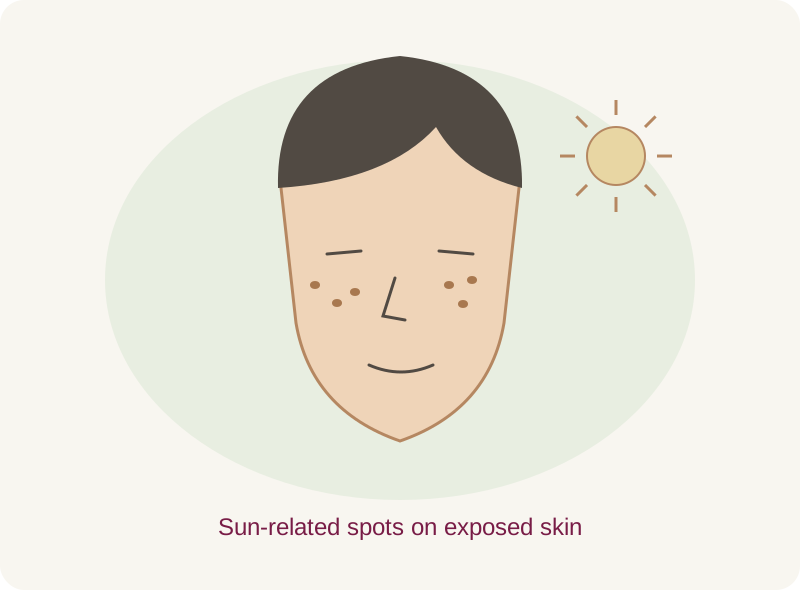
Dark patches and spots have different causes. Their pattern and history guide the choice of care.
Explore pigmentation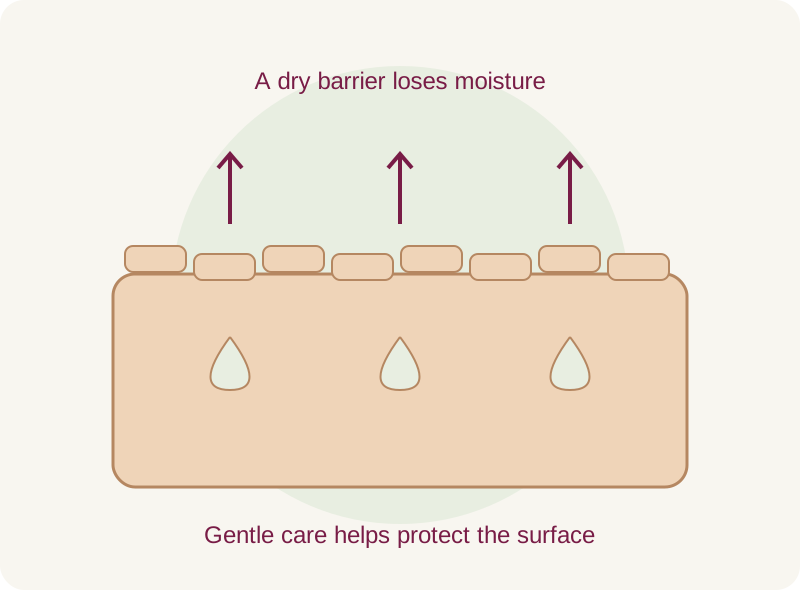
Dry, rough skin can make fine lines stand out. Gentle skincare may be the first step.
Explore skin texture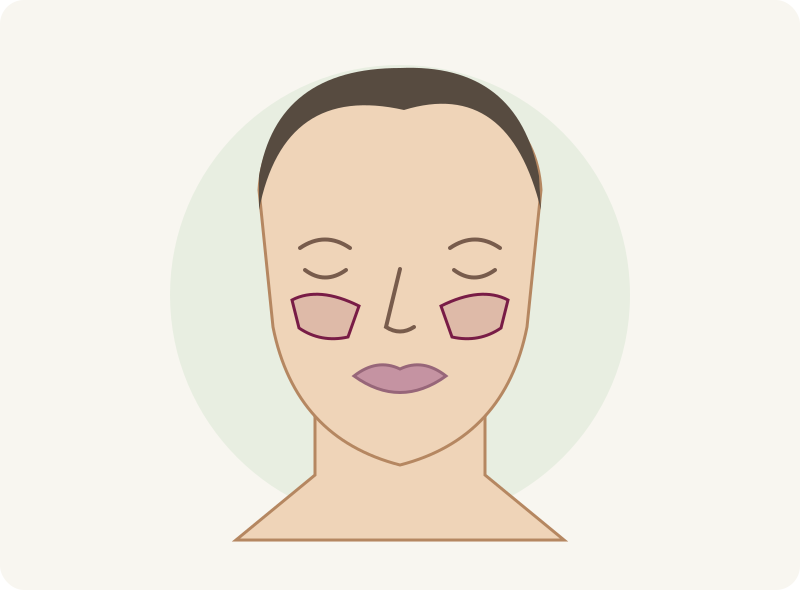
Changes beneath the skin can create hollows or deeper folds. Adding volume is different from tightening skin.
Understand fillers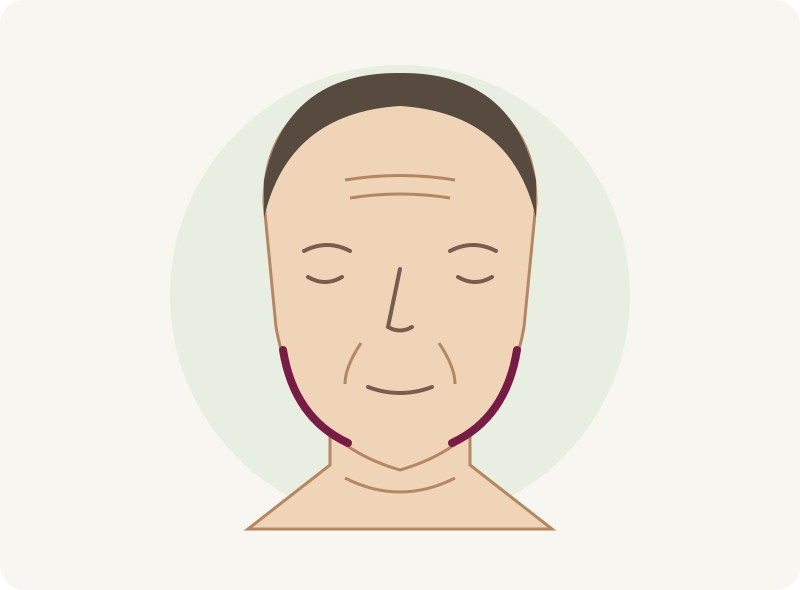
Skin may sit more loosely around the jaw or neck. The amount of excess skin affects what may help.
Explore skin firmness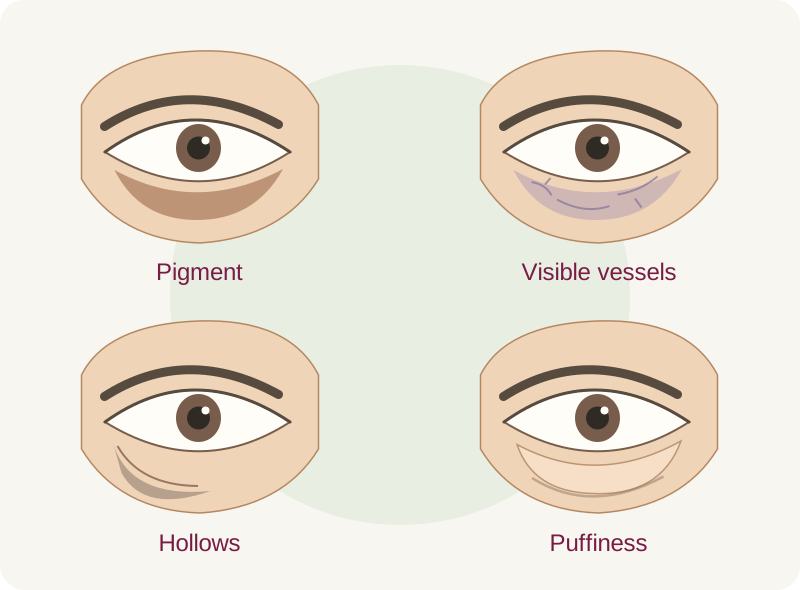
Dark circles can involve pigment, thin skin, shadows or puffiness. They do not all need filler.
Explore under-eye care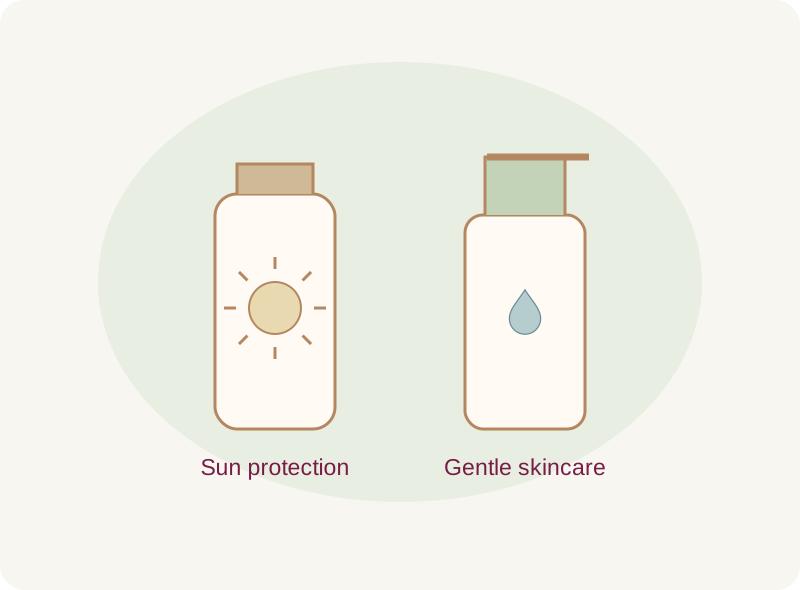
Use broad-spectrum SPF 30 or higher on exposed skin, alongside shade, a hat and protective clothing. Reapply as directed, particularly outdoors or after sweating.
A gentle cleanser and moisturiser can help dry skin. Avoid scrubbing or layering several strong products if your skin feels sore or irritated.
A retinoid may help some fine lines and uneven tone over time, but irritation can worsen dark marks. Ask which product fits your skin; retinoids should not be used during pregnancy.
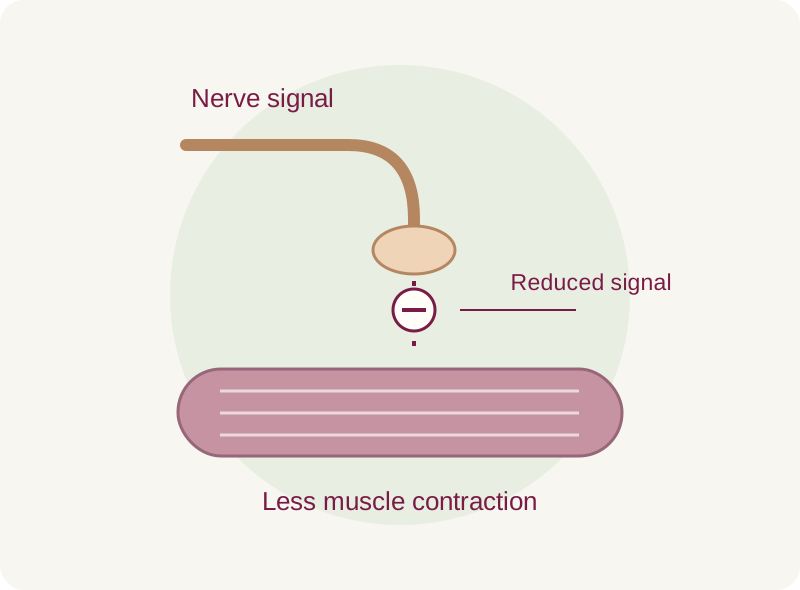
Often known by the brand name Botox, this temporarily reduces selected muscle movements that create expression lines. It does not replace lost volume.
Explore Botox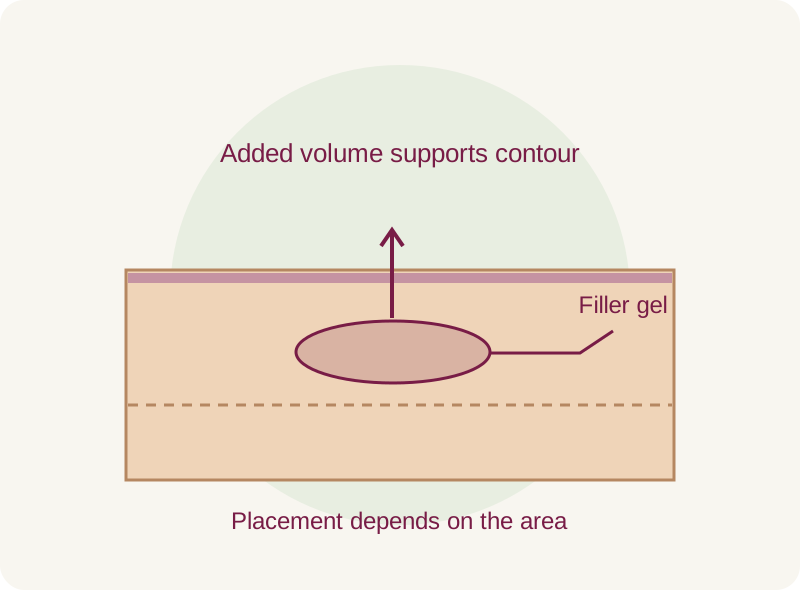
Selected fillers can add volume or soften certain folds. Product, placement and facial anatomy matter; injections carry risks, including rare blood-vessel blockage.
Explore fillers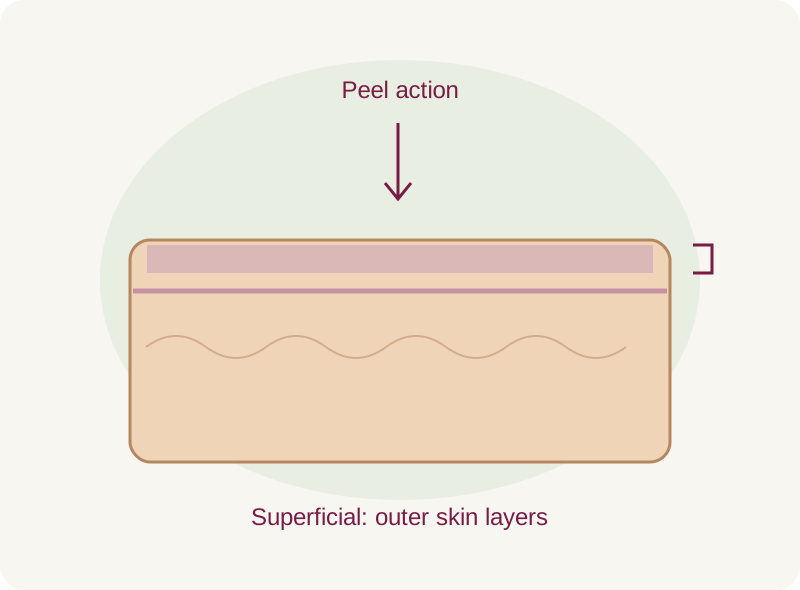
A carefully selected peel may improve surface texture and some pigment changes. Depth affects both recovery and risk.
Explore peels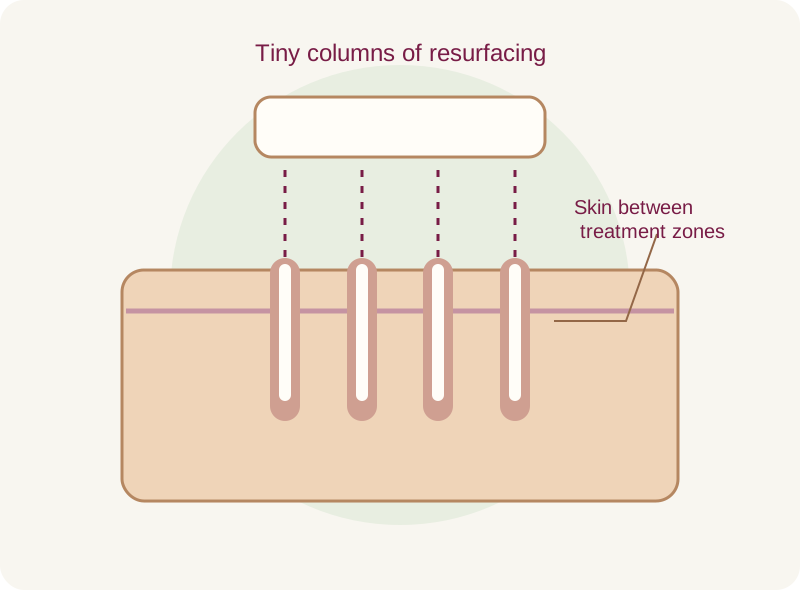
Resurfacing may help selected lines and uneven texture. Healing time, pigment change and scar risk need discussion before treatment.
Explore resurfacing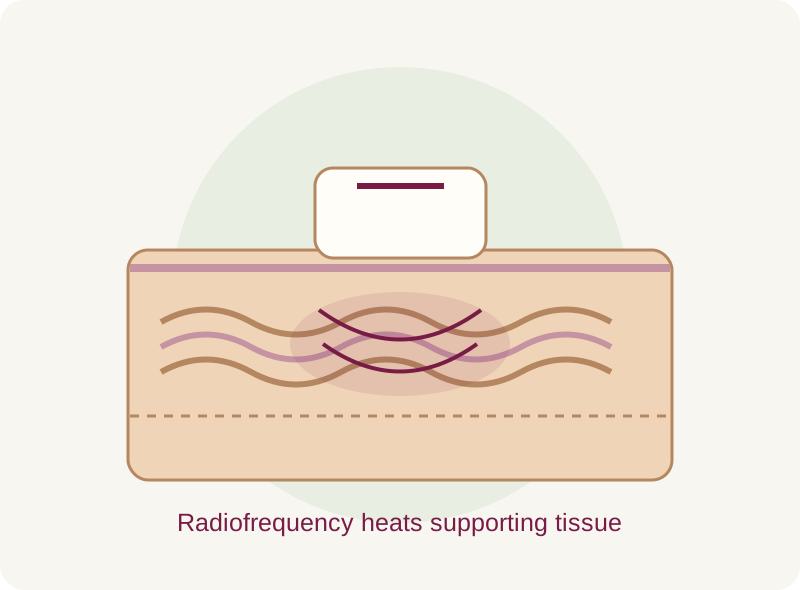
These use different forms of energy to address selected firmness concerns. Improvement can be modest and gradual; they do not remove excess skin like surgery.
Compare tightening options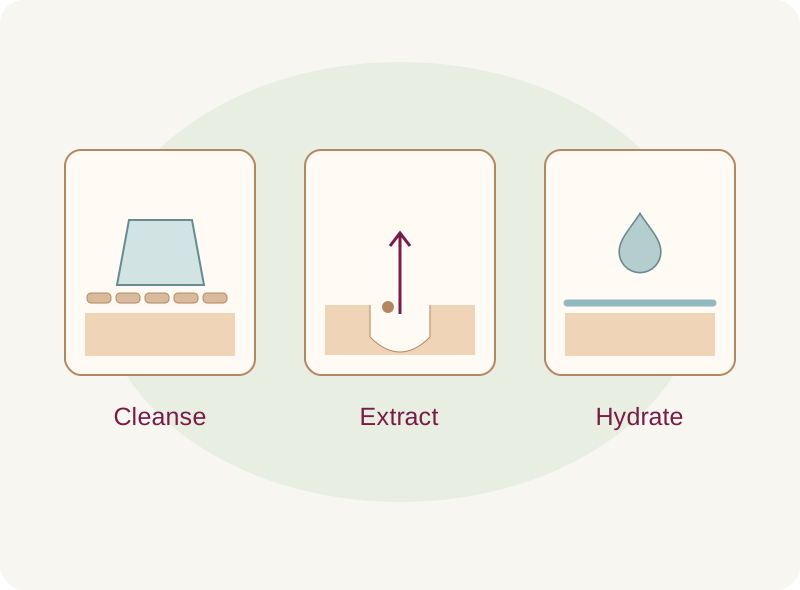
A facial can support surface care and hydration. It is not a substitute for treating deep folds, volume loss or substantial loose skin.
Explore Hydrafacial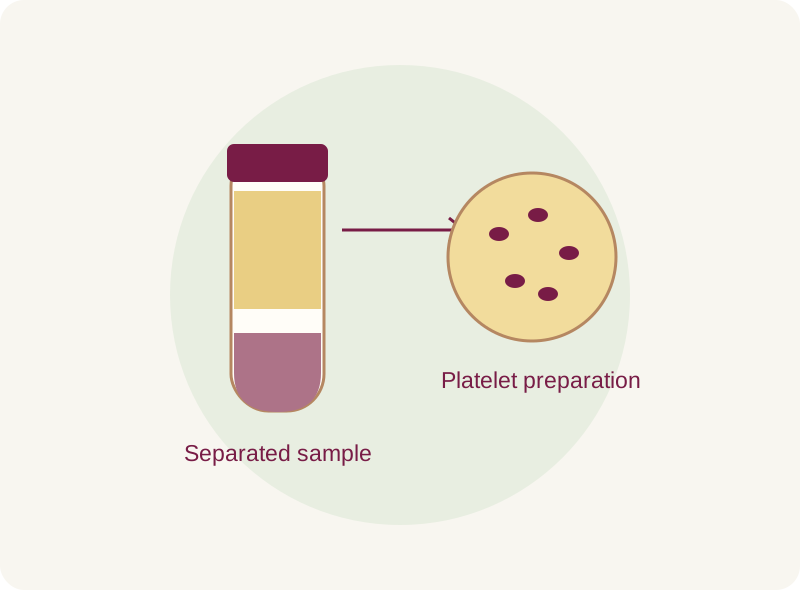
PRP uses a preparation from your own blood and may be discussed for selected skin concerns. Evidence and results vary by the concern and how it is prepared and used. It does not work like filler or botulinum toxin.
A combined plan should give each treatment a clear purpose. Ask what benefit an extra procedure is expected to add, what is known about it, and whether starting with one approach would be enough.
You do not need a procedure because you have reached a certain age. Choose a specific goal and discuss how much change is realistic.
Share medicines, allergies, previous fillers or devices, pigment changes and healing problems. Pregnancy, breastfeeding or an active skin problem may mean delaying or changing treatment.
Discuss work, exercise and upcoming events. A treatment with little visible downtime can still have complications, and stronger treatment is not automatically better.
Explain when you noticed them and what you would like to improve. The clinician looks at your skin, facial movement and relevant medical history.
A growing lump, changing spot or sore that does not heal should be assessed before cosmetic treatment. Do not assume every new mark is an age spot.
Discuss the likely benefit, alternatives, cost and risks of the options that fit. Daily care or choosing no procedure are valid options.
Agree preparation, any numbing, aftercare and review timing for the actual method. A consultation does not mean you must have treatment that day.
Different treatments settle at different speeds. Review the skin after appropriate healing rather than judging a result from swelling or redness.
Continue, adjust or stop based on the response and your goals. Repeat procedures should have a reason, not follow an automatic package.

The aim might be softer lines, more even tone, better hydration or a change in contour. These are different outcomes, and no treatment offers every benefit. Ageing continues after a procedure.
Recovery depends on what you choose. Injections can cause bruising or swelling; peels and lasers may cause redness, peeling and pigment changes. Energy treatments can cause burns or deeper injury. Ask about the exact method and whom to contact if healing is not as expected.
Skincare needs consistency. Botulinum toxin is temporary; filler duration depends on product and area. Resurfacing and tightening changes develop differently and still need sun protection.
Discuss the degree of change you want, including keeping expression and facial balance. There is no standard treatment schedule for everyone.
These verified Google review excerpts describe filler care at Layers. They are related treatment experiences, including early follow-ups, rather than results for every ageing-skin option.
“Have taken fillers treatment with dr Swathi seen very good results after 1 week of the treatment”
Early follow-up at one week.
“I was here for the fillers treatment, results are too good. After taking fillers, I have opted for skin boosters.”
Filler experience; the reviewer later chose skin boosters.
“I have gone through fillers treatment in layers prive results are very satisfying after a 15 days”
Personal experience after 15 days.
















It depends on the change you want help with. Movement lines, pigmentation, dryness, volume loss and loose skin have different causes. An assessment helps narrow the choices instead of treating them all the same way.
There is no age when everyone needs cosmetic treatment. Sun protection and gentle skincare are useful throughout adult life. A procedure is an optional choice based on a specific concern, health and realistic goals.
It can be enough for your goals, particularly for dryness and some surface changes. Skincare cannot restore all lost facial volume or remove excess skin. Start with a manageable routine and review what still bothers you.
Botulinum toxin temporarily reduces selected muscle movements. Fillers add material beneath the skin to provide volume or support. They are different treatments and have different risks.
Any procedure is intended to create a change. Discuss how subtle you want that change to be and which features you want to preserve. No clinician can guarantee an exact appearance, and some unwanted effects may need further care.
Sometimes, but combining procedures is not automatically better. The clinician should explain the purpose of each, how to space them, the recovery and whether the extra benefit justifies the additional treatment.
No treatment stops ageing. Some changes last longer than others, and sun exposure, health and natural skin changes continue to affect appearance. Maintenance should depend on your response and preferences.
Bring your skincare and medicine list, details of previous cosmetic procedures and your main questions. Mention pregnancy or breastfeeding, past reactions, skin conditions and any event that affects your recovery plans.
Get help with the changes that matter to you and understand your options before deciding.
Prefer a call? +91 9000 572727