
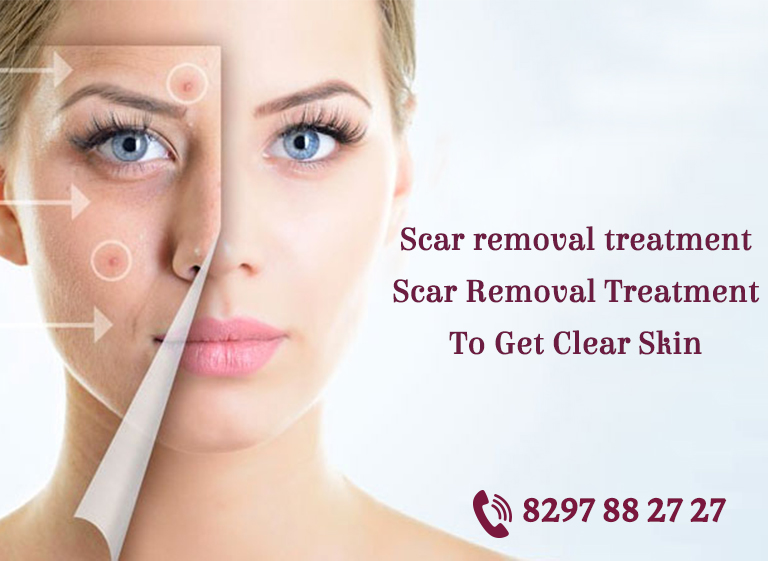
There’s no single scar removal treatment that removes every scar completely, but modern options like laser resurfacing, microneedling, and chemical peels can significantly reduce the appearance of acne, burn, and surgical scars often with long-lasting, near-permanent improvement when matched to the right scar type.
Skin is the body’s largest organ and its first line of defence against injury and infection, which is exactly why it also carries the marks of what it’s healed from. Scars form after cuts, burns, acne, surgery, or any trauma that damages deeper skin layers. They can appear flat, raised, pitted, or discoloured, and while scars on covered areas are easy to ignore, scars on the face or hands often affect confidence in ways over-the-counter creams simply can’t fix.
This guide breaks down the different types of scars, which treatments actually work for each, what results to expect, and how to choose the right option for your skin.
What Causes Scars to Form?
Scars form when the skin’s deeper layer (the dermis) is damaged and the body produces collagen to repair it. How visible the resulting scar becomes depends on:
- Depth of the injury — deeper wounds typically leave more noticeable scarring
- Healing conditions — infection, tension on the wound, or picking at healing skin can worsen scarring
- Skin type and genetics — some people are more prone to raised or thickened scars
- Cause of injury — acne, burns, surgical cuts, and trauma each tend to heal into different scar types
Types of Scars We Treat
Not all scars are the same, and treatment success depends heavily on identifying the correct type:
- Acne scars — often pitted or indented from inflamed breakouts
- Atrophic scars — sunken scars, common after acne or chickenpox
- Hypertrophic scars — raised scars that stay within the original wound boundary
- Keloid scars — raised scars that extend beyond the original injury
- Burn scars — often thicker, tighter, and more textured due to deeper tissue damage
- Surgical scars — linear scars from incisions, which can fade but rarely disappear fully without treatment
Best Scar Removal Treatment Options
Laser Scar Removal Laser resurfacing targets scar tissue to stimulate new collagen production and smooth out texture and discolouration. It’s particularly effective for acne scars, surgical scars, and some burn scars.
Microneedling Fine needles create controlled micro-injuries in the skin, triggering the body’s natural collagen production. This works well for atrophic acne scars and general skin texture improvement, often combined with PRP for enhanced results.
Chemical Peels Chemical peels exfoliate the top layers of skin, helping fade surface-level discolouration and mild scarring, particularly for shallow acne scars.
Steroid Injections Used primarily for raised hypertrophic and keloid scars, steroid injections help flatten and soften thickened scar tissue over a series of sessions.
Silicone Sheets and Gels A non-invasive option often recommended for newer scars or as a supportive treatment alongside in-clinic procedures, helping flatten and fade scars gradually.
Surgical Scar Revision For scars that are severe, wide, or poorly healed, surgical revision may be recommended to physically re-close and reshape the scar for a less noticeable result.
The right treatment or combination depends entirely on your scar type, skin tone, and how your skin has healed, which is why a dermatologist evaluation matters more than choosing a treatment based on trends.
How Laser Scar Removal Works
During a laser scar removal session, focused light energy is directed at the scarred area to break down damaged tissue and stimulate fresh collagen growth beneath the skin’s surface. Over the following weeks, the body naturally remodels this new collagen, gradually smoothing texture and improving skin tone. Most sessions take under an hour, with mild redness or sensitivity for a day or two afterward.
Scar Removal Treatment Results Timeline
- Week 1–2: Mild redness or swelling in the treated area, which settles quickly
- Weeks 3–4: Early improvement in texture and tone becomes visible
- Months 2–3: Continued collagen remodeling leads to more noticeable smoothing
- Months 4–6: Full results typically visible, though deeper or older scars may require multiple sessions
Scar Removal Treatment Cost: What Affects It
Scar removal treatment cost varies based on the type of scar, the treatment method used, the size of the area being treated, and the number of sessions required. Burn scars and keloids, for example, often require more sessions than shallow acne scarring. Layers Clinics offers a range of scar removal treatments at transparent pricing contact the clinic directly for a personalized quote based on your scar type and treatment plan.
Aftercare Tips for Better Scar Healing
- Apply sunscreen (SPF 30+) on treated areas, since UV exposure can darken healing scars
- Avoid picking or scratching the treated area during recovery
- Keep the area moisturized to support smoother healing
- Follow your dermatologist’s aftercare instructions exactly, especially after laser or microneedling sessions
- Be patient with the process — collagen remodeling takes months, not days
Common Myths About Scar Removal
Myth: Over-the-counter creams can fully remove scars.
Fact: Most creams and oils offer only temporary, surface-level improvement and rarely address deeper scar tissue the way in-clinic treatments can.
Myth: All scars respond to the same treatment.
Fact: Raised keloid scars, sunken acne scars, and burn scars all require different approaches using the wrong treatment can even worsen appearance.
Myth: Scar removal treatment gives instant results.
Fact: Since results depend on the body’s natural collagen remodeling process, visible improvement builds gradually over weeks to months.
Myth: Older scars can’t be treated.
Fact: While newer scars often respond faster, many older scars still show meaningful improvement with the right combination of treatments.
Who Is Eligible for Scar Removal Treatment?
You may be a good candidate for scar removal treatment if you have scarring from:
- Severe burns or trauma
- Acne breakouts, including pitted or raised scarring
- Surgical procedures or injuries
- Keloid or hypertrophic scar tissue
A consultation with a dermatologist is the best way to confirm eligibility and identify the most effective treatment for your specific scar type.
Why Choose Layers Clinics
Layers Clinics uses FDA-approved laser techniques and modern, minimally invasive methods to reduce the appearance of scars and restore skin confidence.
- Comprehensive scar treatment options, from laser resurfacing to microneedling and steroid injections
- Individually evaluated treatment plans based on scar type, size, and skin tone
- Experienced, well-trained specialists guiding you through every stage of treatment
- Transparent scar removal treatment cost, with personalized quotes during consultation
Frequently Asked Questions
Can scars be completely removed?
Most scars can be significantly reduced in appearance, but complete removal isn’t always possible. The goal of modern treatment is to make scars far less visible and improve overall skin texture.
What is the best treatment for acne scars?
Microneedling, laser resurfacing, and chemical peels are among the most effective options for acne scars, depending on whether the scarring is raised or pitted.
How long does scar removal treatment take to show results?
Initial improvement is often visible within a few weeks, with full results typically appearing over 4 to 6 months as collagen remodeling continues.
Is laser scar removal safe?
Yes, when performed by a qualified dermatologist using FDA-approved equipment, laser scar removal is considered a safe, well-established treatment.
How much does scar removal treatment cost?
Cost depends on scar type, treatment method, and number of sessions needed. Layers Clinics offers a personalized quote after evaluating your specific scarring.
Takeaway
Scars don’t have to be permanent reminders of an injury or breakout. With the right diagnosis and a dermatologist-guided treatment plan whether that’s laser resurfacing, microneedling, or steroid therapy clearer, smoother skin is achievable.
At Layers Clinics, our specialists evaluate your scar type and skin to recommend the most effective, long-lasting treatment for your needs.
Ready for clearer skin? Book your scar removal consultation with Layers Clinics today.
