
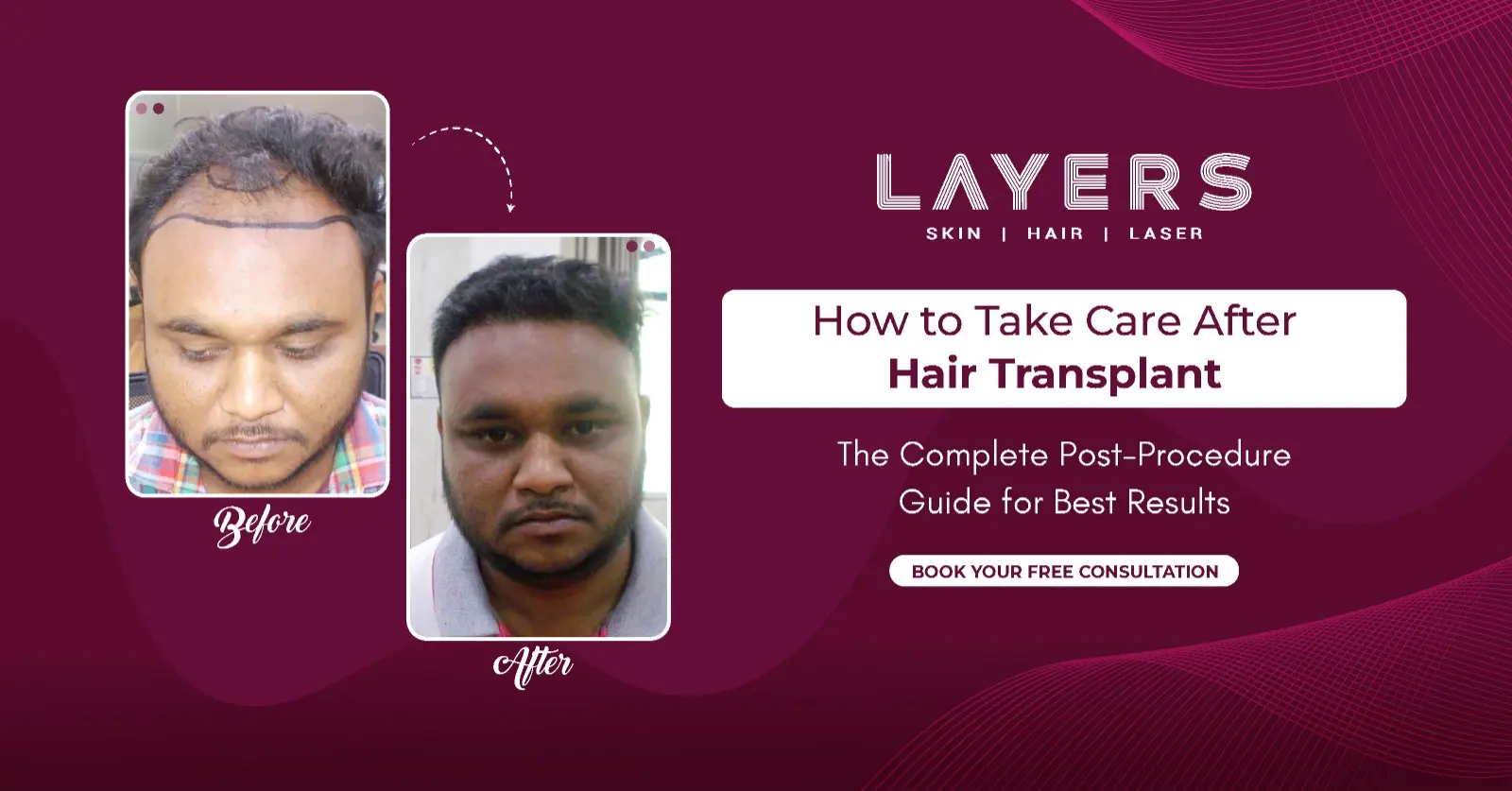
After having a successful hair transplant, it is only a portion of what will be considered “successful” as this is just part of the process; however, proper post-operative care should also contribute to achieving a successful outcome by providing the best possible conditions for the grafts to survive, heal, and eventually develop into healthy, new head hairs. We encourage every patient to be diligent with their post-operative care regimen and make sure to follow up with their physician to ensure that they are able to achieve the highest percentage of success and ultimately enjoy the most natural appearance of their hair restoration for a lifetime.
Immediate Care After Hair Transplant (First 24–48 Hours)
Your first two days following surgery will be very important for both the stability of your grafts and the healing of your scalp. During this period, it is very important that you treat your new follicles gently since they are very fragile.
- Do not touch or scratch your transplanted area.
- Keep your scalp clean and dry as outlined by your physician.
- Sleep with your head elevated to a 30 – 45 degree angle to reduce swelling.
- Use the saline solution that was given to you every few hours to keep your grafts moist.
- Do not wear a tight cap or helmet.
Mild swelling, redness and discomfort are expected but if you follow these guidelines you’ll have a better chance for your grafts to stay secure and, therefore, minimize any other risks or complications that you may encounter.
Hair Washing Guidelines After Hair Transplant
It is very important that you wash your scalp properly so that you maintain hygiene and do not dislodge the grafts from their new position.
From Day 3 to Day 7 you will wash the area in the following way:
- Use a mild doctor-recommended shampoo
- Dilute the shampoo with water before applying it to your scalp.
- Gently pour water on the scalp (do not apply direct pressure).
- Do not rub or scrub the grafts, gently pat the area with your cotton balls.
- Allow the scabs to soften and fall off naturally.
After 7 Days
- You can start washing in a normal manner using circular motions.
- Ensure that there are no scabs left on the scalp as they will negatively impact the new hair growth.
By maintaining a clean environment (your scalp), the healing process will be faster and a decreased risk of infection.
Sleeping Position and Precautions
Your sleeping position will be a major factor in controlling swelling and protecting the grafts.
- Sleep on your back with elevated pillows for at least 5 – 7 days.
- Avoid sleeping on the area where the transplanted grafts are located i.e. the back of your head.
- If you are sleeping with a neck pillow, you will help avoid putting any pressure on the grafts while sleeping.
Minimizing the amount of pressure is essential to the success of the grafts and allows maximum benefit in promoting healing.
Managing Swelling and Discomfort
You may develop swelling around your forehead and eyes between days two and four.
In treating swelling, please follow these instructions:
- You can use a cold compress for your forehead (not on your grafts)
- Use the anti-inflammatory medications provided from your doctor as directed
- Stay well hydrated and avoid salty foods.
The swelling usually dissipates within the first few days; when it does go away, your scalp will be stable in the healing recovery stage.
Shedding Phase: Understanding Shock Loss
2-4 weeks after a hair transplant, you may experience loss of hair – this is a normal occurrence called shock loss.
- The hair follicles are still alive and healthy beneath the skin.
- New hair will begin growing back in 2-3 months.
- It will take 6-12 months to get back to full density.
Avoiding Physical Activities and Sweating
No physical activities or sweating for at least 10-14 days will help you achieve good graft healing and minimize the risk of infection.
- Avoid gym, running and other strenuous exercise for at least 10-14 days following your procedure.
- Do not swim for 3-4 weeks; swimming pools and open water can pose risks to your graft.
- Avoid exposure to dust and pollution; both can affect the growth of your new hair.
Gradually returning to your usual level of activity will ensure a safe recovery without reducing the outcome of your transplant.
Diet and Nutrition for Faster Hair Growth
Some nutrients that are essential for supporting healthy follicles and hair:
- Protein (eggs, fish and legumes) contributes to the structure of your hair.
- Biotin will improve the strength of your hair.
- Iron and zinc will aid in the functioning of follicles.
- Vitamins A, C, D and E will help keep your scalp healthy.
You should keep yourself well-hydrated and eat a balanced diet to speed up the healing process and improve the quality of your new hair.
Medications and Topical Applications
Your hair transplant success is based on the adherence of prescription medications. The graft will survive, and your scalp will heal as long as you are taking the following medications:
- Antibiotics are to help prevent infection
- Pain Relievers are to help manage any discomfort
- Minoxidil (as prescribed) is to help stimulate hair growth
- PRP Therapy sessions may assist in enhancing results
Following your medical instructions strictly will increase your chance of an increase in hair density and long-term success.
Sun Exposure and Environmental Protection
After the procedure, the scalp will be sensitive, and protecting it from the sun and the environment is essential.
- Avoid direct exposure to the sun for 2 – 3 weeks
- Wear a loose hat when outside
- Avoid extreme heat or humidity
Protecting the scalp from environmental factors will contribute to healthy follicle growth.
Avoiding Harmful Habits
There are bad habits that can have a detrimental effect on your hair transplant.
- Do not smoke or drink alcohol for 2 weeks
- Do not use styling products or chemicals on your hair
- Do not colour your hair for 1 month
By eliminating these habits, blood circulation will be improved, and graft survival rates will increase.
When to Resume Normal Routine
Individual timelines for recovery will vary, but the established timeline is:
- You may return to work: in 3-5 days after the hair surgery.
- You may begin light exercise: within 2 weeks after the surgery.
- You may resume full physical activity: within 3-4 weeks after the surgery.
By following a structured recovery plan, you will heal properly and have consistent results with your newly transferred hair.
Long-Term Hair Care After Transplant
Results will continue through regular aftercare following the initial period of healing.
- Use gentle shampoo and conditioner
- Maintain a healthy lifestyle and diet
- Receive regular follow-up care
- Ask your physician about continued treatment
Long-term care will preserve the amount of hair density and how naturally the hair appears.
Common Mistakes to Avoid After Hair Transplant
It is important to avoid the following common mistakes in order to achieve the best results:
- Touching or scratching the grafts too early
- Not taking your medications or following your post-operative instructions
- Resuming strenuous exercise too soon
- Neglecting to practice proper hygiene and take care of the scalp
Avoiding these types of mistakes will help to preserve your investment and maximize your chances of obtaining optimal hair growth results.
Hair Growth Timeline After Transplant
Understanding the hair growth timeline will help set realistic expectations.
- Weeks 1–2: Healing and scabbing occur
- Weeks 3–4: Shedding Phase (Shock Loss)
- Months 2-3: Initial growth begins
- Month 6: Noticeable improvement in density
- Months 9-12: Full results with thick, natural-looking hair
This stepwise process will provide permanent and natural results.
Why Choose Layers Clinics for Hair Transplant Care?
When it comes to recovery after hair transplant, expert guidance makes all the difference.
At Layers Clinics, you get:
- Personalized aftercare plans
- Advanced hair regrowth therapies
- Experienced dermatologists and specialists
- Modern technology and hygienic environment
- Continuous follow-up and support
Patients trust Layers Clinics not just for procedures, but for complete care after hair transplant.
FAQs: After Hair Transplant
1. How long does it take to recover after hair transplant?
Most recovery happens within 7–10 days, but full healing and growth continue for several months after hair transplant.
2. Is hair shedding normal after hair transplant?
Yes, shedding within 2–4 weeks is completely normal and part of the hair growth cycle.
3. Can I wear a cap after hair transplant?
You can wear a loose cap after 7–10 days, but avoid tight headwear early after hair transplant.
4. When can I return to work after hair transplant?
Most people return within 3–5 days, depending on the nature of their work.
5. Are the results permanent after hair transplant?
Yes, transplanted hair is typically permanent if proper care is taken after hair transplant.
Final Thoughts
How well the final result is going to be determined by how you do the aftercare for your hair transplant. Using professional instructions, keeping clean, and leading a healthy lifestyle will help most people to achieve dens, naturally growing, permanent hair to which they will be able to confidently show off the full potential of their new hair. Consistency, patience, and professional aftercare will help to ensure that the transplanted hairs will blend in with and have the same appearance as your pre-transplant hair providing long-term satisfaction for you and/or a large number of people around you.
