Hair health is influenced by several factors, including genetics, nutrition, hormones, lifestyle and environmental exposure. While many people associate smoking with lung and heart problems, fewer realise that tobacco use may also affect hair health.
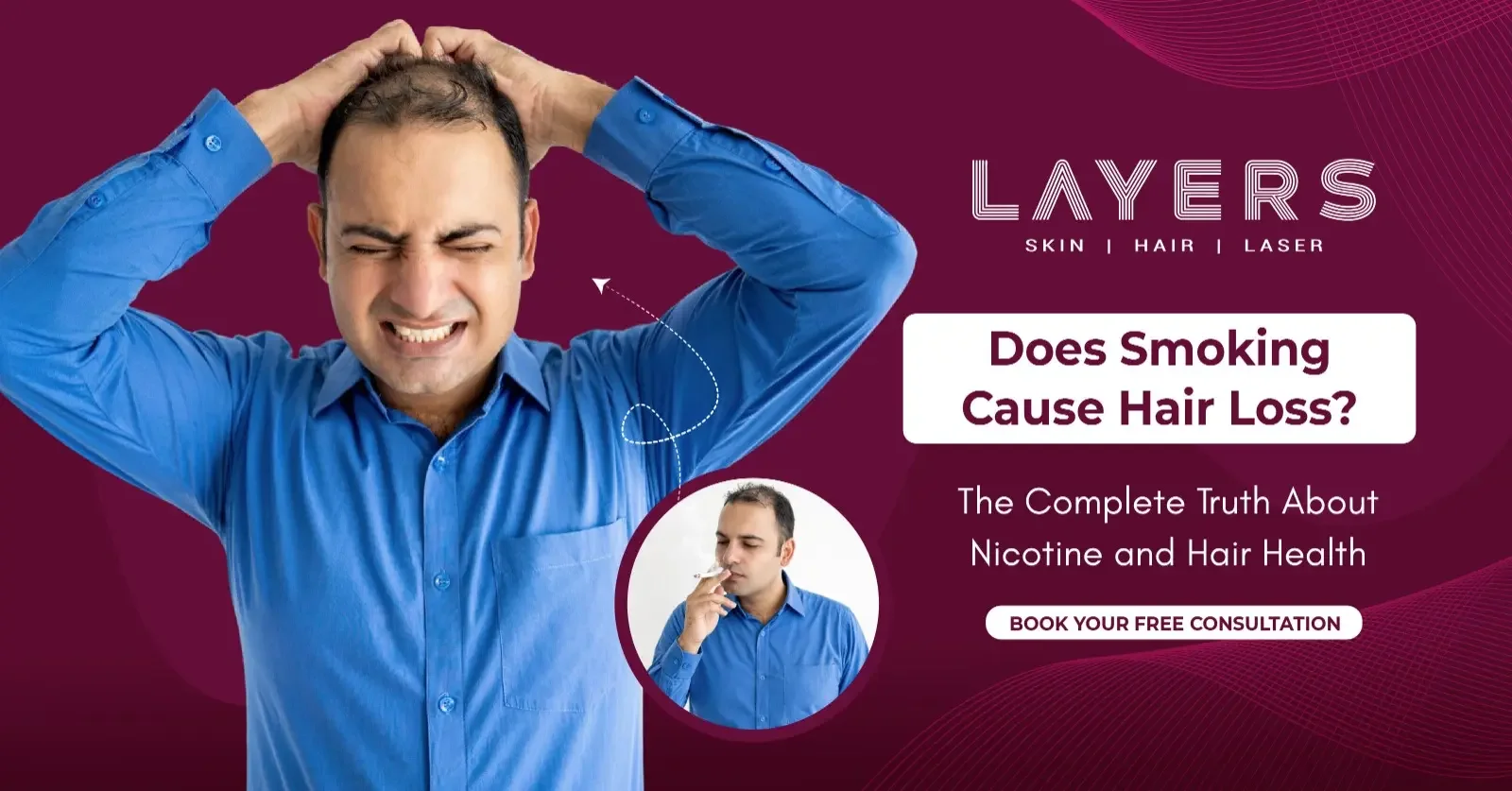
If you have noticed increased hair shedding, a receding hairline or thinning hair, you may be wondering: Does smoking cause hair loss?
Research suggests that smoking is associated with an increased risk of certain types of hair loss, particularly androgenetic alopecia, commonly known as pattern hair loss. Chemicals in tobacco smoke, including nicotine, may affect the hair follicles through mechanisms involving blood vessels, inflammation and oxidative stress.
However, smoking is not the only possible cause of hair loss. Genetics, nutritional deficiencies, hormonal changes and scalp conditions can also contribute.
In this article, we explain how smoking may affect hair growth, whether smoking-related hair loss can be reversed, whether hot weather contributes to hair fall and when you should consult a dermatologist.
Does Smoking Cause Hair Loss?
Yes, research suggests that smoking may contribute to hair loss and worsen existing hair thinning in some individuals.
Cigarette smoke contains nicotine and other chemicals that can affect different body systems, including the skin and hair follicles.
A systematic review published in 2021 examined research on smoking and hair health. It found an association between smoking, hair loss and premature hair greying.
A 2024 meta-analysis also reported an association between smoking and male pattern hair loss. However, these findings do not establish that smoking directly causes hair loss in every smoker.
Several factors may explain the relationship:
-
Nicotine can affect blood vessel function.
-
Tobacco smoke contributes to oxidative stress.
-
Smoking promotes inflammation throughout the body.
-
Chemical exposure may affect normal hair follicle activity.
Therefore, smoking may be an important lifestyle factor to discuss when evaluating unexplained or progressive hair thinning.
How Does Smoking Affect Hair Growth?
Hair follicles go through a natural growth cycle involving growing, transitional and resting phases. Changes in this cycle can result in increased shedding or reduced hair density.
Smoking may influence hair health through several possible mechanisms.
1. Reduced Blood Flow
Nicotine can cause blood vessels to narrow temporarily. This process is called vasoconstriction.
Changes in circulation may affect the delivery of oxygen and nutrients to different tissues. Researchers have proposed that this could negatively influence the environment surrounding hair follicles.
However, the exact contribution of this mechanism to human hair loss is still being studied.
2. Oxidative Stress
Tobacco smoke contains chemicals that increase the production of reactive oxygen species.
When these substances exceed the body’s antioxidant defences, oxidative stress can occur.
Oxidative stress has been investigated as a possible contributor to damage involving hair follicle cells and normal follicular function.
3. Inflammation
Smoking is associated with inflammation throughout the body.
Chronic inflammation may affect skin and scalp health and could contribute to conditions that influence hair growth.
The American Academy of Dermatology also advises people experiencing hair loss to stop smoking because smoking-related inflammation may worsen hair loss.
4. Changes in Hair Follicle Activity
Hair follicles continuously move through different growth stages. Factors that interfere with normal follicular activity may contribute to thinning or excessive shedding.
Research suggests that smoking-related chemical exposure and oxidative stress may affect this process. More studies are needed to establish the exact biological mechanisms.
Can Smoking Lead to Hair Thinning and Baldness?
Yes, smoking has been associated with androgenetic alopecia, a common form of progressive hair loss affecting men and women.
In men, it may appear as:
-
A receding hairline.
-
Thinning around the temples.
-
Reduced hair density at the crown.
-
Gradual progression towards more extensive baldness.
In women, it may appear as:
-
A widening central hair parting.
-
Reduced hair density across the crown.
-
Gradual thinning over the top of the scalp.
Genetics and hormonal sensitivity remain important factors in pattern hair loss. Smoking may be an additional associated risk factor, but it is not the only explanation.
If you notice progressive thinning, a dermatologist can assess your scalp and determine whether you have hereditary hair loss or another condition.
Smoking Causes Hair Fall: What Other Factors Contribute?
Although smoking may affect hair health, several other factors can contribute to hair fall.
1. Genetic Factors
Family history is an important factor in androgenetic alopecia. If close relatives experience pattern baldness, you may have an increased likelihood of developing a similar hair-loss pattern.
2. Nutritional Deficiencies
Insufficient iron, protein and certain other nutrients may contribute to excessive hair shedding.
A dermatologist may recommend blood investigations when your symptoms or medical history suggest a nutritional deficiency.
3. Stress and Illness
Physical or emotional stress, high fever, surgery and significant illness can trigger temporary hair shedding called telogen effluvium.
This type of shedding may become noticeable several weeks or months after the triggering event.
4. Hormonal Changes
Thyroid conditions and other hormonal changes can influence hair growth.
Women may experience changes in hair density following pregnancy, childbirth or menopause.
5. Scalp Conditions
Dandruff, scalp inflammation, fungal infections and certain inflammatory skin conditions may affect scalp health and contribute to hair problems.
Identifying the underlying cause is essential before selecting a treatment.
Does Hot Weather Cause Hair Loss?
Hot weather does not automatically cause permanent hair loss. However, seasonal changes, sun exposure and excessive heat can influence hair and scalp health.
Research has observed seasonal patterns in hair shedding, although the exact reasons are not fully understood.
Hot weather may affect hair through several factors:
1. Sun Exposure: Prolonged ultraviolet exposure can damage the hair shaft, contributing to dryness and brittleness.
2. Sweat and Scalp Hygiene: Increased sweating may make the scalp feel oily or uncomfortable. Regular cleansing with a suitable shampoo can help maintain scalp hygiene.
3. Heat Styling: Frequent use of hot blow dryers, straighteners and curling irons can weaken hair fibres and increase breakage.
4. Seasonal Shedding: Some studies suggest that hair shedding may vary across seasons. However, temperature alone has not been established as the direct cause.
To protect your hair during hot weather, use suitable sun protection, avoid excessive heat styling and maintain a gentle hair-care routine.
Can Hair Loss from Smoking Be Reversed?
Whether smoking-related hair loss can be reversed depends on the underlying type of hair loss and the condition of the hair follicles.
Quitting smoking is an important step towards improving overall health and reducing continued tobacco exposure. It may also remove one potential lifestyle factor associated with poorer hair health.
However, there is currently insufficient clinical evidence to promise that stopping smoking alone will reverse hair loss or restore lost hair density.
Consider the following situations:
Temporary Hair Shedding: If increased shedding is related to a temporary trigger, hair growth may gradually recover after the cause is addressed.
Hereditary Hair Loss: Pattern baldness usually requires specific medical management. Quitting smoking alone is unlikely to reverse established hereditary hair loss.
Advanced Hair Loss: If follicles have been permanently damaged or lost, medical treatments may have limited ability to restore hair in those areas.
A dermatologist can help determine the likely cause, assess follicle health and recommend appropriate treatment options.
Does Folic Acid Cause Hair Loss?
Folic acid, also known as vitamin B9 in its synthetic supplement form, is involved in normal cell growth and DNA production.
It is not generally recognised as a common cause of hair loss when taken at recommended doses.
Folate deficiency may occur in certain individuals, but the relationship between folic acid supplementation and hair regrowth is not well established.
Research has not demonstrated consistent benefits from folic acid supplementation for hair loss in people without a documented deficiency.
Avoid taking high-dose supplements without medical advice. If you are experiencing unexplained hair fall, a dermatologist can help determine whether nutritional testing is appropriate.
How to Protect Your Hair if You Smoke
Reducing and ideally quitting tobacco use is an important step towards better overall health.
The following practices may also support healthy hair:
1. Consider Professional Smoking Cessation Support
If you smoke regularly, speak with a healthcare professional about quitting. Behavioural support and medically recommended cessation treatments may help.
Avoid assuming that switching to another nicotine product is a proven way to protect hair health.
2. Eat a Balanced Diet
Include protein-rich foods, vegetables, fruits, legumes, nuts and other nutrient-dense foods.
Adequate nutrition supports normal hair growth and overall health.
3. Follow a Gentle Hair Care Routine
Use a suitable shampoo, condition your hair regularly and avoid excessive heat styling.
Avoid tight hairstyles that place repeated tension on hair follicles.
4. Maintain Scalp Hygiene
Wash your scalp according to your hair type and activity level. If you experience persistent dandruff, itching or inflammation, consult a dermatologist.
5. Seek Early Hair Loss Assessment
Do not ignore progressive thinning, bald patches or persistent excessive shedding.
Early assessment helps identify the cause and allows treatment to be planned appropriately.
How Is Smoking-Related Hair Loss Evaluated?
There is no single test that confirms smoking as the cause of hair loss. A dermatologist evaluates several factors before identifying the likely diagnosis.
Step 1: Medical and Lifestyle History
The doctor may ask about smoking habits, family history, medications, diet, recent illnesses and the duration of hair shedding.
Step 2: Scalp Examination
The scalp, hair density, hairline and pattern of thinning are examined.
Step 3: Hair and Scalp Analysis
Dermoscopic examination or scalp imaging may help assess hair follicles and identify patterns of thinning.
Step 4: Additional Investigations
Blood tests may be recommended if nutritional deficiencies, thyroid problems or other medical conditions are suspected.
Step 5: Treatment Recommendation
Based on the findings, the dermatologist may recommend lifestyle changes, medical treatment or selected hair restoration procedures.
Hair Loss Treatment Options at Layers Clinics
If you are experiencing hair thinning, persistent hair fall or a receding hairline, treatment should be selected according to the underlying cause.
At Layers Clinics, available hair-care and hair restoration options may include:
1. Hair Fall Treatment:
An assessment-based approach to identifying possible causes of excessive shedding and selecting suitable management options.
2. Hair Regrowth Treatment:
Selected medical and in-clinic options may help manage certain types of hair thinning.
3. PRP Hair Treatment:
Platelet-Rich Plasma therapy uses a preparation made from the patient’s blood and may be considered for selected hair-loss conditions.
4. GFC Hair Treatment:
Growth Factor Concentrate therapy may be considered as part of an individualised hair restoration plan. Evidence and outcomes vary.
5. Hair Transplant Consultation:
Selected individuals with established pattern baldness may be assessed for surgical hair restoration.
A dermatologist can help determine whether these options are suitable for your condition.
Frequently Asked Questions
1. Does smoking cause hair loss?
Research suggests that smoking is associated with an increased risk of certain types of hair loss, particularly androgenetic alopecia. However, genetics, hormones and other health factors also influence hair loss.
2. Does smoking make you lose your hair?
Smoking may contribute to poorer hair health through inflammation, oxidative stress and other biological mechanisms. However, not every smoker experiences hair loss.
3. Can smoking lead to hair loss?
Yes, studies have found an association between smoking and hair loss. Smoking may be an additional risk factor for pattern hair loss, although the exact cause-and-effect relationship is still being investigated.
4. Can smoking cause hair thinning?
Smoking has been associated with hair thinning, particularly in people with androgenetic alopecia. Other factors, including genetics and hormonal changes, can also contribute.
5. Can smoking cause baldness?
Smoking may be associated with an increased risk or progression of male pattern hair loss. However, hereditary and hormonal factors remain major contributors to baldness.
6. Can hair loss from smoking be reversed?
It depends on the type and stage of hair loss. Quitting smoking supports overall health, but there is insufficient evidence that quitting alone reverses established hair loss. Appropriate medical treatment may help manage certain conditions.
7. Does hot weather cause hair loss?
Hot weather does not automatically cause permanent hair loss. However, UV exposure and excessive heat styling can damage hair fibres, while seasonal changes may influence shedding patterns.
8. Does folic acid cause hair loss?
Folic acid is not generally considered a common cause of hair loss when taken at recommended doses. Supplementation should be based on individual nutritional requirements and medical advice.
9. Does smoking affect hair loss in women?
Smoking may also be associated with hair thinning in women. However, hormonal changes, genetics, nutritional deficiencies and medical conditions should also be considered.
10. When should I consult a dermatologist for hair loss?
Consult a dermatologist if you experience progressive thinning, a receding hairline, sudden bald patches, persistent shedding or scalp irritation. Early assessment helps identify the cause and suitable treatment options.
Conclusion
Smoking may negatively affect hair health and is associated with an increased risk of certain types of hair loss. However, it is important to understand that hair fall can have multiple causes, and smoking is not necessarily the only contributing factor.
Reducing tobacco exposure, maintaining a balanced diet and following appropriate hair-care practices can support overall health. If you notice persistent thinning or excessive shedding, consult a dermatologist for an accurate assessment.
At Layers Clinics, you can explore hair fall, hair regrowth and hair restoration treatment options based on your individual requirements.
Book a consultation at Layers Clinics to understand your hair-loss concerns and discuss suitable treatment options.
Medical disclaimer: This article is for educational purposes and does not replace professional medical advice. Smoking-related hair loss research largely demonstrates associations rather than definitive causation. Treatment suitability and outcomes vary between individuals.