
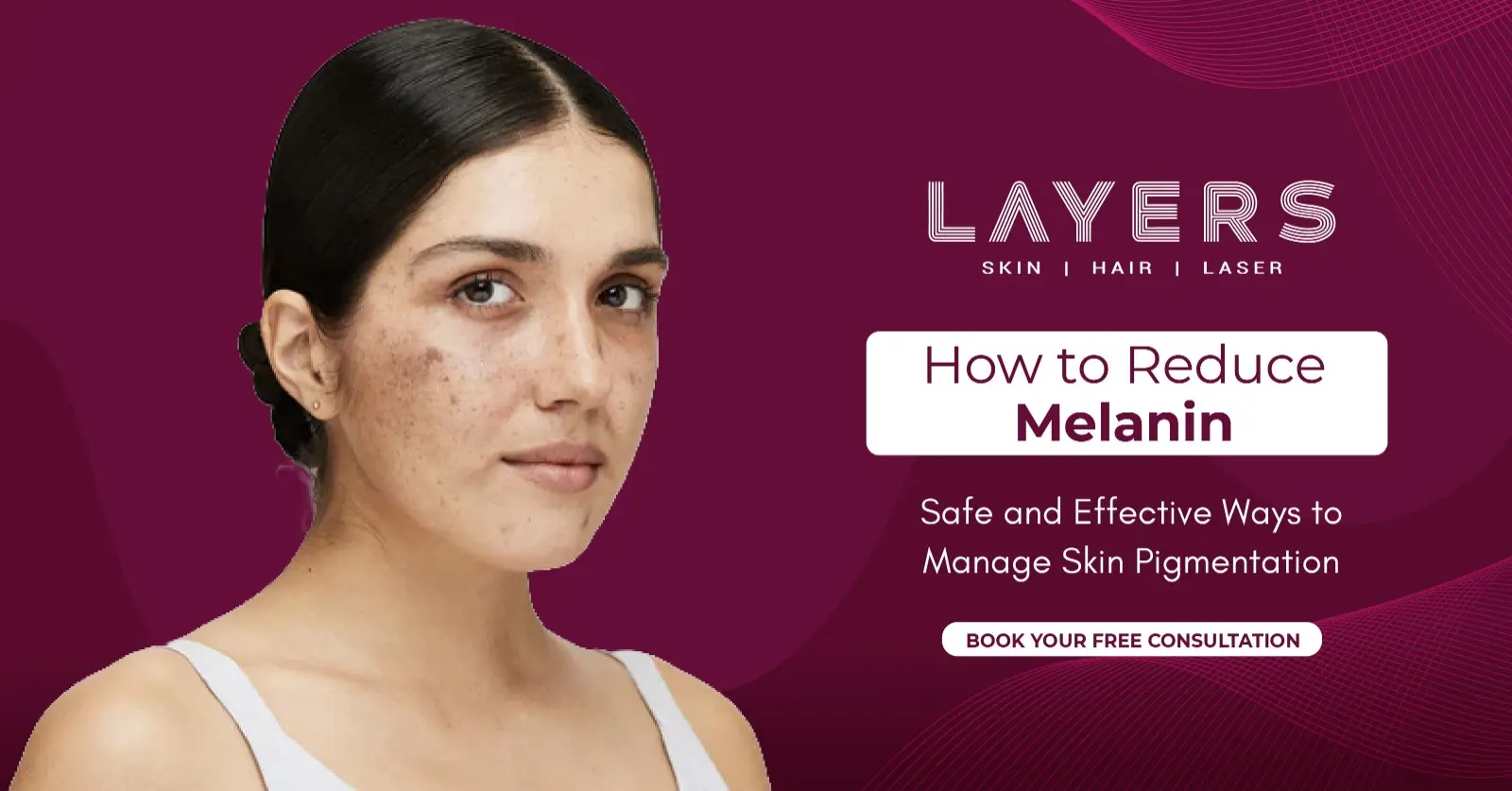
Skin tone is determined largely by melanin, a natural pigment produced by specialized cells in the skin. While melanin plays an essential role in protecting the skin from ultraviolet radiation, excessive production can lead to uneven pigmentation, tanning, dark spots, and patchy skin tone. Many individuals therefore search for reliable ways how to reduce melanin safely while maintaining healthy skin.
At Layers Clinics, we focus on dermatology-backed strategies that help manage pigmentation while protecting the skin’s natural balance. Our approach emphasizes skin health, controlled melanin production, and long-term pigmentation management rather than aggressive treatments that may damage the skin barrier.
By combining effective skincare practices, targeted ingredients, and professional dermatological procedures, we help individuals gradually achieve a clearer, more even complexion.
Understanding Melanin and Its Role in Skin Pigmentation
Melanin is a biological pigment produced by melanocytes, specialized cells located in the skin’s epidermal layer. This pigment determines the natural color of skin, hair, and eyes and functions as the body’s natural defense against ultraviolet radiation.
When skin is exposed to sunlight, melanocytes produce more pigment to absorb UV rays and prevent damage to deeper skin layers. This process results in tanning or temporary darkening of the skin.
However, several internal and external triggers can stimulate excessive melanin production, causing hyperpigmentation and uneven skin tone.
Common Causes of Excess Melanin Production
Understanding the triggers that increase melanin levels is essential when exploring how to reduce melanin from skin effectively.
Sun Exposure
Ultraviolet radiation is the most common cause of increased melanin production. Continuous exposure without protection leads to sun tanning, freckles, and dark patches.
Hormonal Fluctuations
Hormonal changes during pregnancy, hormonal therapies, or medical conditions can trigger melasma, a pigmentation disorder that appears as dark patches on the face.
Skin Inflammation
Acne, rashes, or injuries can cause post-inflammatory hyperpigmentation, leaving darker marks after the skin heals.
Environmental Stress
Pollution, oxidative stress, and harsh environmental conditions can stimulate melanocytes and contribute to pigmentation irregularities.
Genetic Factors
Some individuals naturally produce higher levels of melanin due to genetic factors, making them more prone to hyperpigmentation and tanning.
Recognizing these triggers helps guide strategies for how to reduce melanin production safely without harming the skin.
Daily Habits That Help Control Melanin Production
Managing melanin levels begins with consistent skincare and protective lifestyle habits.
Daily Sun Protection
Sun protection is the most important step in preventing excess pigmentation.
We recommend:
- Broad-spectrum sunscreen with SPF 30 or higher
- Reapplication every two to three hours when outdoors
- Protective clothing and hats during peak sunlight hours
Consistent sun protection helps prevent additional pigmentation and supports efforts to reduce melanin from face gradually.
Gentle and Consistent Skincare Routine
Skin irritation often stimulates melanocytes. Maintaining a gentle skincare routine helps prevent unnecessary pigment activation.
A balanced skincare routine includes:
- Mild cleansers that maintain the skin barrier
- Hydrating moisturizers that protect skin integrity
- Targeted treatment serums recommended by dermatologists
Avoiding harsh scrubbing or over-exfoliation is essential when trying to reduce melanin without damaging the skin.
Hydration and Nutrient-Rich Diet
Nutrition plays a key role in skin regeneration and pigmentation balance. A diet rich in antioxidants helps neutralize free radicals that may contribute to skin discoloration.
Beneficial nutrients include:
- Vitamin C
- Vitamin E
- Beta carotene
- Polyphenols from fruits and vegetables
Hydration also supports skin cell renewal and improves overall complexion.
Dermatology-Approved Ingredients That Help Reduce Melanin
Certain scientifically supported ingredients are widely used in dermatology to address pigmentation concerns and help regulate melanin activity.
Vitamin C for Skin Brightening
Vitamin C is a powerful antioxidant that helps reduce oxidative stress and brighten the skin tone. It supports collagen production while helping reduce the appearance of dark spots.
Niacinamide for Pigment Control
Niacinamide helps regulate melanin transfer within the skin, making it effective in reducing uneven pigmentation while strengthening the skin barrier.
Alpha Arbutin for Dark Spot Reduction
Alpha arbutin is commonly used in dermatological skincare products because it helps reduce excess melanin formation and gradually fade hyperpigmentation.
Retinoids for Skin Cell Renewal
Retinoids accelerate skin cell turnover, allowing pigmented cells to shed more quickly and revealing brighter skin beneath.
These ingredients are often recommended by dermatologists when addressing concerns related to how to reduce melanin on face safely.
Professional Dermatology Treatments for Excess Pigmentation
When pigmentation becomes persistent or difficult to manage with skincare alone, advanced dermatological treatments can offer more effective results.
Medical Chemical Peels
Chemical peels use dermatology-grade exfoliating agents to remove damaged outer skin layers. This process encourages new skin cell growth and improved skin clarity.
Benefits include:
- Reduction of dark spots
- Improved skin texture
- Brighter and more even complexion
Laser Pigmentation Treatment
Laser technology precisely targets melanin deposits within the skin, breaking down pigment clusters and gradually reducing discoloration.
Laser treatments are particularly effective for:
- Sun spots
- Age spots
- Persistent pigmentation
Advanced Skin Brightening Therapies
Modern dermatology treatments combine exfoliation, hydration, and targeted pigmentation ingredients to improve overall skin tone.
These therapies help address concerns related to how to reduce melanin from face with professional care.
Can Melanin Be Permanently Reduced?
Melanin is a natural and essential component of the skin, providing protection against ultraviolet damage. Because of this protective role, melanin cannot and should not be completely eliminated.
Instead, dermatological treatments focus on:
- Balancing melanin production
- Reducing excess pigmentation
- Improving skin clarity and brightness
The goal is to maintain healthy, balanced skin tone rather than drastically altering natural pigmentation.
Targeting Pigmentation on Different Areas of the Body
Melanin buildup can appear in several areas of the body due to varying exposure levels and skin sensitivity.
Facial Pigmentation
The face is particularly prone to pigmentation due to daily sun exposure and environmental stress. Consistent skincare and sun protection are essential.
Neck and Hands
These areas frequently develop uneven tanning and darkening due to sun exposure. Gentle exfoliation and moisturizing treatments help improve skin tone.
Underarm or Body Pigmentation
Friction, shaving irritation, and hormonal factors may cause pigmentation in sensitive areas. Dermatology treatments can help address these concerns safely.
When to Consult a Dermatologist for Pigmentation
While mild pigmentation can often improve with skincare, certain conditions require professional evaluation.
Dermatology consultation is recommended if:
- Dark patches continue to spread
- Pigmentation appears suddenly
- Home remedies cause irritation
- Melasma or hormonal pigmentation develops
- Skincare treatments show little improvement
Early diagnosis allows dermatologists to create a personalized treatment strategy for managing melanin production effectively.
Why Choose Layers Clinics for Pigmentation Treatment
At Layers Clinics, we combine clinical dermatology expertise with advanced aesthetic technology to address a wide range of skin concerns.
Our approach to pigmentation management focuses on precision treatments and personalized skincare plans designed to improve skin clarity safely.
Patients benefit from:
- Experienced dermatology specialists
- Advanced pigmentation treatment technologies
- Personalized skin consultations
- Safe and hygienic clinical environments
- Long-term skincare guidance for maintaining results
Our goal is to help individuals achieve balanced, radiant skin while protecting overall skin health.
Frequently Asked Questions About Reducing Melanin
How to reduce melanin naturally?
Consistent sun protection, antioxidant-rich skincare, hydration, and a balanced diet can help maintain healthy pigmentation and gradually reduce excess melanin.
How to reduce melanin from face safely?
Gentle exfoliation, dermatologist-approved skincare ingredients, and professional treatments such as chemical peels or laser therapy can help reduce facial pigmentation.
Can melanin production be completely stopped?
No. Melanin is essential for protecting the skin from UV damage. Treatments focus on regulating excess melanin production rather than eliminating it.
How long does it take to reduce pigmentation?
Mild pigmentation may improve within a few weeks with proper skincare, while deeper pigmentation may require multiple dermatology treatment sessions.
Are professional pigmentation treatments safe?
Yes. When performed by qualified dermatologists using approved technology, treatments such as chemical peels and laser therapy are considered safe and effective.
Achieve Clearer and Healthier Skin
Managing pigmentation requires patience, proper skincare habits, and expert guidance. Understanding how to reduce melanin safely allows individuals to restore skin clarity while maintaining the natural protective functions of the skin.
At Layers Clinics, we provide personalized solutions designed to address pigmentation concerns with modern dermatological expertise and advanced treatment technologies. By combining medical care with professional skincare guidance, we help individuals achieve brighter, healthier, and more balanced skin tone.
