
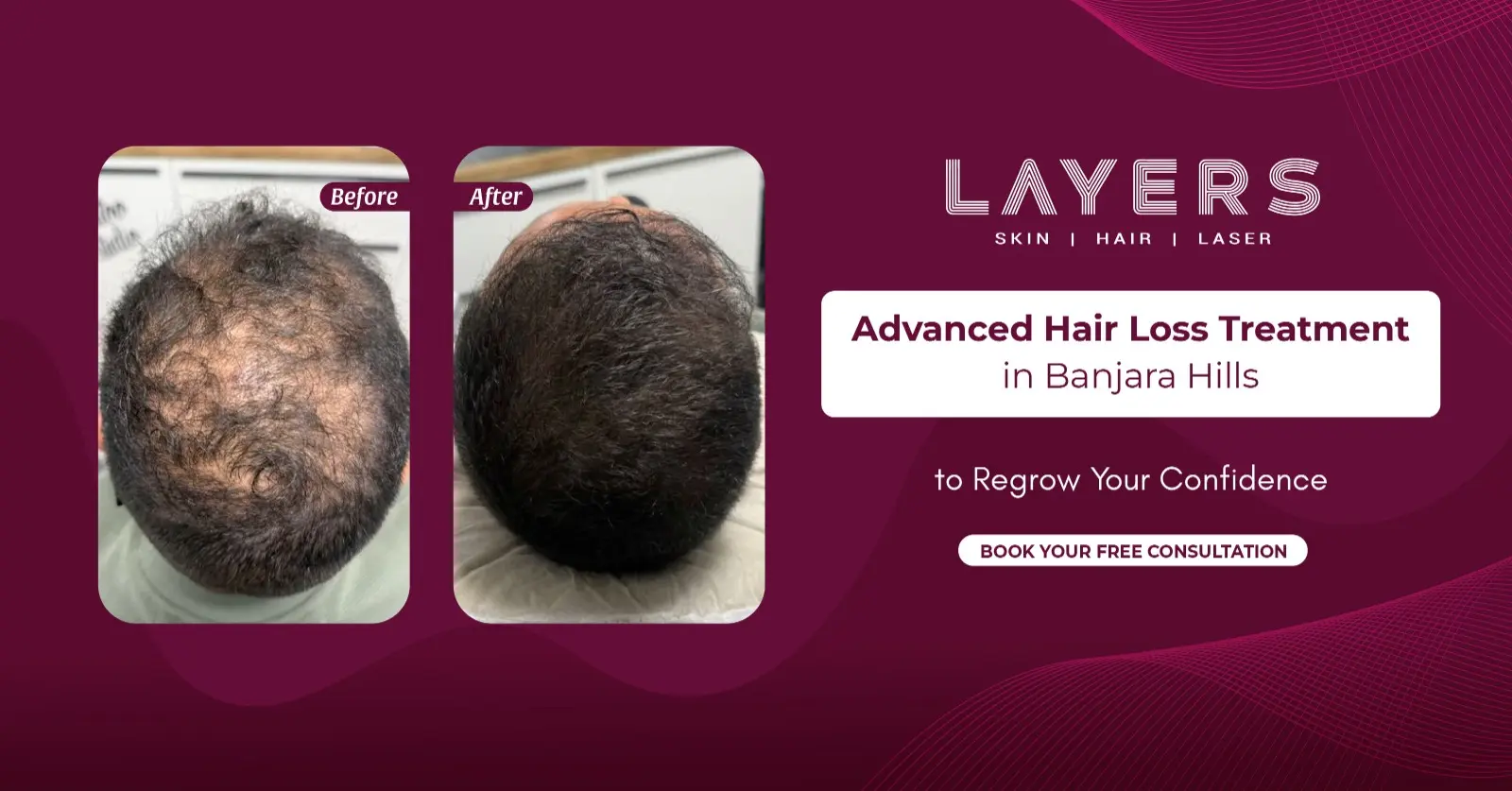
Hair loss treatment in Banjara Hills is not one-size-fits-all. The right treatment depends on the cause and stage of hair loss. PRP, GFC, QR678, exosome therapy, medication, or hair transplantation may be considered after a proper scalp and hair assessment. Early diagnosis can help improve the chances of managing progressive hair loss effectively.
We regularly see patients travelling in from Jubilee Hills, Punjagutta, Somajiguda, Film Nagar, Khairatabad, and Ameerpet for exactly this reason: a proper scalp work-up before anyone talks treatment plans.
Who Is Hair Loss Treatment in Banjara Hills For?
This guide is designed for men and women experiencing persistent hair fall, thinning, receding hairlines, widening hair parts, or early-stage baldness who are looking for professional hair restoration options in Banjara Hills, Hyderabad.
It can help people compare non-surgical hair loss treatments and hair transplantation, understand when professional evaluation is appropriate, and choose a treatment based on their hair-loss pattern, scalp condition, and long-term goals.
What Causes Hair Loss?
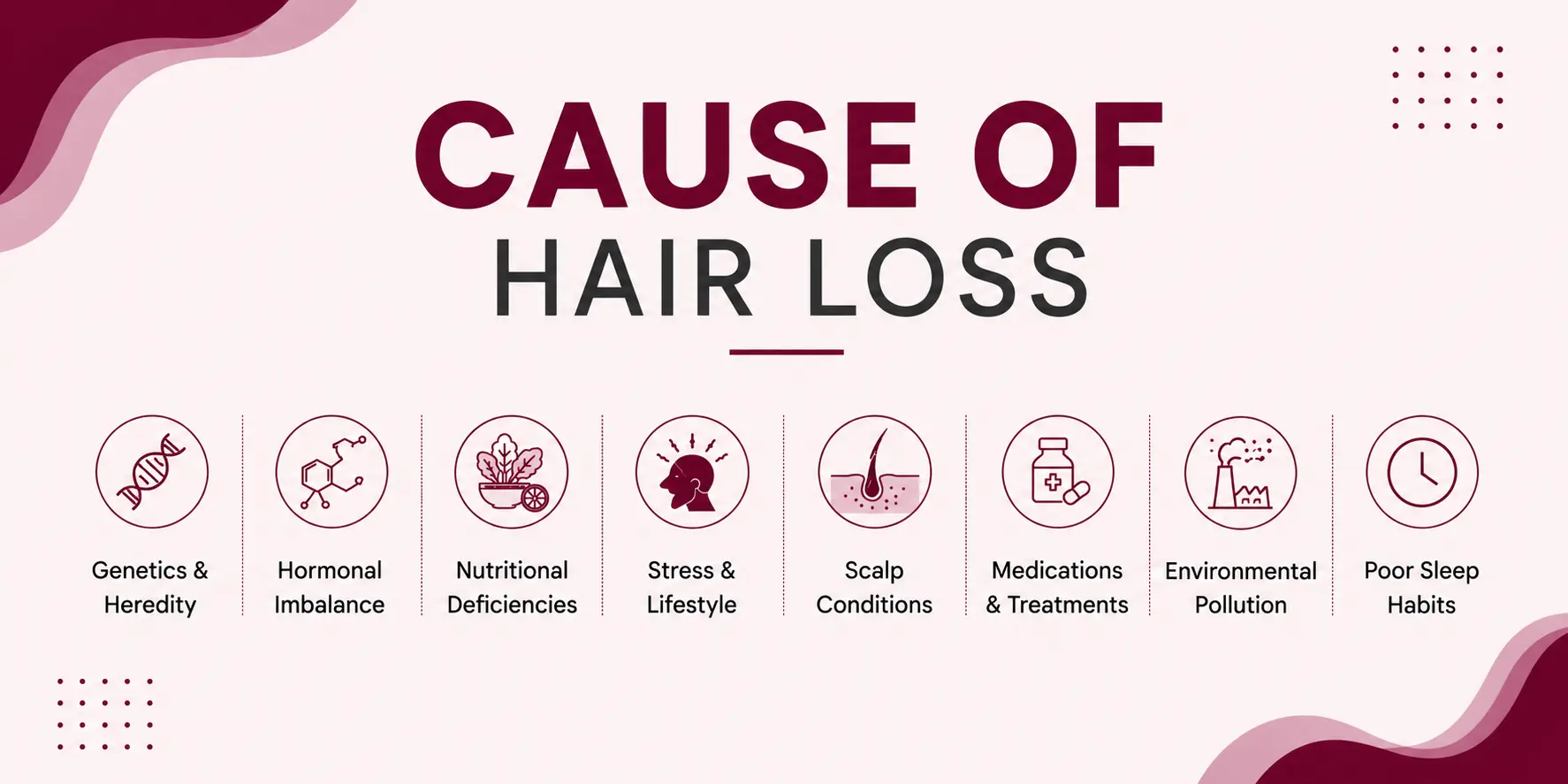
Hair growth happens naturally, but several factors can disrupt it:
- Cycle disruption – Each strand grows, rests, and sheds in a natural rhythm. When this cycle is disturbed, more hair enters the shedding phase at once, making hair look visibly thinner.
- Hormonal and nutritional imbalances – Hormones, diet, and overall health directly affect how active hair follicles are. Even small deficiencies can have an outsized impact on growth.
- Chronic stress – Physical or emotional stress can push hair into premature shedding, with effects often surfacing weeks or months later.
- Scalp environment – A balanced scalp is essential for healthy hair. Oil buildup, dryness, or irritation over time weakens hair roots.
- External habits – Frequent styling, heat exposure, and harsh chemical products don’t damage hair overnight, but they wear it down gradually.
A targeted hair loss treatment in Banjara Hills addresses all of these factors together, rather than treating one cause in isolation.
What Are the Different Types of Hair Loss?
Not all hair loss is the same, and identifying the type shapes the entire treatment plan:
- Androgenetic alopecia (male/female pattern baldness) – The most common form, driven by genetics and hormones (DHT sensitivity), causing gradual thinning at the crown or a receding hairline.
- Telogen effluvium – Sudden, diffuse shedding triggered by stress, illness, surgery, or hormonal shifts, typically appearing 2–3 months after the trigger event.
- Alopecia areata – An autoimmune condition causing sudden, patchy hair loss in small round areas.
- Traction alopecia – Hair loss from prolonged pulling or tight hairstyles, common along the hairline and temples.
A scalp and hair analysis at Layers Clinics identifies exactly which type you’re dealing with, since androgenetic alopecia and telogen effluvium, for instance, respond very differently to treatment.
Can Stress Cause Hair Loss?
Chronic stress is one of the most overlooked causes of hair loss. It’s not always genetics or diet stress causes the body to release cortisol, which disrupts how hair follicles function. Telogen effluvium, a condition where hair falls out in clumps a few weeks after a stressful event, is usually reversible if treated promptly.
Ways to protect your hair from stress-related shedding:
- Mindful stress management – Meditation, yoga, and deep breathing help lower cortisol levels and support healthy hair growth.
- A balanced diet – Nutrients like biotin, zinc, and vitamin D keep follicles strong, especially under stress.
- Professional hair care – Treatments like PRP or scalp rejuvenation can wake up dormant follicles and improve thickness.
- Lifestyle adjustments – Adequate sleep, regular exercise, and limiting heat styling reduce cumulative damage.
When Should You See a Hair Specialist?
Don’t wait for visible bald patches. See a dermatologist as soon as shedding feels abnormal or persistent. Many people delay treatment for months hoping it resolves on its own sometimes it does, but often the delay costs follicles that could have been saved. Book a consultation if you notice:
- Clumps of hair coming out while washing or combing
- A hairline that’s visibly moved back
- Thinning specifically at the crown
- Your hair part looking wider than before
- Scalp becoming visible through your hair
- Patchy bald spots
- Hair growing slower or finer than usual
- Ongoing dandruff paired with shedding
- Hair that snaps or breaks more easily than before
If any of these have persisted for a few weeks not just a bad hair day it’s worth getting your scalp properly evaluated.
What Are the Best Hair Loss Treatment Options?
There’s no single “best” treatment for everyone. What works depends on how advanced the hair loss is, your age, scalp condition, and medical background.
PRP (Platelet-Rich Plasma) Therapy We draw a small sample of your blood, concentrate the growth factors in it, and inject that concentrate into the scalp to activate dormant follicles. PRP hair treatment is a well-established option for early-stage thinning and androgenetic alopecia, with minimal downtime and no foreign substances involved.
GFC (Growth Factor Concentrate) Therapy A more concentrated, minimally invasive alternative to PRP. GFC delivers a denser dose of natural growth factors directly to the scalp and tends to suit patients with weak or diffusely thinning follicles men and women alike.
QR678 Hair Regrowth Therapy A non-surgical, injectable therapy using bioengineered growth factors. Suitability depends on clinical evaluation, so it’s typically discussed after your scalp assessment rather than offered as a blanket solution.
Exosome Hair Therapy One of the newer regenerative approaches exosomes work at a cellular level to improve communication between cells and support follicle activity. It’s generally considered for patients who are good non-surgical candidates.
Hair Transplant When follicles are permanently gone rather than just dormant, regrowth therapies won’t bring them back but transplantation can. Our specialists assess donor hair quality, scalp condition, and hairline design before recommending this route, since outcomes depend heavily on getting these details right.
How Long Does Hair Loss Treatment Take to Show Results?
Hair restoration is a gradual process, not an overnight fix. Most patients begin noticing reduced shedding within 4–6 weeks of starting treatment, with visible thickness improvements typically appearing after 3–4 months as new hair completes a full growth cycle. Non-surgical therapies like PRP and GFC usually require multiple sessions spaced a few weeks apart, followed by periodic maintenance to sustain results. Hair transplant results follow a different timeline, with transplanted follicles shedding initially before regrowing permanently over 8–12 months.
Why Choose Layers Clinics for Hair Loss Treatment in Banjara Hills?
- Diagnosis-first approach – Every plan begins with evaluating hair condition, scalp health, and possible triggers instead of guessing.
- Precision-based care – Treatments are adjusted based on how your scalp responds, not a fixed routine.
- Modern techniques – Updated procedures stimulate follicles and improve hair strength without unnecessary complexity.
- Consistency-focused plans – Progress is built through planned sessions rather than quick, temporary fixes.
- Balanced, whole-person approach – We factor in stress, nutrition, and lifestyle alongside clinical treatment for more stable, lasting results.
Choosing a hair loss treatment in Banjara Hills from a clinic that prioritizes process and precision leads to more reliable outcomes.
Key Takeaway
- Hair loss can result from genetics, hormonal changes, stress, nutritional factors, or scalp conditions.
- Identifying the underlying cause is important before choosing a hair loss treatment.
- PRP, GFC, QR678, exosome therapy, and hair transplantation may be considered depending on the type and stage of hair loss.
- Early evaluation can help address progressive thinning before significant follicle loss occurs.
- Hair regrowth is gradual, and treatment results usually require multiple sessions and consistent follow-up.
- Choosing a dermatologist-led hair loss treatment in Banjara Hills allows the treatment plan to be tailored to your scalp, hair-loss pattern, and individual needs.
Frequently Asked Questions
What is the best treatment for hair loss?
The best hair loss treatment depends on the underlying cause, type, and stage of hair loss. Options such as PRP, GFC, QR678, exosome therapy, medication, or hair transplantation may be considered based on individual needs. A scalp and hair assessment helps determine the appropriate treatment.
Can hair loss be reversed?
Hair loss can improve or be managed in many cases when the underlying cause is identified and treated early. Results depend on the type of hair loss, follicle health, treatment approach, and individual response.
Does stress cause hair loss?
Yes. Significant physical or emotional stress can contribute to temporary hair shedding, including telogen effluvium. Hair shedding may become noticeable several weeks or months after the triggering event.
Is PRP effective for hair loss?
PRP may help reduce hair shedding and improve hair density in some people, particularly those with certain forms of early-stage or moderate pattern hair loss. Its suitability depends on the individual’s diagnosis and follicle condition.
How long does hair regrowth treatment take?
Hair regrowth takes time because hair follicles follow a natural growth cycle. Some people may notice changes in shedding within several weeks, while visible improvements in hair density often take a few months. Results vary depending on the treatment and individual response.
When should I see a dermatologist for hair loss?
Consider seeing a dermatologist if hair shedding is persistent, suddenly increases, causes visible thinning, produces patchy bald areas, or occurs with scalp symptoms. Early evaluation can help identify the cause and guide appropriate treatment.
Start Your Hair Regrowth Journey with Expert Care
Hair loss usually happens gradually, so it’s worth pursuing long-term solutions rather than quick fixes. Hair loss treatment in Banjara Hills at Layers Clinics focuses on lasting improvement restoring not just hair, but confidence, in a way that looks natural over time.
Ready to find out why you’re losing hair? Book a scalp evaluation with Layers Clinics in Banjara Hills and get a treatment plan built around your actual diagnosis not guesswork.
