
This guide is for men in their 20s and 30s experiencing early hair loss or thinning. The best hair loss treatment for men includes a combination of FDA-approved medications (Minoxidil, Finasteride), PRP therapy, laser treatments, and hair transplant surgery depending on the stage of hair loss. Early diagnosis and a personalized treatment plan deliver the most effective and long-lasting results.
Who Is This Guide For?
- Men aged 20–35 experiencing hair thinning or receding hairline
- Individuals noticing early signs of male pattern baldness
- Those looking for non-surgical and surgical hair restoration options
- Men who want long-term, natural-looking results
What Causes Hair Loss in Men in Their 20s and 30s?
Hair loss at a younger age is more common today due to lifestyle and genetic factors.
The most common cause is androgenetic alopecia (male pattern baldness), driven by sensitivity to DHT hormone.
Other contributing factors include:
- Stress and poor sleep
- Nutritional deficiencies (iron, vitamin D, protein)
- Hormonal imbalances
- Pollution and scalp conditions
- Thyroid disorders or autoimmune diseases
Studies show nearly 50% of men experience noticeable hair loss before age 35.
What Is the Best Hair Loss Treatment for Men?
There is no single “best” treatment. The most effective approach combines medication, therapy, and advanced procedures based on the severity of hair loss.
1. Are FDA-Approved Medications Effective for Hair Loss?
Yes. Minoxidil and Finasteride are the most clinically proven first-line treatments.
How they work:
- Minoxidil: Improves blood flow and prolongs hair growth phase
- Finasteride: Reduces DHT levels by up to 70%, preventing further hair loss
Best for:
- Preventing progression
- Early-stage hair thinning
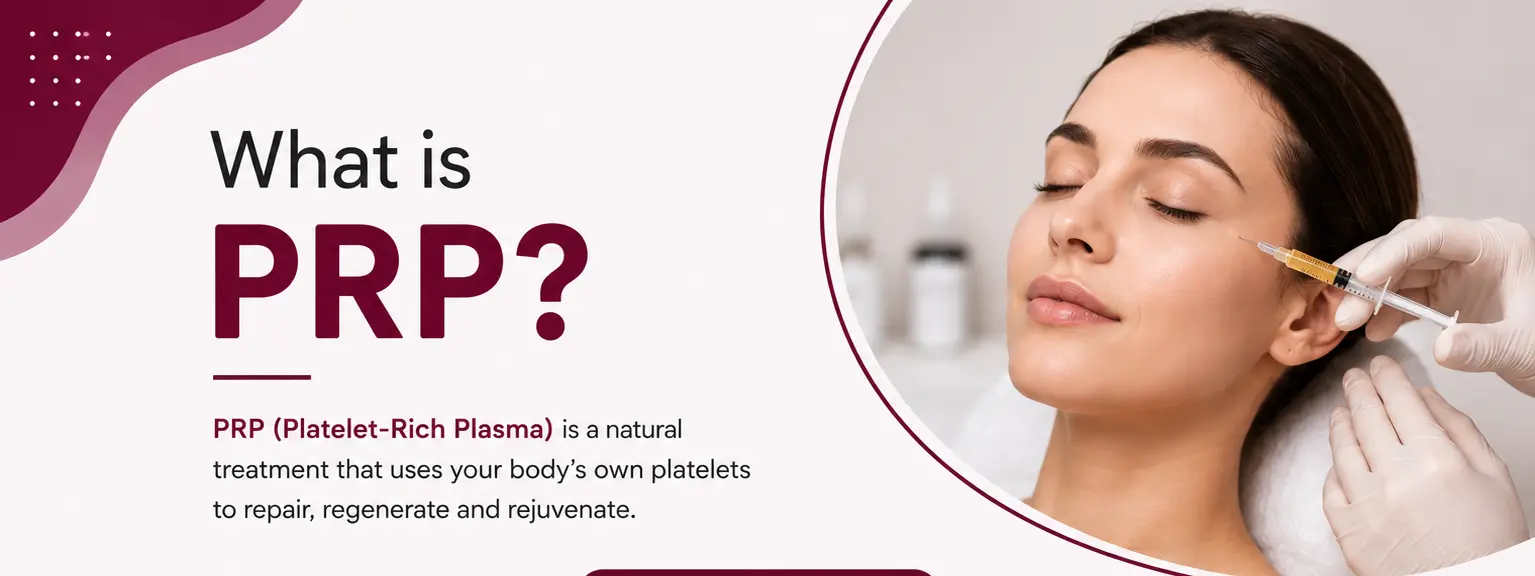
2. What Is PRP Therapy and Does It Work?
Yes. PRP (Platelet-Rich Plasma) therapy stimulates natural hair growth using your body’s own growth factors.
How it works:
- Blood is drawn and processed
- Platelets are injected into the scalp
- Activates dormant follicles
Results:
- Improved hair thickness
- Better density
- Stronger hair shafts
Ideal for early to moderate hair loss and often combined with medications.
3. Can Laser Therapy Regrow Hair?
Low-Level Laser Therapy (LLLT) helps improve hair density and thickness with consistent use.
Benefits:
- Non-invasive and painless
- Improves follicle energy production
- Enhances existing treatments
Works best as a supportive therapy, not a standalone solution.
4. Is Hair Transplant the Best Permanent Solution?
Yes. A hair transplant is the only permanent solution for advanced hair loss.
How it works:
- Hair follicles are taken from donor areas (DHT-resistant)
- Implanted into thinning or bald regions
Techniques:
- FUE (Follicular Unit Extraction)
- FUT (Follicular Unit Transplantation)
Results:
- Natural-looking hairline
- Permanent growth
- High success rate (90–95%)
Best for moderate to advanced baldness.
5. Are There New or Advanced Hair Loss Treatments?
Yes. Emerging treatments show promising results but are still evolving.
Upcoming solutions:
- Exosome therapy (advanced regenerative treatment)
- Hair cloning research
- JAK inhibitors for autoimmune hair loss
These may become mainstream in the future.
How to Choose the Right Hair Loss Treatment?
The right treatment depends on stage, cause, and long-term goals.
Treatment Decision Guide:
| Hair Loss Stage | Recommended Treatment |
|---|---|
| Early thinning | Minoxidil + PRP |
| Moderate loss | PRP + Medications + LLLT |
| Advanced baldness | Hair Transplant |
| Maintenance | Medical therapy + PRP |
Why Personalized Treatment Matters
Hair loss is not the same for everyone. A customized plan ensures:
- Targeting root cause
- Preventing further loss
- Achieving natural results
At Layers Clinics, dermatologists assess:
- Scalp condition
- Hair density
- Medical history
- Hormonal factors
Then create a tailored treatment plan combining the most effective solutions.
Frequently Asked Questions
What is the best age to start hair loss treatment?
The earlier you start (early 20s–30s), the better the results in preventing progression.
Can hair loss be reversed naturally?
Mild hair loss can improve with lifestyle changes, but medical treatments are more effective.
How long does hair treatment take to show results?
Most treatments show visible improvement within 3–6 months.
Is hair transplant safe?
Yes, when performed by experienced professionals, it is a safe and effective procedure.
Do I need lifelong treatment?
Maintenance treatments may be required to sustain results.
Key Takeaway
Hair loss in your 20s and 30s is treatable and often reversible when addressed early. The best results come from combining medical treatments, advanced therapies, and expert guidance rather than relying on a single solution.
Conclusion
Hair loss can impact confidence, but it is no longer a permanent problem without solutions. With advancements in dermatology and hair restoration, men now have access to clinically proven and highly effective treatments.
The key is early diagnosis, consistent treatment, and expert consultation. Whether you need preventive care or a permanent solution like a hair transplant, the right approach can restore not just your hair, but also your confidence.
Layers Clinics provides end-to-end care, from diagnosis to advanced treatment, helping you achieve natural, long-lasting results tailored to your goals.
