
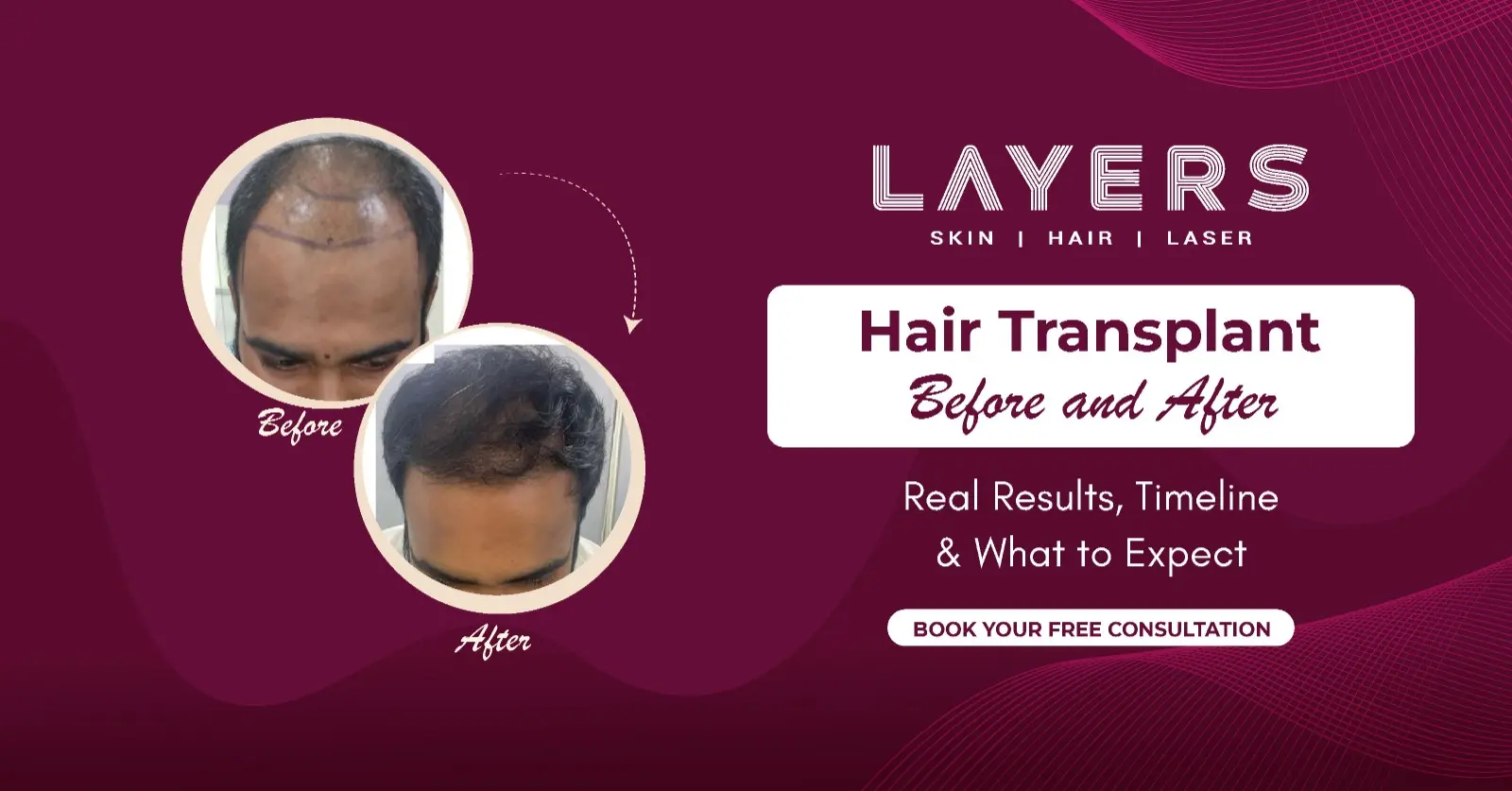
Most searches are genuinely helpful, but a few happen at the emotional level, and one of them is hair transplant before and after. Behind every click and deep search, there’s someone who’s been looking for proven results where the procedure works, a natural look reappears, and investment is worth making.
If you’re on the list who go through transformation galleries and wondering if it’s real or filtered, this article deconstructs everything you need to know about hair transplant before and after results, timelines, and the truths clinics rarely pledge. After analyzing thousands of cases and based on the latest dermatological research, we compiled the honest guide to hair transplant before and after, which is less well-known to you.
Is Hair Transplant Before and After Really Worth It?
One of the biggest concerns people have before undergoing a hair transplant is whether the results are truly worth the investment. When you analyze real hair transplant before and after cases, the answer becomes clearer—provided the procedure is done correctly and expectations are realistic.
Hair transplant results are not instant, but they are permanent. Unlike temporary treatments, transplanted follicles are resistant to hair loss and continue to grow naturally over time. This means your “after” results are not just cosmetic but long-term.
However, success depends on multiple factors:
- The surgeon’s expertise and technique (FUE vs FUT)
- Donor hair quality and density
- Proper post-procedure care
- Consistent medical support (like minoxidil or finasteride if advised)
Patients who follow a medically guided approach often achieve dense, natural-looking results that blend seamlessly with existing hair. When evaluated correctly, hair transplant before and after is not just a transformation—it is a medically backed solution for long-term hair restoration.
Why Hair Transplant Before and After Photos Are So Powerful
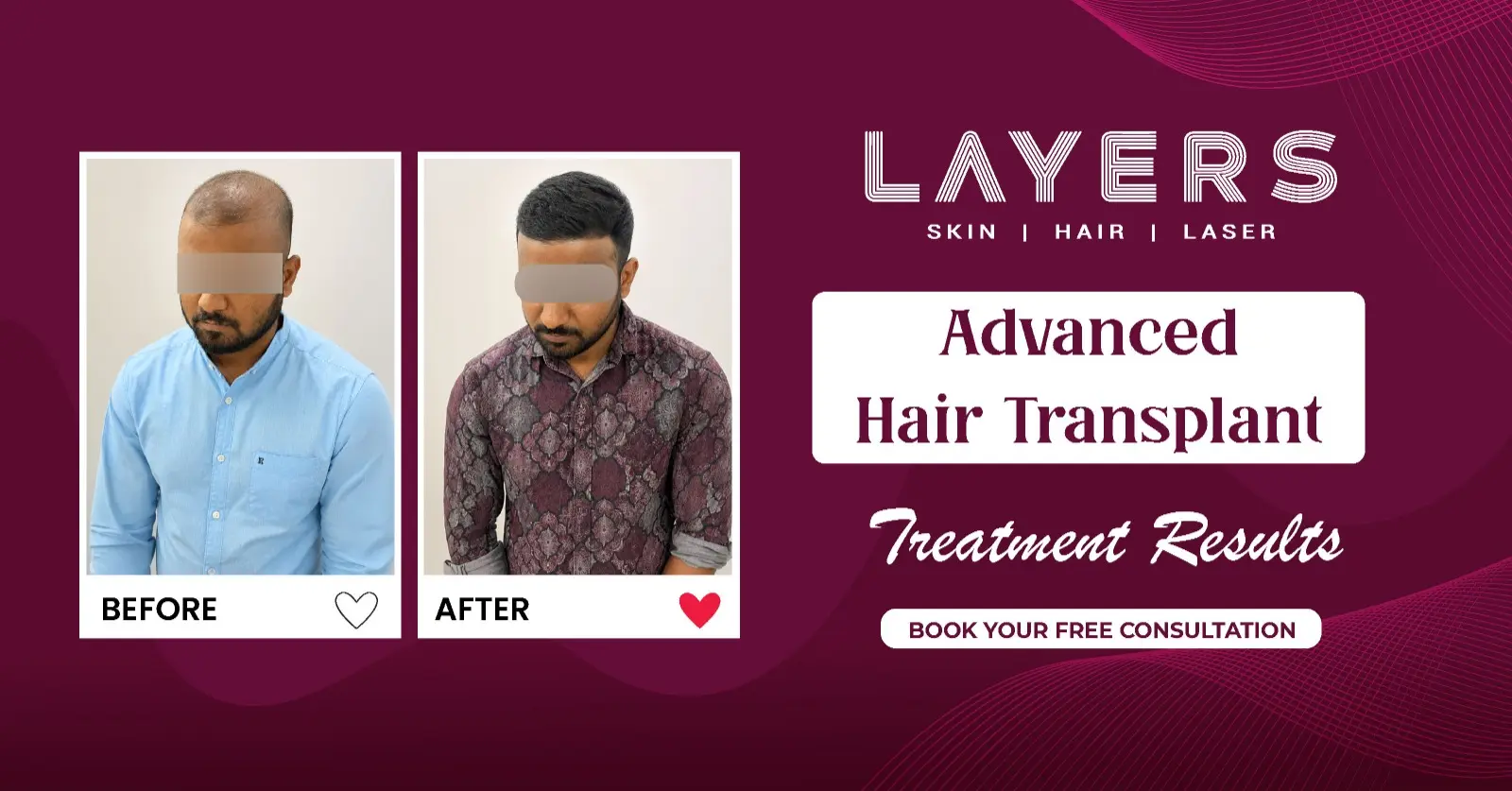
Every happening has a strong reason behind it. And, hair transplant is no exception. The reason behind hair transplant before and after images generating more engagement than any other hair loss searches is that they become tangible evidence of reality. Unlike pills, serums, or laser approaches, where gradual improvements become evident, before-and-after images reveal the entire story in two frames.
During the before stage, you notice thinning, receding, or a bald head, while during the ‘after’ stage, it’s about restoration, dense, and naturally vibrant hair. Such visual contrast influences a person greatly that no other clinical statistic can. According to a 2025 patient survey in Aesthetic Surgery Journal, 72% of people who have undergone hair restoration quoted that hair transplant before and after were more influential than any other.
What to Look for in Genuine Hair Transplant Before and After Images
Not every hair transplant before and after image is created similarly. In the era where manipulation rules, cherry-picking steals the show, or misleading is business, evaluation becomes the crucial step of understanding the reality of hair transplant before and after images.
- Consistent lighting — Most of the before and after clicks use the same lighting setup. Harsh overhead light in ‘before’ and soft frontal light in ‘after’ artificially exaggerate density.
- Same angle and distance — many clinics photograph from standardized angles (frontal, vertex, temporal, profile) at the same focal distance.
- Dry hair, no products — wet hair or styling products can make thin hair look thicker. Trustworthy images show dry, non-styled hair.
- Realistic timelines — any ‘after’ photo taken less than 9 months post-surgery is not showing results. Full maturity takes 12 to 18 months.
- Graft count disclosed — knowing how many grafts were transplanted provides context. A 3,000-graft result on a Norwood 3 is very different from the same count on a Norwood 6.
Timeline of Hair Transplant Before and After
Understanding the entire journey between hair transplant before and after becomes crucial because the path isn’t a cakewalk. Here is what the timeline genuinely looks like:
- Day 1 (surgery day) — the transplanted area has tiny crusts and redness. The donor area may feel tender. You look like you have had a procedure.
- Weeks 1 to 2 — crusts fall off, redness fades. The scalp looks relatively normal, though you may feel tightness.
- Weeks 2 to 6 (the ‘ugly duckling’ phase) — transplanted hairs shed. This is normal and expected, but it is psychologically the hardest part. Your scalp may look worse than before surgery.
- Months 3 to 4 — new, fine baby hairs emerge. They are thin and wispy, but they represent the beginning of permanent growth.
- Months 6 to 8 — noticeable density develops. This is where hair transplant before and after comparisons start getting exciting.
- Months 12 to 18 — full maturity. Hair thickens, gains texture, and blends seamlessly with native hair. This is the ‘after’ you see in the best clinic galleries.
What Nobody Tells You About Hair Transplant Before and After
Clinics show you the highlight reel. Here is the behind-the-scenes reality that makes the journey honest:
- The ‘ugly duckling’ phase is true— between weeks 3 and 12, many patients experience anxiety because the transplanted area looks sparse. Knowing this in advance is essential for your mental preparation.
- Results vary by individual — genetics, scalp laxity, donor density, and aftercare compliance all affect outcomes. Two patients with identical graft counts can have different results.
- Second sessions are common — for advanced hair loss (Norwood 5 to 7), a single session rarely achieves full coverage. Many transformational before-and-after galleries represent two or even three procedures.
- Ongoing maintenance matters — a transplant is permanent, but your native hair may continue thinning. Minoxidil and finasteride are often recommended in combination to protect non-transplanted hair.
- Scarring depends on technique — FUE leaves tiny dot scars; FUT leaves a linear scar. Both are typically hidden by surrounding hair, but full transparency requires knowing which technique was used in any before-and-after comparison.
Using Hair Transplant Before and After Photos in Your Decision-Making
If you use hair transplant before and after results to decide whether to consider, approach it strategically, identify people with a similar hair loss pattern and hair type to yours. Approach Layers Clinics, and we encourage you to have conversations with our patients who have visible results.
The best hair transplant before and after results embed into the natural hair. All this becomes credible information before going for treatment. Our surgeons and experts help you in showing the results from patients who faced the same as you have.
Final Thoughts: Is Hair Transplant Before and After Worth It?
Hair transplant before and after is not just about visual transformation, it reflects a deeper shift in confidence, self-image, and quality of life. While the journey includes phases like shedding and gradual regrowth, the final outcome offers a permanent and natural solution to hair loss when done correctly.
The key is setting realistic expectations, choosing the right clinic, and understanding that results take time. When approached with the right medical guidance and patience, hair transplant results can be life-changing.
If you are considering taking the next step, consult with experienced specialists, review genuine before-and-after cases, and make an informed decision based on facts—not just marketing. Your transformation should be both visible and sustainable.
Conclusion
Other than physical transformation, hair transplant before and after brings up an emotional story because it’s the silent suffering you have experienced trying to cover with a hat, avoiding the camera, and not showing up for social gatherings. Whereas the after phase boosts energy, establishes eye contact, and you have the willingness to see people. A 2024 study in Dermatologic Therapy found that hair restoration patients showed measurable reductions in social anxiety after 12 months post-procedure.
When you study these transformation results, you can realize the transformation was never cosmetic, but it was associated with proper guidance and treatment procedure. This is the hair transplant before and after the transformation. We encourage you to go for it if you truly feel the same to add another success story for us and healthy living for you.
