

Hair growth depends on several factors, including genetics, hormones, scalp health and nutrition. Eating the right foods can help support healthy hair growth, reduce hair breakage caused by nutritional deficiencies and maintain stronger strands. If you are wondering which food is good for hair growth, start with protein-rich foods, iron-rich vegetables, nuts, seeds, fruits rich in vitamin C and other nutrient-dense options.
| Key Takeaway: The best food for hair growth includes eggs, lentils, beans, fatty fish, leafy greens, berries, guava, amla, nuts and seeds. These foods provide protein, iron, zinc, omega-3 fatty acids and vitamins that support normal hair growth. A balanced diet can help address nutrition-related hair shedding, but it cannot reverse every cause of hair loss. Persistent or sudden hair fall needs a proper assessment by a dermatologist. |
What Is the Connection Between Food and Hair Growth?
Food for hair growth refers to nutrient-rich foods that supply the body with the protein, vitamins, minerals and healthy fats needed to maintain normal hair growth and hair structure.
Each hair follicle follows a growth cycle. When the body does not receive enough energy or essential nutrients, or when a nutrient deficiency develops, the hair growth cycle may be disrupted. This can contribute to increased shedding, weaker strands or slower recovery after hair loss.
Hair is primarily made of a protein called keratin. Adequate protein intake is therefore important, while nutrients such as iron, zinc, vitamin D and vitamin B12 support other processes involved in normal hair follicle function. Vitamin C also helps the body absorb non-haem iron from plant-based foods.
However, no single food can guarantee faster hair growth. The most useful approach is to eat a varied, balanced diet consistently and identify any underlying causes of hair loss.
15 Best Foods for Hair Growth and Thickness
If you are searching for the best food for hair growth and thickness, prioritise foods that provide a combination of protein, iron, zinc, essential fatty acids and vitamins. These options can fit into Indian and international eating patterns.
1. Eggs: Protein and Biotin for Hair Strength
Eggs provide high-quality protein, along with nutrients such as biotin, vitamin B12 and selenium. Protein supports the formation of keratin, which gives hair its structure.
Including eggs in a balanced diet can help meet your protein needs, particularly if your usual meals are low in protein. Biotin deficiency can cause hair thinning, but it is uncommon in people who eat a varied diet. Eating more biotin does not automatically make hair grow faster if you already get enough.
How to eat them: Try boiled eggs, an omelette with vegetables or eggs alongside whole-grain toast. For a vegetarian diet, use lentils, beans, tofu, paneer or other suitable protein sources.
2. Fatty Fish: Omega-3 Fatty Acids and Protein
Salmon, sardines and mackerel provide protein and omega-3 fatty acids. Some varieties also supply vitamin D and vitamin B12.
These nutrients contribute to overall health, and adequate protein intake is important for normal hair growth. However, evidence that eating fatty fish alone directly increases hair density is limited.
How to eat them: Include a suitable serving of fatty fish when it fits your dietary preferences. If you do not eat fish, consider walnuts, chia seeds and flaxseeds for plant-based omega-3 fats.
3. Spinach: Iron, Folate and Vitamin C
Spinach provides folate, iron and vitamins that support normal body functions. Iron is particularly relevant because iron deficiency can contribute to diffuse hair shedding in some people.
Plant-based iron is not absorbed as efficiently as iron from animal foods. Pairing spinach or other leafy greens with vitamin C-rich foods can improve the absorption of non-haem iron.
How to eat it: Add spinach to dal, vegetable curries, soups or lightly cooked dishes. Combine it with lemon, tomatoes or capsicum to improve iron absorption.
4. Lentils and Beans: Plant-Based Protein for Hair
Lentils, chickpeas, kidney beans, black-eyed peas and other pulses are among the best plant-based foods to enhance hair growth as part of a balanced diet.
They provide protein, iron, folate and other nutrients needed for normal body function. These foods are particularly useful for people following vegetarian or vegan diets.
How to eat them: Include dal, chana, rajma, sprouts or bean salads regularly. Pair pulses with whole grains, vegetables and other protein sources to create balanced meals.
5. Amla: A Vitamin C-Rich Indian Fruit
Amla, also known as Indian gooseberry, is a useful addition to a diet for hair health because it contains vitamin C. Vitamin C supports collagen formation and helps the body absorb iron from plant-based foods.
Amla is often promoted as a direct hair-growth remedy, but strong clinical evidence that eating amla alone reverses hair loss is lacking.
How to eat it: Enjoy fresh amla when available or include it in chutneys and other preparations. Choose products with limited added sugar and salt.
6. Guava: Vitamin C for Nutritional Support
Guava is a vitamin C-rich fruit that can complement a balanced diet for hair growth. Vitamin C supports normal collagen formation and improves the absorption of plant-based iron.
Guava does not directly stimulate new hair growth, but it can help meet your daily vitamin C needs.
How to eat it: Have fresh guava as a snack or add it to a fruit bowl. Whole fruit is generally preferable to juice because it retains its fibre.
7. Berries: Antioxidants and Vitamin C
Strawberries, blueberries and other berries provide vitamin C and other plant compounds. Vitamin C contributes to normal collagen formation and helps the body absorb iron from plant foods.
Berries are a nutritious option, but claims that they prevent hair fall or activate dormant follicles are not well established.
How to eat them: Add berries to oats, curd, smoothies or a mixed-fruit bowl without relying on sweetened preparations.
8. Nuts: Zinc, Vitamin E and Healthy Fats
Almonds, walnuts and other nuts supply healthy fats, vitamin E and varying amounts of minerals. Walnuts also provide plant-based omega-3 fatty acids.
Nuts can help improve the overall nutritional quality of your diet, although eating them in large quantities will not necessarily produce thicker hair.
How to eat them: Choose a small handful of unsalted nuts as a snack or add chopped nuts to porridge and curd.
9. Seeds: Zinc and Plant-Based Omega-3 Fats
Pumpkin seeds, sesame seeds, chia seeds and flaxseeds provide a mix of minerals, healthy fats and other nutrients. Pumpkin and sesame seeds can contribute zinc and iron, while chia and flaxseeds provide plant-based omega-3 fats.
These foods are useful additions to a plant-based eating pattern, but they should not be treated as stand-alone hair-loss treatments.
How to eat them: Sprinkle seeds over salads, oats or curd, or mix them into chutneys and homemade meals.
10. Sweet Potatoes: Beta-Carotene for Normal Hair Health
Sweet potatoes contain beta-carotene, which the body can convert into vitamin A. Vitamin A supports normal cell growth and skin function.
More vitamin A is not always better. Excessive intake of preformed vitamin A, particularly from high-dose supplements, can contribute to hair loss.
How to eat them: Roast, steam or add sweet potatoes to vegetable dishes as part of a varied diet.
11. Avocados: Vitamin E and Unsaturated Fats
Avocados provide unsaturated fats, fibre and vitamin E. They can help add variety to a balanced diet and support overall nutritional health.
There is no strong evidence that avocados alone increase hair growth, but they are a useful food choice for people who want to improve dietary variety.
How to eat them: Add avocado to whole-grain toast, salads or sandwiches.
12. Milk, Curd and Paneer: Protein and Vitamin B12
Milk, curd and paneer provide protein, and dairy foods can supply vitamin B12. The amount of vitamin B12 varies by product and fortification.
Adequate protein is important for hair structure, while vitamin B12 is essential for normal blood cell formation and neurological function. Correcting a deficiency may help address related health problems, including hair concerns in some cases.
How to eat them: Include curd, milk or paneer according to your preferences and tolerance. Fortified alternatives may be useful for people who avoid dairy.
13. Tofu and Soybeans: Protein for Plant-Based Diets
Tofu, soybeans and other soy foods are practical protein sources for vegetarians and vegans. They can help people meet protein needs without relying on animal products.
A varied diet containing soy foods, pulses, nuts, seeds, whole grains and vegetables can support normal hair health. No single plant food is proven to guarantee thicker hair.
How to eat them: Add tofu to stir-fries, use soybeans in salads or include soy-based dishes alongside vegetables and whole grains.
14. Whole Grains: Energy and B Vitamins
Oats, whole-wheat roti, brown rice and other whole grains supply energy, fibre and varying amounts of B vitamins and minerals.
Severely restricting calories or following crash diets can contribute to hair shedding. Adequate overall food intake is therefore important alongside individual nutrients.
How to eat them: Choose a variety of whole grains and combine them with protein-rich foods, vegetables and healthy fats.
15. Citrus Fruits and Capsicum: Vitamin C for Iron Absorption
Oranges, sweet lime, lemons and capsicum provide vitamin C. Including these foods alongside iron-containing plant foods can help the body absorb non-haem iron.
This combination is particularly useful for people who get most of their iron from vegetarian sources.
How to eat them: Add lemon to dal, eat an orange with a meal or include capsicum in vegetable dishes.
Which Nutrients Are Most Important for Hair Growth?
Hair health depends on adequate overall nutrition rather than one special vitamin. The nutrients below are especially relevant when intake is insufficient or a deficiency is present.
| Nutrient | Food sources | Role in hair health |
| Protein | Eggs, fish, dairy, lentils, beans, tofu | Supplies amino acids needed to build hair structure |
| Iron | Lentils, beans, leafy greens, meat | Supports oxygen transport; deficiency can contribute to shedding |
| Zinc | Pumpkin seeds, legumes, nuts, dairy | Supports normal tissue growth and repair |
| Vitamin C | Amla, guava, citrus fruits, capsicum | Helps absorb plant-based iron and supports collagen formation |
| Vitamin D | Oily fish, egg yolks, fortified foods | Supports normal body functions; the relationship with hair loss varies by condition |
| Vitamin B12 | Dairy, eggs, fish, meat, fortified foods | Supports red blood cell formation and nerve function |
| Omega-3 fats | Fatty fish, chia seeds, flaxseeds, walnuts | Contribute to overall nutritional health |
| Biotin | Eggs, nuts, legumes and other foods | Supports normal metabolism; deficiency is uncommon |
Taking supplements without a demonstrated need may be ineffective and can sometimes cause harm. For example, excessive vitamin A or selenium intake can contribute to hair loss. A clinician can advise whether testing or supplementation is appropriate.
Which Fruits Are Good for Hair Growth?
If you are looking for fruits that support hair health, choose a variety rather than relying on one fruit.
- Amla: A source of vitamin C.
- Guava: Provides vitamin C and fibre.
- Oranges and sweet lime: Help meet vitamin C needs.
- Berries: Provide vitamin C and other plant compounds.
- Avocado: Supplies unsaturated fats and vitamin E.
- Papaya: Provides vitamin C and other nutrients.
These fruits support overall nutrition, but none is proven to make hair grow rapidly on its own. Hair growth also depends on genetics, hormones, age, scalp health and underlying medical conditions.
Indian Foods for Hair Growth and Thickness
Indian diets can provide many nutrients that support healthy hair without requiring expensive imported foods or specialised supplements.
Useful options include:
- Dal, rajma and chana: Protein, iron and folate.
- Amla and guava: Vitamin C.
- Palak and other leafy greens: Folate and iron.
- Pumpkin and sesame seeds: Minerals and healthy fats.
- Curd, milk and paneer: Protein and, depending on the food, vitamin B12.
- Eggs or fish: Protein and other essential nutrients for people who eat them.
- Ragi and other whole grains: Energy, fibre and varying amounts of minerals.
The best approach is to rotate these foods through the week. A varied diet is more useful than eating large amounts of a single so-called superfood.
What to Eat for Hair Growth Faster: A Simple Indian Meal Plan
There is no food combination proven to make hair grow faster overnight. However, a balanced meal plan can help you consistently obtain nutrients required for normal hair growth.
| Meal | Example | Nutritional benefit |
| Breakfast | Eggs or besan chilla with fruit | Protein and other essential nutrients |
| Mid-morning | Guava, amla or orange | Vitamin C |
| Lunch | Rice or roti, dal or rajma, leafy vegetables and curd | Protein, iron and varied micronutrients |
| Evening snack | Nuts and seeds | Healthy fats and minerals |
| Dinner | Tofu, paneer, eggs or fish with vegetables and whole grains | Protein and a balanced mix of nutrients |
This is a general example, not an individualised diet prescription. Portion sizes and food choices should reflect your energy needs, allergies, medical conditions, culture and dietary preferences.
If you have persistent hair loss, a registered dietitian can help assess your food intake and plan an appropriate diet. A dermatologist is important when the cause of hair loss is unclear, sudden, patchy or persistent.
Which Foods and Dietary Habits May Contribute to Hair Loss?
No single food automatically causes hair loss in everyone. However, some dietary patterns can increase the risk of nutritional inadequacy or trigger shedding.
Crash Dieting and Severe Calorie Restriction
Rapid weight loss and insufficient calorie intake can disrupt the hair growth cycle. Avoid extreme diets, skipped meals and plans that eliminate entire food groups without a medical reason.
Insufficient Protein Intake
Hair is made largely of keratin, a protein. Consistently eating too little protein may affect normal hair health. Include suitable protein sources at meals, especially if you follow a vegetarian or vegan diet.
Excessive Supplement Use
High doses of certain nutrients, including vitamin A and selenium, can cause hair loss. Iron supplements can also be harmful when taken unnecessarily. Use supplements under appropriate medical guidance.
Highly Restrictive or Unbalanced Eating Patterns
A diet that lacks variety may not provide enough iron, zinc, vitamin B12 or other essential nutrients. Rather than focusing only on avoiding specific foods, aim for a balanced eating pattern that meets your nutritional needs.
Can Food Alone Stop Hair Fall?
Food can help when hair shedding is linked to inadequate nutrition or a correctable deficiency. However, diet alone may not address genetic hair loss, alopecia areata, thyroid disorders, hormonal factors, scalp disease or certain medication-related causes.
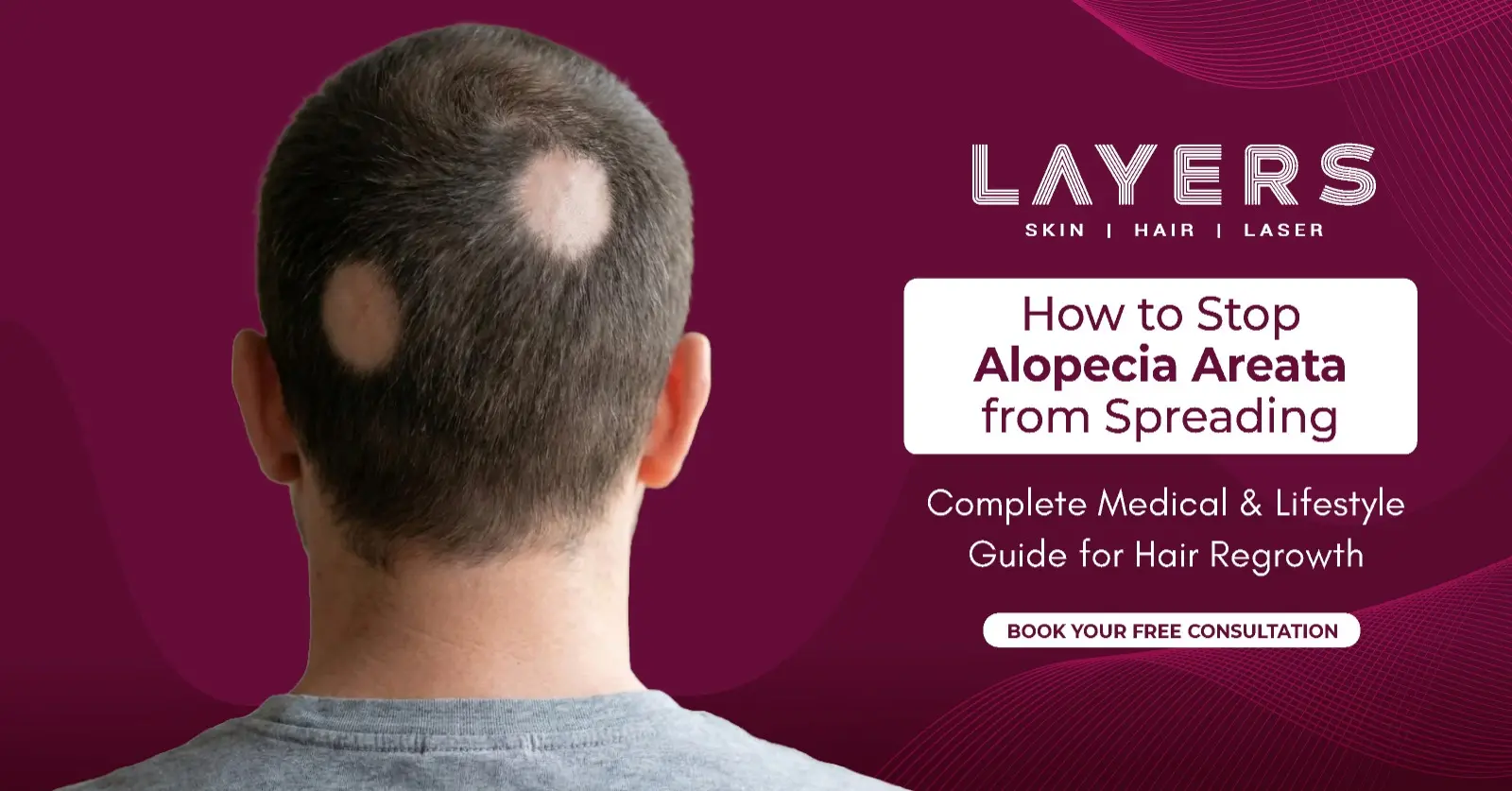
If you notice sudden or patchy hair loss, a widening part, progressive thinning or persistent excessive shedding, consult a dermatologist. Depending on your symptoms and medical history, the clinician may recommend an examination and selected blood tests.
At Layers Clinics, a professional hair and scalp assessment can help identify potential causes of hair loss and explain appropriate management options. Nutrition can be an important part of a broader plan, but treatment should be matched to the underlying cause.
Frequently Asked Questions About Food for Hair Growth
1. Which fruit is good for hair growth?
Amla, guava, oranges, berries and papaya provide vitamin C and other nutrients that support overall health. These fruits can complement a balanced diet, but no fruit alone is proven to make hair grow faster or reverse hair loss.
2. Which food is good for hair growth and thickness?
Protein-rich foods such as eggs, fish, lentils, beans, dairy and tofu help supply the building blocks needed for hair structure. Iron-rich foods, nuts, seeds and vegetables also contribute important nutrients. The best choices depend on your dietary needs and whether you have any deficiencies.
3. What foods make hair grow faster?
No specific food has been proven to accelerate hair growth beyond the body’s normal growth cycle. Eating enough protein and obtaining adequate iron, zinc and other essential nutrients can support normal growth, particularly if your previous diet was inadequate.
4. What are the best plant-based foods for hair growth?
Lentils, chickpeas, beans, tofu, soybeans, nuts, seeds, leafy greens, amla and guava are useful plant-based choices. Combining different foods helps provide protein, iron, zinc, vitamin C and other nutrients.
5. Are there Indian superfoods for hair thickness?
Amla, guava, lentils, chickpeas, leafy greens, sesame seeds and pumpkin seeds can contribute nutrients needed for healthy hair. However, no Indian superfood is proven to guarantee thicker hair. Consistent dietary variety is more important than any single ingredient.
6. Which nutrients promote hair growth?
Protein, iron, zinc and several vitamins support normal hair health. Vitamin D, vitamin B12 and biotin may be relevant in specific circumstances, particularly when a deficiency exists. Supplements should be selected based on individual needs rather than taken routinely for hair growth.
7. Can vegetarian food provide enough protein for hair growth?
Yes. A well-planned vegetarian diet can provide protein through lentils, beans, chickpeas, soy foods, tofu, dairy, nuts and seeds. People following vegan diets should also pay attention to vitamin B12 and other nutrients that may require fortified foods or supplementation.
8. Should I consult a dietitian or dermatologist for hair fall?
A registered dietitian can help assess dietary adequacy and plan meals that meet your nutritional needs. A dermatologist can investigate persistent, sudden or patchy hair loss and determine whether medical evaluation or treatment is needed. Both professionals may be useful when nutritional and medical factors overlap.
Conclusion: Choose a Balanced Diet for Healthier Hair
The best food for hair growth is not one specific fruit, vegetable or supplement. A balanced diet containing protein-rich foods, lentils, beans, leafy greens, nuts, seeds, whole grains and vitamin C-rich fruits can help provide the nutrients needed for normal hair health.
If you are experiencing persistent hair fall or thinning, do not rely on food alone. Identifying the cause is essential because nutrition-related shedding and conditions such as genetic hair loss may need different approaches.
Book a consultation with Layers Clinics for a professional hair and scalp assessment and guidance on suitable next steps. A personalised plan can help address the factors contributing to hair loss while supporting your overall hair health.
