
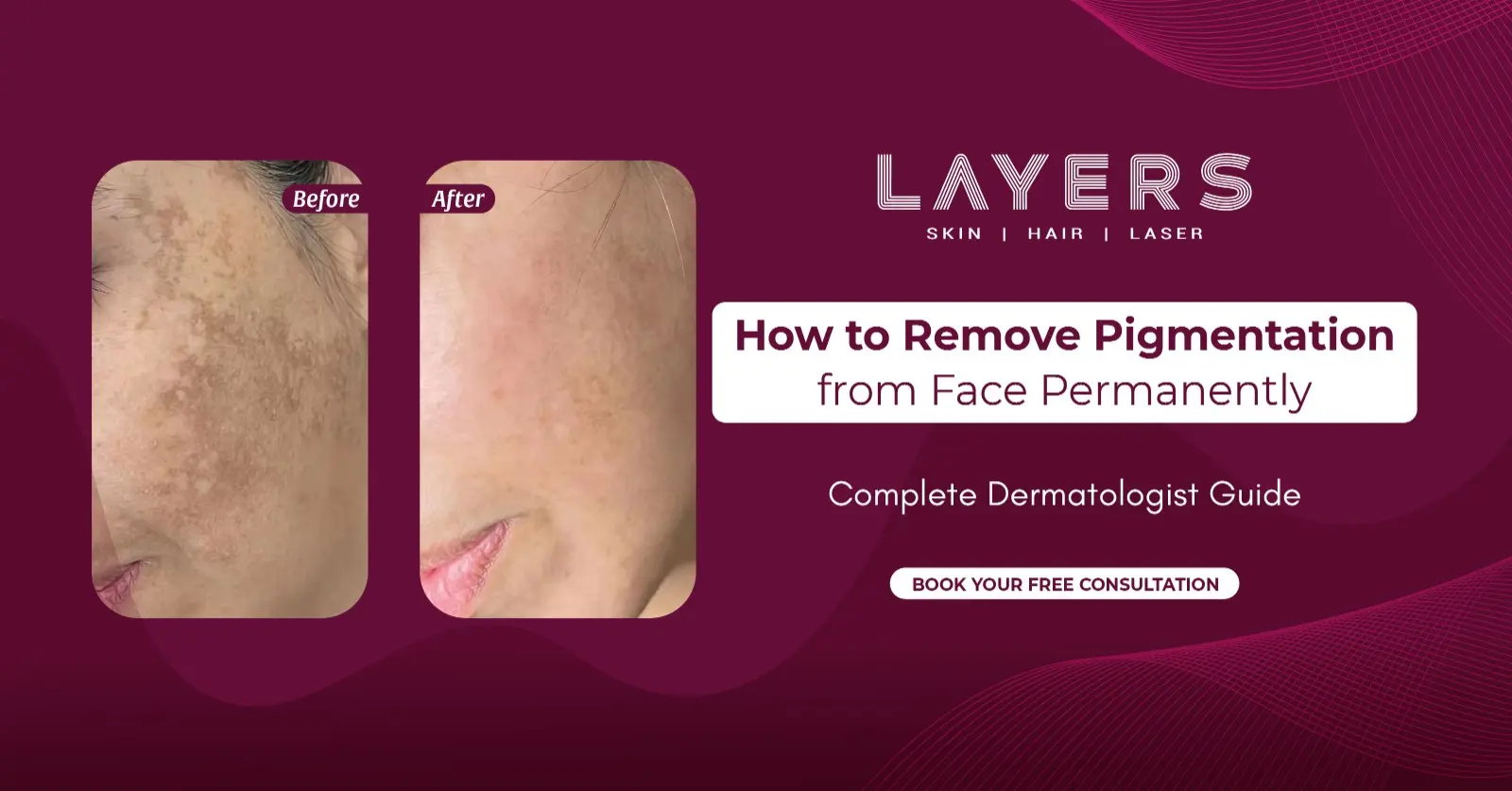
To be honest, skin issues keep on rising in this highly polluted and digitally dominant world, and pigmentation is one of the major skin issues that keeps us awake. You try a new serum, slather on some lemon juice because a YouTube video told you to, maybe even switch foundations three times in a month. And still, every time you look in the mirror without makeup, those patches are right there staring back at you, puzzling your mind with a question – how to remove pigmentation from face permanently?
If you’ve been trying to figure out how to remove pigmentation from the face permanently, I get it. It’s frustrating. But here’s what most skincare content won’t tell you upfront. Pigmentation isn’t a single problem. It’s a word we use to describe a bunch of different things happening in your skin, and unless you know which type you’re dealing with, you’ll keep investing in products that were never designed for your specific issue.
So let’s highlight this properly to understand dermatological science and true clinical experience on how to remove pigmentation from the face permanently.
What is Facial Pigmentation?
Melanin is the pigment that gives skin its colour. When this pigment is produced in the skin to a great extent in certain areas, pigmentation takes its birth. When there’s even distribution, your complexion remains uniform. When something triggers an overproduction in specific spots, whether that’s the sun, hormones, inflammation, or just your genetic blueprint, you end up with dark patches, spots, or an uneven tone that no amount of moisturiser will fix.
The tricky part? Not all pigmentation is created equal.
Melasma is probably the most stubborn form. It shows up as large, symmetrical brown or greyish patches, usually across the cheeks, forehead, upper lip, or nose. Hormonal changes are the biggest trigger here, which is why it’s incredibly common during pregnancy, among women on oral contraceptives, and in people going through hormonal shifts. Sun exposure makes it dramatically worse. If you’ve ever noticed your melasma fading slightly in winter and roaring back in summer, that’s exactly why.
Post-inflammatory hyperpigmentation (PIH) is what you get after your skin has been through some kind of trauma, acne breakouts, an eczema flare, a burn, even an aggressive facial treatment that went wrong. The inflammation leads to excess melanin production as part of your skin’s healing response. It leaves dark marks on the skin that can remain for months or even years if there’s no promising treatment. People with dark skin tones, possibly Fitzpatrick types IV through VI, are more prone to PIH because of the reactive mechanism of their melanocytes.
Sunspots and age spots, technically called solar lentigines, are the result of cumulative UV damage over the years. They tend to appear on areas that get the most sun exposure: face, hands, and shoulders. Unlike melasma, they’re not hormone-driven, and they don’t fluctuate with your cycle. They’re basically your skin’s receipt for every sunburn and unprotected afternoon you’ve ever had.
The reason this matters when you’re researching how to remove pigmentation from the face permanently is that each type responds to different treatments. A chemical peel that works brilliantly on sunspots might actually make melasma worse if the wrong acid or concentration is used. In this case, you need the right diagnosis from an expert dermatologist who can treat it at the Masterclass.
Products Can Never Be the Permanent Solution
Your search for how to remove pigmentation from face permanently might not become a valid reason just with products. Products have limited strengths and can’t match what today’s technology can provide you with.
Ingredients like vitamin C, niacinamide, alpha arbutin, and azelaic acid are effective for mild pigmentation and for maintaining results after professional treatment. Vitamin C in particular is a fantastic antioxidant that inhibits tyrosinase, the enzyme responsible for melanin production. Niacinamide works a bit differently; it doesn’t stop melanin production but prevents the transfer of melanin granules to your skin cells, which gradually evens out your tone.
Retinoids deserve a special mention. Prescription-strength tretinoin accelerates cell turnover, meaning pigmented cells are shed faster and replaced with fresher, more evenly pigmented skin. The data behind it is rock solid. But it takes three to six months of consistent use before you see meaningful change, and it can seriously irritate your skin if you go too hard too fast, which in darker skin tones can actually trigger more pigmentation. Ironic, right?
The reality is, for moderate to severe pigmentation, topicals are a supporting act. The headliner is professional treatment. And that’s where things get interesting.
Treatments for How to Remove Pigmentation from Face Permanently
When people approach us on how to remove pigmentation from the face permanently, what they expect is lasting, visible results without the dark patches that come back every few months. In modern dermatology, we solve this by:
Chemical Peels
Chemical Peels are the most prominent and result-oriented option for pigmentation. A controlled acid solution is applied to the skin that removes the outermost pigmented layers and stimulates new cell growth underneath. Glycolic acid, lactic acid, and mandelic acid peels are the most common for superficial pigmentation. If you want a deeper discoloration, our dermatologists use trichloroacetic acid (TCA) peels, carefully injecting the concentration levels. With our experienced professionals, peels can transform your skin into a shiny one.
Laser Treatments
These have evolved dramatically over the past decade. Q-switched Nd: YAG lasers are widely considered the gold standard for pigmentation in Indian and darker skin tones because they target melanin without excessively heating the surrounding tissue. Fractional lasers work by creating small injuries in the skin, activating your body’s repair mechanisms so that pigmented cells can be replaced with new, evenly toned skin. This requires multiple sessions because, at the end of the day, all you need is the answer for “how to remove pigmentation from skin permanently.” Laser treatment for melasma can be a little harmful. However, it gives great results for some patients, while others might experience a negative impact, as the heat can stimulate melanocytes. This is why choosing a dermatologist who can treat your pigmentation matters enormously.
Microneedling with Serums
If you are considering how to remove pigmentation from your face permanently, microneeding with serums has gained popularity, and there’s research that proves this has worked. During the procedure, thousands of tiny punctures are created in the skin, triggering collagen production. It also creates pathways for depigmenting serums like tranexamic acid or Vitamin C to go deeper into the skin. Clinical studies have proved that microneeding combined with tranexamic acid results in significant improvement in melasma in just 3-4 sessions.
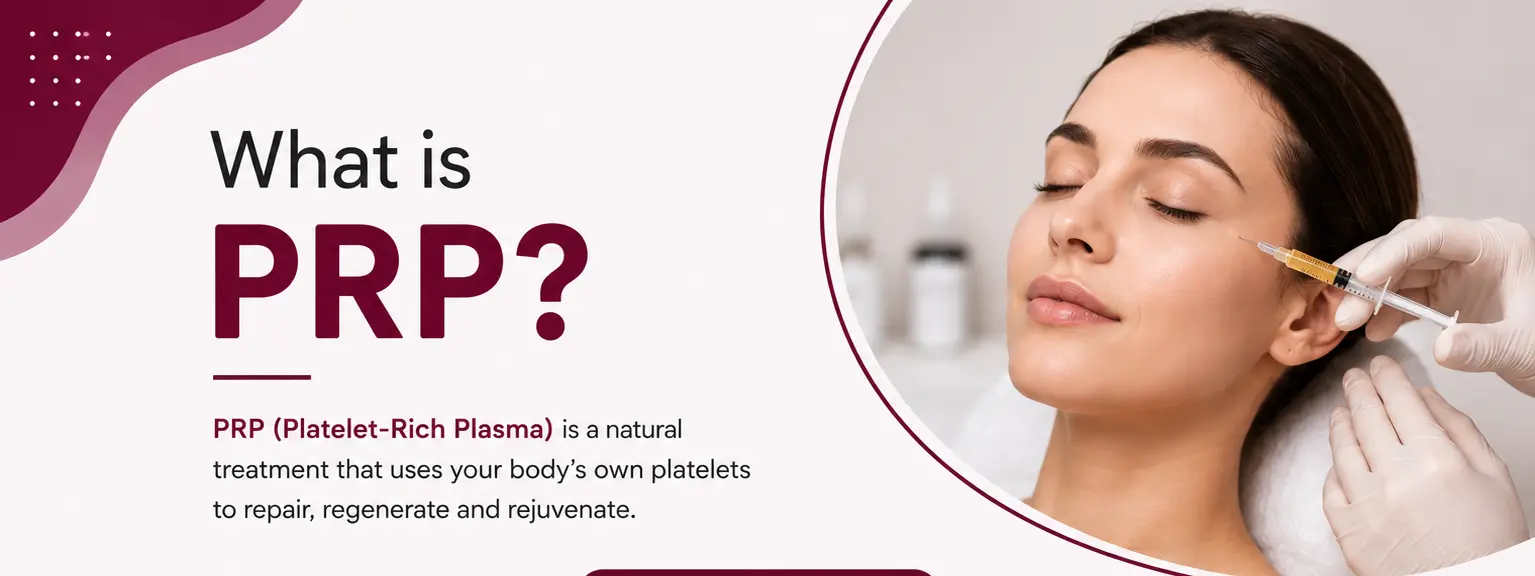
PRP (Platelet-Rich Plasma) Therapy
In this process, we ensure growth factors in your plasma help regenerate skin cells, where skin quality is enhanced, supporting even pigmentation as the days pass by.
The approach to how to remove pigmentation from the face permanently circulates mix-and-match protocols at Layers Clinics. Rarely does a single treatment in isolation deliver the kind of lasting results people are hoping for. A typical plan might combine a course of chemical peels with laser sessions and a prescribed at-home regimen of retinoids and sunscreen. The idea is to remove pigmentation from multiple angles, right from suppressing melanin production through accelerating the removal of existing pigmented cells to protecting against future triggers.
Options on How to Remove Pigmentation from Face Permanently
You might bet big on the best pigmentation treatments, follow aftercare instructions without skipping, and still see that there’s no result. This happens with Sunscreens, even those that have broad-spectrum SPF 30 or higher. Even though you apply every day, there will be no result. This is because UV radiation is continuous and everywhere. Indoor lighting can also stimulate melanocytes in melasma-prone skin.
Dermatologists will tell you that sunscreen is the single most important product in any pigmentation treatment plan. More important than any serum, any peel, any laser. UV exposure is the number one trigger for melanin overproduction, and if you’re not blocking it consistently, you’re falling in the loop of non-recovery procedure.
Look for sunscreens with zinc oxide or titanium dioxide for physical protection, or modern formulations with Tinosorb S and Mexoryl XL for broad-spectrum chemical coverage. Reapply every two to three hours if you’re outdoors. Wear a hat. It sounds basic, but this is where most people’s pigmentation journeys fall apart.
Setting Timelines for Long-lasting Results
Anyone advertising that you’ll learn how to remove pigmentation from your face permanently in a week isn’t worth it. If you want to experience true results, they come with consultation, efforts, and experts like Layers Clinics have. A well-designed treatment plan brings a considerable and visible improvement in the span of 4-6 weeks. A steady and significant clearing takes around 3 months. If it’s a complete resolution, a six-month or one-year treatment is a must.
Most people don’t like to maintain, but pigmentation might strike again, thus leaving the question – how to remove pigmentation from face permanently – unanswered and untreated. Periodic use of sunscreen, maintenance of peels, and a consistent topical routine spark your results even after the end of active treatment.
When to Consult a Dermatologist
You should consider consulting a dermatologist if:
- Your skin colour isn’t getting better with regular care.
- Dark spots are getting bigger or more noticeable.
- You don’t know if it’s melasma, PIH, or sunspots.
- Products you can buy without a prescription aren’t working.
- You want a treatment plan that is safe and tailored to your needs for long-term results.
At Layers Clinics, expert evaluation and customized treatment approaches help you address pigmentation at its root and achieve clearer, more even-toned skin.
Why Choose Layers Clinics for Pigmentation Treatment
Treating pigmentation effectively requires more than just products—it needs the right diagnosis and a structured plan. Layers Clinics follows a clinical, result-driven approach to deliver visible and long-lasting skin improvement.
Accurate Skin Analysis
Every treatment begins with identifying the type of pigmentation and its root cause for targeted care.
Personalized Treatment Plans
Solutions are tailored based on your skin type, triggers, and severity of pigmentation.
Advanced Dermatology Treatments
Procedures like chemical peels, laser therapy, microneedling, and PRP are used for effective results.
Combination-Based Approach
Multiple treatments are strategically combined to treat pigmentation from different angles.
Focus on Long-Term Results
The goal is not just reduction but preventing recurrence with proper maintenance and care.
Expert Dermatologist Care
Treatments are guided by experienced professionals to ensure safety and effectiveness.
Choosing Layers Clinics means opting for a scientific, personalized approach that helps you achieve clearer, more even-toned skin with lasting results.
Frequently Asked Questions
Can pigmentation be removed permanently from the face?
With the right treatments, pigmentation can be greatly reduced and controlled, but the results may not last forever, depending on the type and cause. Chemical peels, lasers, and good skin care can help you see long-lasting changes.
What is the main cause of facial pigmentation?
Too much melanin production is usually what causes facial pigmentation. This can happen because of being in the sun, hormonal changes, inflammation (like acne), or genetics. Finding out what caused the problem is the most important step in picking the right treatment.
Do home remedies really work for pigmentation?
Home remedies may help a little for a short time, but they rarely fix the real problem. In some cases, they can even make the skin more sensitive and darken pigmentation, especially on darker or more sensitive skin.
Which treatment is best for pigmentation removal?
The best treatment depends on what kind of pigmentation you have. Dermatologists often suggest chemical peels, laser treatments, microneedling with serums, and PRP as ways to get results that last a long time.
How long does it take to see results from pigmentation treatments?
You might start to see improvement in 4 to 6 weeks, but it usually takes about 3 months for results that last. A longer treatment plan may be needed for deeper pigmentation.
Conclusion
Exploring how to remove pigmentation from the face permanently is all about knowing about your skin, identifying the type of pigmentation you’re encountering, and consulting a dermatologist who can give a personalized plan for you based on your skin tone, triggers, and lifestyle.
There are genuine and effective treatments available. When chemical peels, lasers, microneedling, and PRP are put to the right use with the right combinations, the result is impactful. If how to remove pigmentation from face is your worry, book a consultation at Layers Clinics, undergo an assessment, and plan a caring mechanism for your skin today.
