
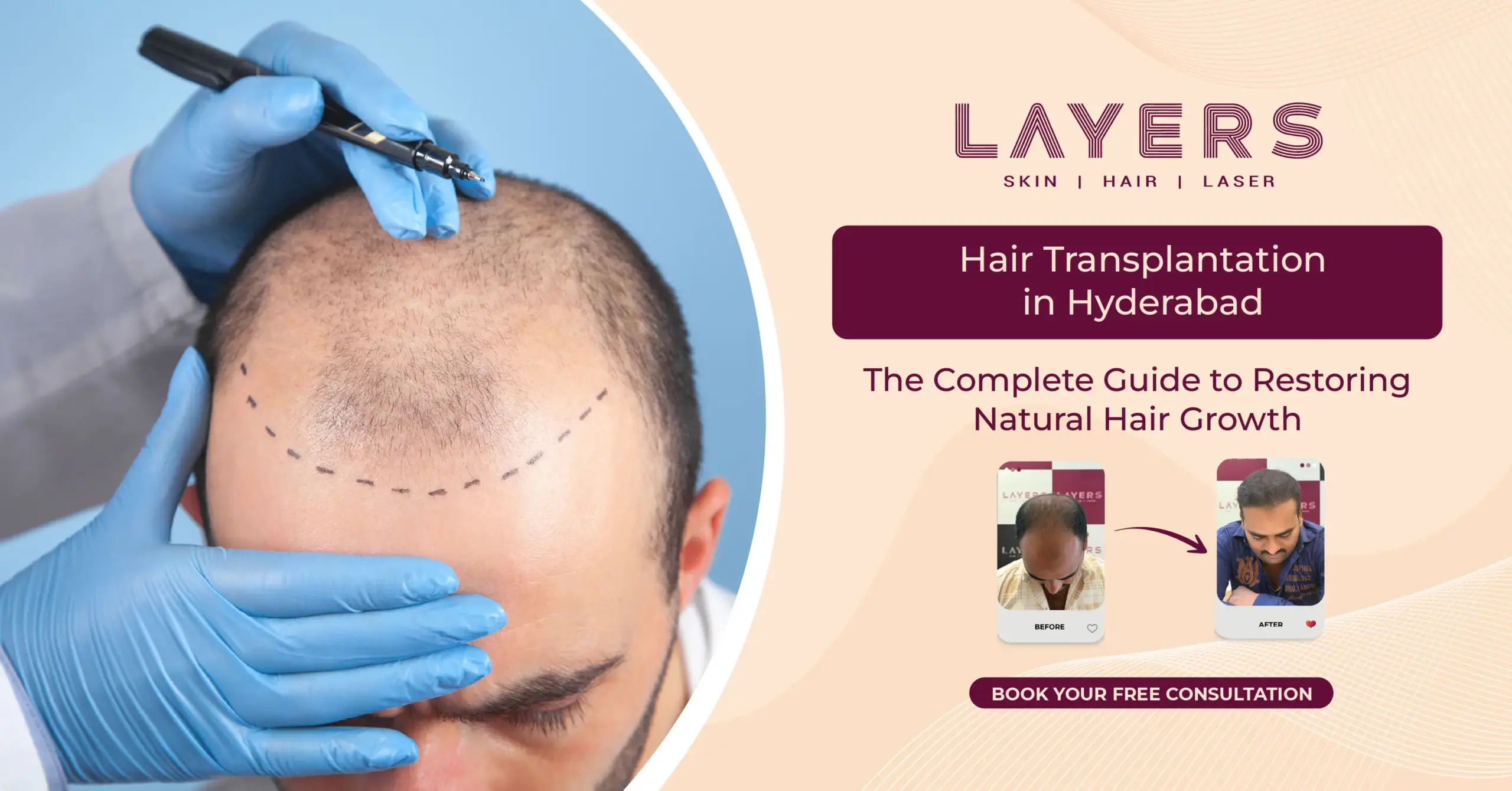
Hair loss can significantly impact an individual’s self-confidence, appearance, and overall emotional health, affecting both men and women alike. In recent years, advancements in medical technology have made Hair Transplantation in Hyderabad a highly dependable and permanent option for regaining natural hair growth.
This informative guide outlines the principles of hair transplantation, details the ideal candidates for the procedure, explores the various techniques utilized, discusses the associated costs, and explains why Layers Clinics has become a reputable choice for hair transplant services in Hyderabad.
What Is Hair Transplantation?
Hair transplantation is a medically proven procedure in which healthy hair follicles are extracted from a donor area, typically located at the back or sides of the scalp. These follicles are then implanted into areas affected by hair thinning or baldness.
Once transplanted, the follicles continue to grow naturally and permanently, blending seamlessly with existing hair. At Layers Clinics, all hair transplant procedures are performed under the supervision of expert dermatologists to ensure precision, safety, and natural-looking results.
Who is the Ideal Candidate for Hair Transplantation?
You may be a suitable candidate for hair transplantation if you:
- Have male or female pattern hair loss
- Are experiencing a receding hairline or crown baldness
- Possess adequate donor hair density
- Are medically fit and healthy
- Have realistic expectations about results
A detailed scalp examination and consultation at Layers Clinics helps determine the most effective treatment approach for each individual.
Advanced Hair Transplantation Techniques Explained
Choosing the right hair transplant technique is essential for achieving natural and long-lasting results. The most commonly used methods include Follicular Unit Extraction (FUE), Follicular Unit Transplantation (FUT), and Direct Hair Implantation (DHI). Each of these techniques offers unique advantages based on your specific hair loss condition and goals.
FUE Hair Transplant (Follicular Unit Extraction)
FUE is one of the most popular hair transplant techniques. It involves extracting individual hair follicles from the donor area and implanting them into thinning or bald scalp areas.
Key Benefits of FUE:
- Individual follicle extraction for precision
- No visible linear scars
- Faster healing and recovery time
- Natural-looking hair growth pattern
FUE is ideal for most patients, particularly those seeking a minimally invasive procedure with a quick recovery period.
FUT Hair Transplant (Follicular Unit Transplantation)
FUT is a traditional hair transplant method in which a strip of scalp is removed from the donor area and then divided into individual grafts for implantation.
When FUT is Recommended:
- Suitable for patients with extensive baldness
- Provides maximum grafts in a single session
- Effective for achieving broader coverage
Although FUT may leave a linear scar, it remains a reliable option for patients who need a high volume of grafts.
DHI Hair Transplant (Direct Hair Implantation)
DHI is an advanced hair transplant technique that allows for the direct implantation of hair follicles using specialized tools, without the need for prior incisions.
Why DHI Stands Out:
- Higher precision in implantation
- Better control over depth and angle
- Enables dense hair packing
- Reduced trauma to the scalp
DHI is ideal for patients seeking high-density and highly natural-looking results, particularly in areas such as the hairline.
Comparing Hair Transplantation Techniques
| Technique | Scarring | Recovery Time | Precision | Ideal For |
|---|---|---|---|---|
| FUE | Minimal | Fast | High | Most patients |
| FUT | Linear scar | Moderate | Medium | Large bald areas |
| DHI | Minimal | Fast | Very High | Dense hair restoration |
Hair Transplantation Journey at Layers Clinics
At Layers Clinics, hair transplantation follows a structured and medically approved process:
- Detailed consultation and scalp analysis
- Customized hairline design
- Donor area follicle extraction
- Careful graft preparation
- Precise implantation into bald or thinning areas
- Post-procedure care and follow-up monitoring
Strict hygiene protocols and advanced equipment ensure safe and consistent results.
Is Hair Transplantation Safe?
Yes, hair transplantation is a safe and minimally invasive procedure when performed at a certified clinic. At Layers Clinics in Hyderabad, patient safety is prioritized through:
- Dermatologist-led procedures
- Sterile operation theater standards
- Advanced technology and tools
- Continuous patient monitoring
These practices make Layers Clinics a preferred destination for hair transplantation in Hyderabad.
Hair Transplantation Cost in Hyderabad
The cost of hair transplantation varies depending on:
- Number of grafts required
- Technique used (FUE or DHI)
- Extent of hair loss
At Layers Clinics, pricing is transparent and discussed in detail during consultation, with no hidden charges.
Hair Growth Results & Timeline
Hair transplant results develop gradually:
- First 2–3 weeks: Temporary shedding (normal phase)
- 3–4 months: New hair growth begins
- 6–9 months: Visible density improvement
- 12 months: Full, natural hair growth
The transplanted hair behaves like natural hair and typically lasts a lifetime.
Hair Transplantation for Men and Women
Layers Clinics offers customized hair transplant solutions for:
- Male pattern baldness
- Female hair thinning
- Receding hairlines
- Crown baldness
- Beard and eyebrow restoration
Each treatment plan is personalized to ensure natural density and facial harmony.
Aftercare Guidelines for Best Results
Essential Post-Procedure Care
We advise patients to:
- Avoid touching or scratching the scalp
- Follow prescribed medications
- Use gentle hair washing techniques
Lifestyle Adjustments for Hair Health
Maintaining a balanced diet, reducing stress, and avoiding harsh chemical treatments contribute to long-term success.
Pros and Cons of Hair Transplantation
Advantages
- Permanent solution
- Natural appearance
- Minimal maintenance
- Cost-effective over time
Limitations
- Requires sufficient donor hair
- Gradual results, not immediate
- Initial shedding phase
Common Mistakes to Avoid After Hair Transplantation
Proper care after a hair transplant is essential for achieving the best results. Avoiding common mistakes during the healing phase helps protect grafts, improve hair growth, and ensure natural-looking outcomes.
Touching or Scratching the Scalp
Avoid touching or scratching the treated area, as this can dislodge grafts and affect results. Mild itching is normal, follow your doctor’s advice to manage it safely.
Ignoring Doctor’s Instructions
Not following post-procedure guidelines can lead to poor healing or complications. Always take prescribed medications and attend follow-ups as recommended.
Exposure to Sun, Sweat, and Pollution
Direct sunlight, sweating, and pollution can irritate the scalp and harm new grafts. Protect your scalp and avoid heavy activities in the initial weeks.
Using Harsh Hair Products Too Soon
Avoid chemical-based shampoos or styling products early on. Use only mild, doctor-recommended products until your scalp fully heals.
Why Layers Clinics Is Trusted for Hair Transplantation in Hyderabad
Patients across Hyderabad choose Layers Clinics because of:
- Experienced dermatologists and hair transplant specialists
- Advanced FUE and DHI techniques
- Natural hairline planning
- High graft survival rates
- Ethical, patient-first medical practices
- Proven success stories and patient satisfaction
These factors position Layers Clinics among the most reliable hair transplant centres in Hyderabad.
Frequently Asked Questions
Is hair transplantation a permanent solution for hair loss?
Yes, hair transplantation offers a long-term solution. The transplanted follicles are taken from areas resistant to hair loss, so they continue to grow naturally for years, often lasting a lifetime.
How do I know if I am eligible for a hair transplant?
You may be a suitable candidate if you have pattern baldness, sufficient donor hair, and overall good health. A detailed scalp analysis by a specialist helps confirm your eligibility.
Which hair transplant technique should I choose—FUE, FUT, or DHI?
The ideal technique depends on your hair loss stage, desired density, and donor area condition. FUE suits most patients, FUT is effective for large areas, and DHI is preferred for high precision and density.
Is the hair transplant procedure painful?
Hair transplantation is generally comfortable as it is performed under local anesthesia. You may feel slight discomfort, but it is minimal and manageable.
How long does it take to see visible results after a hair transplant?
Initial growth usually begins around 3–4 months, with noticeable improvement by 6–9 months. Full results are typically visible within 10–12 months.
Will the transplanted hair fall out again?
Temporary shedding may occur within the first few weeks, which is normal. After this phase, new hair grows permanently and behaves like natural hair.
How many grafts are required for a hair transplant?
The number of grafts depends on the extent of hair loss and desired density. Your doctor will recommend the required graft count during consultation.
Conclusion
If you are thinking about hair transplantation in Hyderabad, Layers Clinics provides expert care, advanced techniques, and long-lasting, natural results. Schedule your consultation today and take the first step toward restoring your confidence and achieving natural hair growth.
