
When people think of “How to Control Dandruff Fast“, To control dandruff fast, use a medicated anti-dandruff shampoo (2–3 times weekly), maintain a clean scalp routine, control oil buildup, and address root causes like fungus, dryness, or excess sebum. Most people see visible improvement within 2–4 weeks with consistent care.
The goal at Layers Clinics is to figure out what’s causing your dandruff, whether it’s fungus, dryness, or too much sebum, and then give you dermatologist-recommended treatments that will work and last.
This guide is designed for:
- Anyone wanting a long-term dandruff control routine
- People struggling with persistent dandruff, itching, or flakes
- Those who tried shampoos but see recurring dandruff
- Individuals looking for fast, dermatologist-backed solutions
What Causes Dandruff?
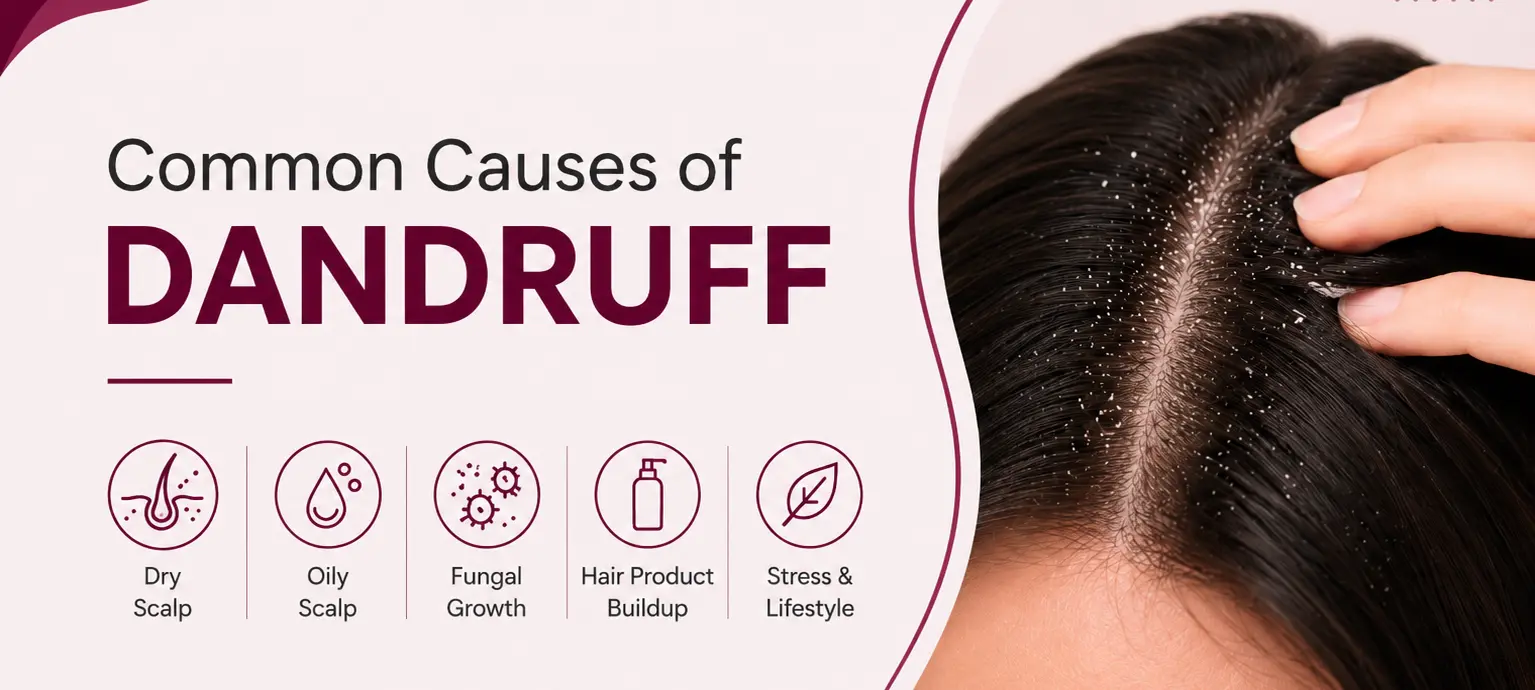
Dandruff is not just dryness, it’s usually caused by multiple factors:
- Malassezia fungus overgrowth (primary cause)
- Excess oil (sebum) on the scalp
- Dry scalp and dehydration
- Product buildup and poor hygiene
- Sensitivity to hair care products
Bottom line: Effective treatment depends on identifying the exact cause.
How to Control Dandruff Fast? (Proven Methods)
1. Use Medicated Anti-Dandruff Shampoos Regularly
The fastest way to get rid of dandruff is to use clinically developed anti-dandruff shampoos every day.
Things that are important to keep an eye out for:
- Ketoconazole stops fungi from growing
- Zinc Pyrithione stops itching and peeling.
- Selenium Sulphide makes skin cells die and be replaced more slowly.
- Salicylic Acid removes dead skin cells.
We recommend using these shampoos two to three times a week and letting the formula sit on your scalp for a few minutes before rinsing for the best results.
2. Maintain a Consistent Scalp Cleansing Routine
If you don’t wash your hair often enough, oil, dirt, and dead skin cells can build up, which makes dandruff worse.
We want to be clear:
- How often you wash your hair depends on the type of scalp you have
- Not washing too much or too little
- Using water that isn’t too hot instead of hot water
Cleaning your scalp on a regular basis keeps it healthy and stops it from flaking.
3. Control Excess Oil Production on the Scalp
Fungi that cause dandruff do well on oily scalps. To have quick control, you need to check the oil levels often.
Some good things to do are:
- Using hair products that are light and don’t have oil in them
- Not putting strong conditioners on the scalp
- Taking a shower after sweating a lot
Our main goal is to keep the scalp clean and free of dirt.
4. Hydrate the Scalp to Prevent Dryness
A dry scalp is another major cause of dandruff. To stop your skin from flaking, you need to keep it moist.
We suggest:
- Putting moisturizing scalp serums on
- Using small amounts of natural oils
- Getting enough water every day
Dandruff won’t form if your scalp stays moist.
5. Avoid Harsh Hair Care Products
Many hair products have chemicals that can make the scalp itch and cause dandruff.
Things you should not do:
- Sprays that contain alcohol
- Gels with strong chemicals
- Things that smell fake a lot
We suggest using moderate, sulfate-free treatments that dermatologists have approved for the long-term health of your scalp.
6. Improve Diet for a Healthier Scalp
The food you eat has a direct effect on the health of your scalp. Lack of nutrients can make dandruff worse and slow down recovery.
We include:
- Foods that are high in zinc, like nuts and seeds
- A healthy scalp needs vitamin B complex
- Omega-3 fatty acids help you stay hydrated.
A healthy diet helps the body heal from the inside out and lowers the chance of getting sick again.
7. Manage Stress and Lifestyle Factors
A lot of stress can hurt your scalp. It makes your scalp make more oil, which leads to dandruff.
We always say to people:
- Using ways to deal with stress
- Sticking to a regular sleep schedule
- Getting some exercise
A stable way of life keeps hormones in check and the scalp healthy.
8. Practice Proper Hair Hygiene
Keeping up with good hygiene is very important for keeping dandruff from building up.
We recommend:
- Cleaning brushes and combs on a regular basis
- Changing pillowcases a lot
- Not letting other people use your hair tools
Cleaning your scalp regularly helps stop bacteria and fungi from growing there.
9. Natural Remedies for Quick Dandruff Relief
When used often, a number of natural treatments can quickly and effectively ease symptoms.
Here are some common options:
- Use tea tree oil to kill fungi
- Aloe vera to soothe irritation
- Apple cider vinegar can help keep the pH level of your scalp in check.
To get better results, we suggest using both natural and medical treatments.
10. Advanced Clinical Treatments for Persistent Dandruff
If your dandruff doesn’t go away or keeps coming back, you can get help from a professional.
We provide:
- Detox treatments for the scalp that go deep
- Medicated treatments that are good for the health of the scalp
- Laser therapy for the scalp to improve blood flow
- More powerful versions that need a prescription for serious cases
These treatments work quickly, show results right away, and last a long time.
What Is the Best Daily Routine to Prevent Dandruff?
We suggest a daily routine that is well-organized to keep your hair free of dandruff:
- Use anti-dandruff shampoo regularly
- Avoid scratching your scalp
- Keep scalp clean and dry
- Use conditioner only on hair lengths
- Stay hydrated & eat balanced meals
If you stick to a regular schedule, your scalp will stay healthy and this won’t happen again.
What Makes Dandruff Worse?
To get better faster, you should not do these things:
- Not washing your hair for a long time
- Putting on too many hair products
- Not paying attention to scalp irritation
- Using the wrong kind of shampoo
- Changing things up a lot
We want to stress how important it is to have a clear and consistent plan for getting rid of dandruff.
When to See a Dermatologist?
Professional treatment is necessary when:
- Not washing hair regularly
- Overusing styling products
- Ignoring early symptoms
- Using the wrong shampoo
- Frequently switching products
Timely interventions will result in a quicker resolution and minimization of additional problems resulting from the untreated condition.
How Long Does It Take to See Results?
- Mild dandruff: 2–3 weeks
- Moderate cases: 3–6 weeks
- Severe dandruff: Requires clinical treatment
Frequently Asked Questions
How can I control dandruff fast at home?
Use medicated shampoo, maintain scalp hygiene, and apply natural remedies like aloe vera or tea tree oil consistently.
Is dandruff caused by dry scalp or oil?
It can be caused by both, but most commonly due to fungus thriving on oily scalp.
Can dandruff go away permanently?
It can be controlled long-term, but may return without proper maintenance.
How often should I wash my hair for dandruff?
2–3 times per week, depending on scalp type.
Which shampoo is best for dandruff?
Shampoos with ketoconazole, zinc pyrithione, or selenium sulphide are most effective.
Key Takeaway
The fastest way to control dandruff is to combine medicated treatment, proper scalp hygiene, and lifestyle improvements. Addressing the root cause ensures long-term relief and prevents recurrence.
Conclusion
Dandruff can be frustrating, but with the right approach, it’s completely manageable. At Layers Clinics, treatments are designed to target the root cause and deliver long-term scalp health with expert care and advanced solutions.
