A warm, restful session
Some people enjoy warmth, but comfort does not establish a medical benefit. Ask what the particular session involves and whether heat is suitable for you.
A heated body wrap creates warmth and sweating. Learn what this means for comfort, hydration and your body-care goals.
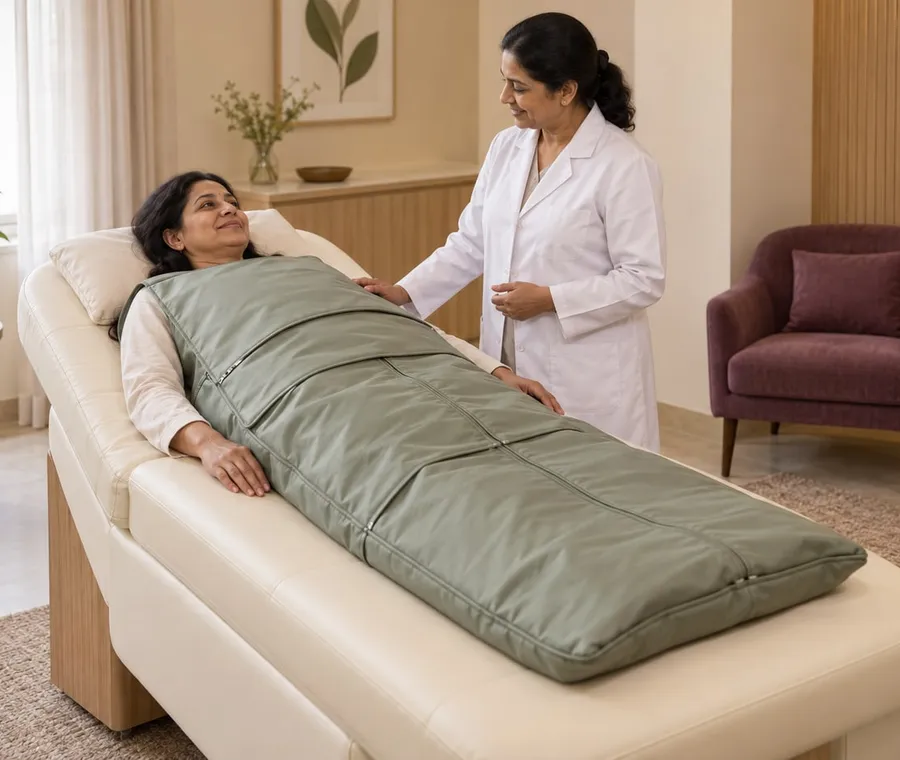
A thermal blanket is a heated body wrap. Equipment varies: some systems use electric heating and some are marketed as infrared. The actual device determines how it is used and who can use it safely.
Despite the word “slimming”, sweating is not proof of fat reduction. A heat session should not be presented as a substitute for weight care or a targeted fat-reduction treatment.
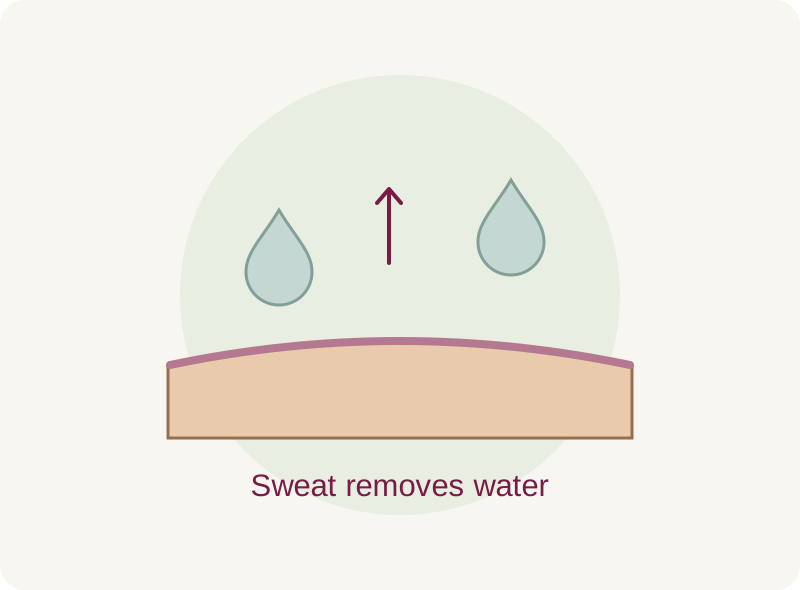
Sweating helps the body cool itself. It removes water and salts, rather than melting or draining fat through the skin. More sweat does not mean a better slimming result.
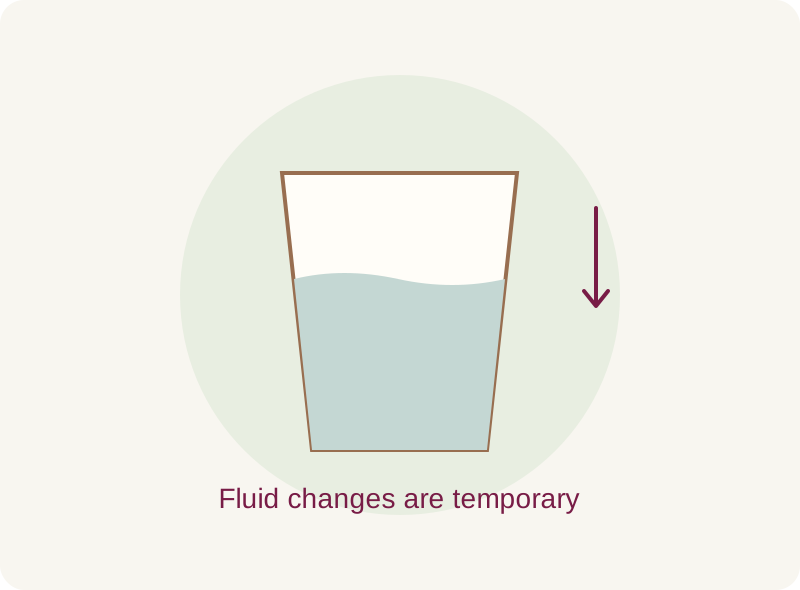
A lower weight reading after a heat session can reflect dehydration. That change is temporary and returns with rehydration. Feeling warm or relaxed is different from a lasting change in body fat.
Some people enjoy warmth, but comfort does not establish a medical benefit. Ask what the particular session involves and whether heat is suitable for you.
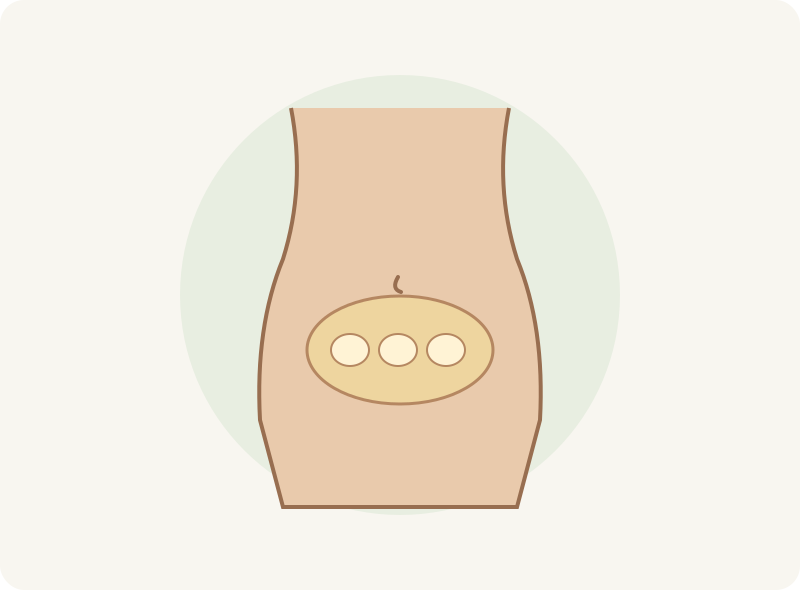
Targeted contouring needs its own assessment and evidence. A heated blanket is not interchangeable with a controlled fat-reduction device.
Explore contouring options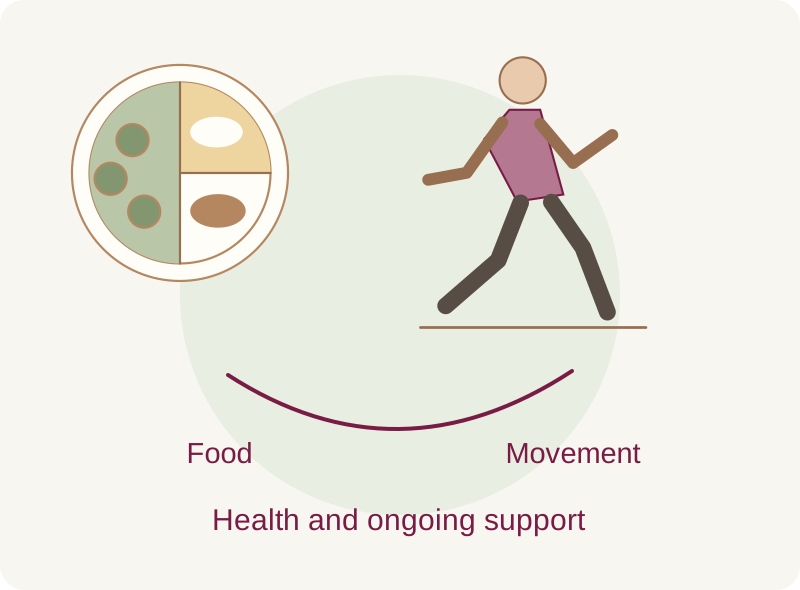
A weight-care plan considers health, food, movement and ongoing support. Deliberate dehydration does not provide those benefits.
Explore weight management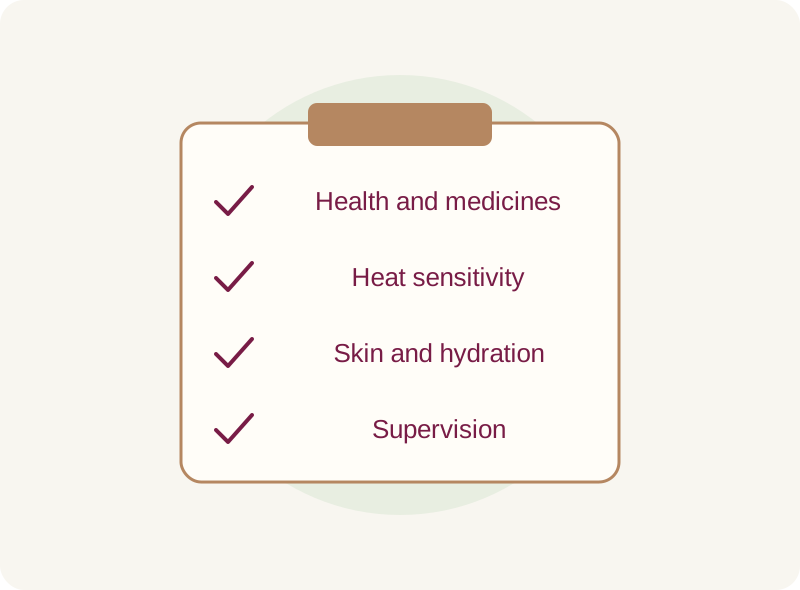
Ask for medical advice if you have heart or blood-pressure problems, are pregnant, or have another condition that affects how you tolerate heat.
Some medicines increase dehydration or overheating risk. Tell the team about reduced skin sensation, skin damage or previous reactions to heat.
Do not start a heat session when dehydrated or after drinking alcohol. Explain fever, dizziness or recent illness before proceeding.
You should be able to speak to the person supervising and stop promptly if uncomfortable. Your head and breathing must remain unobstructed.
Share health conditions, medicines and any concerns about heat or enclosed wraps. Follow the device-specific preparation instructions.
Ask how the session is supervised and how the wrap can be opened. The team should explain comfort checks before starting.
Settings and duration should follow the equipment guidance and your suitability assessment. Do not turn up the heat to try to lose more weight.
Report excessive heat, skin pain, nausea, headache or dizziness. Stop rather than trying to complete a session while feeling unwell.
Follow the advice on cooling down and replacing fluids. People with prescribed fluid restrictions need individual guidance.
Report persistent dizziness, skin soreness or other new symptoms. A temporary weight change should not be used as the reason to repeat a session.
You may feel warm and sweaty after a session. There is no established reason to promise a fixed loss of fat, inches or kilograms from a generic thermal blanket.
If a package combines heat with diet changes or other procedures, its result cannot automatically be credited to the blanket. Ask what each part is intended to do and how a lasting change would be measured.
These reviews describe general consultations and care. They are not thermal-blanket results.
“The doctors listened carefully to my concerns and explained the treatment in a clear and professional manner.”
Consultation experience; condition not specified.
“She explained the treatment clearly and made me feel comfortable throughout the consultation.”
Consultation experience; condition not specified.
“The doctor took the time to understand my skin concerns and explained the treatment plan clearly, without rushing.”
Consultation experience; condition not specified.
“Very patient ,humble and polite to answer every single query and build confidence.”
Consultation experience; condition not specified.
“The doctors explained everything clearly and made me feel comfortable and confident.”
Consultation experience; condition not specified.
“The doctor took the time to listen to my concerns patiently and explained the treatment options clearly.”
Consultation experience; condition not specified.
















Sweating removes water, not fat through the skin. A heat session is not established as a replacement for weight care or a targeted contouring treatment.
Fluid loss can lower the reading temporarily. Rehydration restores that water, so it should not be presented as lasting fat loss.
The word infrared does not prove a slimming benefit or establish safety for everyone. Ask about the exact device, intended use and suitability.
No. Radiofrequency devices deliver controlled energy for specified tissue effects. A generic warming blanket is a different type of equipment.
No. Deliberate dehydration can be harmful. Follow appropriate hydration advice and tell the clinician if you have a medical fluid restriction.
Discuss heat exposure with your pregnancy-care clinician before considering a session. Do not assume that a non-surgical wellness service is suitable during pregnancy.
There is no universal setting for every blanket or person. Follow the equipment instructions and clinical suitability assessment rather than copying an online schedule.
Sweat production is not evidence of a clinically useful detox treatment. A blanket should not replace assessment or treatment for a health problem.
Talk about what you want to change and which options may be suitable for your health.
Prefer a call? +91 9000 572727