Cheek-line shaping
Agree how much hair above the beard line to reduce. A conservative boundary keeps more room for future style choices.
Spend less time tidying your cheeks and neckline. Start by agreeing on a beard shape you will be comfortable keeping over time.
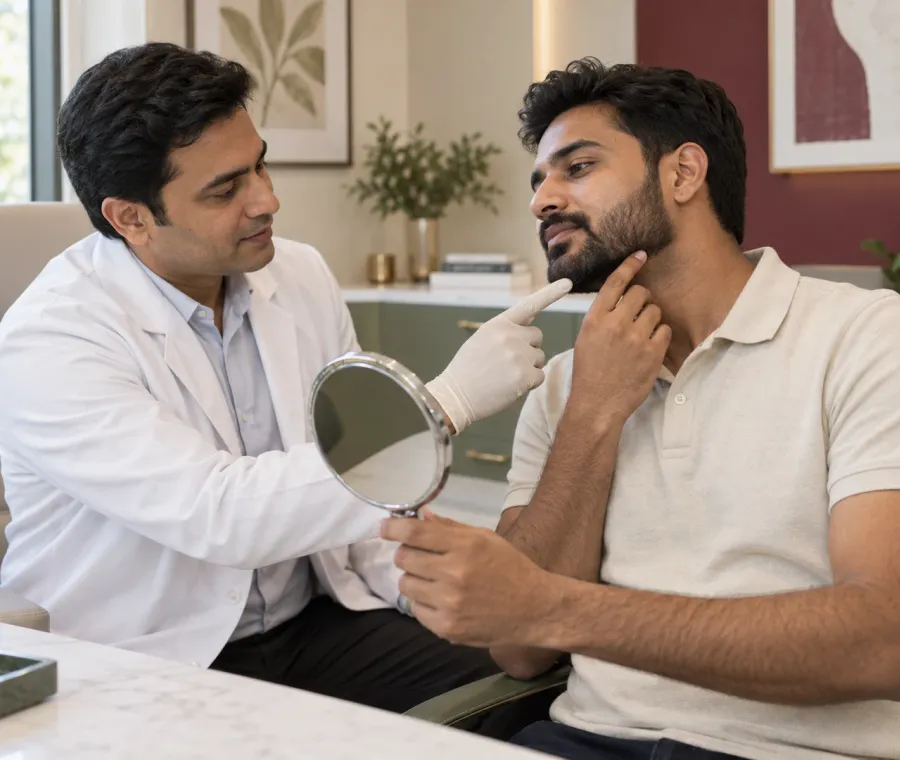
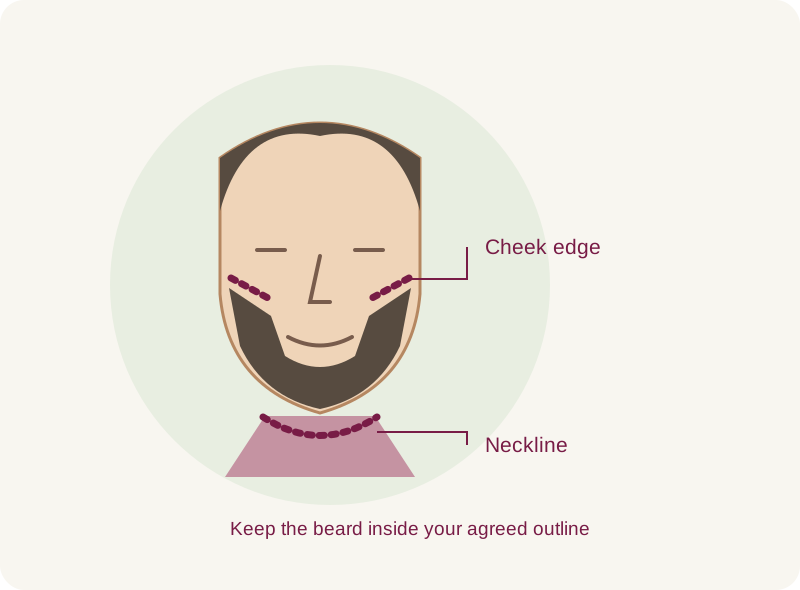
Laser beard shaping reduces suitable hairs outside an agreed beard outline. It can be used to tidy selected cheek or neck areas while keeping the main beard. It is not a way to grow new hair in patchy areas.
Laser uses light absorbed by the pigment in suitable hairs to reduce their future growth. The aim is lasting reduction with less regrowth; it does not promise to remove every hair.
Agree how much hair above the beard line to reduce. A conservative boundary keeps more room for future style choices.
Discuss the line in a natural head position. The goal is the outline you want, without removing useful beard hair by mistake.
Reducing density within a beard is different from shaping its edges. It can leave uneven growth, so the purpose and limitations need a separate discussion.
Bring photographs of the style you like or grow enough hair for the pattern to be assessed. Ask how to prepare while keeping the boundary clear.
Successful reduction may be long-lasting. Removed hair cannot be relied on to regrow if you later want a fuller beard.
Shaving bumps, infection and pigmentation can look similar. A skin assessment helps decide whether hair reduction, other care or postponement is appropriate.
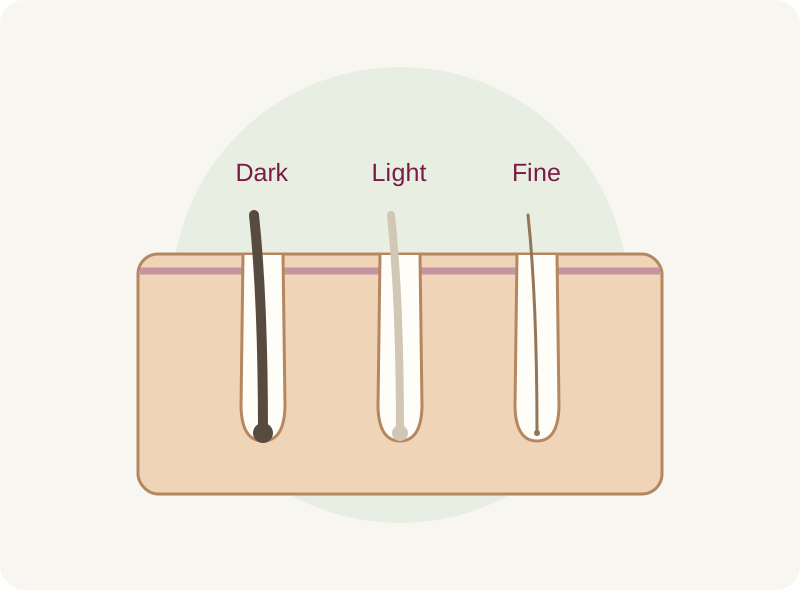
Dark, coarse hair generally provides a better target. Very fine, white, grey or light hair may need another approach, such as electrolysis for individual hairs.
Skin pigment matters when selecting the device and settings. Tell the clinician about tanning, burns and past colour changes. A test area may be advised.
Share medicines, pregnancy, recent procedures, active rashes, infections and scarring history. Treatment may need to wait while a concern is assessed.
Agree the cheek and neck outline before shaving preparation removes the visual guide. Share your usual beard style, skin reactions and any medicines or active skincare.
Confirm suitable areas, likely benefits, risks and cost. Follow the clinic’s instructions on shaving and avoiding waxing or plucking; do not stop prescribed medicines on your own.
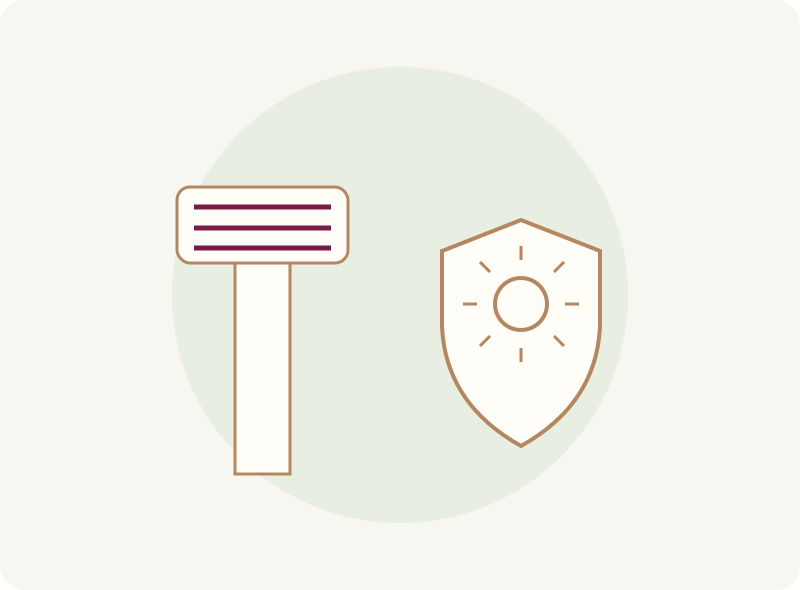
The practitioner reconfirms the boundary and protects the beard you want to retain. Eye protection and skin cooling are used while the selected areas are treated.
Pulses can feel warm or like a brief snap. Tell the clinician about excessive pain so the skin can be checked and treatment paused if needed.
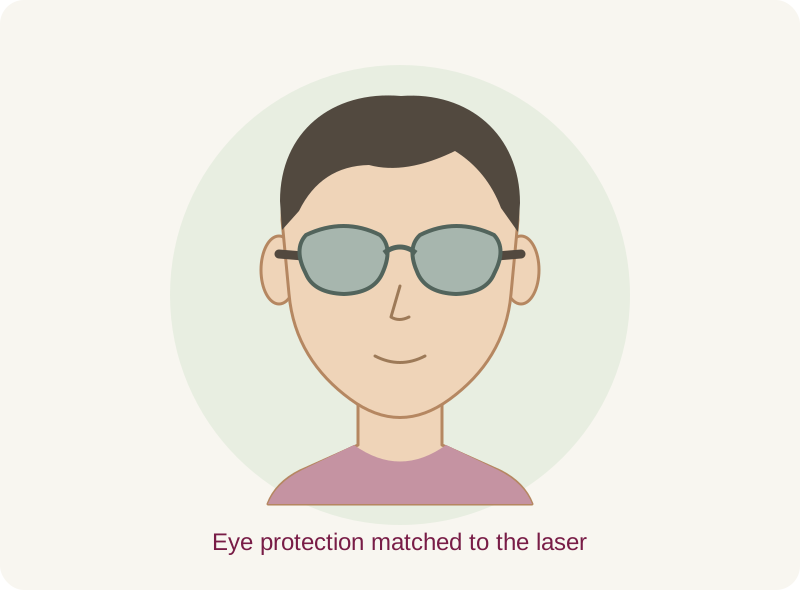
Avoid close shaving over sore skin and ask when to resume trimming and aftershave. Use gentle care and protect the exposed neck and cheeks from sunlight.
Review skin recovery and regrowth before the next session. Contact the clinic promptly about blistering, worsening pain or a persistent skin reaction.
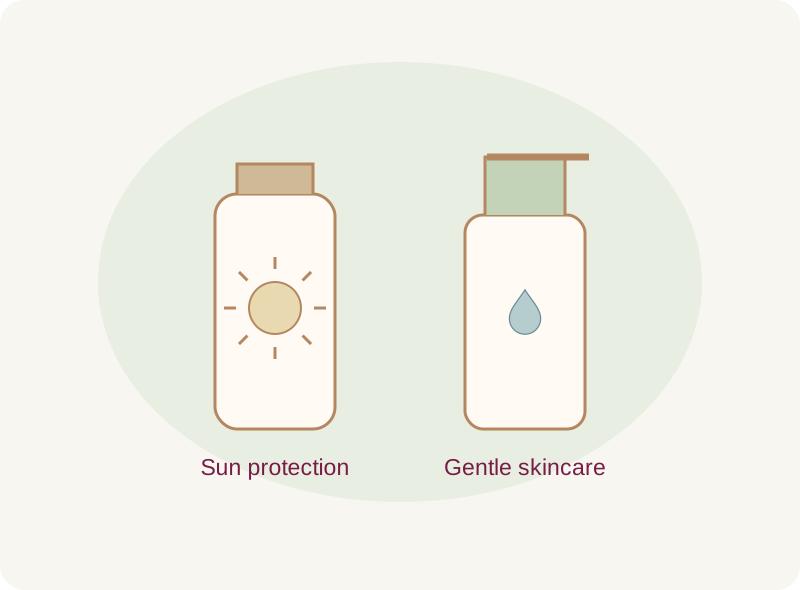
The outline becomes easier to assess as the course progresses. Some unevenness or regrowth can occur. Laser reduction will not fill gaps, and a very sharp permanent line may limit later style changes.
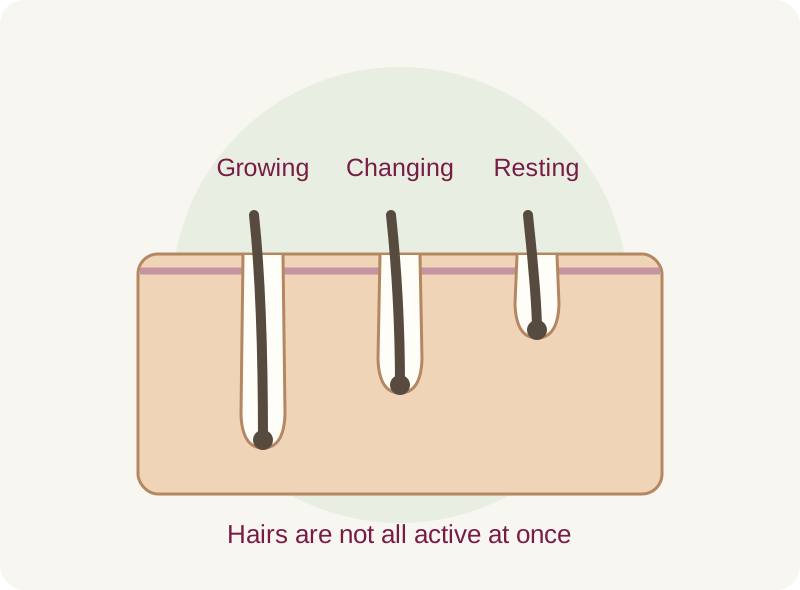
Hairs grow at different times, so a series of visits is usually needed. Session intervals and any maintenance should follow your area, skin recovery and regrowth. Ask for a review if the response is limited instead of repeating an unchanged plan indefinitely.
Redness, tenderness and swelling around hairs can occur. Follow the agreed cooling and skincare advice, and avoid picking or harsh exfoliation.
Protect exposed treated skin and report any tanning between visits. Check when active skincare, heat and friction are suitable again.
Burns, blisters, lasting colour changes, infection and scars are possible. Unwanted increased hair growth can also occur. Report a concerning change rather than treating over it.
A Layers dermatologist discusses laser hair reduction for men, including beard-line care and grooming. This is related laser-care information; it is not a patient testimonial or a demonstration of every area.
Layers Skin & Hair Clinics · Doctor explanation
Watch on YouTubeOriginal laser hair reduction before-and-after cases from Layers Clinics. Individual results vary.
Showing all 5 photographs
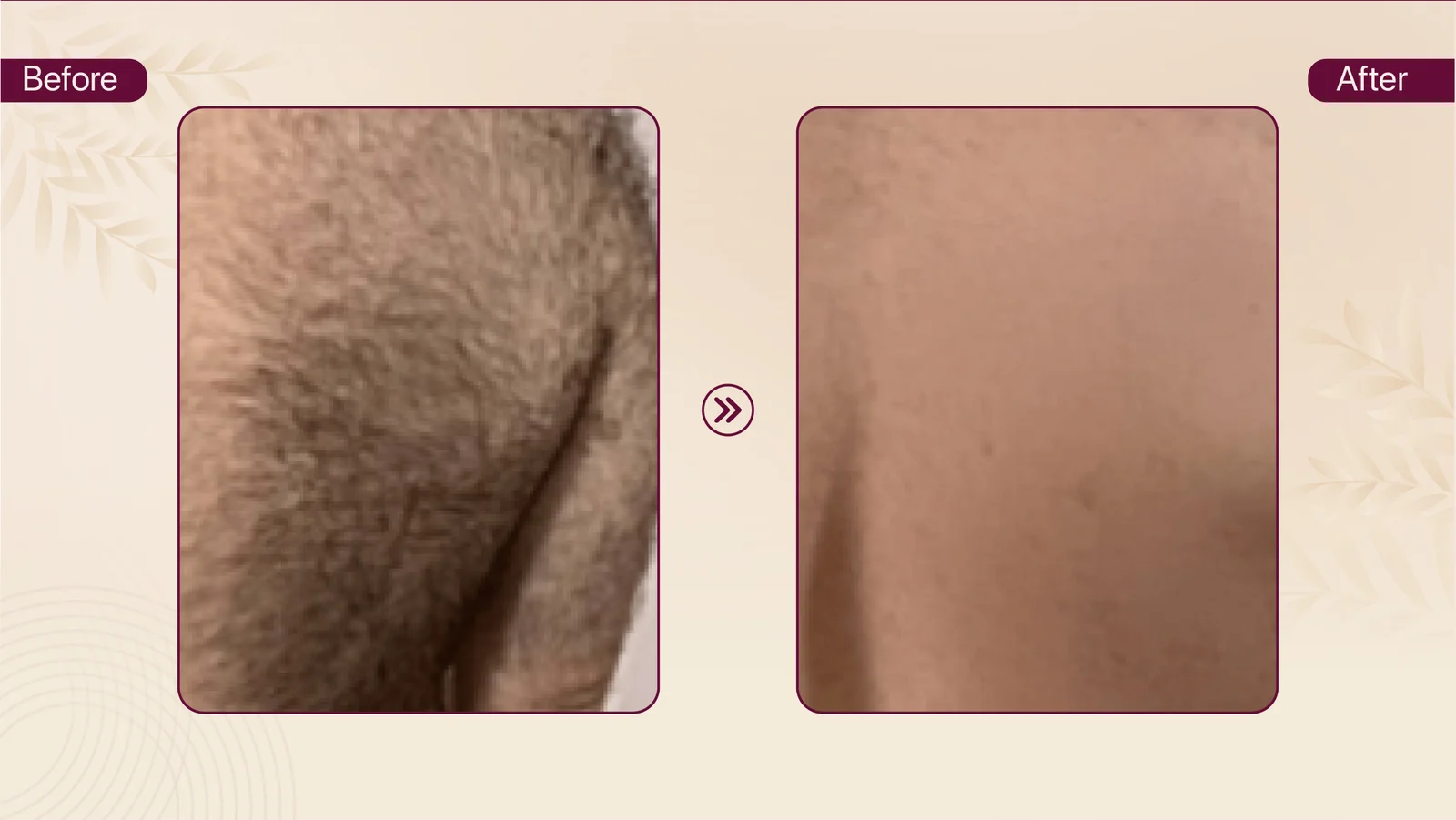
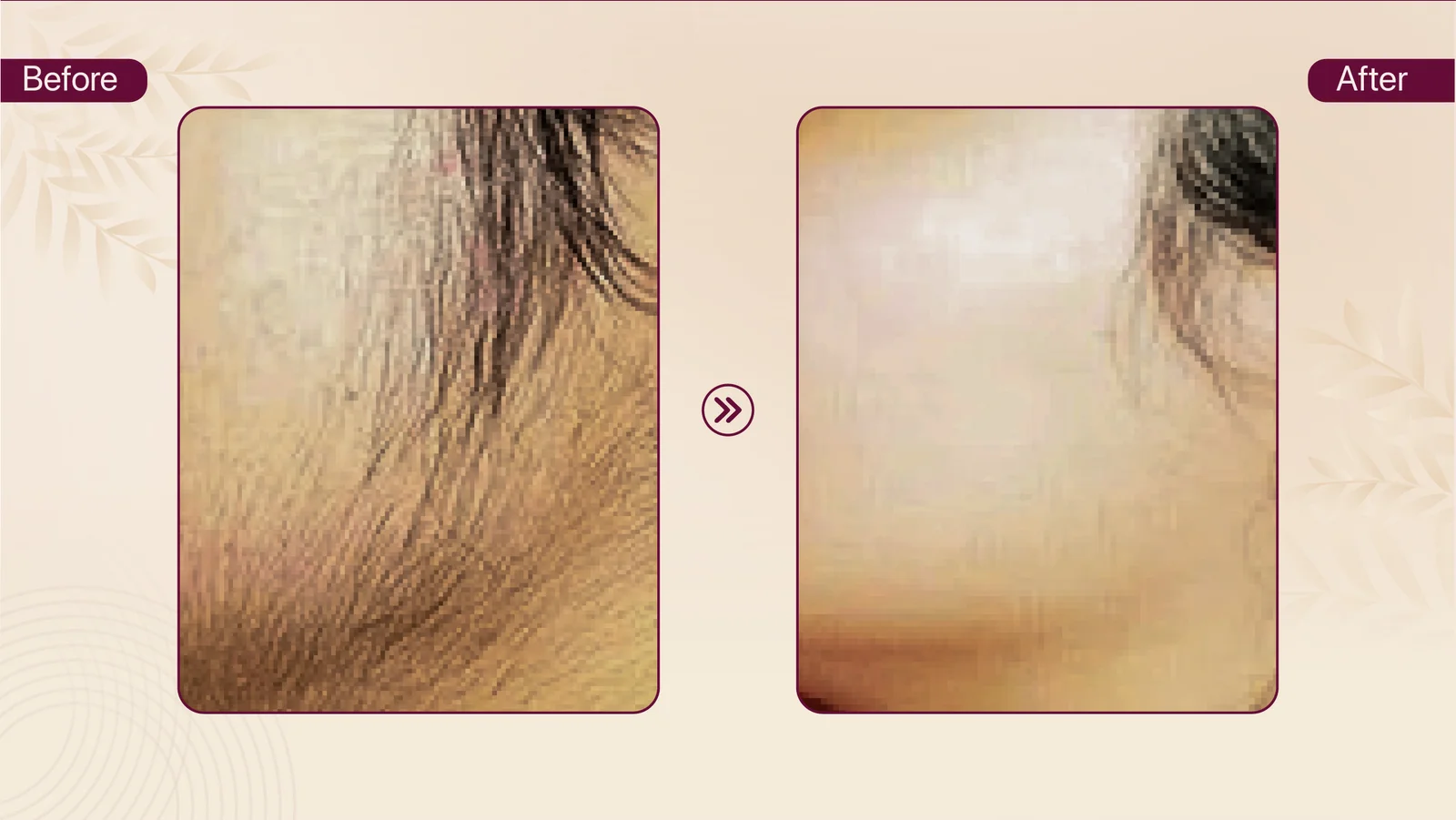
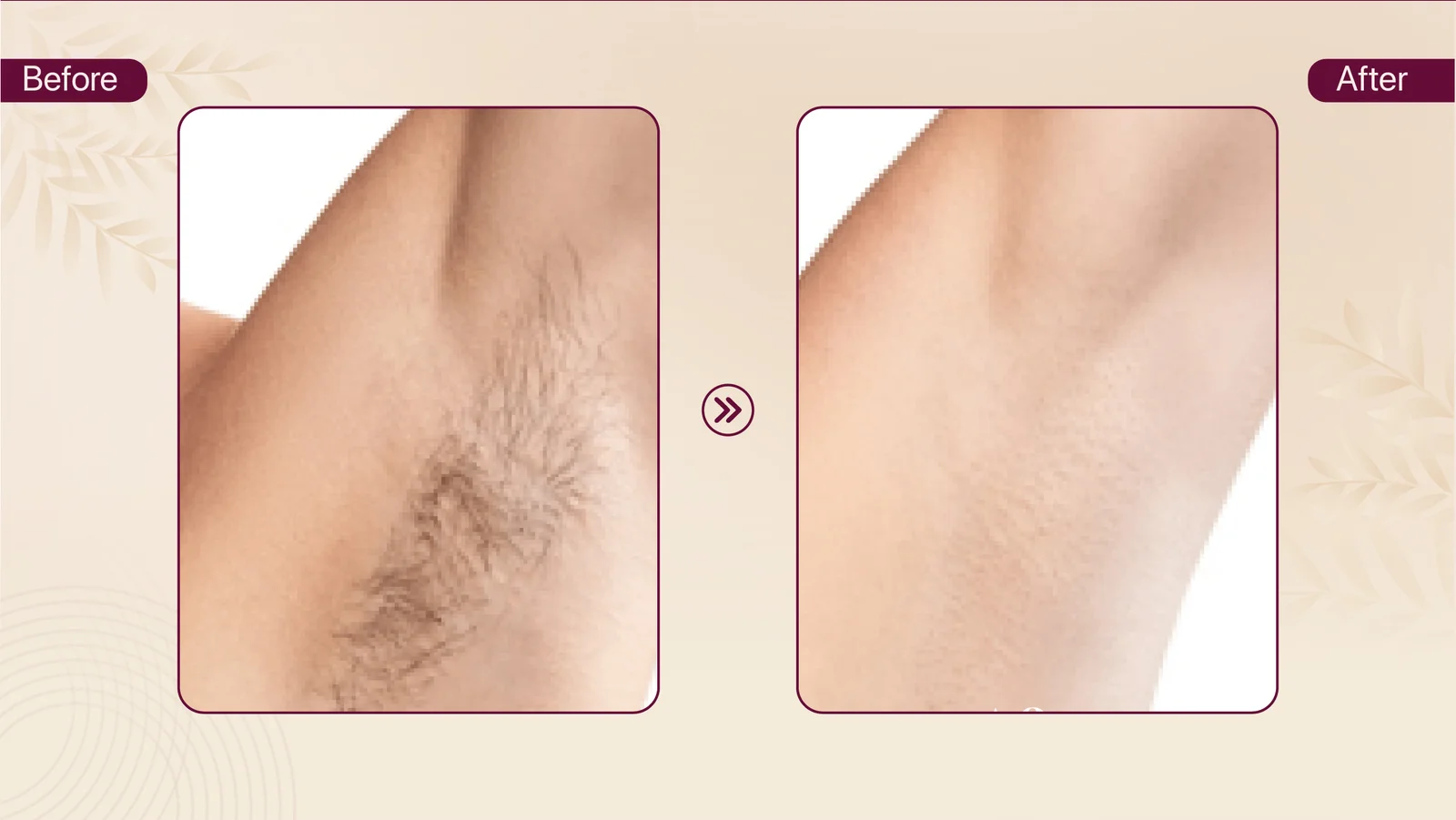
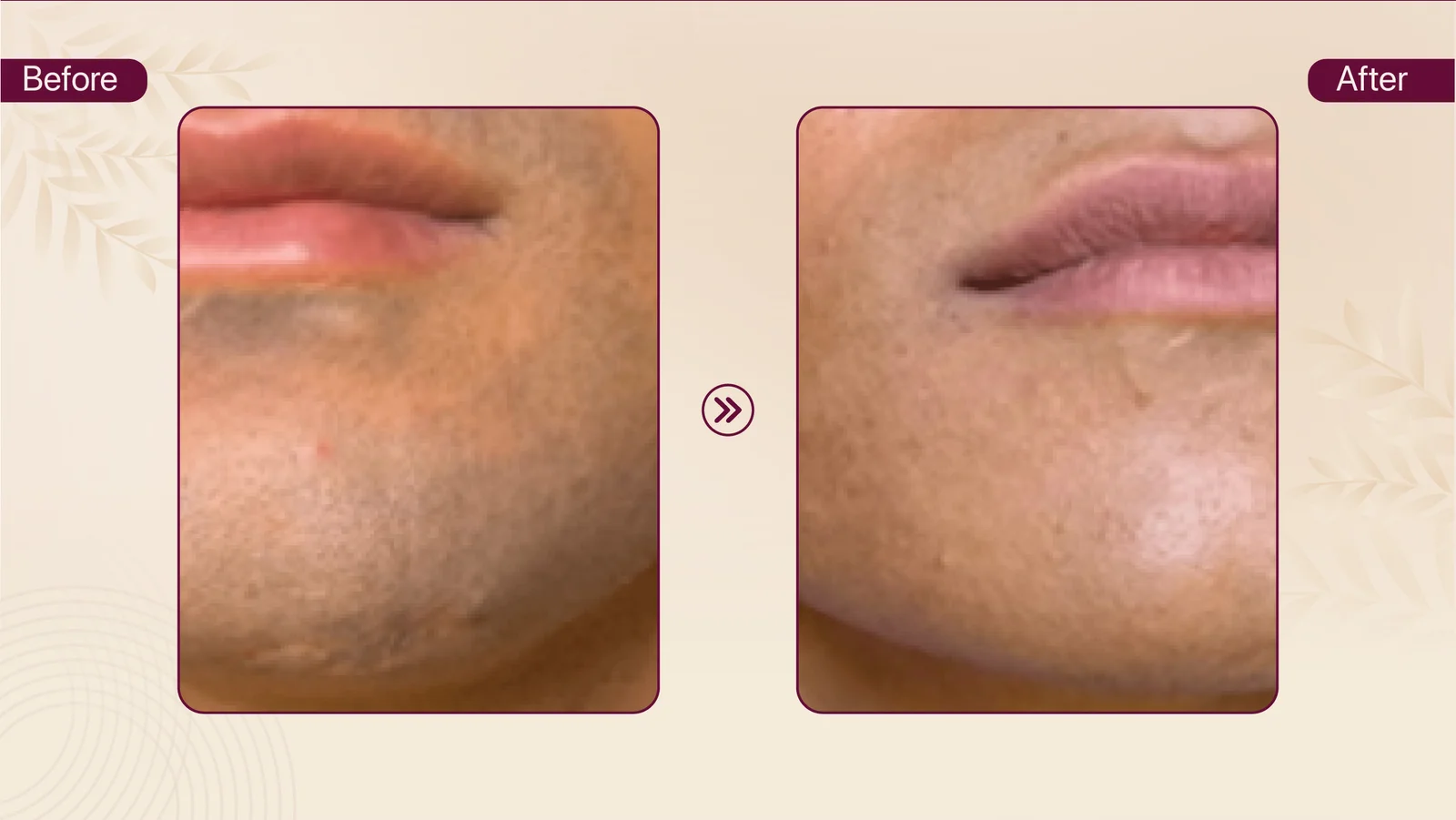
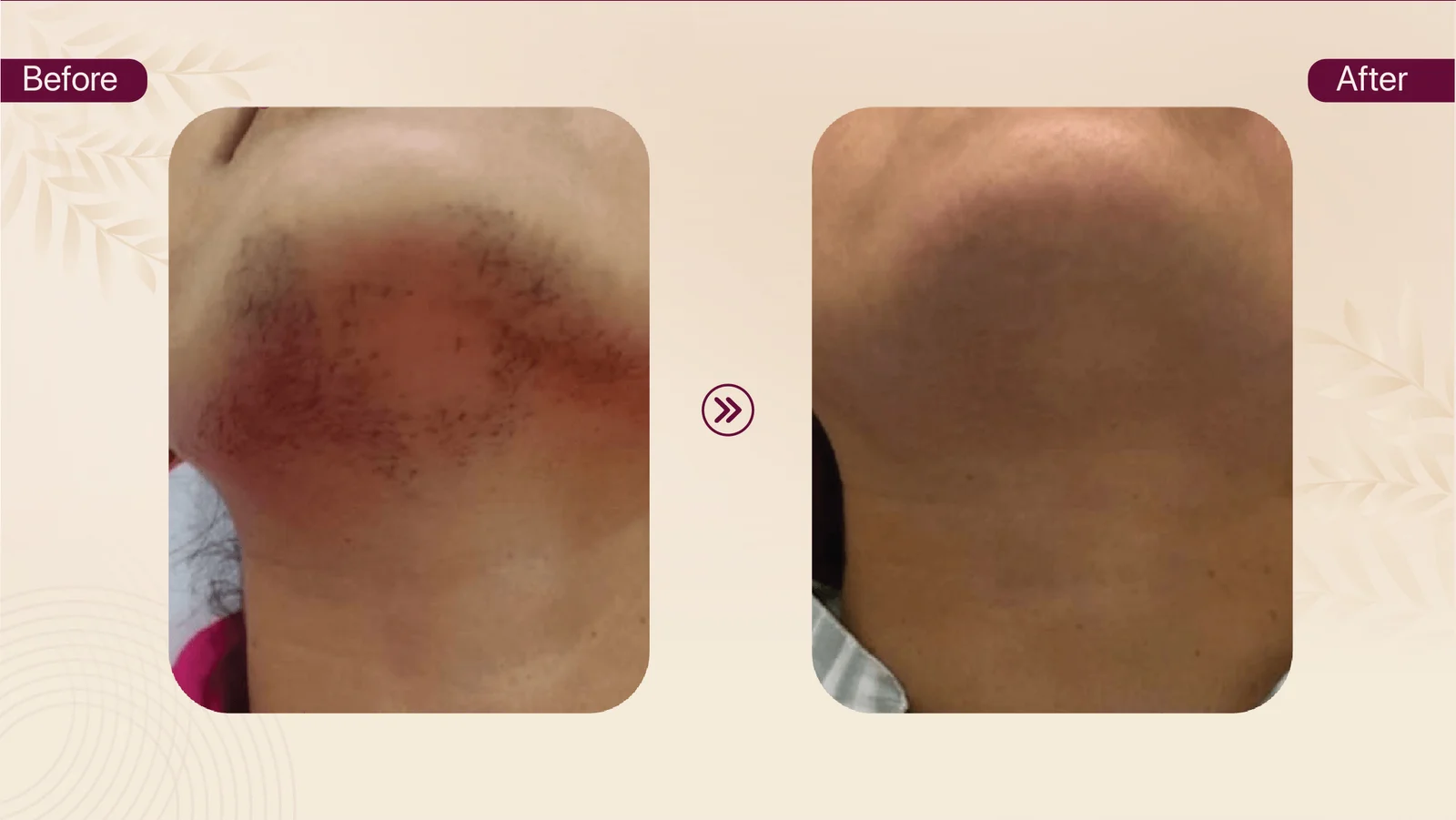
Individual results vary. These photographs show specific cases, not guaranteed outcomes. Original image quality, lighting and angles may differ. Your doctor can explain what may be possible for you.
These Layers reviews describe laser hair-removal care. They may relate to other areas or ongoing courses; the original treatment context is retained.
“I am taking full body laser treatment in Layers I am very satisfied with the progress”
“So far my experience is good in terms of the treatment, already saw a decent result after 2 sittings.”
Progress during an ongoing laser hair-removal course.
“Staff is very friendly and do a great job without rushing. Hygiene maintained very well. Highly recommend for facials and laser hair removal.”
“Ive been getting my LHR full body here and the therapist is very friendly and comfortable.”
“now I have completed about 10 sessions. Extremely satisfied with the treatment.”
Personal experience after about ten sessions; course length varies.
















You should not rely on it. Successful laser reduction may be long-lasting, so choose a boundary you are comfortable keeping.
No. It reduces existing suitable hair and does not create new follicles or fill gaps.
Reducing suitable hairs may help some shaving-related problems, but bumps need assessment first. Infection or another skin condition may need different care.
No. Shaping focuses on the agreed areas outside the beard you want to keep. Wider density reduction is a separate decision.
Ask for a quote after assessment, with the treatment boundaries, planned visits, review arrangements and any additional-session charges clearly listed.
Some regrowth can occur after a course. A review of the returning hair helps decide whether another session would be useful.
Electrolysis treats individual follicles without relying on hair pigment. It may suit selected lighter hairs or small areas; compare the time, comfort and suitability at a consultation.
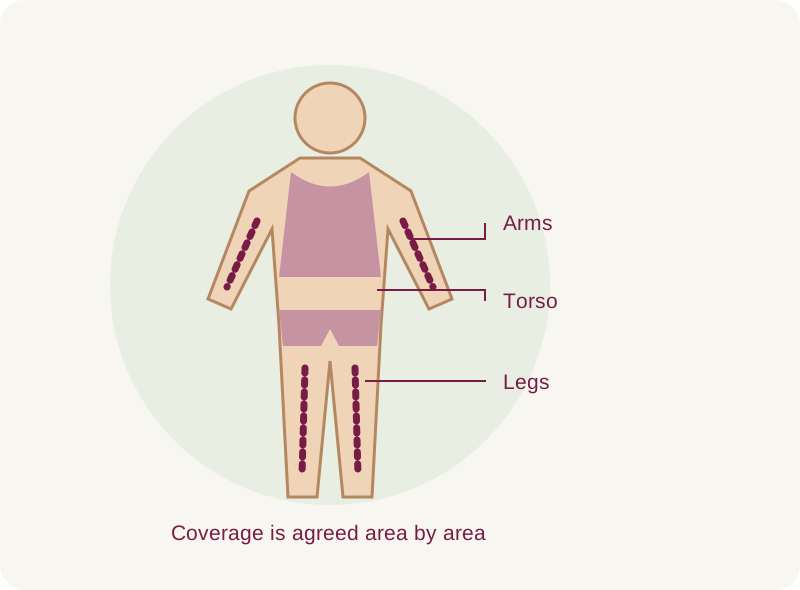
Explore full body laser hair removal. Compare treatment areas, plan sessions, understand skin and hair suitability, and prepare for aftercare.
Explore full body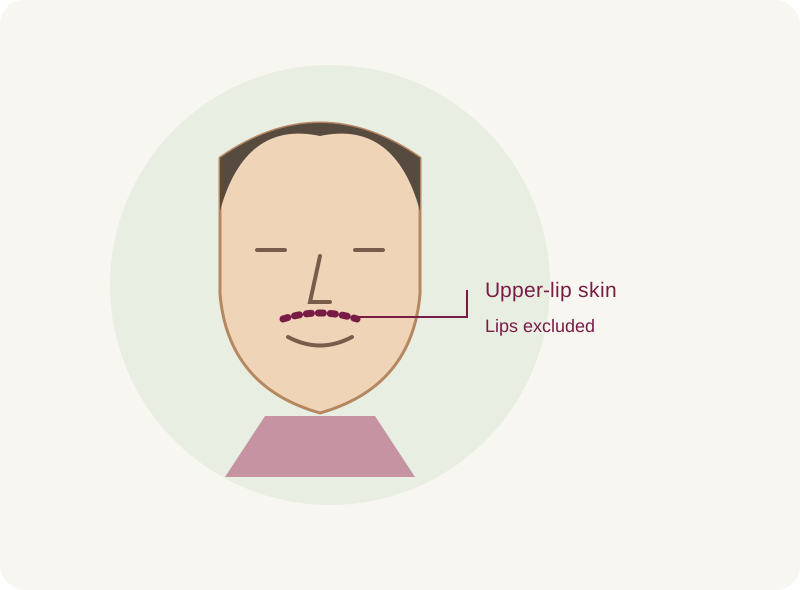
Learn about upper lip laser hair removal: hair suitability, treatment boundaries, preparation, skin care, sessions and alternatives for fine hairs.
Explore upper lip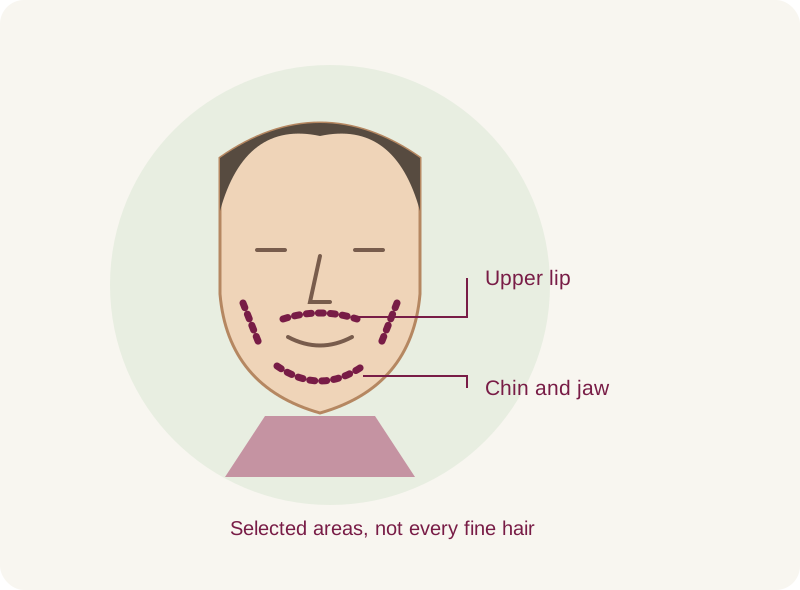
Explore facial laser hair removal. Understand coarse versus fine hair, facial areas, hormonal growth, treatment sessions, aftercare and alternatives.
Explore face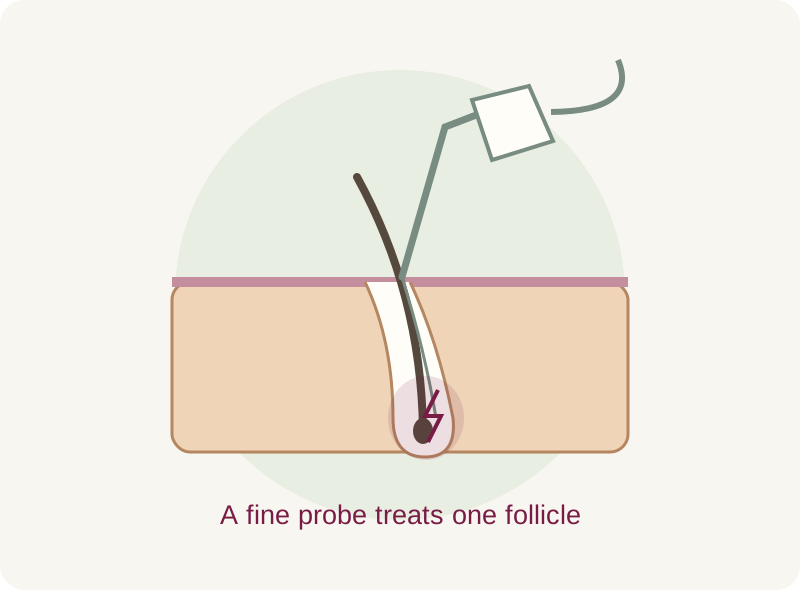
Compare treatment of individual hairs, including grey or white hairs that laser may miss.
Explore electrolysisDiscuss your chosen area, skin and grooming routine with our team.
Prefer a call? +91 9000 572727