A flat or widening line
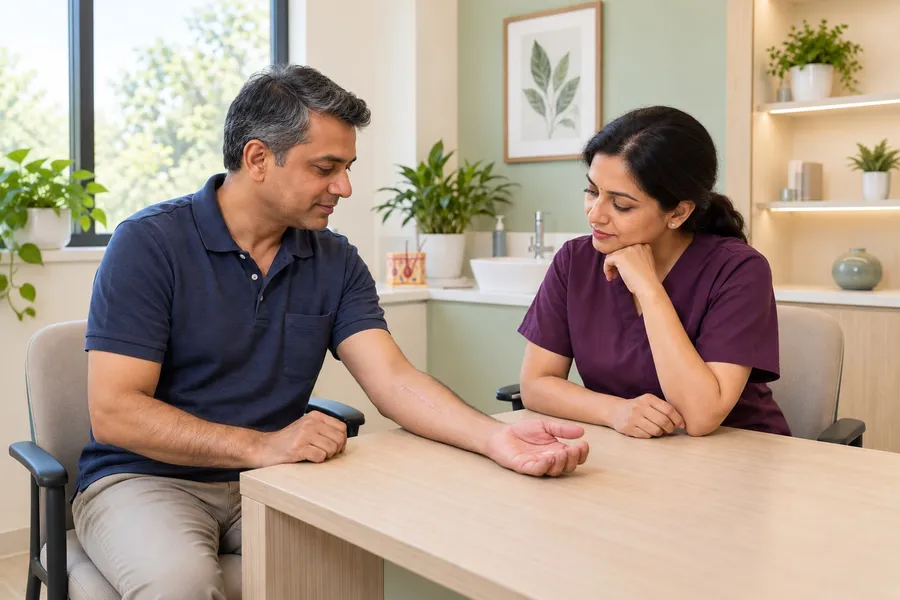
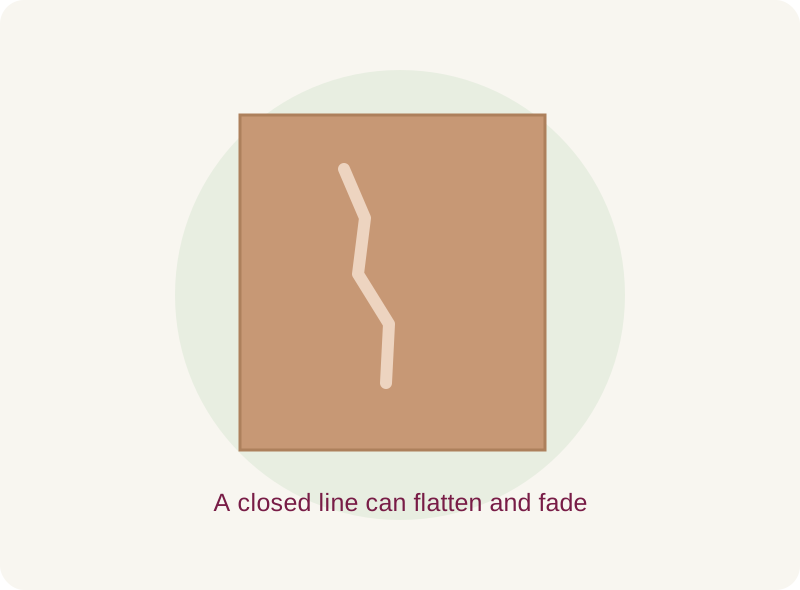
A healed cut can leave a line that gradually becomes less noticeable. Tension on the area or loss of tissue can leave a wider mark.
A scar may change colour, feel raised or pull when you move. Learn what healing can change and when treatment or specialist support may help.
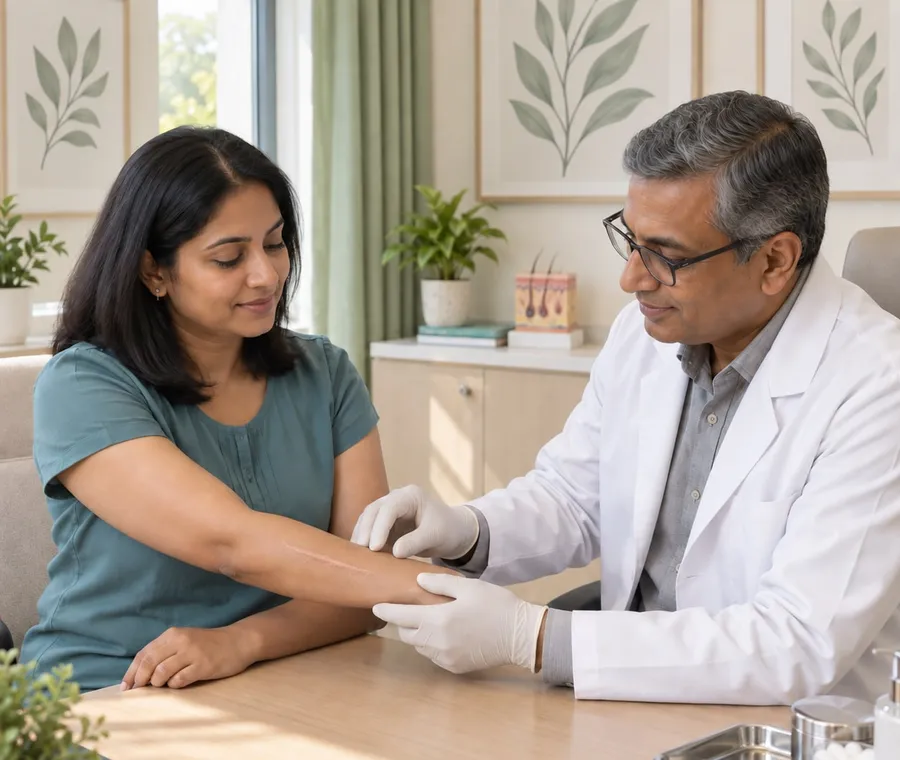
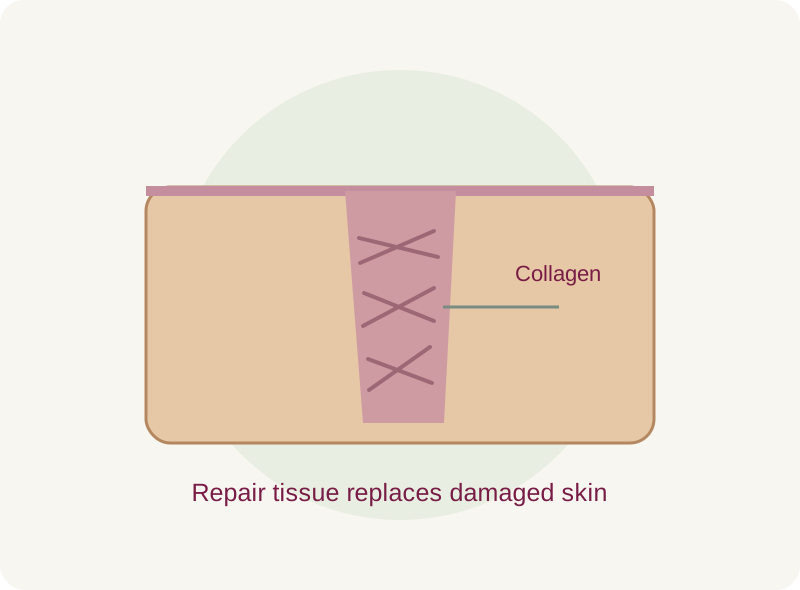
When an injury reaches deeper layers of skin, the body repairs the area with collagen. The new tissue is different from the original skin, so a line, patch or change in texture can remain.
Cuts, burns and deeper abrasions can leave different scars. This page is about skin after an injury has healed. A fresh, open or infected wound needs wound care before cosmetic scar treatment.
A healed cut can leave a line that gradually becomes less noticeable. Tension on the area or loss of tissue can leave a wider mark.
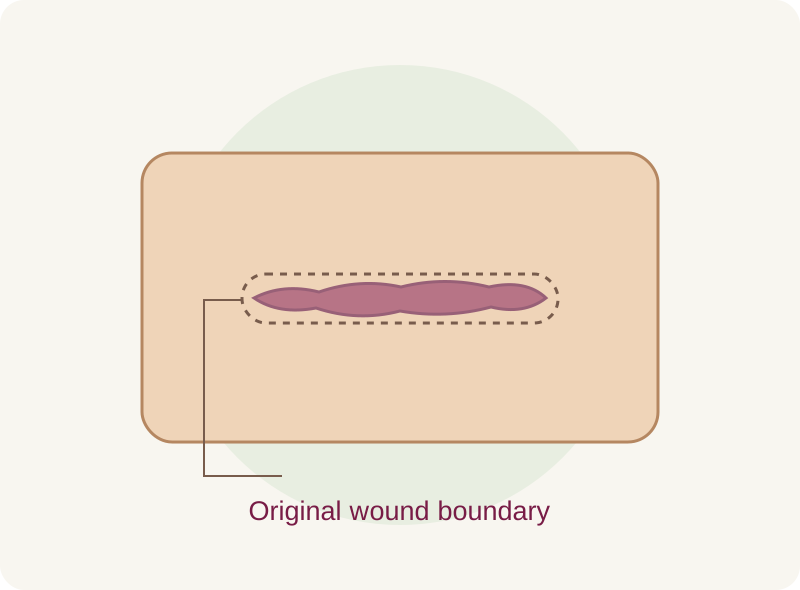
A hypertrophic scar can feel firm or itchy while staying within the original injury. Some flatten as they mature; troublesome symptoms deserve review.
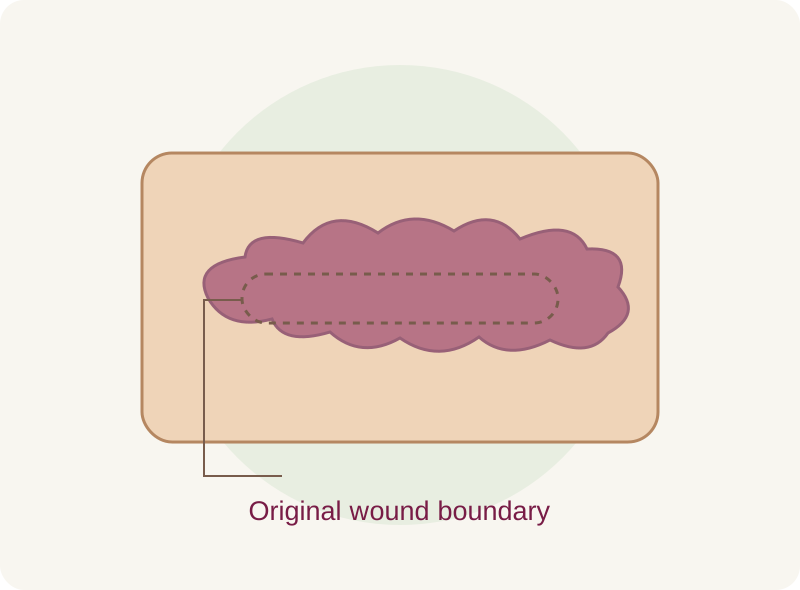
A keloid grows beyond the original wound and may keep enlarging. It has a different regrowth risk and needs its own treatment plan.
Understand keloids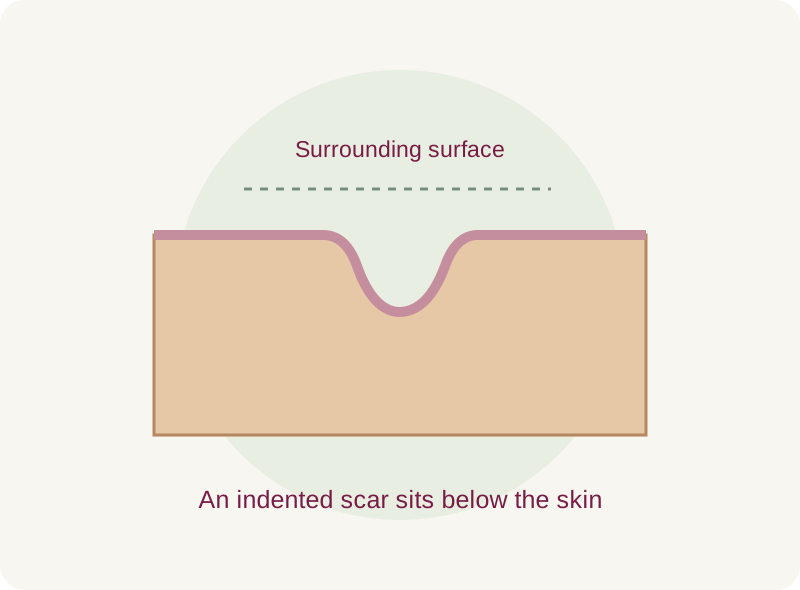
Loss of tissue or attachment to deeper layers can leave a dip. A surface cream cannot replace all the missing support.
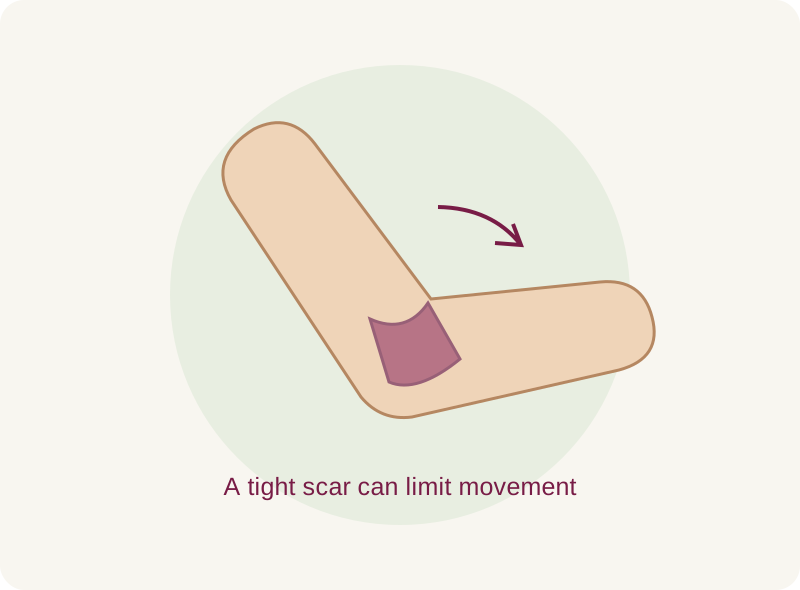
A contracture may pull skin and limit movement, especially after a burn. Rehabilitation or reconstructive assessment may matter more than a cosmetic surface treatment.
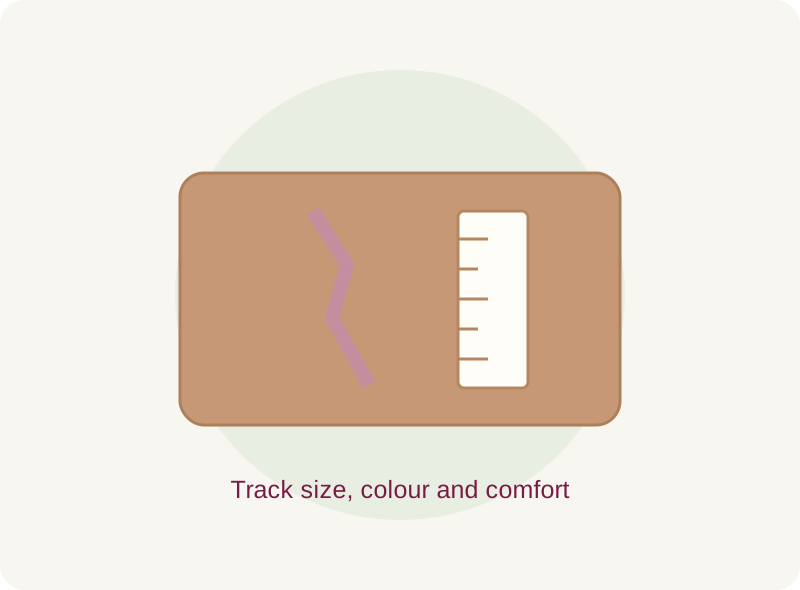
The amount of skin damage, wound tension, infection and location can affect the result. A scar crossing a joint has different practical needs from one on a less mobile area.
Colour and firmness can continue changing for months. Previous raised scars, skin tone and individual healing history help guide the care.
Tell the clinician about diabetes, smoking, medicines and previous wound-healing problems. Follow the injury team’s instructions rather than starting scar products on unhealed skin.
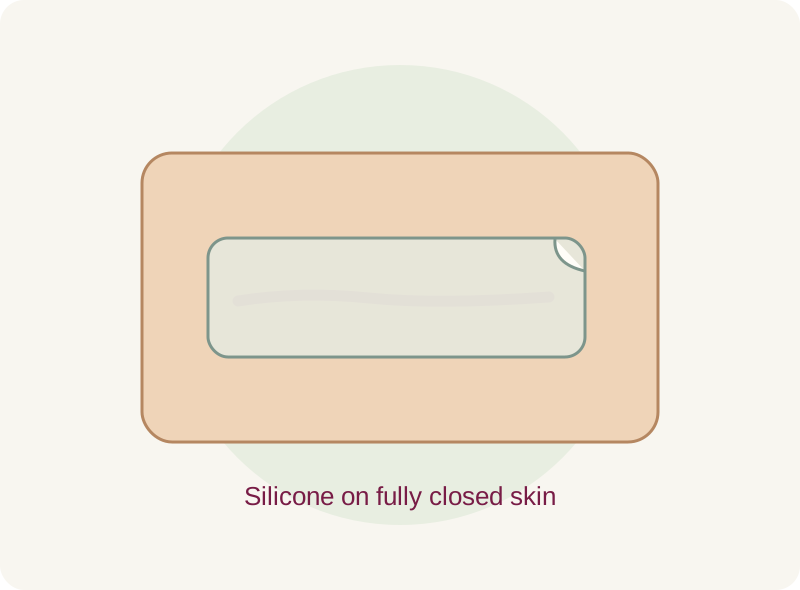
Once the wound is fully closed, selected silicone products, moisturising and guided massage may help comfort or some raised scars. Stop and ask for advice if the skin breaks down or develops a rash.
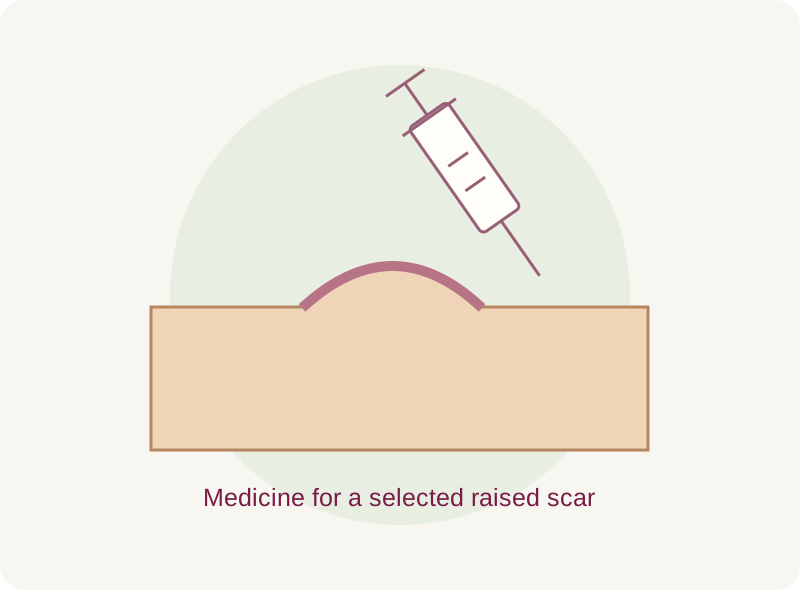
Selected injections or other scar treatments may reduce thickness or symptoms. Skin thinning, colour changes and recurrence need discussion.
Compare scar treatments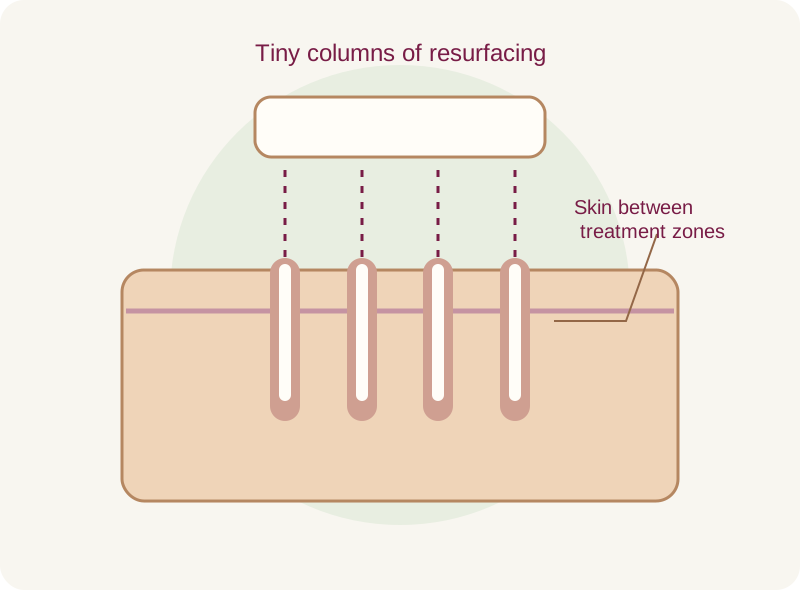
Different lasers target different concerns. Resurfacing may help selected texture changes, but it needs wound care and has pigment and scarring risks.
Explore fractional CO₂
Surgical revision may change the direction, width or pull of a scar. It creates another scar and may involve tissue rearrangement or a graft.
Explore scar revisionA therapist or reconstructive specialist may help with tightness, function and return to activities. A prescribed movement or pressure plan should be fitted to the injury; do not improvise forceful stretching or tight bandaging.
Mention when it happened, any surgery or grafting, healing problems and previous treatment. Bring discharge notes or photographs if you have them.
The clinician reviews the scar’s height, colour, texture, symptoms and movement. A deeper injury or contracture may need a specialist referral.
Options may include watching a maturing scar, daily care, a procedure or rehabilitation. Ask what each step is intended to change.
Find out who will treat you, what follow-up is needed and whether the scar could worsen or return. Procedures should fit your health and ability to manage aftercare.
Note itch, tenderness, tightness and tasks that are becoming easier or harder. Keep photographs in similar lighting if they are part of the review.
Review healing and benefit before another session. Persistent symptoms, a growing scar or unexpected pigment changes may call for a different approach.
Use clothing and broad-spectrum SPF 30 or higher on healed exposed skin. Avoid tanning, particularly around laser treatment.
Use silicone or massage only when advised and when the wound is fully healed. More pressure or more products will not necessarily improve the scar.
Follow any therapist’s exercise advice. Increasing pain, breakdown or difficulty moving is a reason to seek help, not to stretch harder.
Most scars become less noticeable over time, but they do not usually disappear. Improvement may mean a softer, flatter, less itchy scar or better movement even when a mark remains.
Some scars need time to mature before a procedure, while early advice is useful for growing or tight scars. There is no single waiting period for everyone. Treatment should have a realistic purpose rather than a promise of scar-free skin.
You can discuss optional cosmetic coverage or support if the scar affects confidence or reminds you of a difficult injury. Treating a harmless scar is your choice.
These original Google excerpts describe consultations and care. They do not identify accident-scar treatment or its outcomes.
“The doctors listened carefully to my concerns and explained the treatment in a clear and professional manner.”
Consultation experience; condition not specified.
“She explained the treatment clearly and made me feel comfortable throughout the consultation.”
Consultation experience; condition not specified.
“The doctor took the time to understand my skin concerns and explained the treatment plan clearly, without rushing.”
Consultation experience; condition not specified.
“Very patient ,humble and polite to answer every single query and build confidence.”
Consultation experience; condition not specified.
“The doctors explained everything clearly and made me feel comfortable and confident.”
Consultation experience; condition not specified.
“The doctor took the time to listen to my concerns patiently and explained the treatment options clearly.”
Consultation experience; condition not specified.
















You can seek advice while the scar is developing. The timing of a product or procedure depends on wound closure, the scar type and any symptoms. Do not wait on an infected wound or worsening restriction of movement.
Silicone may help selected raised scars become softer or more comfortable. It does not erase every scar or fill a depression, and it should not be started on an open wound without the treating team’s advice.
No. A selected laser may improve colour, texture or symptoms, but a scar remains. The device, skin tone, scar type and recovery needs must be considered together.
Scar tissue can be less flexible and may attach to deeper structures. If it crosses a joint or restricts movement, assessment for therapy or reconstructive care may be needed.
Sometimes. The useful options depend on the current scar and your goals. An older scar may respond differently from a newer raised scar, and complete correction cannot be promised.
Yes. Surgery changes or replaces scar tissue. The aim may be a better position, less tension or improved movement, with a new healing and follow-up plan.
Ask when and how to begin. The wound must be fully healed, and massage should follow the advice for your injury. Do not force a painful, broken or inflamed area.
A scar extending beyond the original wound may be a keloid, but it needs examination. New lumps, bleeding or a non-healing area also require assessment before cosmetic treatment.
Bring your questions about healing, comfort, movement or appearance.
Prefer a call? +91 9000 572727