Mole assessment and removal
For an existing mole or skin lesion, learn about assessment and appropriate removal options.
Explore mole careExplore cosmetic beauty-mark tattooing with a carefully chosen position, size and shade. See how the design works before making a lasting change.
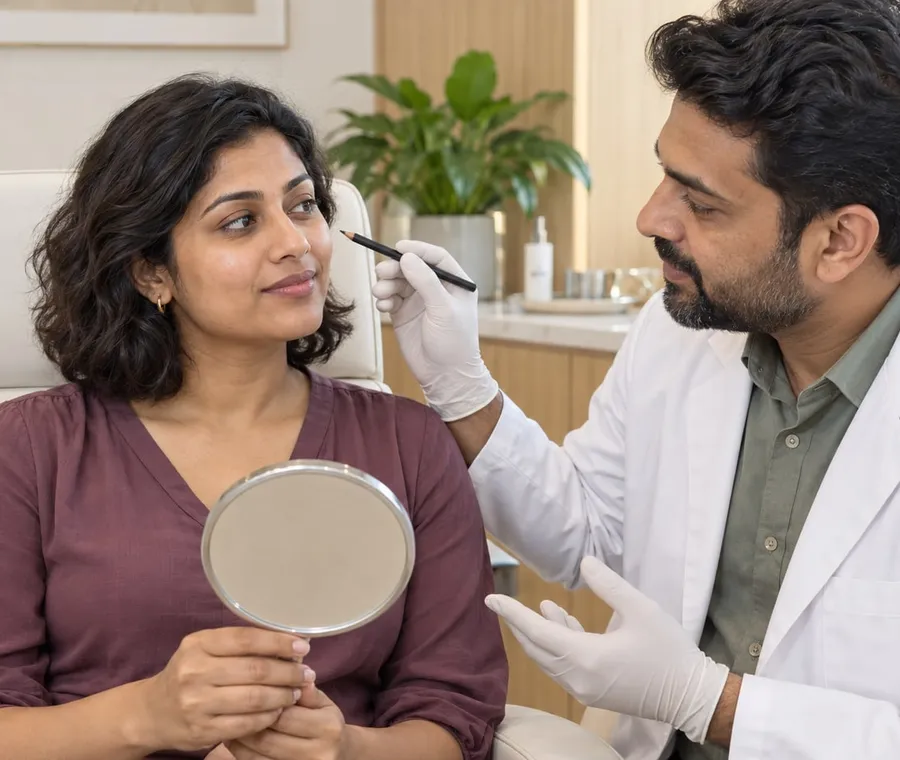
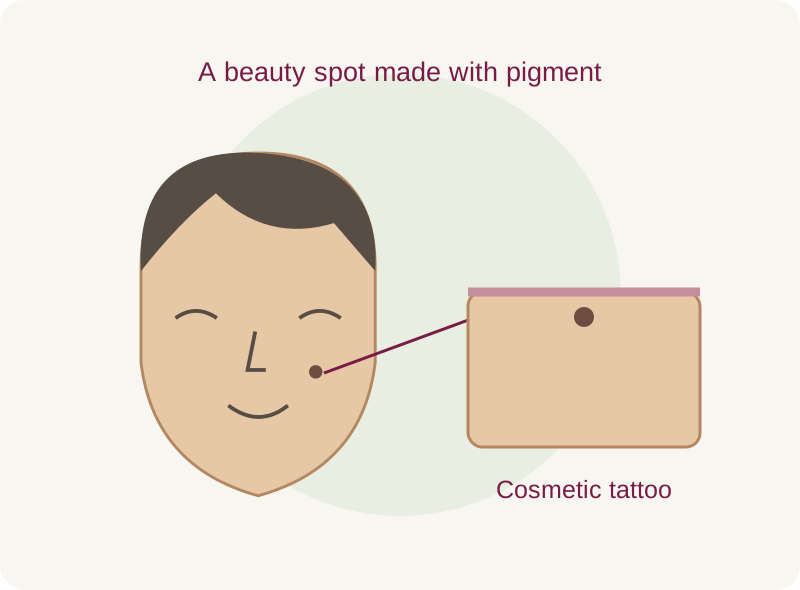
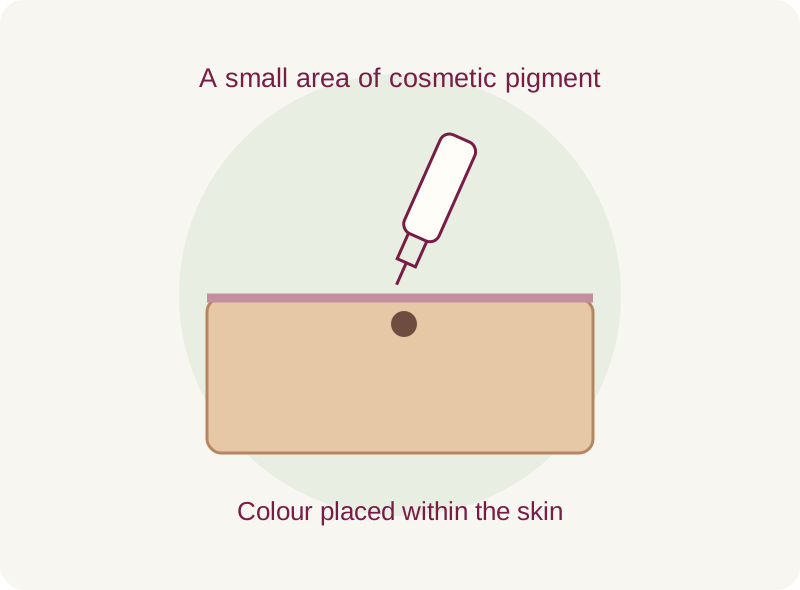
An artificial mole is a small cosmetic tattoo made to look like a beauty spot. Pigment is placed in a selected area of clear skin. It does not create a natural mole or add a raised skin growth.
The brochure name describes an appearance choice. It is separate from assessing or removing an existing mole, freckle or other skin lesion.
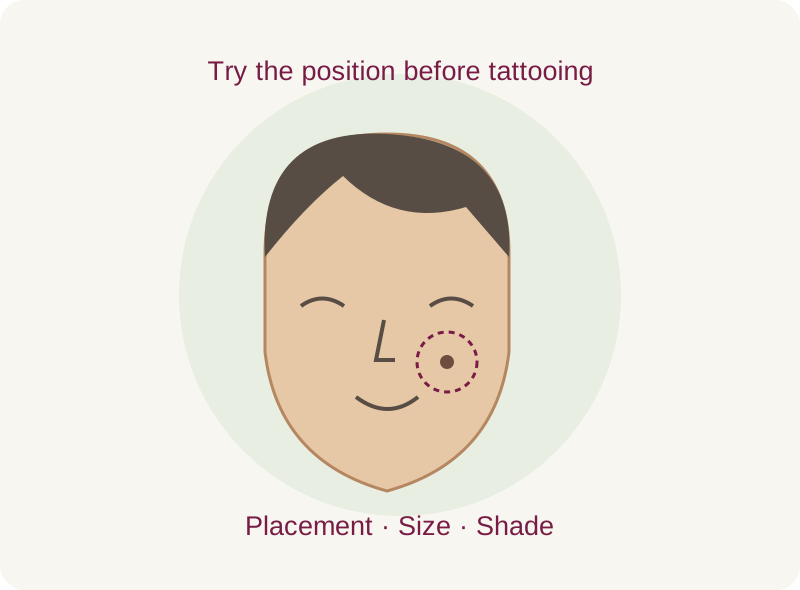
Start with a temporary pencil mark so you can discuss the position and how noticeable it looks. Take time with the design: a small change on the face can still feel significant.
Look at the mark with your face relaxed and with your normal expressions. Your preference should guide the discussion, alongside suitable clear skin.
Discuss how subtle or visible you want it to be. Pigment and healing affect the eventual appearance, so a pencil preview cannot guarantee the result.
Cosmetic pigment may fade or change colour, but it may not fully disappear. If you are unsure, temporary makeup gives you time to try the look first.
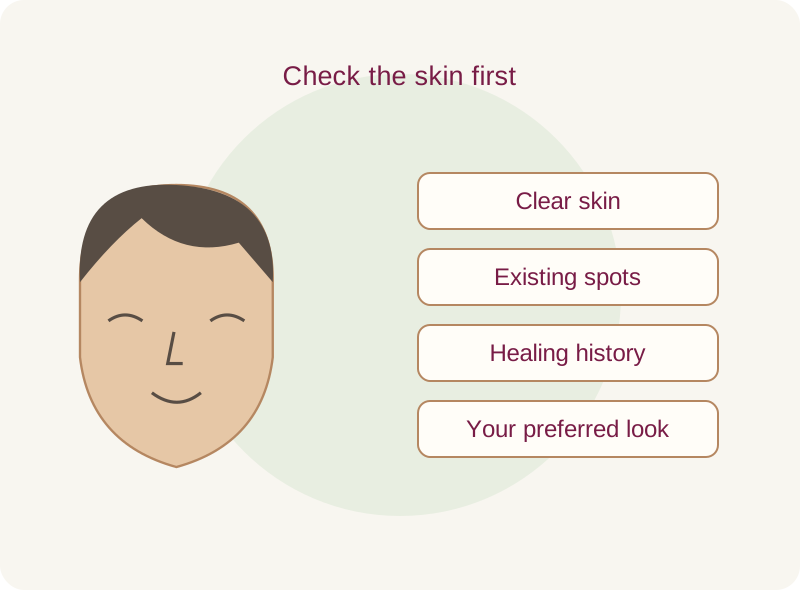
Active irritation, infection or an unhealed area should be assessed before cosmetic tattooing. Do not choose a location simply to hide a skin problem.
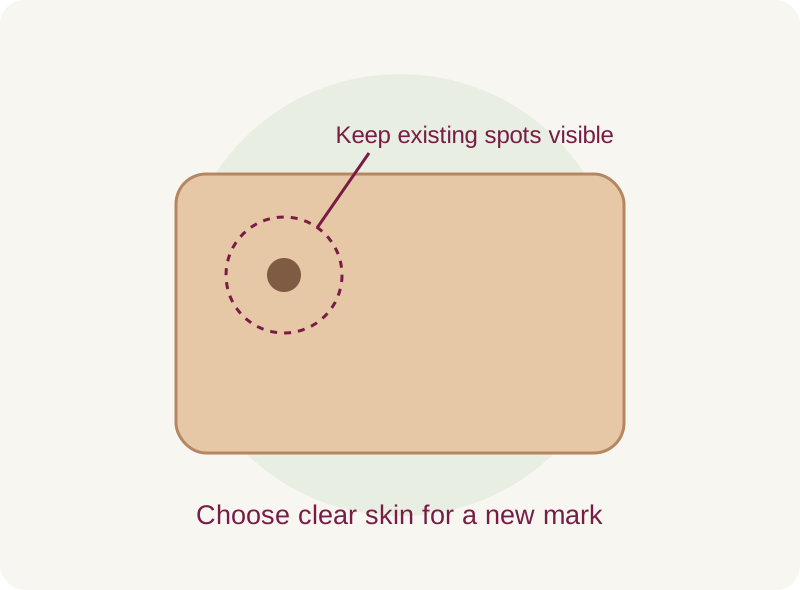
A natural mole or unexplained spot should not be tattooed over or darkened. A dermatologist may need to examine it and keep it visible for future checks.
Mention skin conditions, unusual scars, healing problems, allergies and reactions to previous tattoos. Also discuss medicines and pregnancy or breastfeeding.
Tell the team about existing pigment, recent procedures and planned facial treatments. They may affect the timing or appearance of a cosmetic mark.
The clinician assesses the area and any nearby spots. If a lesion needs investigation, that takes priority over cosmetic pigment.
Agree on placement, size and shade. Ask about the technique, comfort measures and the limits of changing or removing it later.
The skin is cleaned and the practitioner prepares appropriate equipment. Any needle or cartridge entering skin should be sterile and single-use.
The practitioner uses a cosmetic tattoo technique to build the planned mark. This places colour into skin rather than forming new mole tissue.
Keep to the recommended cleaning routine and avoid picking or scratching. Confirm when makeup, exercise and other skin treatments can resume.
Review the appearance and comfort before considering more pigment. A darker or larger mark is not automatically an improvement.
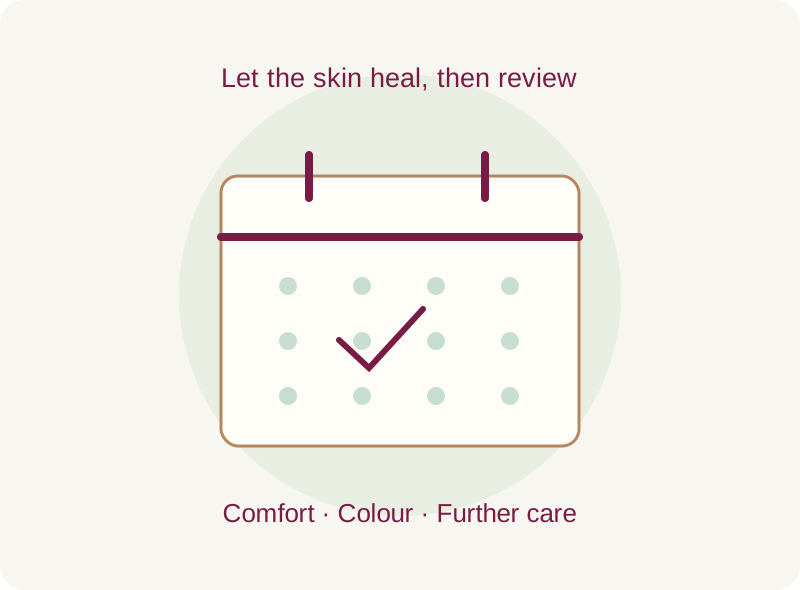
A fresh mark may look darker than expected, with temporary tenderness, redness or flaking. Follow the care plan and let the skin heal before deciding whether any adjustment is needed.
Cosmetic tattooing can cause infection, pigment allergy, scarring or an unwanted colour or shape. These risks still matter when the tattoo is small. Removal can be difficult, and some pigment may remain.
Contact a clinician about increasing pain, spreading redness, swelling or discharge. Keep pigment details and your treatment record if further assessment is needed.
Continue checking the surrounding skin. A new, changing, bleeding or persistently irritated spot needs medical assessment rather than a colour touch-up.
Discuss fading and colour changes at review. Use suitable sun protection once healed and tell future practitioners where cosmetic pigment has been placed.
An existing mole needs its own assessment. Tattoo ink can disguise changes in its colour or border, making it harder to monitor. Keep moles and other unexplained spots free of cosmetic pigment.
If your concern is a changing spot, discomfort or removal of a natural mole, book a skin assessment. A cosmetic beauty-mark appointment is not a substitute for that care.
For an existing mole or skin lesion, learn about assessment and appropriate removal options.
Explore mole care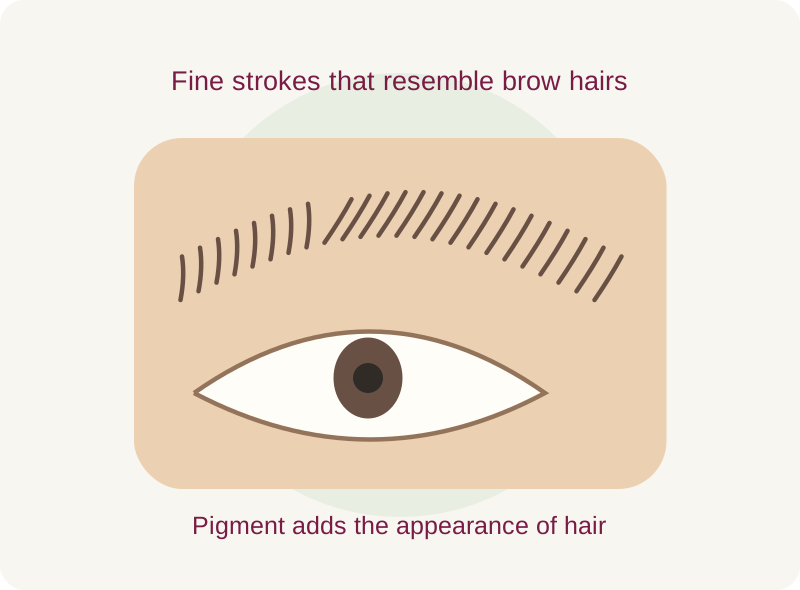
Explore a different use of cosmetic pigment: fine strokes that add brow definition.
Explore microbladingOriginal Google reviews about consultations and care at Layers. They do not describe artificial-mole results.
“The doctors listened carefully to my concerns and explained the treatment in a clear and professional manner.”
Consultation experience; condition not specified.
“She explained the treatment clearly and made me feel comfortable throughout the consultation.”
Consultation experience; condition not specified.
“The doctor took the time to understand my skin concerns and explained the treatment plan clearly, without rushing.”
Consultation experience; condition not specified.
“Very patient ,humble and polite to answer every single query and build confidence.”
Consultation experience; condition not specified.
“The doctors explained everything clearly and made me feel comfortable and confident.”
Consultation experience; condition not specified.
“The doctor took the time to listen to my concerns patiently and explained the treatment options clearly.”
Consultation experience; condition not specified.
















No. A beauty-mark tattoo adds cosmetic pigment to skin. It does not create the cells or structure of a natural mole.
Existing moles and unexplained spots should remain visible for assessment. Tattooing over them can make changes harder to notice. Ask a dermatologist to examine the spot instead.
Yes, a temporary pencil mark can help you discuss the look and placement. It is a design preview, not a guarantee of the healed pigment appearance.
The aim is a flat cosmetic mark. A new bump, persistent swelling or thickened scar after tattooing should be assessed rather than treated as an intended effect.
Fading varies with pigment, skin, application and sun exposure. Some colour can remain long term; there is no reliable promise that it will completely disappear.
No. Even a small mark can lead to infection, allergy, scarring or dissatisfaction with the colour or position. Discuss these possibilities before deciding.
Do not use acids, scraping or home removal products. A qualified clinician can discuss whether removal is possible and the risks of pigment changes or scarring.
Arrange a dermatology assessment for changes such as growth, bleeding, itching or a sore that does not heal. Do not cover it with more pigment while waiting.
Discuss your idea, the skin assessment and the care involved before deciding.
Prefer a call? +91 9000 572727