Treatment without injections
Light is applied from outside the scalp. The treatment itself does not involve collecting blood or moving hair grafts.
Low-level light therapy may help some people with pattern hair thinning. Find out how it works and whether it fits your hair-care plan.
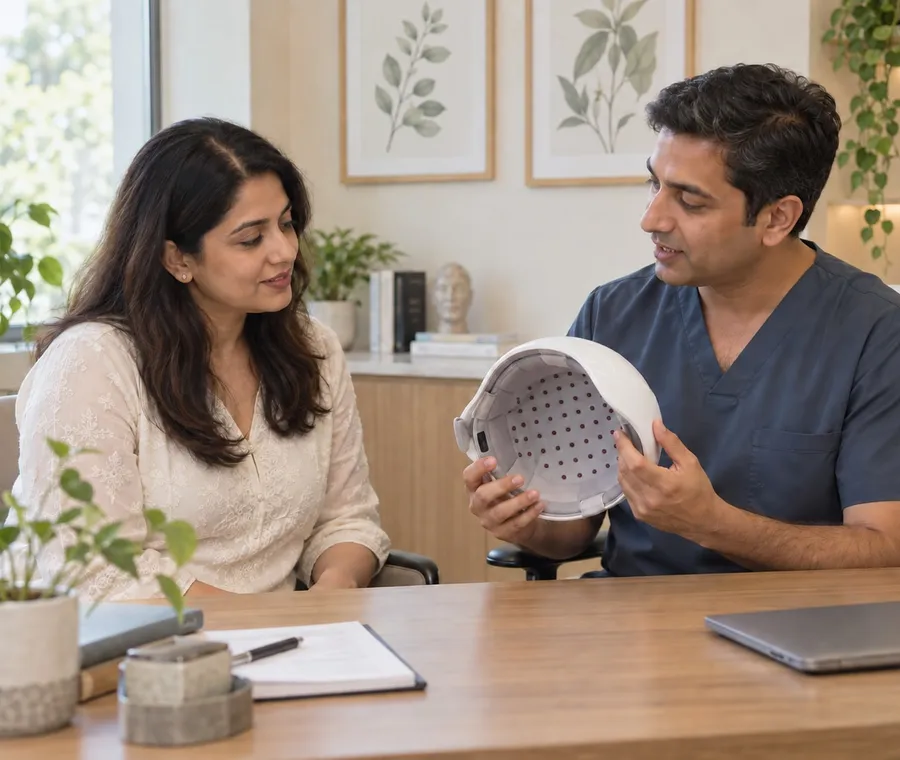
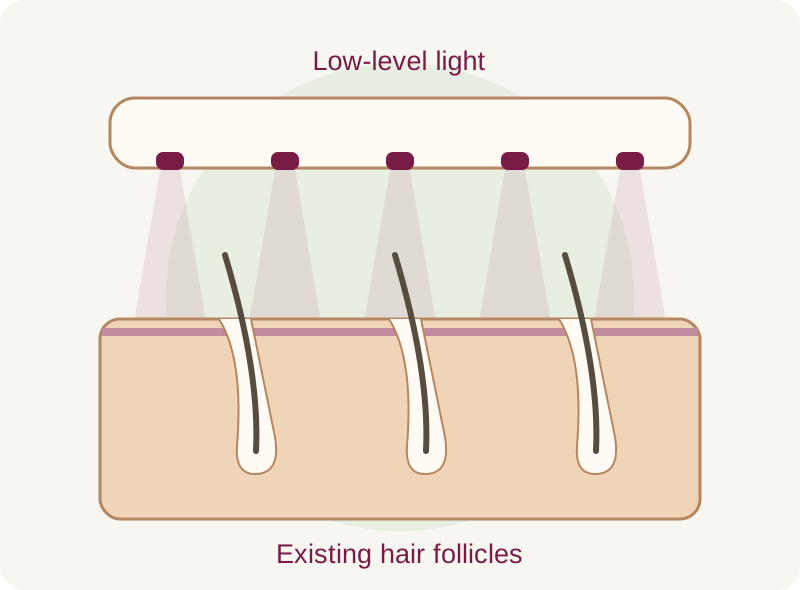
Low-level light therapy, often called LLLT or photobiomodulation, uses a device to deliver selected wavelengths of light to the scalp. Devices can use lasers, LEDs or a combination.
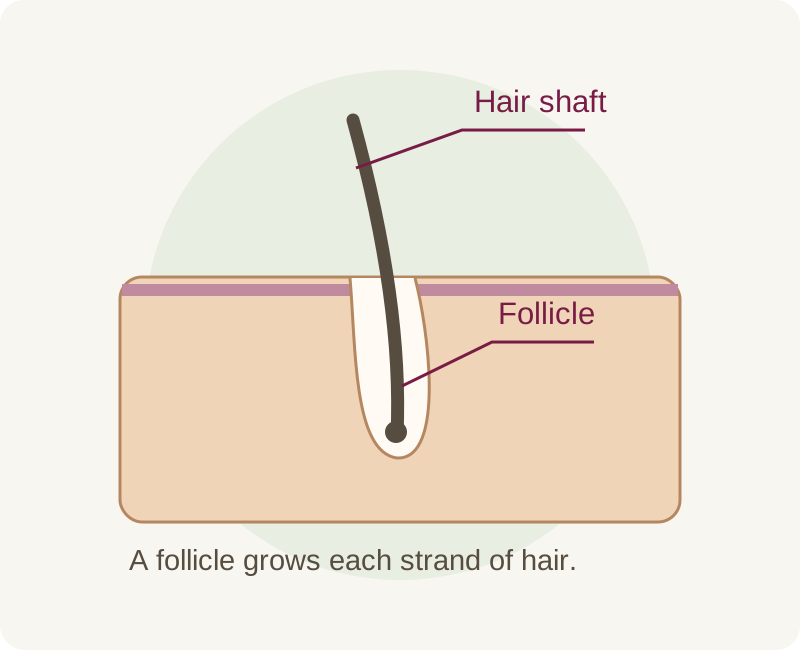
The aim is to support the activity of existing follicles. Studies have found improvements in hair density for some people with pattern hair loss, although responses and devices vary.
This is different from hair-removal laser treatment. It does not transplant follicles or replace a diagnosis of the cause of your hair loss.
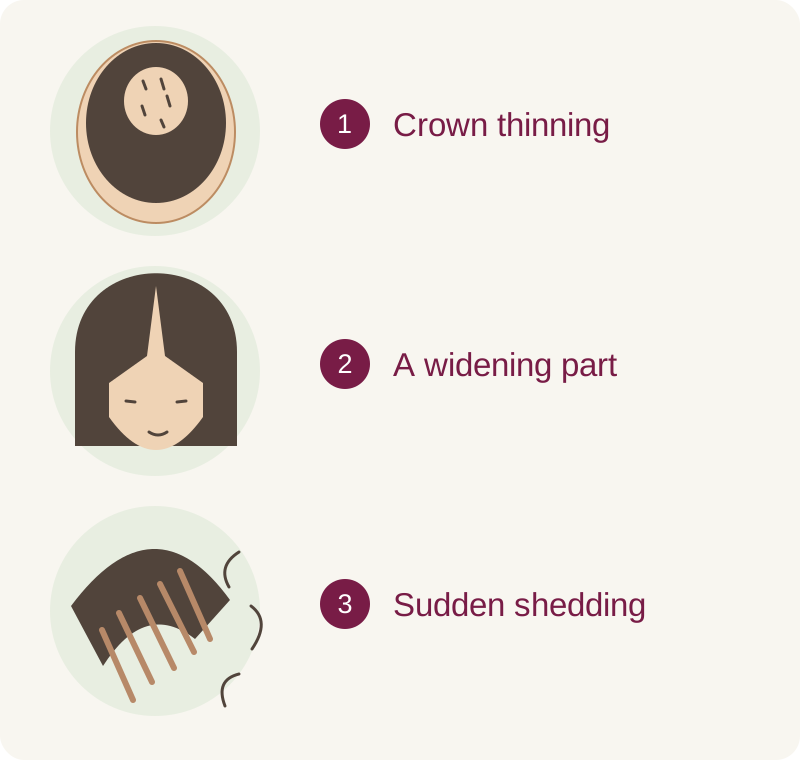
Most research concerns male or female pattern hair loss. Your dermatologist checks whether that is the reason for your thinning.
This approach works with the hair follicles already present. It cannot provide new follicles in a scarred area or offer the coverage of a hair system.
Regular use over months is usually needed. Consider the device instructions, your schedule and the plan for reviewing progress.
Tell your doctor about scalp disease, light sensitivity and all medicines. Suitability and precautions depend on your health and the specific device.
Light is applied from outside the scalp. The treatment itself does not involve collecting blood or moving hair grafts.
It may be considered alongside other care for pattern hair loss. Your doctor can help decide whether adding it is useful for you.
Some people see thicker-looking hair, while others see little change. Regular photographs help judge whether the approach is worthwhile.
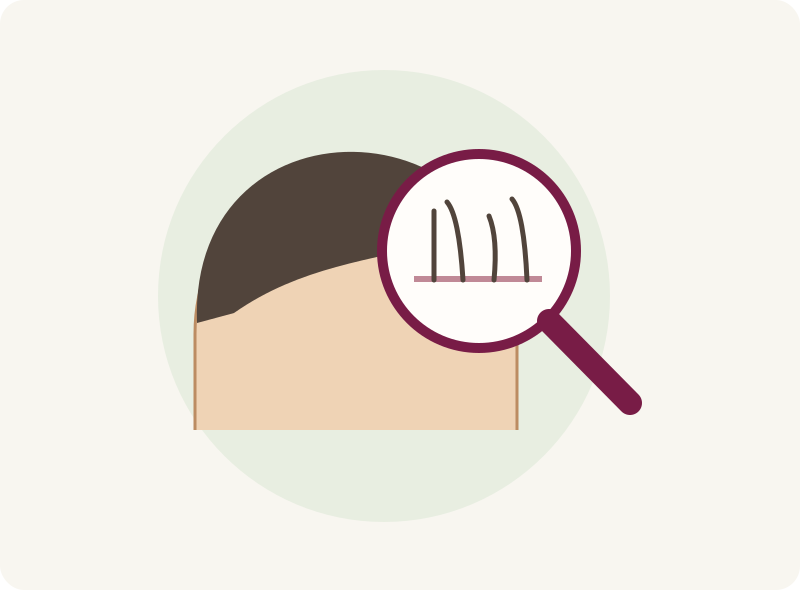
Your dermatologist looks at the thinning pattern and may suggest tests if the cause is unclear.
Discuss the device, its intended use and evidence, the schedule and any eye-protection instructions. Do not assume that all red-light devices are equivalent.
The scalp is exposed to the device in the way described by its instructions. Requirements differ between caps, combs and clinic systems.
Follow the agreed duration and frequency. Extra time or a stronger setting is not automatically more effective.
Tell the clinician about irritation, headache, unusual heat or any unexpected symptom. Avoid looking directly into the light source.
Continue any other care as directed. Ask before changing prescribed medicines or combining the device with additional treatments.
Use photographs with consistent lighting and hair positioning. Your doctor can help decide whether to continue, adjust or stop if there is no useful response.
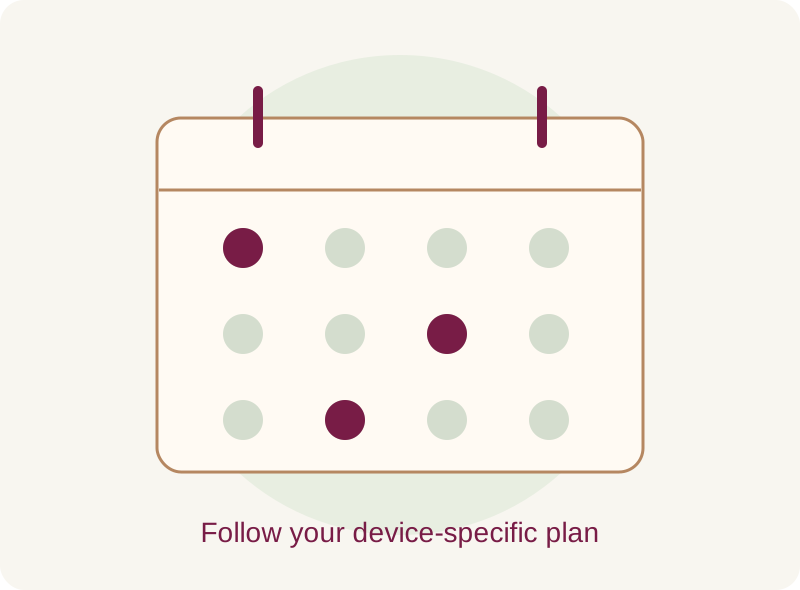
Hair changes slowly. Light-therapy studies usually follow people for several months, so one session cannot show whether the treatment is helping.
Ongoing use may be needed to maintain benefit. Decide in advance how progress will be measured and when your plan will be reviewed.
The results from one studied device do not establish the same benefit for every cap or light source.
Follow cleaning, fitting and eye-safety guidance. Contact your clinician if treatment causes persistent irritation or other concerns.
Understand possible causes of shedding and thinning before choosing a procedure.
Explore hair fall care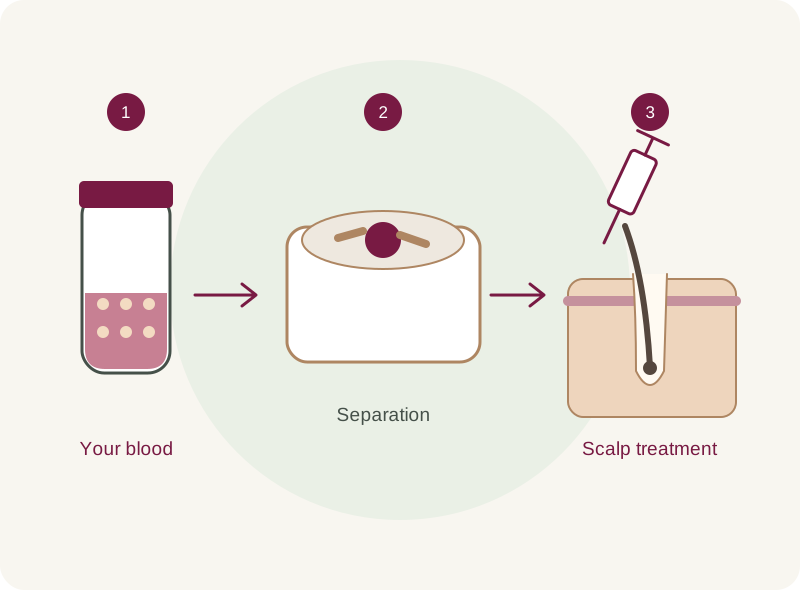
A blood-derived treatment that may be considered for selected patterns of thinning.
Explore PRP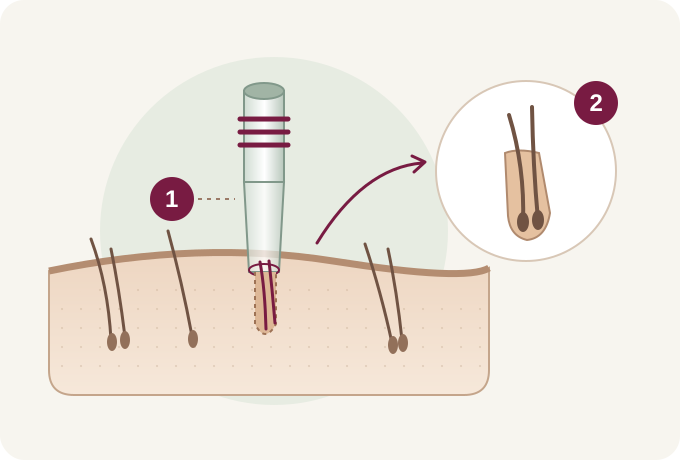
A surgical option that moves donor follicles to selected areas of hair loss.
Explore transplantationOriginal before-and-after cases showing hair density improvement across the Layers network. Individual results vary.
Let’s talk about your goalsIndividual results vary. Photos show specific cases and do not guarantee the same outcome. Your doctor can explain what may be possible for you.
Related hair-care experiences at Layers, including PRP, GFC and thinning care. These are not light-therapy-specific reviews.
“I underwent GFC and PRP treatment for hair loss and had a very positive experience.”
Combined PRP and GFC hair care.
“This was my first GFC treatment, and I'm very happy with my decision.”
GFC hair care.
“Excellent experience from consultation to treatment. The GFC procedure was explained clearly, and the doctors were very knowledgeable.”
GFC hair care.
“I am currently undergoing GFC (Growth Factor Concentrate) treatment at Layers and my experience so far has been highly satisfactory!”
GFC hair care.
“They suggested me GFC treatment and I experienced good results.”
GFC hair care.
“Most importantly, I’m seeing amazing results for my hair thinning treatment.”
Hair-thinning care.
“I noticed visible improvements in my skin texture and a significant reduction in hair fall within just a few sessions.”
Hair-fall and skin care.








No. Hair-growth light therapy uses different devices and settings from laser hair removal. Never use a hair-removal device to try to grow scalp hair.
No. Evidence is strongest for selected cases of pattern hair loss. Sudden shedding, patches, inflammation or scarring need a diagnosis and may require different treatment.
Some devices are designed for home use. Ask your dermatologist about the intended use, evidence and safety instructions for the exact device before starting.
The schedule depends on the device and your plan. Follow those instructions rather than copying another person’s routine. More exposure is not automatically better.
It is generally well tolerated and does not involve injections. Irritation or other symptoms can still occur. Stop and seek advice if you develop unexpected discomfort.
Sometimes. Your dermatologist can advise whether adding it to medicines or another treatment makes sense for your diagnosis and scalp health.
No. It aims to support existing follicles. Transplantation moves follicles from a donor area and has a different role in hair restoration.
Talk with our team about your scalp, your goals and the care that may suit you.
Prefer a call? +91 9000 572727