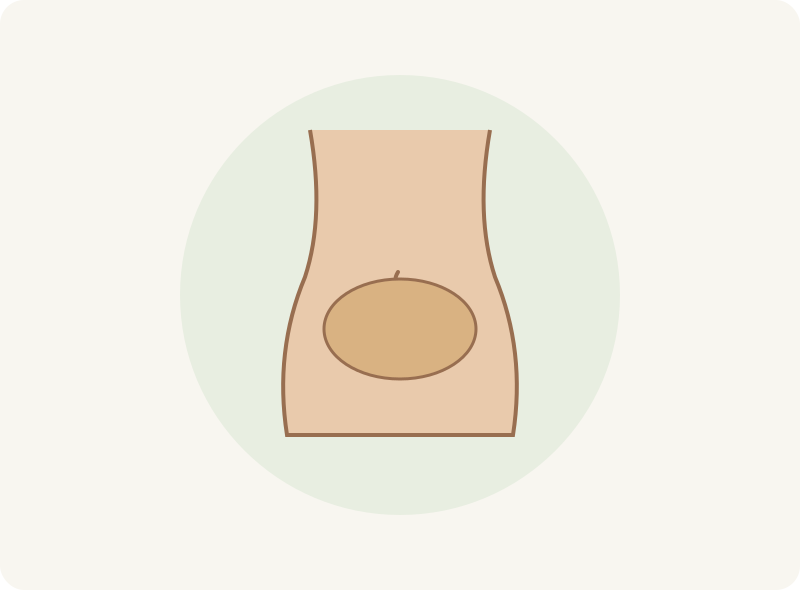
Collect
A small amount of your fat is collected using liposuction. The abdomen, hips or thighs may be considered, depending on your body and the plan.
Fat grafting uses your own fat to add volume to selected facial areas. Learn how the process works, why some fat is absorbed and what to consider before treatment.
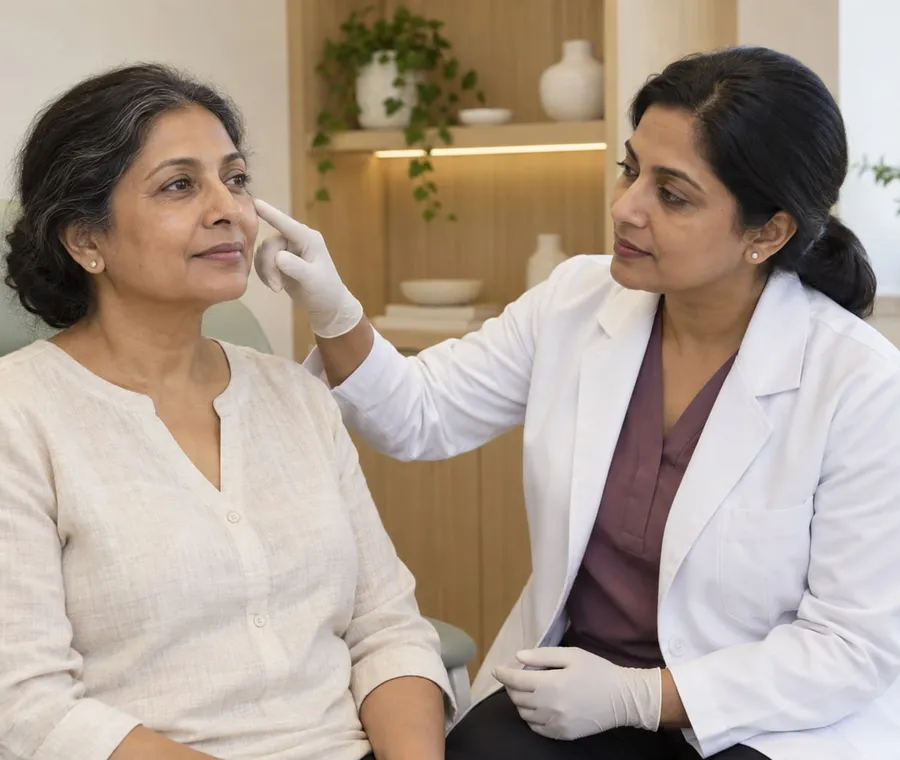
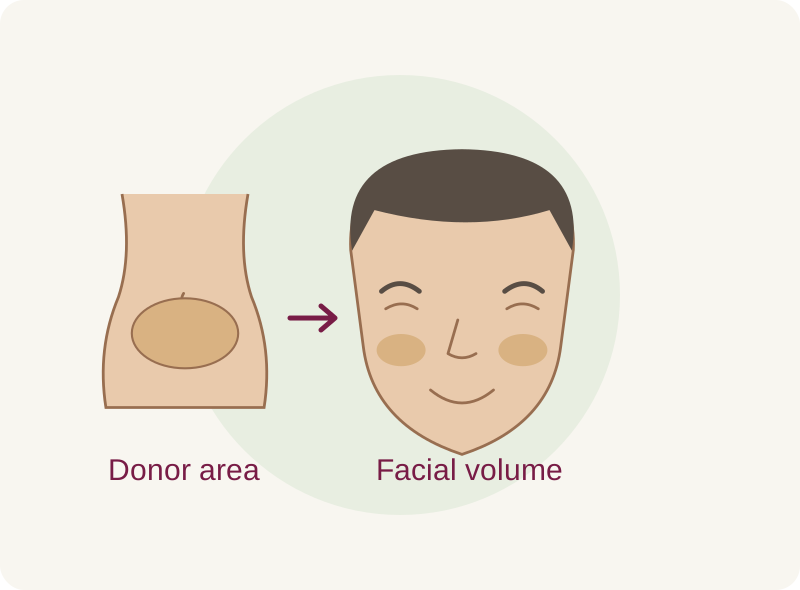
Facial fat grafting transfers fat from one part of your body to selected areas of the face. It is also called fat transfer, lipofilling or autologous fat grafting. Fat is collected, prepared and placed in small amounts where volume is needed.
The procedure may be discussed for selected hollow areas or contour changes. It adds tissue volume; it does not remove loose skin or act as a weight-loss treatment. Both the face and the area used to collect fat need a care plan.
A small amount of your fat is collected using liposuction. The abdomen, hips or thighs may be considered, depending on your body and the plan.
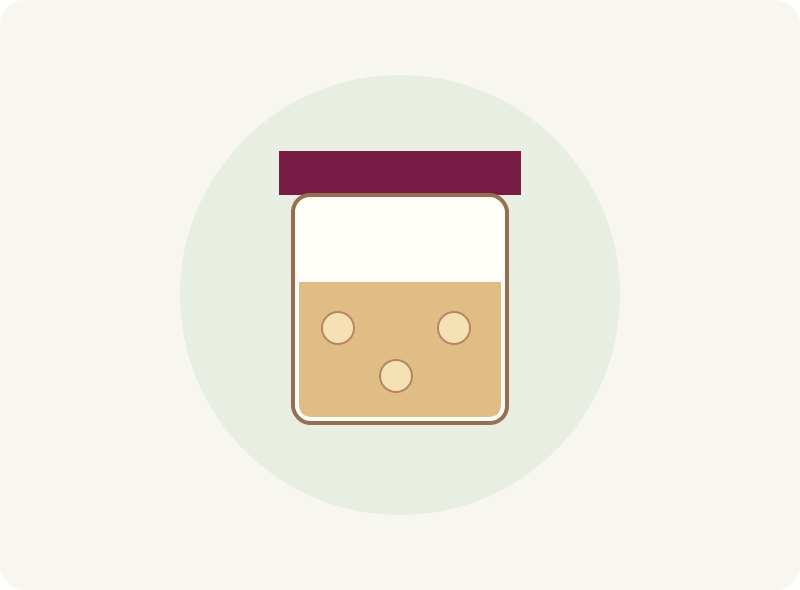
The collected tissue is processed before transfer. Methods vary; ask how your surgeon prepares the fat rather than assuming one named system is required.

Small amounts are placed in selected areas of the face. The site, amount and technique require careful anatomical planning.
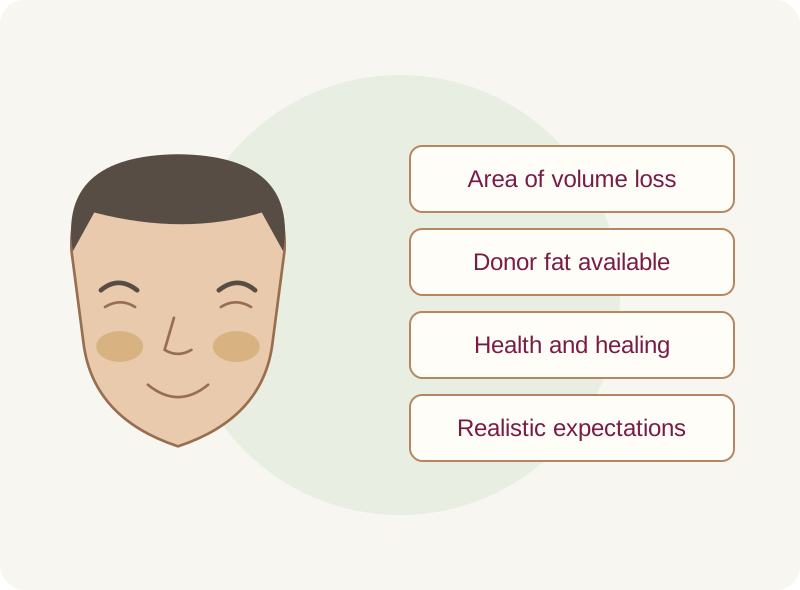
Cheek or temple hollows and selected contour changes may be assessed. Under-eye concerns need particular care: bags, pigment and loose skin are not the same as a lack of volume.
You need a suitable amount of donor fat and the ability to heal in both areas. Discuss health conditions, medicines, nicotine use, weight changes and past facial procedures.
Not all transferred fat remains. You may need time to judge the settled result, and a further procedure may be considered. There is no guaranteed retained percentage for an individual.
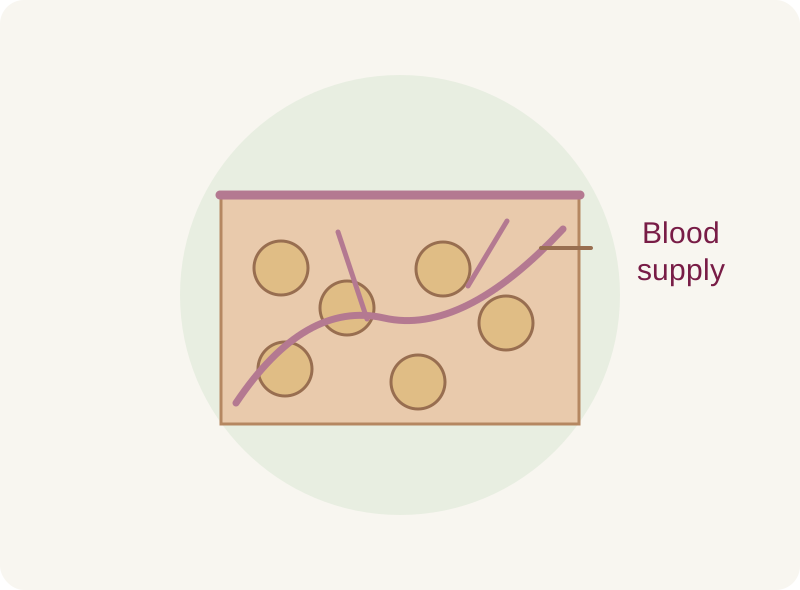
Transferred fat needs support from the surrounding tissue and a blood supply. Some of it is absorbed during healing. The amount that remains depends on the treatment area, tissue handling, health and other individual factors.
Surviving fat can provide a lasting volume change, but weight changes and ageing continue to affect the face. Early swelling is not retained fat, so an immediately fuller appearance does not predict the final result.
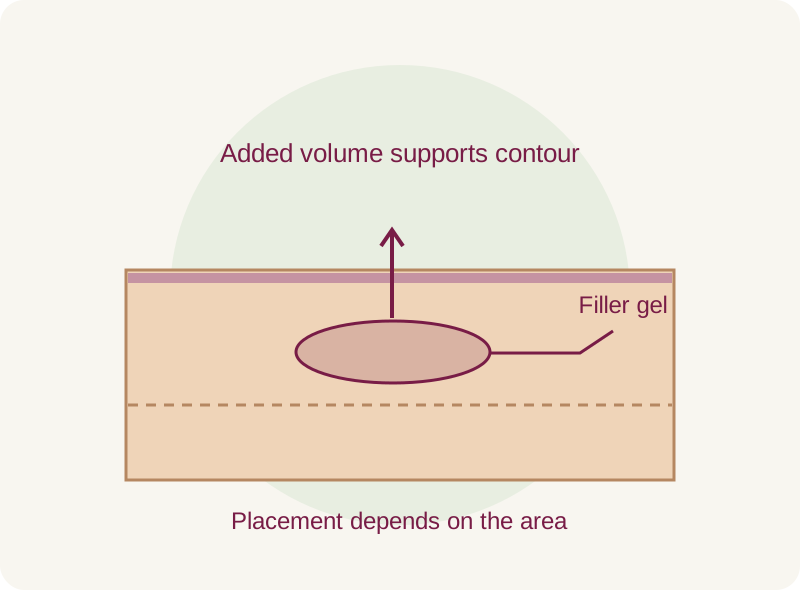
Fillers add volume without collecting donor fat. They differ in material, duration and risks; neither approach is best for everyone.
Understand fillers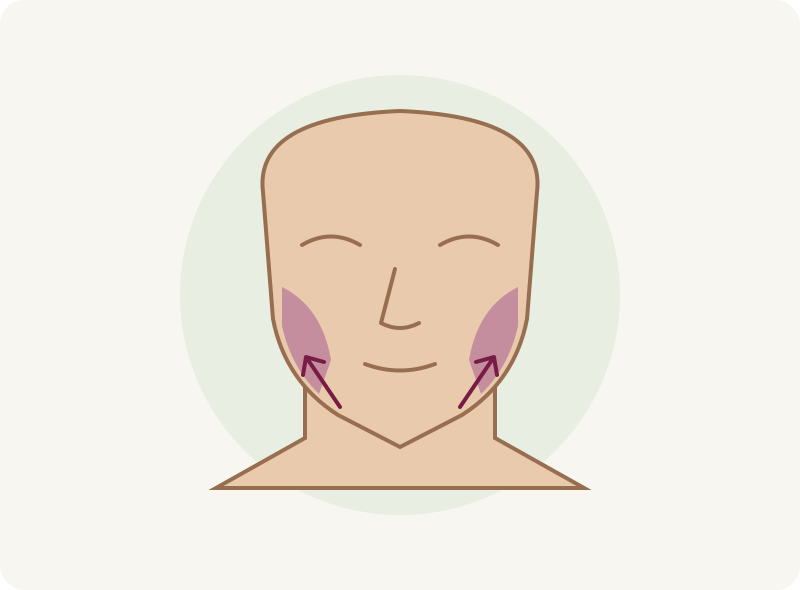
Lifting surgery addresses selected loose tissues and jowls. Fat transfer does not replace skin removal or tissue repositioning.
Understand facelift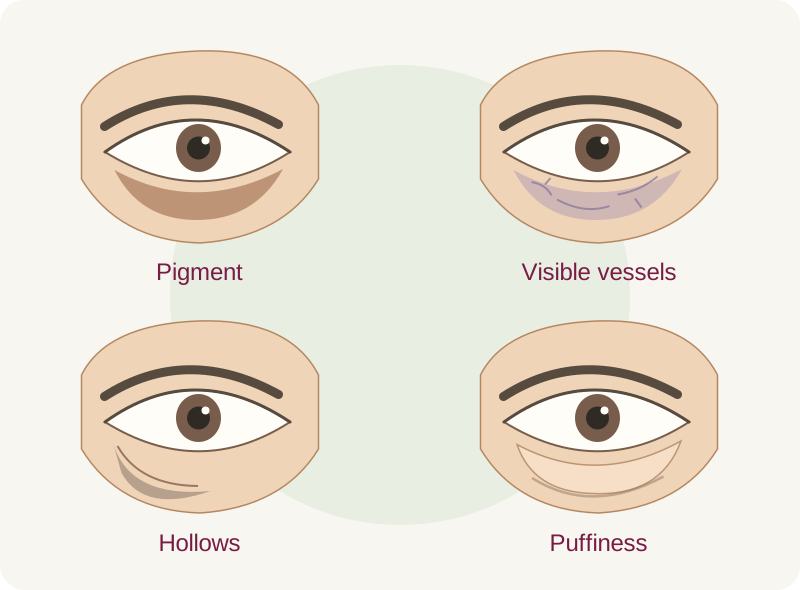
A shadow, bag or change in skin colour needs its cause identified before considering volume treatment.
Explore under-eye careThe surgeon examines the face and possible donor sites, reviews your history and explains alternatives. Bring details of past fillers, implants or surgery.
Confirm the areas, anaesthesia, setting and follow-up. Arrange transport and support, and follow individual preparation instructions. Prescribed medicines should only be changed with the relevant clinician’s agreement.
The anaesthetic plan depends on the extent of treatment and any combined operation. Fat is collected through a small access point and prepared for use.
The surgeon transfers fat into the planned areas, then cares for the access sites. Ask how the team reduces injection risks and responds to an emergency.
Follow wound care, activity and pressure advice for each area. A donor-site support garment may be advised; do not assume the same care applies to the face.
Use prescribed medicines as directed and report concerning symptoms promptly. Let the result settle before considering additional volume or another cosmetic procedure.

Bruising, swelling and tenderness can occur in both the face and donor area. The amount collected, treated areas and any combined operation affect recovery. Ask how much time to allow away from work and normal activities.
Swelling often changes over weeks, while retained volume takes longer to judge. Follow-up over the following months helps distinguish settling from undercorrection or unevenness. Avoid a fixed timetable based on someone else’s result.
Unevenness, too much or too little volume, lumps, oil cysts or loss of transferred fat can occur. Some concerns need further treatment.
Infection, bleeding, fluid collection, scarring, prolonged swelling and donor-area irregularities are possible. Anaesthetic risks also apply.
Fat entering a blood vessel can cause serious harm, including skin injury, blindness, stroke or death. Using your own tissue does not remove this risk. Discuss the surgeon’s experience and emergency plan.
These Google reviews describe general consultations and care at Layers. They are not facial fat grafting outcome reports.
“The doctors listened carefully to my concerns and explained the treatment in a clear and professional manner.”
Consultation experience; condition not specified.
“She explained the treatment clearly and made me feel comfortable throughout the consultation.”
Consultation experience; condition not specified.
“The doctor took the time to understand my skin concerns and explained the treatment plan clearly, without rushing.”
Consultation experience; condition not specified.
“Very patient ,humble and polite to answer every single query and build confidence.”
Consultation experience; condition not specified.
“The doctors explained everything clearly and made me feel comfortable and confident.”
Consultation experience; condition not specified.
“The doctor took the time to listen to my concerns patiently and explained the treatment options clearly.”
Consultation experience; condition not specified.
















Yes. Autologous fat grafting uses your own tissue from a suitable donor area. It is different from a packaged dermal filler.
No. Some is absorbed during healing, and the retained amount varies. A fixed percentage cannot reliably predict your individual result.
Surviving fat can remain long term, but ageing and weight change affect facial volume. Further treatment may sometimes be considered after the result settles.
Facial transfer usually needs a limited amount of fat. Collection for this purpose is not a weight-loss plan or a promise of major body contouring.
Using your tissue does not eliminate surgical or injection risks. Blood-vessel blockage is a serious concern, alongside infection, contour and healing problems.
No. Adding volume and lifting loose tissues have different purposes. An assessment should identify which change, if any, would address your concern.
It is not treated like hyaluronic-acid filler. Correcting unwanted fat volume or lumps may be difficult and can require a separate procedure.
Ask about the surgeon’s relevant experience, donor and facial areas, alternatives, likely recovery, emergency arrangements and the plan for undercorrection or other complications.
Discuss the area you want to change, suitable alternatives and the recovery involved in fat transfer.
Prefer a call? +91 9000 572727