Cheeks
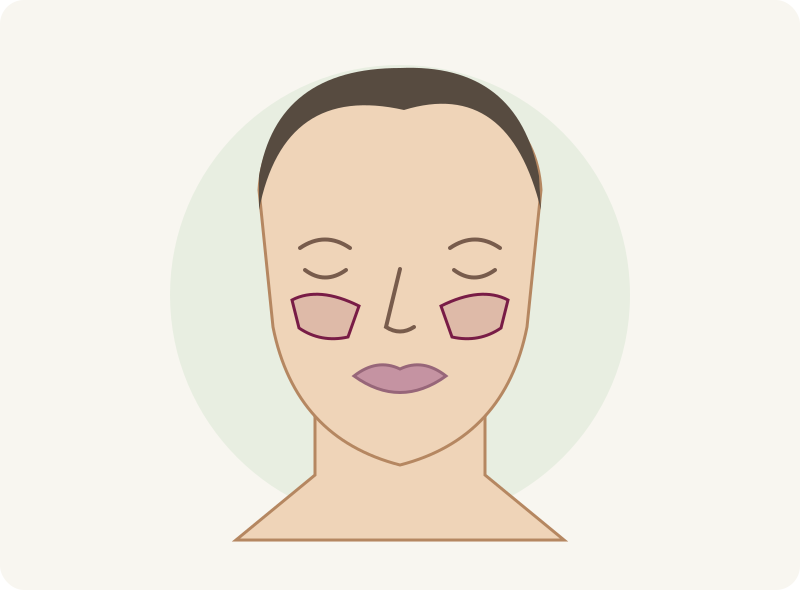
Selected volume support may help cheeks that look flatter or less full. Planning considers nearby areas and your natural facial proportions.
Looking to restore fullness or define a feature? Explore what fillers can change, what they cannot and how a consultation helps you decide.

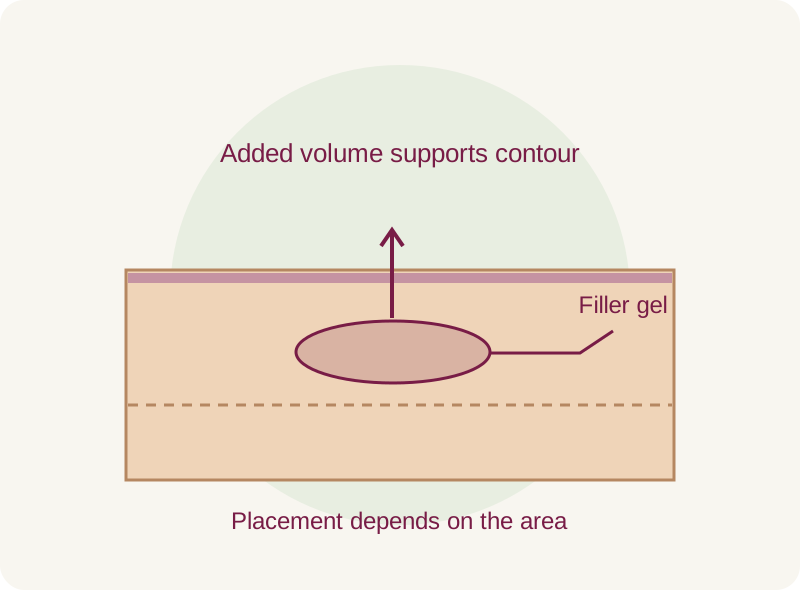
Dermal fillers are injectable materials used to add fullness, support a contour or soften selected facial folds. The treatment works by adding volume in carefully chosen tissue.
They can address some changes in cheeks, lips and facial shape. They do not relax expression muscles or remove excess skin, so a line or hollow needs assessment before choosing filler.
Selected volume support may help cheeks that look flatter or less full. Planning considers nearby areas and your natural facial proportions.
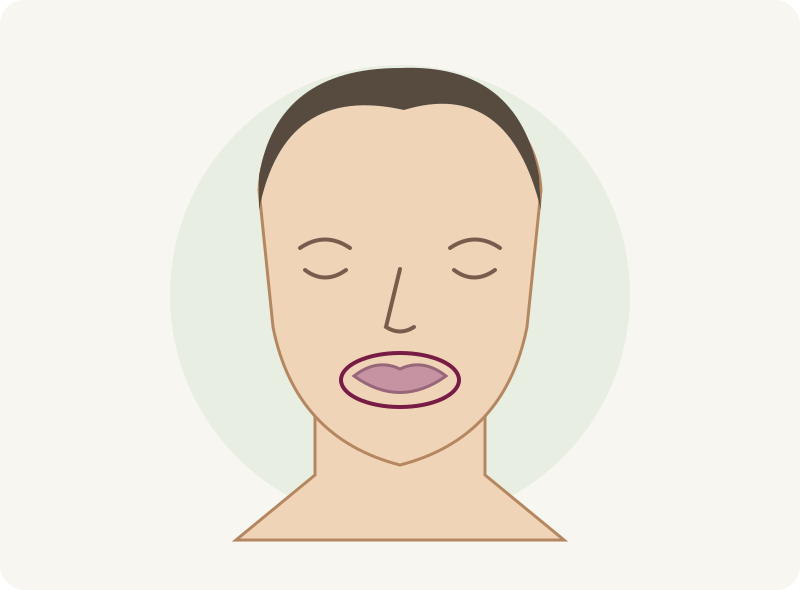
A plan may focus on definition, fullness or balance. Discuss your preferred amount of change and any history of cold sores.
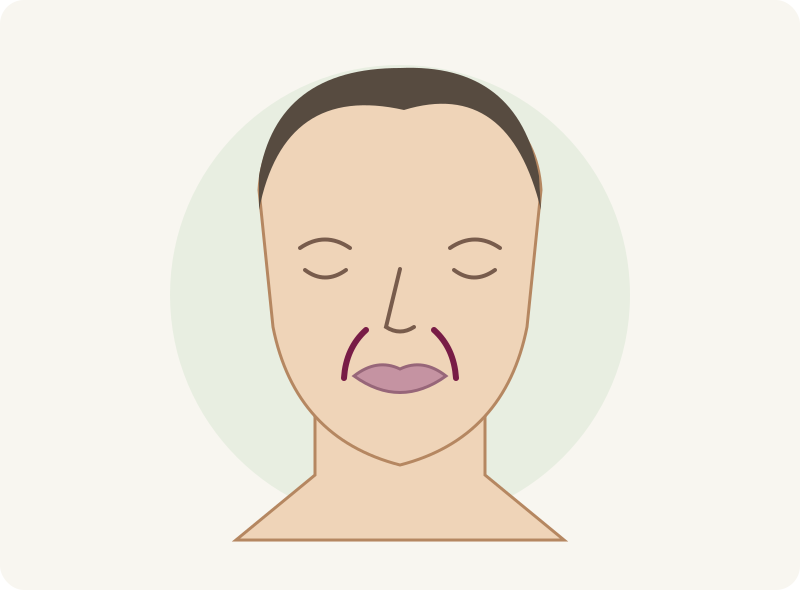
Some folds beside the nose and mouth may soften with filler. Deep lines can have several causes; complete erasure is not a realistic aim.
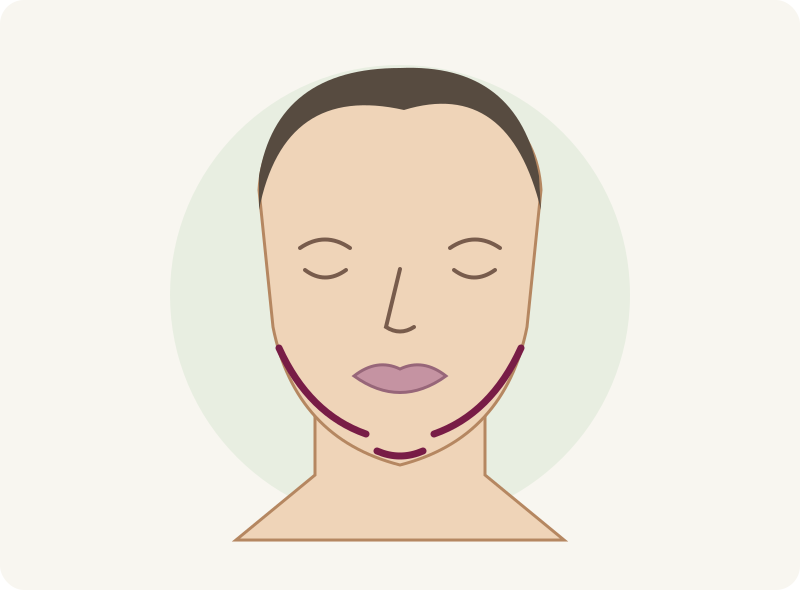
Filler may support a selected contour or proportion. It will not correct every jaw concern or provide the same change as surgery.
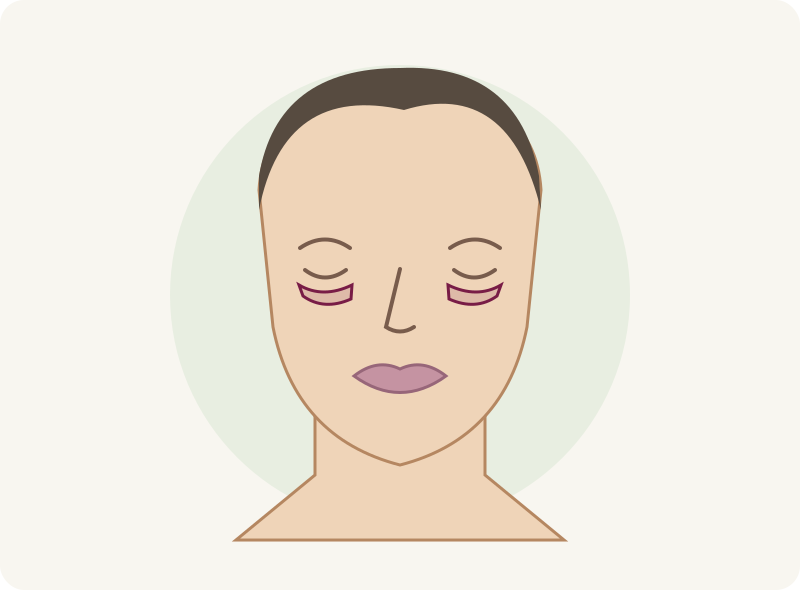
Some hollows may be considered after an eyelid assessment. Pigment, puffiness and loose skin need different decisions; this area needs particular caution.
Understand dark circlesThese are areas for discussion, not injection maps. The clinician checks the product, anatomy and whether treatment is appropriate.
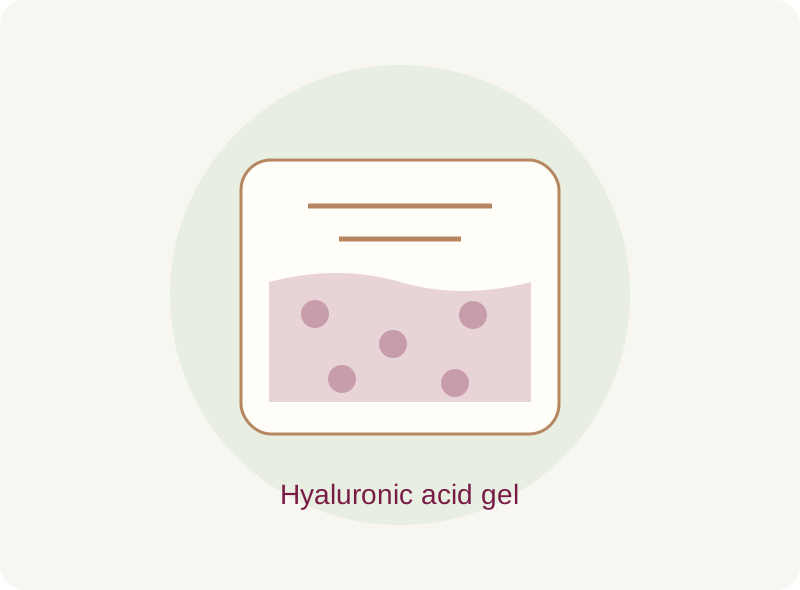
Layers describes hyaluronic acid, or HA, fillers in its treatment information. HA is a substance also found in skin; an injectable HA gel can provide temporary volume.
Filler materials are not all the same. Other products work differently, may last longer and may be harder to remove. Confirm the exact product and its intended use before treatment.
Texture, flexibility and the purpose of the treatment affect product choice. The same gel is not automatically suitable everywhere.
HA filler can sometimes be reduced with hyaluronidase injections by a clinician. This has risks and is not a guaranteed reset; other materials may not dissolve.
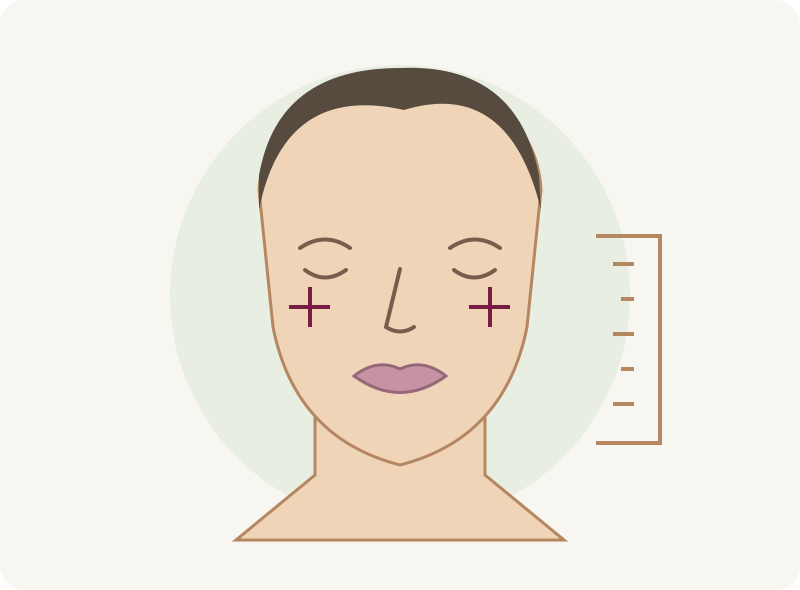
Discuss what bothers you and the amount of change you want. Small, considered changes can be more appropriate than treating every line.
Mention allergies, bleeding problems, medicines, pregnancy or breastfeeding, skin infections and cold sores. Some conditions mean waiting or choosing another option.
Tell the clinician about earlier filler, its brand if known, any reactions and planned dental work. Never stop prescribed medicines without advice from the prescriber.
The clinician checks the area at rest and with expression, reviews your history and may take baseline photographs.
Discuss the material, amount, alternatives, costs and risks. Know who will treat you and how to contact the clinic afterwards.
Numbing cream or another anaesthetic may be used, depending on the area and product. You can still feel pressure, pinching or stinging.
The clinician uses a needle or cannula to place filler and checks the tissue response. Report unusual pain or a change in vision immediately.
Leave with product details, expected reactions, warning signs and a contact plan. Confirm when you can use makeup, exercise and restart skin products.
Do not judge the final appearance or add more filler straight away. A review checks healing, balance and whether further treatment is useful.

HA fillers can change volume straight away, but early swelling and bruising affect how the area looks. Give it time to settle and follow the review plan before deciding on the result.
How long a change lasts depends on the material, area and individual response. Many fillers are temporary; repeat treatment is a choice to discuss, not a fixed requirement.
Many people return to daily activities soon, but visible bruising or swelling can last longer. Avoid booking immediately before an important event.
Extra volume does not always improve the result. Review your face as a whole before choosing a top-up or another procedure.
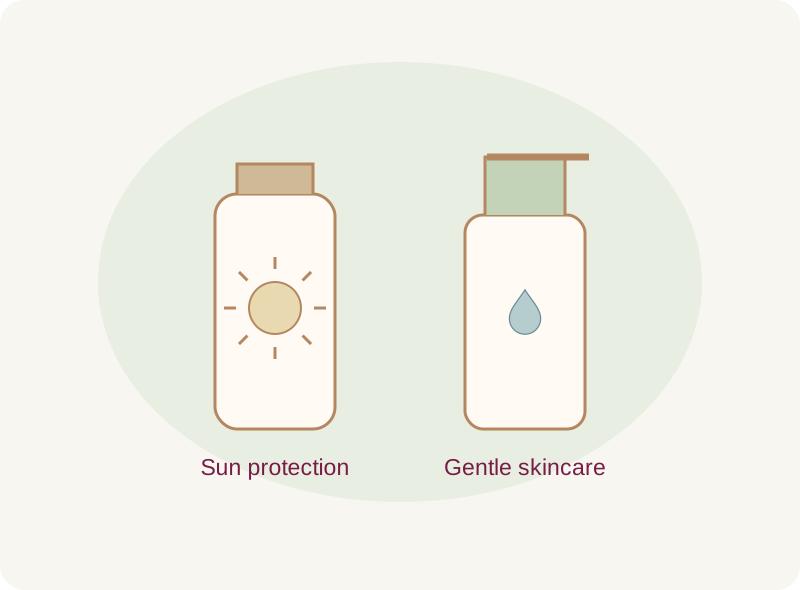
Avoid pressing or massaging the area unless your clinician instructs you to. Check the advice for exercise, heat, makeup and skin care.
Swelling, tenderness and bruising are common. Lumps, infection, delayed inflammation, unevenness and migration can occur and may require treatment.
Contact the clinic about a new lump, increasing redness or swelling, or symptoms that are not settling. Keep the product record for future appointments.
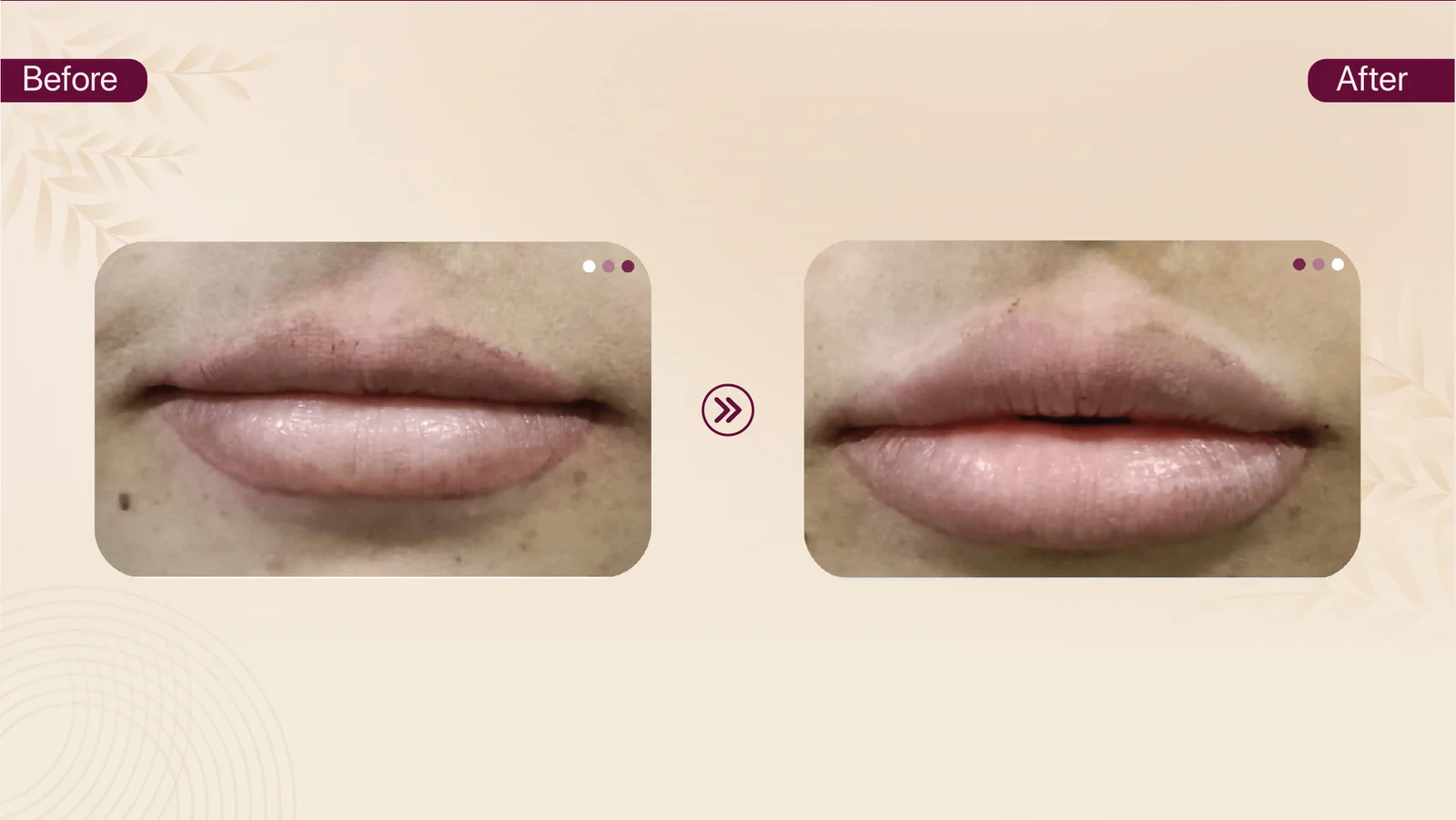
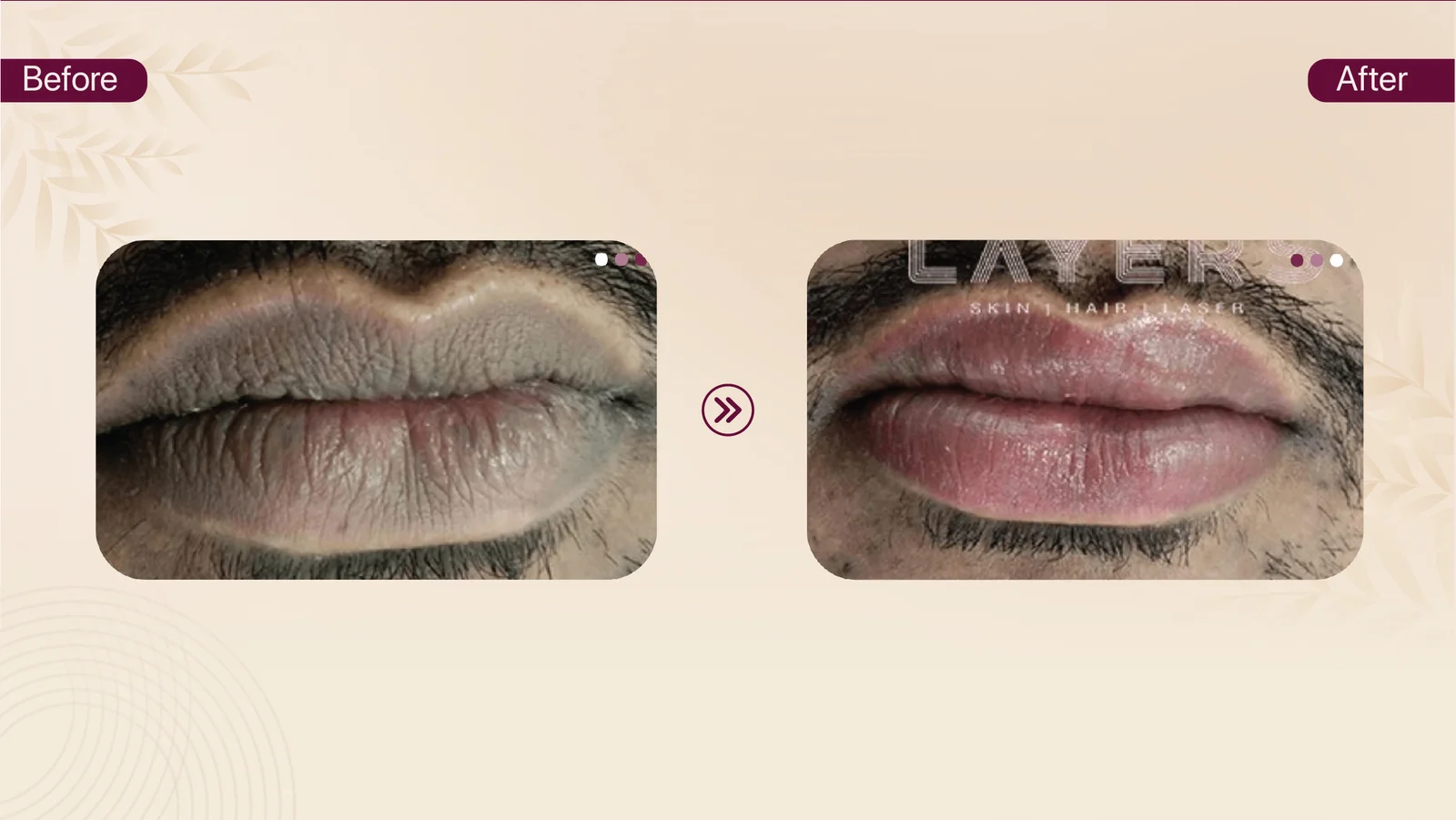
Before-and-after photographs shared by Layers showing lip definition, symmetry and subtle volume outcomes. Individual results vary.
Showing all 2 photographs
Individual results vary. These photographs show specific cases, not guaranteed outcomes. Original image quality, lighting and angles may differ. Your doctor can explain what may be possible for you.
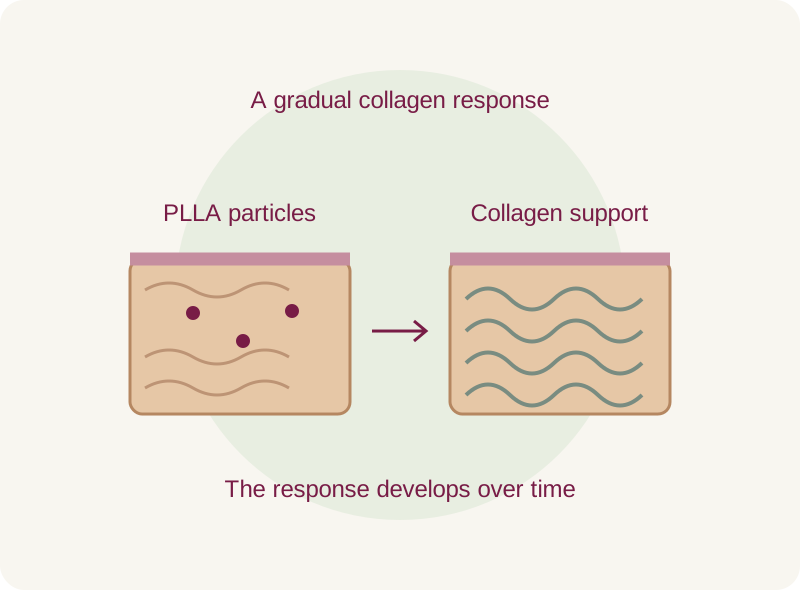
An injectable collagen-stimulating treatment with a gradual response and specific aftercare. Compare it with HA gel fillers.
Explore Sculptra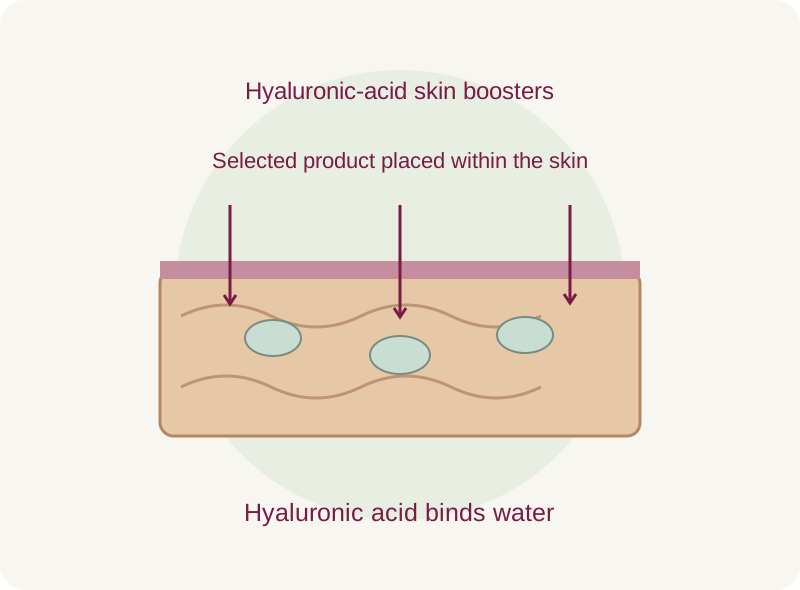
Compare injectable care focused on hydration and texture rather than a specific volume change.
Explore skin boosters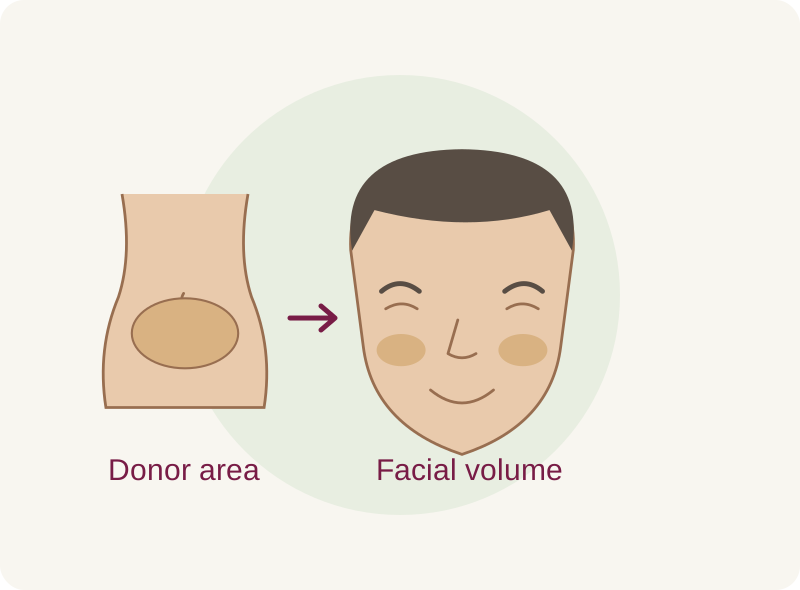
Compare transfer of your own fat with packaged fillers. Collection, retention and care of two areas make this a different procedure.
Understand fat transferOriginal Google review excerpts about filler treatment at Layers Jubilee Hills. These are individual experiences, including early follow-up; results vary.
“Have taken fillers treatment with dr Swathi seen very good results after 1 week of the treatment”
Early follow-up at one week.
“I was here for the fillers treatment, results are too good. After taking fillers, I have opted for skin boosters.”
Filler experience; the reviewer later chose skin boosters.
“I have gone through fillers treatment in layers prive results are very satisfying after a 15 days”
Personal experience after 15 days.
















No. Fillers add volume. Botulinum toxin injections reduce selected muscle movement and are used for some expression lines. Your concern determines whether either is appropriate.
A conservative plan can aim for a subtle change that suits your features. No appearance can be guaranteed, and too much filler may look or feel unnatural.
An amount cannot be chosen reliably from age or a selfie. The area, existing volume, product and your goal need an examination. Ask why the proposed amount is useful and whether a staged approach makes sense.
It varies with the areas and preparation. Allow time for assessment, discussion, numbing when needed, treatment and aftercare; confirm the appointment length with the clinic.
No. HA fillers may respond to hyaluronidase, but this needs medical assessment and can have side effects. Other materials can be difficult or impossible to remove completely.
No. Under-eye darkness can come from pigment, visible vessels, swelling or shadowing. A hollow is only one possible cause, and this delicate area needs a careful assessment.
No. The term usually describes filler used across several facial areas. It does not remove excess skin or reproduce a surgical facelift, and the usual filler risks still apply.
Tell your clinician about recent or planned lasers, RF, HIFU, threads and dental work. The product, area, healing and timing affect whether treatment should be postponed.
They are not a safer substitute for a medical assessment and injection. Uncontrolled placement can cause harm; do not attempt filler treatment yourself.
Understand the likely change, recovery and alternatives before deciding whether fillers are right for you.
Prefer a call? +91 9000 572727