
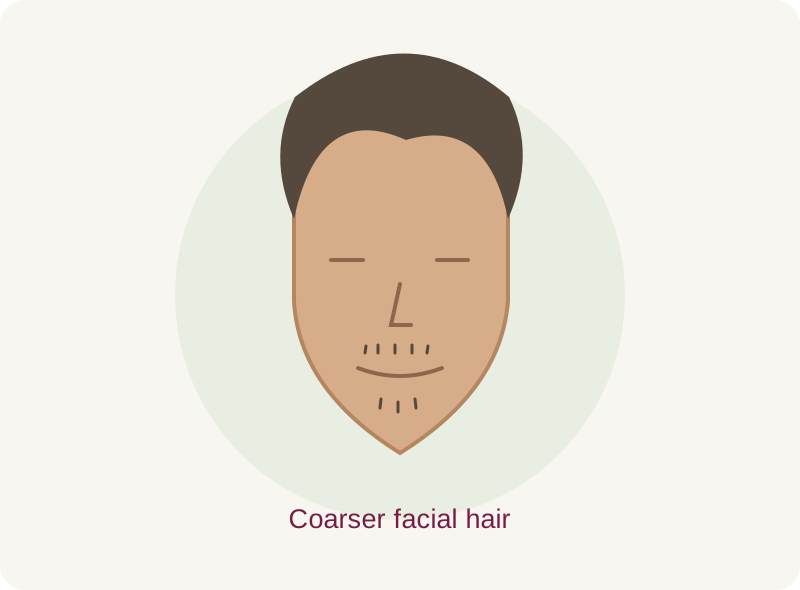
Coarser, darker hair
Pigmented hair may respond to laser reduction when the device and settings suit the skin. A changing facial or body pattern may need hormonal assessment as well.
Keeping, trimming or removing body hair is a personal choice. If you want less upkeep, the right option depends on your hair, skin and the area you want to treat.
Facial and body hair varies naturally between people. Hair that you would prefer to remove is not automatically a sign of illness. Your goals may be a tidier beard line, fewer chin hairs or less frequent body-hair removal.
A new or unusual growth pattern deserves a closer look. Hirsutism describes coarse hair in androgen-sensitive areas in women, such as the chin or chest. It is different from ordinary fine facial hair and may be linked to hormonal changes.
Pigmented hair may respond to laser reduction when the device and settings suit the skin. A changing facial or body pattern may need hormonal assessment as well.
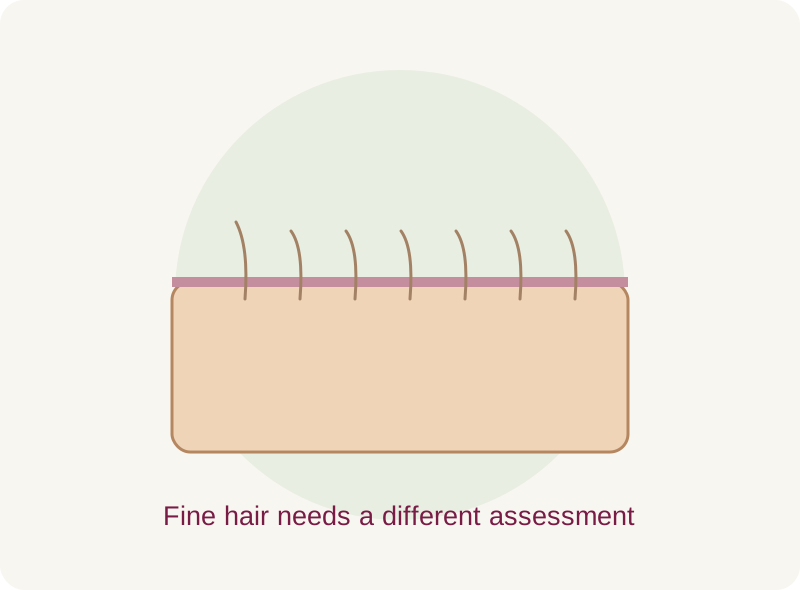
Fine downy hair is common. It is not always a good laser target, and facial treatment can sometimes increase hair growth. Discuss whether any procedure is worthwhile.
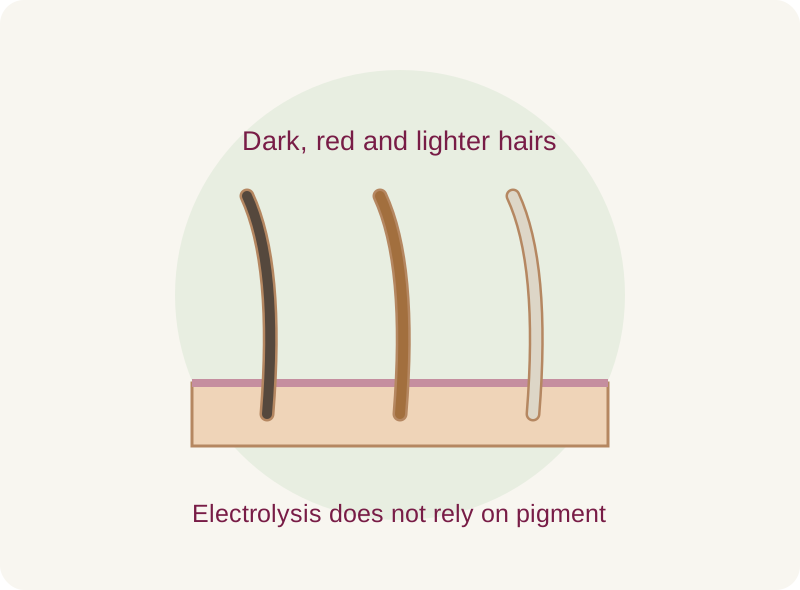
Hair with little target pigment responds poorly to laser. Electrolysis treats follicles individually and may be considered for suitable lighter hairs.
Explore electrolysis
Explain whether the hair has always been present or is new, how quickly it changed, and which areas are affected. Family pattern and age can influence growth.
In women, new coarse facial or body hair together with irregular periods, acne or scalp thinning may need assessment for a hormonal cause such as PCOS.
Some medicines or hormone treatments affect hair. Bring a list, but do not stop prescribed treatment on your own. Tests should follow the history and examination, not a routine package for everyone.
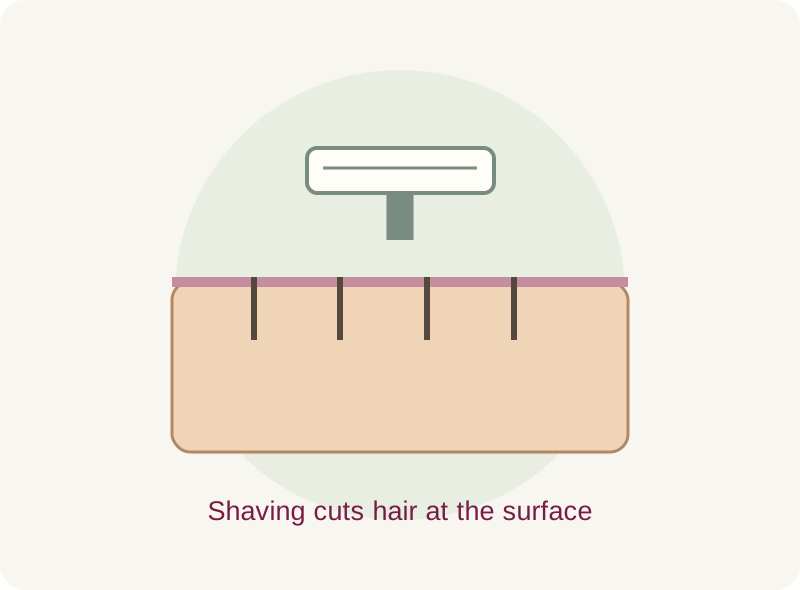
A quick temporary option that does not remove the follicle. Use a gentle technique and suitable tools; irritation, cuts and ingrown hairs can occur.
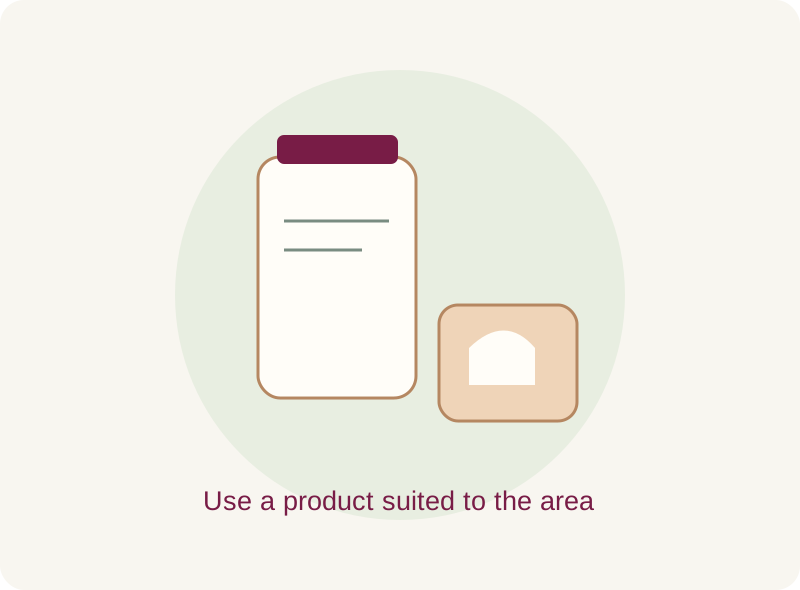
Waxing and threading pull hairs out; depilatory creams dissolve the visible hair. Effects are temporary. Skin sensitivity, medicines and the body area affect which is suitable.
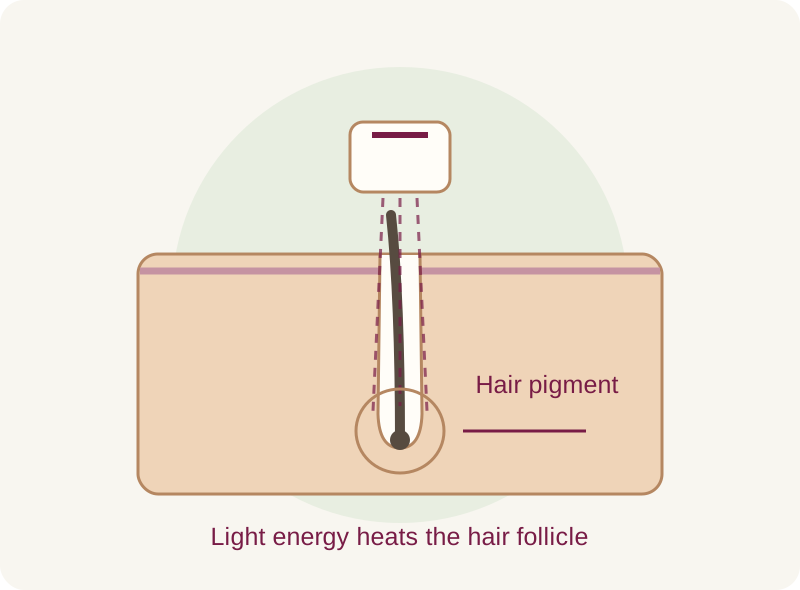
Laser treats suitable pigmented hairs across an area. Several sessions are usual, and maintenance may be needed. Skin tone, hair thickness and tanning influence safe planning.
Explore laser reduction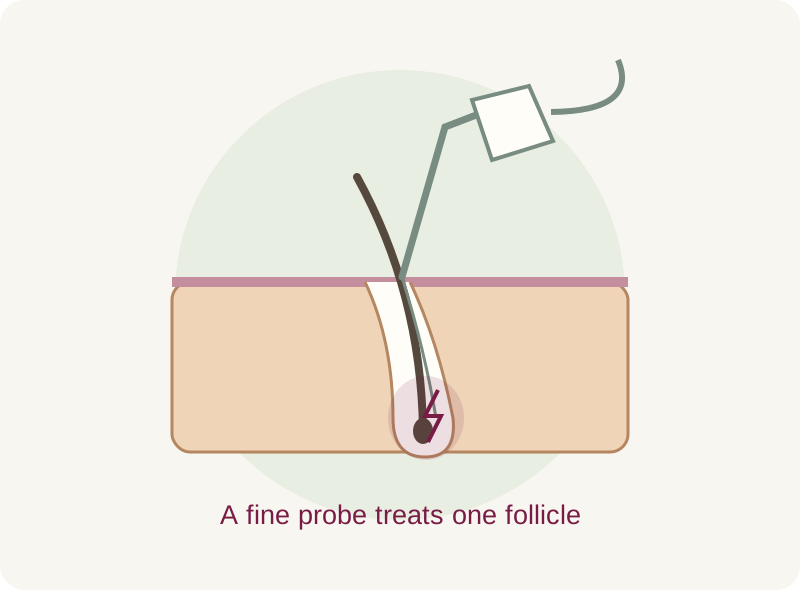
Each follicle is treated individually with a fine probe. It does not rely on hair pigment, but treating many hairs takes time and a course of appointments.
Explore electrolysisFor some women with hirsutism, a clinician may discuss medicine to slow growth or manage an underlying hormonal condition. The choice depends on the diagnosis, other medicines and pregnancy plans.
Medical treatment and hair removal can have different roles. Medicine may reduce new growth over time, while grooming or a procedure manages hair that is already visible. Neither a laser session nor electrolysis corrects a hormone imbalance.
Choose the areas and whether your goal is reduction, shaping or removal of individual hairs. Leaving the hair alone is also an option.
Explain recent changes and other symptoms. The clinician will decide whether tests or a specialist review are useful.
Discuss pigment, thickness, area size and skin sensitivity. Ask about risks, comfort and the time a course could involve.
Instructions differ by method. In particular, waxing and plucking can interfere with treatment that needs a visible hair or an intact follicle target.
Report burns, persistent redness, pigment changes or increased growth. Adjust the plan if the method is irritating your skin.
Discuss what has improved and which hairs remain. New hormonal changes can affect the longer-term plan.
Allow cuts, active rashes and significant irritation to be assessed and settle before another removal session.
Use depilatories only on labelled areas and test as directed. Retinoids and other medicines can affect suitability for waxing or procedures.
Follow advice on sun protection and gentle cleansing. Picking ingrown hairs or repeatedly scraping the skin can worsen inflammation and marks.
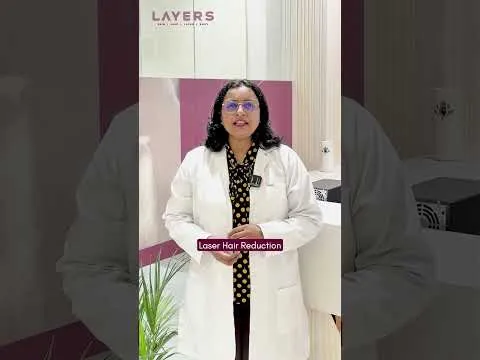
A Layers dermatologist discusses laser hair reduction for men and beard-line grooming. This explains the laser option, rather than electrolysis or hormonal treatment.
Layers Skin & Hair Clinics · Doctor explanation
Watch on YouTubeThese original Google excerpts describe laser hair removal, one of the options on this page. They do not describe electrolysis or treatment for a hormonal cause.
“I am taking full body laser treatment in Layers I am very satisfied with the progress”
“So far my experience is good in terms of the treatment, already saw a decent result after 2 sittings.”
Progress during an ongoing laser hair-removal course.
“Staff is very friendly and do a great job without rushing. Hygiene maintained very well. Highly recommend for facials and laser hair removal.”
“Ive been getting my LHR full body here and the therapist is very friendly and comfortable.”
“now I have completed about 10 sessions. Extremely satisfied with the treatment.”
Personal experience after about ten sessions; course length varies.














No. Facial and body hair varies naturally, and the wish to remove it can be purely personal. A new coarse pattern or accompanying symptoms may justify assessment.
Shaving cuts the shaft rather than changing the follicle. The blunt cut end may feel stubbly, but shaving does not make the follicle grow a thicker hair.
No. Coarse pigmented hairs are generally more useful targets than fine downy hairs. Fine facial hair needs caution because paradoxical increased growth can occur after treatment.
Laser usually works poorly on hairs with little pigment. Electrolysis may be an option for individual lighter hairs, while shaving or trimming gives temporary control.
It may be part of your plan. A clinician should also assess any hormonal treatment needs, because new hair growth can continue even when existing hairs are treated.
That depends on hair pigment, thickness, skin tone and your goals. Laser may be practical for suitable larger areas; electrolysis treats one follicle at a time and is more time-intensive.
Yes. Goals can include beard-line shaping, reducing body-hair density or treating individual hairs. Suitability depends on the same skin, hair and health assessment.
No. Hair removal is optional. Choose it because it fits your comfort or grooming preferences, not because ordinary body hair needs medical treatment.
Find an approach that fits your hair, skin and routine.
Prefer a call? +91 9000 572727