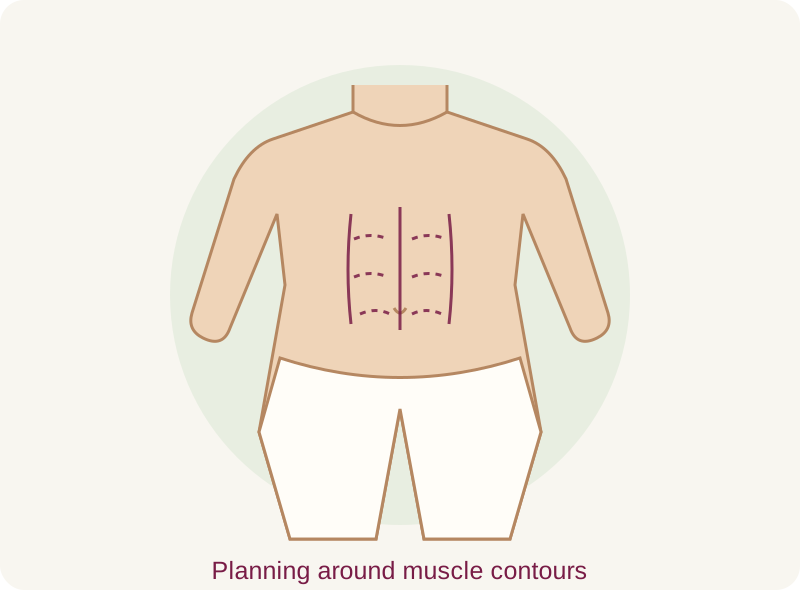
HD: contour definition
High-definition planning aims to make selected muscle contours more visible through the fat-removal pattern. It does not create stronger muscles or guarantee a six-pack.
Liposuction removes selected fat through small incisions. Explore what it can change, how the methods differ and what surgery and recovery involve.
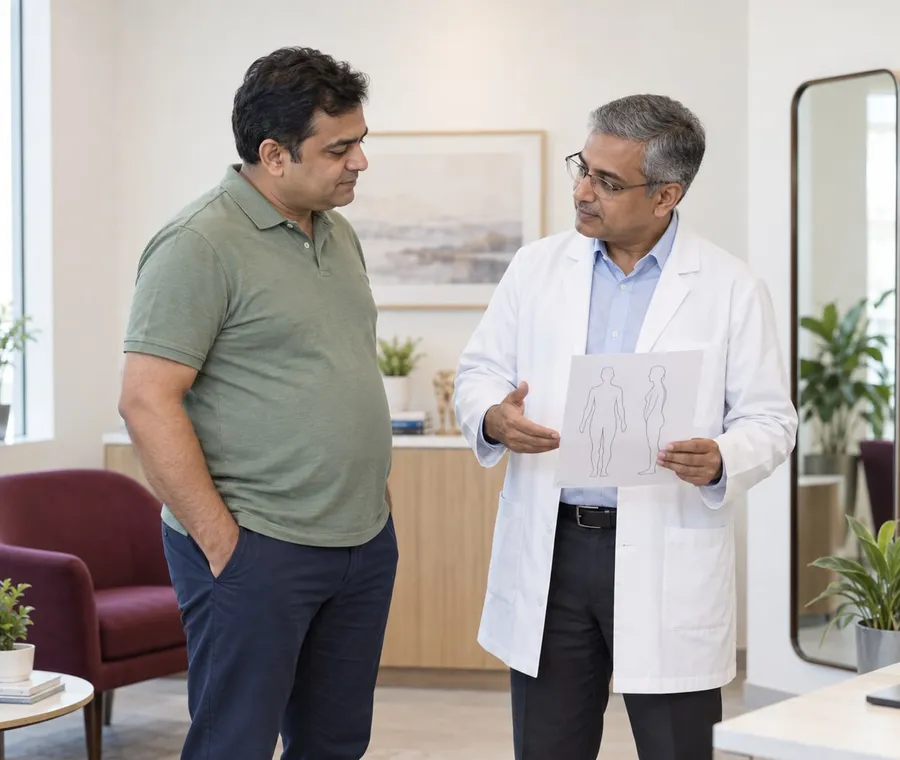
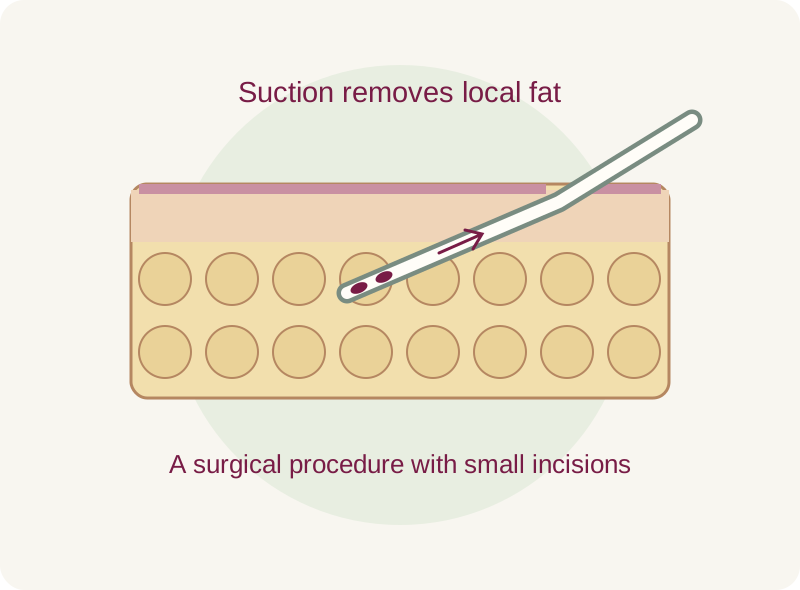
Liposuction is surgery to remove fat from a selected body area. A thin tube, called a cannula, passes through small skin openings and connects to suction.
The aim is to reshape local fat deposits. It does not treat obesity, remove substantial loose skin or build muscle. Your skin, health and anatomy affect what can be achieved.
High-definition planning aims to make selected muscle contours more visible through the fat-removal pattern. It does not create stronger muscles or guarantee a six-pack.
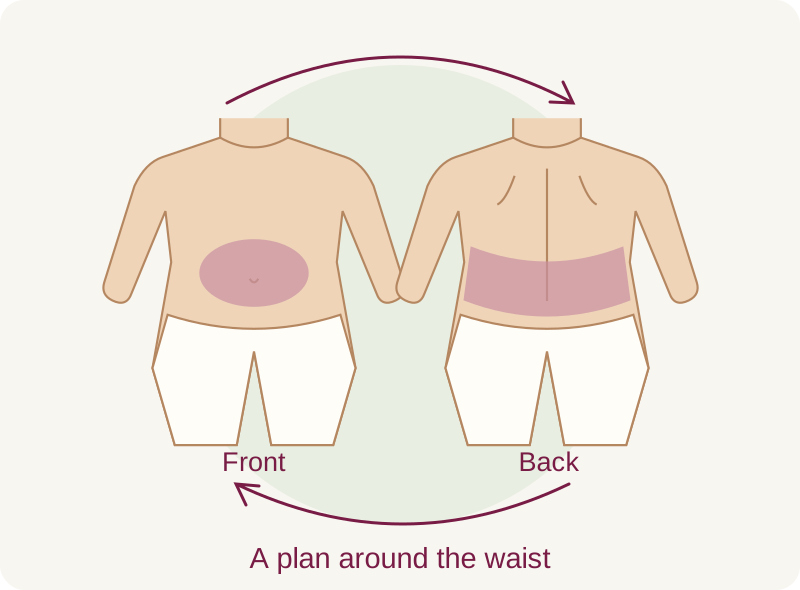
“360” commonly describes treating around the midsection, such as the abdomen, flanks and back. It is not a separate fat-removal technology or a promise to treat the whole body.
HD and 360 describe different parts of the plan: contour definition and the areas treated. Ask what each term means in your proposed operation.
Conventional suction-assisted liposuction uses a cannula and vacuum. Power-assisted systems add movement to the cannula. Other techniques use different forms of assistance.
The choice should reflect your tissue, the area and the surgeon’s assessment. A newer device does not automatically mean a better result or less recovery for you.
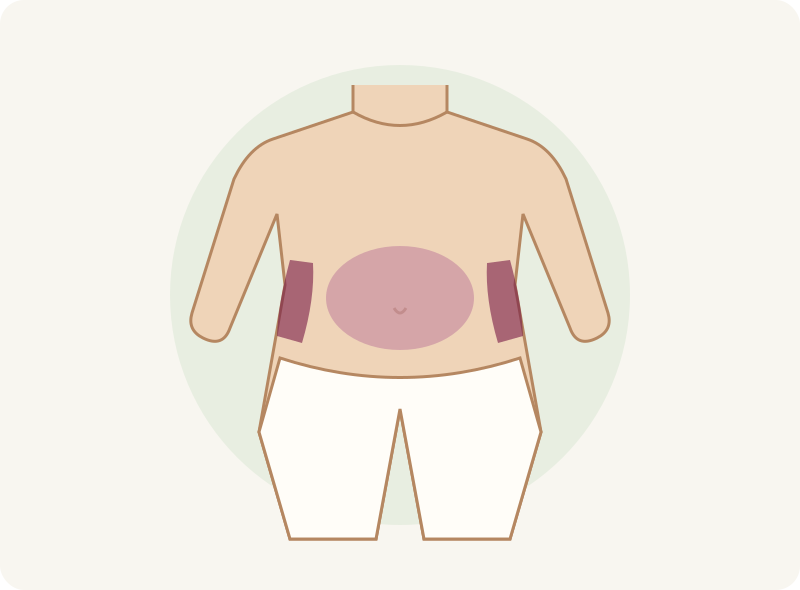
Assessment distinguishes local fat from excess skin, deeper abdominal fat, muscle separation or a hernia. These do not all need the same treatment.
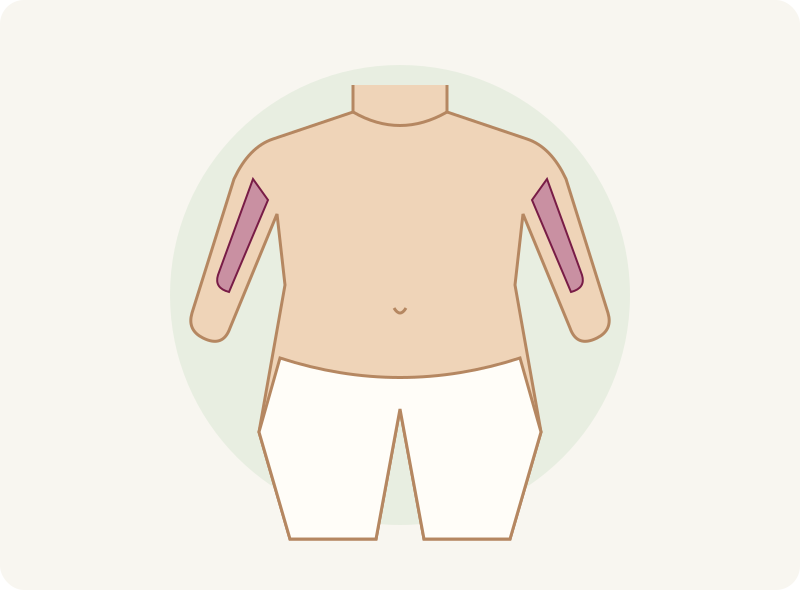
Skin elasticity matters as much as the fat pocket. If skin is very loose, liposuction alone may leave an unsatisfactory outline.
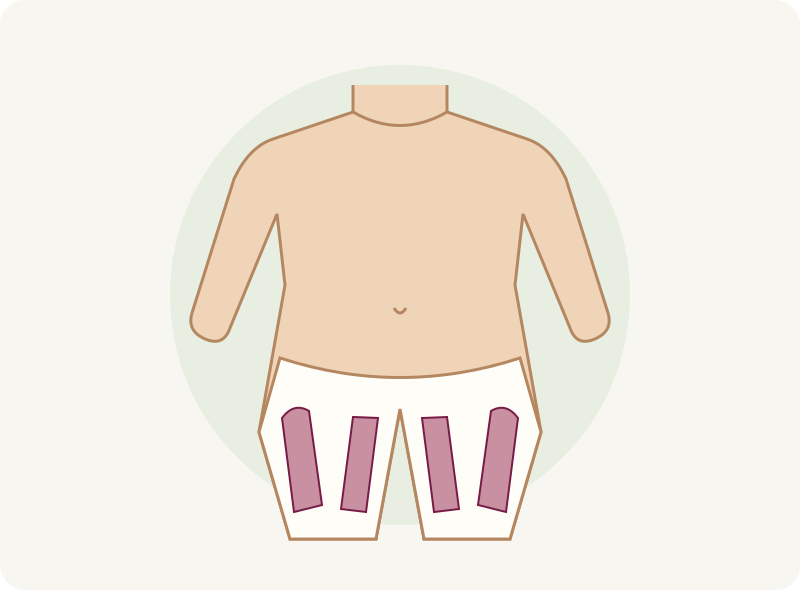
The surgeon considers proportions, skin quality and the total area. The goal should fit your anatomy rather than a fixed shape or size.
A stable weight, realistic expectations and skin that can adapt to the new contour support planning. It is not a substitute for a weight-management programme.
Discuss diabetes, heart or lung conditions, bleeding or clotting problems, past operations, smoking and all medicines. Health concerns may require treatment or postponement first.
Arrange time away from strenuous activity, transport and help at home where needed. Your surgeon should explain the recovery for the size and type of your operation.
The surgeon examines the area and discusses skin quality, alternatives and risks. Confirm the exact method, total treatment area and who manages your care.
Follow your team’s instructions about tests, smoking, food and drink, medicines and transport. Do not change prescribed medicines without the treating clinician’s advice.
Local anaesthesia, sedation or general anaesthesia may be used depending on the operation. The team explains the approach and monitors you during surgery.
The surgeon works through small openings, using the selected technique and suction. Dressings and a support garment may be applied afterwards.
Ask how to care for dressings, any drains and the support garment. Take prescribed medicines as directed and attend follow-up.
The team will explain walking, work, exercise and lifting restrictions. Contact them about unexpected pain, swelling or wound changes.
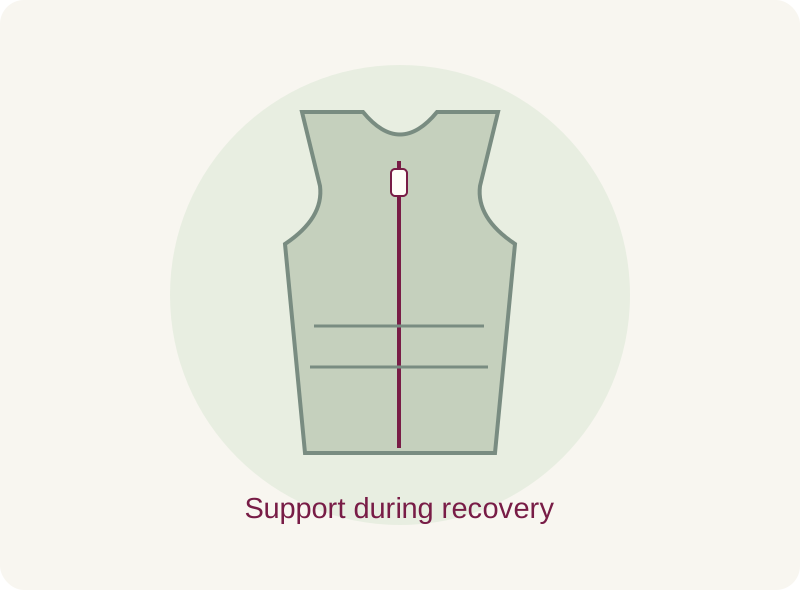
Bruising, tenderness, swelling and altered sensation are common early on. The extent of surgery affects how you feel and how much help you need.
Recovery takes weeks, and swelling can continue longer. Your job, treated areas and any combined procedure determine when you can return to work and exercise.
Incisions leave scars, even when placed discreetly. Scar appearance and sensation can change over time, and healing differs between people.
Unevenness, asymmetry, loose skin, pigmentation changes or persistent numbness can occur. Some concerns may need further treatment or revision.
Bleeding, fluid collections, infection and delayed wound healing are possible. The risks also depend on the technique used and the extent of treatment.
Blood clots, anaesthesia problems and injury to deeper structures can occur. Larger or combined procedures need careful assessment of total risk.
Some contour change may be apparent early, but swelling can hide or distort it. The final appearance is assessed over the following months rather than immediately after surgery.
The fat removed during surgery is gone, but remaining fat cells can enlarge with weight gain. Ageing, pregnancy and skin changes can affect the result. Maintenance still matters.
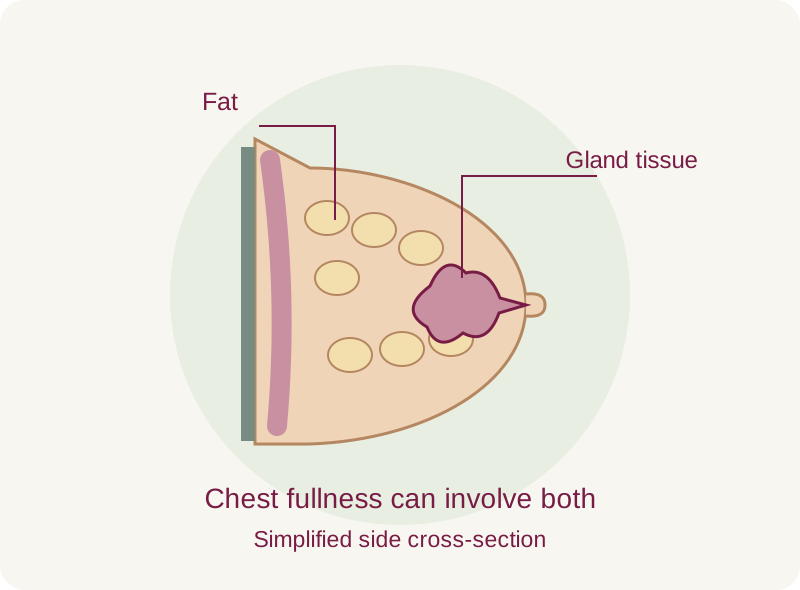
Gland enlargement needs a different assessment from a fat pocket. Explore gynecomastia surgery and when excision may be needed.
Explore gynecomastia care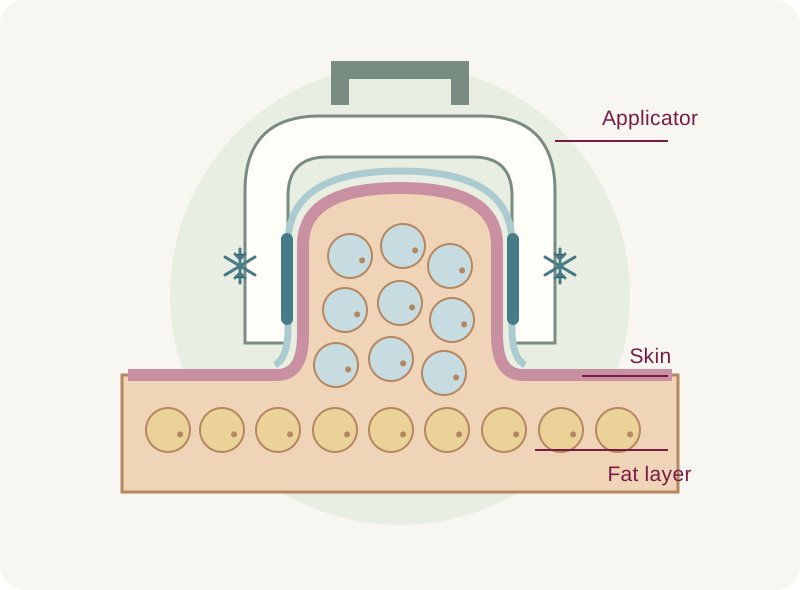
A selected small pocket may be considered for cryolipolysis. It has a different risk profile and usually offers a more modest, gradual change.
Explore fat freezing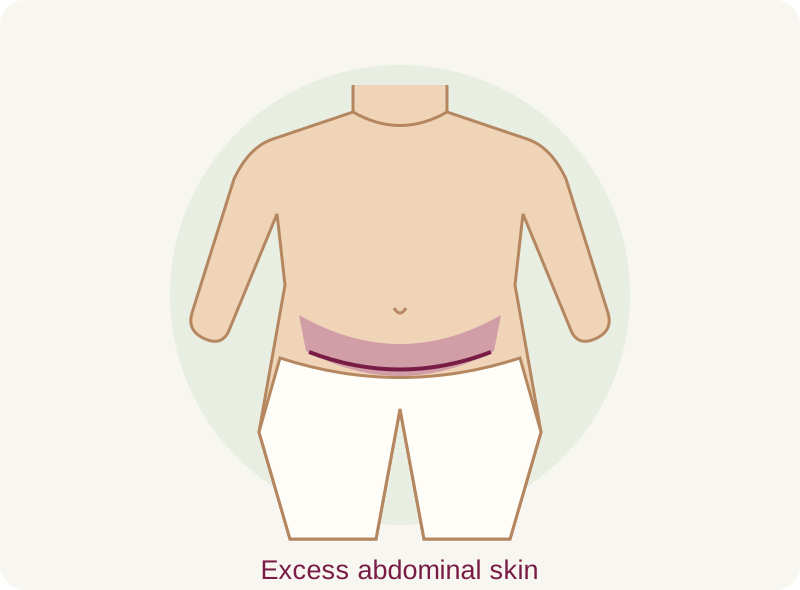
If excess skin is the main concern, discuss a tummy tuck or lift. These procedures have different scars and recovery from liposuction.
Explore tummy tuckIf you want broader weight change or help with health concerns, start with a medical weight assessment.
Explore weight managementThese verified Google excerpts describe general consultations and care. They do not identify liposuction or demonstrate surgical results.
“The doctors listened carefully to my concerns and explained the treatment in a clear and professional manner.”
Consultation experience; condition not specified.
“She explained the treatment clearly and made me feel comfortable throughout the consultation.”
Consultation experience; condition not specified.
“The doctor took the time to understand my skin concerns and explained the treatment plan clearly, without rushing.”
Consultation experience; condition not specified.
“Very patient ,humble and polite to answer every single query and build confidence.”
Consultation experience; condition not specified.
“The doctors explained everything clearly and made me feel comfortable and confident.”
Consultation experience; condition not specified.
“The doctor took the time to listen to my concerns patiently and explained the treatment options clearly.”
Consultation experience; condition not specified.
















No. Skin quality, existing muscle contours, body fat and your goals affect suitability. It aims at contour definition and does not build muscle or guarantee an athletic appearance.
No. It commonly refers to planning around the midsection. Ask your surgeon to specify the areas and explain whether treating them together is appropriate.
There is no universal amount that is right for everyone. The surgeon considers your health, areas, anaesthesia and total procedure. Removing more is not automatically better or safer.
Skin may adapt after fat removal, but substantial looseness is not reliably corrected by liposuction alone. Ask whether skin-removal surgery would better address the concern.
Remaining fat cells can enlarge, and weight changes can alter your contour. Liposuction does not prevent future weight gain.
That depends on the extent of surgery, anaesthesia, your health and the facility. Confirm discharge arrangements, transport and who will help you at home.
Sometimes, but combining procedures increases the total operation and recovery demands. Your surgeon should discuss whether a staged plan is more appropriate.
Discuss your concern, the options and the surgical assessment you need.
Prefer a call? +91 9000 572727