
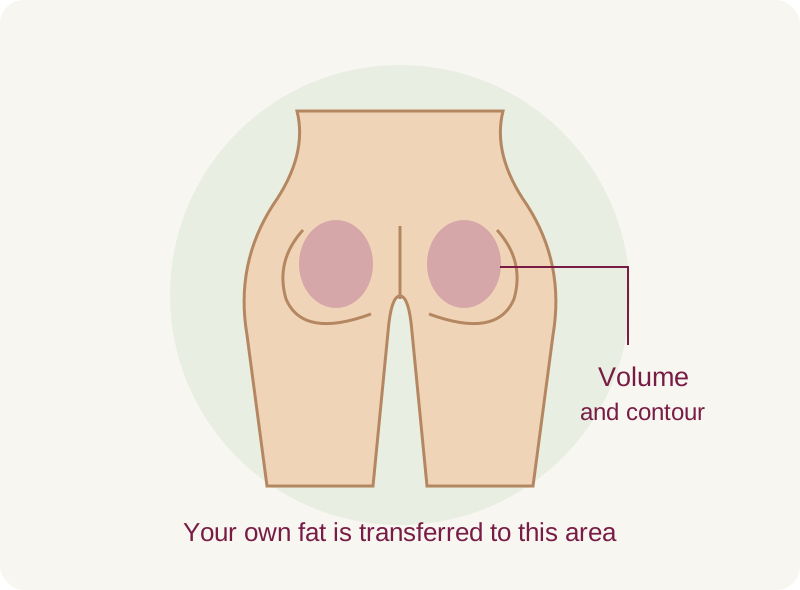
Volume or proportion
Adding fullness is different from removing fat or loose skin. Fat transfer requires its own assessment of anatomy, donor fat and surgical risk.
Explore buttock fat graftingA local fat pocket and loose skin can look similar, but they need different care. Start with the concern, then compare the methods that may help.

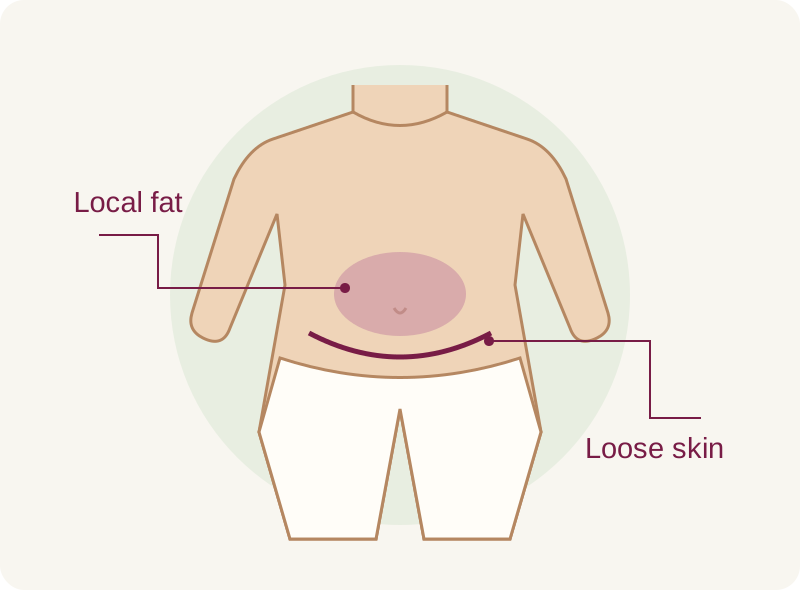
Body contouring is a group of treatments that change the outline of a selected body area. Some reduce local fat or improve skin firmness. Surgery can remove excess skin or transfer fat to add volume elsewhere.
It is not one standard procedure. The right discussion depends on the tissue, your health and how much change you want. Overall weight loss is a separate goal.
Adding fullness is different from removing fat or loose skin. Fat transfer requires its own assessment of anatomy, donor fat and surgical risk.
Explore buttock fat grafting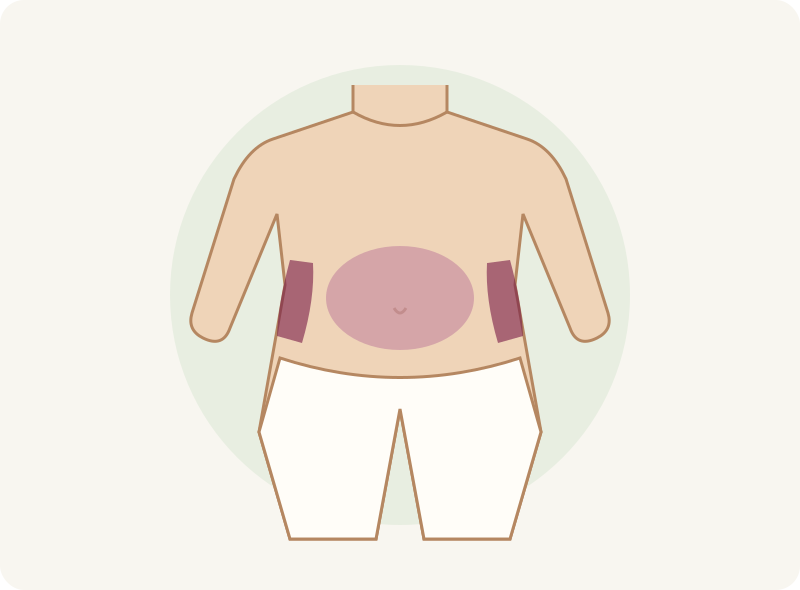
A small bulge may remain when weight is stable. Assessment checks whether it is suitable for local fat reduction.
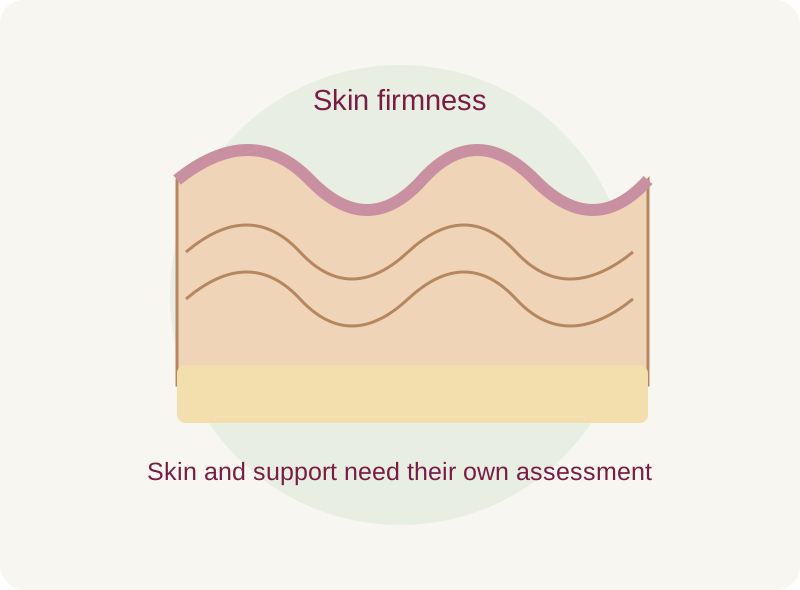
Skin may lose firmness with ageing, pregnancy or weight changes. The amount of excess skin affects which approach may help.
If weight and health are your main concerns, start with a medical weight-management assessment.
Explore weight management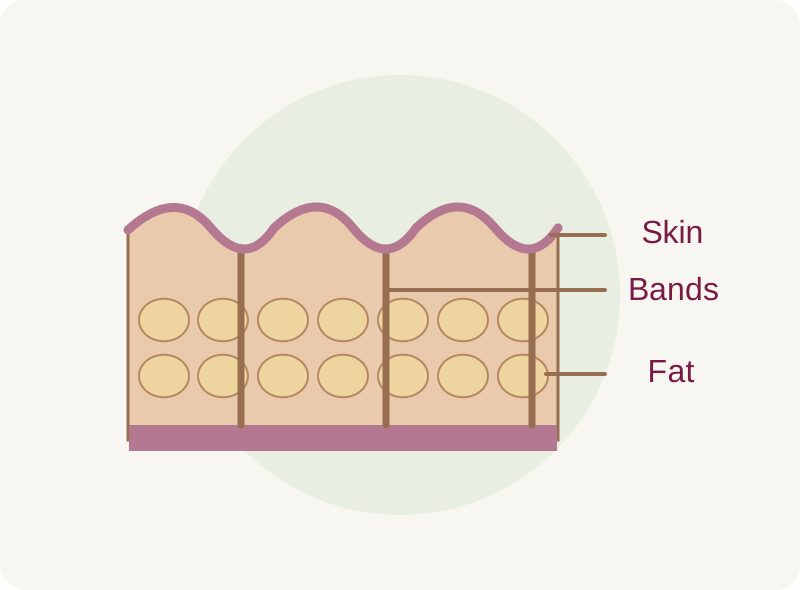
Skin dimpling has a different structure from a fat bulge. Compare options that address the texture you notice.
Explore cellulite care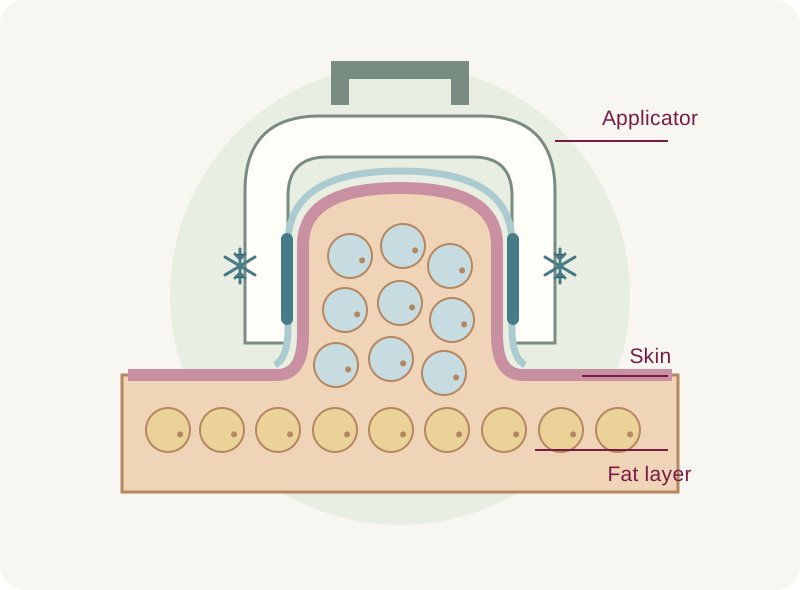
Cryolipolysis may reduce selected fat pockets gradually. Cold-related conditions and the risk of an enlarging treated area need discussion.
Explore CoolSculpting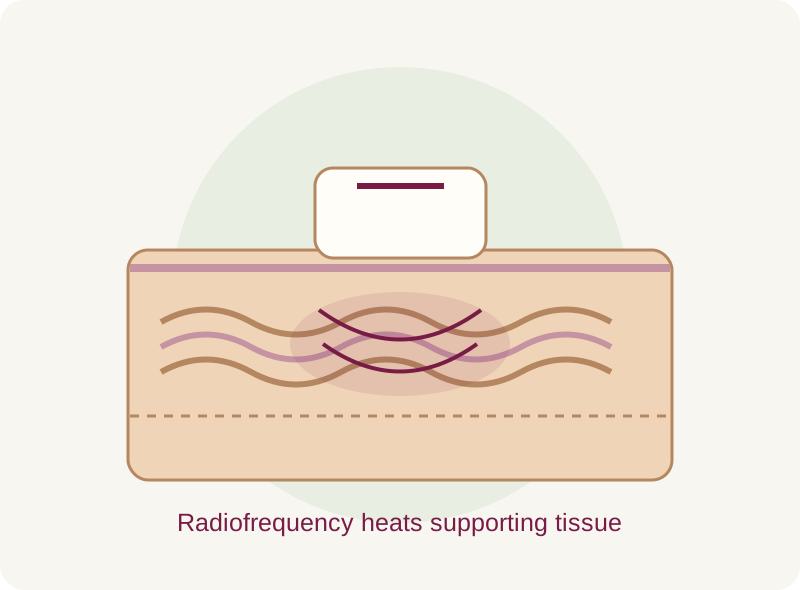
Selected RF or ultrasound devices may improve mild looseness. The exact device determines its target, suitable areas and recovery.
Explore surface RF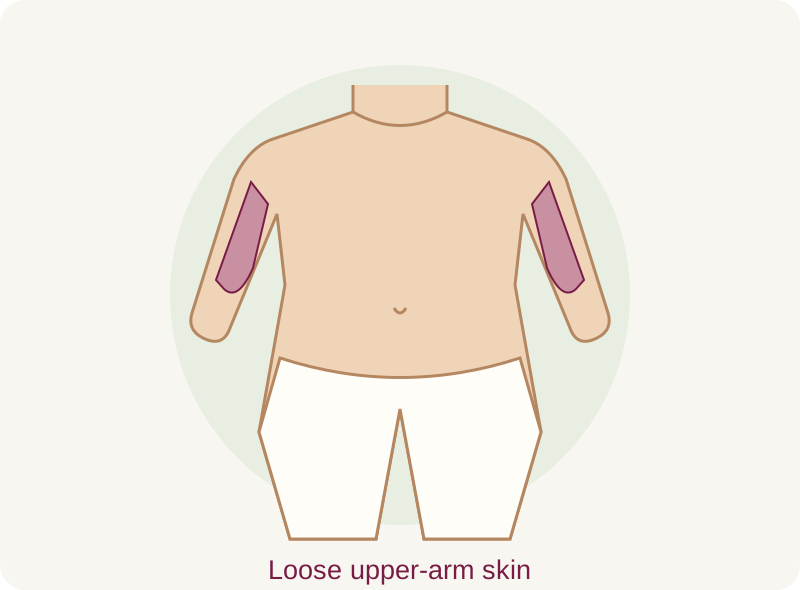
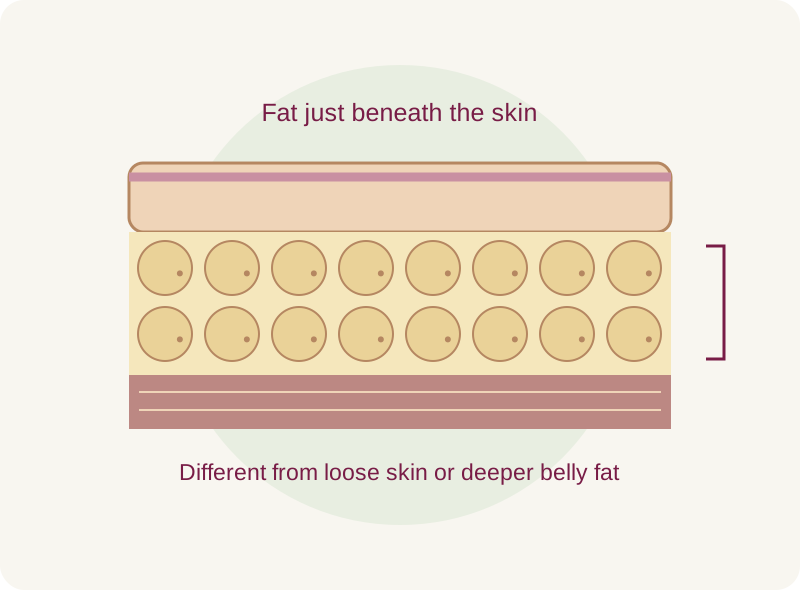
Skin laxity needs its own assessment. Removing fat alone does not remove excess skin, and can leave looseness more noticeable.
Understand skin laxity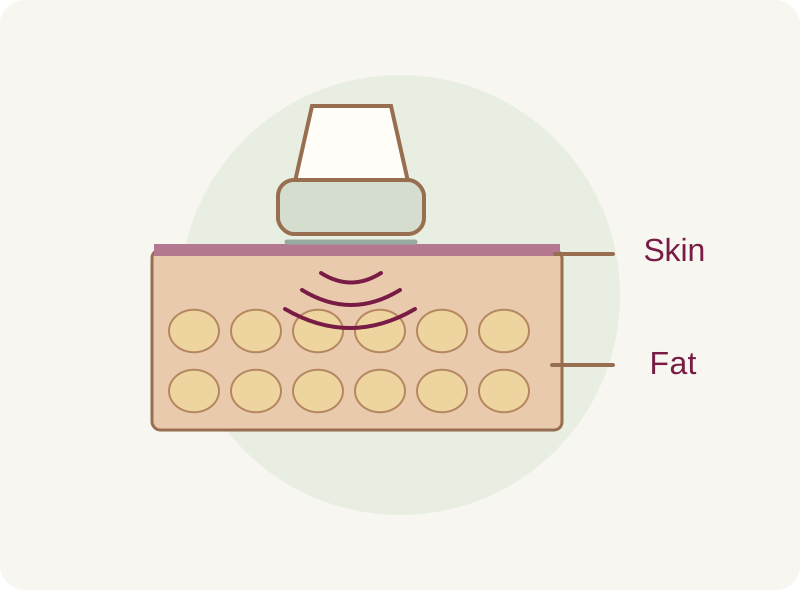
Selected ultrasound systems target local fat through the skin. Understand the device, its intended areas and the limits of contouring.
Understand cavitationFat transfer adds volume using your own tissue. Understand donor areas, ultrasound-guided placement, specific risks and recovery.
Explore fat grafting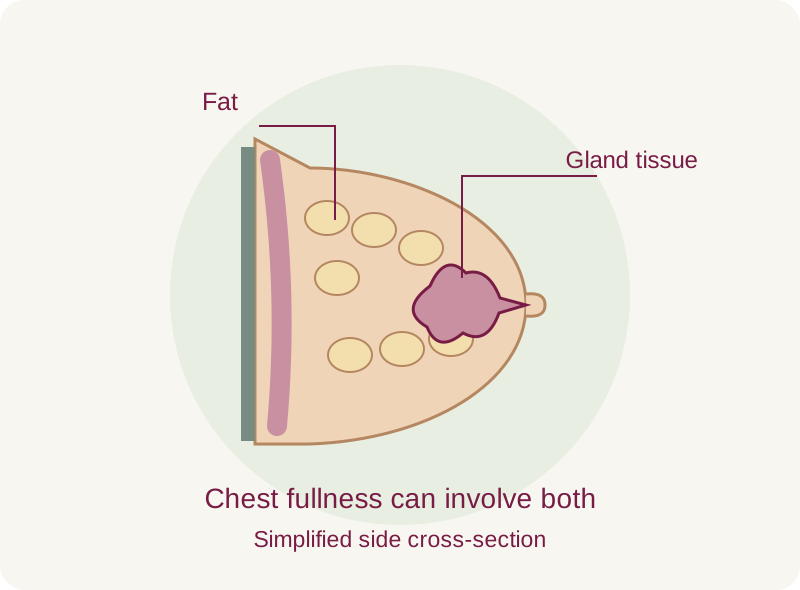
Male chest fullness may involve gland, fat or skin. Compare the assessment and surgical approaches that address each.
Explore gynecomastia care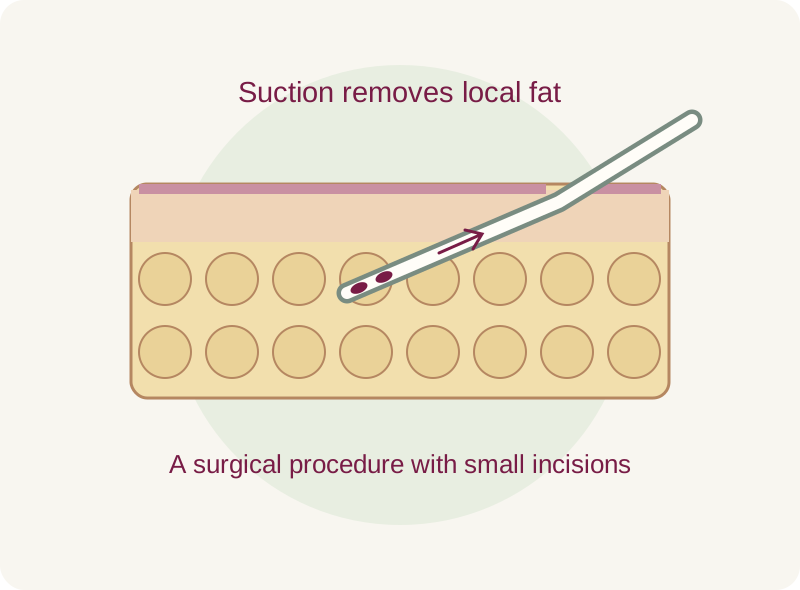
A surgeon removes selected fat through small incisions. Liposuction may offer a larger contour change than external devices, but involves anaesthesia, recovery and surgical risks.
Explore liposuction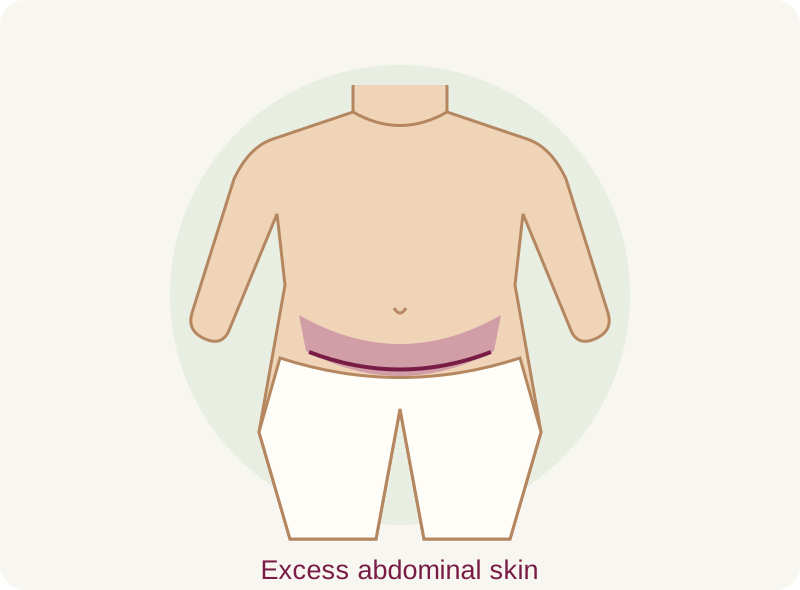
Abdominoplasty removes excess abdominal skin and may repair separated abdominal muscles. It leaves a scar and is different from fat reduction alone.
Explore tummy tuck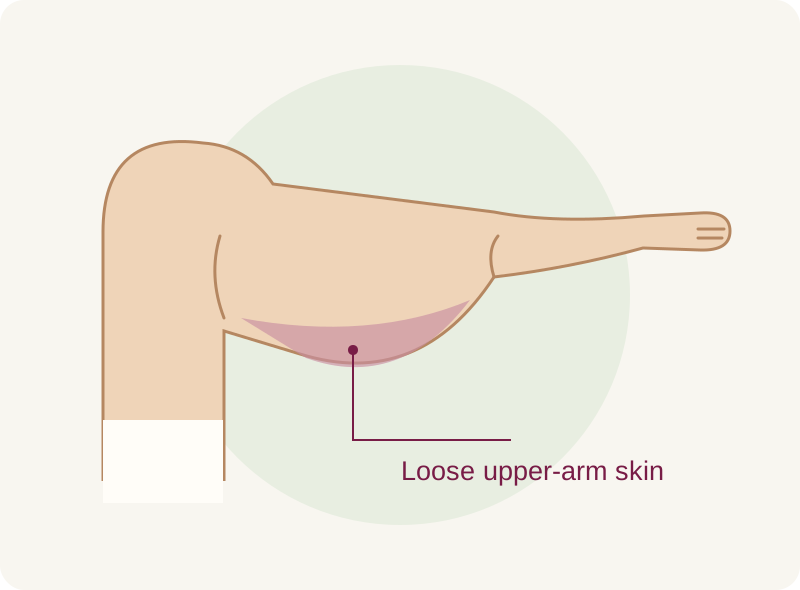
An arm lift removes excess upper-arm skin. Compare incision options, scar placement and recovery before deciding.
Explore arm lift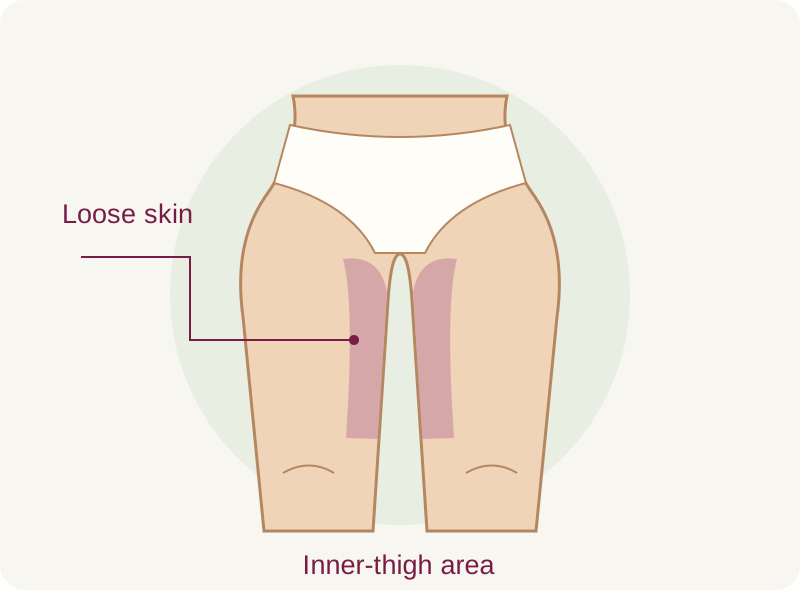
Thighplasty removes excess thigh skin. Compare inner and outer approaches, scars and the movement needed during recovery.
Explore thigh lift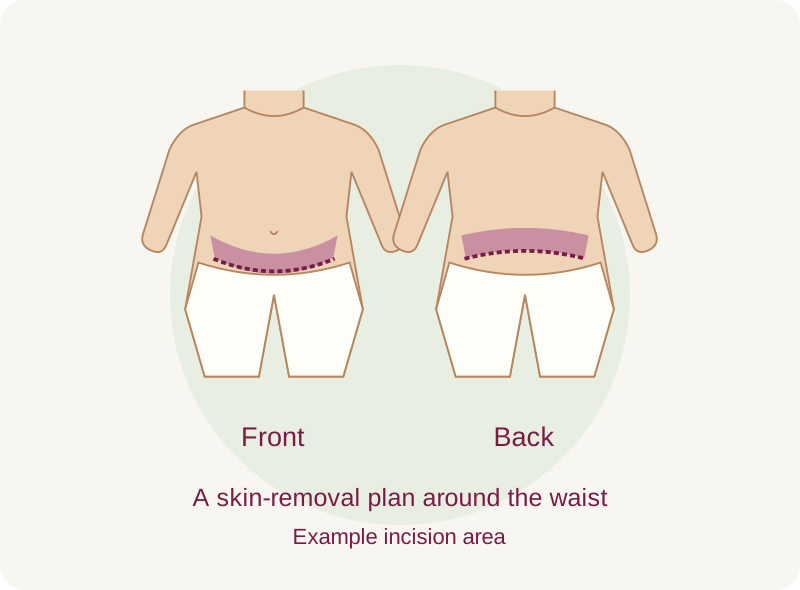
A wider lift may address loose skin around several body areas. Explore nutrition, priorities and whether procedures should be staged.
Explore care after weight loss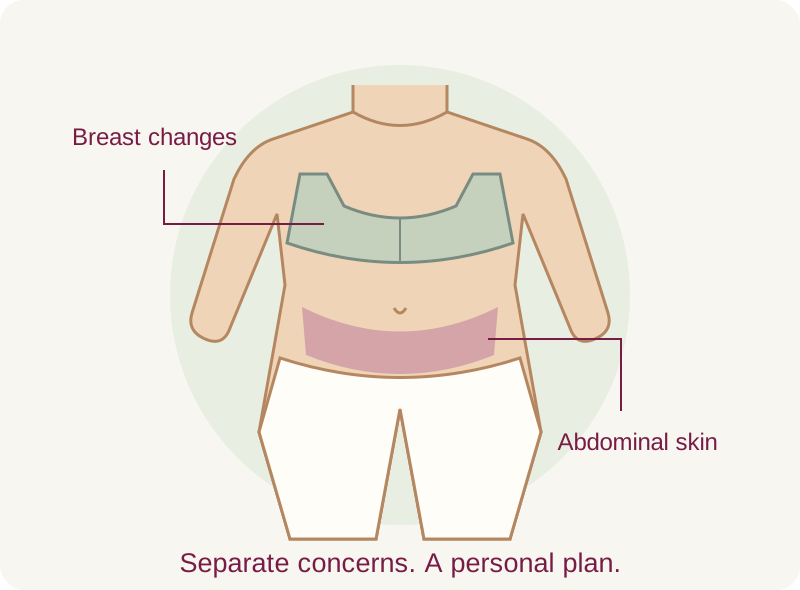
Compare breast and abdominal options after pregnancy, with timing, staged surgery and help during recovery.
Explore post-pregnancy optionsSignificant weight change can leave skin that no longer fits the underlying tissue. A device cannot remove a large skin fold; a plastic surgeon can explain the options and scars involved.
Weight stability, nutrition, future pregnancy plans and general health affect timing. More than one procedure may be discussed, but recovery and medical risk may make a staged plan more suitable.
Tell the clinician about medicines, smoking, diabetes, bleeding or clotting problems, pregnancy, implants and past surgery. Do not stop prescribed medicines on your own.
Fat, loose skin, a hernia and abdominal muscle separation need different assessment. New swelling or a painful lump should be examined before cosmetic treatment.
Compare the likely benefit with the recovery and risk. Your natural anatomy sets limits, and a particular waist size or perfect symmetry cannot be promised.
Explain what has changed and which area matters most to you. The clinician assesses skin, local fat and relevant health factors.
A device treatment and an operation require different expertise and checks. If surgery is being considered, confirm the plastic surgeon, facility and follow-up arrangements.
Ask about the actual device or procedure, expected improvement, alternatives and cost. Every part of a combined plan should have a clear purpose.
Discuss numbing or anaesthesia, time away from work, activity restrictions and help at home. Get the preparation instructions for your chosen method.
Use the written instructions and contact details provided. Report unexpected changes rather than waiting for a routine review.
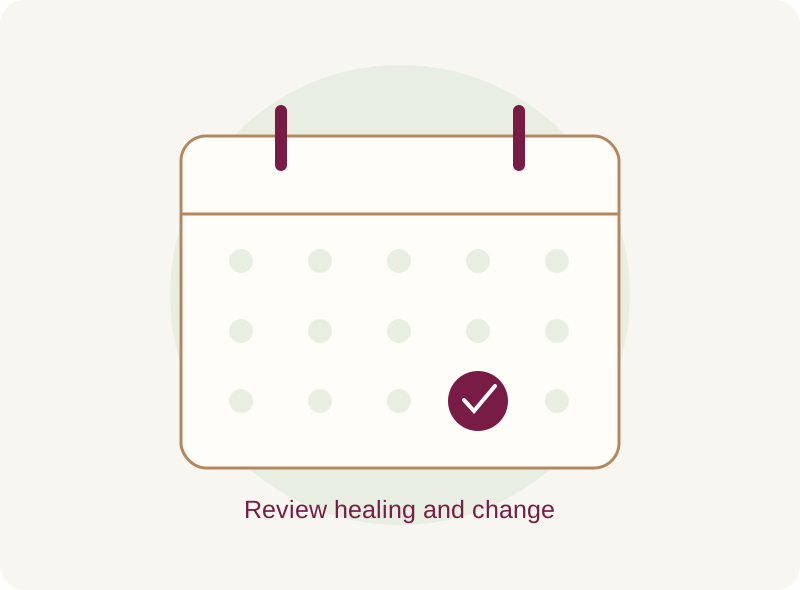
Compare consistent photographs once the response and healing can be assessed. Decide whether another stage is still useful for your goal.
Soreness, redness, swelling or altered sensation can occur. Heat and ultrasound can cause burns or tissue injury. Fat freezing has its own uncommon complications, including PAH.
You may need dressings, compression or drains, with limits on lifting and exercise. Surgical risks include bleeding, infection, poor healing, scars, fluid collections and blood clots.
Follow the team’s advice for wound problems, increasing redness, fever or worsening pain. Chest pain or shortness of breath after surgery requires urgent medical attention.
Non-surgical changes often develop gradually. After surgery, swelling and healing can obscure the final contour for months. Early measurements do not tell the whole story.
Weight changes, ageing and future pregnancy can affect the result. A stable routine supports maintenance, but no method guarantees a lasting body shape or stops normal change.
These verified Google excerpts describe general consultations and care. They do not identify a body-contouring procedure or demonstrate its results.
“The doctors listened carefully to my concerns and explained the treatment in a clear and professional manner.”
Consultation experience; condition not specified.
“She explained the treatment clearly and made me feel comfortable throughout the consultation.”
Consultation experience; condition not specified.
“The doctor took the time to understand my skin concerns and explained the treatment plan clearly, without rushing.”
Consultation experience; condition not specified.
“Very patient ,humble and polite to answer every single query and build confidence.”
Consultation experience; condition not specified.
“The doctors explained everything clearly and made me feel comfortable and confident.”
Consultation experience; condition not specified.
“The doctor took the time to listen to my concerns patiently and explained the treatment options clearly.”
Consultation experience; condition not specified.





No. Its purpose is a change to a selected body area. If you want overall weight loss or support for weight-related health concerns, begin with a weight-management assessment.
Some small fat pockets or mild looseness may be suitable for non-surgical care. Significant excess skin or a larger desired change may need a surgical opinion. It is also reasonable to decide against treatment.
No. Liposuction removes selected fat. A tummy tuck removes abdominal skin and may repair separated muscles. They may be discussed together, but each has a different purpose.
Not necessarily. The important questions are whether it is intended for the area, whether it addresses the tissue causing your concern, and what benefit and risk are realistic for you.
Sometimes, but the total procedure, anaesthesia, healing needs and your health matter. A staged plan can be more appropriate than treating every concern together.
Do not assume a contouring treatment will address them. Cellulite and stretch marks need separate assessment. A tummy tuck can remove only marks within the skin that is actually removed.
Discuss it once your weight is stable and your health and nutrition can support recovery. The clinician or surgeon should help decide timing; there is no single schedule that fits everyone.
Ask who will treat you, where it will happen, what the exact method is, what recovery involves and who handles complications. Confirm availability at your chosen clinic and understand the full plan before proceeding.
Discuss your body concern and understand the options that fit your needs.
Prefer a call? +91 9000 572727