
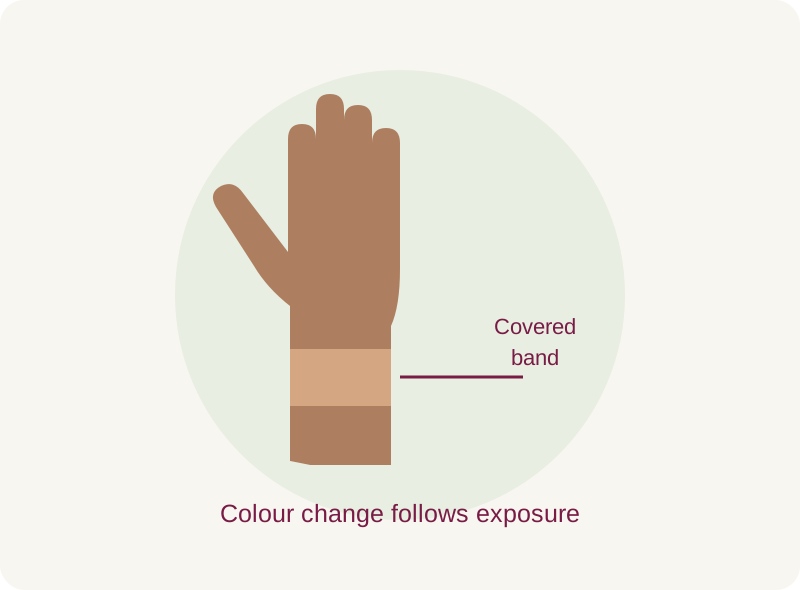
A tan on exposed skin
A recent colour change that follows exposure or clothing lines may be tanning. Fresh exposure can keep renewing it, so protection is the starting point.
Start with protection and recovery. If darkening persists or appears in patches, an assessment can help check whether it is a tan or a different pigment concern.

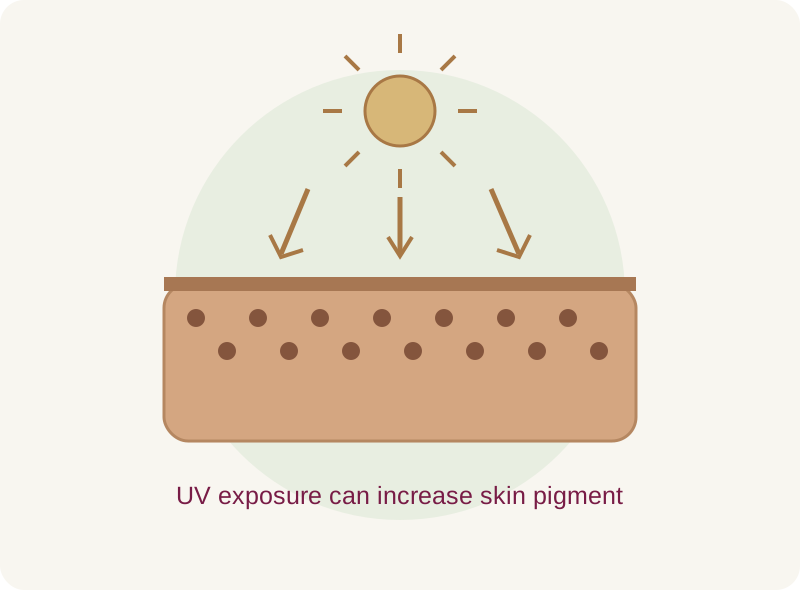
Sunlight contains ultraviolet radiation. In response to exposure, skin can produce more melanin and look darker. The change may be noticeable across exposed areas or around a sleeve, sandal or watch line.
A tan is not a protective treatment for the skin. Its colour may fade, but fading does not undo all the effects of UV exposure. Avoiding repeated exposure is more useful than repeatedly trying to scrub the colour away.
A recent colour change that follows exposure or clothing lines may be tanning. Fresh exposure can keep renewing it, so protection is the starting point.
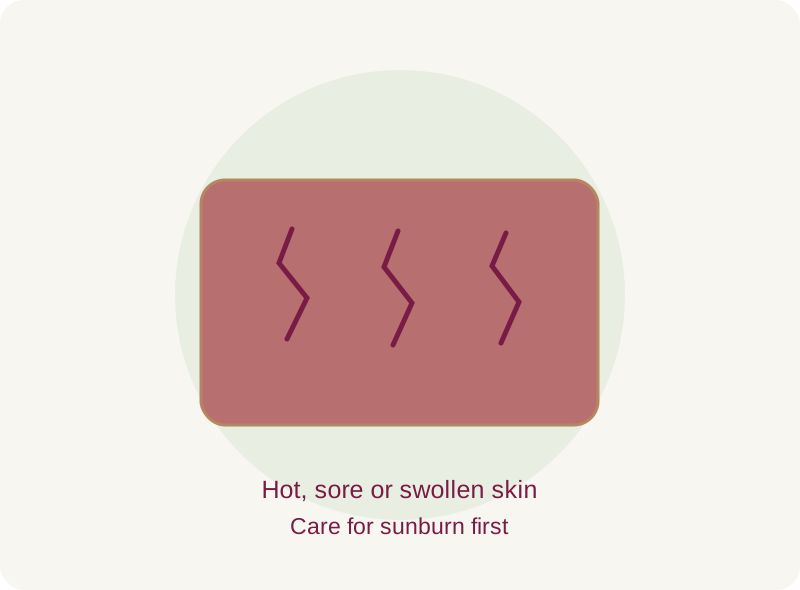
Skin that is hot, painful, swollen or blistered needs burn care first. Redness may be less visible in darker skin; discomfort and heat still matter.
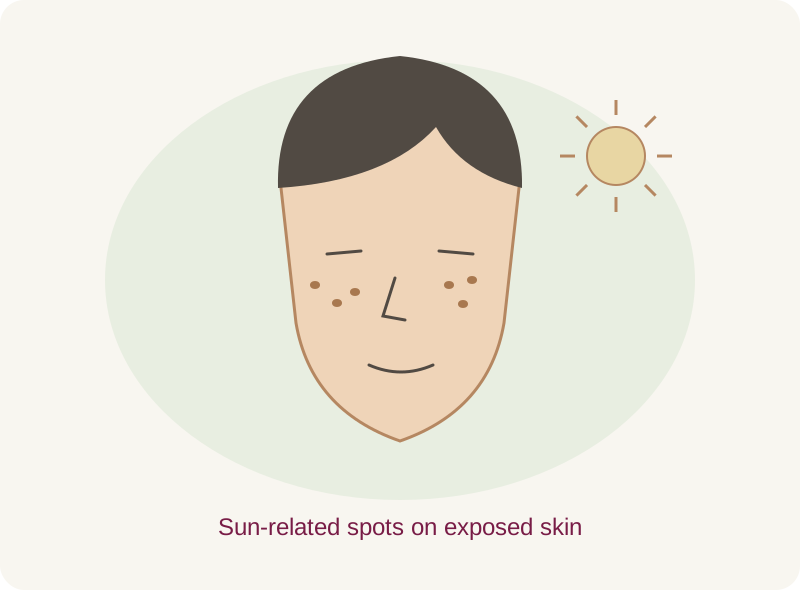
Individual sun spots, melasma or marks after irritation may remain after a tan fades. A changing spot should be examined before a peel or laser is considered.
Explore pigmentation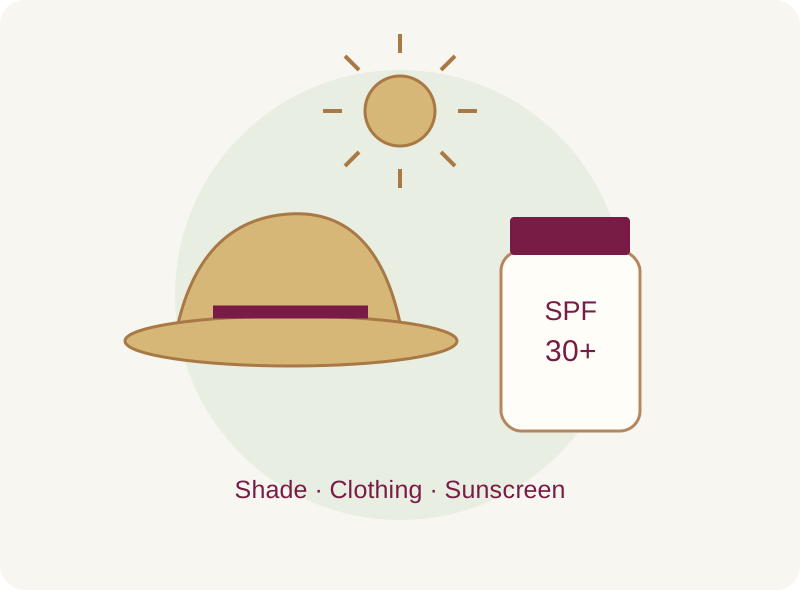
Use shade and suitable clothing. Apply a broad-spectrum, water-resistant SPF 30 or higher sunscreen to exposed skin and reapply when outdoors, especially after sweating or swimming.
Use gentle cleansing and moisturiser. If skin is sore after the sun, cool it with a damp cloth or cool shower. Avoid direct ice, scrubbing and peeling products.
Do not try to force peeling. The skin renews gradually; a persistent change needs its own assessment rather than ever-stronger home treatments.
A recent uncomplicated tan often needs a period without repeated exposure. A treatment package is not automatically necessary.
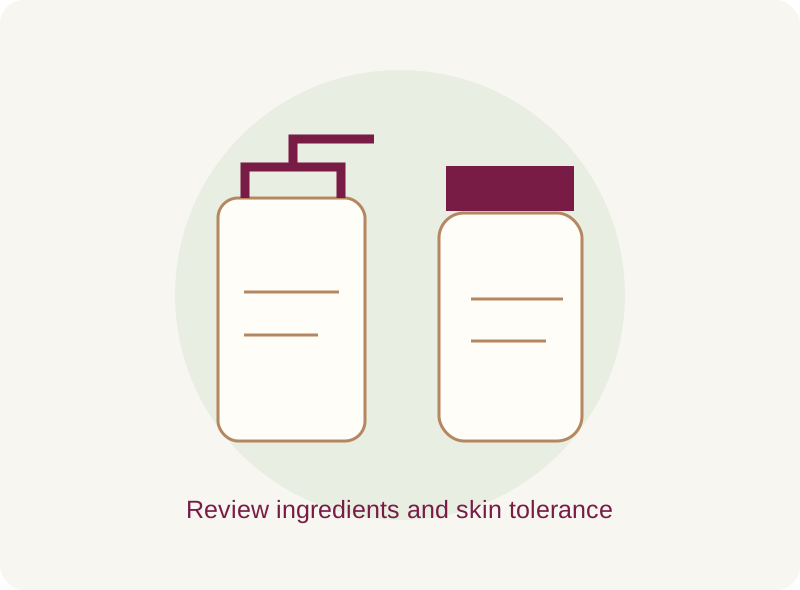
If the concern is persistent excess pigment, selected topical care may be considered after the skin has recovered. The ingredient, tolerance and diagnosis matter.
Explore pigment skincare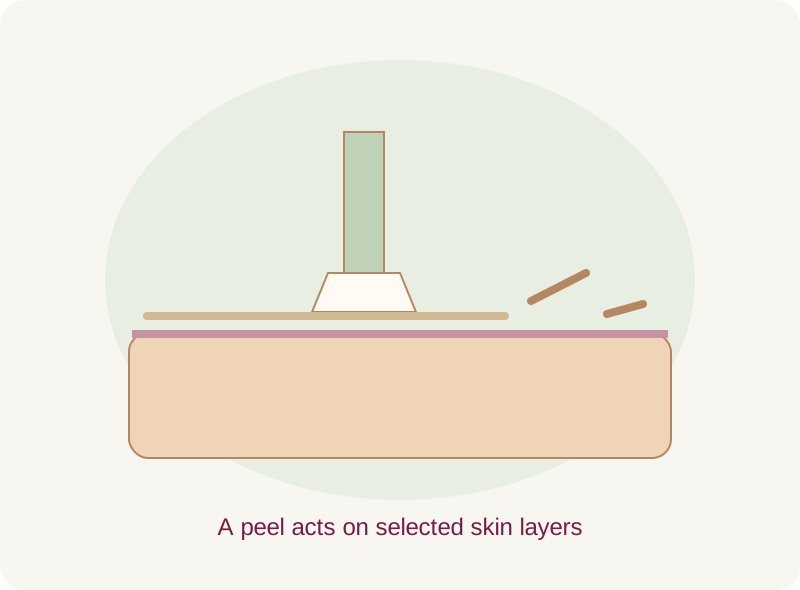
A peel may be considered for certain surface pigment concerns. Recent sun exposure, sensitivity and a tendency to develop marks affect timing and strength.
Explore chemical peels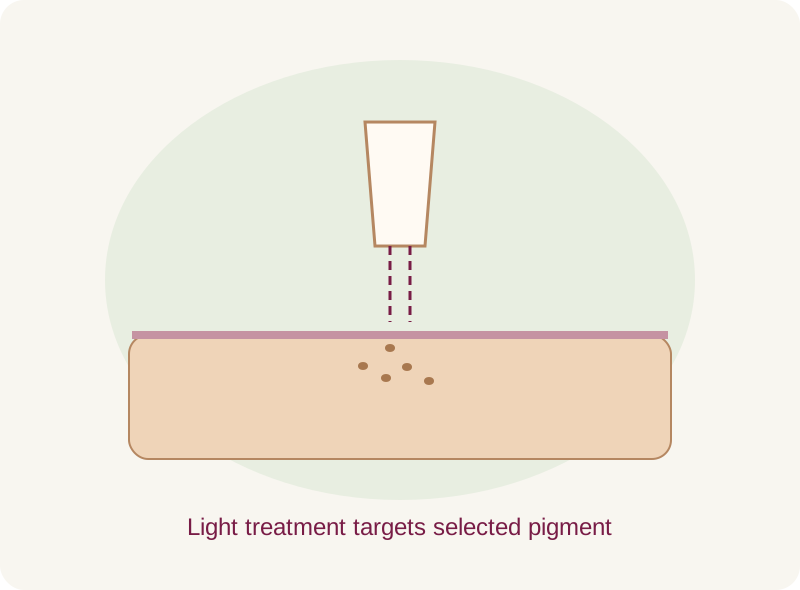
A laser is not a routine shortcut for a fresh tan. A dermatologist may consider it for a diagnosed persistent concern after reviewing burns and pigment-change risks.
Explore laser toningMention outdoor work, travel, swimming, recent tanning and how the colour has changed. Bring previous photographs if useful.
The clinician looks for burn, sensitivity and pigment patterns. A fresh tan may be a reason to delay a cosmetic procedure.
Discuss work hours, sports and travel so the plan fits your routine. Sunscreen is one part of protection alongside shade and clothing.
Ask which specific mark a product or procedure would target, what preparation it needs and what risks apply to your skin.
Fading varies with exposure, skin response and whether there is another pigment condition. There is no reliable one-session or fixed-day promise.
Report a growing, bleeding or non-healing mark. A colour change that stays or worsens should be reassessed rather than assumed to be a stubborn tan.
Lemon juice, strong acids and repeated abrasive scrubs can irritate skin. That irritation can leave another colour change instead of solving the first one.
Let flaking skin settle on its own. Avoid popping blisters or using a strong exfoliant on areas that remain sore.
Tell your clinician if avoiding sun is difficult. A peel or laser may need different timing when work or sport means regular exposure.
There is no single timetable for everyone. Repeated exposure, the depth and type of colour change, and your skin’s response all affect what you notice. A patch that is actually melasma or a sun spot will behave differently from a recent tan.
The aim is to help the skin recover and assess unwanted persistent marks. A temporary brighter look after a facial does not prove that UV damage has been reversed or that a permanent colour change has been achieved.
Original skin clarity and pigmentation cases from Layers Clinics. Individual results vary.
Showing all 6 photographs
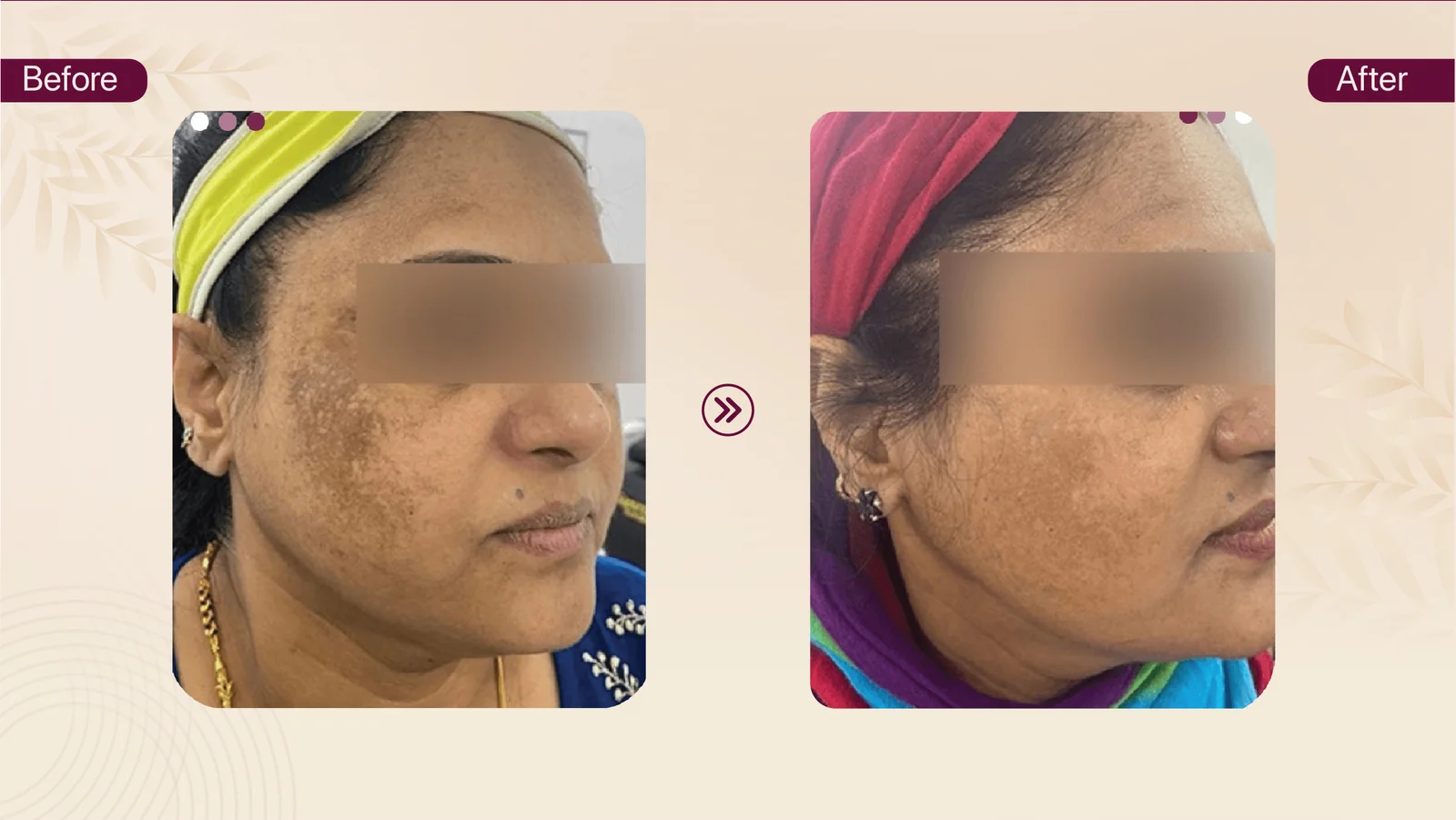
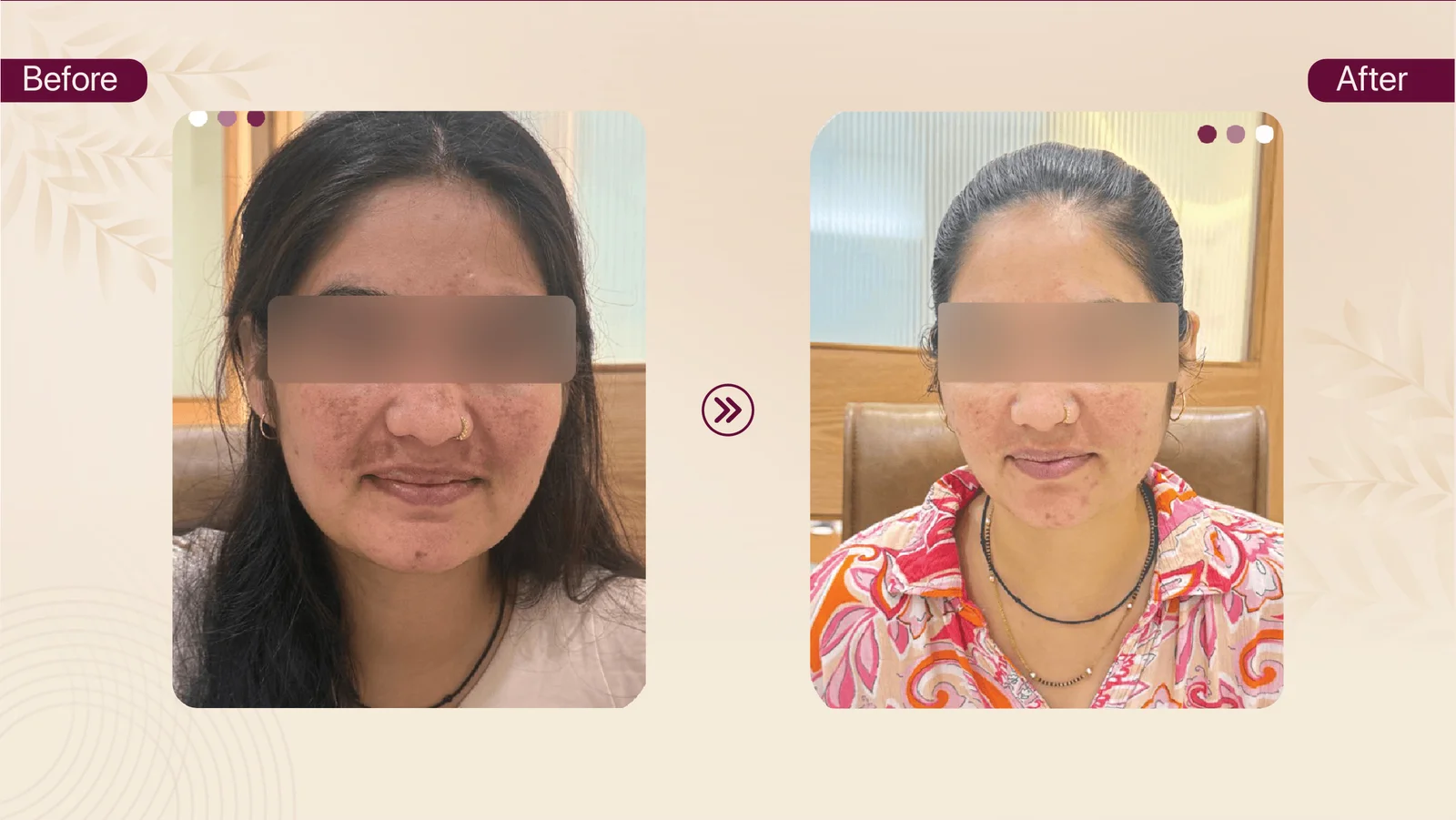
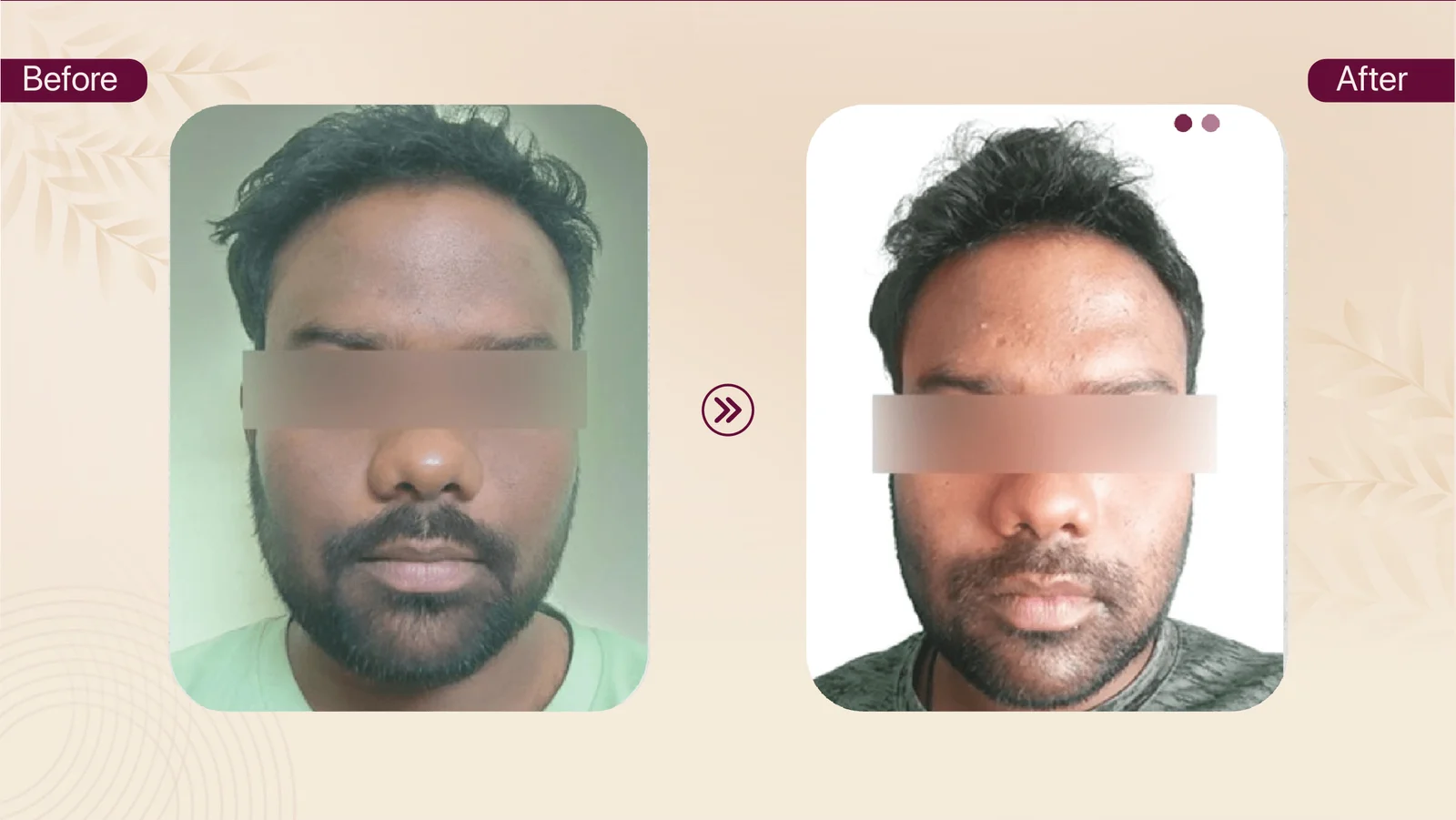
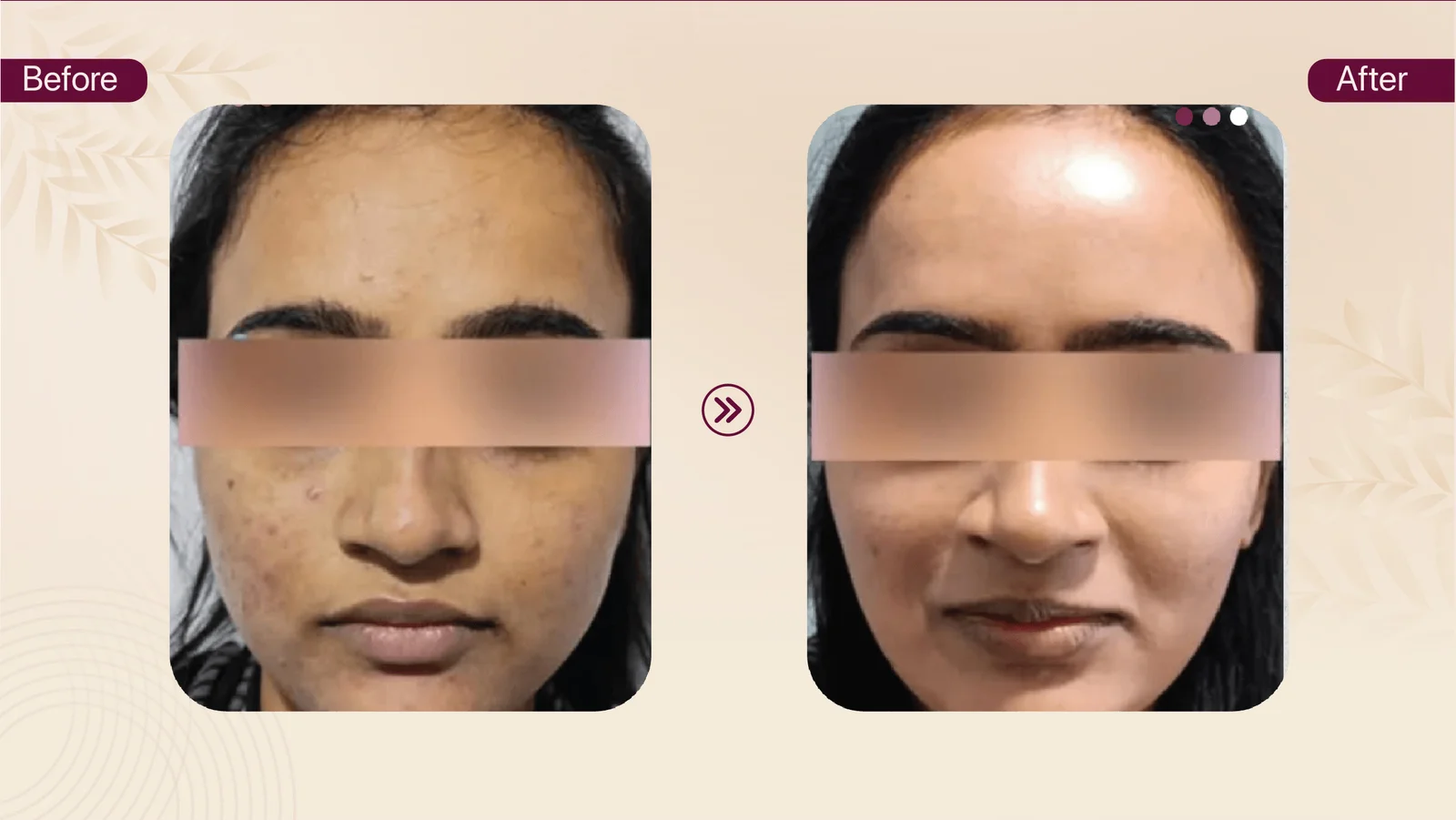
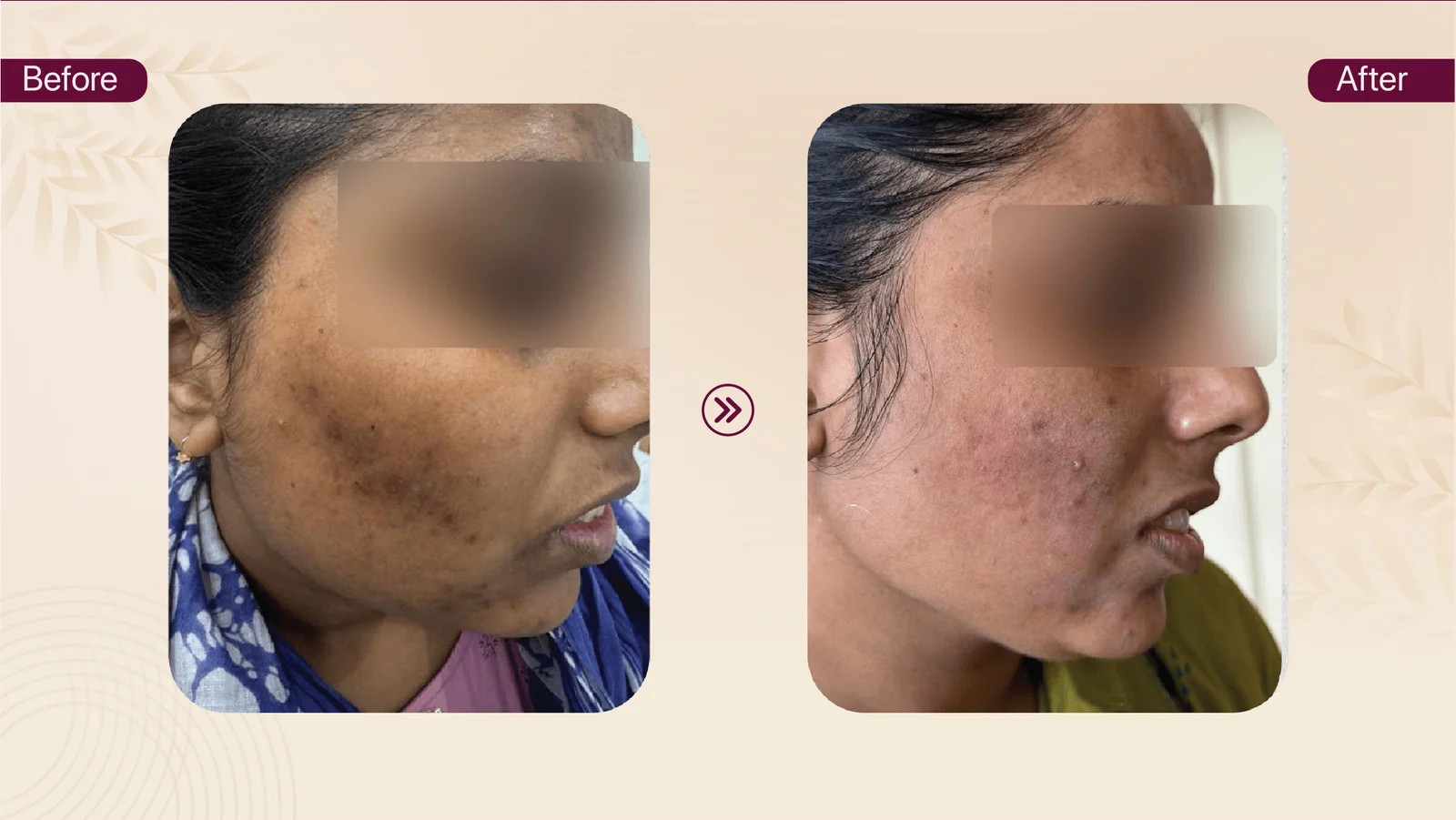
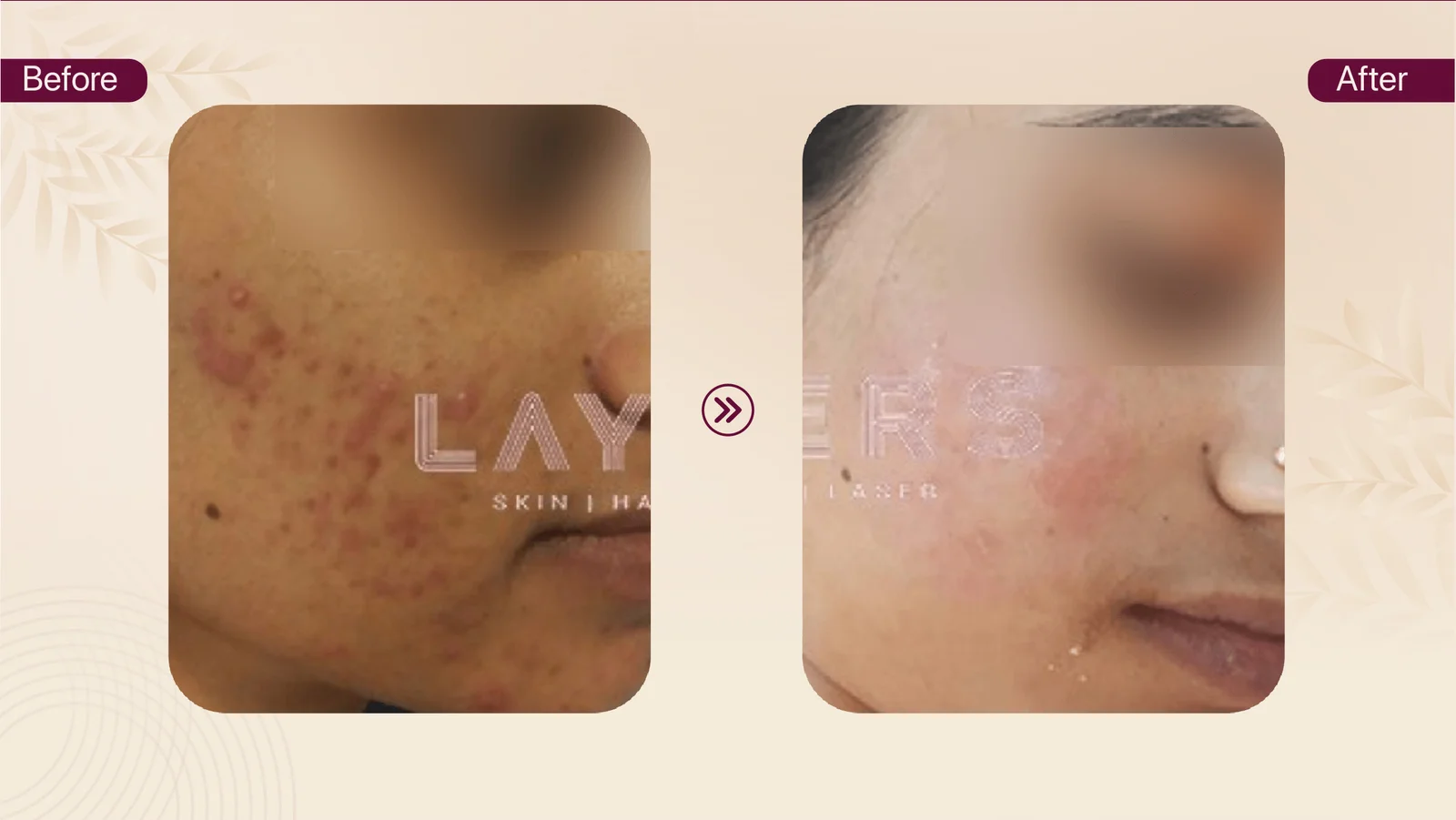
Individual results vary. These photographs show specific cases, not guaranteed outcomes. Original image quality, lighting and angles may differ. Your doctor can explain what may be possible for you.
These original Google excerpts describe pigmentation-related care, including some combined treatments. They are not evidence of a specific tan-removal result.
“I have been taking Q-switch laser treatment for my pigmentation cure. And it is working good. I have started getting results.”
“I took Q-switch laser and HydraFacial sessions, and I can already see improvement.”
Combined Q-switch and Hydrafacial care.
“Had a peel in layers for my pigmentation. Results are really satisfactory”
“I recently visited kakinada layers. so I consult about pigmentation it's very good I got very good results thank you layars”
“Visited here for my pigmentation problem, I found quit good results in 3 sessions hope for more better results”
















A one-session promise is not reliable. A recent tan may settle with protection and time; persistent marks may have a different cause and need a separate plan.
It does not provide enough protection. Continue to use shade, clothing and sunscreen even if your skin already looks tanned.
Yes. Pain, heat and swelling matter even when redness is harder to see. All skin tones need appropriate UV protection.
No. Scrubbing harder can cause irritation and more marks. Avoid exfoliation while the skin is burned or sensitive and discuss persistent colour changes with a clinician.
Tell the clinic about recent exposure or tanning before the visit. It can affect the risk of burns and pigment changes, so treatment may need to be postponed.
Sunscreen helps reduce further exposure; it is not an instant colour-removal product. It supports the skin while existing colour changes settle.
Not always. Separate sun spots, melasma and marks after irritation can remain independently. New or changing spots should be checked rather than treated as ordinary tanning.
No. The visible colour and the effects of UV exposure are not the same. Continue protecting the skin and have concerning marks assessed even after a tan fades.
Discuss persistent marks, sun exposure and a routine that fits your day.
Prefer a call? +91 9000 572727