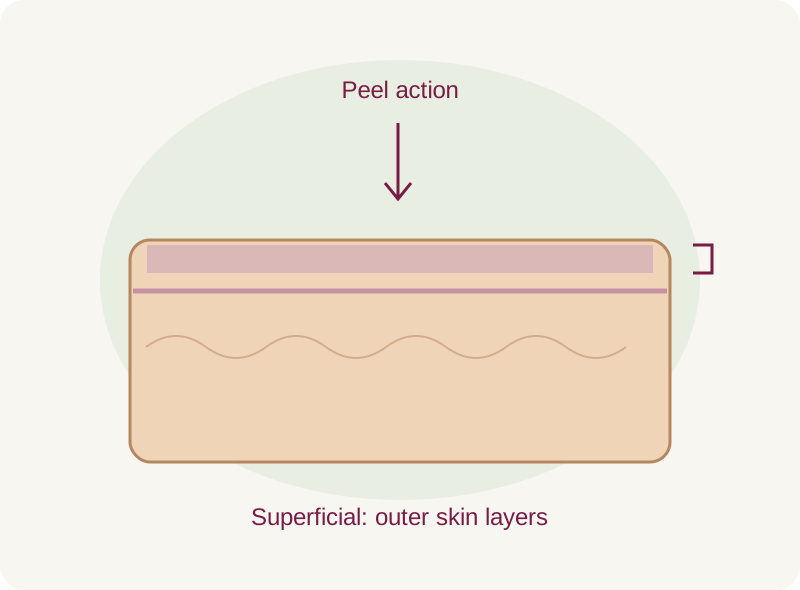
Superficial peels
These act in the outer layers and may suit selected congestion, roughness or surface marks. Recovery is usually shorter, but irritation and colour change remain possible.
A peel uses a selected solution to remove outer skin layers. The choice depends on your concern, skin tone and the recovery you can plan for.
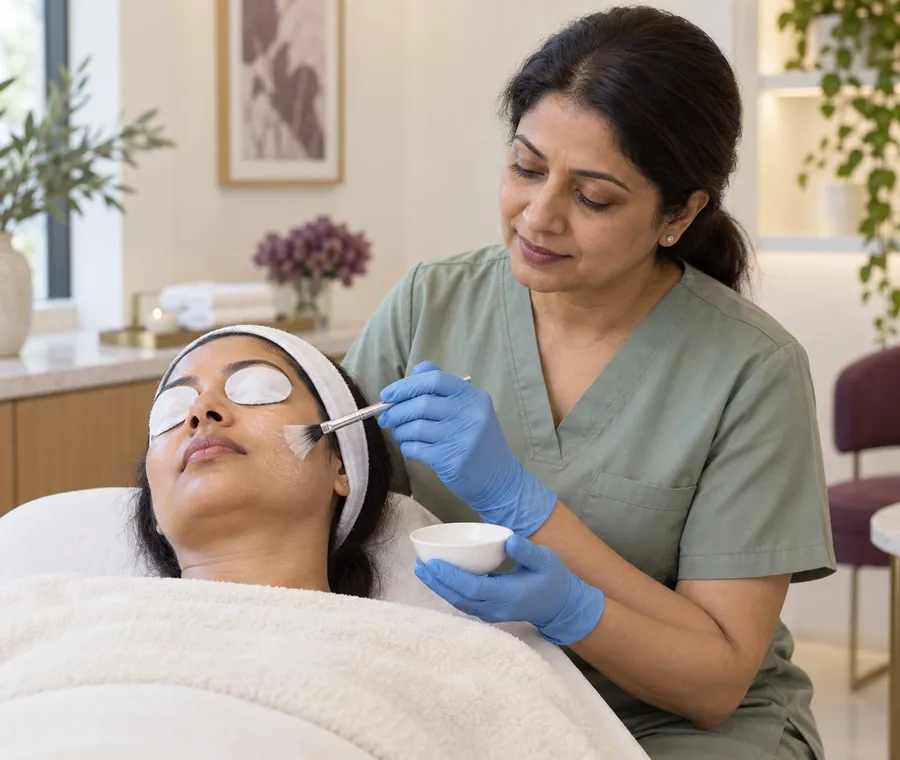
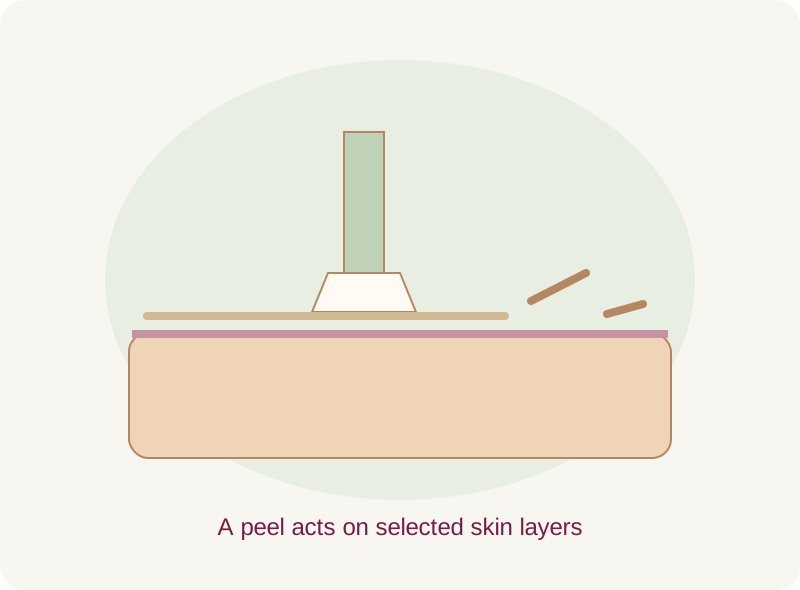
A chemical peel applies a solution that produces controlled exfoliation. As the skin heals, its surface texture or uneven colour may improve.
Peels differ in ingredients and depth. Glycolic, lactic and salicylic acids are examples used in superficial peels; other preparations can reach deeper. The formula and treatment plan matter more than a name alone.
These act in the outer layers and may suit selected congestion, roughness or surface marks. Recovery is usually shorter, but irritation and colour change remain possible.
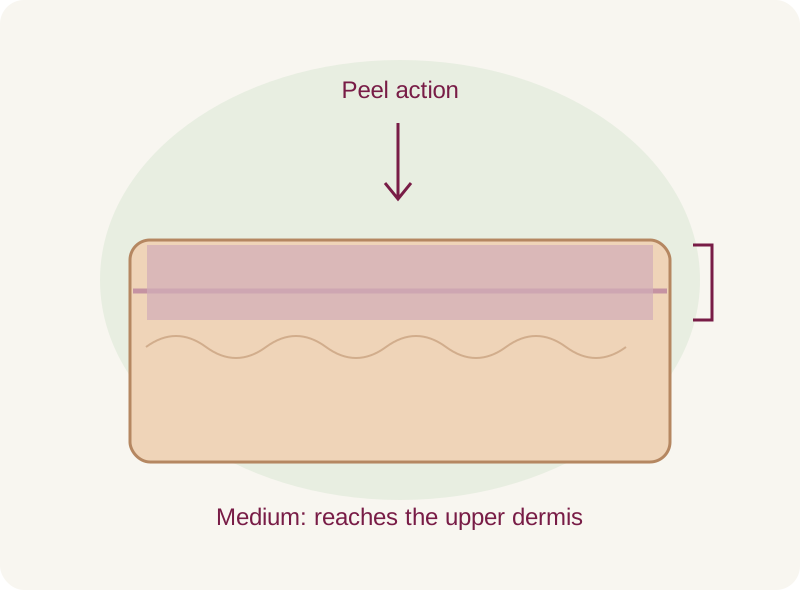
These reach further and involve more visible healing and aftercare. Skin tone, scarring risk and the concern being treated need careful assessment.
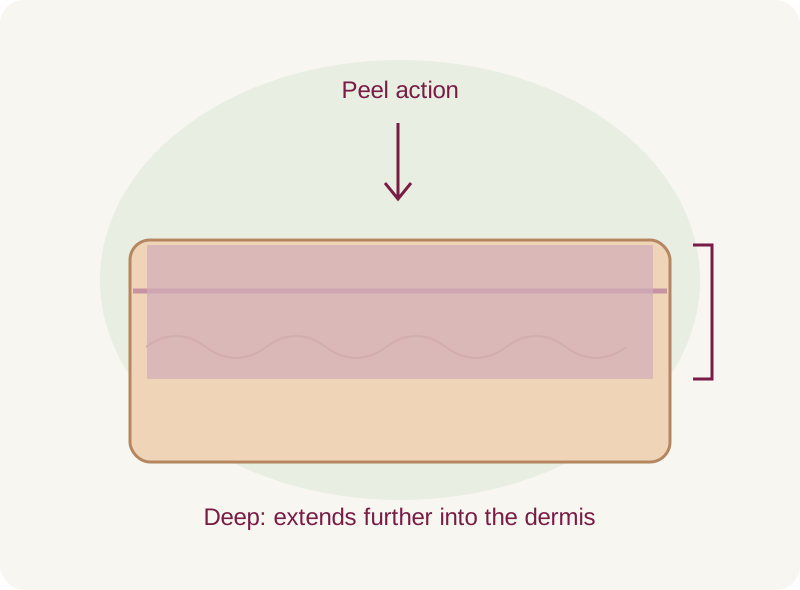
Deep peels are a more intensive specialist procedure with longer healing and additional risks. They are not a routine upgrade to a facial peel.
This comparison explains peel depth. Your consultation determines the appropriate preparation and whether it is offered for your situation.
Understand this product family, its facial and body variants, and the care it needs.
Explore BioRePeel
Compare enzyme and acid ingredients rather than assuming every pumpkin facial is the same.
Explore pumpkin facial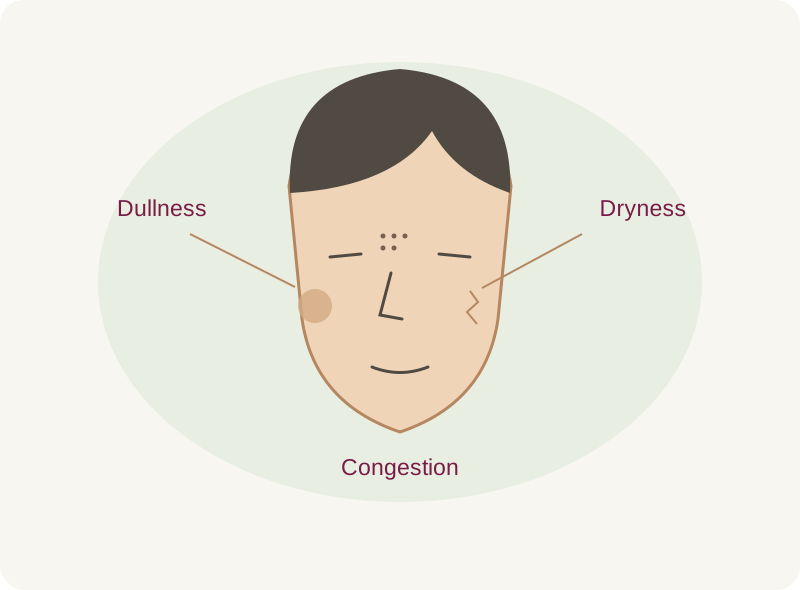
Some peels may improve uneven texture, clogged pores or selected pigment marks. Deep scars and skin laxity need a different discussion.
Active infection, broken skin or significant irritation may mean postponing. Mention cold sores, allergies, previous reactions and medicines.
Skin that develops dark marks after irritation needs particular care. Ask about the chance of darker or lighter patches and how it will be reduced.
Recovery and sun avoidance differ with depth. Choose timing that allows you to follow the aftercare and attend any reviews.
Share your skincare, medicines, previous procedures and healing history. Discuss pregnancy or breastfeeding and any history of cold sores.
Some people need prescribed preparation first. Confirm which products to pause, what to expect and the aftercare before the appointment.
The practitioner prepares the skin and protects sensitive areas before applying the selected solution.
The peel is monitored and removed or neutralised according to the preparation used. Tell the practitioner about severe burning or unexpected discomfort.
The skin receives the appropriate finishing care. Deeper treatment can need more intensive wound care and review.
Do not pull away peeling skin or add scrubs and strong products. Follow the cleansing and moisturising instructions for your peel.
Follow sun-protection advice and confirm when to restart makeup, exercise and active skincare. Contact the clinic if pain, swelling or irritation is worsening.
Light peels can cause temporary tightness, redness or flaking. Medium and deep peels involve more healing and follow-up. Ask for a timeline based on the actual peel you will receive.
Possible complications include persistent irritation, infection, altered pigmentation and scarring. Protect the skin and follow the written plan rather than trying to speed up peeling.
Visible shedding depends on the product and skin response. It is not a reliable measure of how successful treatment will be.
The skin needs to recover before further treatment. Repeat sessions should be based on response and the original concern.
Before-and-after photographs shared by Layers showing clinical peel transformations and pigment reduction. Individual results vary.
Showing all 4 photographs
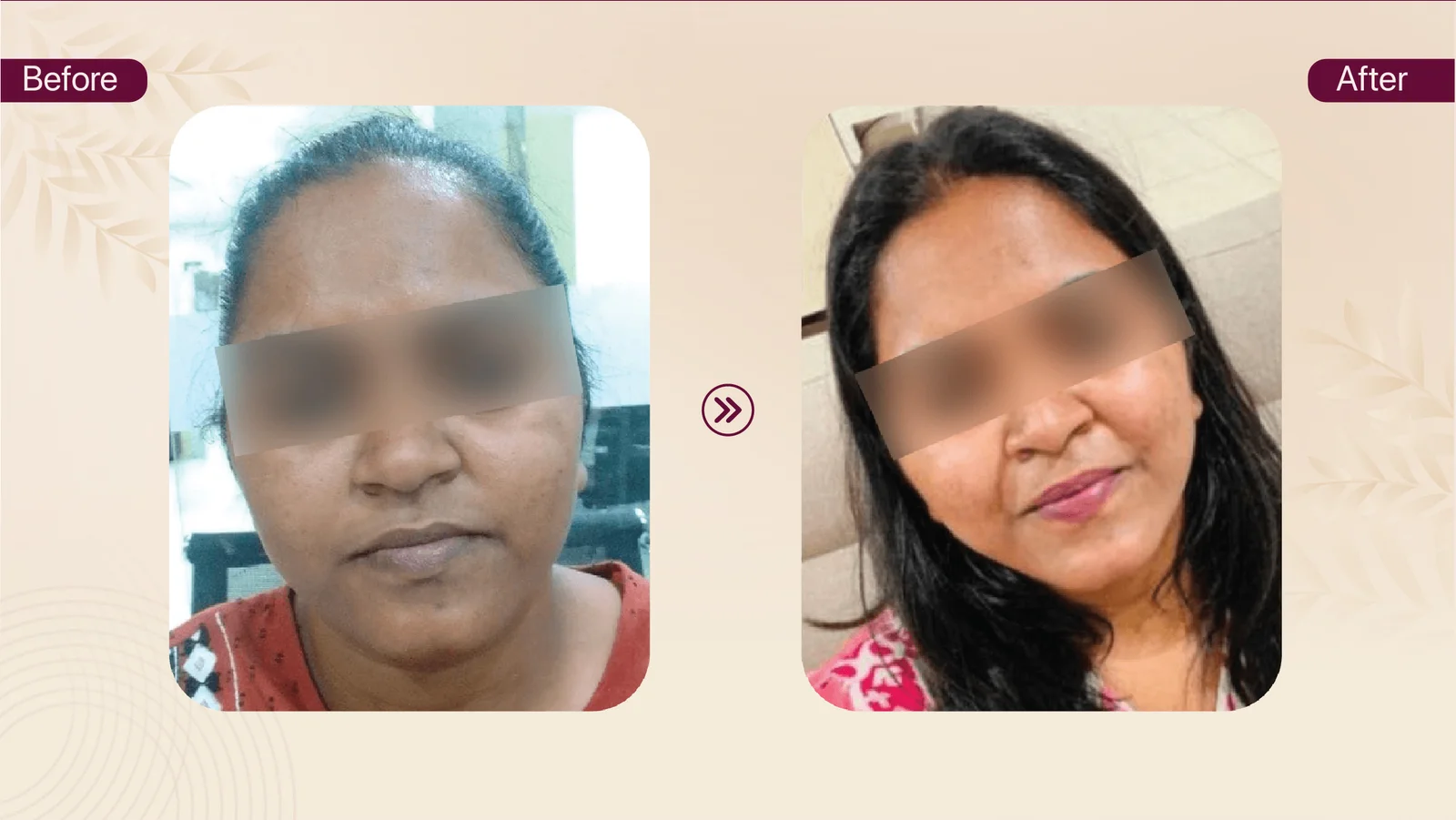
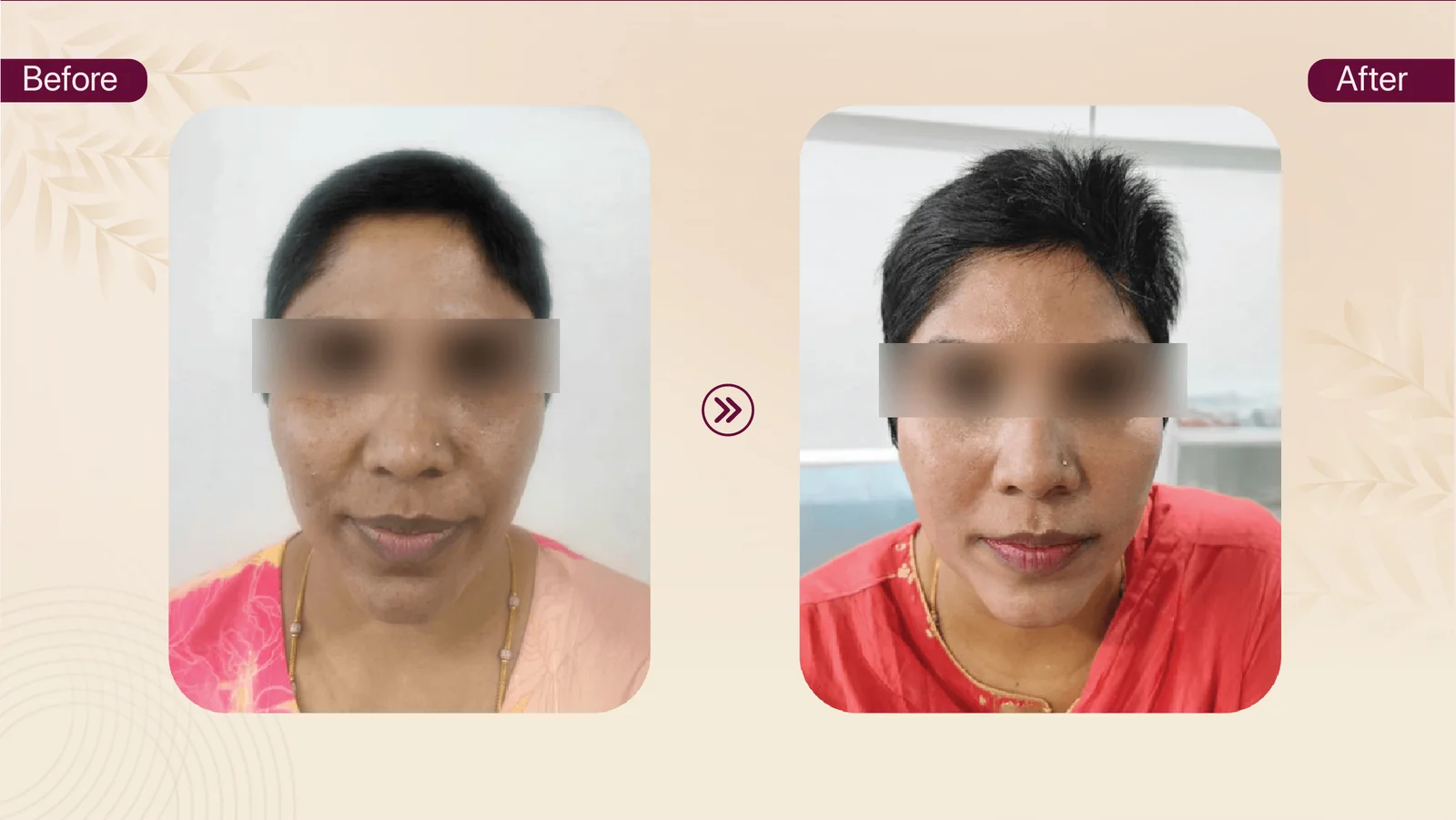
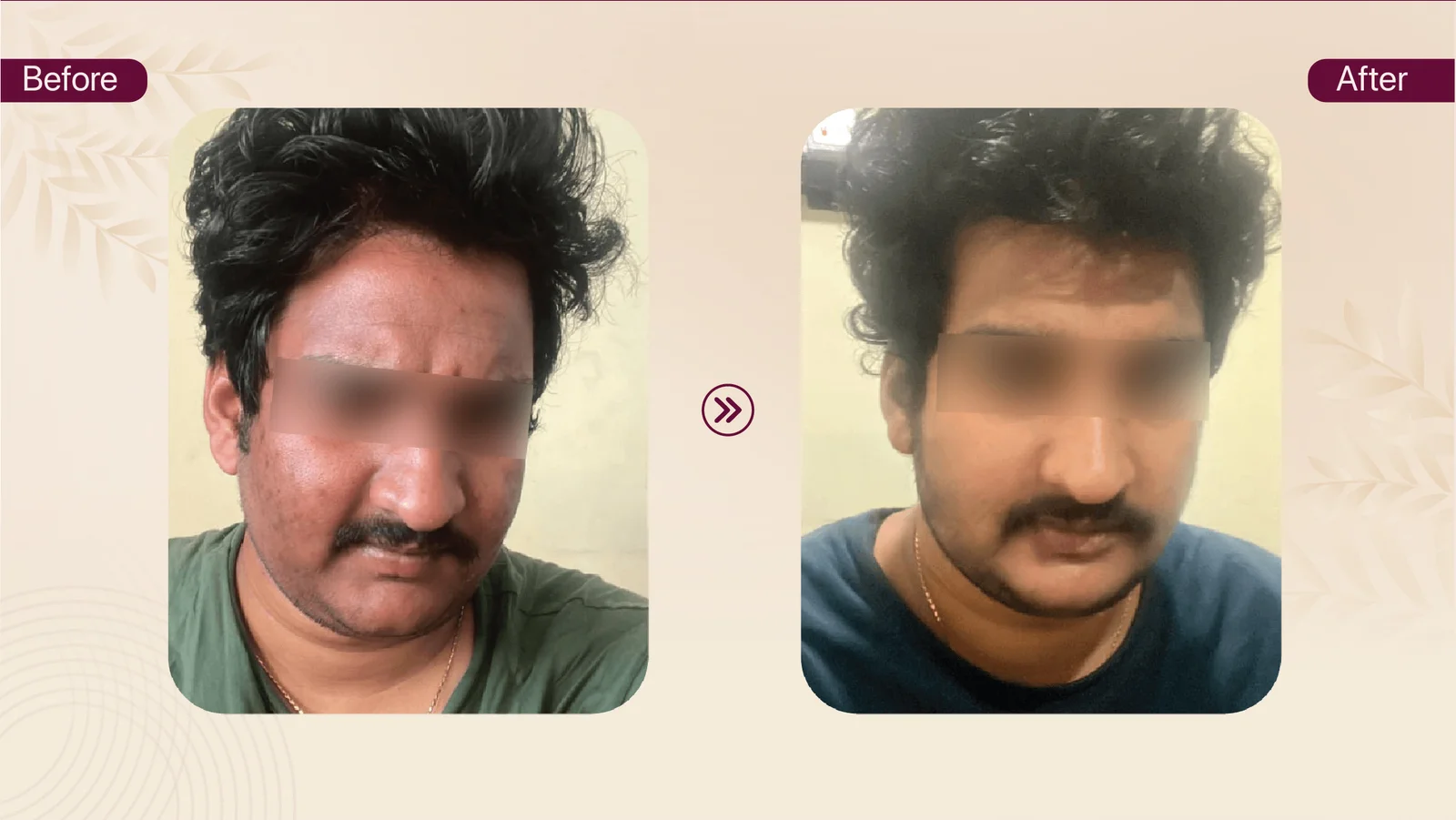
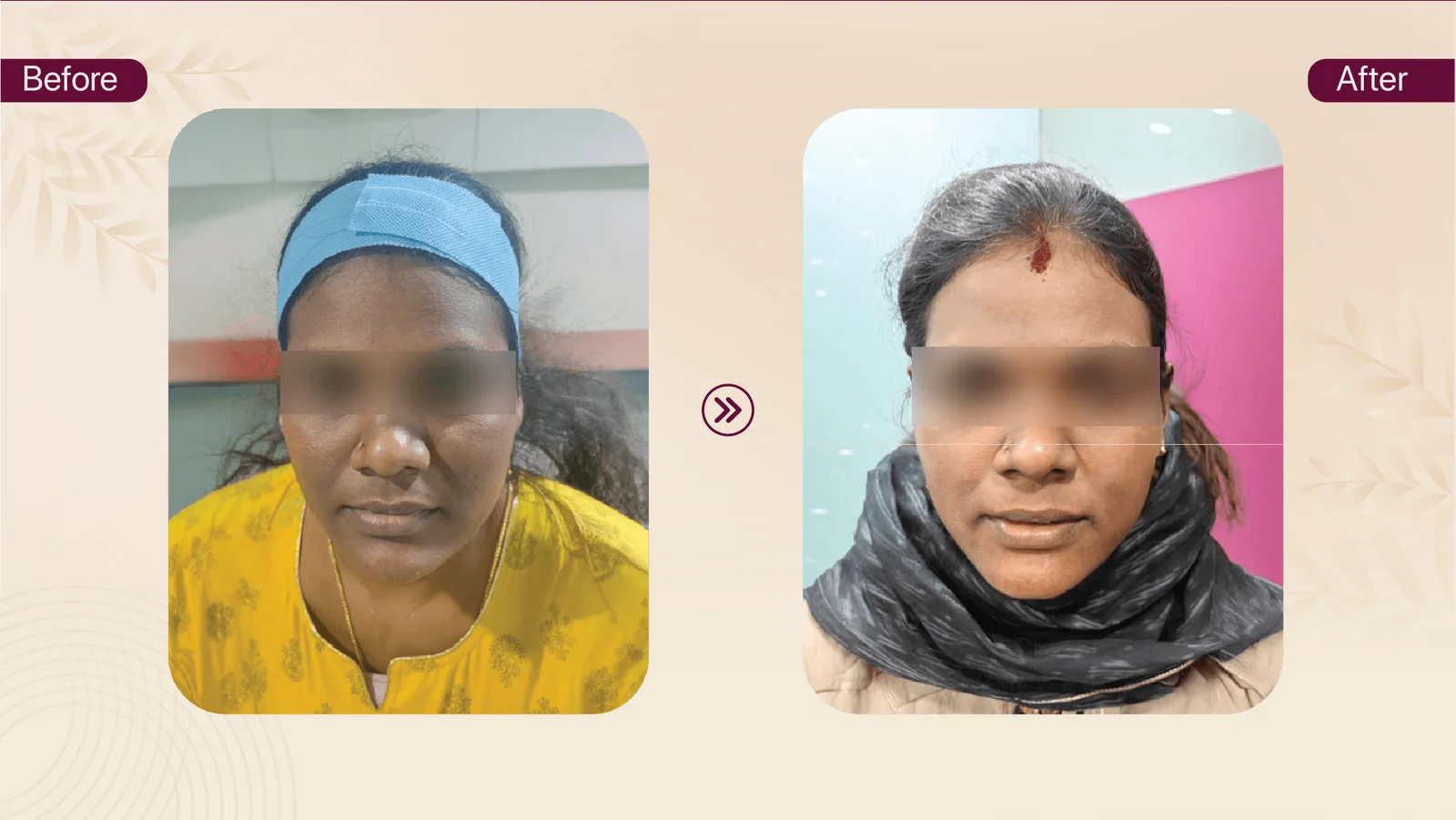
Individual results vary. These photographs show specific cases, not guaranteed outcomes. Original image quality, lighting and angles may differ. Your doctor can explain what may be possible for you.
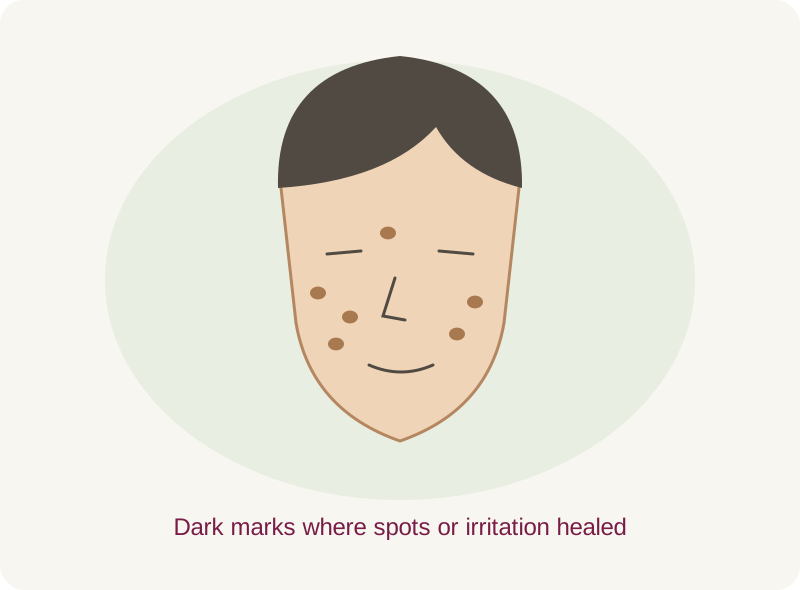
Find out why dark spots and patches appear and which options may suit the cause.
Explore pigmentation care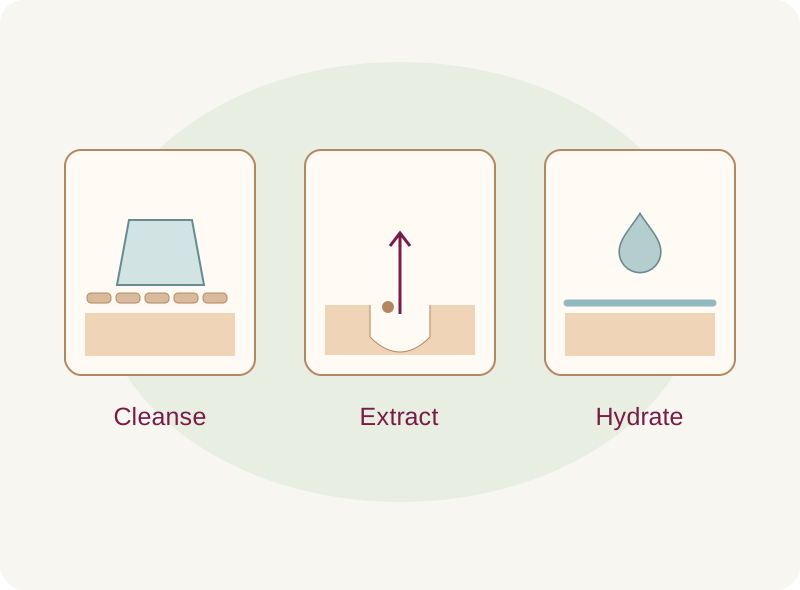
Compare a device-assisted cleansing and hydration treatment with a standalone peel.
Explore HydrafacialChemical-peel experiences at Layers, including combined care with Q-switch laser or skin boosters. Individual results vary.
“Had a peel in layers for my pigmentation. Results are really satisfactory”
“doctor have been suggested peels I can see good results in 2sessions I completed my 4 session”
Peels for under-eye pigmentation.
“I have opted for skin Q switch treatment with combination of skin peels sessions this is my 5th session results are great”
Combined Q-switch and chemical-peel care.
“I had chemical peel and Q-switch treatment at Layer Clinic and I’m very happy with the results.”
Combined Q-switch and chemical-peel care.
“I took qswitch and chemical peel for my face and body the treatment result is excellent. I'm satisfied with the treatment”
Combined Q-switch and chemical-peel care.
“I recently got a Q-Switch treatment and a chemical peel here, and the whole experience was fantastic”
Combined Q-switch and chemical-peel care.
“Got chemical and Q switch done ! Loved the effect with in 2 sessions only !”
Combined Q-switch and chemical-peel care.
“Currently getting my chemical peel done and it’s already showing good results with just 3 sessions.”
“she did an excellent job with my skin booster and chemical peel. The results look so natural and I’m really happy with them.”
Combined skin-booster and chemical-peel care.
“I had a wonderful experience with my laser and peel treatment here.”
Combined peel and laser care; laser type not specified.
















That depends on the concern, skin tone, sensitivity, products you use and the recovery you can manage. A consultation is more useful than choosing the strongest acid.
Some peels can be suitable with careful selection and an experienced clinician. The risk of pigment change needs to be discussed, especially with deeper treatment.
It may, but not every superficial peel causes obvious sheets of peeling. Avoid picking and follow the care instructions even when shedding is mild.
No. Flat dark acne marks and structural scars need different care. Deep or tethered scars may need other treatments.
The timing depends on peel depth and healing. Ask for instructions for your specific treatment rather than applying makeup over irritated or unhealed skin.
Your practitioner will explain when to restart retinoids, acids and other active products. Using them too soon can increase irritation.
Products and strengths differ. Do not copy a clinical treatment at home or combine strong peeling products without guidance.
Skin continues to change with sunlight, ageing and the underlying condition. Ongoing care and review may be needed to maintain improvement.
Ask about the peel, preparation and recovery that fit your needs.
Prefer a call? +91 9000 572727