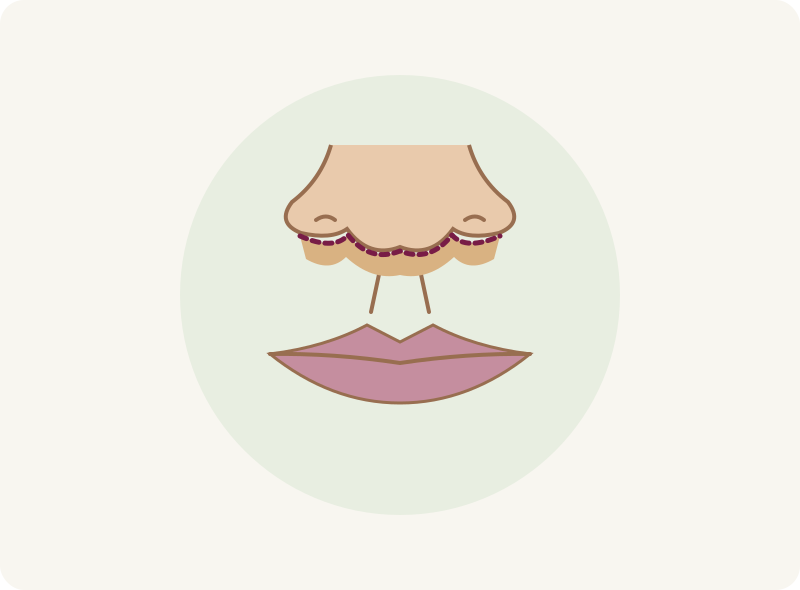
Subnasal lift
Often called a bullhorn lift, this uses access beneath the nose to shorten the upper-lip skin. Central and other limited variants change the extent of the lift.
A lip lift changes lip position. Explore how it differs from adding volume, where incisions may sit and what to consider before surgery.

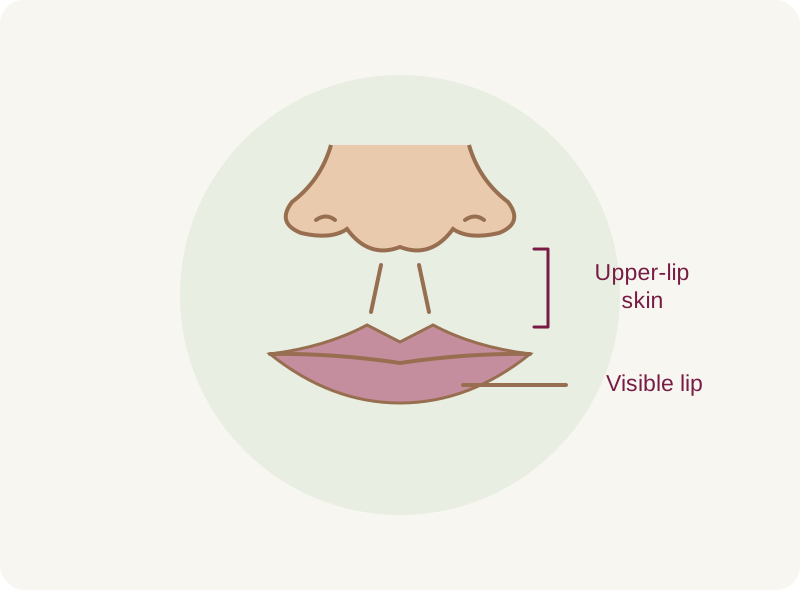
An upper lip lift removes selected skin above the lip to shorten the distance beneath the nose and show more of the coloured lip. A corner lift has a different aim: changing the position of the mouth corners.
The operation changes tissue position rather than adding filler. Facial proportions, lip movement and the scar location all matter when deciding whether it fits your goal.
Often called a bullhorn lift, this uses access beneath the nose to shorten the upper-lip skin. Central and other limited variants change the extent of the lift.
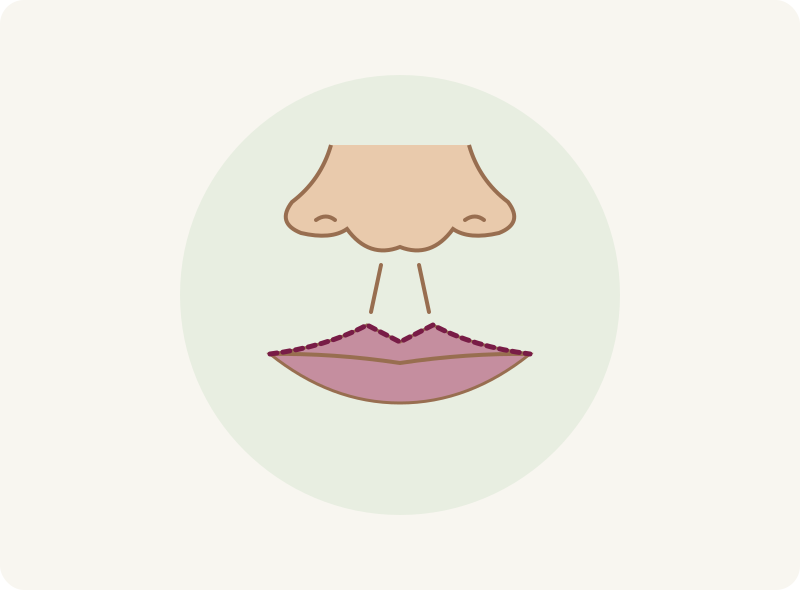
Access along the upper lip border can change its definition. This places a scar in a different, more exposed area than an under-nose approach.
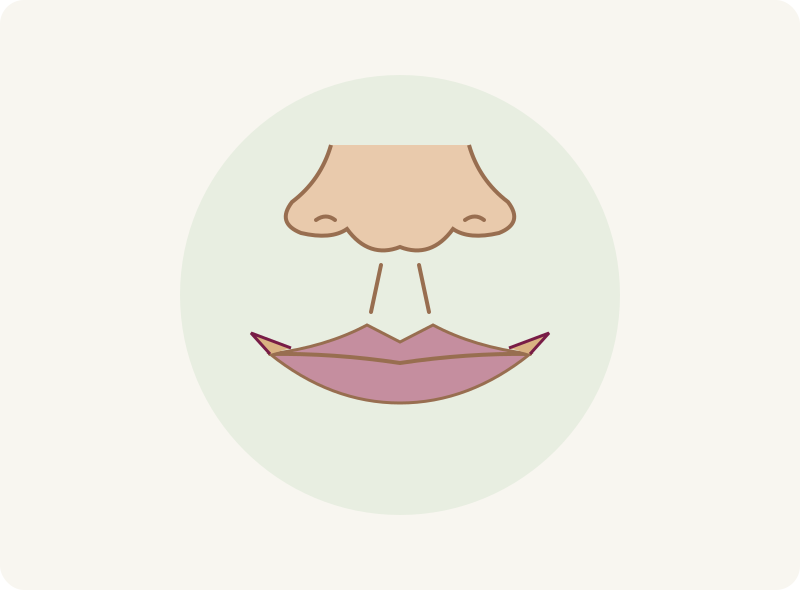
This targets downturned mouth corners. It is distinct from shortening the central upper lip, and has its own scar and symmetry considerations.
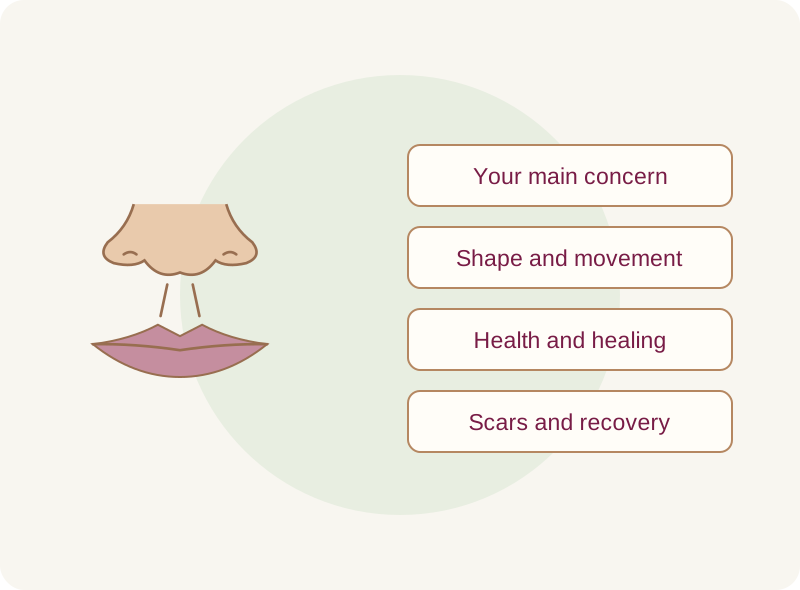
Explain whether your concern is the distance below the nose, the amount of visible lip, corner position or volume. These goals are not interchangeable.
The surgeon examines lip length, symmetry, tooth show and movement at rest and when smiling. There is no single ideal measurement for every face.
Share previous lip or nose procedures, fillers, medicines, nicotine use, cold sores and unusual scarring. The assessment may favour another option or no surgery.
Surgery changes tissue position and leaves a scar. The change is lasting, although ageing continues.
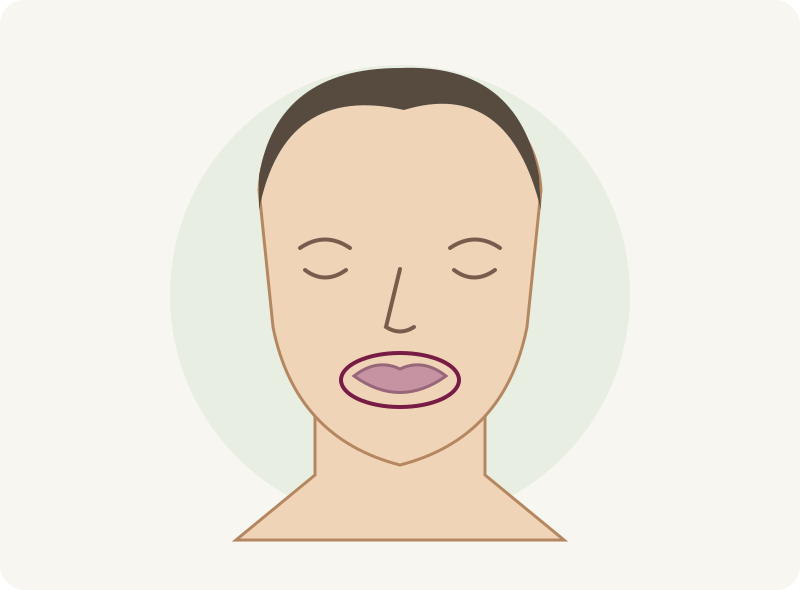
Injected filler adds volume for selected concerns. It is temporary and carries its own risks; it does not remove upper-lip skin.
Understand fillers
Pigment changes colour and definition. It does not shorten the upper lip or add physical volume.
Understand lip tintingDiscuss health, medicines and past procedures. The surgeon assesses the lip in relation to the nose and smile, and explains the proposed incision.
Confirm the surgeon, setting, anaesthesia and follow-up. Arrange help and transport. Follow the agreed preparation plan; medication changes need the prescribing clinician’s agreement.
Local anaesthesia is often used; combined operations may need a different anaesthetic plan. The surgeon makes the agreed incision and removes selected skin.
The tissue is brought into the planned position and closed with stitches. The incision differs for a corner or direct lift. The team checks you before discharge.
Follow instructions for cleaning and prescribed care. Softer food may be helpful initially; ask about mouth movement and avoid stretching or rubbing the wound.
Your team checks healing and removes stitches when needed. Get advice before resuming makeup near the wound, strenuous activity or other lip treatments.
Lips can swell noticeably and feel tight after surgery. Bruising, soreness and a visible incision can affect social plans. Allow recovery time even when the operation is short.
Early healing and the final appearance are different milestones. Swelling, scar colour and lip comfort can continue to change over the following months. Your surgeon should guide your return to normal activities.
A scar may fade but can remain noticeable, widen or become raised. Its position depends on the approach; no incision is guaranteed to be invisible.
Asymmetry, too much or too little correction and an unwanted lip contour are possible. Revision can be more complex than the original decision.
Bleeding, infection, persistent swelling, altered sensation or nerve injury may occur, alongside anaesthetic risks. Discuss how these would be managed.
These Google reviews describe general consultations and care at Layers. They are not lip lift outcome reports.
“The doctors listened carefully to my concerns and explained the treatment in a clear and professional manner.”
Consultation experience; condition not specified.
“She explained the treatment clearly and made me feel comfortable throughout the consultation.”
Consultation experience; condition not specified.
“The doctor took the time to understand my skin concerns and explained the treatment plan clearly, without rushing.”
Consultation experience; condition not specified.
“Very patient ,humble and polite to answer every single query and build confidence.”
Consultation experience; condition not specified.
“The doctors explained everything clearly and made me feel comfortable and confident.”
Consultation experience; condition not specified.
“The doctor took the time to listen to my concerns patiently and explained the treatment options clearly.”
Consultation experience; condition not specified.
















No. A lift changes tissue position; filler adds volume. Which, if either, fits your goal depends on an assessment.
It can change visible lip and tooth show. The surgeon should examine both your resting face and smile, and explain the intended change and its limits.
A corner lift targets that area. It is a separate approach from a central upper-lip lift and needs its own scar discussion.
No. A scar remains, though it may soften and fade. Its visibility varies with location, skin and healing.
Removed skin cannot simply be put back. A further operation may address selected concerns, but cannot guarantee restoration of the original appearance.
Not necessarily. The decision should follow your goal, rather than treating filler as a routine extra. Wait for healing and reassessment before considering another procedure.
The surgical change is lasting, but ageing continues to affect the lip and surrounding skin. It does not guarantee an unchanged appearance for life.
Ask about the surgeon’s relevant experience, exact approach, scars, alternatives, recovery support and management of complications. Take time to decide without pressure.
Discuss position, volume and scars before deciding on the next step.
Prefer a call? +91 9000 572727