
Hair fall care
Exosomes are tiny particles released by cells. Their use in hair care is still developing. Understand the idea, the limits of the evidence and the questions to ask before choosing treatment.
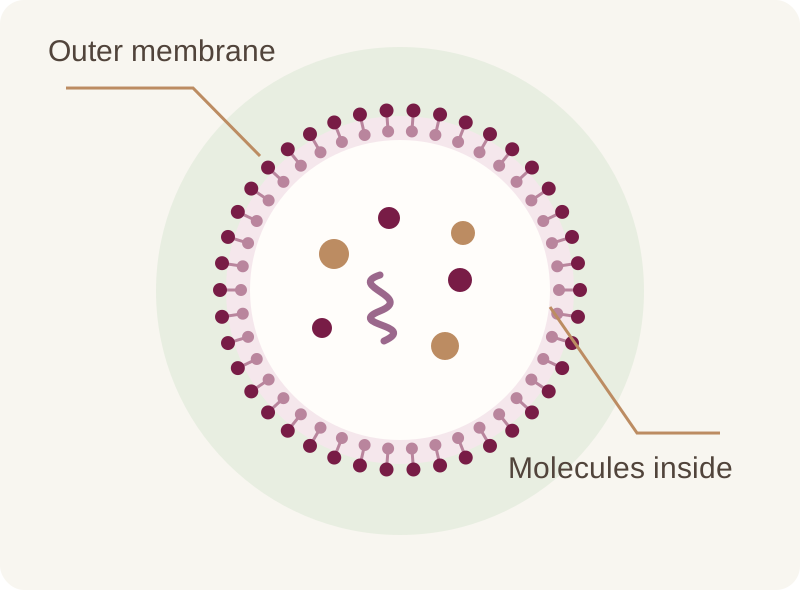
Exosomes are tiny particles released by cells. They carry molecules that can pass signals between cells. Researchers are exploring how these signals might affect the hair follicle.
Hair-care preparations are not all the same. Their source, processing and delivery vary, so the name alone does not tell you how well a product works or whether it is suitable.
Where the evidence stands: early findings are promising, but research is still developing. It is important to discuss established options and the uncertainties before deciding.
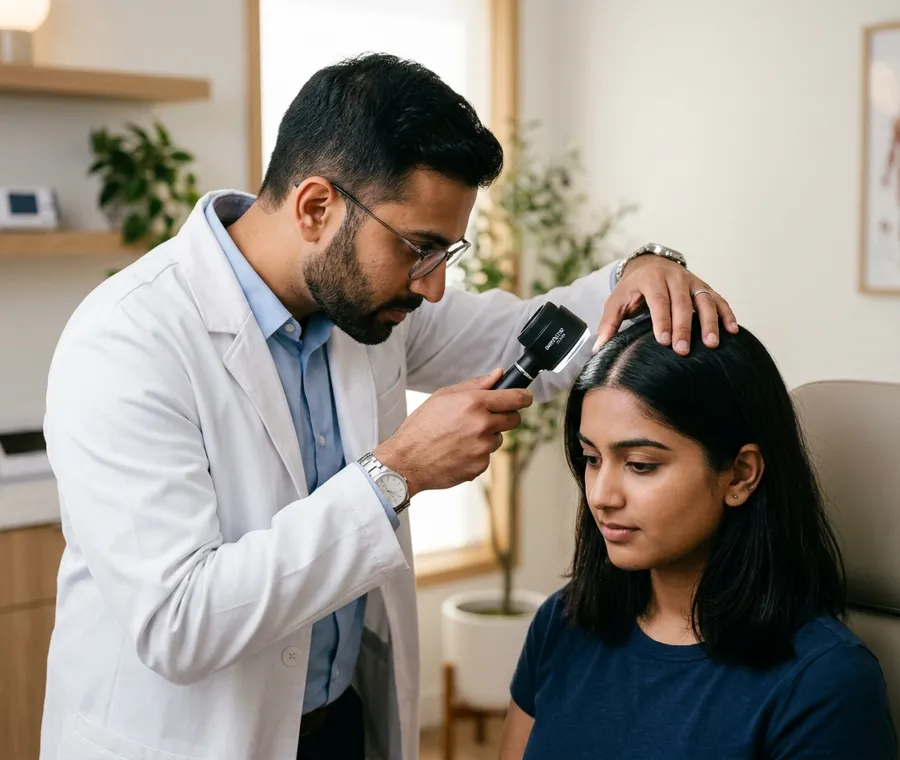
An examination can identify pattern hair loss and its severity. A newer procedure should be considered in the context of your diagnosis and other options.
Thinning through the part may have more than one cause. Discuss your health history and any treatment you have already tried.
These changes need an assessment of the cause. They do not automatically make exosome treatment an appropriate next step.
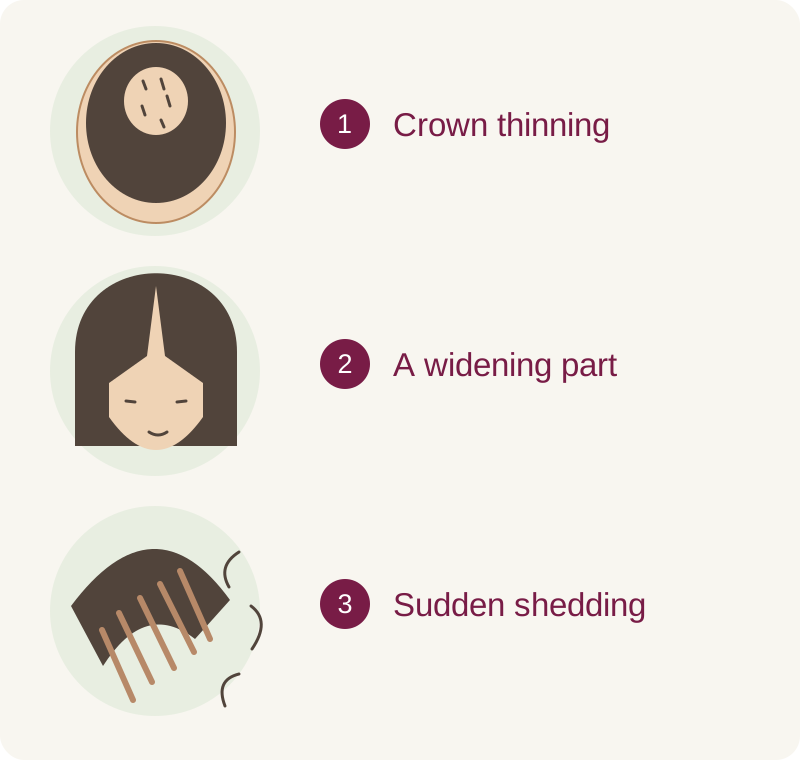
The product, evidence, your medical history and the cause of hair loss all matter when weighing up treatment.
Share medicines, allergies, previous procedures and any scalp symptoms. Tell your doctor about pregnancy or breastfeeding and relevant medical conditions.
Your dermatologist checks the pattern, scalp health and previous treatments. A diagnosis helps identify established options as well as any newer approaches worth discussing.

Exosome preparations differ in their source, contents and handling. Ask your clinician to explain the product, evidence, proposed use and alternatives before making a decision.
Published approaches include topical application with skin procedures and scalp injections. These are different protocols with different risks. Your clinician should explain the method proposed for you.
Confirm the preparation and delivery method, likely discomfort, costs and aftercare. Avoid committing to a package based only on the word exosomes or a particle-count claim.
Aftercare depends on the procedure used. Redness, tenderness, irritation or swelling may occur; procedures that break the skin also carry infection risk. Contact the clinic about worsening pain, discharge or fever.
Hair changes are assessed over months. A response is not assured, and the best dose, schedule and long-term outcomes are not settled across products. Your doctor should explain how progress will be judged.

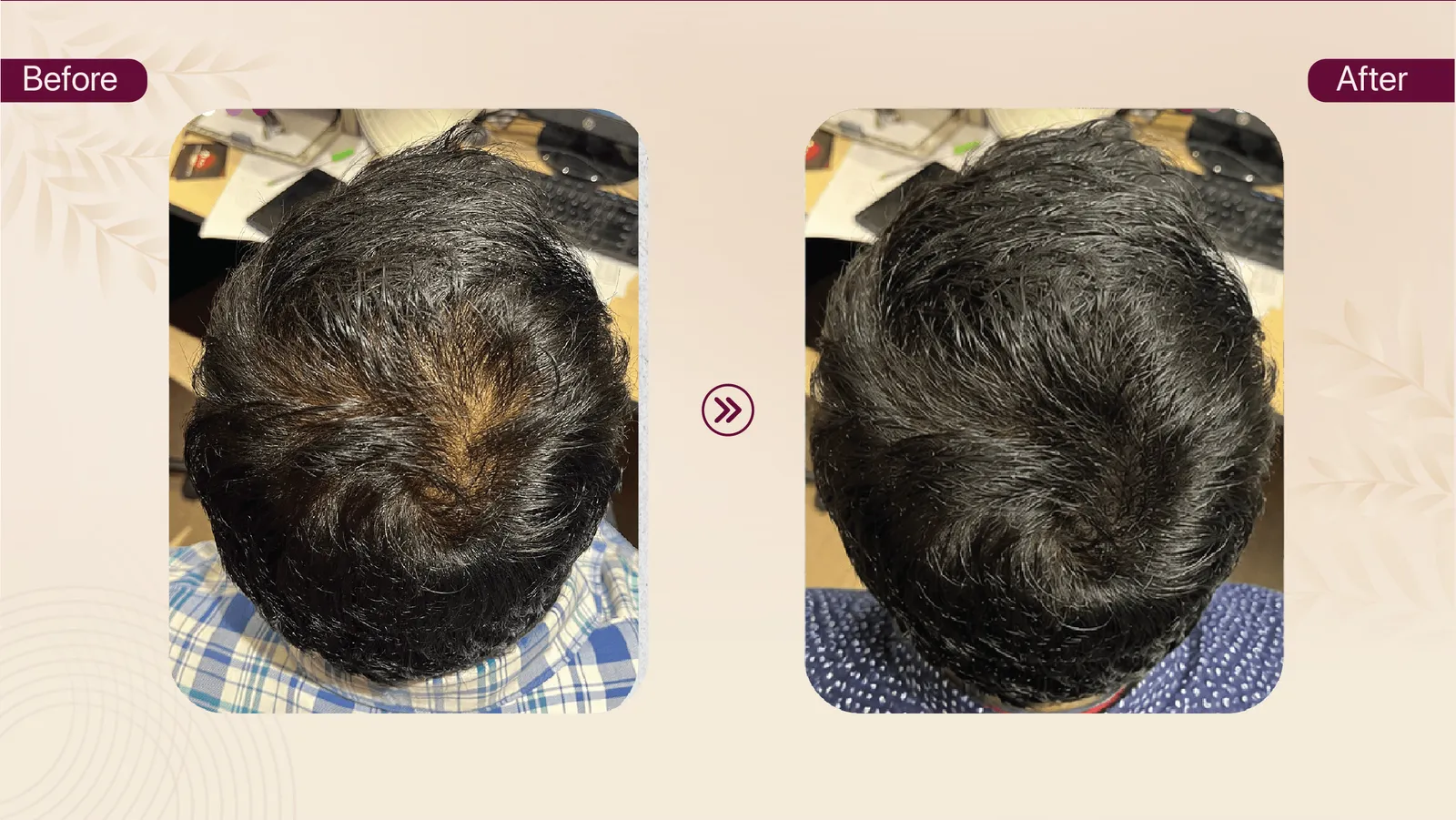
Patient before-and-after photographs showing hair restoration progress across the Layers network. Individual results vary.
Showing all 7 photographs
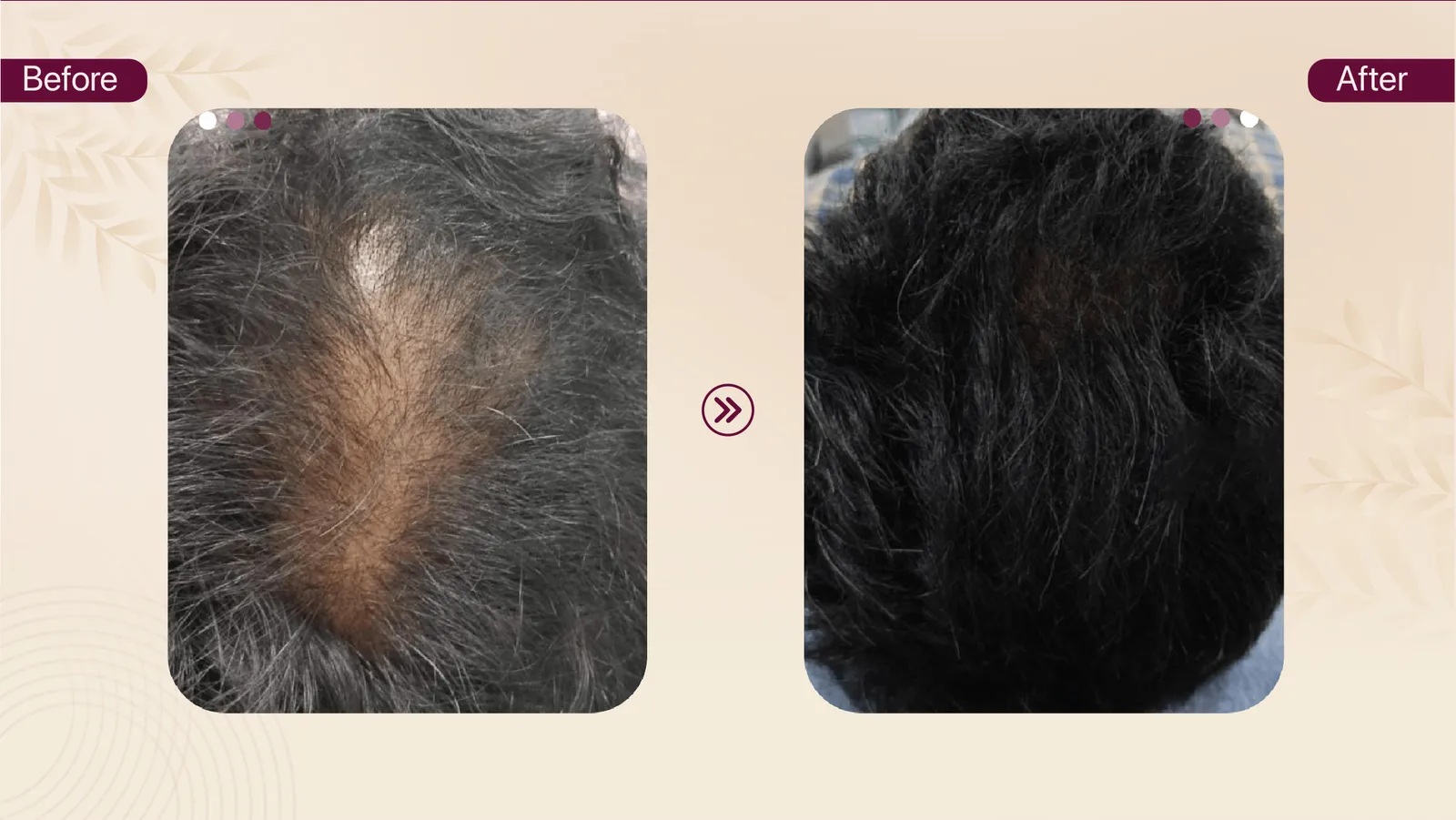
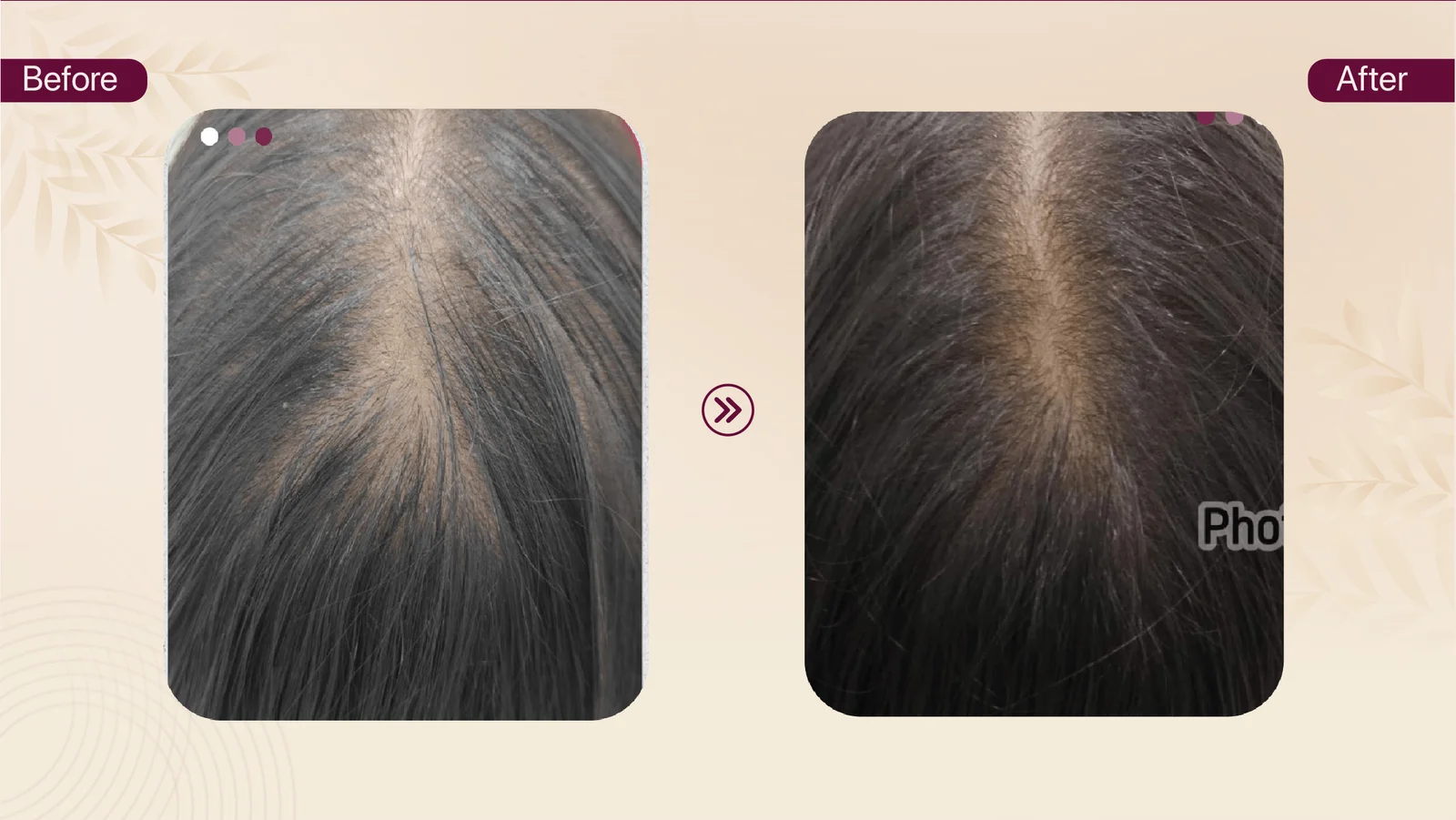
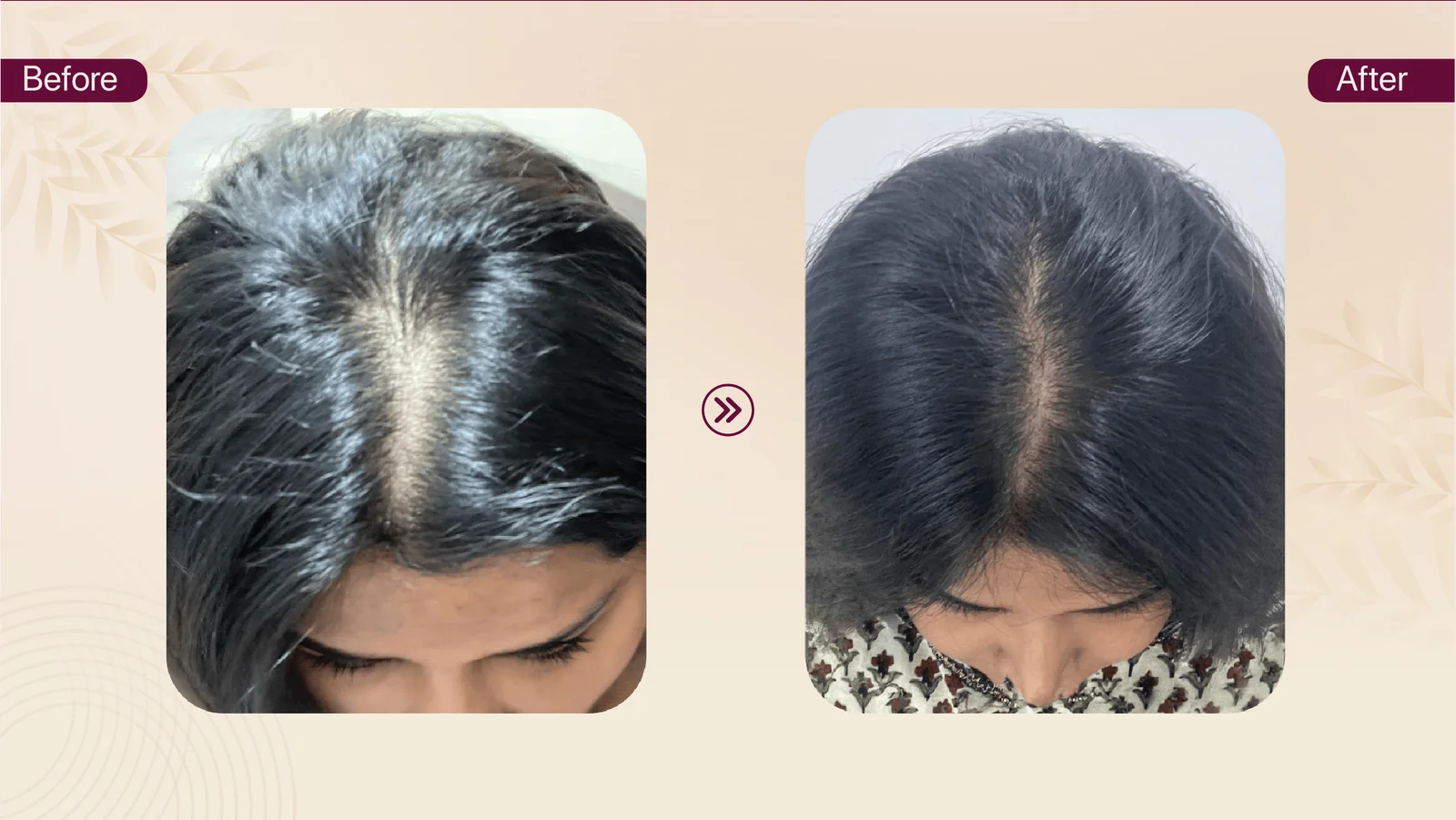
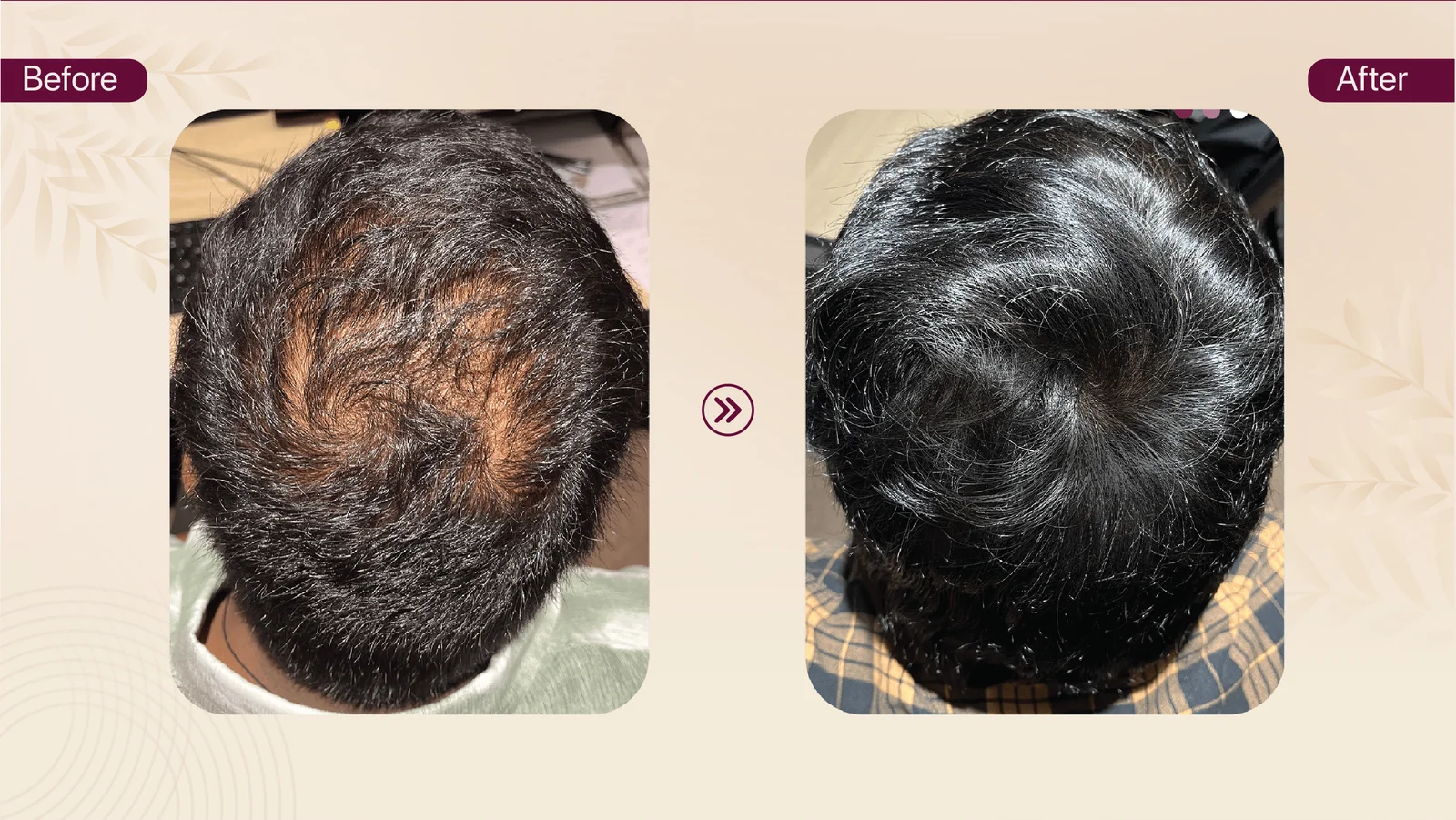
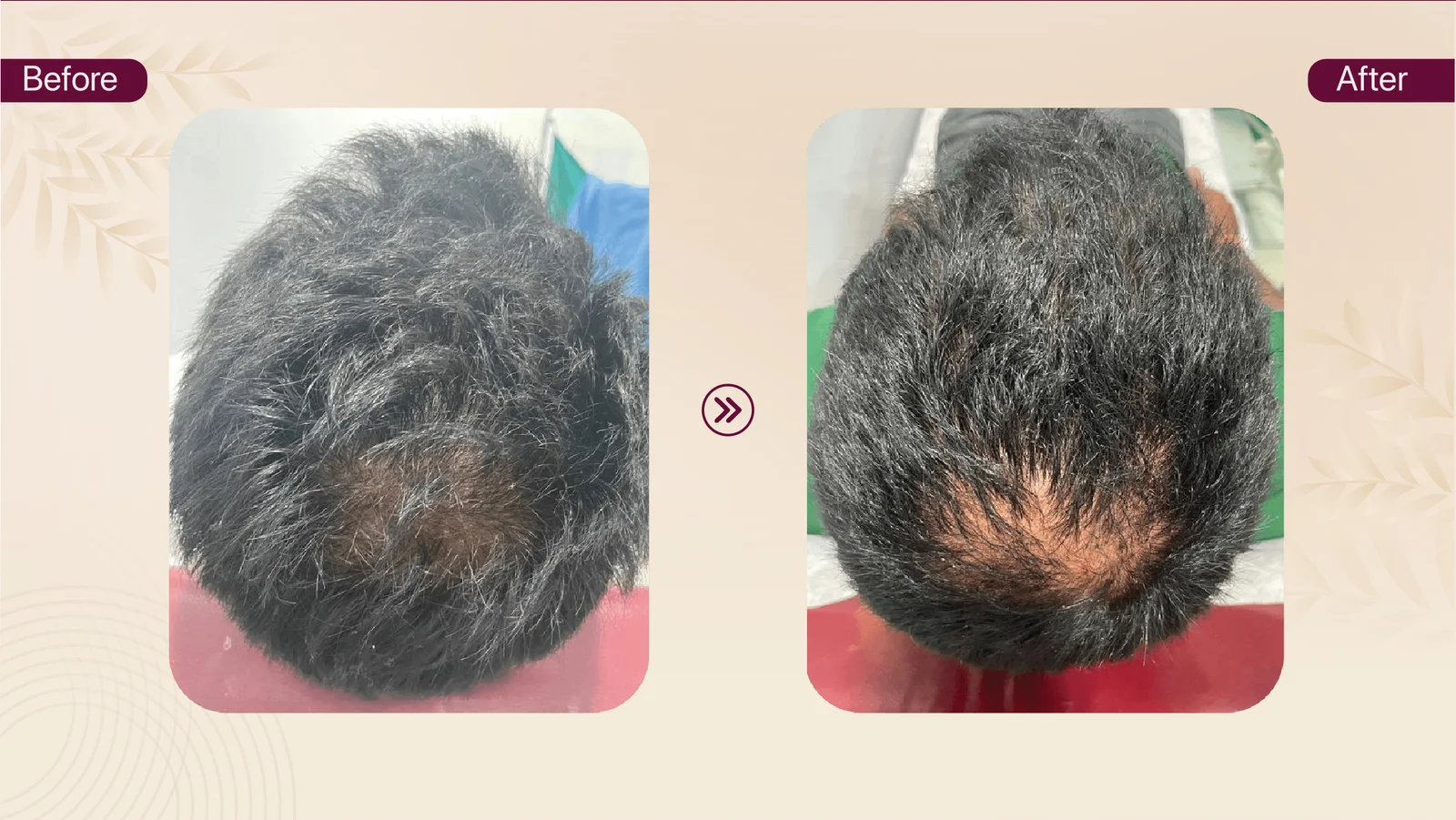
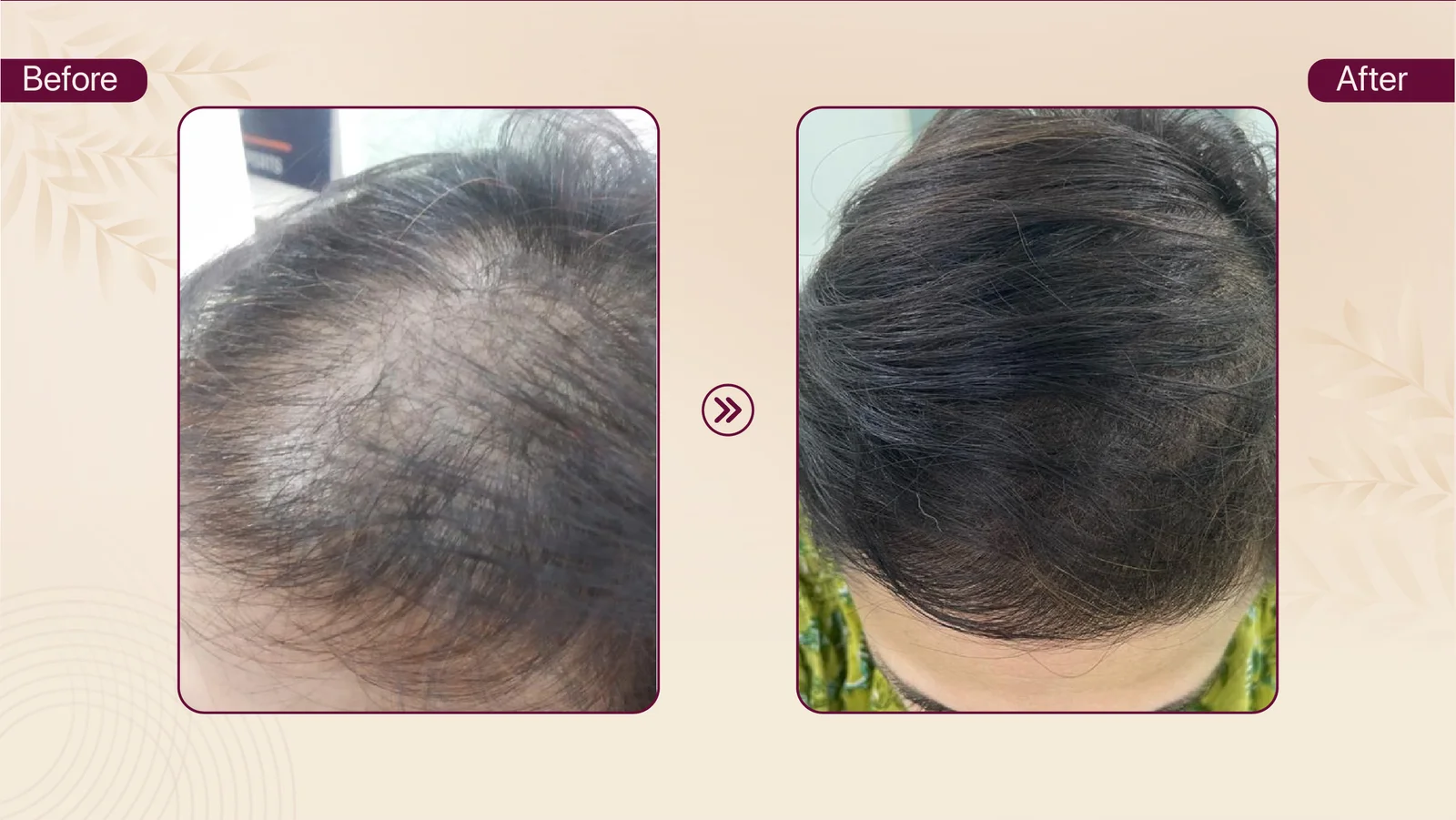
Individual results vary. These photographs show specific cases, not guaranteed outcomes. Original image quality, lighting and angles may differ. Your doctor can explain what may be possible for you.
Related hair-care experiences, including PRP, GFC and care for thinning hair.
“I underwent GFC and PRP treatment for hair loss and had a very positive experience.”
Combined PRP and GFC hair care.
“This was my first GFC treatment, and I'm very happy with my decision.”
GFC hair care.
“Excellent experience from consultation to treatment. The GFC procedure was explained clearly, and the doctors were very knowledgeable.”
GFC hair care.
“I am currently undergoing GFC (Growth Factor Concentrate) treatment at Layers and my experience so far has been highly satisfactory!”
GFC hair care.
“They suggested me GFC treatment and I experienced good results.”
GFC hair care.
“Most importantly, I’m seeing amazing results for my hair thinning treatment.”
Hair-thinning care.
“I noticed visible improvements in my skin texture and a significant reduction in hair fall within just a few sessions.”
Hair-fall and skin care.
















Exosomes are very small, membrane-wrapped particles released by cells. They can carry proteins and other molecules involved in communication between cells. Researchers are studying how preparations containing these particles might affect hair growth.
No. Exosomes are particles released by cells, not living stem cells. A product described as stem-cell-derived is not necessarily a treatment that contains living cells. Ask what the actual preparation contains.
Some early clinical studies report improvements, but many are small and use different preparations and methods. Reviews call for better standardized studies and longer follow-up. Findings for one product cannot be assumed to apply to every exosome preparation.
There is not enough consistent comparative evidence to promise that it is better for you. PRP and GFC are prepared from your own blood; exosome products can have different sources and processes. Discuss established treatments and the evidence for the particular product.
Do not stop a prescribed treatment simply because you are considering exosomes. Review your diagnosis and existing plan with your dermatologist before changing it.
Discuss this with your transplant surgeon. An additional procedure is not automatically needed, and a claim about supporting grafts does not establish a benefit for your case. Your surgical aftercare plan comes first.
Yes. Risk depends on the preparation, its handling and the delivery procedure. Irritation, inflammation or infection may occur, and long-term safety information is limited. Ask about known and uncertain risks rather than assuming a cell-free product is risk-free.
Understand your diagnosis, available treatments and what a newer option could mean for you.
Prefer a call? +91 9000 572727