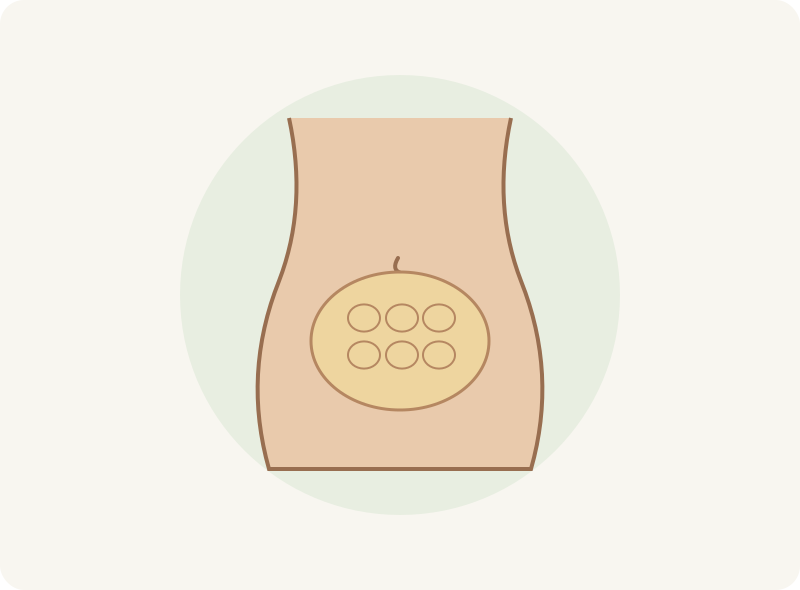
A local fat bulge
A small area of fullness may be assessed for body contouring. An examination helps identify whether fat is the main concern.
Considering ultrasound treatment for a small area of fullness? Start by understanding the tissue being treated, the device and the change it may offer.

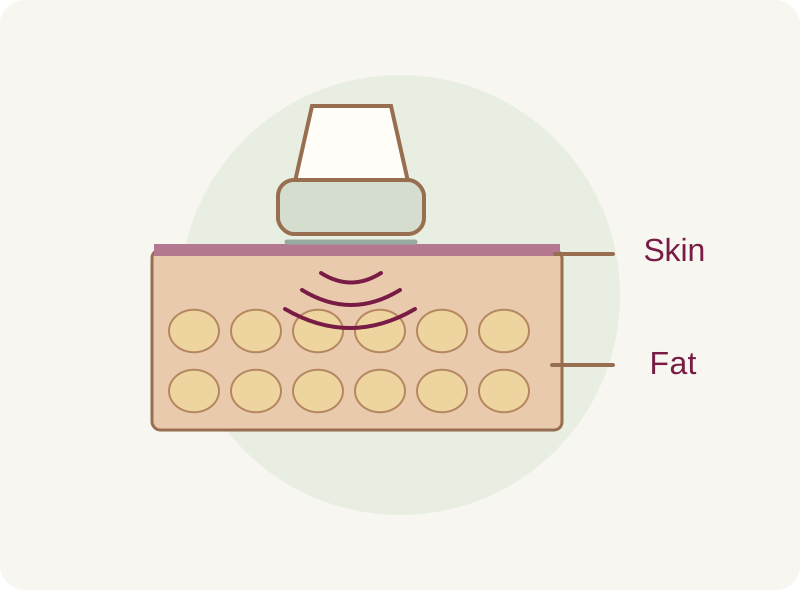
Cavitation is a name often used for ultrasound body-contouring treatments. A handpiece delivers sound-wave energy through the skin. Certain systems can disrupt fat cells beneath the surface to reduce a local bulge.
The name alone does not identify a device, its settings or its approved treatment areas. This is different from ultrasound-assisted liposuction, which is surgery that removes fat through an incision.
A small area of fullness may be assessed for body contouring. An examination helps identify whether fat is the main concern.
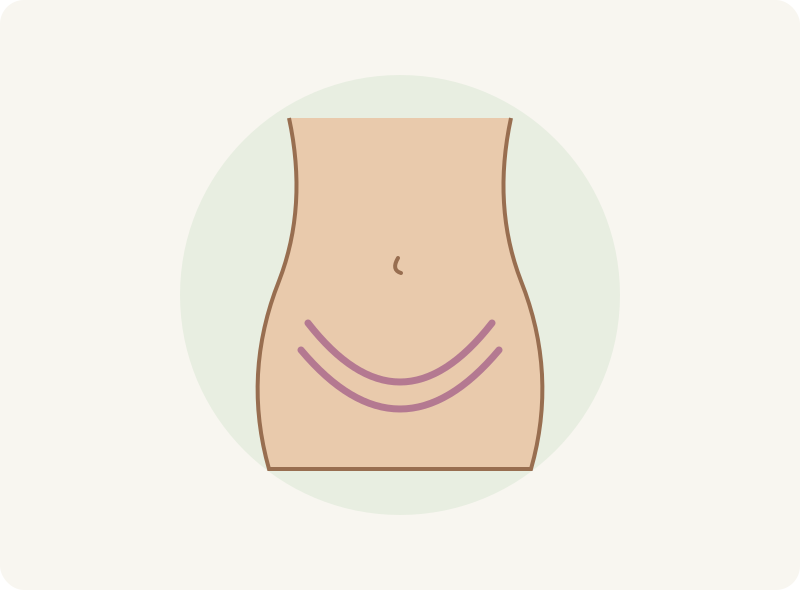
Reducing a fat bulge does not remove excess skin. Skin firmness and laxity need their own assessment.
Explore loose skin care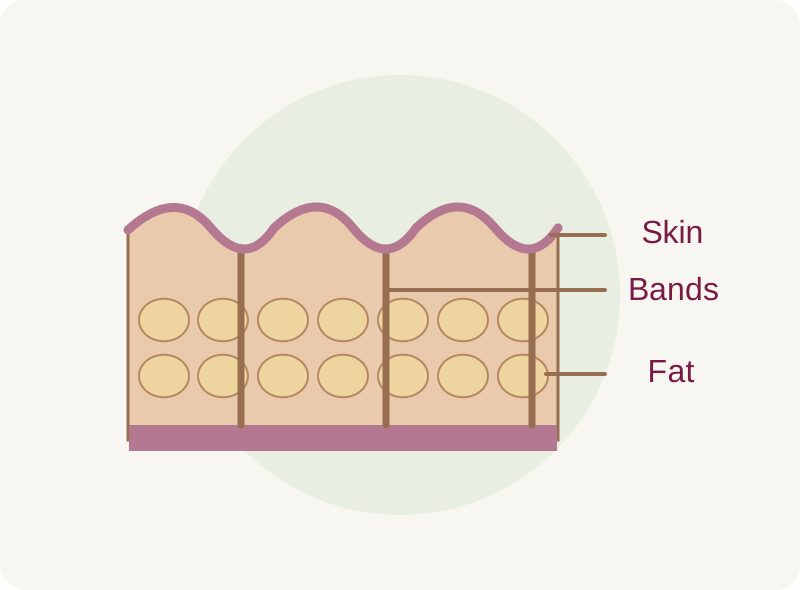
Dimpling has a different structure from a fat bulge. Ultrasound alone should not be presented as a proven cellulite solution.
Understand cellulite care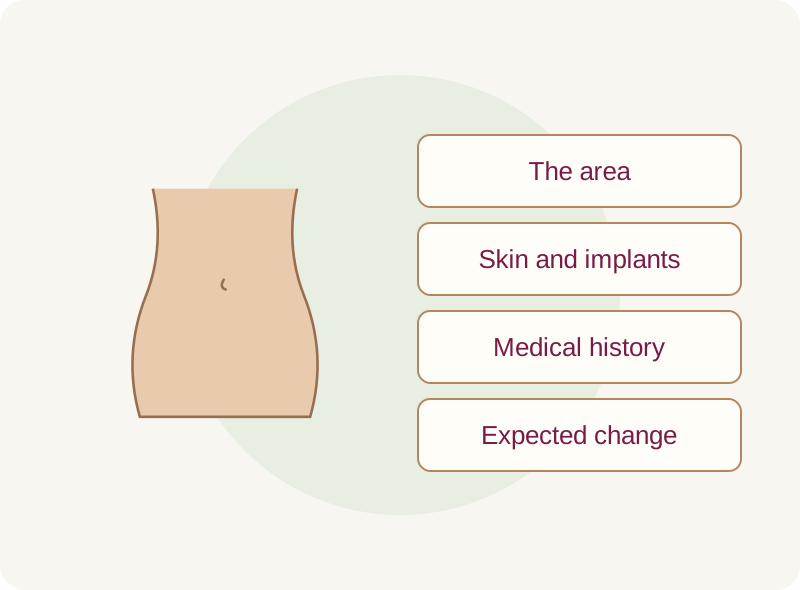
The aim is a local shape change. Non-invasive contouring does not treat obesity or provide the health benefits of weight loss.
Open wounds, damaged skin, active electronic implants and metal beneath the skin can make ultrasound treatment unsuitable. Discuss implants, previous surgery and all health conditions.
Confirm the exact machine, the areas it is intended to treat and the evidence for your concern. Ask about pregnancy or breastfeeding before considering an elective cosmetic session.
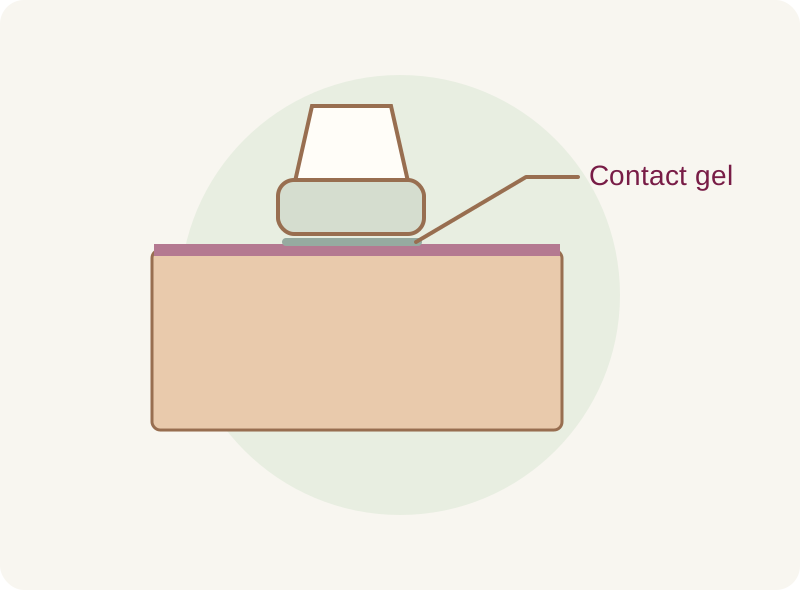
Ultrasound needs suitable contact between the applicator and the skin. Coupling gel helps transfer energy and reduces the risk of poor contact and burns.
Different systems deliver energy in different ways. A clinician should explain the device-specific process, expected sensations and how your skin will be monitored. Strong pain is a reason to alert the operator, not evidence that treatment is working.
Bring your medical history, medicines and implant details. The clinician examines the area and explains whether this approach is suitable.
Ask about the machine, likely number of visits, aftercare and alternatives. Agree how the result will be reviewed before starting.
The team positions you comfortably, prepares the skin and uses the applicator according to the device instructions.
Tell the operator about discomfort, unusual heat or other unexpected sensations. Settings and treatment time belong to the individual device and plan.
Follow the advice provided for your session and ask when to resume activities. Do not add aggressive massage or extra device sessions yourself.
Use the agreed follow-up to discuss comfort and any visible change. A lack of benefit should prompt a review of the plan, rather than automatic extra sessions.

The response varies with the device, area and individual. A local contour change may be modest, may take time to assess and may need further treatment to maintain. There is no reliable promise of a set number of centimetres for everyone.
Assess the goal you started with, using comparable photographs or measurements if agreed. A change on the weighing scale is not the measure of success for this treatment. Continue an appropriate long-term health and activity plan.
Redness, swelling and soreness may occur. Ask what is expected for the particular device and how long it should last.
Burns, blistering and nerve damage are possible with therapeutic ultrasound. Correct device selection and application matter.
The result may be smaller than hoped or may not address your main concern. Discuss alternatives before committing to a course.
These reviews describe general consultations and care at Layers. They do not report cavitation results.
“The doctors listened carefully to my concerns and explained the treatment in a clear and professional manner.”
Consultation experience; condition not specified.
“She explained the treatment clearly and made me feel comfortable throughout the consultation.”
Consultation experience; condition not specified.
“The doctor took the time to understand my skin concerns and explained the treatment plan clearly, without rushing.”
Consultation experience; condition not specified.
“Very patient ,humble and polite to answer every single query and build confidence.”
Consultation experience; condition not specified.
“The doctors explained everything clearly and made me feel comfortable and confident.”
Consultation experience; condition not specified.
“The doctor took the time to listen to my concerns patiently and explained the treatment options clearly.”
Consultation experience; condition not specified.
















No. Ultrasound contouring is intended for selected local areas. It does not treat obesity or replace a weight-management plan.
No. Liposuction involves surgical access and removal of fat. Non-invasive ultrasound is applied at the skin surface.
Cellulite is a skin-dimpling concern with a different structure. Evidence does not support ultrasound alone as a reliable cellulite treatment.
That depends on the device, area, goal and response. Ask for an individual plan and a point at which the benefit will be reviewed.
Non-surgical treatment generally involves less recovery than surgery. Follow the advice for your device and any skin reaction rather than assuming there are no restrictions.
Do not rely on a promised detox or flushing routine as evidence of fat reduction. Follow sensible hydration advice for your health and the instructions from your clinician.
No. Intended treatment sites and safety restrictions differ by device. Do not assume a machine suitable for one area is suitable everywhere.
Ask which device will be used, why it suits the area, the realistic change, side effects, follow-up and what happens if there is little benefit.
Discuss the area you want to change and the benefits and limits of body-contouring options.
Prefer a call? +91 9000 572727