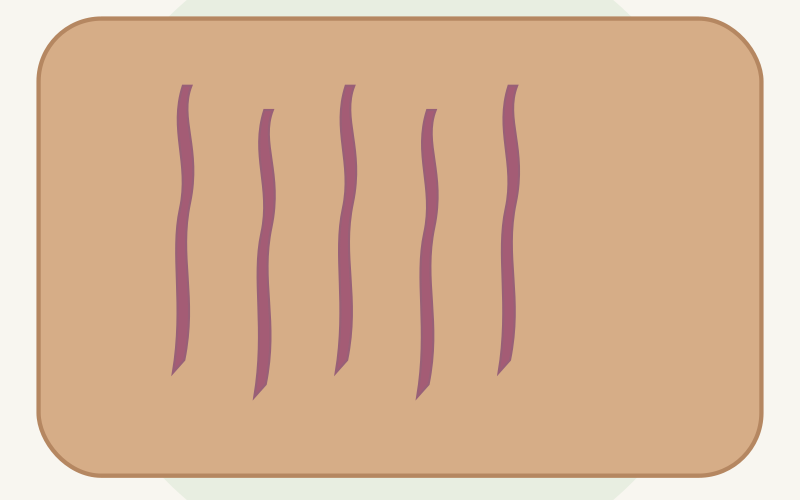
Newer coloured marks
Often called striae rubrae, these may look pink, red, purple or brown, depending on skin tone. They can feel slightly raised or itchy.
Explore stretch marks removal treatment at Layers in Hyderabad. Consult experienced dermatologists and clinicians across our 10 city clinics for personalized assessment and medical-grade care.
With clinics across Hyderabad and Secunderabad, you can choose a location near home or work for your consultation and repeat sessions. Browse the addresses below and tell our team which branch you prefer.
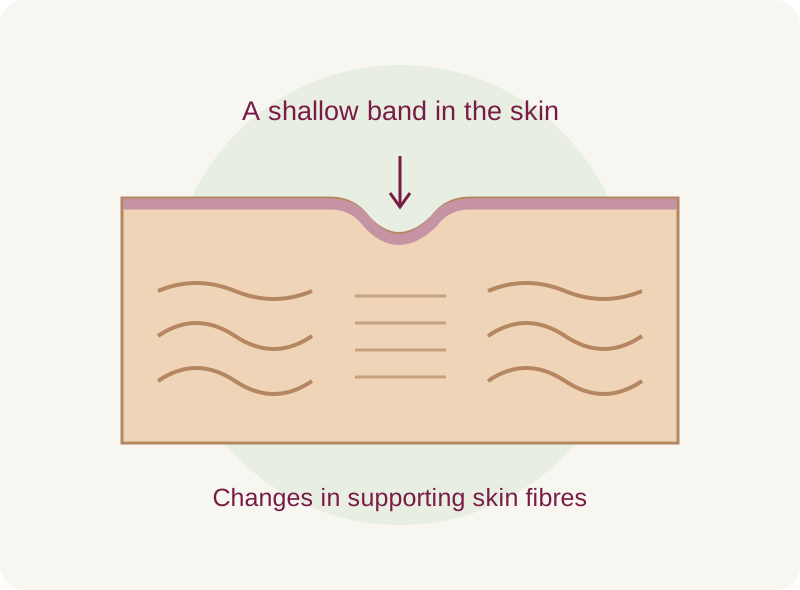
Stretch marks, also called striae, are bands of scar-like change in the skin. They can develop when growth or a change in body size affects the fibres that support the skin.
They are usually harmless and do not need treatment. If you choose care, the aim is to soften their colour or texture—not to promise completely unmarked skin.
Often called striae rubrae, these may look pink, red, purple or brown, depending on skin tone. They can feel slightly raised or itchy.
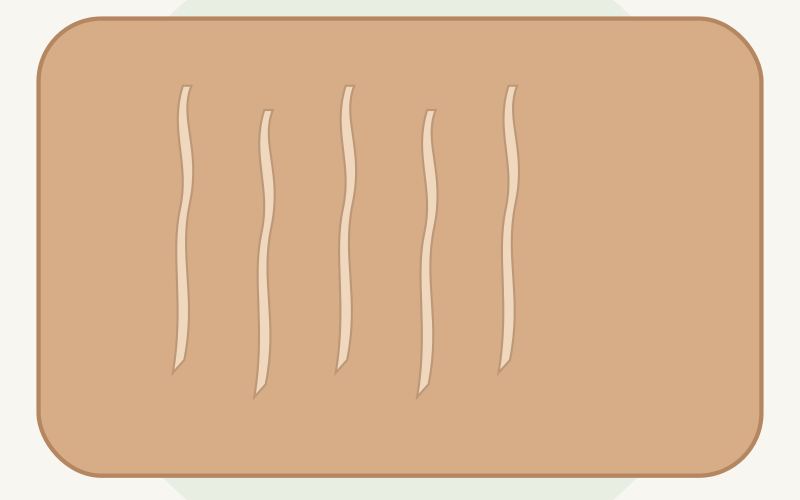
Often called striae albae, these tend to become lighter and flatter or slightly sunken. Fading colour does not mean the skin texture has fully returned.
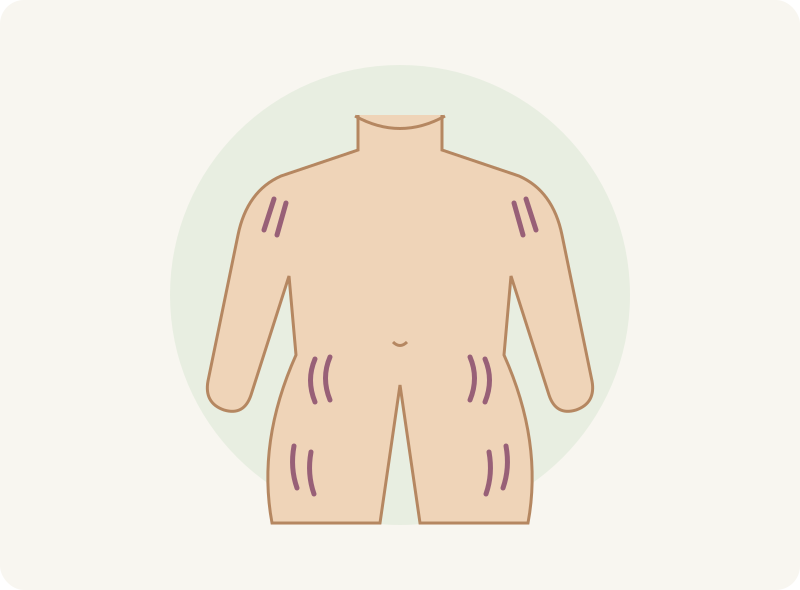
Growth spurts, pregnancy and rapid changes in weight or muscle size can contribute. Family traits and hormones also play a role; having stretch marks is not a sign that you failed to care for your skin.
Common areas include the abdomen, hips, thighs, buttocks, breasts and upper arms. The age of the marks and the area both matter when planning treatment.
Long-term steroid use can be a factor. Tell your clinician about creams, tablets and supplements; do not stop a prescribed medicine on your own.
Marks from adolescence often become less visible over time. During pregnancy or breastfeeding, discuss safe skin care and the timing of any elective procedure.
A moisturiser may ease dryness and itch. Oils and stretch-mark creams cannot be relied on to prevent or erase marks.
Selected topical treatments may help some early marks. Retinoids can irritate skin and should not be used during pregnancy; check suitability when breastfeeding or planning pregnancy too.
Tanning can make the contrast more noticeable. Protect exposed skin from the sun. Cosmetic camouflage can offer temporary coverage without changing the mark itself.
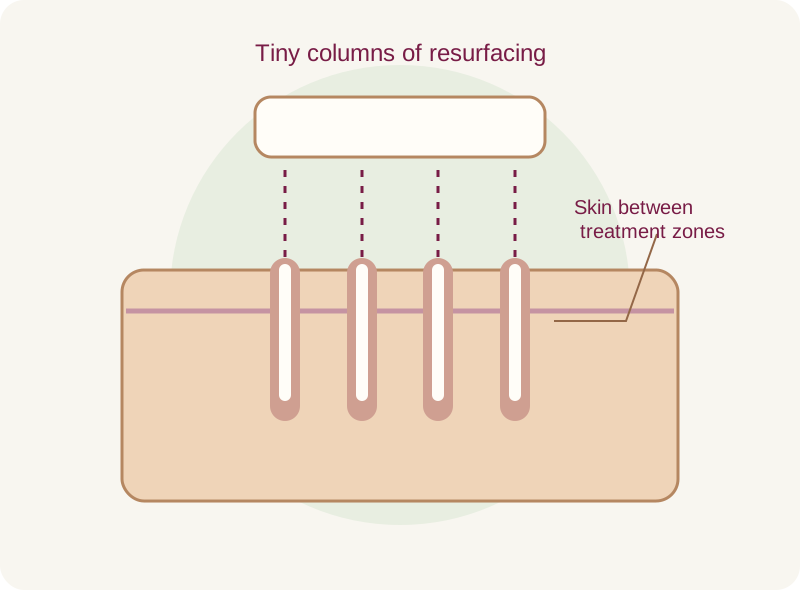
Fractional laser treatment may improve selected marks by prompting skin remodelling. Ablative CO₂ creates a wound and needs recovery time; skin tone and pigment risk affect the plan.
Explore fractional CO₂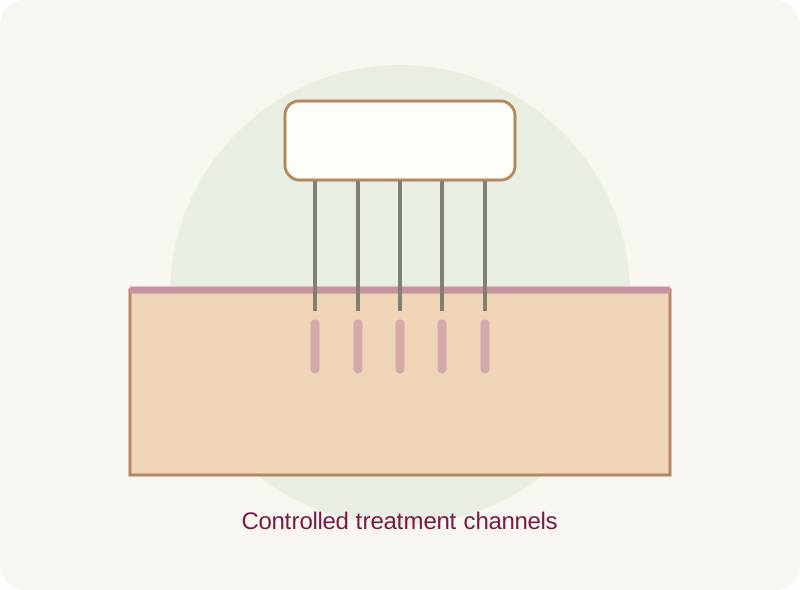
Controlled needle punctures may improve the texture of some marks as the skin heals. It is a course to review over time, with risks including infection, pigment changes and scarring.
Explore microneedling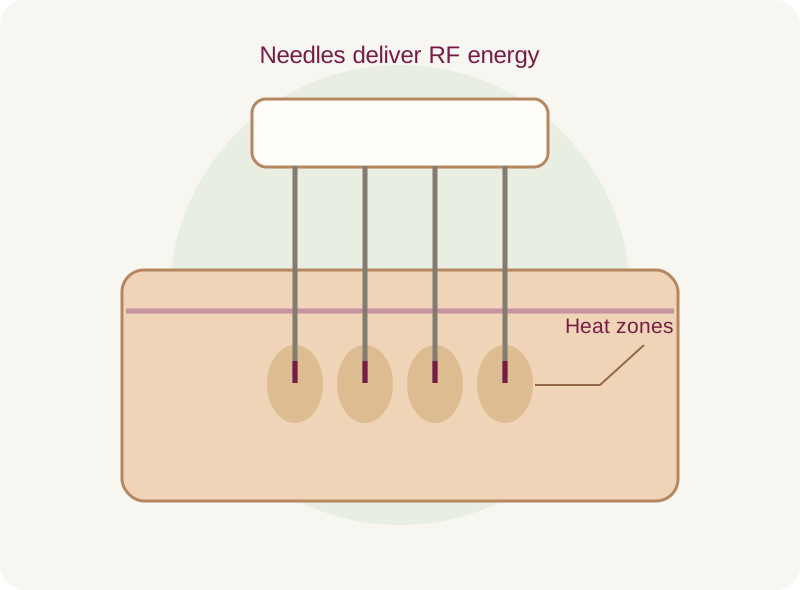
MNRF adds heat to needling and has a different risk profile. Burns, unwanted fat loss and nerve injury have been reported with certain uses; compare the reason for choosing it with other options.
Understand MNRF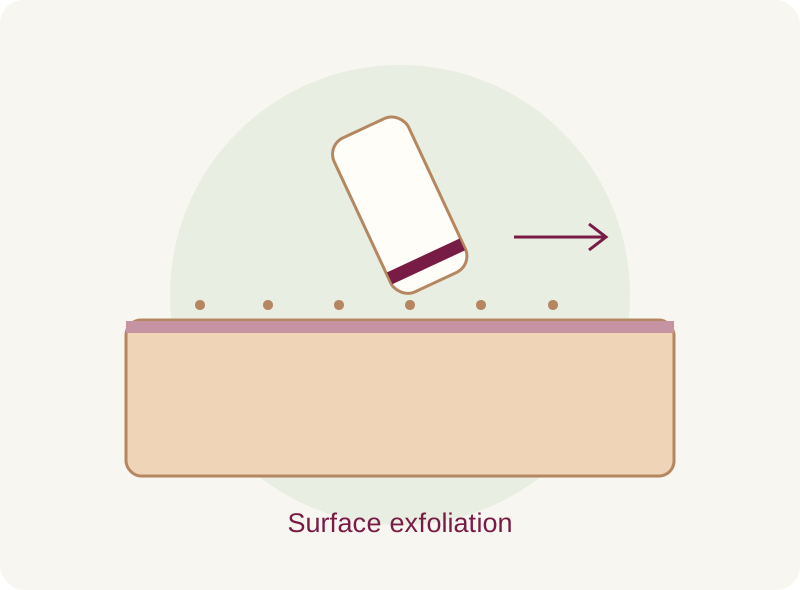
Chemical peels or microdermabrasion may be discussed for selected surface changes. Their effect on deeper, mature bands is limited, and they are different procedures.
Understand chemical peels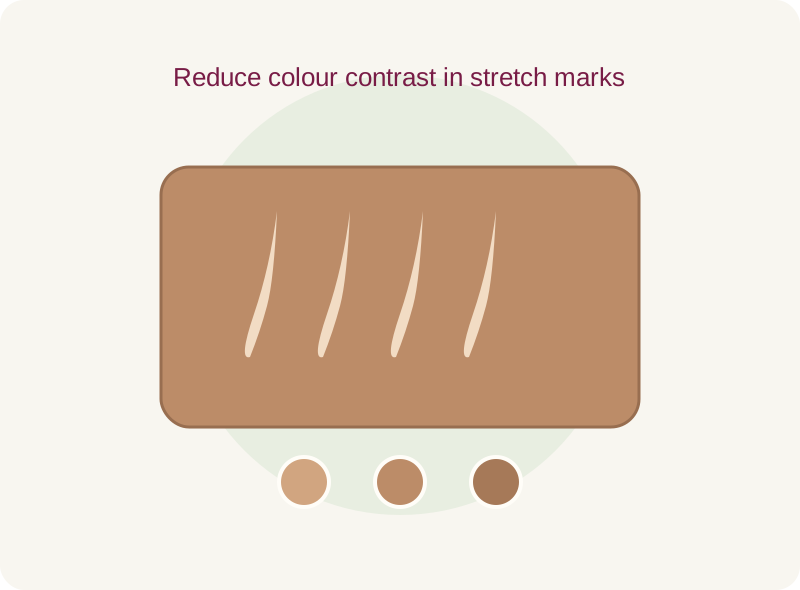
Compare removable coverage and selected tattoo-pigment approaches. Camouflage changes colour contrast rather than removing the mark or filling its texture.
Explore camouflage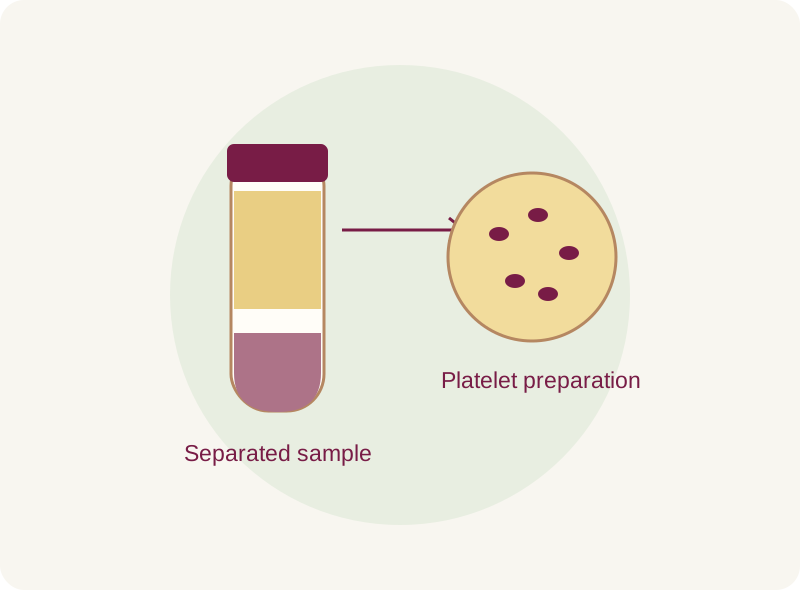
PRP is prepared from your own blood and is sometimes considered alongside another procedure. Research into stretch marks is limited, and the extra benefit of adding PRP is not firmly established.
A small trial comparing laser with and without PRP found no statistically clear extra benefit. A combination should have a specific purpose for you, rather than being an automatic part of every course.
Discuss how PRP would be prepared and used, the extra cost and recovery, and what evidence supports the proposed combination.
Treatments should be spaced to allow healing and assessment. More sessions or several procedures together do not guarantee a better result.
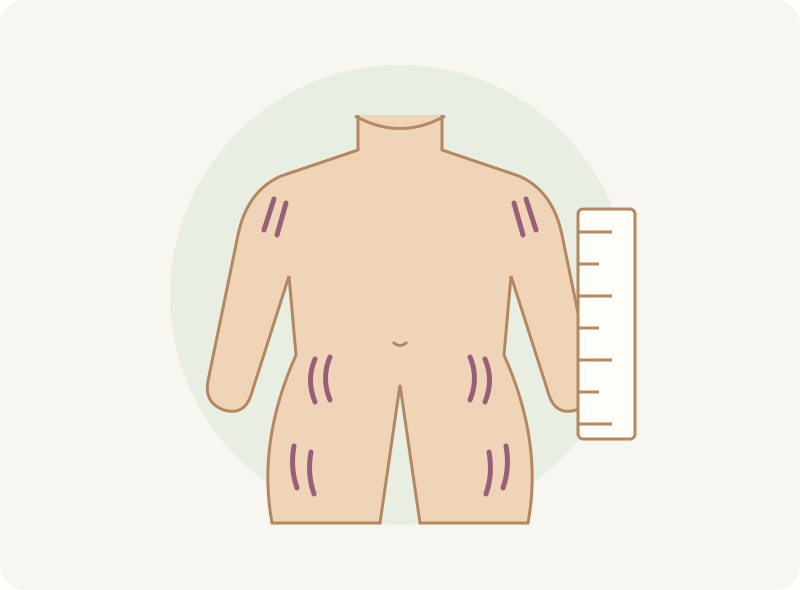
The clinician considers colour, texture, age, location and skin tone. A method that helped someone else may not suit your marks.
Mention pregnancy or breastfeeding, medicines, a tendency to raised scars, skin infections, recent tanning and previous treatments. Some circumstances mean postponing a procedure.
Consider the size of the area, work, exercise, clothing friction and follow-up. Ask what a useful improvement would look like before committing to a course.
Review the marks and your history. Baseline photographs can help track changes; ask about suitable methods, alternatives and a test area if appropriate.
Follow guidance on sun exposure, products and medicines. The clinician should explain what to expect during healing and how to contact the clinic.
The area is cleaned and numbing or anaesthesia used when appropriate. Laser procedures require suitable eye protection; medical needling uses a fresh sterile cartridge.
The clinician treats the planned area and monitors your comfort and skin response. Tell them about unexpected pain. Duration varies with the method and coverage.
Ask about washing, dressings, moisturiser, sun protection, exercise and tight clothing. Do not pick peeling or crusted skin.
Check healing and compare the marks in similar lighting at the agreed interval. Session timing should follow your response rather than a fixed promise.
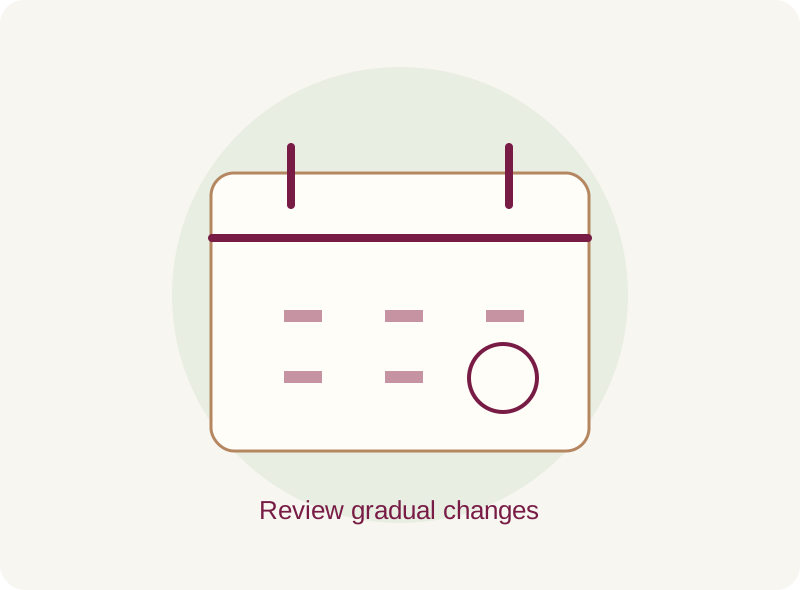
Treatment may make some marks less noticeable, but existing marks generally remain. Early colour can also fade naturally, so a fair review considers both colour and texture.
Change from skin-remodelling procedures develops gradually over weeks to months. A lighter photograph or temporary swelling is not proof of a lasting result.
Redness, tenderness, swelling, dryness or peeling may occur. Ablative laser usually needs more wound care than a surface treatment. Ask for the expected healing time for your area.
Contact the clinic promptly for increasing pain, spreading redness, discharge, fever or an unexpected skin change. Burns, infection, persistent pigment change and scarring require assessment.
Selected local clinic experiences. Each review is labelled with the care it describes.
General clinic experience
“The doctor took the time to listen to my concerns patiently and explained the treatment options clearly.”
General clinic experience
“Rajesh, the technician, was very friendly and handled everything with great care.”
General clinic experience
“The staff was professional, friendly, and made me feel comfortable throughout the sessions.”
Selected Google review excerpts, collected 11 September 2026. Individual experiences vary. The rating above is across Layers clinics; it is not a Hyderabad rating.
















Consultations and treatment are available across our Hyderabad and Secunderabad branches, including Banjara Hills, Jubilee Hills, KPHB, Kondapur, Kokapet, Kompally, Dilsukhnagar, Adarsh Nagar, A. S. Rao Nagar Beeramguda and Vanasthalipuram.
Bring details of any previous treatments, current skincare products, and relevant medical history. Avoid aggressive scrubs or tanning treatments before your assessment so your clinician can accurately examine your skin.
The cost depends on your individual condition, treatment area and session plan. Ask for a written estimate during your consultation, including all steps and aftercare.
Complete removal cannot be promised. Procedures may improve how some marks look or feel, but a degree of colour or texture difference usually remains.
Some topical and colour-focused approaches may help early marks more than mature ones. The best decision still depends on skin tone, the area and your health.
Some older marks may respond to methods such as fractional laser or microneedling. Improvement is variable, and the aim is softer texture or reduced visibility rather than complete erasure.
There is no reliable number for everyone. The treatment, area, extent of the marks and response determine the plan. Agree review points and ask what happens if there is little improvement.
Ask your maternity clinician about products and discuss delaying elective procedures. Do not use retinoids during pregnancy. Breastfeeding and plans for pregnancy should also be part of your consultation.
Visit Layers in Hyderabad. Tell us your preferred clinic and goals. Our team will help arrange your appointment.
Prefer a call? +91 9000 572727