
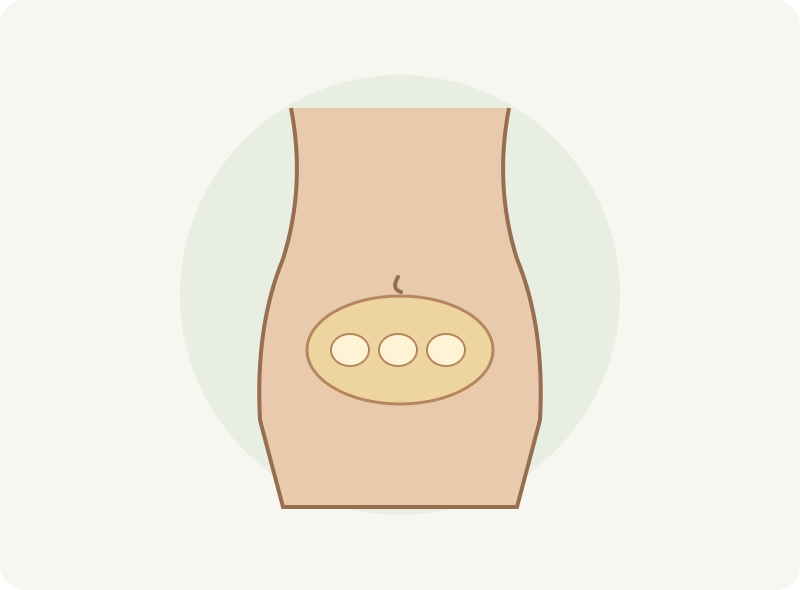
A local fat pocket
A selected bulge may suit local contouring when weight is stable. The area and tissue need an examination before a method is chosen.
Compare contouring optionsTell us what you would like to change. We’ll help you understand the concern, the options and what a realistic plan could involve.

Figure correction is a broad name for planning care around body shape. It is not one procedure, and there is no single correct body shape. Treatment is optional and should reflect your own priorities.
The first step is to identify what is behind the concern. A local fat pocket, loose skin, skin dimpling and overall weight change can need very different approaches.
A selected bulge may suit local contouring when weight is stable. The area and tissue need an examination before a method is chosen.
Compare contouring options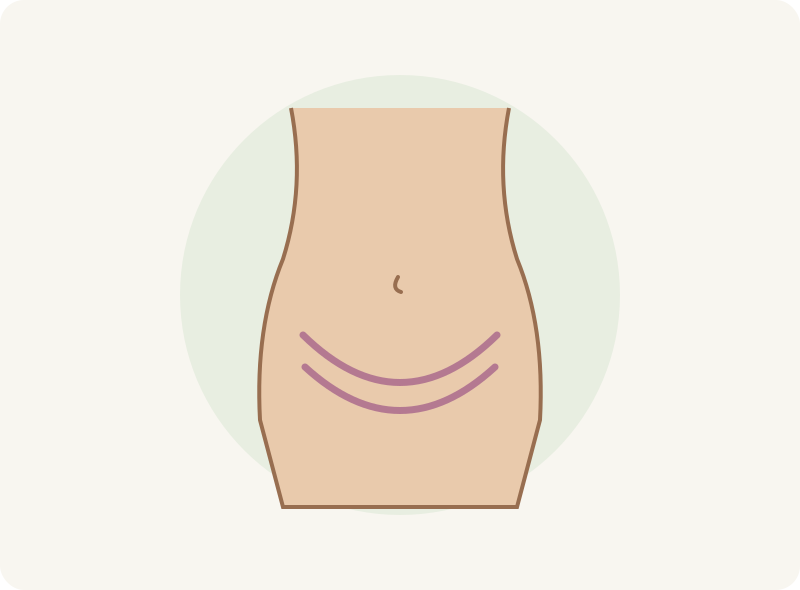
Mild looseness and larger excess-skin folds need different care. Reducing fat alone does not remove extra skin.
Understand skin laxity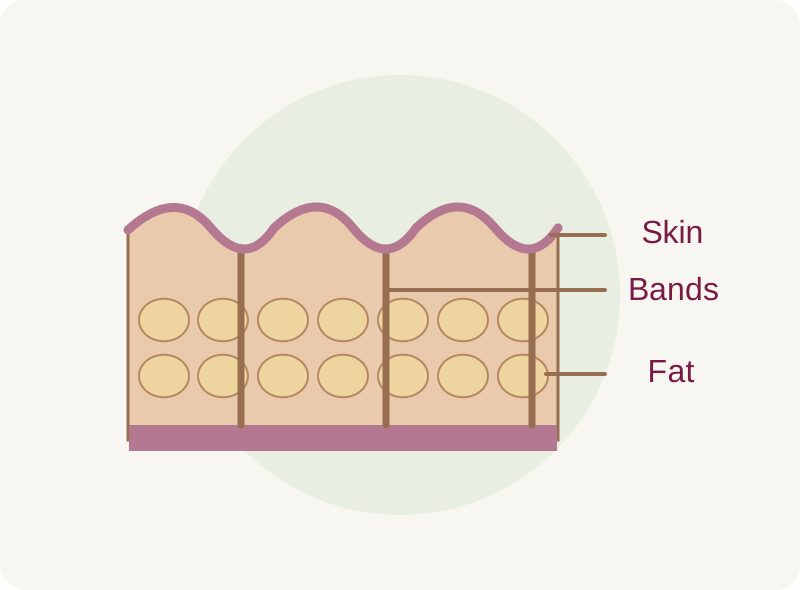
Cellulite concerns the skin’s surface and connective tissue. Its treatment options differ from simply reducing a fat pocket.
Explore cellulite care
If your priority is overall weight or a weight-related health problem, start with medical assessment and a broader care plan.
Explore weight-loss care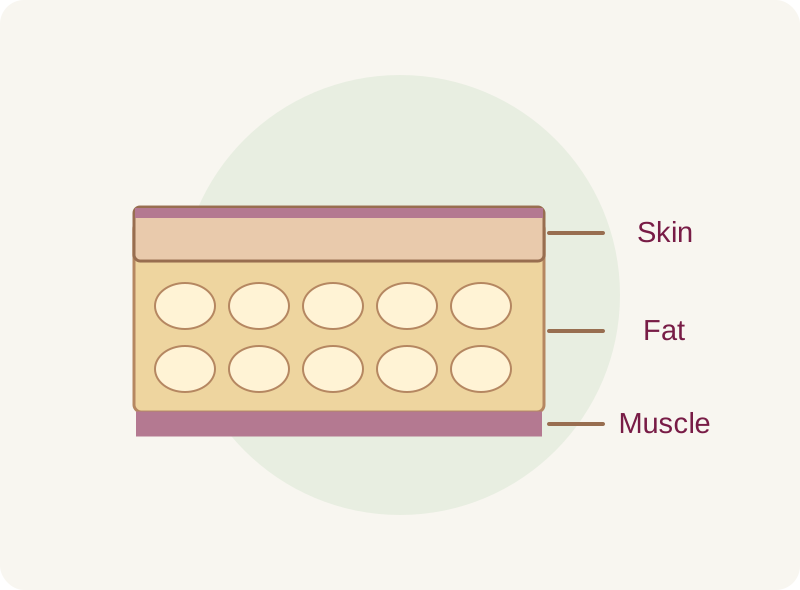
Your outline comes from more than fat. Skin, muscle and your underlying structure all contribute. A treatment aimed at one layer cannot be expected to change all of them.
Non-surgical changes are usually more limited than surgery. Ask the clinician to explain which part of your concern could improve, what may remain and whether a combined plan is actually needed.
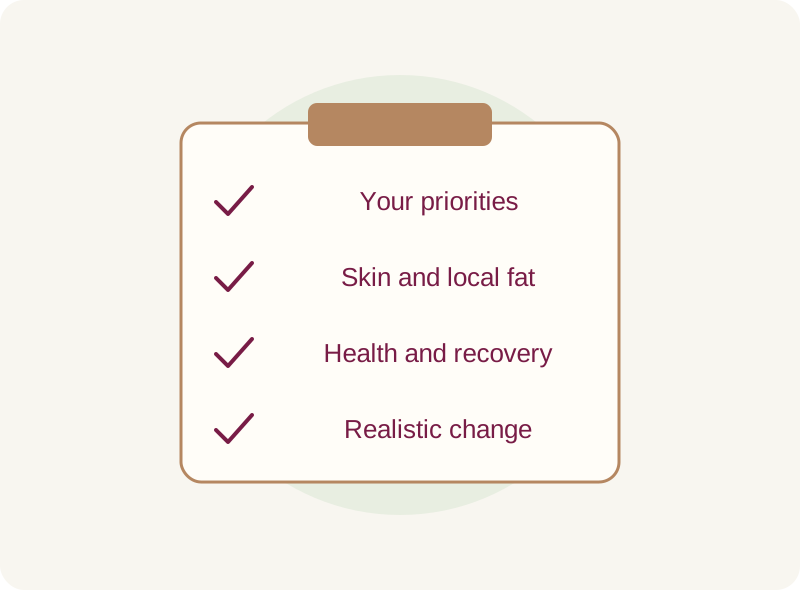
Explain the area and what bothers you. Bring questions about clothing fit, skin folds or local fullness rather than trying to match someone else’s proportions.
Discuss medical conditions, medicines, pregnancy plans, previous procedures and any implanted device. Suitability is specific to the proposed method.
Consider the likely degree of change, discomfort, recovery, scars where relevant and maintenance. Choosing to leave an area untreated is also an option.
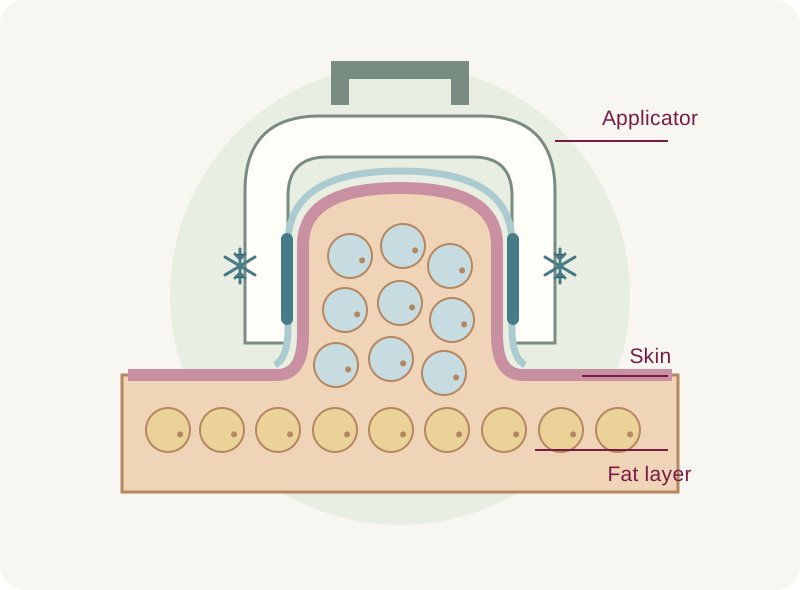
Selected devices use cooling or energy to address a defined area. The device, treatment site and intended effect determine the likely benefit and risks.
Explore body contouring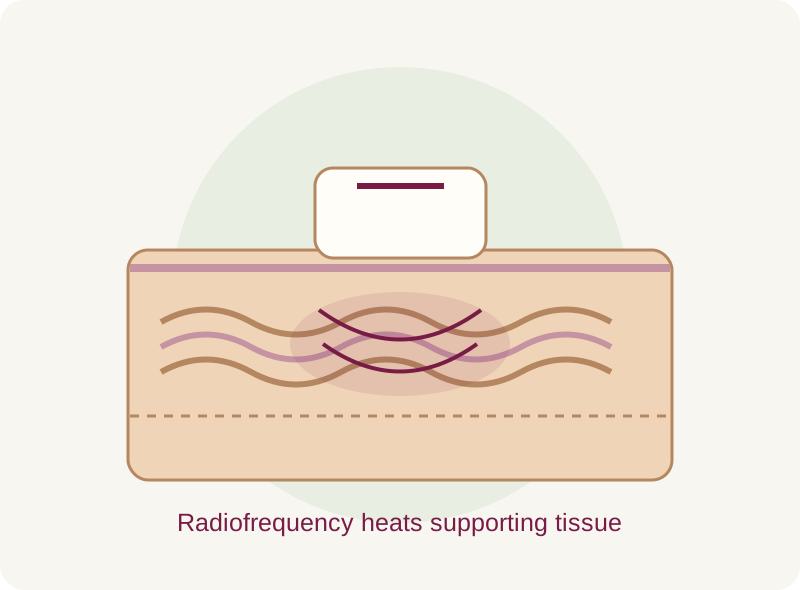
Selected energy treatments may help mild looseness. They cannot be expected to remove a large fold of excess skin.
Explore skin careLiposuction or skin-removal surgery may be considered for selected concerns. Surgery requires an appropriate surgeon, medical assessment and a recovery plan.
Understand liposuctionDescribe the change you want and any earlier treatments. An examination helps identify the tissue and whether another health assessment is needed.
With your consent, the team may record photographs or measurements for later comparison.
Confirm the treatment name, intended area, expected degree of change and why it suits the concern.
Ask about side effects, aftercare and the number of visits. A combination should have a clear reason for each part.
Swelling and healing can affect early appearance. Review at the interval advised for the actual method.
Compare with the agreed goal. More sessions are not automatic if the original concern has changed or the benefit is limited.

Some non-surgical treatments allow a quick return to routine, but swelling, soreness or bruising can still occur. Burns, nerve injury or contour problems are possible with certain methods.
Surgery involves different risks, scars and a longer recovery. Get clear instructions for activity, wound care where needed and who to contact. No plan can promise a particular body shape or permanent freedom from future change.
These reviews describe general consultations and care at Layers, rather than figure-correction results.
“The doctors listened carefully to my concerns and explained the treatment in a clear and professional manner.”
Consultation experience; condition not specified.
“She explained the treatment clearly and made me feel comfortable throughout the consultation.”
Consultation experience; condition not specified.
“The doctor took the time to understand my skin concerns and explained the treatment plan clearly, without rushing.”
Consultation experience; condition not specified.
“Very patient ,humble and polite to answer every single query and build confidence.”
Consultation experience; condition not specified.
“The doctors explained everything clearly and made me feel comfortable and confident.”
Consultation experience; condition not specified.
“The doctor took the time to listen to my concerns patiently and explained the treatment options clearly.”
Consultation experience; condition not specified.












No. It is a broad service name for discussing body-shape goals. Ask which exact treatment is proposed and what it is expected to change.
Local contouring is different from overall weight-loss care. If your main goal is weight or metabolic health, discuss that first.
These concerns involve different tissues. A clinician should explain which concern each method addresses, and whether more than one approach is worth considering.
That depends on the methods, your health and the recovery involved. Start with your priorities and ask why treating areas together would be appropriate.
No. Device treatments can cause pain, swelling, bruising and sometimes more serious problems. Ask about the risks of the exact device and area.
Skin assessment is important. Mild laxity and larger folds have different options, and significant excess skin may need a surgical discussion.
Use the review timeline for your treatment. An early photograph may reflect swelling rather than the settled change.
No. Treatment is elective. A consultation should help you understand the options and make your own decision, including choosing no treatment.
Understand what could help your body-shape concern and what a suitable plan may involve.
Prefer a call? +91 9000 572727