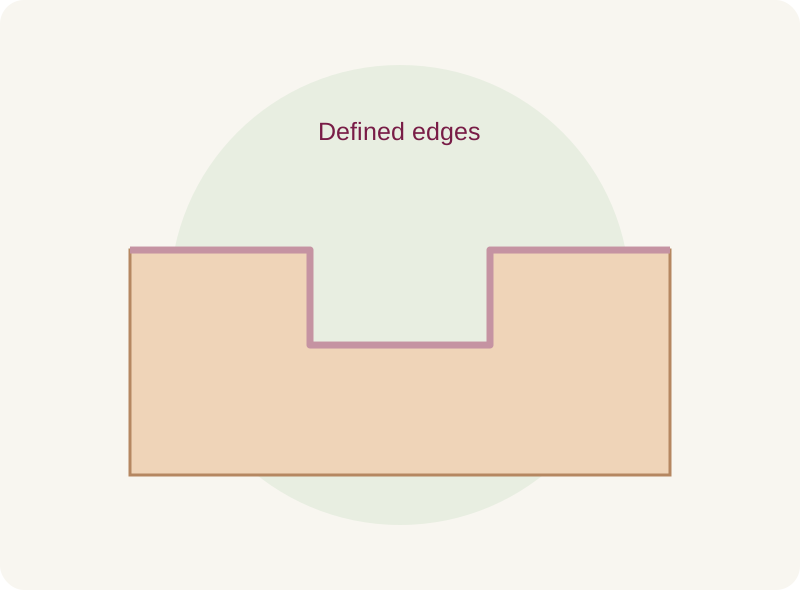
Depressed acne scars
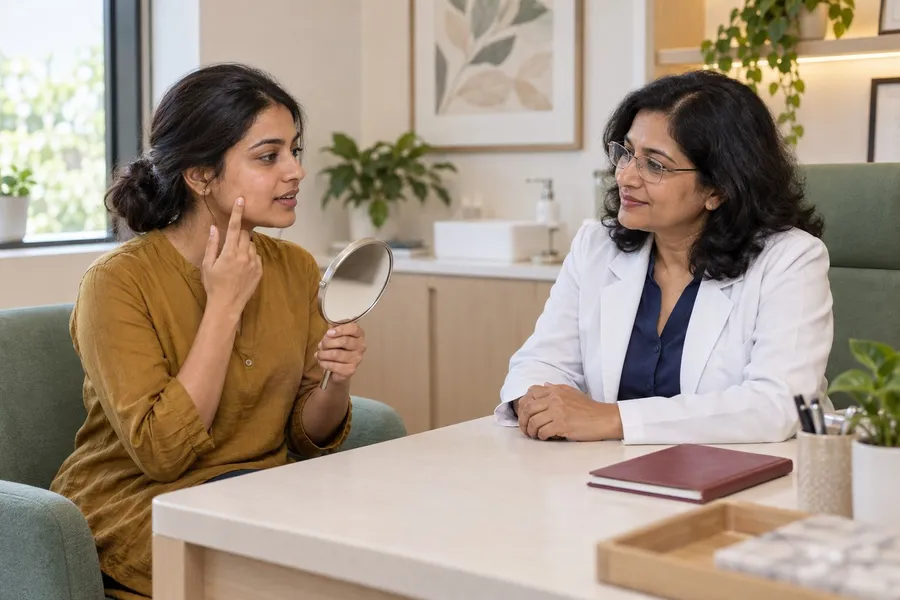
Selected shallow scar edges and uneven texture may soften. Deep narrow scars or scars pulled down by tissue bands can need other methods.
Explore acne scar careConsidering laser resurfacing? Learn what it may improve, how treatment patterns differ and the healing time to plan for.
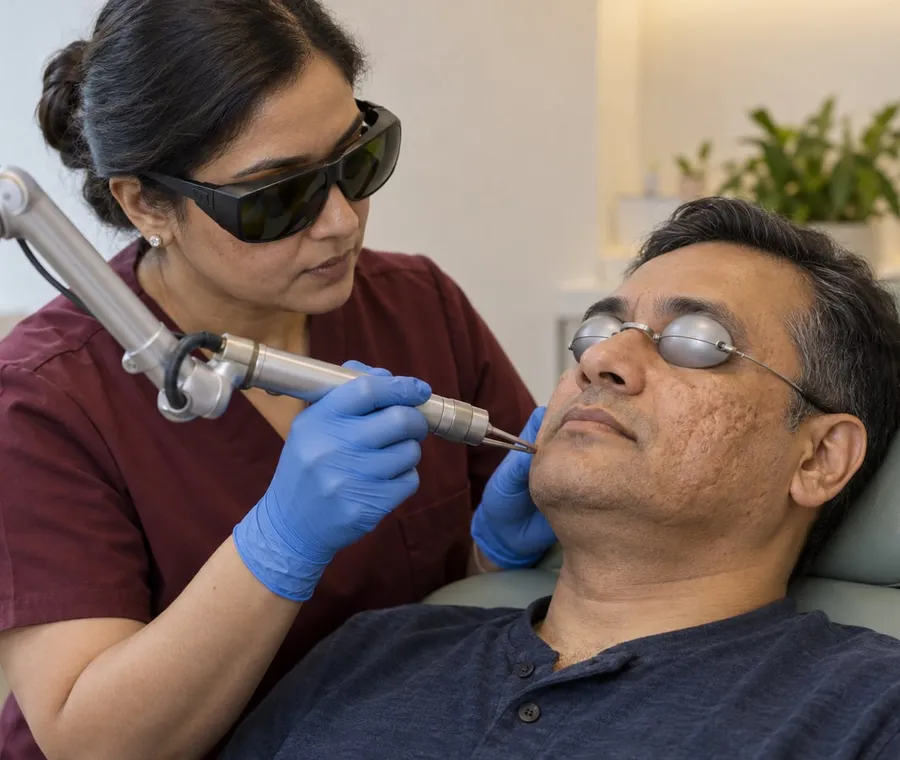
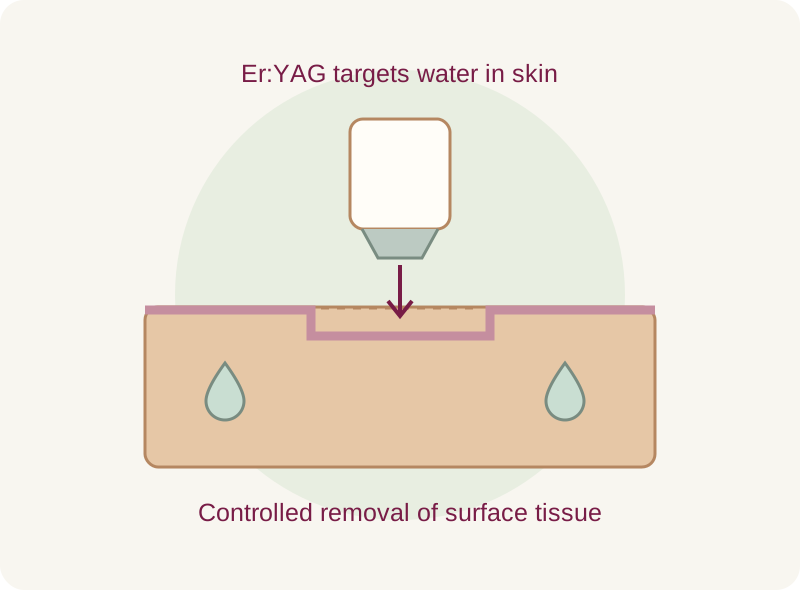
Erbium:YAG, often written Er:YAG, is a laser used for skin resurfacing. Its 2940 nm wavelength is strongly absorbed by water in the skin, allowing controlled tissue removal.
This page explains ablative resurfacing: treatment that removes skin tissue and needs healing care. The laser name alone does not tell you the treatment depth or recovery. These depend on the device, mode, area and plan.
Selected shallow scar edges and uneven texture may soften. Deep narrow scars or scars pulled down by tissue bands can need other methods.
Explore acne scar care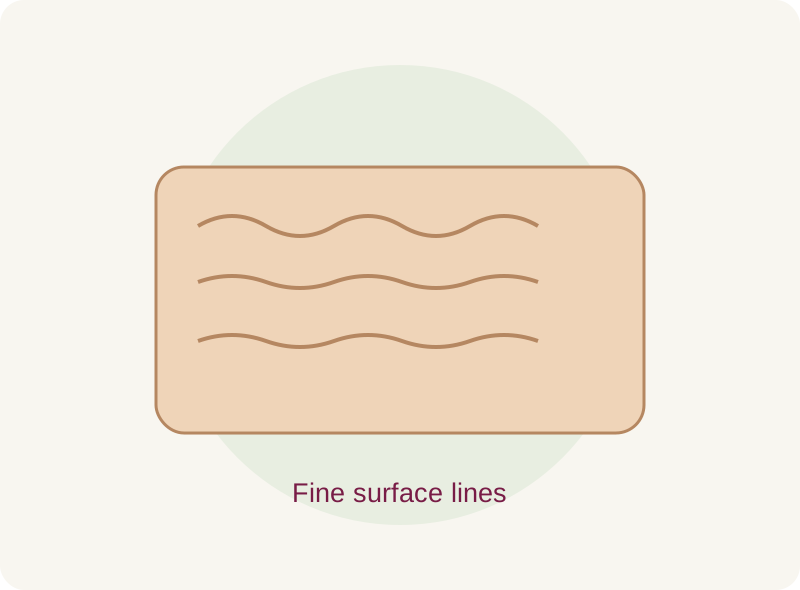
Some fine lines and sun-related surface changes may improve. Deep folds, muscle-driven expression lines and loose skin need a different discussion.
Understand lines and wrinkles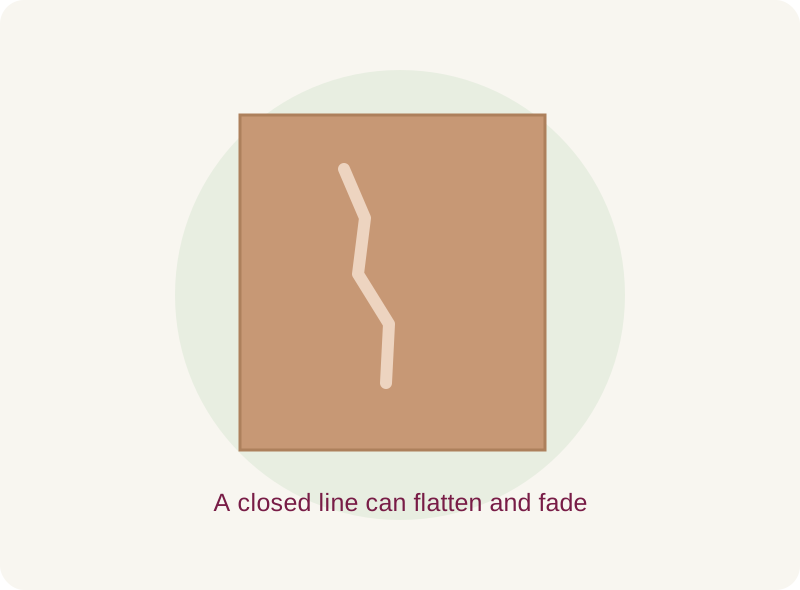
The scar’s shape, position and healing history guide the choice. A raised, growing or tight scar is not automatically a resurfacing problem.
Explore scar treatment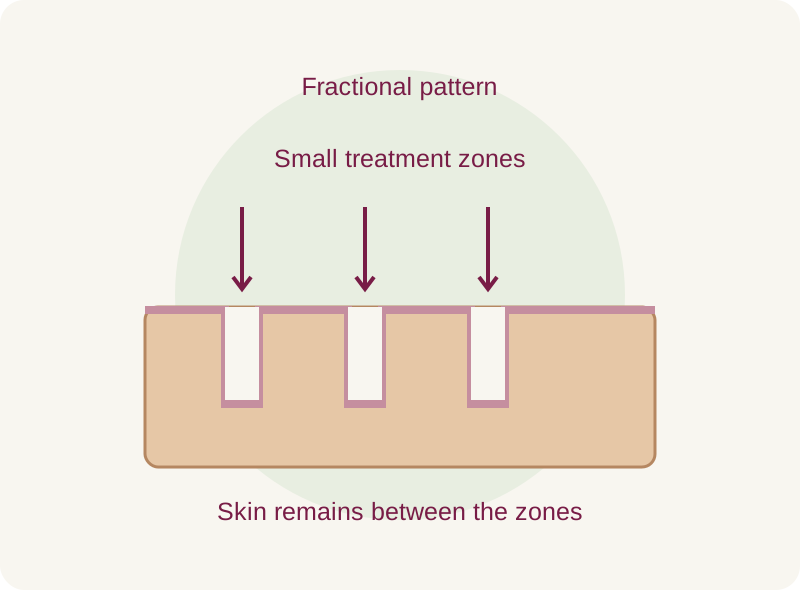
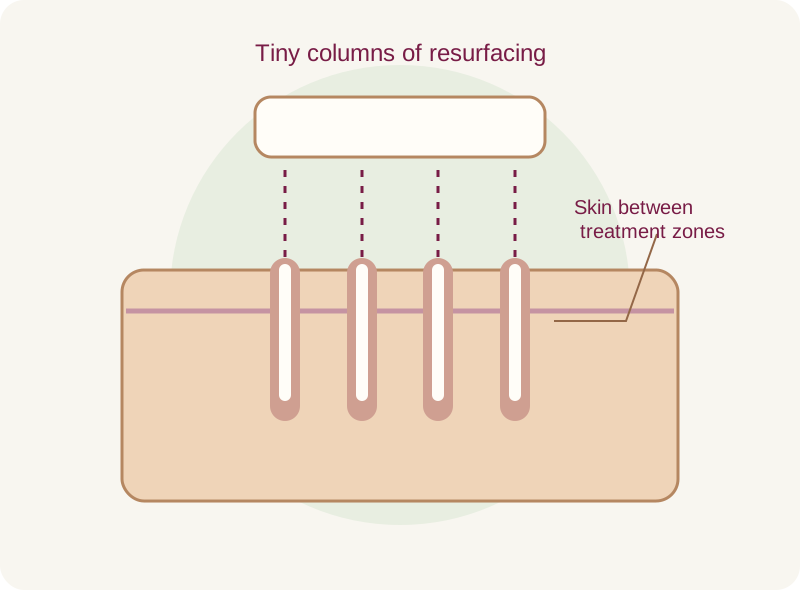
Treats many small zones with skin left between them. Coverage and depth still matter: fractional does not mean no wound or no downtime.
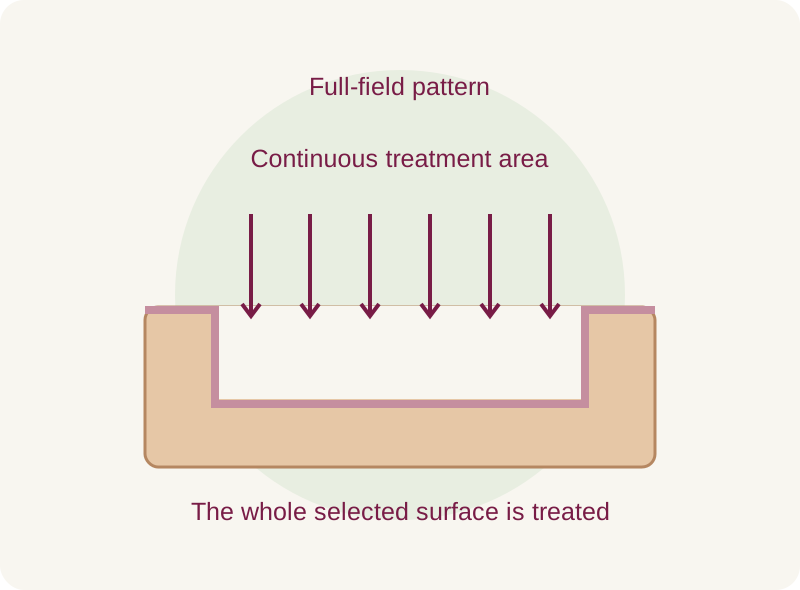
Treats the selected surface continuously. The area may need more involved wound care. Ask which pattern is planned and why it fits your concern.
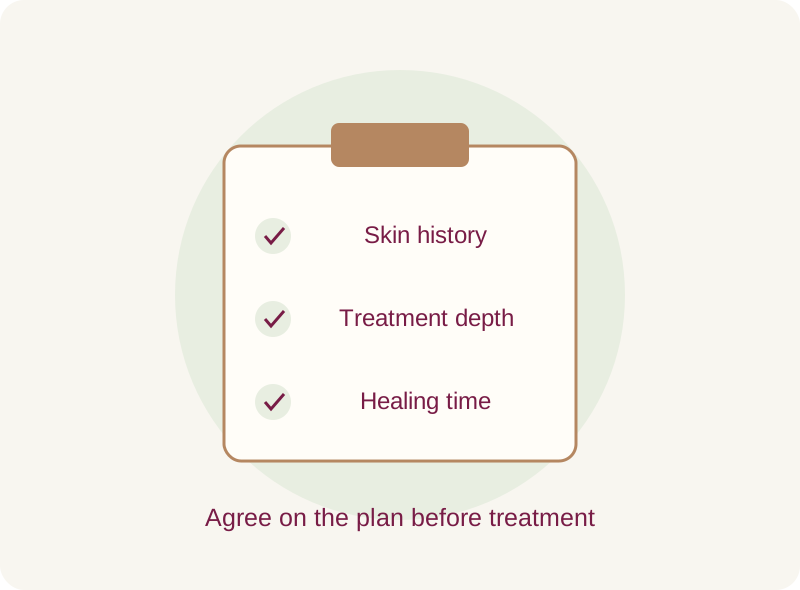
Active infection, irritated skin or an unexplained new mark needs assessment first. A cosmetic laser should not be used to hide a lesion that needs diagnosis.
Share past dark or pale patches, keloids and slow healing. Darker or recently tanned skin requires particular care; Er:YAG is not automatically safe for every skin tone.
Mention cold sores, diabetes, immune problems, previous radiation, all medicines and earlier procedures. Do not stop prescribed medicines without advice.
Choose a time when you can follow wound care and attend review. Discuss work, travel and outdoor plans before fixing the appointment.
Discuss the diagnosis, expected change and alternatives. The clinician explains the chosen pattern, comfort measures and recovery.
Follow your instructions on sun exposure and skin products. A cold-sore history may call for prescribed preventive care.
The area is cleaned, the agreed anaesthesia is used and eye protection is fitted for the device and treatment area.
The practitioner applies the planned laser passes and monitors the response. Tell them about unexpected pain. Appropriate ointment or dressing and care instructions follow.
Use the advised cleansing, ointment and dressings. Avoid picking, scrubs, home remedies or makeup on unhealed skin.
Attend the planned check. Confirm when to resume active skincare, shaving, exercise and swimming instead of applying a general online schedule.
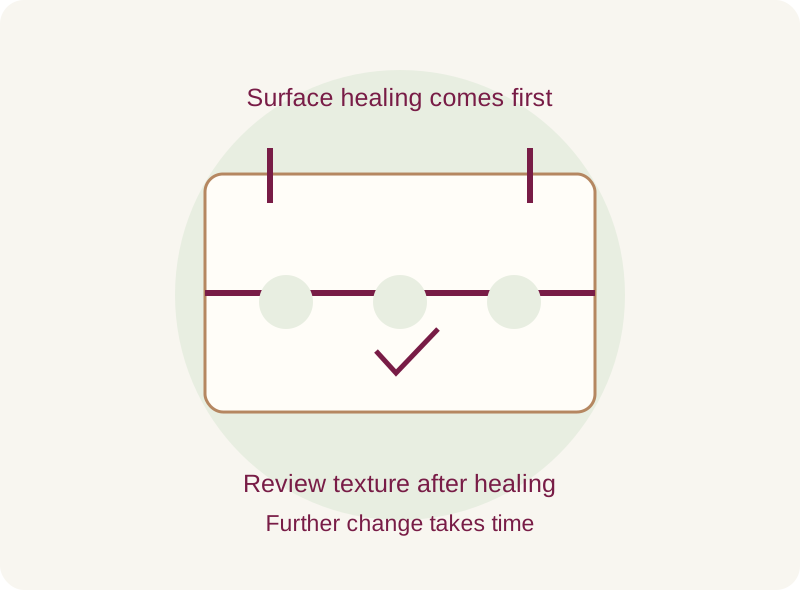
Skin can feel sore and look red, swollen or crusted. Lighter treatment may settle sooner; deeper or wider treatment can take longer. Ask for the expected timeline for your own plan.
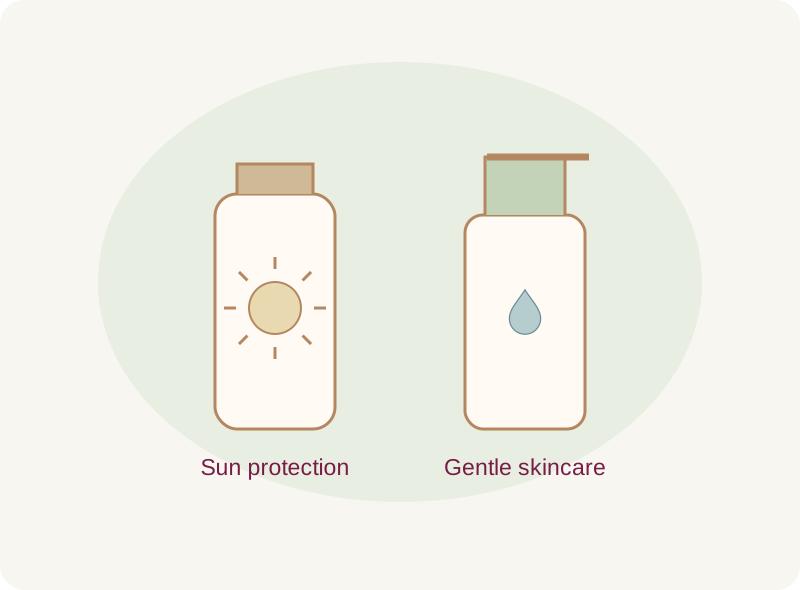
Avoid sun and tanning. Follow shade and clothing advice, and start the recommended sunscreen when appropriate for the healing surface. Redness can outlast surface healing.
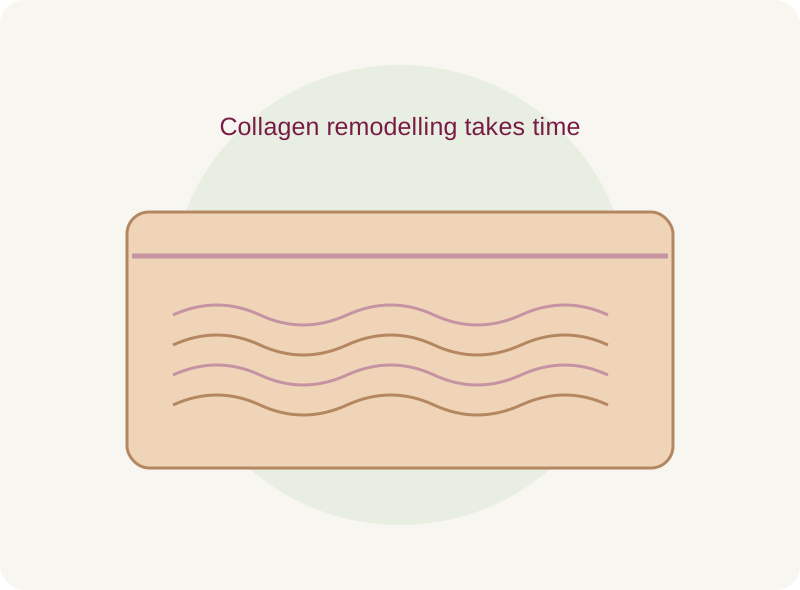
Texture changes develop over weeks to months. Early swelling can temporarily hide lines or scars. Judge progress after recovery before discussing another session.
Another ablative resurfacing technology. The wavelength, heat effect and treatment plan differ; neither laser is the best choice for every scar or skin tone.
Explore Fractional CO₂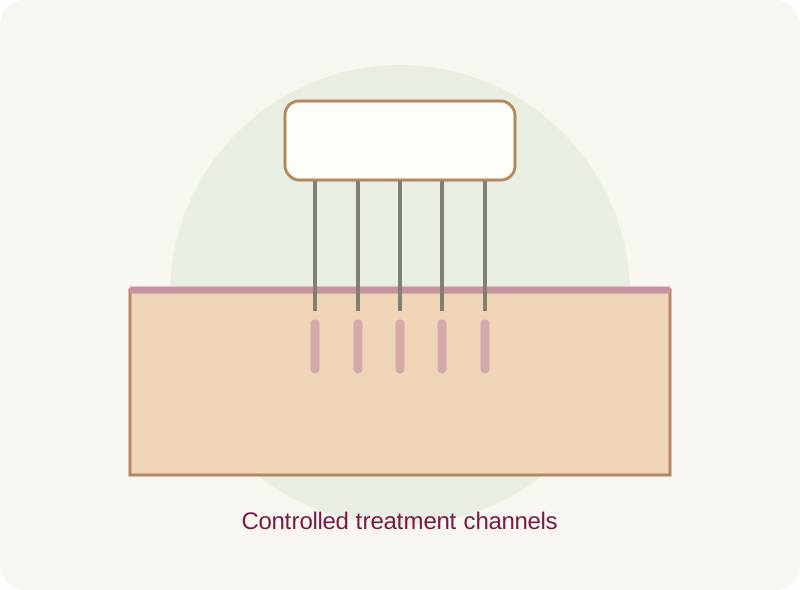
Uses fine needles rather than laser energy. Consider it for selected scar and texture concerns, with its own recovery and suitability checks.
Explore microneedling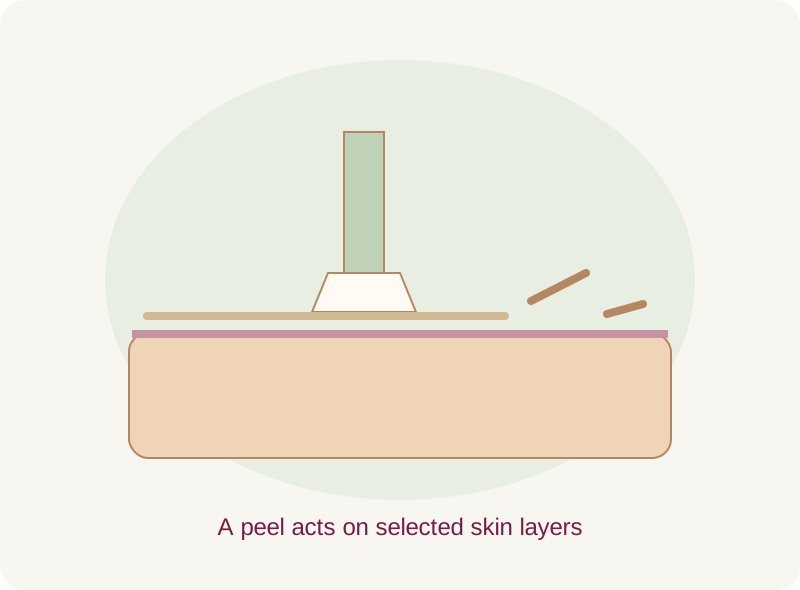
Uses a chemical preparation to exfoliate skin. Formula and depth determine the purpose and healing needs.
Compare chemical peelsOriginal skin resurfacing and scar care cases from Layers Clinics. Individual results vary.
Showing all 7 photographs
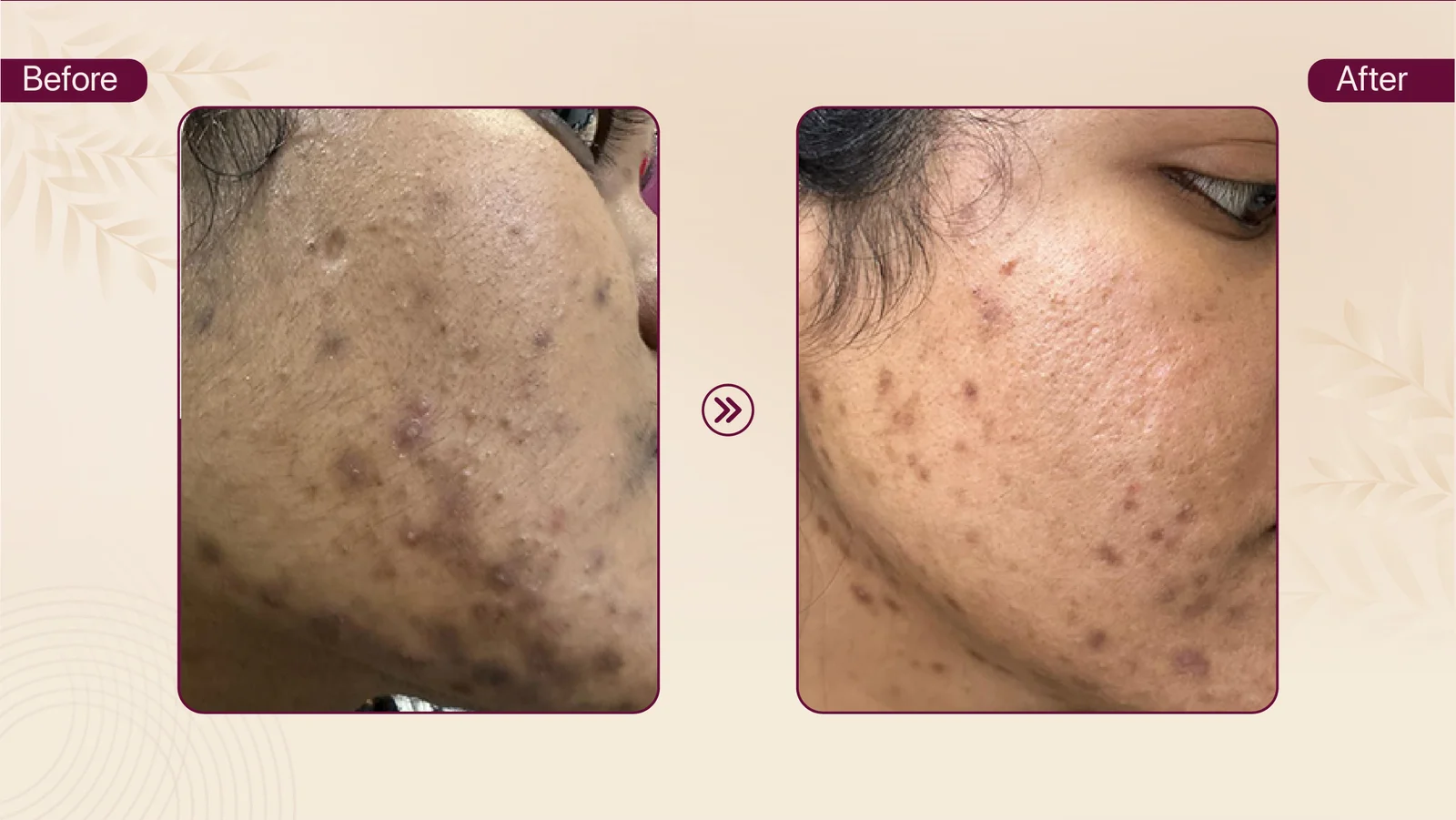
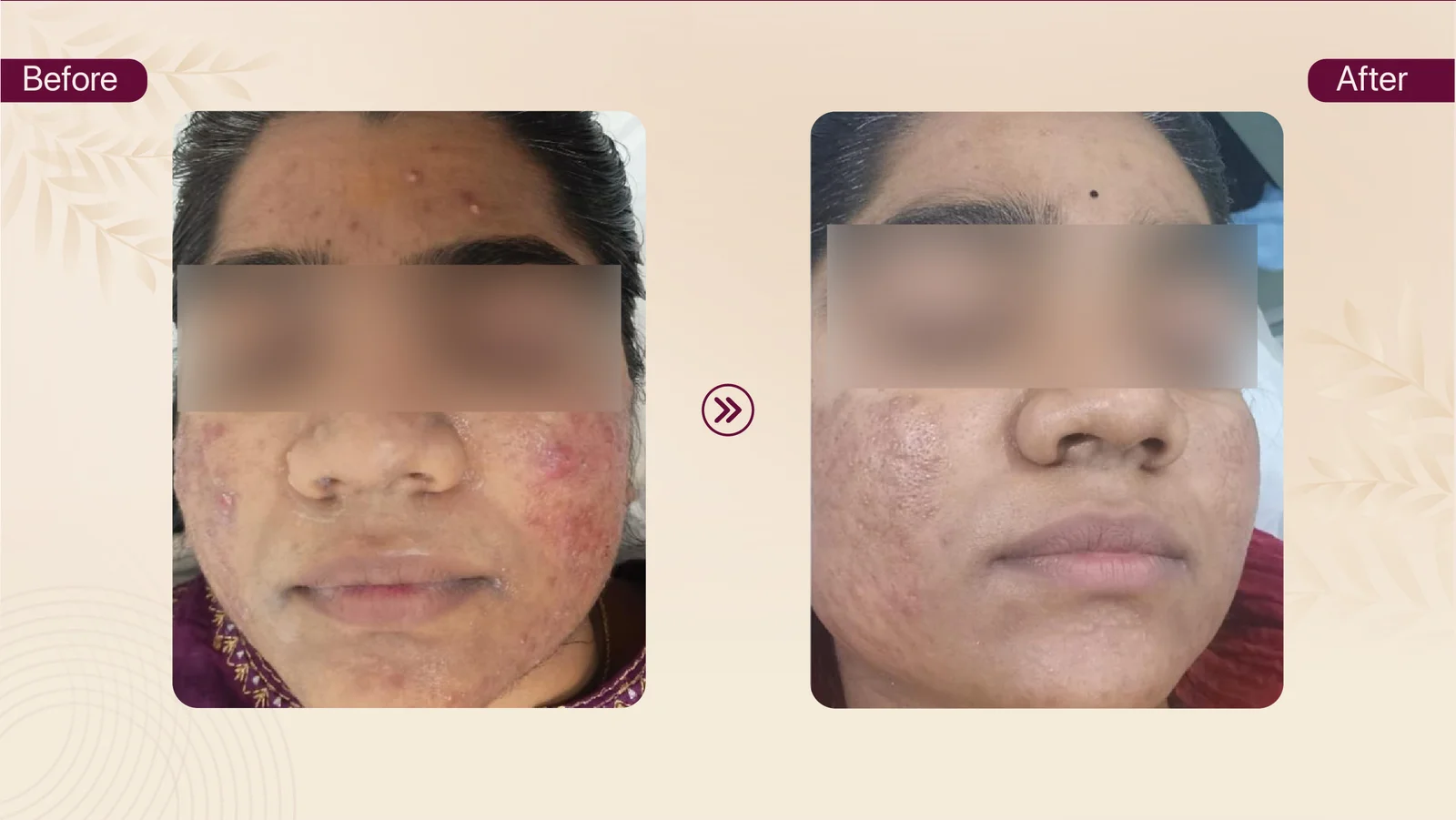
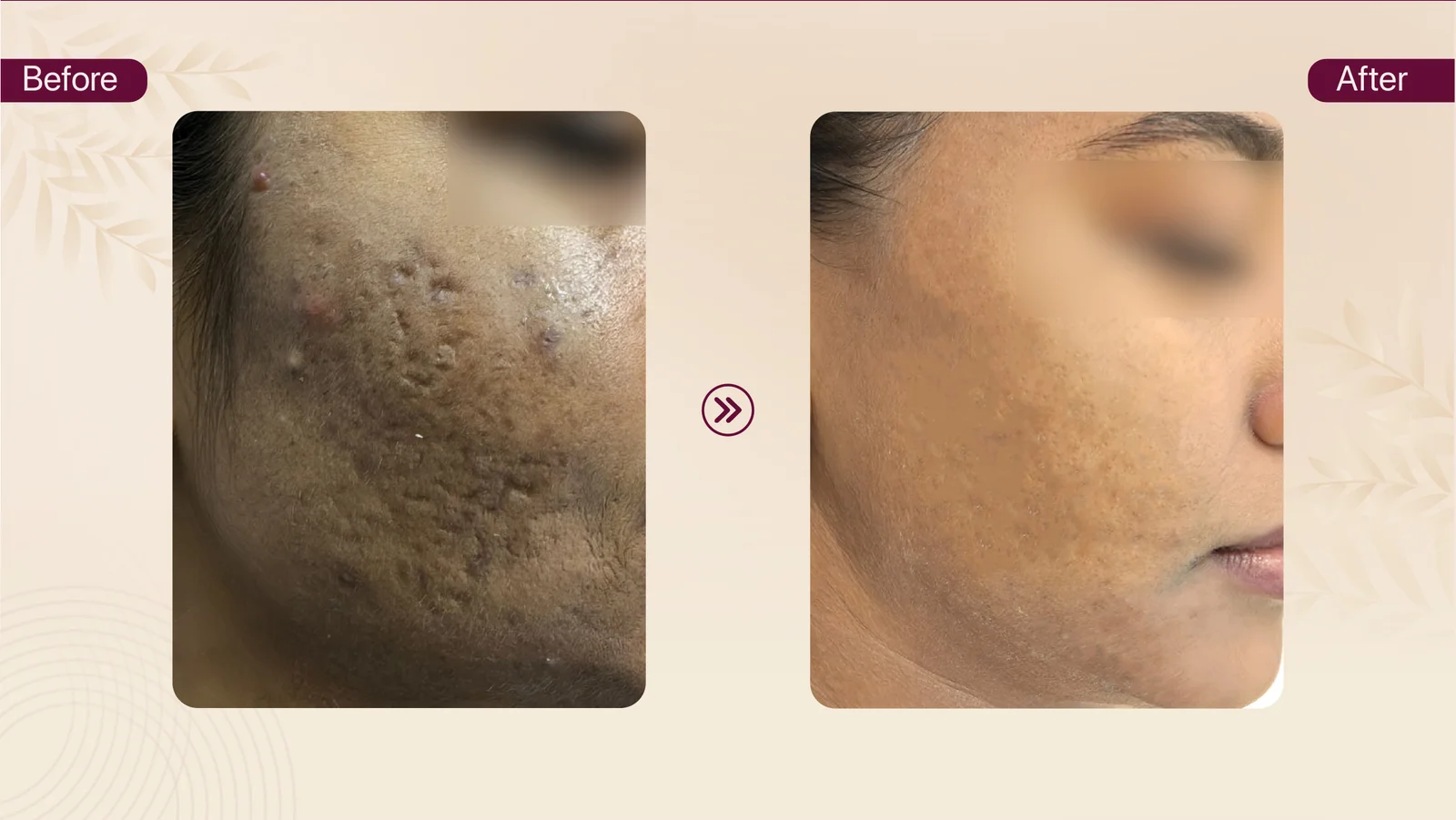
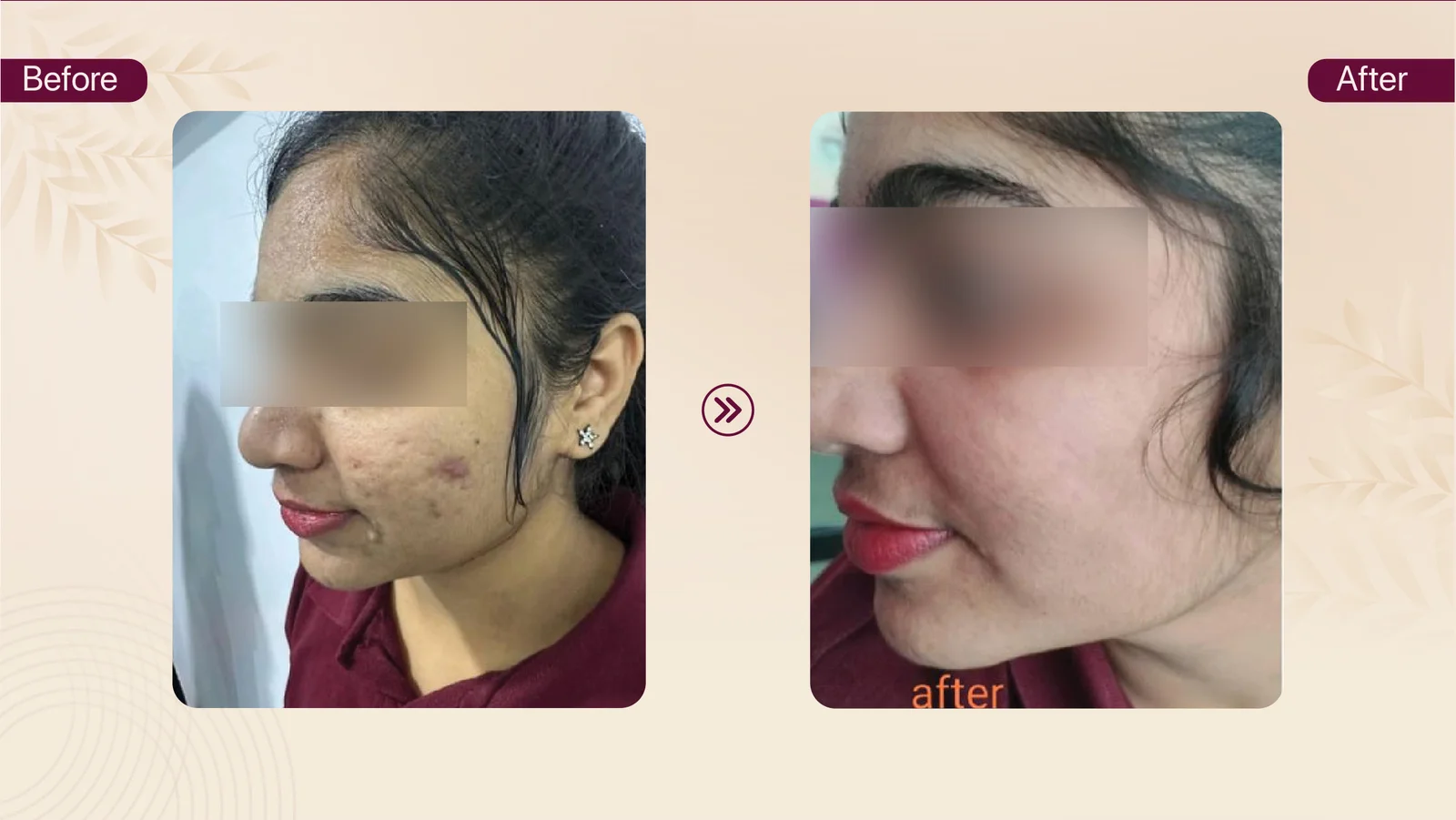
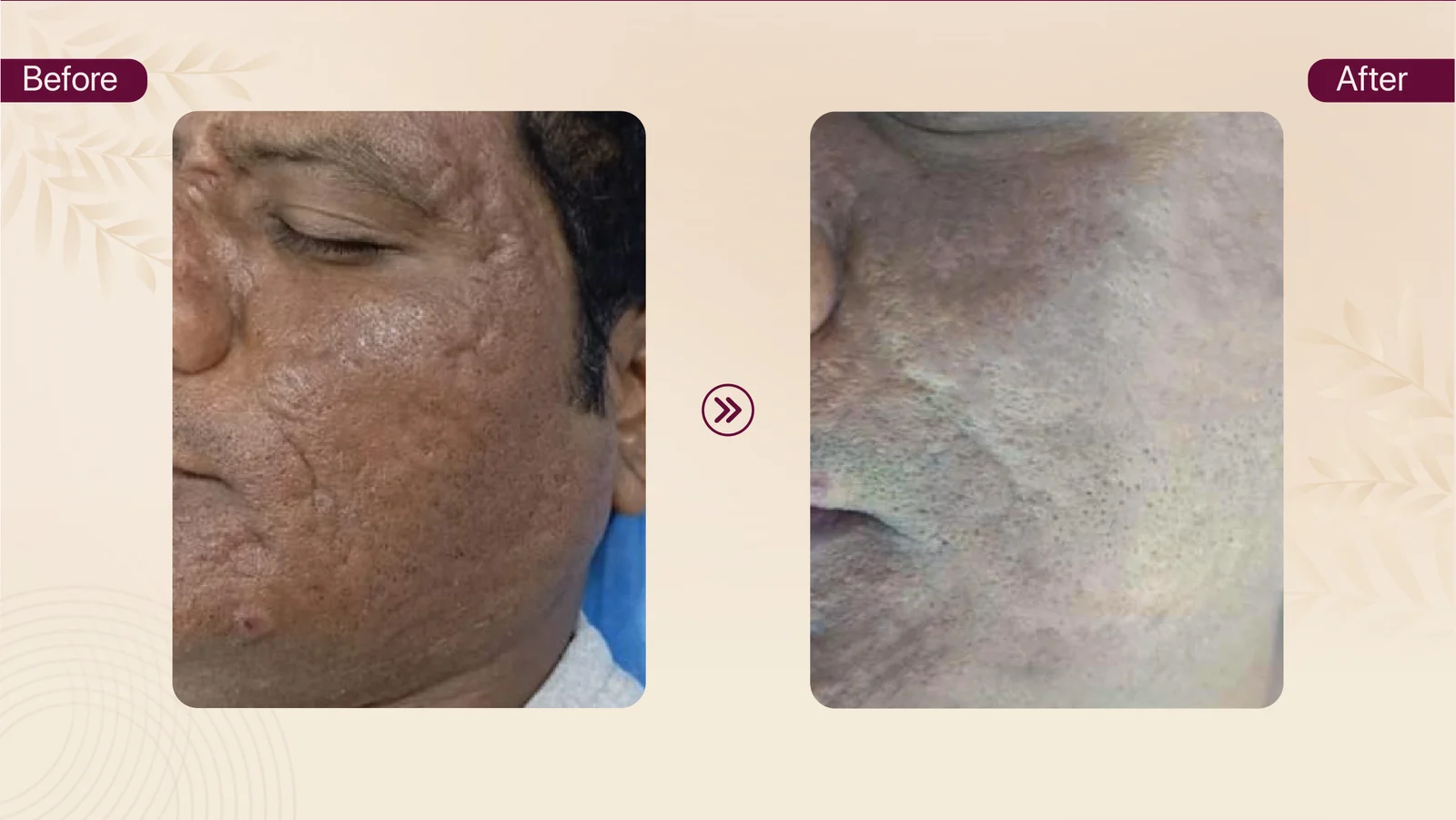
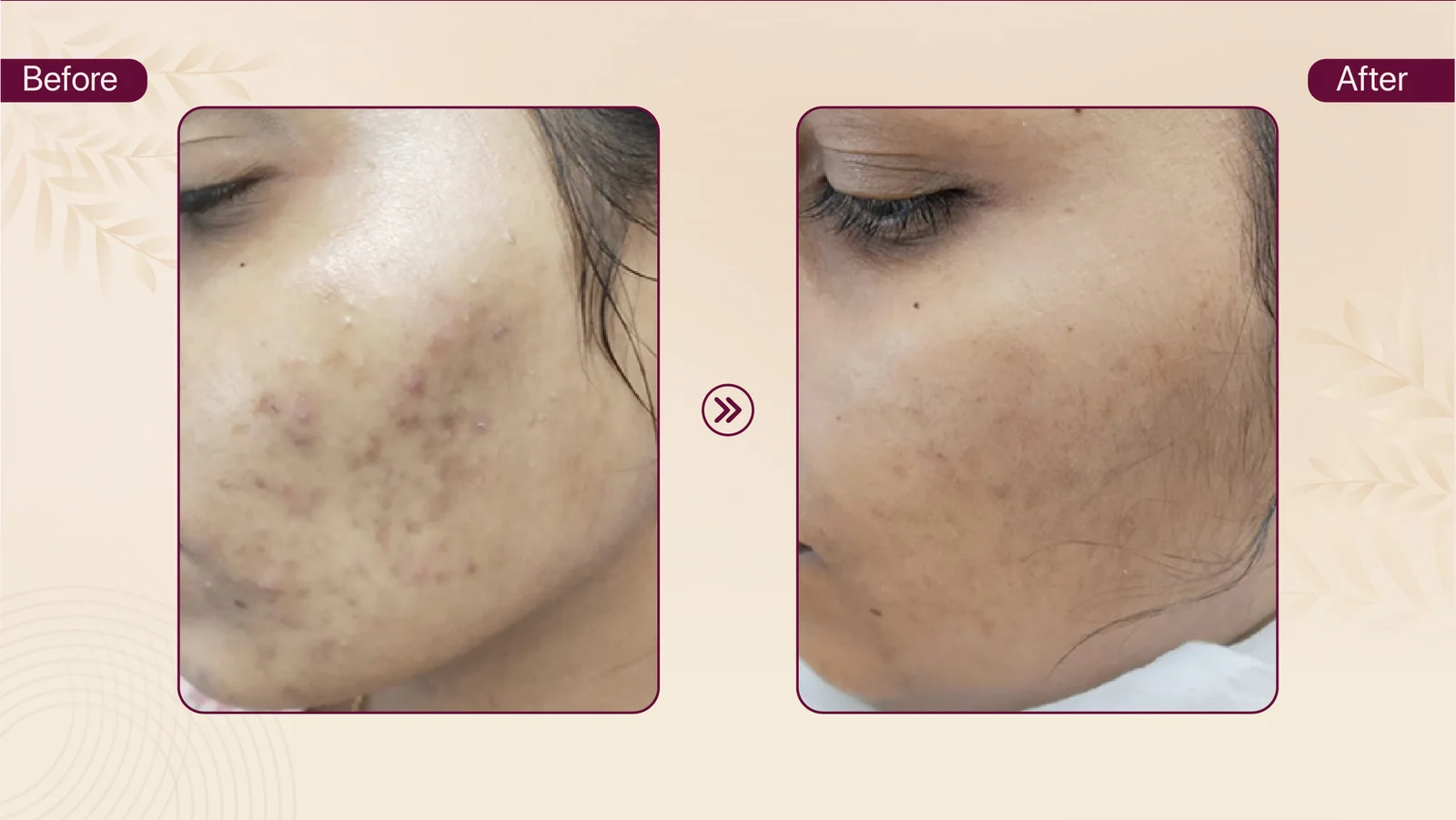
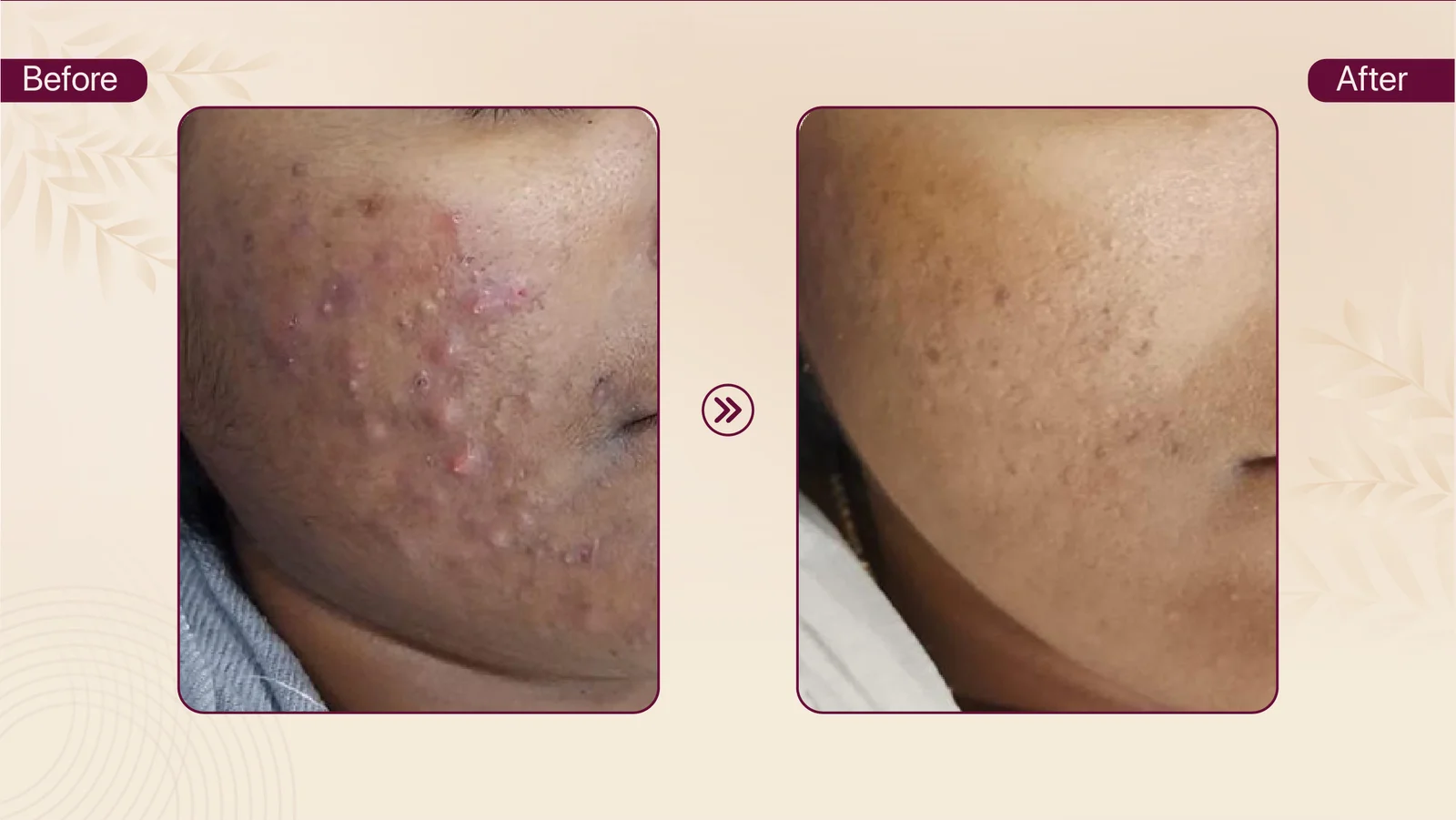
Individual results vary. These photographs show specific cases, not guaranteed outcomes. Original image quality, lighting and angles may differ. Your doctor can explain what may be possible for you.
Original acne and acne-scar review excerpts from Layers. They do not identify Erbium YAG as the treatment received.
“have also tried their acne treatment. So far, the experience has been great!”
“My skin has cleared up significantly in just a few months. Thank you for giving me my confidence back!”
Acne and acne-scar care; procedure not specified.



No. Er:YAG at 2940 nm differs from erbium-glass and other erbium-based systems. Ask for the device, mode and intended tissue effect, not only the word erbium.
Fractional describes a pattern of separated treatment zones. Different laser types can use that pattern. It does not tell you the depth or healing time by itself.
There is no universal winner. Er:YAG is strongly absorbed by water and can remove tissue with less residual heat in some modes. The actual treatment, skin and concern matter more than a general ranking.
Improvement is possible, but complete removal cannot be promised. Several scar shapes may be present together and may need a combination of approaches.
It depends on the treated area, coverage and depth. Plan for visible healing, and ask separately when skin is closed, when makeup is allowed and when redness is likely to settle.
Resurfacing needs a comfort plan. Anaesthesia depends on the area and procedure. Discuss pain control before treatment rather than assuming a laser session will be painless.
Avoid relying on a last-minute treatment for an event. Healing and redness can be unpredictable. Discuss your date before booking and allow room for recovery.
No. A brown mark first needs a diagnosis. Melasma, post-inflammatory marks and changing lesions may need different care; resurfacing can also cause pigment changes.
Discuss Erbium YAG, other options and the care that fits your skin.
Prefer a call? +91 9000 572727