Leave a comfortable tag alone
A confirmed skin tag that is not causing trouble can usually be left in place. There is no need to remove it simply because it exists.
Small skin tags are common and usually harmless. If a growth catches on clothing, feels sore or bothers you, start by having it checked.
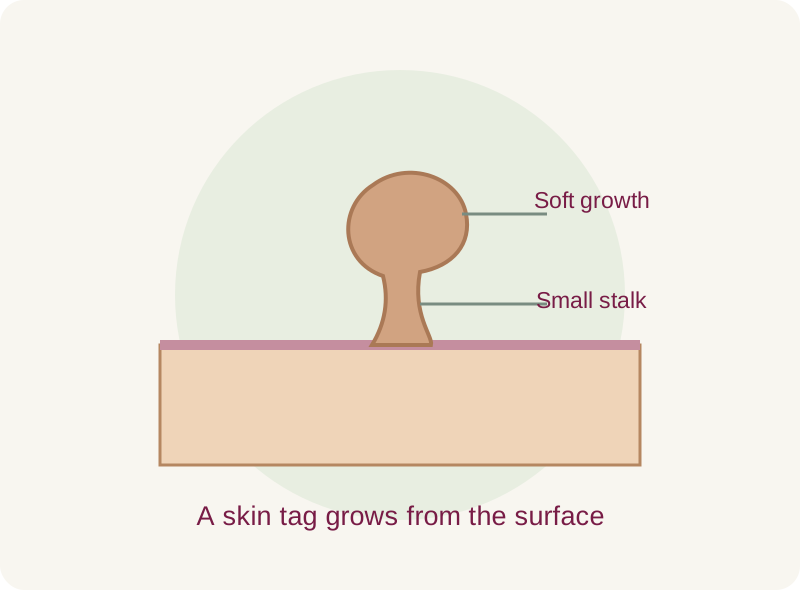
A skin tag is a soft, non-cancerous growth, also called an acrochordon. It may be close to your skin colour or a little darker, and often hangs from a small stalk.
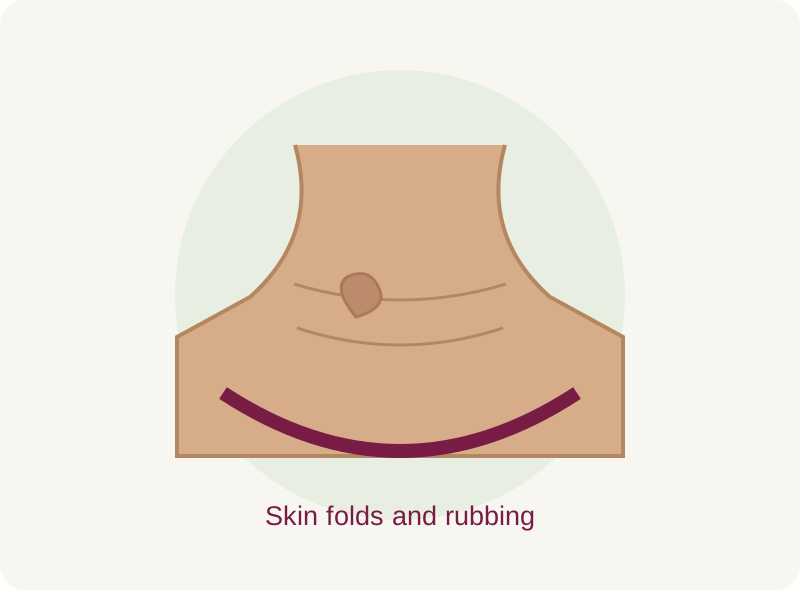
They commonly appear around the neck, underarms, eyelids and other skin folds. Size and appearance vary, so a photograph alone cannot confirm that every small growth is a skin tag.
A tag often moves slightly where it joins the skin. Some have a wider base. It may remain unchanged and cause no discomfort.
Collars, jewellery, shaving or skin folds can irritate it. Repeated bleeding or a painful growth should be examined rather than assumed to be a tag.
Warts, moles and other growths can look similar. A changing colour, rapid growth or a sore that does not heal needs assessment before cosmetic removal.
The exact cause is not always clear. Friction in skin folds may play a part, and tags become more common with age. They can also occur during pregnancy or run in families.
Skin tags are more common in people with insulin resistance or type 2 diabetes, but having a tag does not diagnose either condition. If many appear suddenly, a clinician can check the skin and decide whether any wider health assessment is useful.
A confirmed skin tag that is not causing trouble can usually be left in place. There is no need to remove it simply because it exists.
Removal may help when a tag repeatedly catches, becomes irritated or affects your confidence. A tag on an eyelid that affects vision needs a suitable specialist assessment.
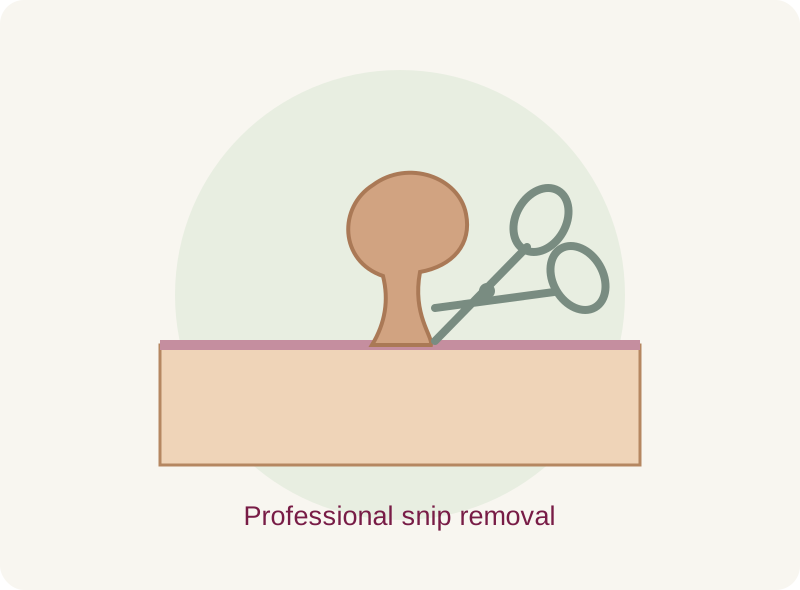
A clinician may remove the tag with sterile scissors or a blade, with local numbing when needed. Bleeding is controlled and the small wound is protected.
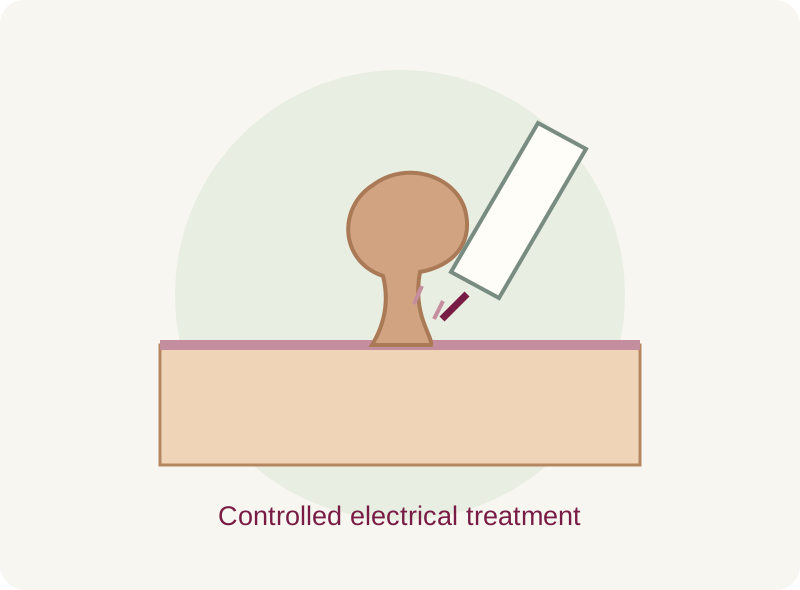
A carefully controlled electrical technique can treat selected tags. A small crust can form while the area heals; surrounding skin needs protection.
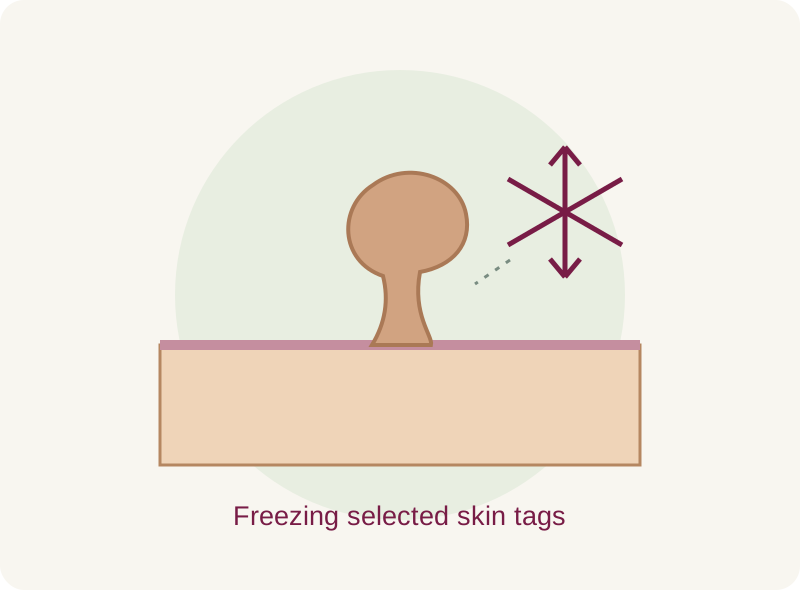
Liquid nitrogen may be used for suitable tags. Soreness, a blister or a crust can follow. The size, location and your skin’s response help determine the method.
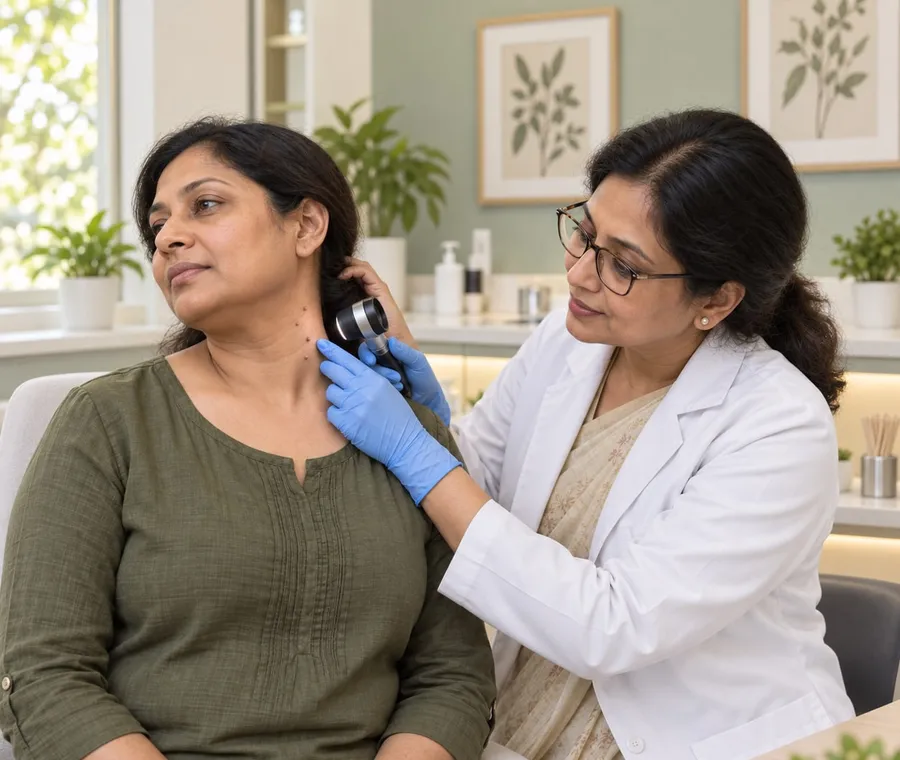
Explain when it appeared, whether it hurts or bleeds, and what catches on it. The dermatologist examines the growth and surrounding skin.
Mention medicines, bleeding problems, previous scars and any sudden increase in tags. An unusual growth may need further assessment or a sample.
Ask what leaving it alone would mean and what removal could improve. Not every appointment needs to end with treatment.
Discuss numbing, bleeding, pigment changes, scarring and care near sensitive areas. The clinician will confirm which method is appropriate and available.
Keep the area clean and use any dressing or ointment as directed. Do not pick a crust or pull at skin that is healing.
Increasing pain, heat, spreading redness, discharge or bleeding that does not stop needs prompt advice. Ask how any sample result will be shared.
The appearance depends on the method and location. Healing can take days to a few weeks; follow the advice for bathing, shaving, exercise and dressings.
Temporary darkening or lightening, and sometimes a lasting scar or pigment change, can occur. A completely mark-free result cannot be promised.
Removing one tag does not prevent others developing. Recheck a persistent or returning growth rather than treating it repeatedly yourself.
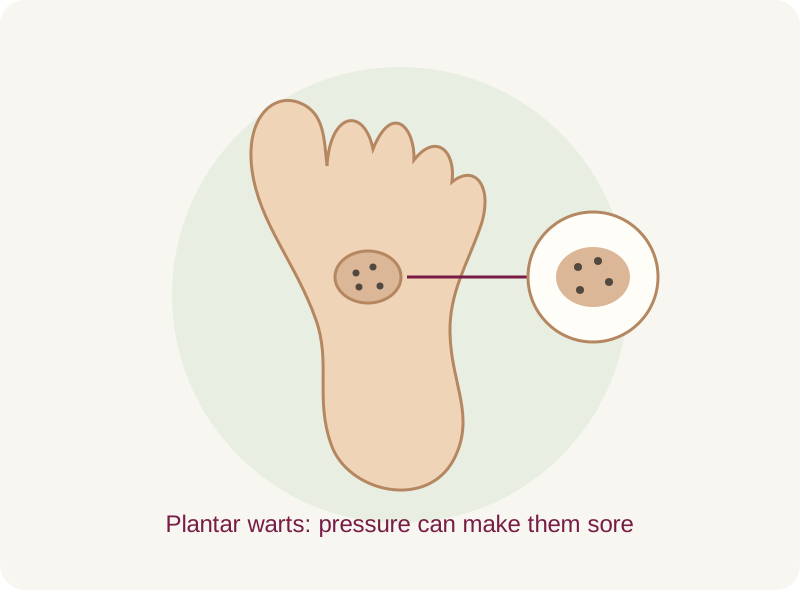
Warts are caused by a virus and follow a different treatment plan. Do not use wart treatments on an assumed skin tag.
Understand wartsA mole or another pigmented growth needs its own assessment, particularly if it is changing.
Explore mole assessmentThese original Google excerpts describe general consultations and care. They do not identify skin tag removal or its outcomes.
“The doctors listened carefully to my concerns and explained the treatment in a clear and professional manner.”
Consultation experience; condition not specified.
“She explained the treatment clearly and made me feel comfortable throughout the consultation.”
Consultation experience; condition not specified.
“The doctor took the time to understand my skin concerns and explained the treatment plan clearly, without rushing.”
Consultation experience; condition not specified.
“Very patient ,humble and polite to answer every single query and build confidence.”
Consultation experience; condition not specified.
“The doctors explained everything clearly and made me feel comfortable and confident.”
Consultation experience; condition not specified.
“The doctor took the time to listen to my concerns patiently and explained the treatment options clearly.”
Consultation experience; condition not specified.
















A confirmed skin tag is benign. Other growths can resemble one, so have a new, unusual or changing spot checked instead of diagnosing it from an image.
Skin tags are not considered contagious. They are different from viral warts.
No. Tags can occur without diabetes. Your clinician may consider other symptoms and risk factors when deciding whether a blood-sugar check is useful.
Usually yes, if the diagnosis is clear and it is comfortable. Removal is optional unless its location or irritation is causing a problem.
You may feel a brief sting from numbing medicine or discomfort with freezing or electrical treatment. Pain control depends on the method and area.
The eyelid needs particular care. A dermatologist can assess the growth and arrange an appropriate specialist when needed; do not apply removal products near the eye.
A small scar or colour change is possible with any removal method. Your skin history, the size and location of the tag, and aftercare affect healing.
New tags may appear elsewhere, and an incompletely removed growth can persist. Have a returning or changing spot reviewed before another treatment.
Talk about irritation, appearance and whether removal is right for you.
Prefer a call? +91 9000 572727