Raised scars
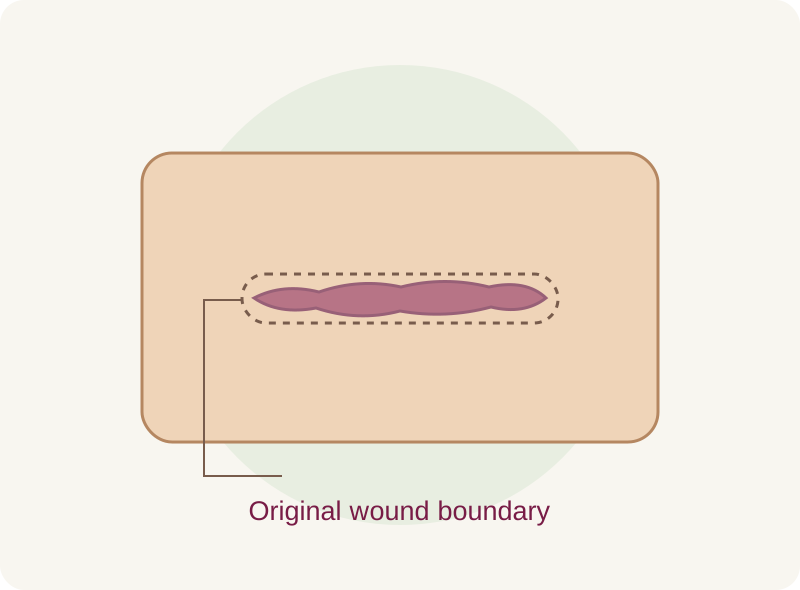
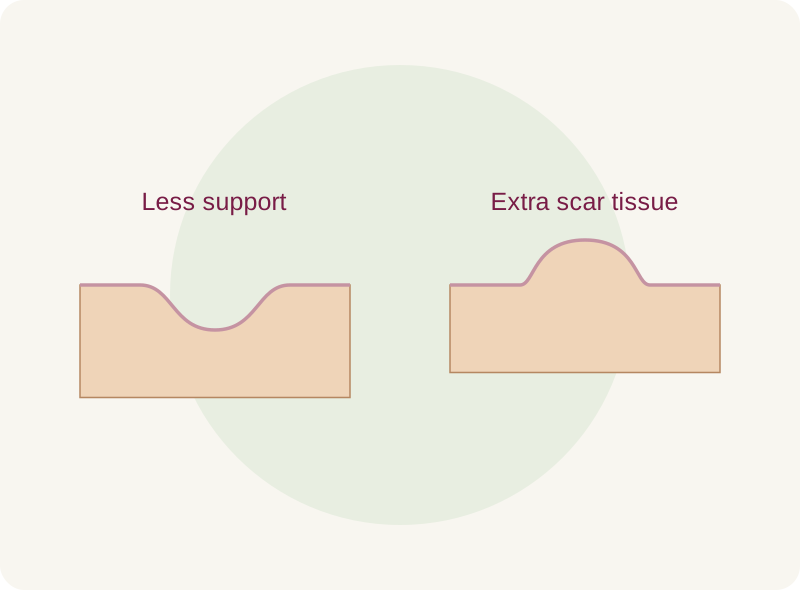
A hypertrophic scar stays within the original injury. It may be firm, red or itchy and can gradually flatten as it matures.
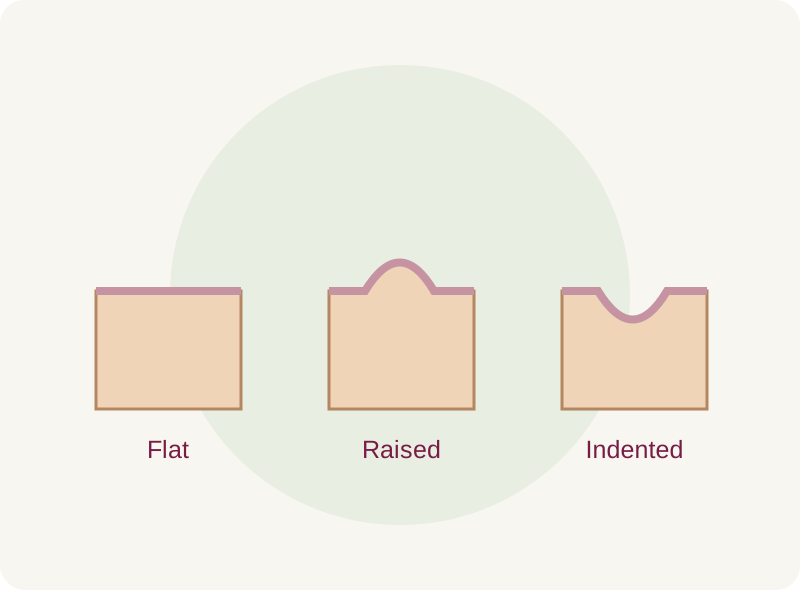
A scar may feel raised, sunken, itchy or tight. Explore treatment choices that fit the scar, your skin and the change you would like.

Scar treatment aims to improve a scar’s appearance, comfort or flexibility. It may soften a raised area, reduce redness or itch, or help movement where skin feels tight.
A scar forms as damaged skin heals. Its cause, age, depth and your healing history affect what may help. Complete removal cannot be promised, and some scars improve with time alone.
A hypertrophic scar stays within the original injury. It may be firm, red or itchy and can gradually flatten as it matures.
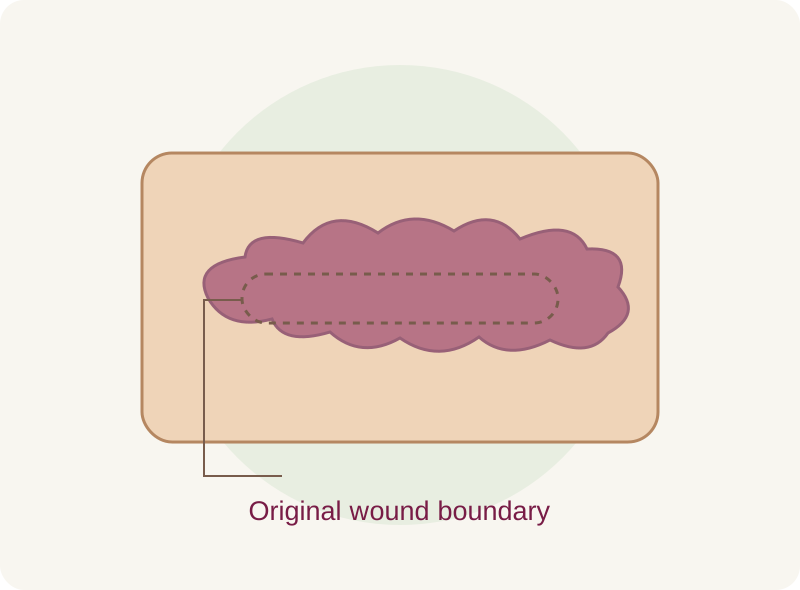
A keloid grows beyond the original injury. It may keep enlarging or return after treatment, so preventing regrowth is part of the plan.
Understand keloids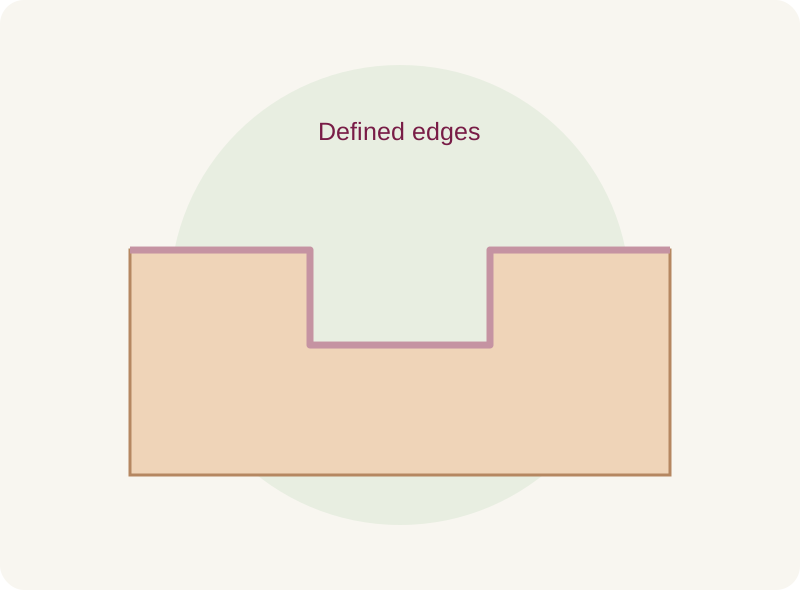
A loss of support or tethering beneath the skin can leave a depression. Acne scars are one example, and often include several shapes.
Explore acne scar care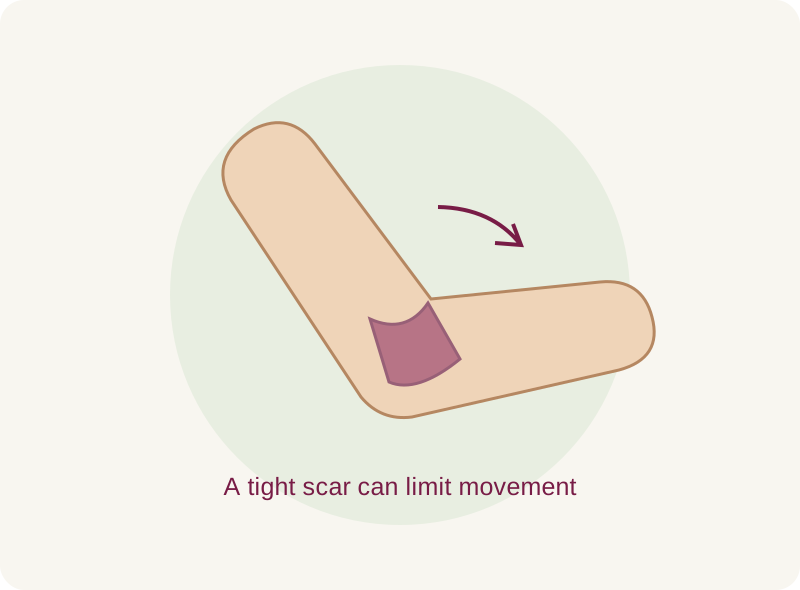
A contracture can pull on nearby skin and limit movement, sometimes after a burn. Function matters as much as appearance and may need specialist care.
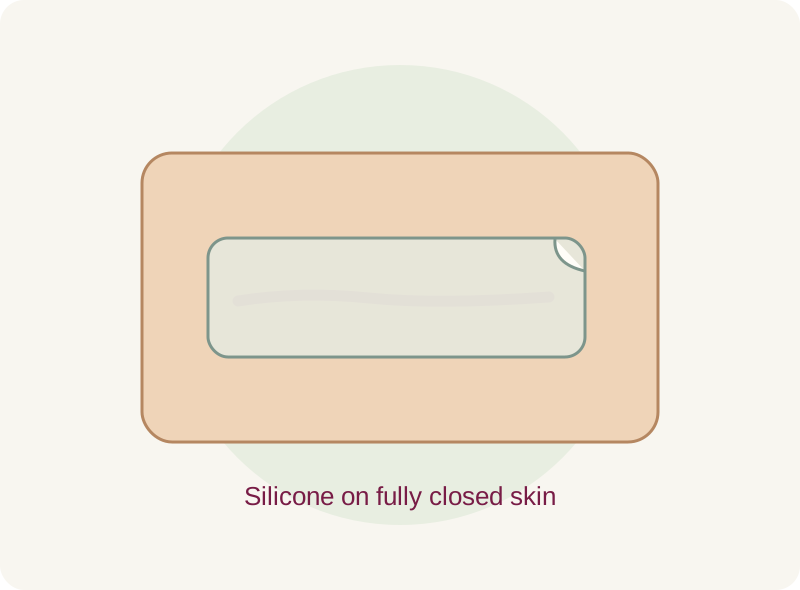
Silicone products and scar massage are for appropriately healed skin, not an open or infected wound. Follow the advice of the team managing your injury or surgery.
Silicone gel or sheets may help some raised scars. Pressure garments may be prescribed for selected scars, especially after burns. Fit and regular review matter; do not improvise tight bandaging.
Use sun protection on exposed scars. If massage is advised, ask when and how to begin. Stop a product and seek advice if it causes a rash or skin breakdown.
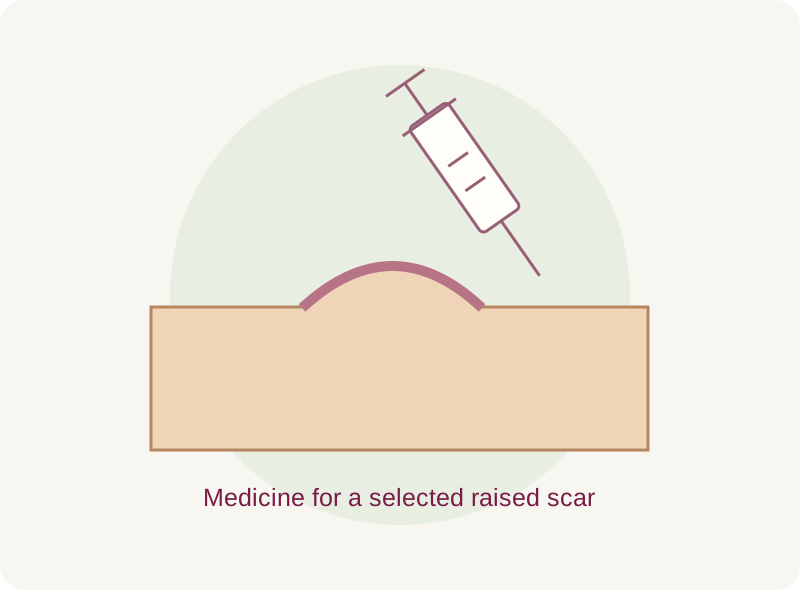
Corticosteroid injections and other medicines may help selected raised scars or keloids. They can soften tissue and ease symptoms; thinning skin and pigment changes are possible.
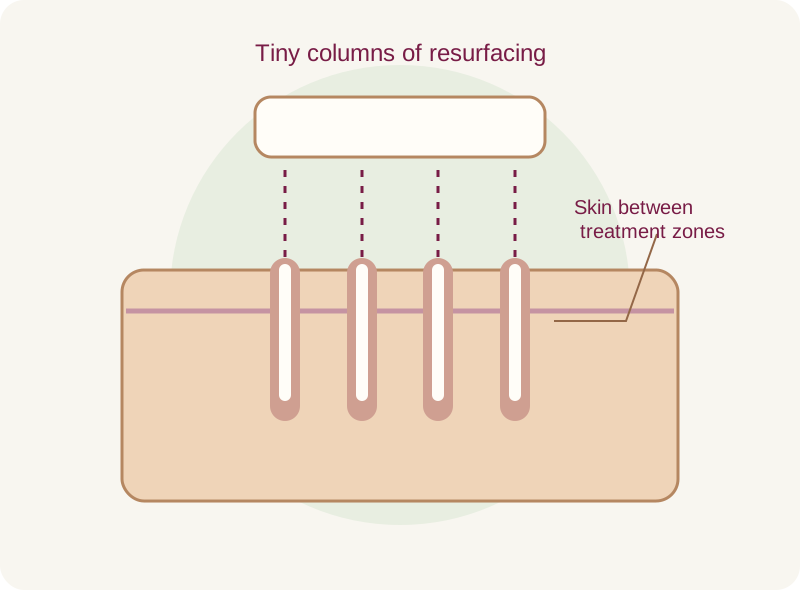
Some lasers target redness; others work on texture. Fractional CO₂ is one resurfacing option, with wound care and pigment risks to discuss.
Understand fractional CO₂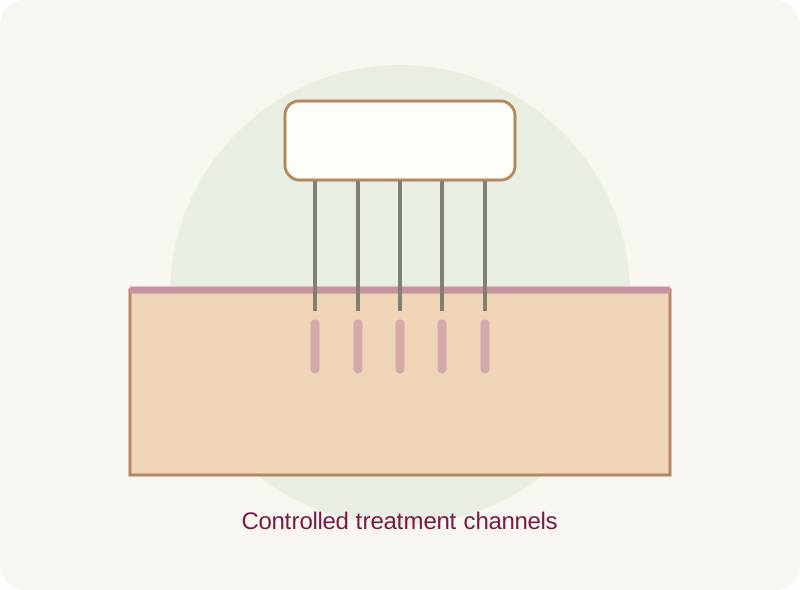
Needling may improve some indented scars as skin remodels. It is not a routine choice for every raised scar or keloid.
Understand microneedling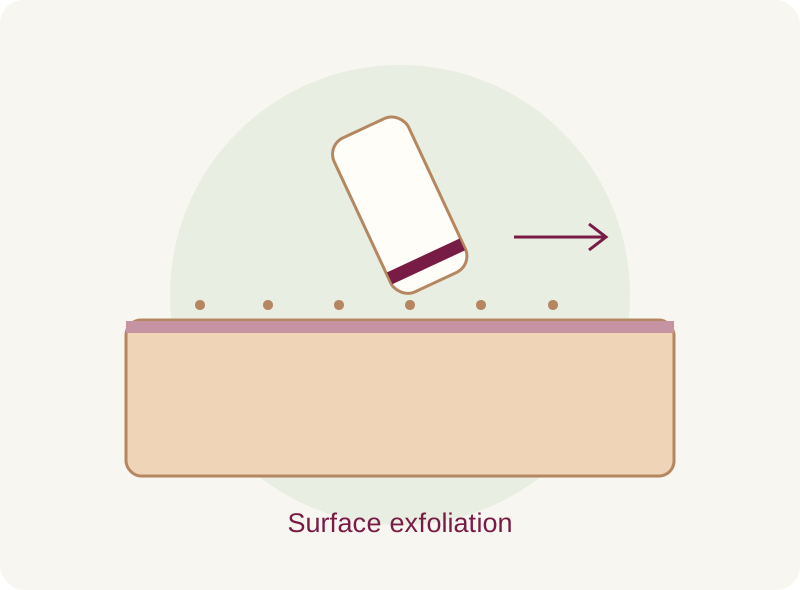
Selected peels or resurfacing techniques may address shallow irregularities or colour. A surface treatment will not release a tight scar or flatten every keloid.
Understand chemical peels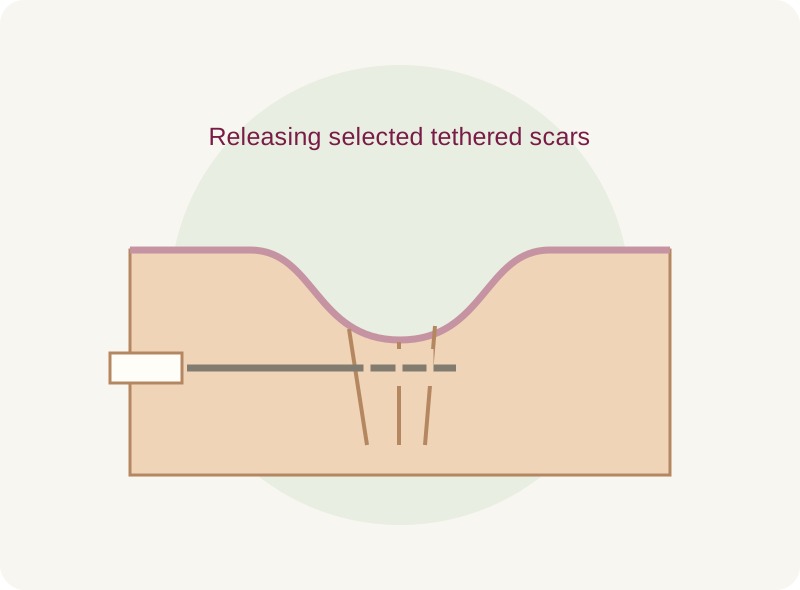
Selected tethered scars may need release beneath the skin. Some depressions may be considered for filler. These are different procedures with different risks.
Compare indented-scar options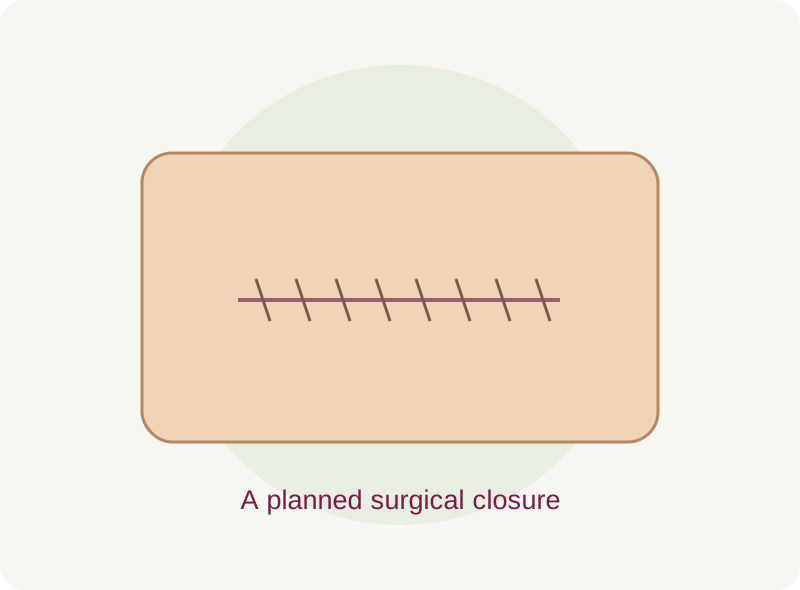
Surgery may change a scar’s width, direction or tension, or release a contracture. It creates a new scar and needs a healing plan.
Learn about revisionA surgeon may consider revision for a widened, poorly positioned or tight scar. The aim can be a less noticeable line, improved flexibility or both.
Revision can involve removing part of a scar and closing the skin differently. More complex scars may need tissue rearrangement or a graft. The method and anaesthesia depend on the scar and area.
Surgery replaces or reshapes scar tissue; it cannot make skin as though no injury occurred. Discuss the likely location and length of the new scar.
Removing a keloid alone can lead to recurrence, sometimes larger than before. Additional treatments may be recommended to reduce that risk.
A tight burn scar or a scar affecting a joint may need a reconstructive surgeon and rehabilitation support. Your consultation should establish who will manage the procedure and follow-up.
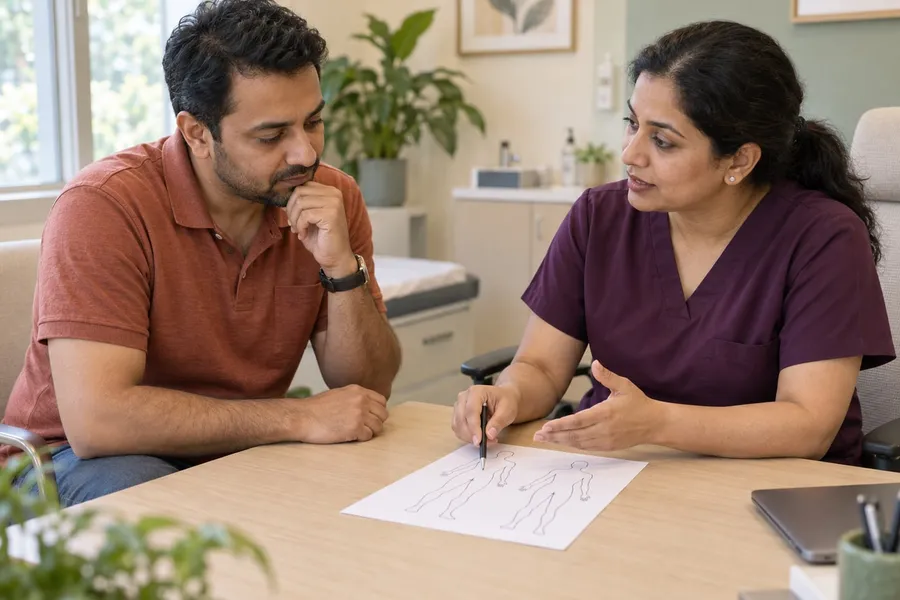
Explain whether appearance, itch, pain or limited movement matters most. A useful treatment goal may involve comfort even when the scar remains visible.
Bring details of the injury or surgery, how the scar has changed and previous treatments. A new scar may need time to settle; a painful or growing scar needs assessment.
Mention medicines, smoking, diabetes, skin infections, pregnancy and any history of keloids. These can affect timing, procedure choice and recovery.
The clinician checks height, colour, firmness, symptoms and movement. Photographs and measurements can help follow progress.
Discuss observation, skin care, procedures or referral. Understand alternatives, costs, likely recovery and whether several stages may be needed.
A dressing, injection, laser and surgery involve different preparation. Confirm numbing or anaesthesia and, for laser treatment, suitable eye protection.
The treating clinician explains wound care, medicines if needed, activity limits and whom to contact. Surgical wounds may need dressings and a planned suture review.
Review colour, thickness, discomfort and movement. The right interval depends on the treatment and your skin’s response.
A plan may change if a scar regrows, pigment changes or the improvement is limited. Repeating the same procedure is not always the best next step.
Scar improvement is usually gradual. Redness and firmness can change over months, and the final appearance after revision may take a year or longer to settle.
Recovery differs by treatment. Injections may leave temporary soreness; resurfacing can need wound care; surgery may require dressings, suture care and limits on stretching the area. Follow your own written plan.
Infection, bleeding, pigment change, persistent pain, altered sensation and a worse or recurrent scar are possible. Surgery also carries wound-healing and anaesthetic risks.
Contact your treating team promptly about increasing pain, spreading redness, discharge, fever or a wound opening. A scar that develops a new lump, ulcer or unexplained bleeding also needs assessment.
Explore ice-pick, boxcar and rolling scars, and why a mixed pattern may need more than one method.
Explore acne scars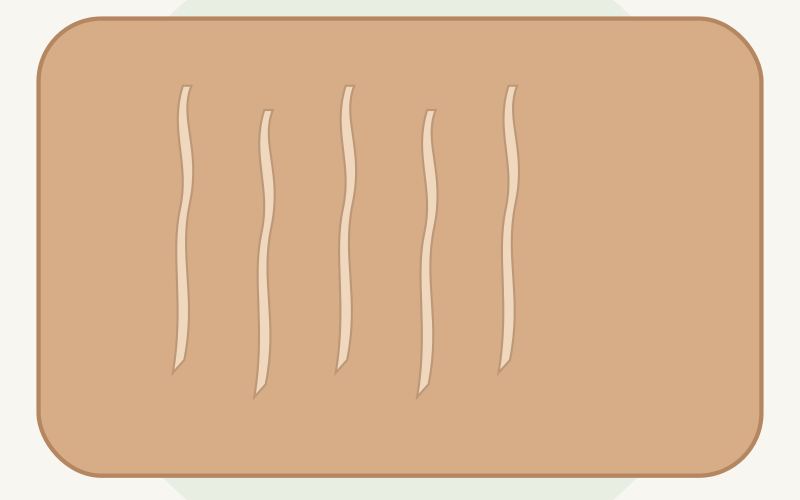
Understand newer and older marks and options for their colour and texture.
Explore stretch marks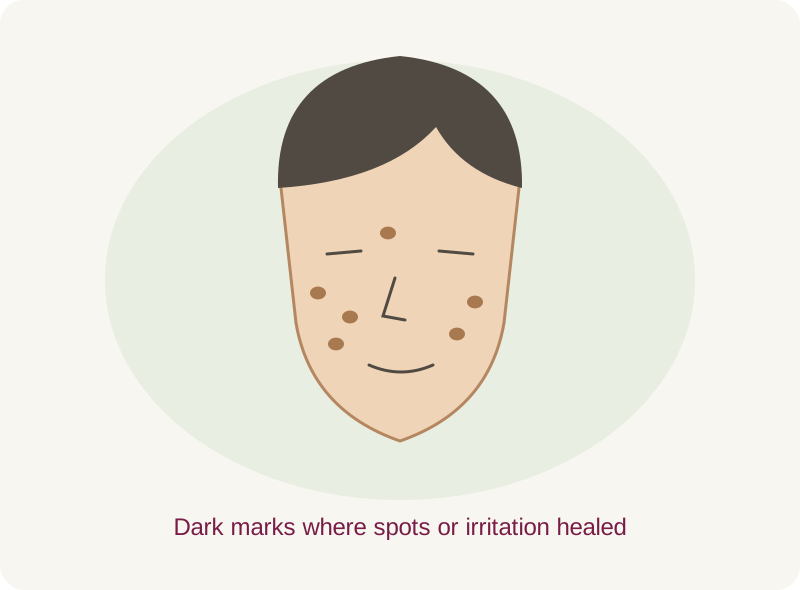
Colour left after inflammation may be pigmentation rather than a change in skin depth.
Explore pigmentationVerified Google excerpts about consultation and care at Layers. These reviews do not identify scar revision or its results.
“The doctors listened carefully to my concerns and explained the treatment in a clear and professional manner.”
Consultation experience; condition not specified.
“She explained the treatment clearly and made me feel comfortable throughout the consultation.”
Consultation experience; condition not specified.
“The doctor took the time to understand my skin concerns and explained the treatment plan clearly, without rushing.”
Consultation experience; condition not specified.
“Very patient ,humble and polite to answer every single query and build confidence.”
Consultation experience; condition not specified.
“The doctors explained everything clearly and made me feel comfortable and confident.”
Consultation experience; condition not specified.
“The doctor took the time to listen to my concerns patiently and explained the treatment options clearly.”
Consultation experience; condition not specified.
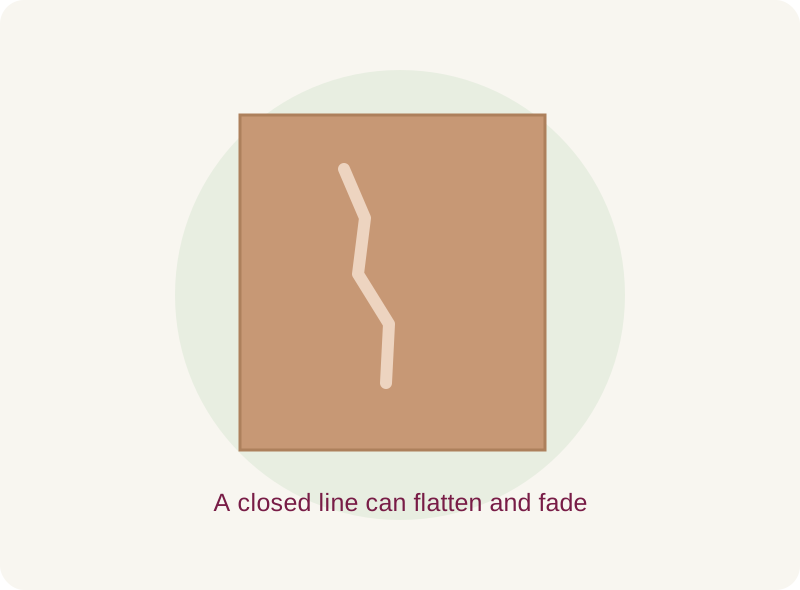
Explore how injury scars mature, when a wound needs care, and how appearance, comfort and movement guide the next step.
Understand injury scars















Treatment can make some scars less noticeable or more comfortable, but complete disappearance cannot be guaranteed. Revision surgery creates a new scar.
There is no single waiting period. Some scars benefit from early care after wound closure, while others need time to mature. Pain, growth or restricted movement should be assessed rather than simply waiting.
A hypertrophic scar stays within the original wound. A keloid extends beyond it and is more likely to keep growing or recur. An examination helps confirm the type.
No. Device choice depends on colour, depth, symptoms and skin tone. A tight contracture or a growing keloid may need other treatment as part of the plan.
It is sometimes offered alongside another procedure, but evidence and benefit vary with the scar and method. Ask what extra improvement is expected, how it would be used and whether the additional cost and recovery are worthwhile.
It may help selected raised scars, but response varies. Silicone is not a treatment for an open wound and will not fill a deep depression. Confirm the product and review plan with your clinician.
Some tight scars can be released or rearranged surgically. The location and extent matter, and rehabilitation may be part of recovery. A specialist assessment is needed.
Yes. A scar can widen, become more raised, change colour or return. Discuss your healing history and the risks of the exact treatment before deciding.
Bring your questions, previous treatment details and the changes that matter most to you.
Prefer a call? +91 9000 572727