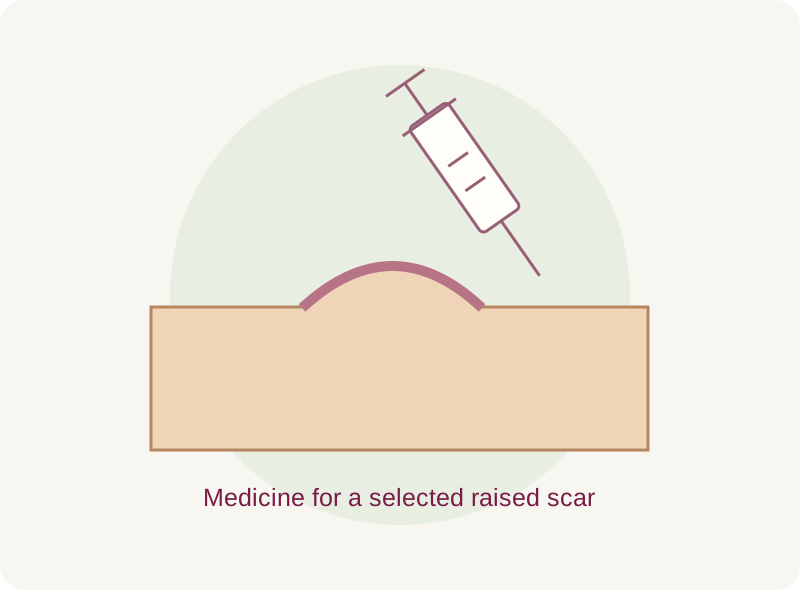
Scar-directed injections
Selected corticosteroid or other injections may be used before or after surgery. The timing and medicine are individual; discomfort, skin thinning and pigment changes need discussion.
Treatment may help selected keloids, but the scar can grow back. Understand the full plan for care, healing and reducing recurrence.
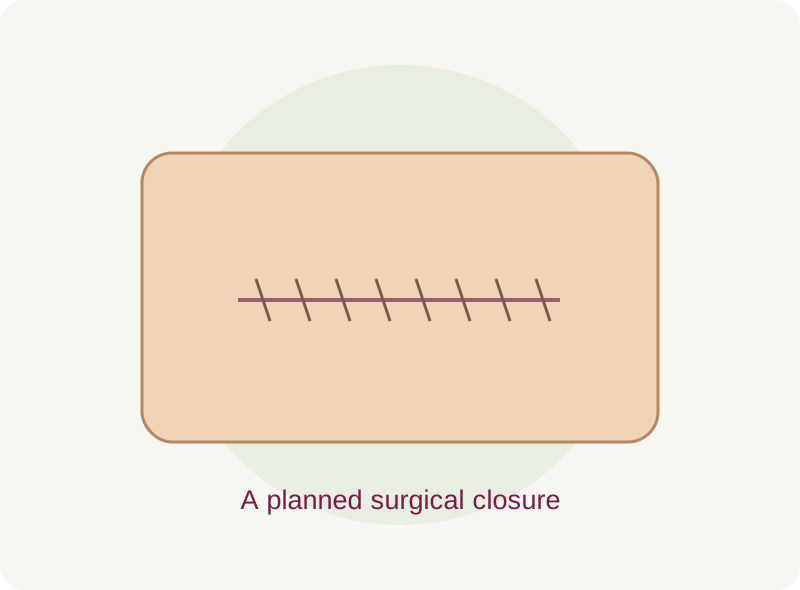
Keloid surgery removes some or all of the raised scar tissue and closes or reconstructs the area. The approach depends on its size, location and the surrounding skin.
It creates a new wound and a new scar. Because keloid-prone skin can overproduce scar tissue again, removal alone is often not a lasting solution. The decision should include any additional treatment and follow-up.
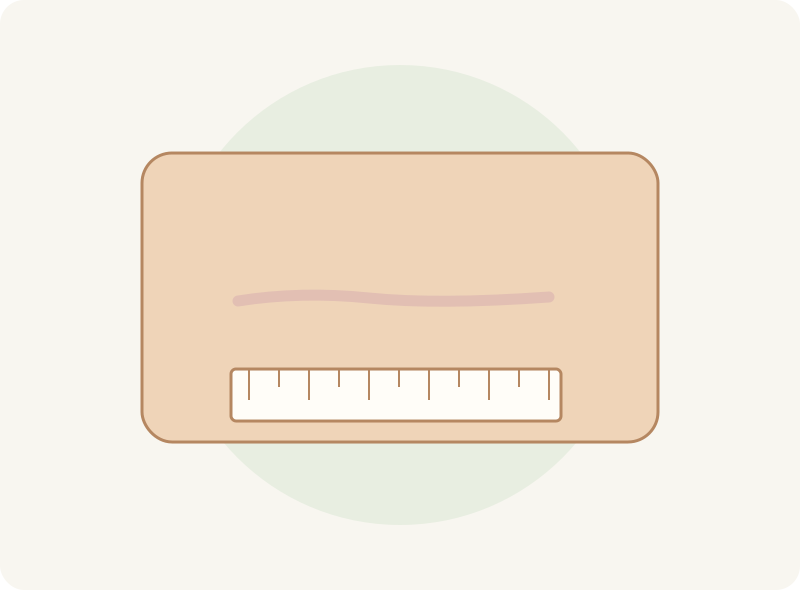
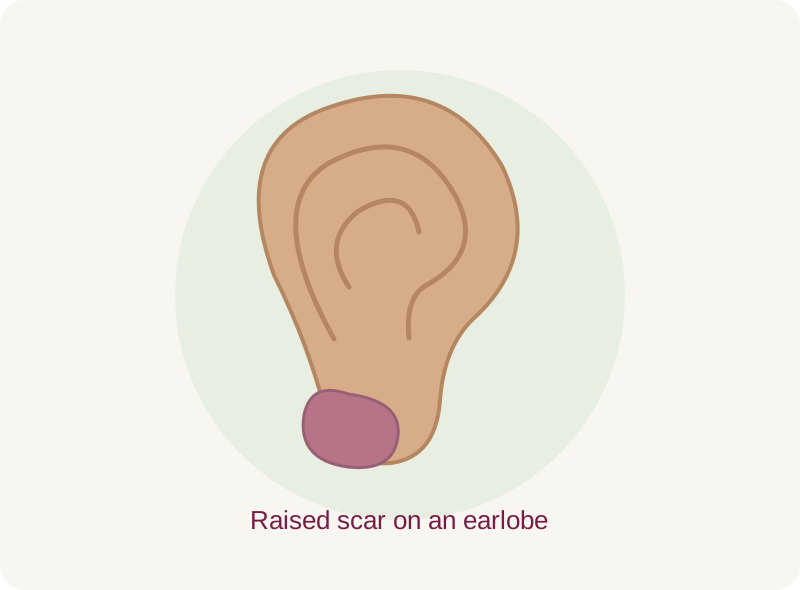
A bulky scar may rub, hurt or affect movement or the shape of an earlobe. Explain whether comfort, function or appearance is your main concern.
Bring details of injections, freezing, lasers or previous surgery. A clinician may recommend non-surgical treatment first or decide that another operation is unlikely to help.
Pressure, silicone or planned injections may need ongoing use and review. Discuss travel, work and practical limits before committing to a course of care.
Keloids have a high chance of returning after excision alone, and a recurrent scar may be larger. A good initial appearance does not guarantee the scar will stay flat.
The treating specialist should explain how your previous healing, scar site and chosen combination affect the plan. Ask what changes to report and who will review them.
Selected corticosteroid or other injections may be used before or after surgery. The timing and medicine are individual; discomfort, skin thinning and pigment changes need discussion.
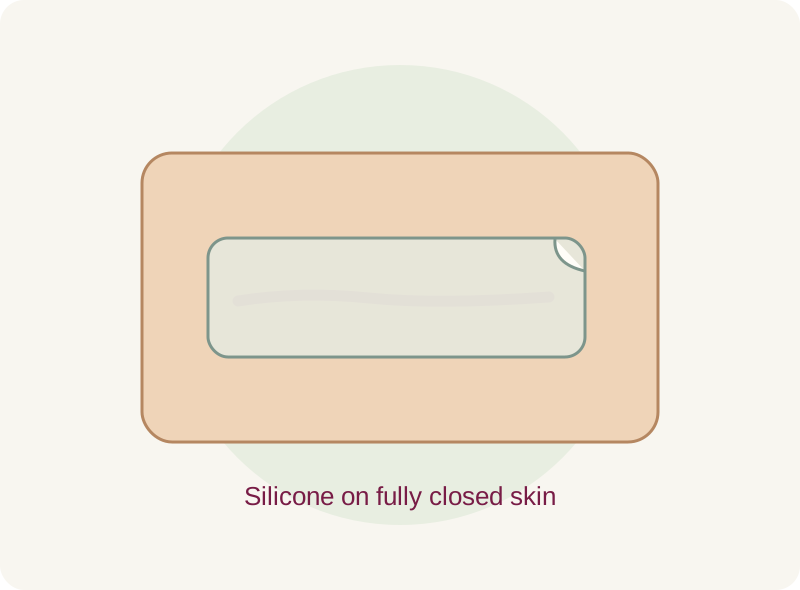
Gel or sheets may be included once the wound has healed enough. Ask when to start, how to use them and what to do if the skin becomes irritated.
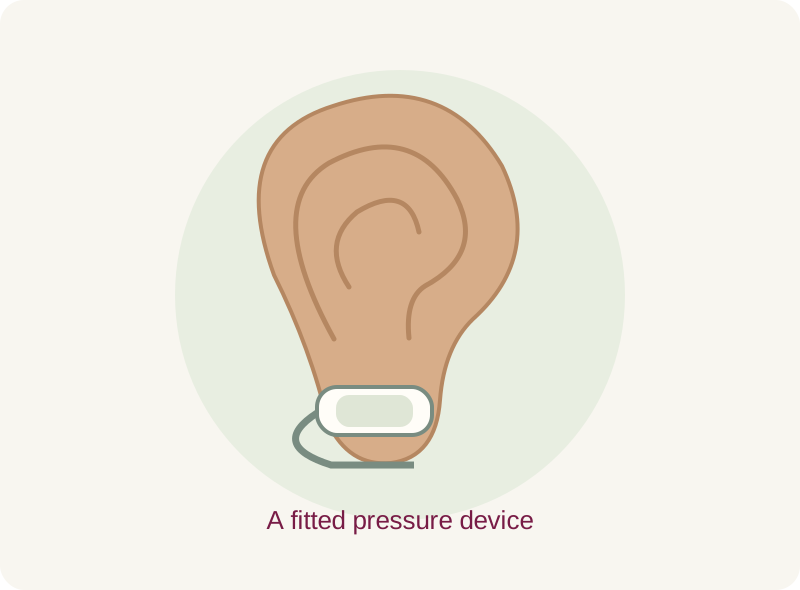
An ear device or garment may be suitable for selected sites. It needs the right fit and skin checks; an ordinary tight clip is not a substitute.
Some adults may be considered for radiotherapy after removal. It needs specialist assessment and coordination before surgery, with discussion of skin effects and the small potential long-term cancer risk. It is not a routine step for everyone.
Confirm which parts of the plan are appropriate, where they would be provided and who is responsible for each follow-up. Do not assume every clinic offers every additional treatment.
The specialist examines the lesion and may recommend further investigation if it is unusual. Discuss the proposed scar, alternatives, anaesthesia and recurrence risk.
Mention medicines, allergies, smoking or nicotine use, diabetes, infections and previous healing problems. Follow individual instructions; do not stop prescribed medicines on your own.
Smaller procedures may use local anaesthetic; larger or more complex surgery may need another approach. Confirm the setting and any transport or fasting instructions beforehand.
The surgeon plans removal and closure to suit the skin and limit tension where possible. Some scars need a more complex repair. A dressing is applied as appropriate.
Confirm cleaning, dressings, pain relief, suture review and activity limits before leaving. Obtain a contact route for questions or unexpected symptoms.
Start silicone, pressure or other treatment only at the instructed time. Keep the planned reviews even if the scar initially looks settled.
Soreness, swelling or bruising can occur. Follow the dressing and washing plan. Avoid pulling, scratching or applying unapproved products to the wound.
Recovery depends on the size and site. Ask when you can exercise, lift, sleep on the area or wear jewellery. Protect the closure from excess tension and rubbing.
Review itch, firmness, colour and any renewed growth. Scar appearance changes over months; follow-up may continue after the wound itself has healed.
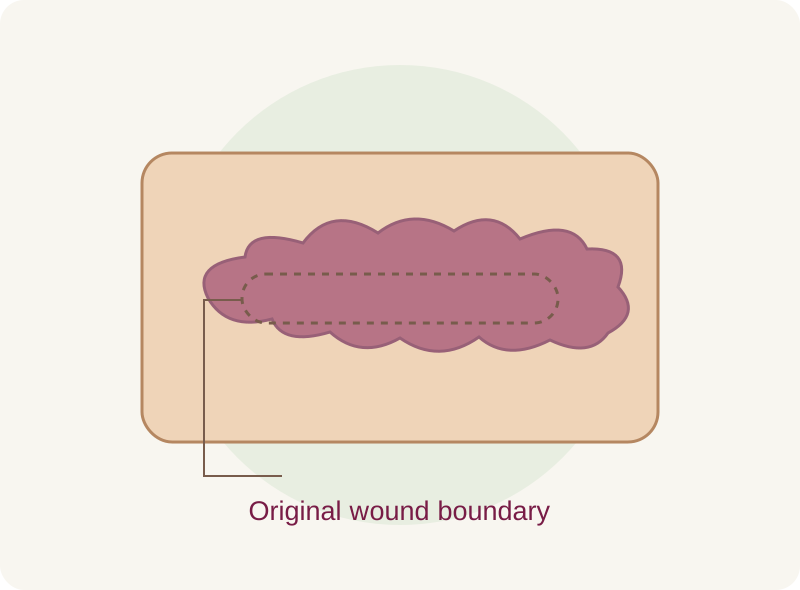
The keloid may return, enlarge, widen or change colour. Further treatment may be needed, and a scar-free result is not possible.
Bleeding, infection, delayed healing, wound opening, altered sensation, persistent pain and anaesthetic complications are possible. Your surgeon should explain the risks of your specific repair.
Injections, pressure and radiation have their own risks and practical demands. Assess the whole combination rather than only the excision.
Compare injections, silicone, pressure, freezing and selected laser treatment. Sometimes managing symptoms or observing the scar is preferable to operating.
Explore keloid care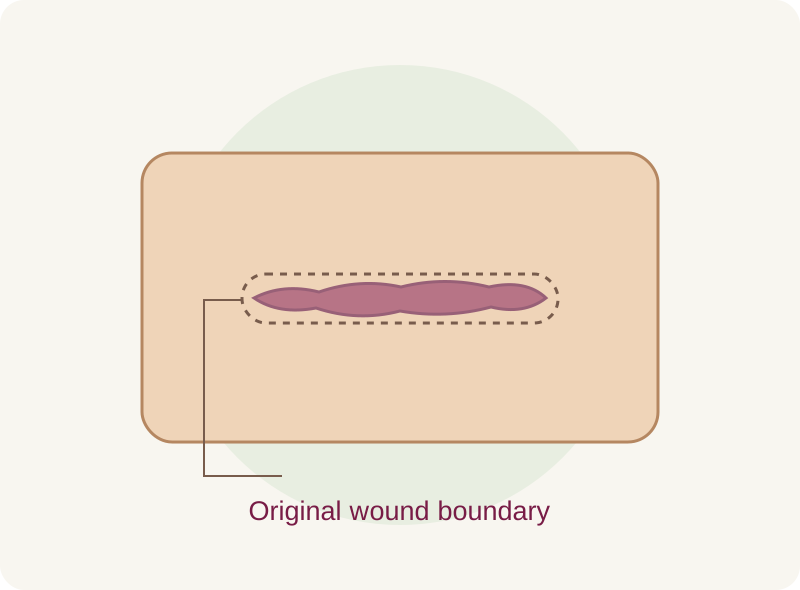
A hypertrophic, indented or tight scar may need a different approach. Diagnosis comes before selecting a procedure.
Explore scar treatmentThese original Google excerpts describe general consultations and care. They do not identify keloid surgery or its outcomes.
“The doctors listened carefully to my concerns and explained the treatment in a clear and professional manner.”
Consultation experience; condition not specified.
“She explained the treatment clearly and made me feel comfortable throughout the consultation.”
Consultation experience; condition not specified.
“The doctor took the time to understand my skin concerns and explained the treatment plan clearly, without rushing.”
Consultation experience; condition not specified.
“Very patient ,humble and polite to answer every single query and build confidence.”
Consultation experience; condition not specified.
“The doctors explained everything clearly and made me feel comfortable and confident.”
Consultation experience; condition not specified.
“The doctor took the time to listen to my concerns patiently and explained the treatment options clearly.”
Consultation experience; condition not specified.
















It removes scar tissue, but the healing process can produce another keloid. Discuss recurrence and additional treatment before deciding.
Excision alone has a high regrowth risk. Planning follow-up and any additional treatment in advance is more useful than waiting for a large recurrence.
Some smaller operations use local anaesthetic. The size, location and repair determine the approach; your surgeon will explain it and any preparation.
No. It is a specialist option for selected cases, with benefits and risks to weigh carefully. If recommended, appointments and timing need coordination before surgery.
Only when and as instructed by the treating team. Silicone scar sheets should not go on an open wound or scab. Pressure needs a suitable device and fit.
There is no single interval. The scar site, wound size, repair and your work determine when activity is comfortable and safe.
Sometimes, but repeat surgery is not automatically the best choice. Previous response should guide whether the combination needs to change or surgery should be avoided.
Your consultation should confirm the treating specialist, their experience with keloids, the procedure setting and who will provide ongoing care. Ask for these details before booking the operation.
Discuss removal, alternatives, recovery and the care needed to reduce regrowth.
Prefer a call? +91 9000 572727