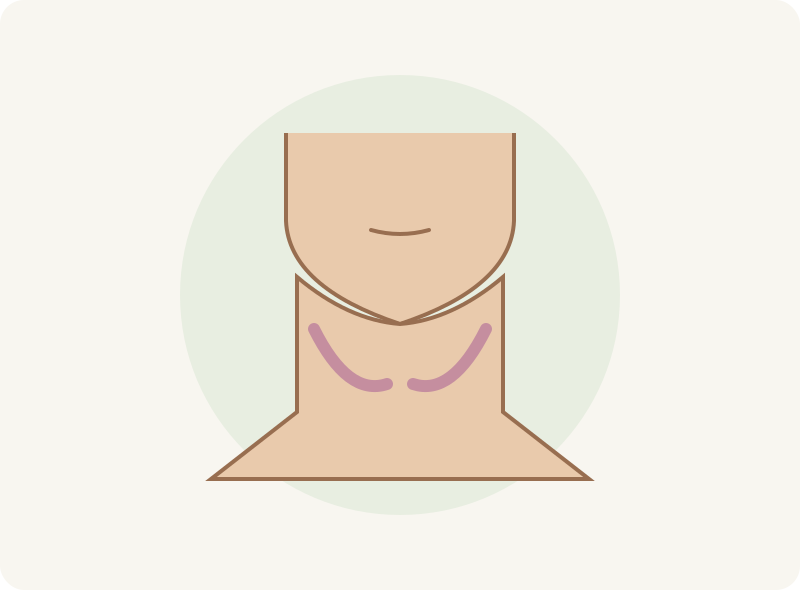
Loose skin
Skin that has lost firmness can fold or hang below the jaw. When excess skin is the main issue, fat removal alone may leave the looseness unchanged.
Loose skin, fullness under the chin and neck bands have different causes. Explore what a neck lift can address and what an assessment should cover.

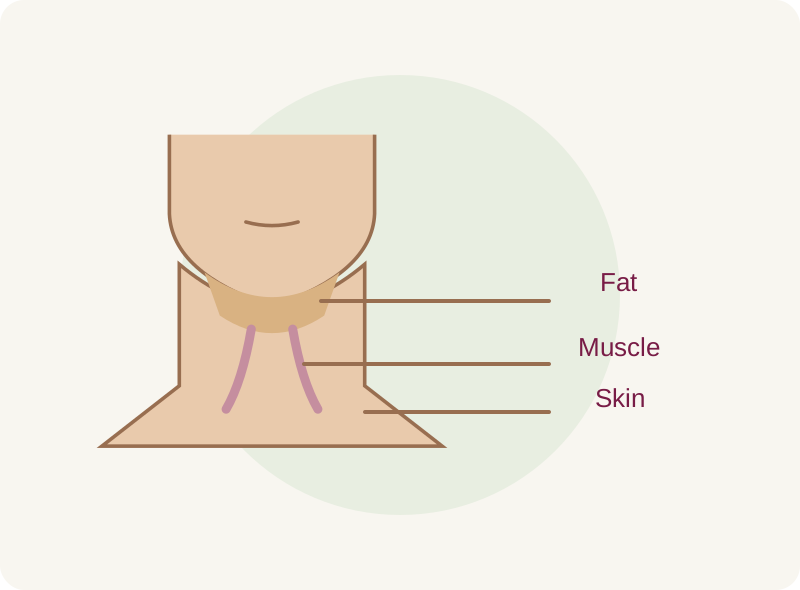
A neck lift is surgery to reshape selected changes beneath the chin and along the neck. Depending on the concern, it may remove excess skin, adjust fat or tighten the thin neck muscle called the platysma.
These changes are assessed separately. The amount of loose skin and the structures beneath it help determine whether neck surgery alone, a facelift with neck work or a different approach makes sense.
Skin that has lost firmness can fold or hang below the jaw. When excess skin is the main issue, fat removal alone may leave the looseness unchanged.
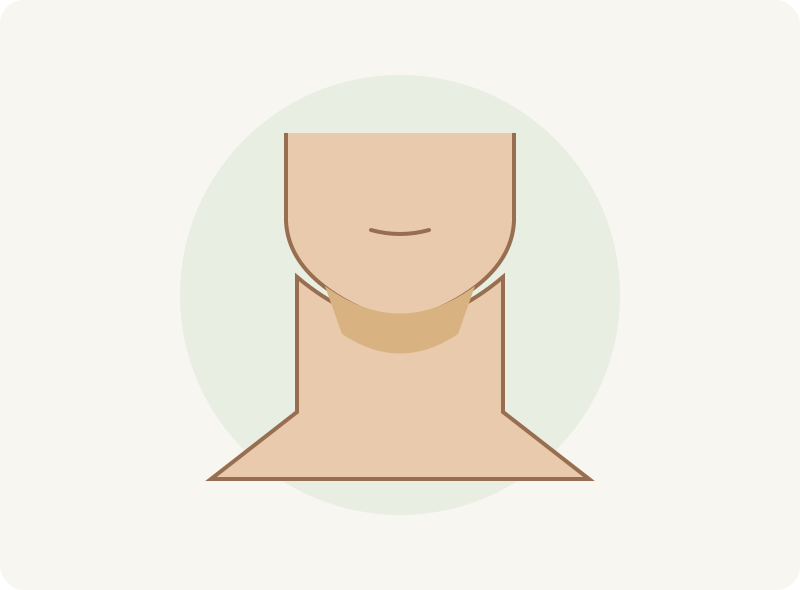
Selected fat deposits may contribute to fullness. Skin elasticity and deeper anatomy help determine whether liposuction alone is suitable.
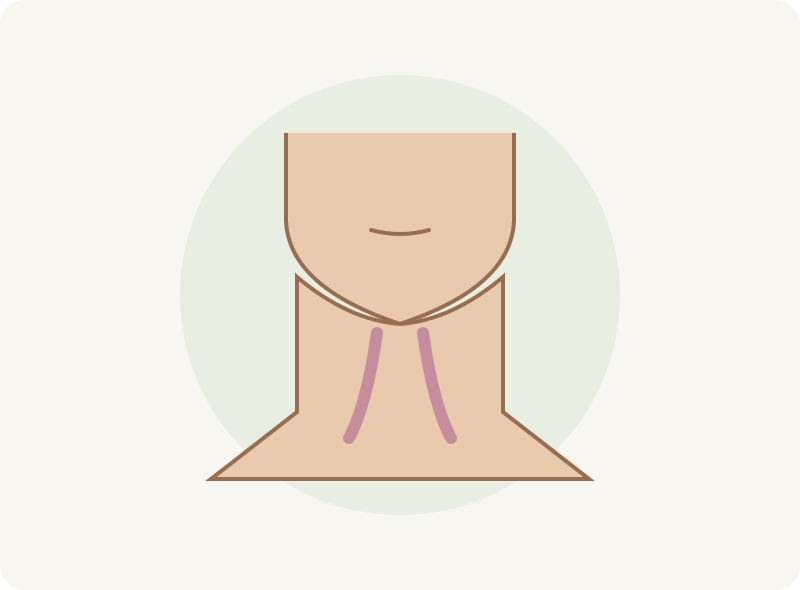
Vertical neck bands can involve the platysma. A surgical plan may include adjusting this muscle, alongside any skin or fat work.
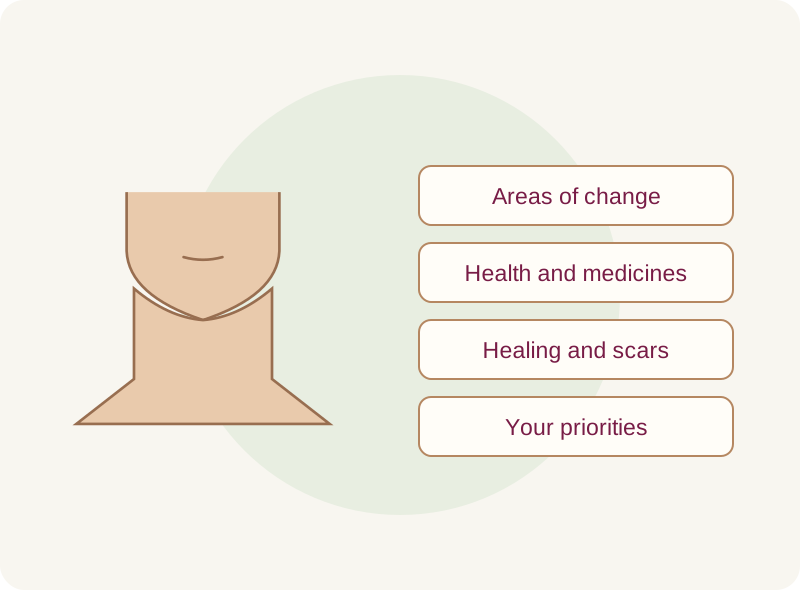
If you are comfortable with your cheeks and lower face, isolated neck surgery may be discussed. Jowls and neck changes together may need a broader assessment.
A neck lift cannot stop ageing or guarantee a particular angle under the chin. Your skin, jaw shape and deeper neck anatomy affect the possible result.
General health, nicotine use, medicines and healing history matter. The surgeon weighs these alongside your goals and the help you will have at home.
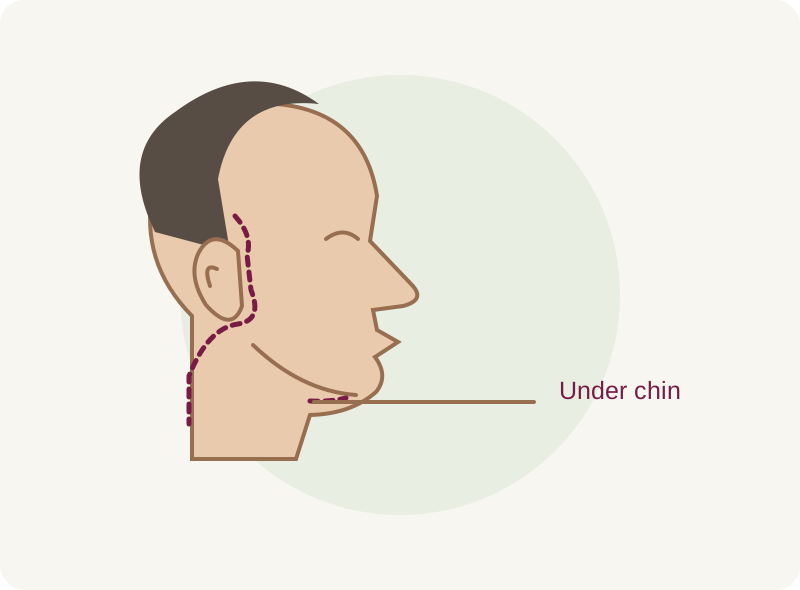
Incisions may run around the ear and into the hairline behind it. Access under the chin may be needed for muscle or fat work. A more limited approach suits only selected concerns.
Ask the surgeon to show the intended incision locations on you. The shape of the ear, hairline and amount of excess skin influence the plan. Scars remain even when their position makes them less noticeable.
Share previous neck or facial procedures, medicines, supplements, nicotine use and any healing problems. Your surgeon may arrange health checks before confirming suitability.
Confirm the exact operation, anaesthesia, facility, follow-up and urgent contact arrangements. Plan transport and support at home. Medication changes must be agreed with the prescribing clinician.
The surgeon works through the planned incisions to adjust selected fat or muscle and remove excess skin. Not everyone needs all of these steps.
Incisions are closed, with dressings and sometimes a small drain. Anaesthesia may involve sedation or general anaesthesia according to the operation and health assessment.
Keep your head raised and your neck straight as instructed. Avoid excessive twisting or bending. Do not apply ice to the treated neck; cooling can affect its blood supply.
The team checks wounds, swelling and any drain. Follow its instructions for washing, medicines and dressings, and ask when work, exercise and normal neck movement can resume.
Swelling, bruising and a tight feeling can follow neck surgery. The early outline is not the final shape. Swelling may take weeks or months to settle, and scars continue to mature after that.
Follow the neck-position instructions your surgeon gives you. Front-opening clothes can help avoid pulling garments over the operated area. Do not massage, stretch or add cooling treatments on your own.
Work that involves lifting or repeated head movement may need a different return plan from desk work. Discuss driving, exercise and travel before surgery.
Protect scars from the sun and avoid rubbing or pulling at incisions. Let the team decide when dressings, stitches or drains can be removed.
Blood or fluid can collect beneath the skin. Infection, delayed healing and loss of skin from impaired blood supply can require additional treatment or surgery.
Numbness, persistent discomfort or nerve injury can occur. Injury affecting the lower lip may alter its movement. Some changes may last.
Scars, asymmetry, contour changes and dissatisfaction are possible. The surgeon should also explain anaesthetic and blood-clot risks relevant to your health.
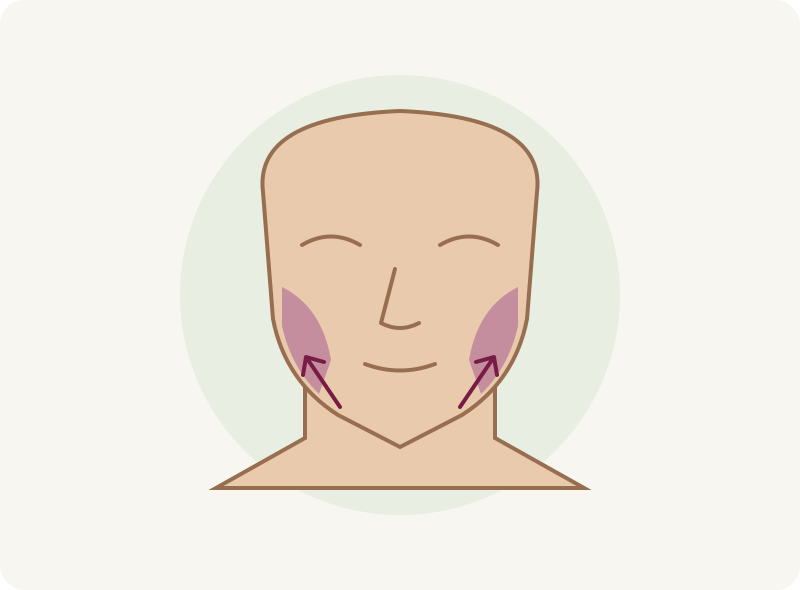
A wider operation may be discussed when lower-face sagging accompanies neck changes.
Explore facelift surgeryFat removal may suit selected neck fullness when the skin can adapt. It does not replace skin removal or muscle work.
Understand liposuction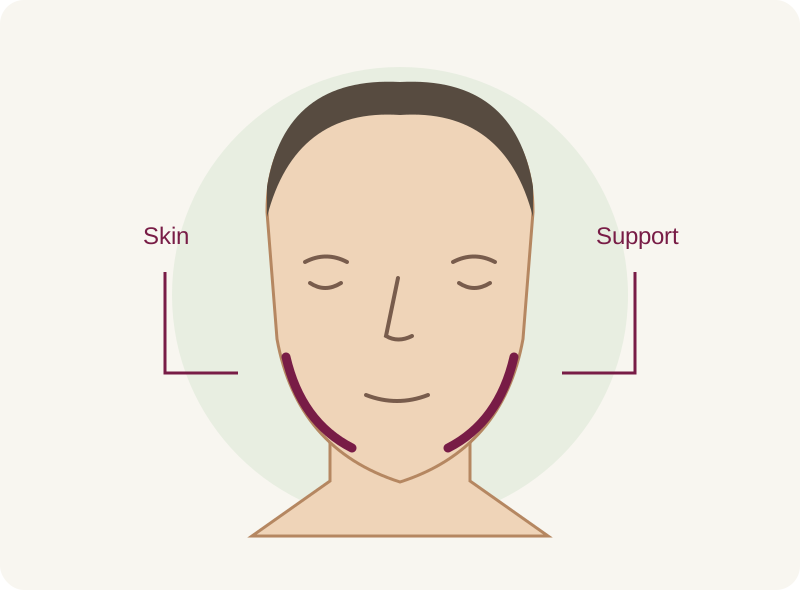
Compare non-surgical energy approaches for selected mild concerns and understand their limits.
Explore skin tighteningThese Google reviews describe consultations and general care at Layers. They are not neck lift result reviews.
“The doctors listened carefully to my concerns and explained the treatment in a clear and professional manner.”
Consultation experience; condition not specified.
“She explained the treatment clearly and made me feel comfortable throughout the consultation.”
Consultation experience; condition not specified.
“The doctor took the time to understand my skin concerns and explained the treatment plan clearly, without rushing.”
Consultation experience; condition not specified.
“Very patient ,humble and polite to answer every single query and build confidence.”
Consultation experience; condition not specified.
“The doctors explained everything clearly and made me feel comfortable and confident.”
Consultation experience; condition not specified.
“The doctor took the time to listen to my concerns patiently and explained the treatment options clearly.”
Consultation experience; condition not specified.
















Sometimes. It depends on whether your concern is limited to the neck or also involves the cheeks and jowls. The surgeon should explain the benefit and limits of treating the neck alone.
No. Liposuction removes selected fat. A neck lift may also address loose skin and muscle bands. Good skin elasticity is important when fat removal alone is being considered.
An under-chin incision may be used, but it depends on the planned work. Ask to see all likely scar locations, including around the ears and hairline.
The operation may tighten or adjust the platysma when its bands contribute to the concern. Your anatomy and the planned technique affect the degree of improvement.
Do not apply ice to the treated neck. Follow the surgeon’s advice for head position and swelling, and contact the team if swelling increases quickly or becomes painful.
Early bruising and swelling change the outline. Allow time for swelling to settle and scars to mature; this can take months. Attend reviews so your surgeon can assess progress.
Surgery changes the treated tissue, but ageing, skin quality and weight changes continue to affect appearance. The result and how long it lasts vary between people.
Confirm the plastic surgeon, exact operation, anaesthesia, surgical facility, expected scars, recovery support and follow-up. Ask how complications would be managed and whether another approach could suit you.
Talk through the possible change, recovery and alternatives before deciding on surgery.
Prefer a call? +91 9000 572727