Breast lift
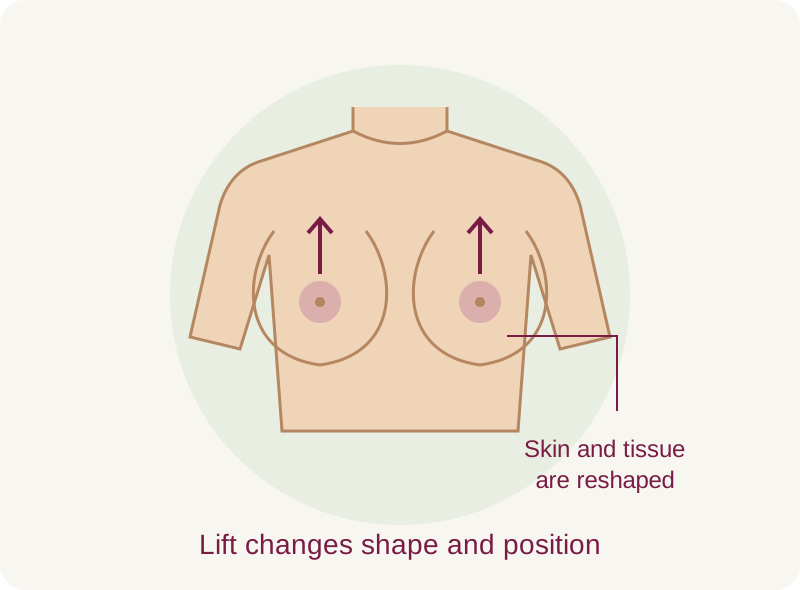
A lift reshapes existing tissue and changes breast position. Adding volume or reducing size involves different choices, explained below.
Explore breast liftPregnancy can change the breasts and abdomen. If you would like to explore surgery, understand the separate options, when to consider them and the recovery to plan.

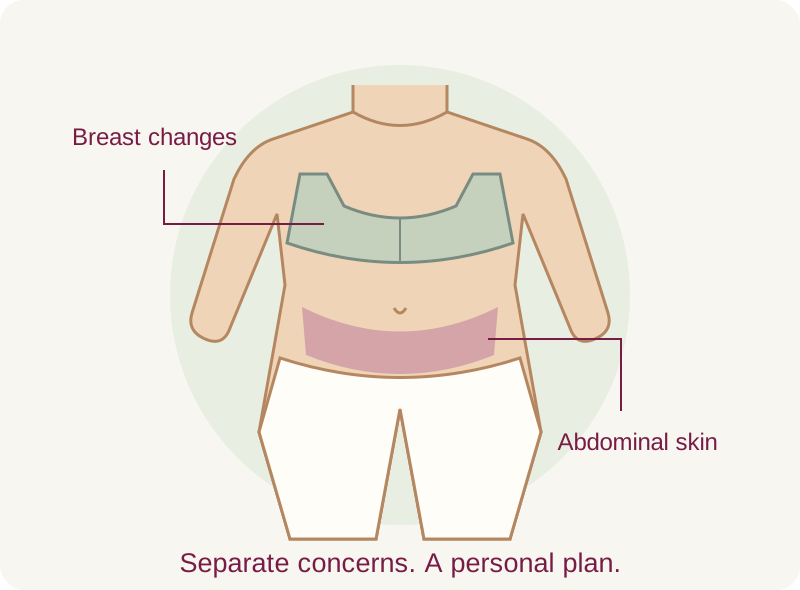
Mommy makeover is a name for a personalised plan of procedures after pregnancy. It often includes breast surgery, a tummy tuck or liposuction, depending on the changes that matter to you. It is not one fixed operation or a package everyone needs.
Changes after pregnancy are normal. Surgery is a personal choice, and it cannot promise your exact pre-pregnancy shape. Each proposed procedure should have a clear benefit that you feel is worth its scars, risks and recovery.
A lift reshapes existing tissue and changes breast position. Adding volume or reducing size involves different choices, explained below.
Explore breast lift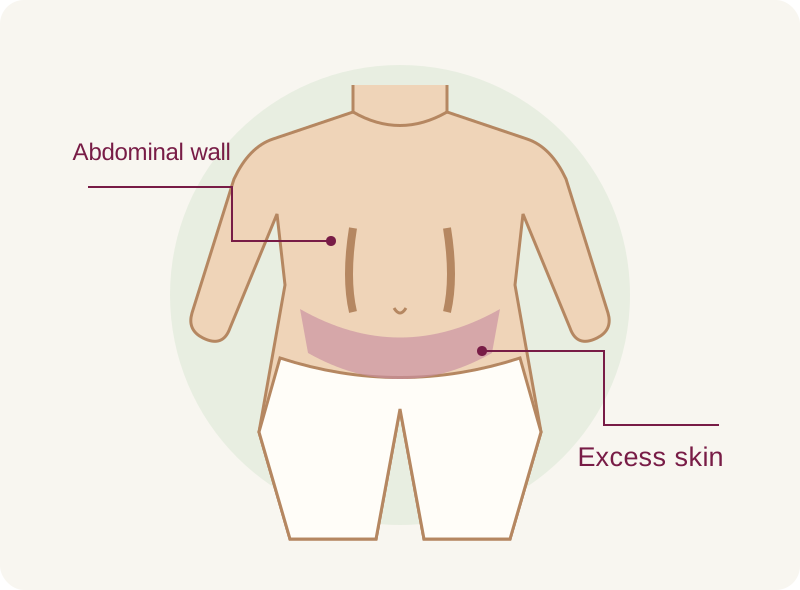
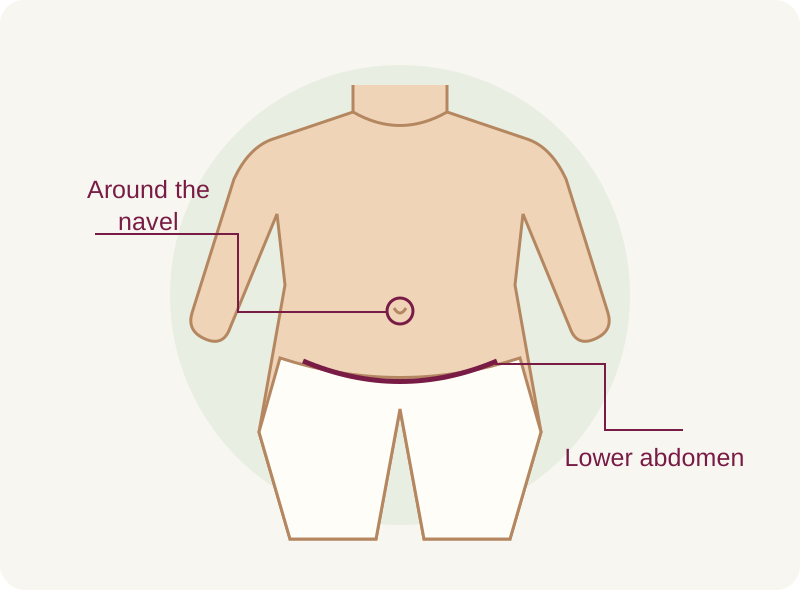
A tummy tuck removes excess skin and may repair the support layer over separated abdominal muscles. It leaves a lower abdominal scar.
Explore tummy tuck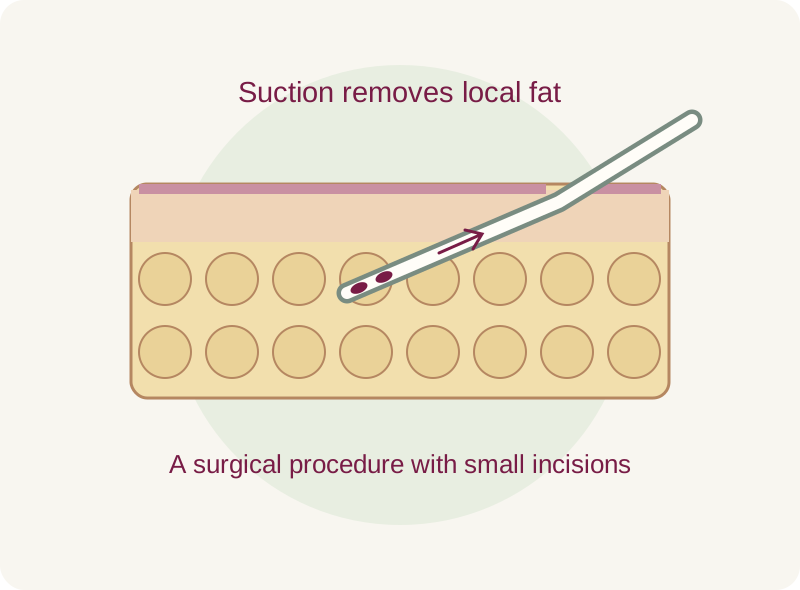
Liposuction removes local fat. It does not remove a large skin fold or replace weight management.
Explore liposuction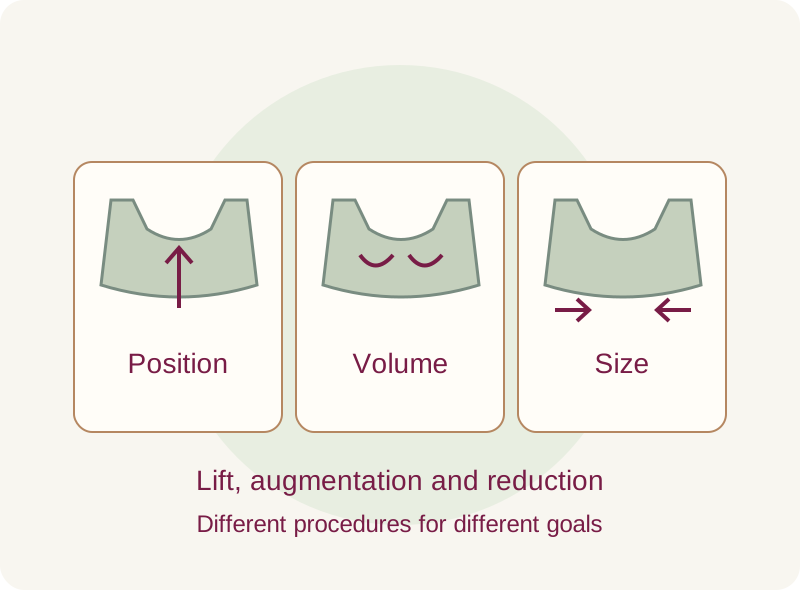
A lift removes excess skin and reshapes the breast. It does not necessarily add the fullness you might want.
An implant may be discussed when more fullness is the goal, sometimes with a lift. Implants need ongoing care and may need another operation in the future.
When breast weight or size is the concern, removing tissue may be more appropriate than adding volume. Each option has different scars and possible effects on sensation or breastfeeding.
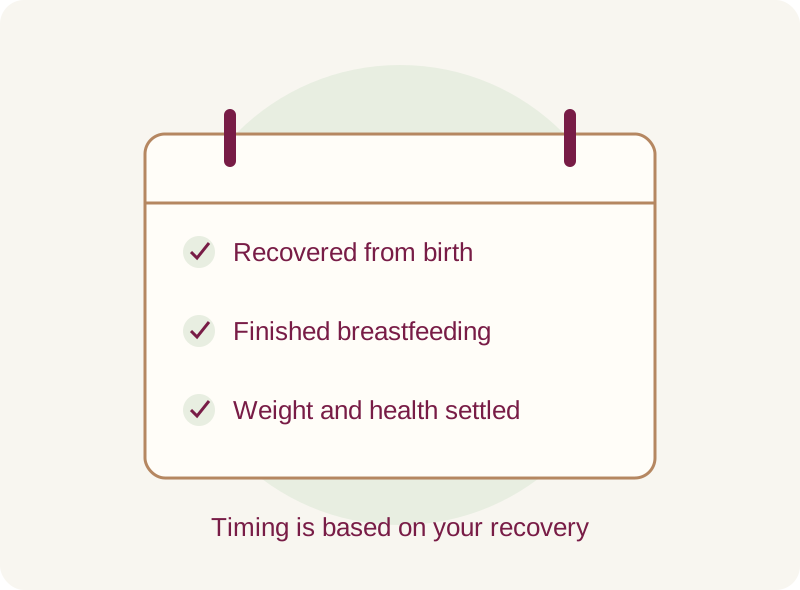
Elective contouring surgery needs to wait until you have recovered from delivery and your health is ready. It is not an immediate post-birth treatment.
Breast size and shape can keep changing after breastfeeding ends. Discuss timing with the surgeon rather than choosing a date from a general countdown.
Further pregnancy can stretch the treated tissues again. Completing your family and reaching a stable weight usually makes planning more predictable.
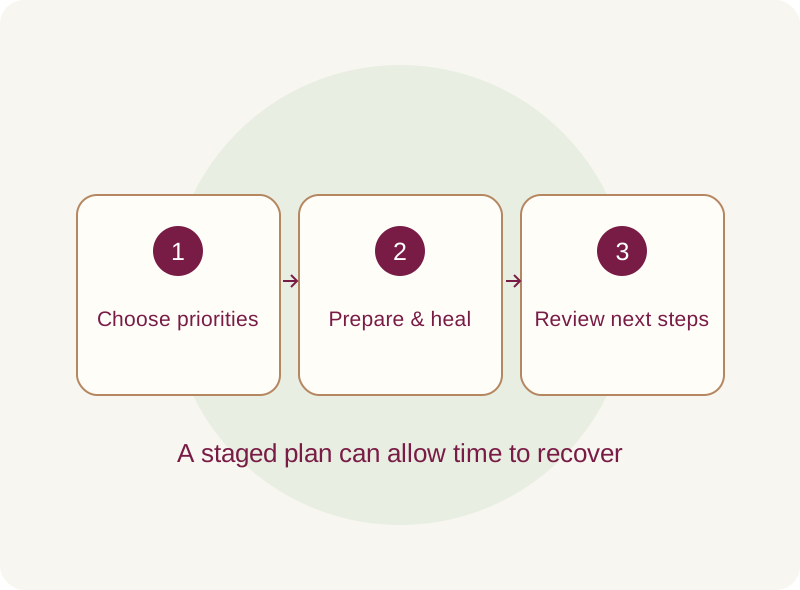
Some procedures can be combined, while others are better planned as separate operations. The number of areas, expected operating time and your health help guide that decision.
Combining procedures may mean one recovery period, but that recovery can be more demanding. A staged plan allows healing between operations. You can also choose to address just one concern.
Share your medical history, medicines, smoking or nicotine use, previous operations, scars and any clotting problems. The team may request tests or other medical review.
An abdominal bulge may involve skin, fat, muscle separation or a hernia. A painful lump, new breast change or other symptom needs medical assessment rather than a cosmetic assumption.
Take time to consider the likely change and the limits. Arrange practical help and decide for yourself whether surgery fits your priorities.
A plastic surgeon assesses each area and explains the incisions, alternatives and risks. Confirm who will operate, where surgery takes place and the follow-up arrangements.
Follow the team’s advice about tests, nutrition, smoking, medicines, food and drink. Do not stop prescribed medicines yourself. Arrange transport and help at home.
The anaesthetic depends on the operation; larger combined procedures commonly use general anaesthesia. The surgeon performs only the procedures agreed during consent.
Incisions are closed and dressed. A support bra, garment or drains may be used depending on the breast and abdominal procedures.
Before discharge, confirm wound care, medicines, any drains or garments and who to contact with concerns. Some operations require an overnight stay.
Follow-up checks assess healing and guide activity. Do not resume lifting, strenuous exercise or driving until the team says it is appropriate.
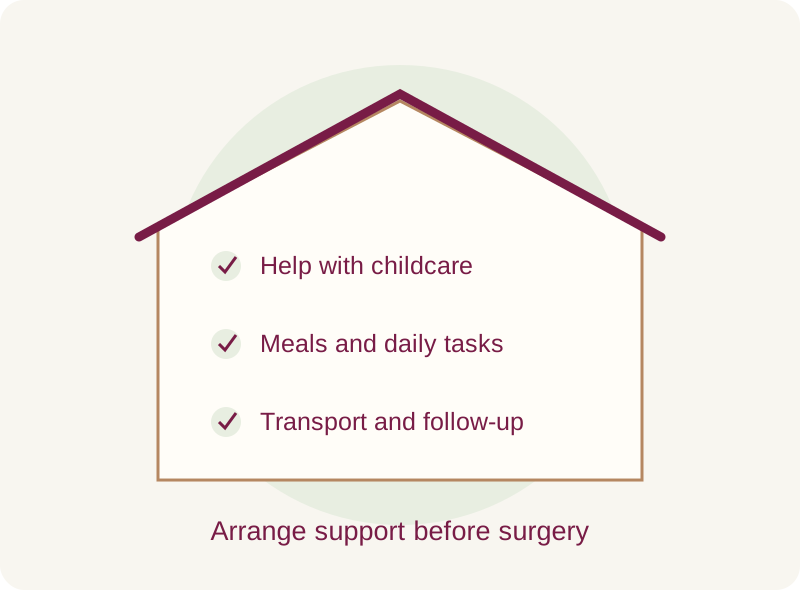
You may be unable to lift a child, carry a car seat or manage some household tasks for several weeks. Plan someone else to help, and ask about the specific restrictions for your operation.
Swelling, bruising and soreness are expected early on. Follow guidance for dressings, any prescribed support garment and gentle movement without straining incisions.
Timing depends on the procedures, healing and demands of your routine. Driving also requires safe movement and freedom from sedating pain medicines. Agree a gradual return with the team.
Bleeding, infection, fluid collections, wound separation, skin loss and blood clots can occur. Anaesthesia adds its own risks.
Scars are permanent and may widen or thicken. Asymmetry, contour changes, numbness or persistent pain may occur, and revision surgery can be needed.
Breast or nipple sensation may change, breastfeeding can be affected, and tissue-healing problems are possible. Implants also carry risks such as rupture, capsule tightening and rare implant-associated cancers; discuss the proposed implant separately.
Early swelling can hide the final contour. Shape and scars continue to settle over the following months, and each procedure has its own healing course.
The plan may improve selected changes in shape or excess skin, but it will not remove every stretch mark or stop ageing. Later pregnancy or major weight changes can affect the result. Review the scar positions before deciding.
These verified Google excerpts describe general consultations and care. They do not identify mommy makeover surgery or show its results.
“The doctors listened carefully to my concerns and explained the treatment in a clear and professional manner.”
Consultation experience; condition not specified.
“She explained the treatment clearly and made me feel comfortable throughout the consultation.”
Consultation experience; condition not specified.
“The doctor took the time to understand my skin concerns and explained the treatment plan clearly, without rushing.”
Consultation experience; condition not specified.
“Very patient ,humble and polite to answer every single query and build confidence.”
Consultation experience; condition not specified.
“The doctors explained everything clearly and made me feel comfortable and confident.”
Consultation experience; condition not specified.
“The doctor took the time to listen to my concerns patiently and explained the treatment options clearly.”
Consultation experience; condition not specified.















No. You can discuss one concern, a combination or separate stages. The name does not commit you to a fixed set of procedures.
Allow time for your health and breast size to settle after breastfeeding ends. The surgeon will advise on timing after assessing you; there is no single date for everyone.
Discuss this before surgery. Pregnancy can change the breasts and abdomen again, so postponing contouring surgery may be the more useful choice.
Not necessarily. A lift reshapes and raises the breast, while an implant adds volume. Reduction serves a different goal. The choice follows your anatomy and preferences.
A tummy tuck may include repair of the support layer over separated abdominal muscles. Symptoms and any possible hernia need assessment to decide what care is appropriate.
Lifting is usually restricted during healing, especially after abdominal surgery. Arrange childcare support and get a clear plan for when lifting can resume.
No. Marks within skin that is removed go with that skin. Marks elsewhere remain, and surgery cannot guarantee completely smooth or unmarked skin.
Plan around the actual operations and your job. Many people need several weeks of adjustment, with longer limits on strenuous activity. Your surgeon will give individual advice.
Arrange a consultation to discuss the change you want, the recovery involved and your next step.
Prefer a call? +91 9000 572727