Fine lines and texture
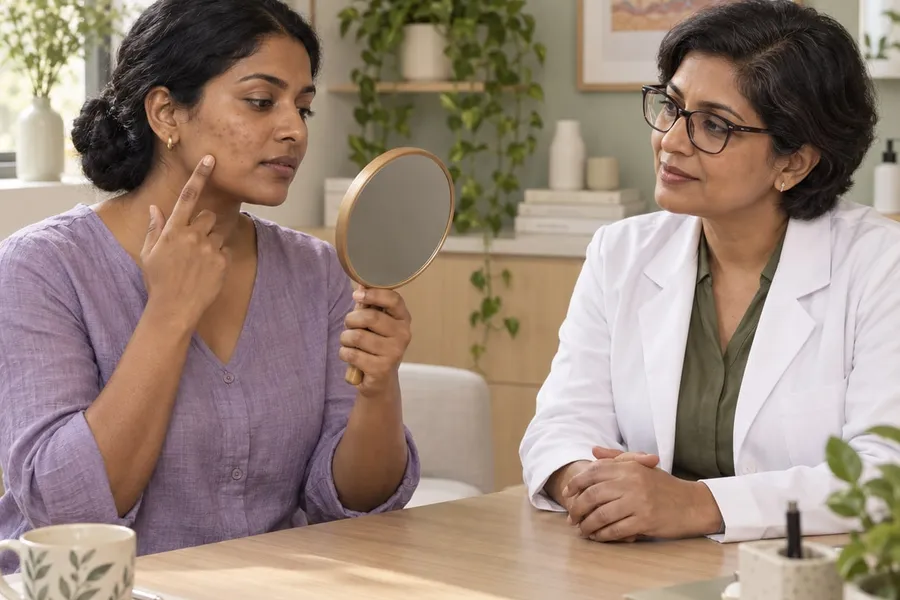
PRP has been studied for signs of skin ageing. Some people report changes in texture, but study quality and results vary. Deep folds or loose skin need a broader assessment.
Explore ageing skin carePlatelet-rich plasma is prepared from your own blood. Learn how it may fit into a plan for skin texture or selected scars, and what to expect before deciding.
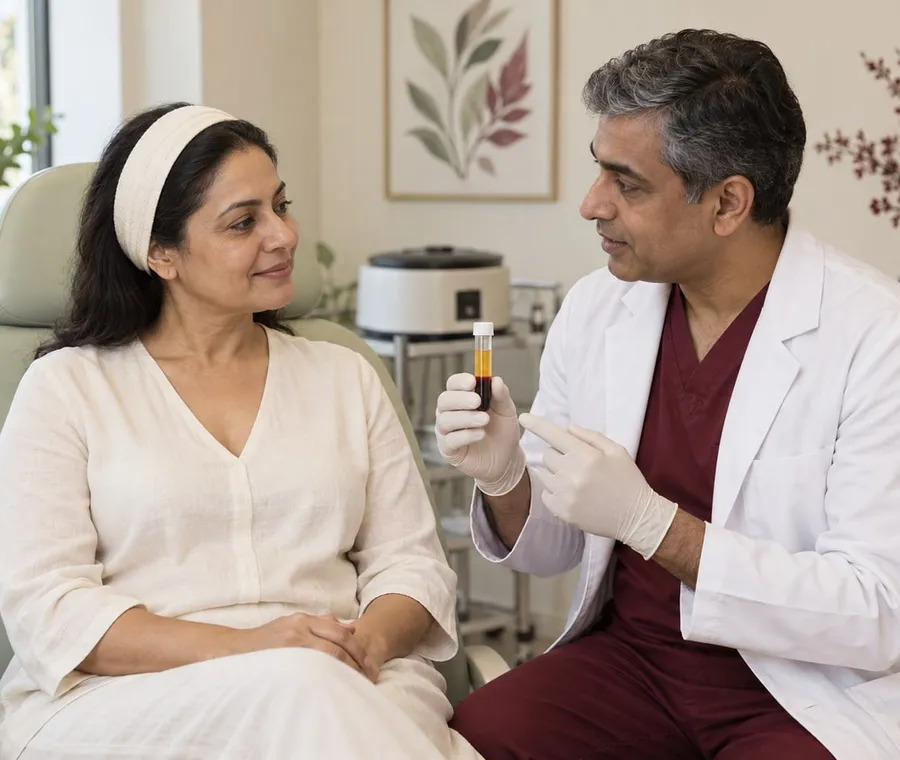
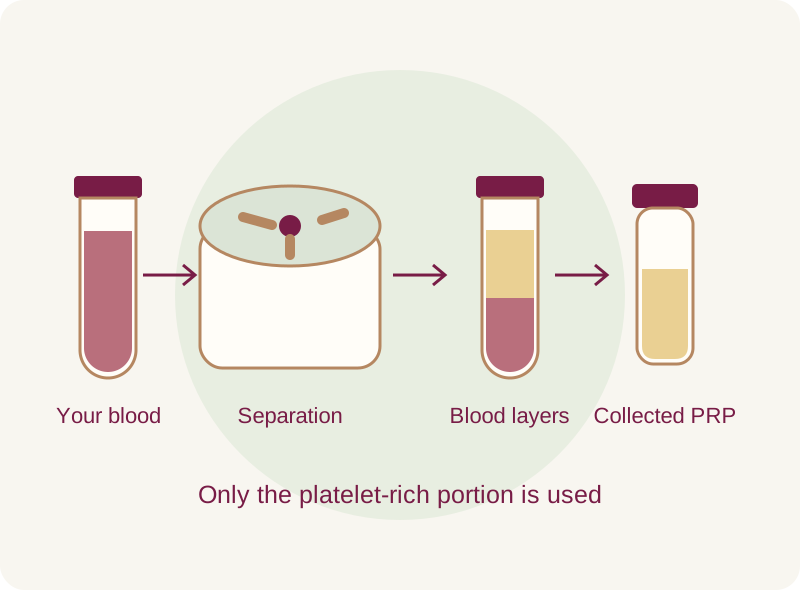
PRP means platelet-rich plasma. A small blood sample is processed in a centrifuge, then the platelet-rich portion is collected for treatment. Preparation methods differ between systems.
Platelets release signals involved in tissue repair. Using PRP for skin aims to support a healing response; this does not mean it can reverse ageing or rebuild every scar.
PRP has been studied for signs of skin ageing. Some people report changes in texture, but study quality and results vary. Deep folds or loose skin need a broader assessment.
Explore ageing skin care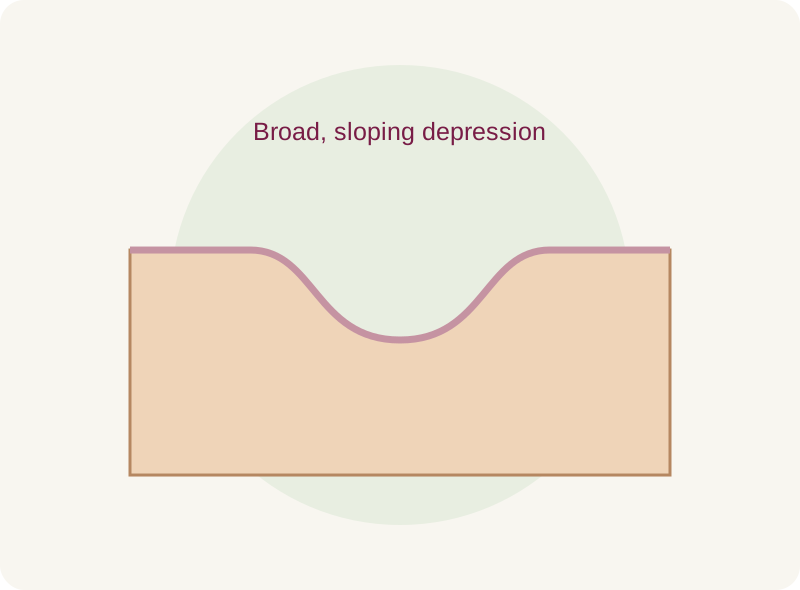
PRP may be discussed alongside another scar procedure. Scar shape matters: adding PRP does not replace treatment for a deep or tethered scar.
Understand acne scars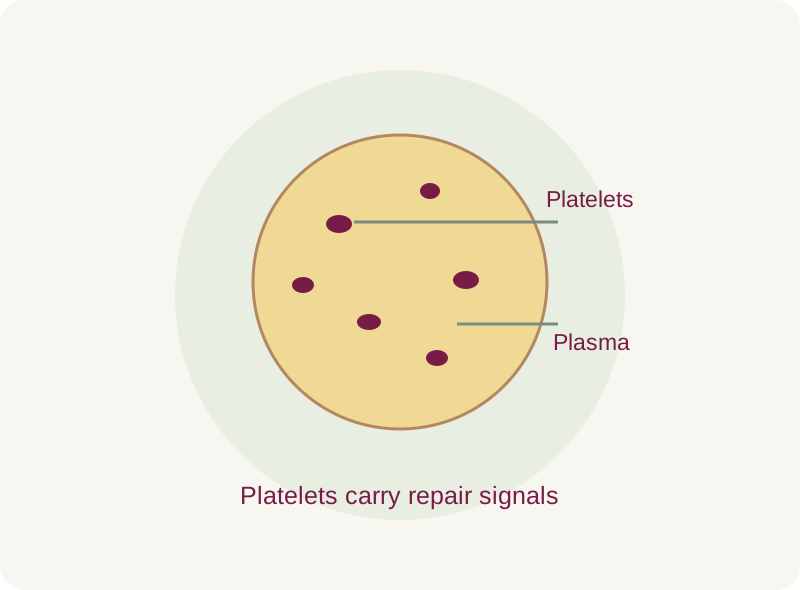
A combined plan should explain what PRP is expected to add. Evidence for facial rejuvenation remains limited, so benefit should be reviewed rather than assumed.
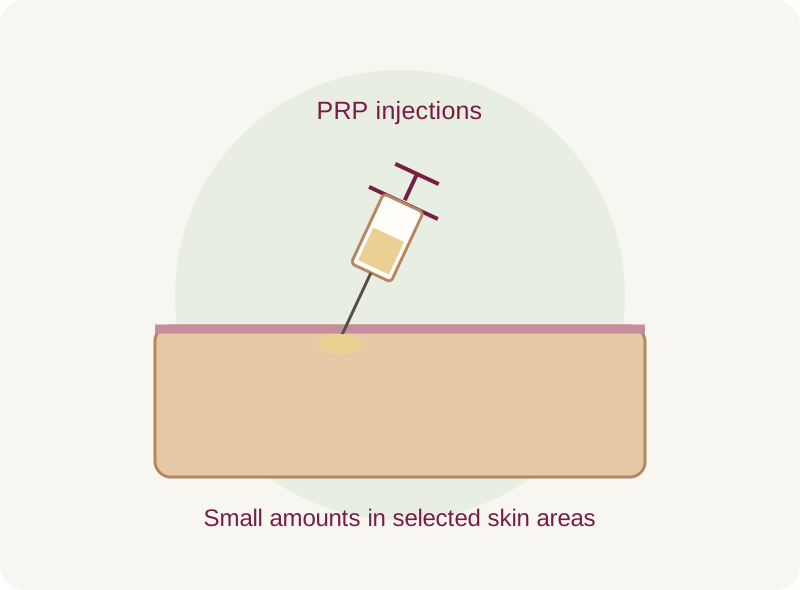
A clinician may inject small amounts into agreed areas. The preparation, placement and comfort measures depend on the assessment.
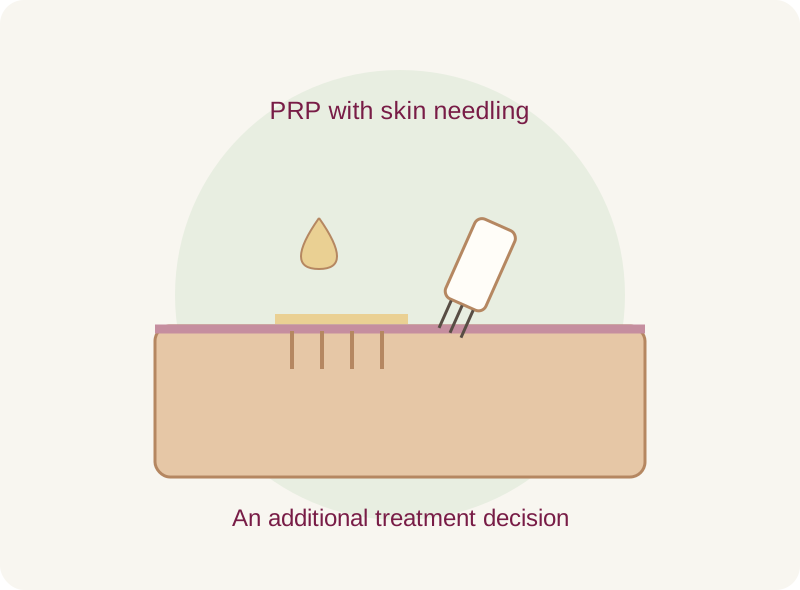
Some plans apply PRP to skin treated with microneedling. This is an additional procedure choice with its own risks; a device clearance alone does not establish the safety or benefit of the combination.
Explore microneedlingDiscuss the main change you want to address. Ask how PRP compares with skincare or another procedure for that specific concern.
Mention blood or platelet disorders, infection, liver disease, poor healing and blood-thinning medicines. Do not stop prescribed medicines on your own.
A rash, infection or inflamed acne may need care before a needle procedure. Share pregnancy, breastfeeding, allergies and previous reactions too.
Consider the blood draw, needle discomfort, aftercare and follow-up. A plan should suit your schedule without promising an instant result.
Discuss PRP alone or with another procedure, who will perform it, likely benefit, risks and alternatives. Confirm preparation and recovery instructions.
The team checks your history and whether any tests are needed. Tell them if you tend to feel faint during blood draws.
Your sample is identified and handled using sterile equipment. Only the preparation from your own blood should be used for you.
The skin is prepared and appropriate comfort measures are used. The clinician follows the agreed injection or combined-treatment plan and checks how you feel.
Confirm when to wash, apply makeup, exercise and restart active skincare. Instructions should match the procedure actually performed.
Compare your skin at an agreed follow-up. Ask whether the change justifies another session or whether a different approach is more useful.
Tenderness, swelling or bruising can follow injections. Added microneedling may cause redness, dryness or peeling. The recovery depends on the method used.
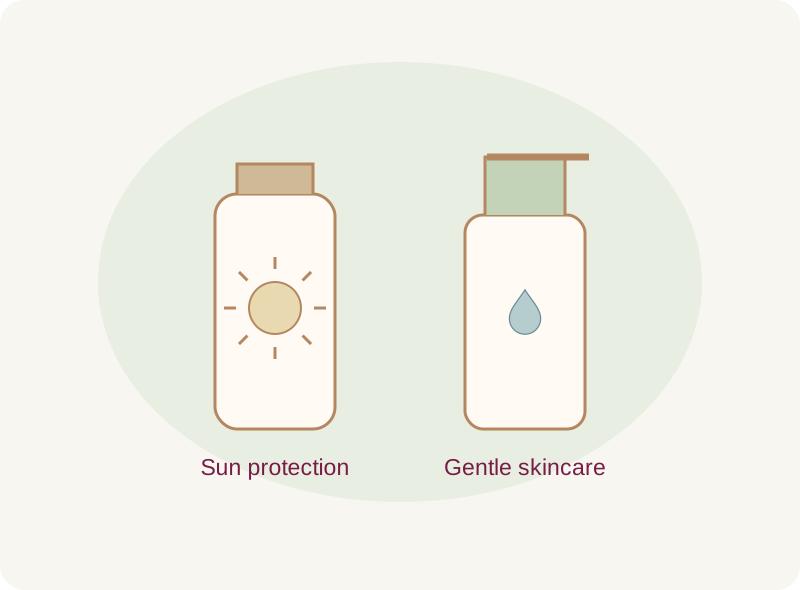
Use the products advised for your treated skin. Avoid picking or trying strong acids and scrubs while it heals, and follow sun-protection advice.
Report worsening pain, spreading redness, discharge or fever. Severe pain, unusual skin colour changes or any vision change after a facial injection need urgent medical attention.
If PRP helps, changes are usually gradual over weeks to months. Early swelling can temporarily change the appearance and should not be judged as the final result.
There is no single proven course that suits everyone. Agree on the goal, number of visits being proposed and a review point. PRP cannot promise wrinkle-free skin, permanent lifting or complete scar removal.
Studies use different preparations and combinations. The evidence is not strong enough to predict a particular improvement for you.
Infection, bruising and needle-related injury remain possible. Sterile handling and an appropriately trained clinician matter.
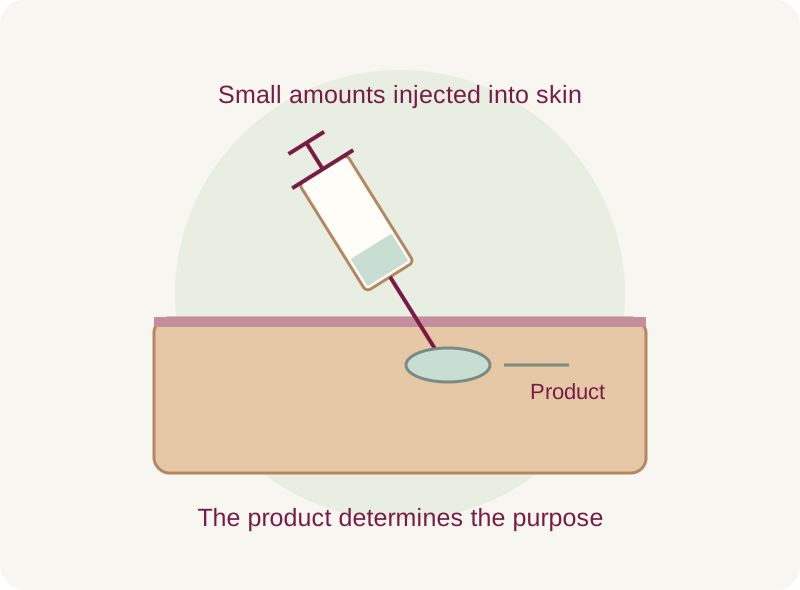
An injection method using a selected product. Ingredients and evidence differ from a platelet-rich preparation made from your blood.
Understand mesotherapy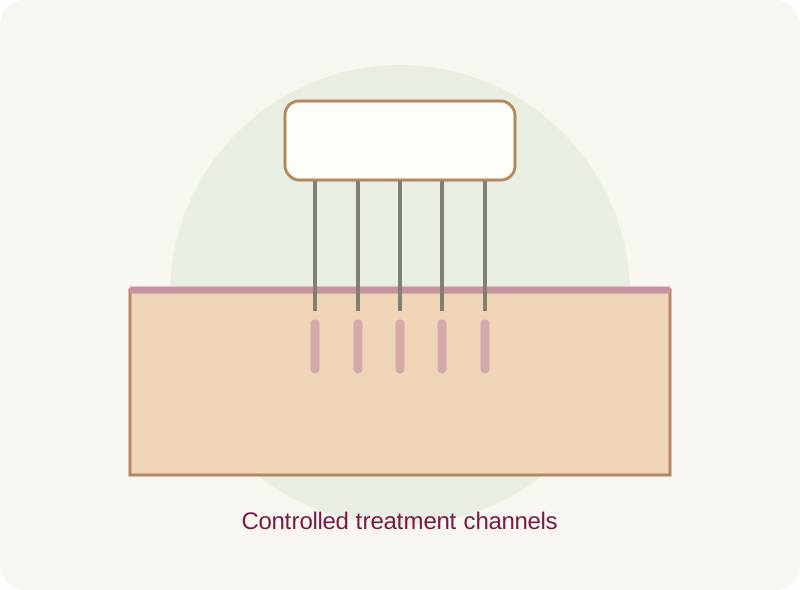
A needle procedure that prompts skin remodelling. PRP is not automatically part of it.
Explore microneedling
Fillers are used for selected volume or contour concerns. PRP is not a substitute for a filler.
Explore fillersA suitable routine remains useful whether or not you choose a procedure.
Explore skin-tone careOriginal Google excerpts about acne and acne-scar care at Layers. The reviewers do not identify PRP for skin as their treatment.
“have also tried their acne treatment. So far, the experience has been great!”
“My skin has cleared up significantly in just a few months. Thank you for giving me my confidence back!”
Acne and acne-scar care; procedure not specified.
















No. PRP is a preparation from your blood. Fillers and products marketed as skin boosters have different ingredients and purposes. Ask what is in any proposed combination.
That name is used loosely for facial treatments involving PRP, often with microneedling. Confirm the exact procedure rather than relying on the marketing name.
It cannot promise to remove them. Selected scar plans may include PRP with another procedure, but the scar type and the evidence for the combination matter.
A blood draw and skin injections can cause discomfort. Discuss comfort measures and tell the clinician if pain is unexpected or severe.
There is no fixed number for everyone. Ask why a particular schedule is proposed and when benefit will be reviewed before more treatment.
That depends on bruising, swelling, your work and whether another procedure is added. Leave room for recovery rather than planning around a guarantee of no downtime.
Do not stop prescribed treatment on your own. Tell the clinician what you take so they can assess whether PRP is suitable and coordinate any advice with your prescriber.
No. PRP concentrates platelets from your blood; it does not mean that stem cells are being collected or transplanted.
Discuss PRP, alternatives and a plan that fits your skin and recovery needs.
Prefer a call? +91 9000 572727