Full Body Laser Hair Removal
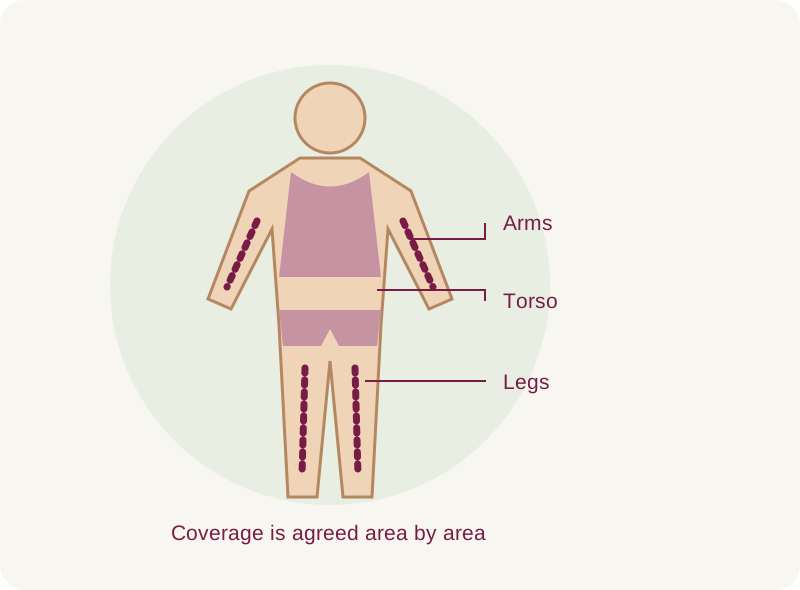
Bring your shaving and waxing routine into one plan. Choose the areas you want to treat and agree on the coverage before starting a course.
Explore full bodySpend less time managing unwanted hair. Start with your skin, hair type and the areas you want to treat, then plan a course around your response.
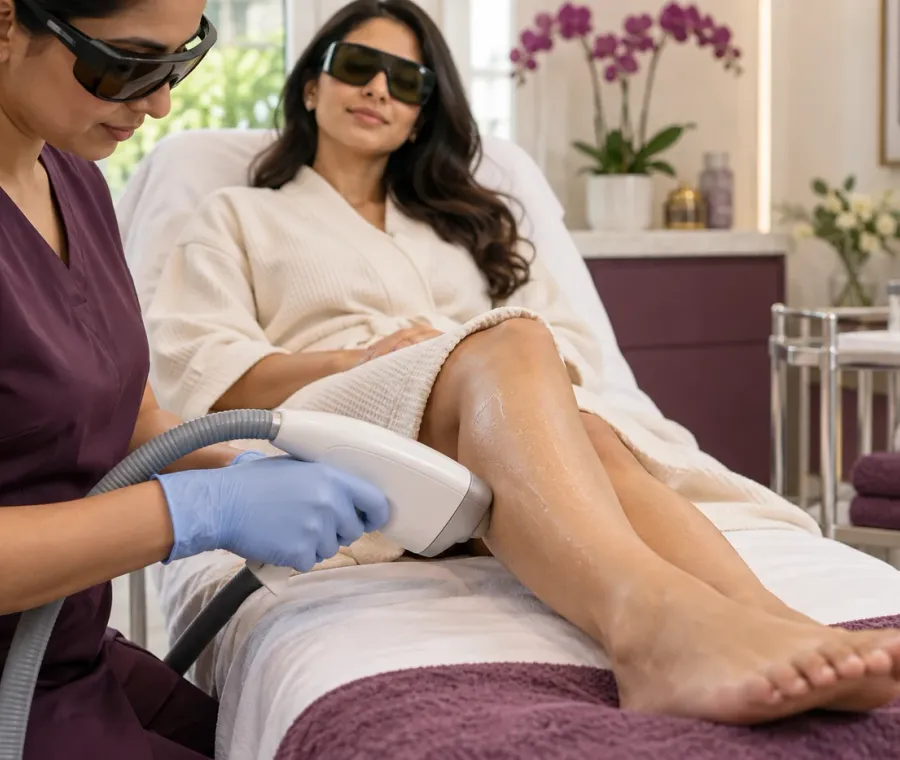
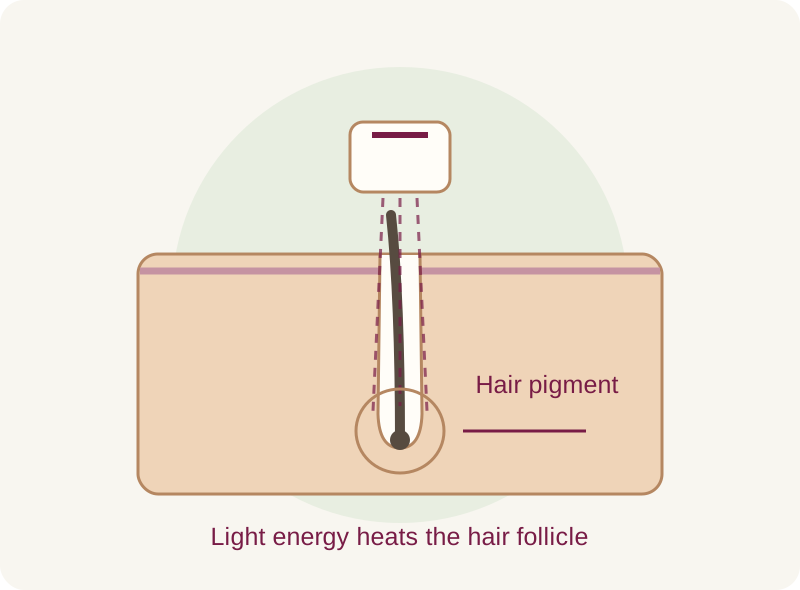
Laser light is absorbed by pigment in the hair and converted into heat. This damages the follicle’s ability to grow hair, helping reduce future growth.
The aim is lasting hair reduction. A course of sessions is usually needed because hairs grow at different times, and maintenance may be useful later.
Bring your shaving and waxing routine into one plan. Choose the areas you want to treat and agree on the coverage before starting a course.
Explore full body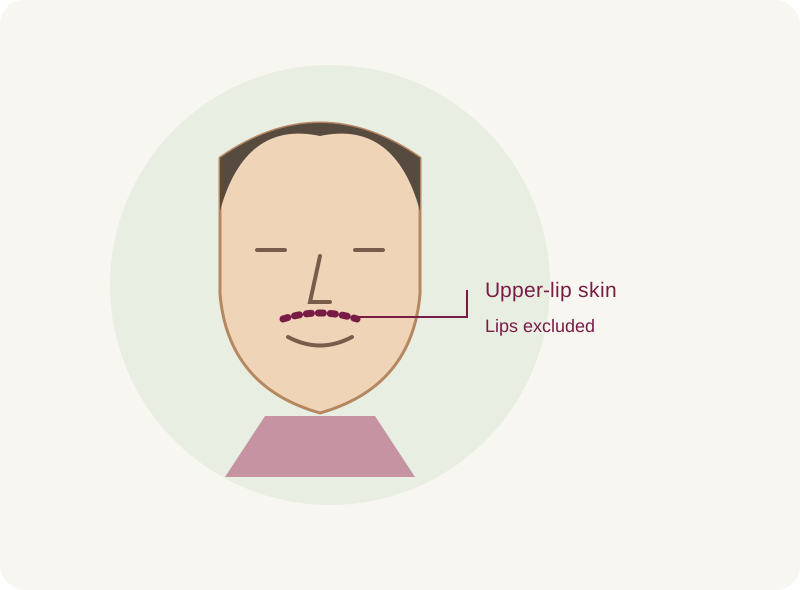
If upper-lip threading or waxing has become a regular task, ask whether the hair has enough colour and thickness for laser reduction.
Explore upper lip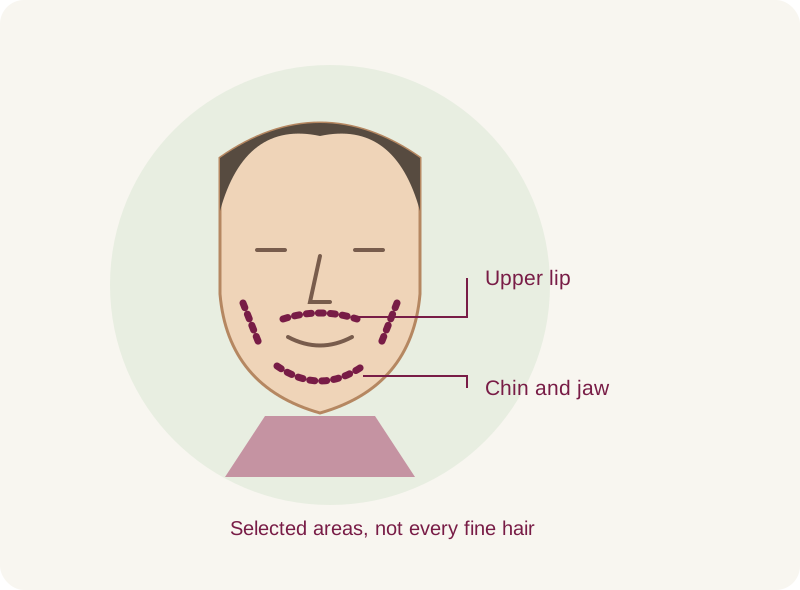
Upper lip, chin, jaw or sideburns: choose the areas that bother you and check whether laser fits the type of hair growing there.
Explore face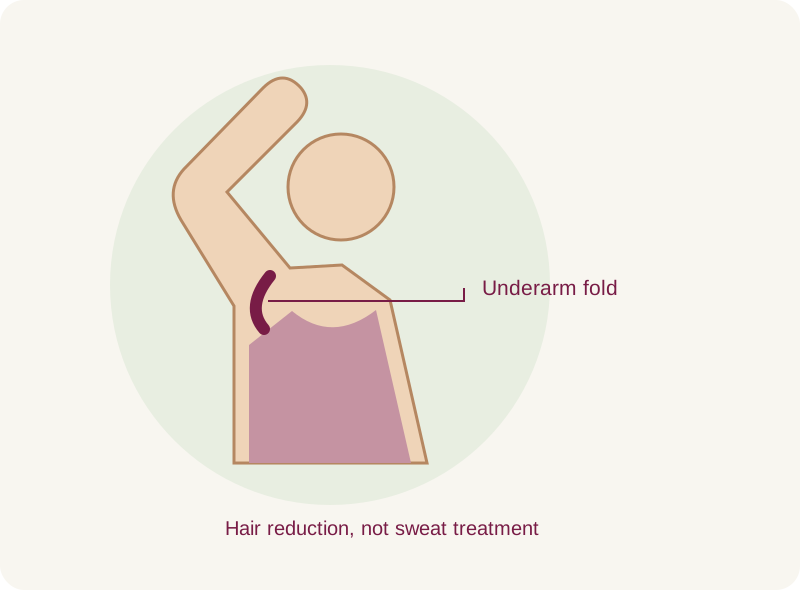
Reduce the time spent managing underarm hair with a plan that considers your hair, skin sensitivity and everyday routine.
Explore underarms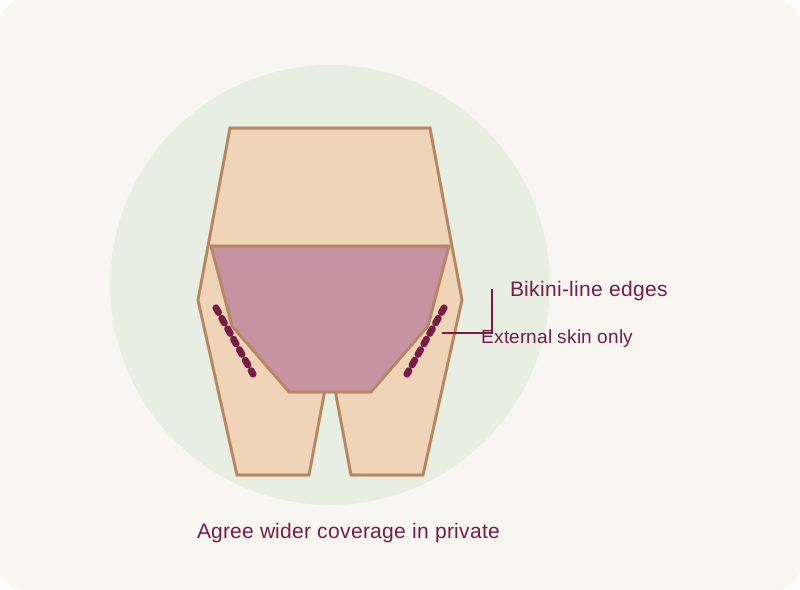
Discuss bikini and external intimate-area hair reduction privately. Agree on the treatment boundaries, coverage and comfort before you decide.
Explore intimate area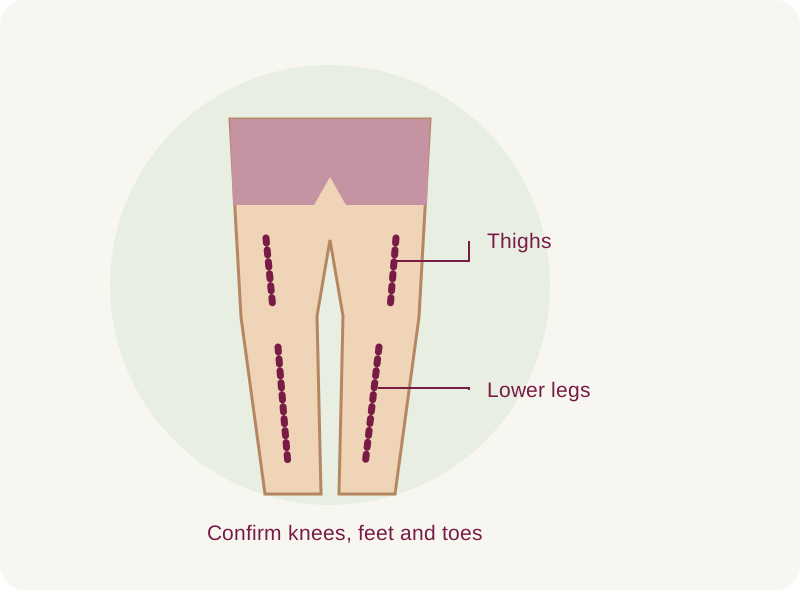
Choose lower-leg or full-leg care based on your grooming needs. Plan coverage, sun protection and sessions around the way your hair grows.
Explore legs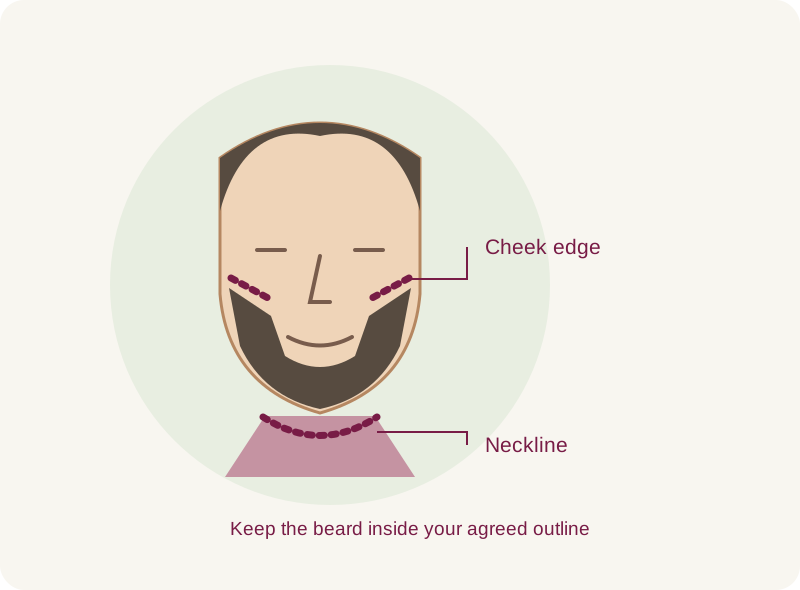
Spend less time tidying your cheeks and neckline. Start by agreeing on a beard shape you will be comfortable keeping over time.
Explore beard shaping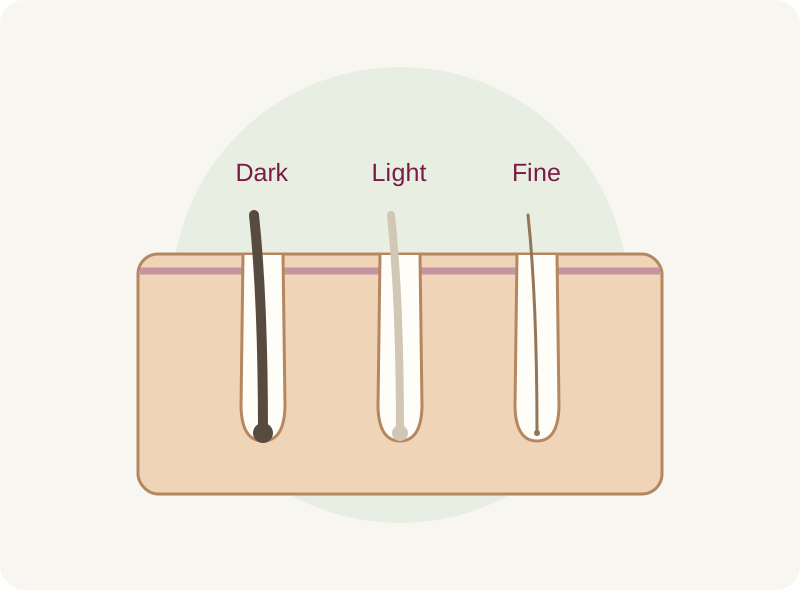
Dark, coarse hairs generally respond better. White, grey, very light and very fine hairs may respond poorly; another option may suit them better.
Darker skin can be treated with appropriate technology and settings. Recent tanning, irritation and previous colour changes need review first.
Mention medicines, recent procedures, pregnancy, scarring and skin infections. Your clinician may advise postponing treatment.
A sudden change, or hair growth with other hormonal symptoms, may need medical assessment. Laser does not treat an underlying hormonal condition.
Review your skin, hair, medical history and expected response. A test area may be appropriate before a wider session.
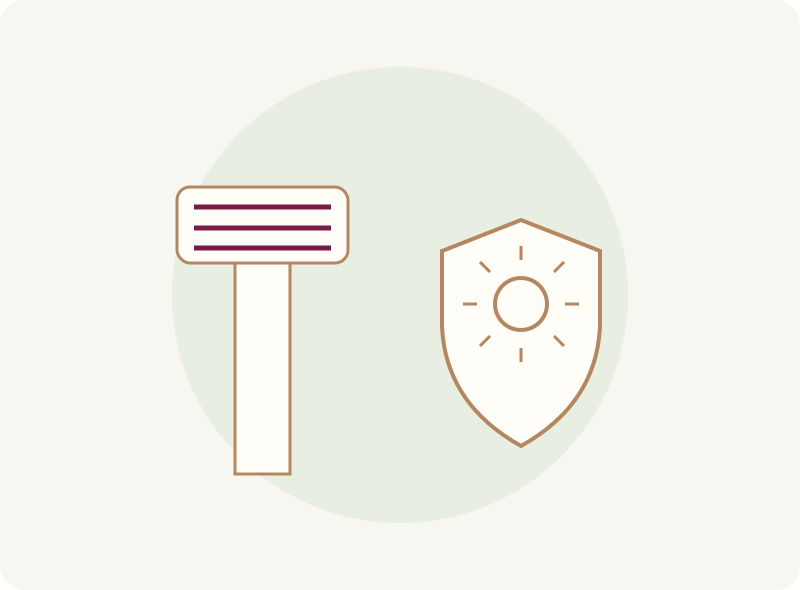
Follow instructions on shaving. Avoid waxing, plucking or threading before the course as advised; these remove hair the laser needs to target.
Avoid tanning and tell the team about recent sun exposure. Do not stop prescribed medicines without advice.
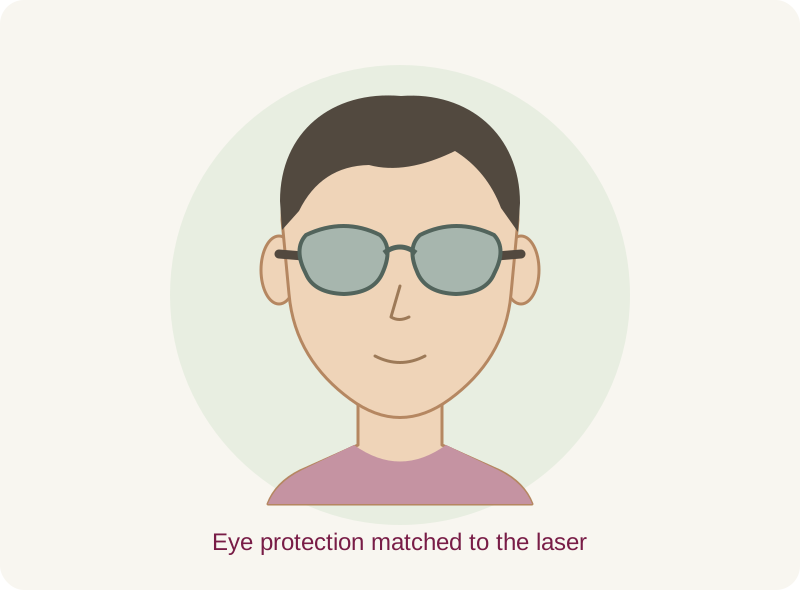
The area is cleaned and suitable laser eye protection is worn. Cooling and settings are selected for your skin and the device.
You may feel warmth or a snapping sensation. Tell the clinician if the discomfort feels excessive so the skin can be checked.
Temporary redness or swelling around follicles can occur. Use the advised gentle care and confirm when to restart active products and exercise.
The next session depends on regrowth, body area and skin recovery. Review the response before adding more sessions.
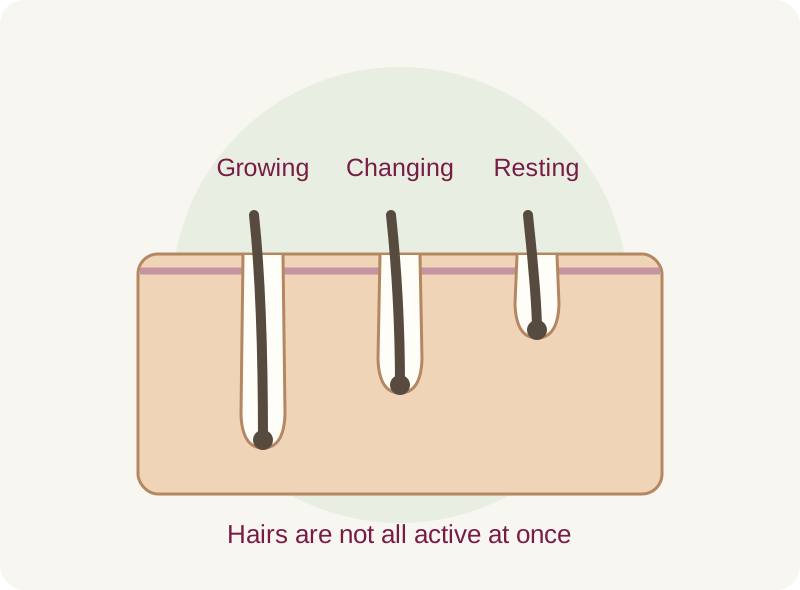
Laser works best on suitable hairs in their active growth phase. A session cannot treat every hair at the same point in its cycle, so visits are spaced to target later growth.
Over a course, regrowth may become less dense and finer. Session numbers and intervals vary by area, hair, skin and hormonal factors; complete removal of every hair is not promised.
Successful reduction may mean less shaving or waxing and fewer problems from repeated hair removal.
Some regrowth can occur months or years later. Follow-up should respond to the hair that returns rather than an automatic fixed schedule.
Follow your instructions on cooling, cleansing and moisturising. Avoid rubbing or picking at the area.
Protect exposed skin with clothing and suitable sunscreen. Tell the team if your skin tans between appointments.
Blisters, burns, increasing pain or persistent darker or lighter patches need review. Rarely, hair growth can increase after treatment.
Before-and-after photographs shared by Layers showing laser hair reduction outcomes across different treatment areas. Individual results vary.
Showing all 5 photographs
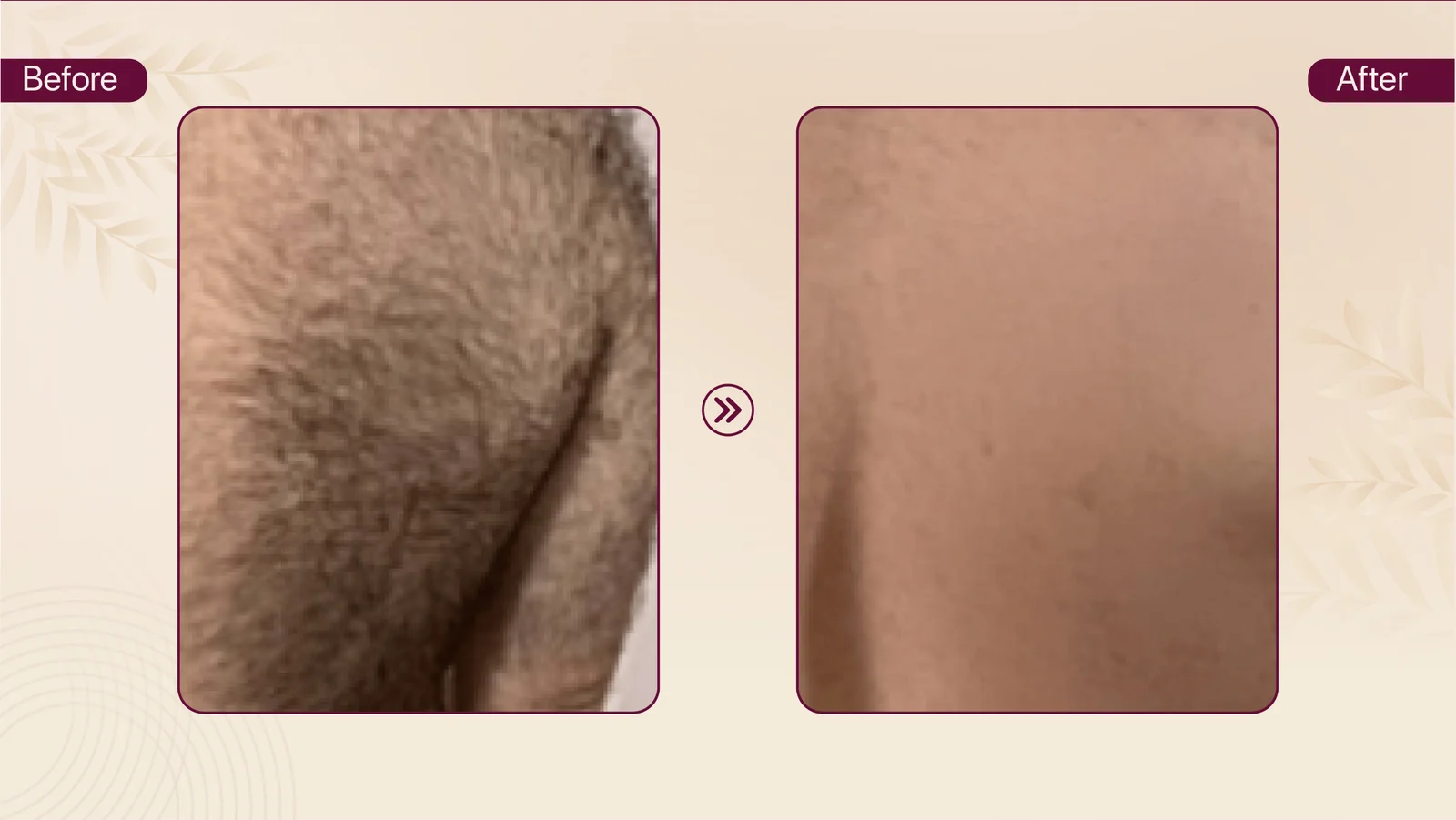
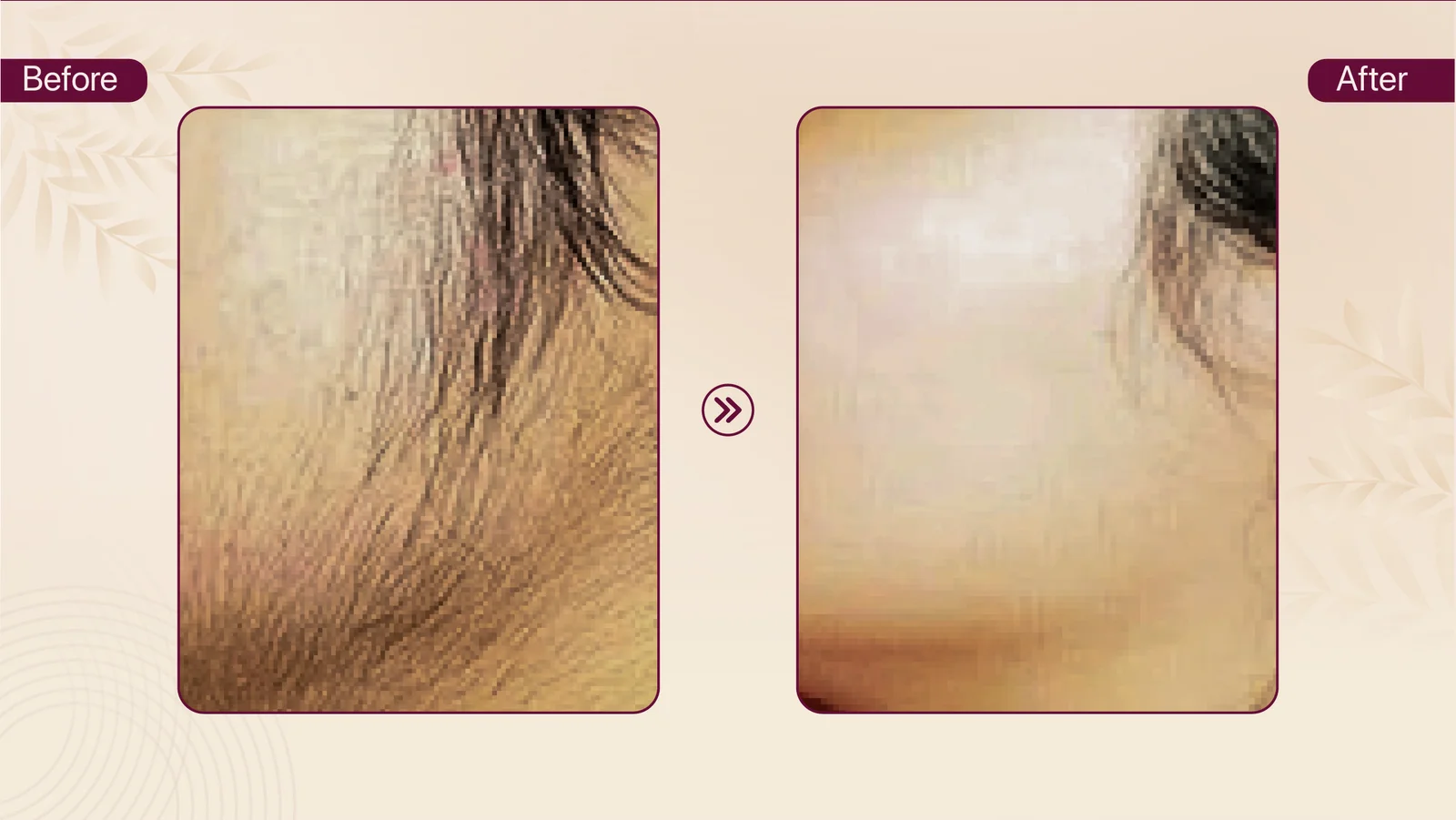
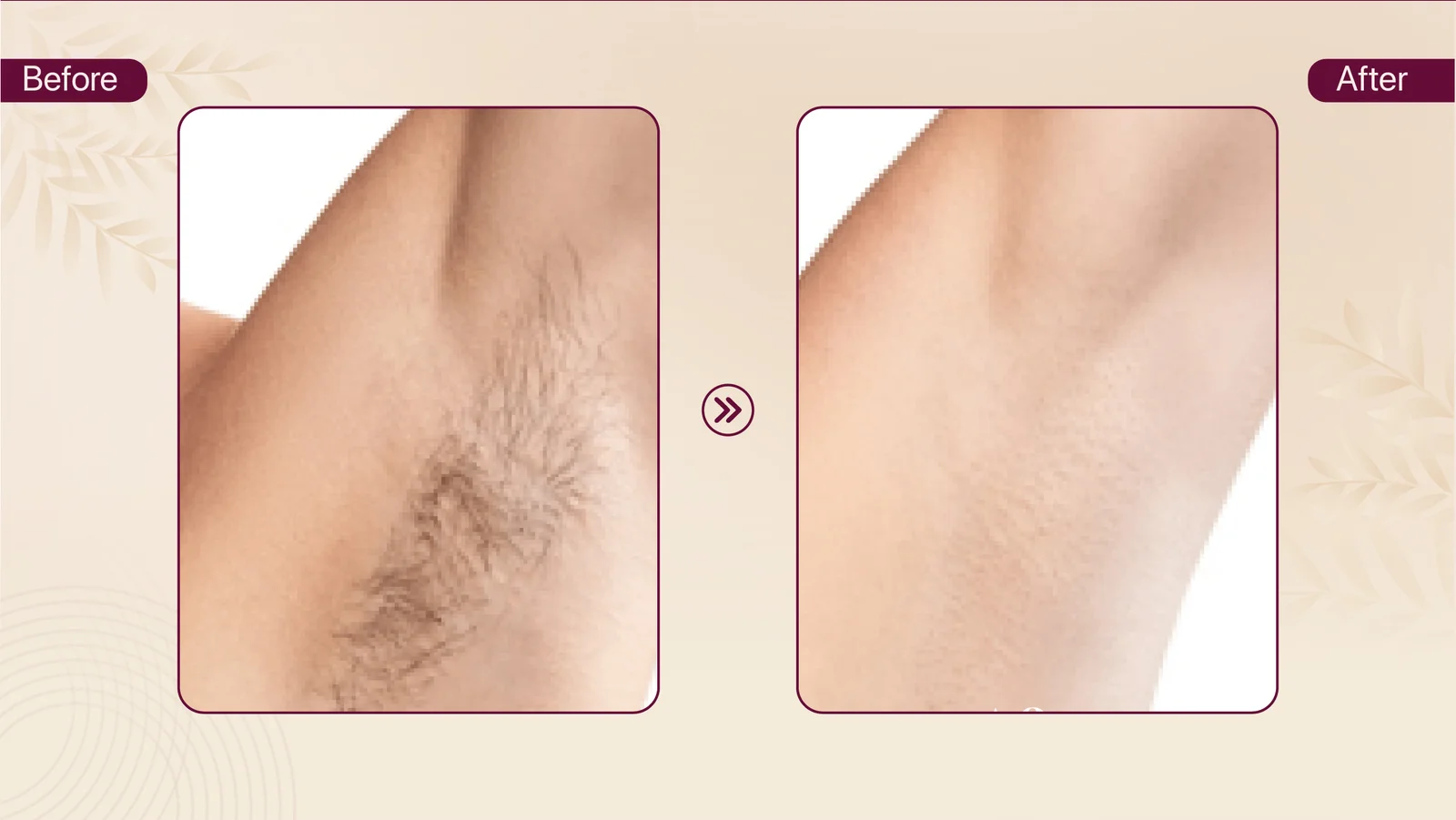
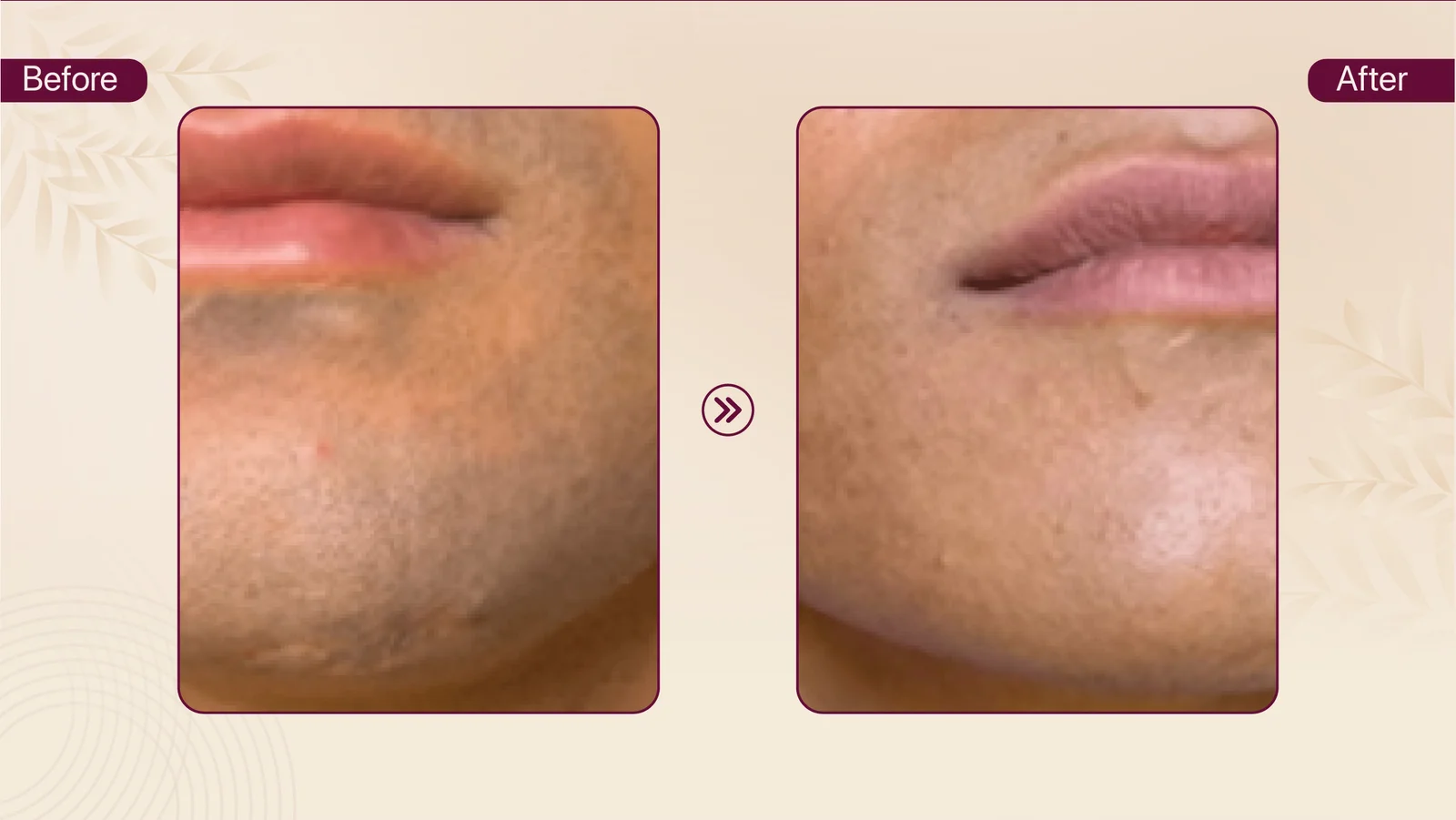
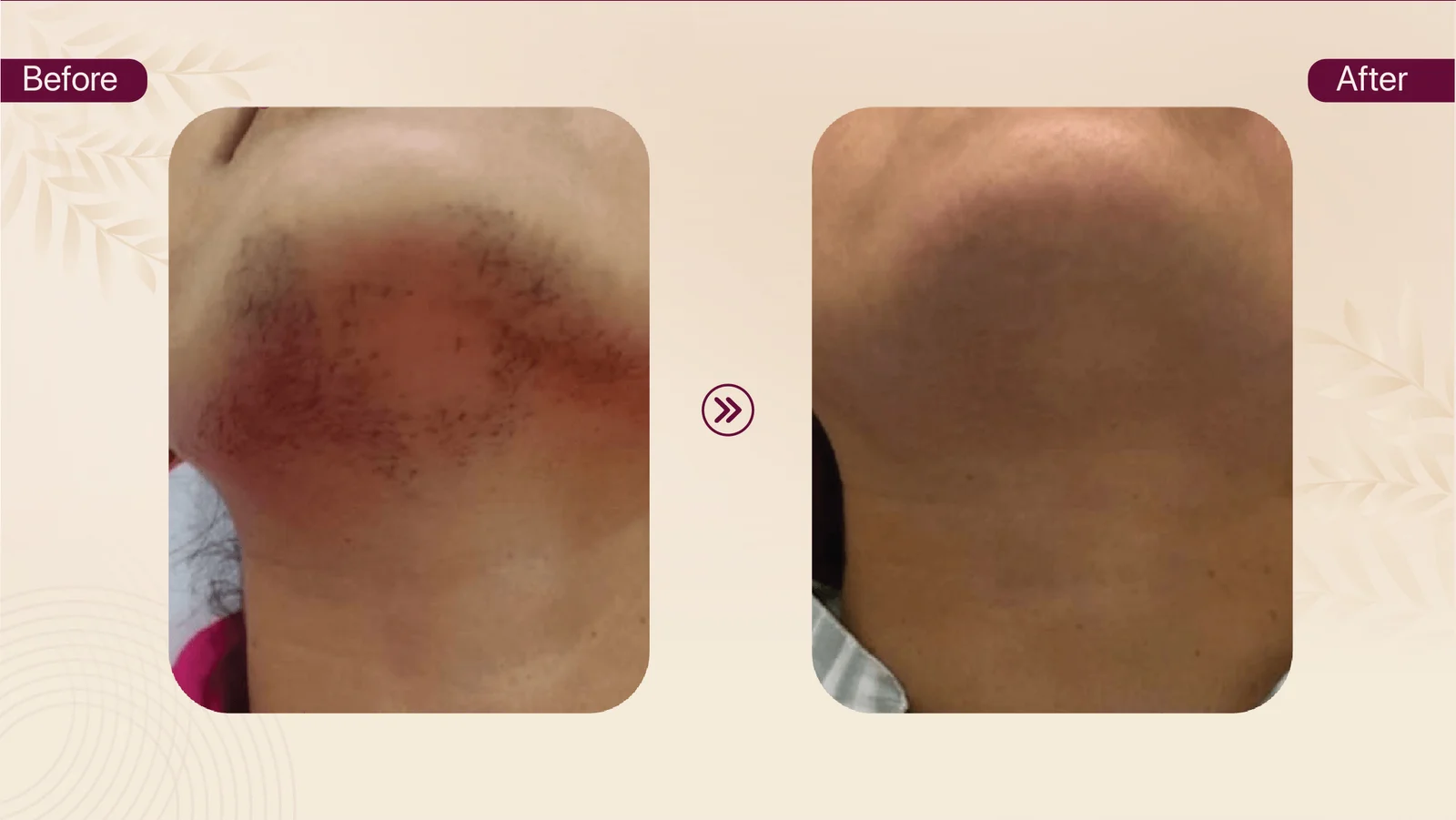
Individual results vary. These photographs show specific cases, not guaranteed outcomes. Original image quality, lighting and angles may differ. Your doctor can explain what may be possible for you.
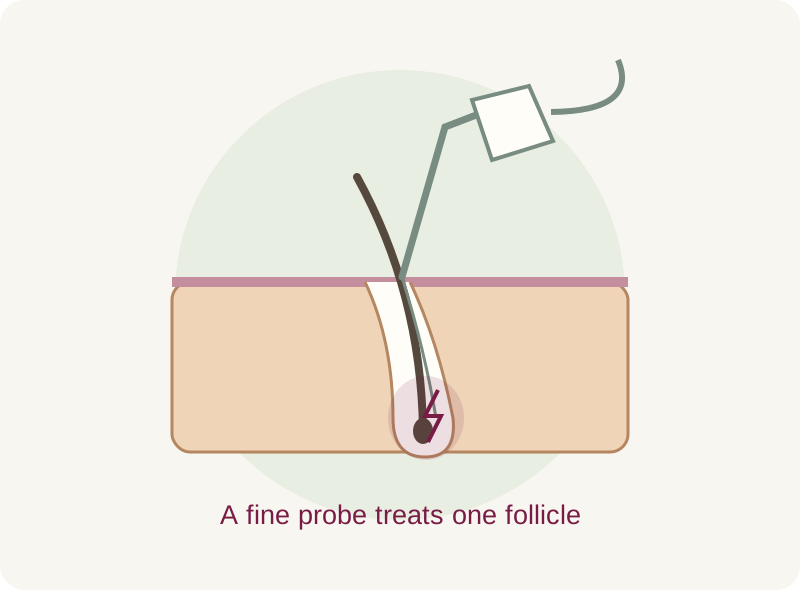
Lighter hairs may have too little pigment for laser. Electrolysis treats one follicle at a time and may be an option after assessing the area and time involved.
Explore electrolysis
A Layers dermatologist explains hair reduction for men, including beard-line care and easier grooming. The goal can be reducing density rather than removing every hair.
Layers Skin & Hair Clinics · Doctor explanation
Watch on YouTubeVerified Google review excerpts from people discussing laser hair removal at Layers. Experiences include ongoing courses; individual results vary.
“I am taking full body laser treatment in Layers I am very satisfied with the progress”
“So far my experience is good in terms of the treatment, already saw a decent result after 2 sittings.”
Progress during an ongoing laser hair-removal course.
“Staff is very friendly and do a great job without rushing. Hygiene maintained very well. Highly recommend for facials and laser hair removal.”
“Ive been getting my LHR full body here and the therapist is very friendly and comfortable.”
“now I have completed about 10 sessions. Extremely satisfied with the treatment.”
Personal experience after about ten sessions; course length varies.
















It can provide long-lasting reduction, but some hair can return. Maintenance may be needed, and hormonally influenced areas can require ongoing care.
Several sessions are usual, but a reliable number needs assessment of your hair, skin and treatment area. The course should be reviewed as your hair responds.
Yes, with suitable laser selection, settings and experienced care. Skin pigment also absorbs light, so burns and colour changes remain risks that should be discussed.
These hairs have little or no target pigment and usually respond poorly to laser. Ask about alternatives for your hair type.
Follow the clinic’s shaving instructions. Waxing, plucking and threading remove the target hair and are usually avoided before and during the course.
Pulses can feel hot or like a quick snap. Cooling and suitable comfort measures may help, but a completely painless experience cannot be guaranteed.
Hair-removal laser should not pass over tattoo ink. Tell the clinician about tattoos and permanent makeup so treatment boundaries can be planned.
Equipment and suitable settings can vary. Ask your chosen clinic which system will be used and why it fits your skin and hair; a device name alone does not predict results.
Get a plan for the areas, sessions and skin care that fit you.
Prefer a call? +91 9000 572727