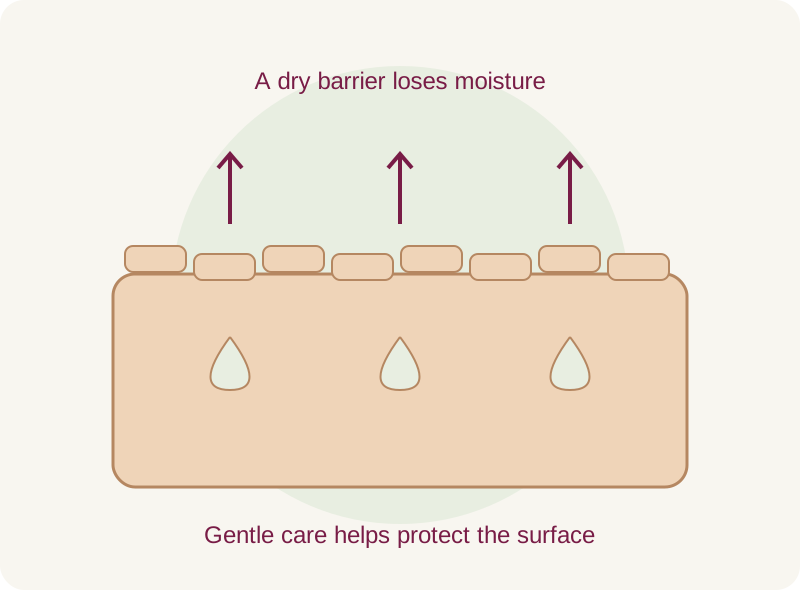
Dryness or tightness
Skin that feels tight, flaky or itchy may need gentler cleansing and moisture rather than more exfoliation.
Explore dry skinDryness, rough texture and uneven tone can make skin look different. Start with the reason before choosing a facial or treatment.
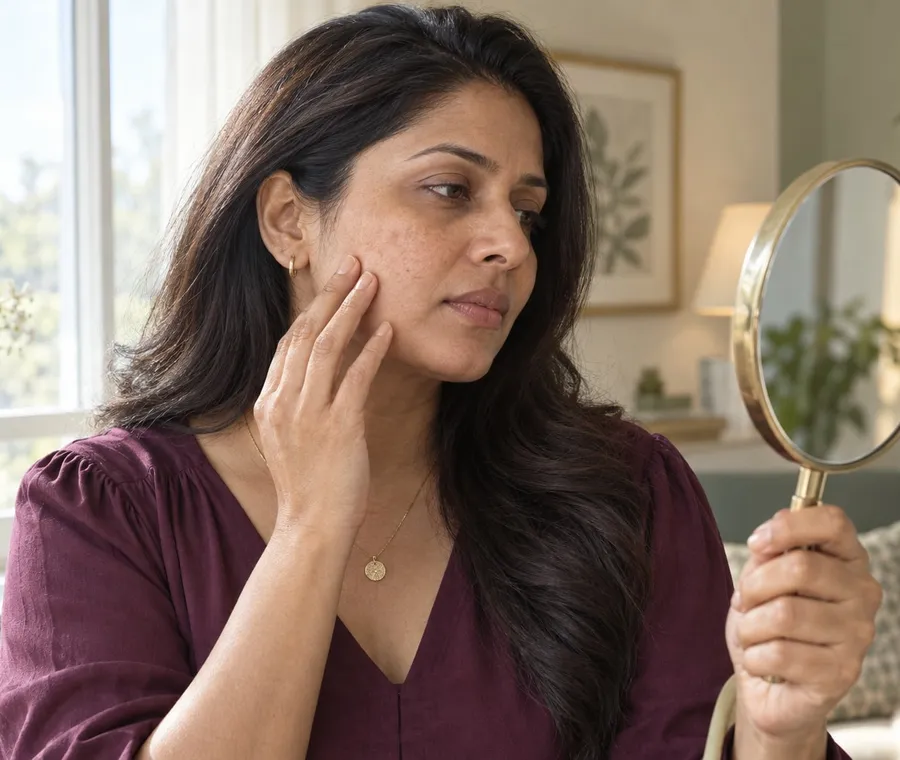
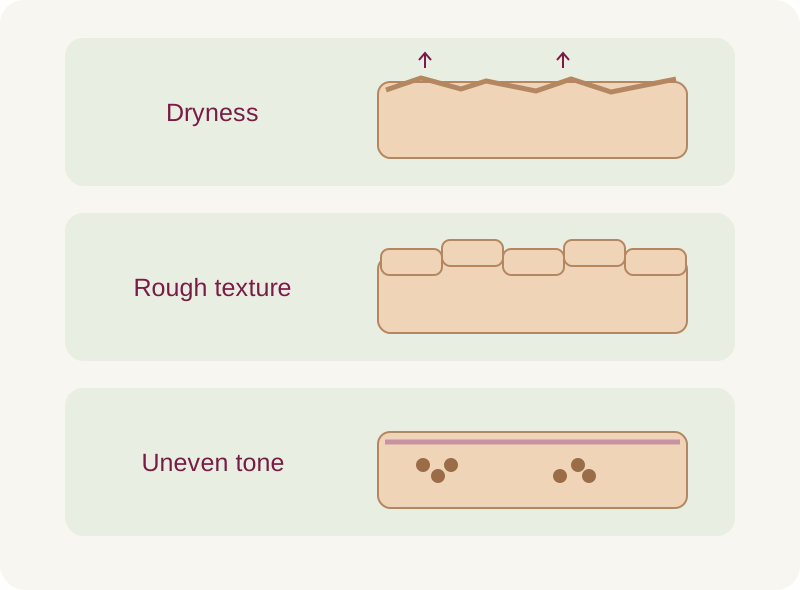
Dullness describes how skin looks; it is not one specific diagnosis. You might notice flakes, a rough feel, dark marks or a change after starting a product.
Different concerns can overlap. An assessment helps separate dryness and irritation from pigment changes, so you can choose care with a clear purpose.
Skin that feels tight, flaky or itchy may need gentler cleansing and moisture rather than more exfoliation.
Explore dry skin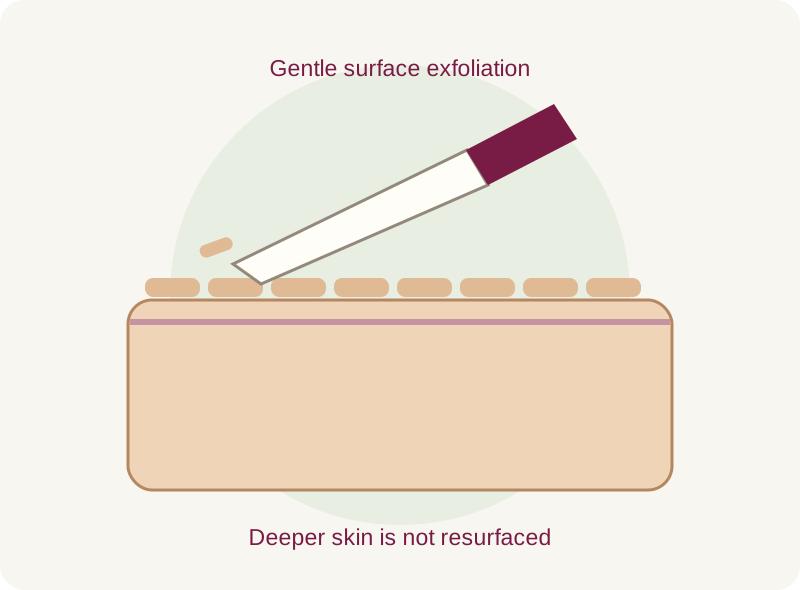
Surface texture can affect how skin feels. Scrubbing too often or combining strong products can add irritation instead of helping.
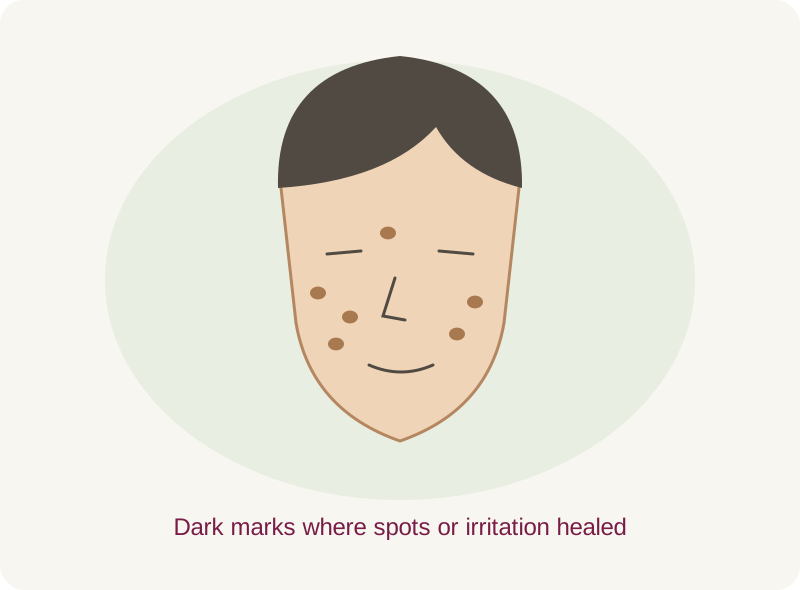
Marks after acne and other pigment changes need a cause-based plan. They are not simply dirt or a layer to scrub away.
Explore skin tone and colour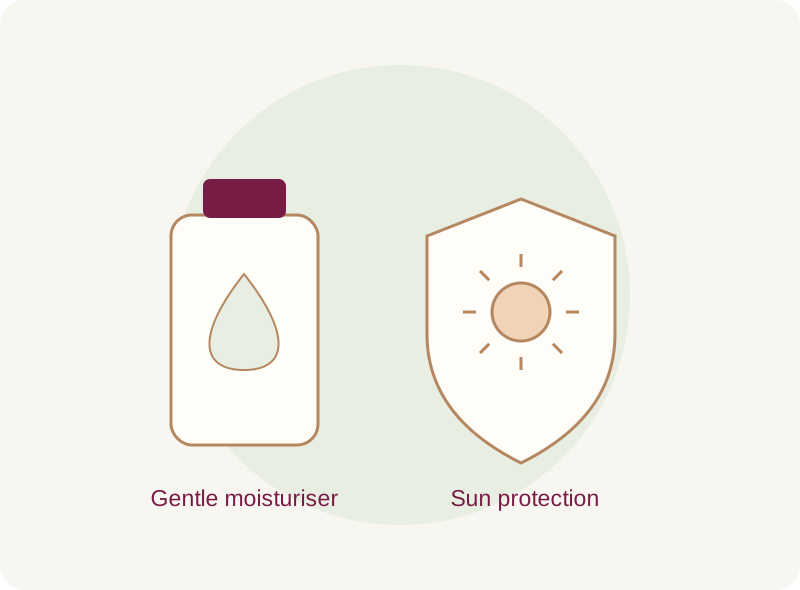
Choose a gentle cleanser. Avoid very hot water and stop scrubbing skin that feels sore or tight.
A fragrance-free moisturiser helps dry skin feel more comfortable. Choose the texture with your skin type in mind.
Use shade, clothing and broad-spectrum SPF 30 or higher sunscreen. Reapply when outdoors, especially after sweating or swimming.
More acids or scrubs are not always better. Review the products you already use before adding another exfoliant.
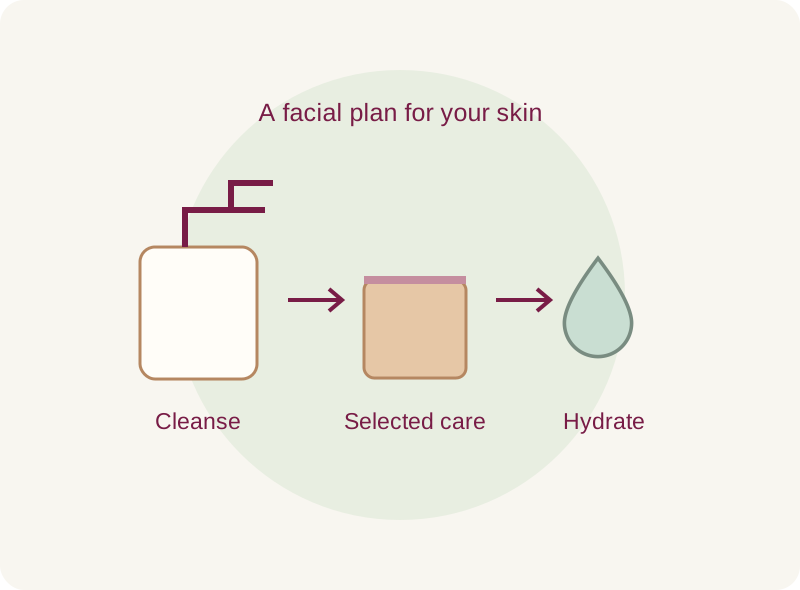
A personalised facial may support hydration or surface texture. The products and steps should suit your skin and current routine.
Explore medifacials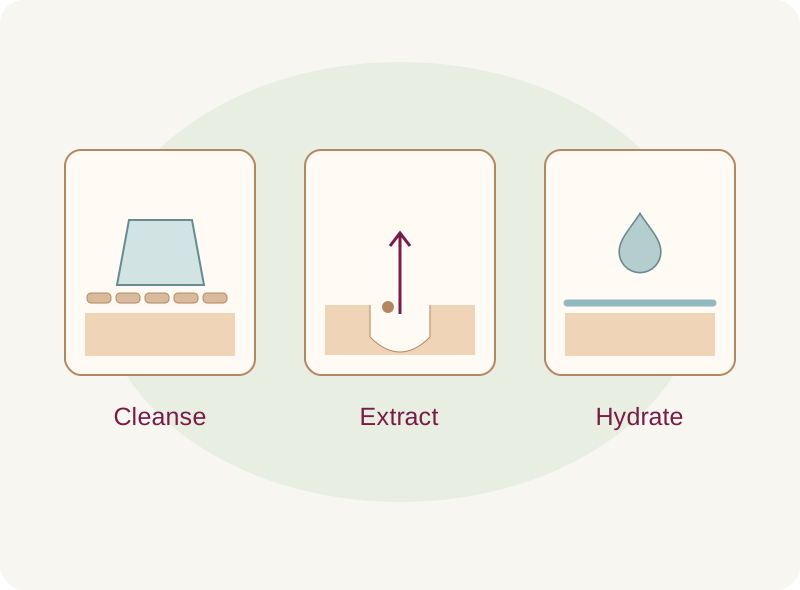
An option for selected cleansing, congestion and hydration concerns once the skin is suitable.
Explore Hydrafacial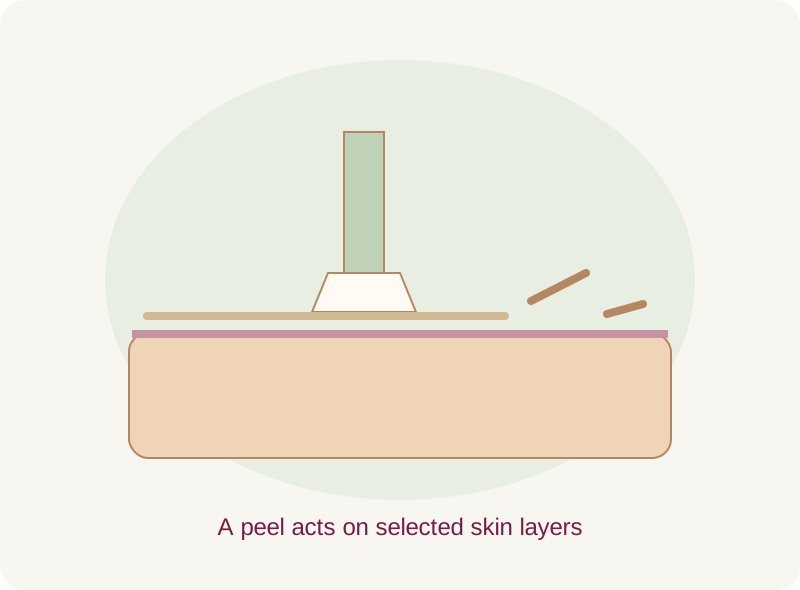
The peel and its strength should match the concern. Irritated skin and a tendency to develop dark marks need particular care.
Explore chemical peelsGentle fruit-enzyme exfoliation and hydration designed to refresh dull or tired-looking skin.
Explore pumpkin facial
Persistent dark marks may need targeted skincare or a separate treatment plan after diagnosis.
Explore pigmentation careA procedure is optional. For some skin concerns, adjusting daily care is the most useful first step.
List your cleanser, moisturiser, sunscreen and active products, along with any medicines or recent skin treatments.
Note when the change started and whether you have itching, stinging, breakouts or persistent patches.
Your clinician checks the skin surface, irritation and pigmentation. A specific skin condition may need care before a cosmetic treatment.
Discuss home care, suitable procedures, expected changes and possible side effects. You can decide to start with a simpler routine.
Use the agreed products and avoid adding several new treatments at once.
Discuss persistent irritation or lack of improvement. Further care depends on what your skin needs, not a fixed package.
Persistent itching, burning, cracking or a rash deserves assessment rather than repeated facials.
Have a growing, bleeding, non-healing or otherwise changing spot examined before treating it as pigmentation.
If products keep causing a reaction, bring them to the visit so the clinician can help identify a suitable approach.
Original skin brightening and pigment clarity cases from Layers Clinics. Individual results vary.
Showing all 6 photographs
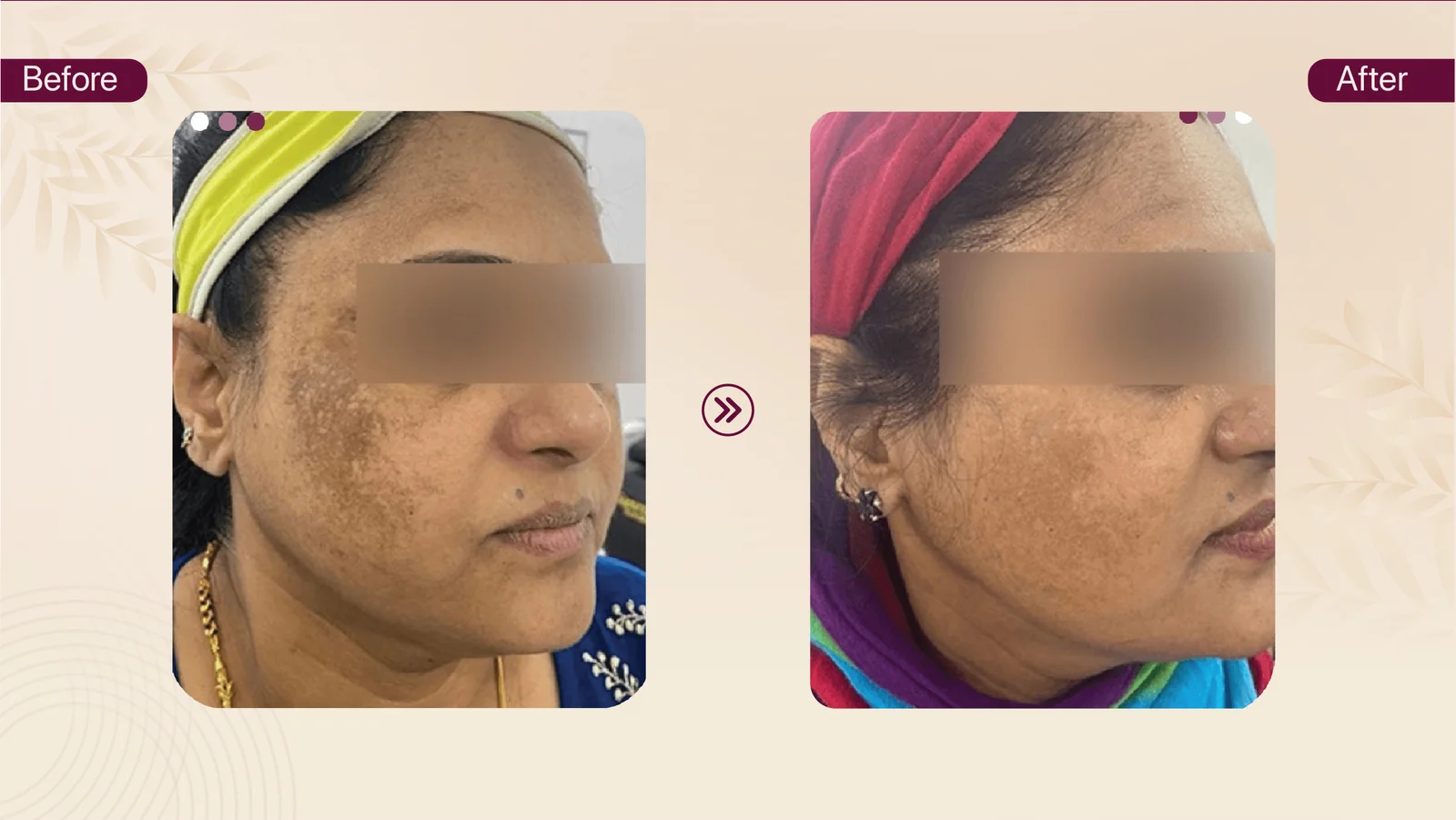
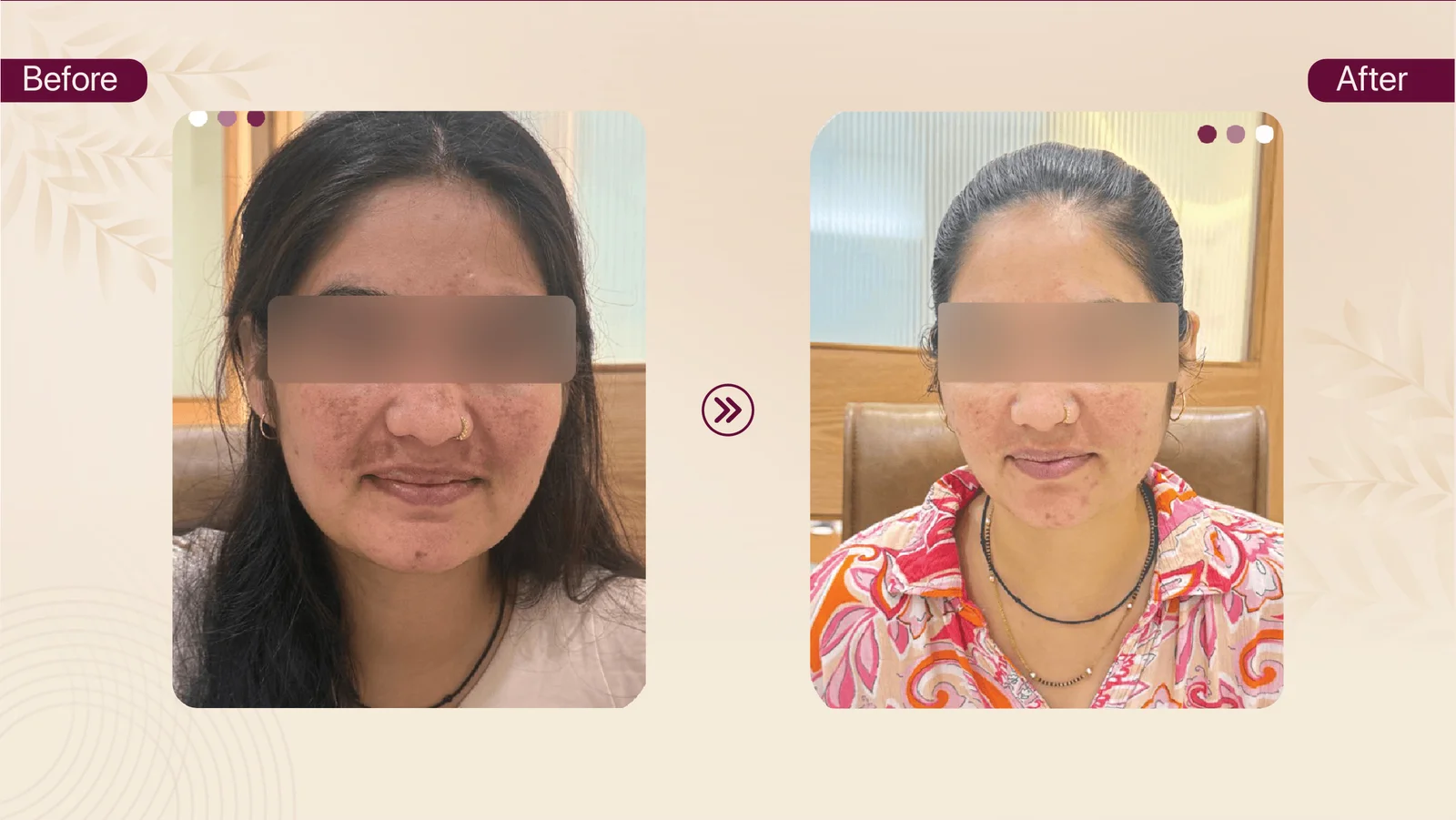
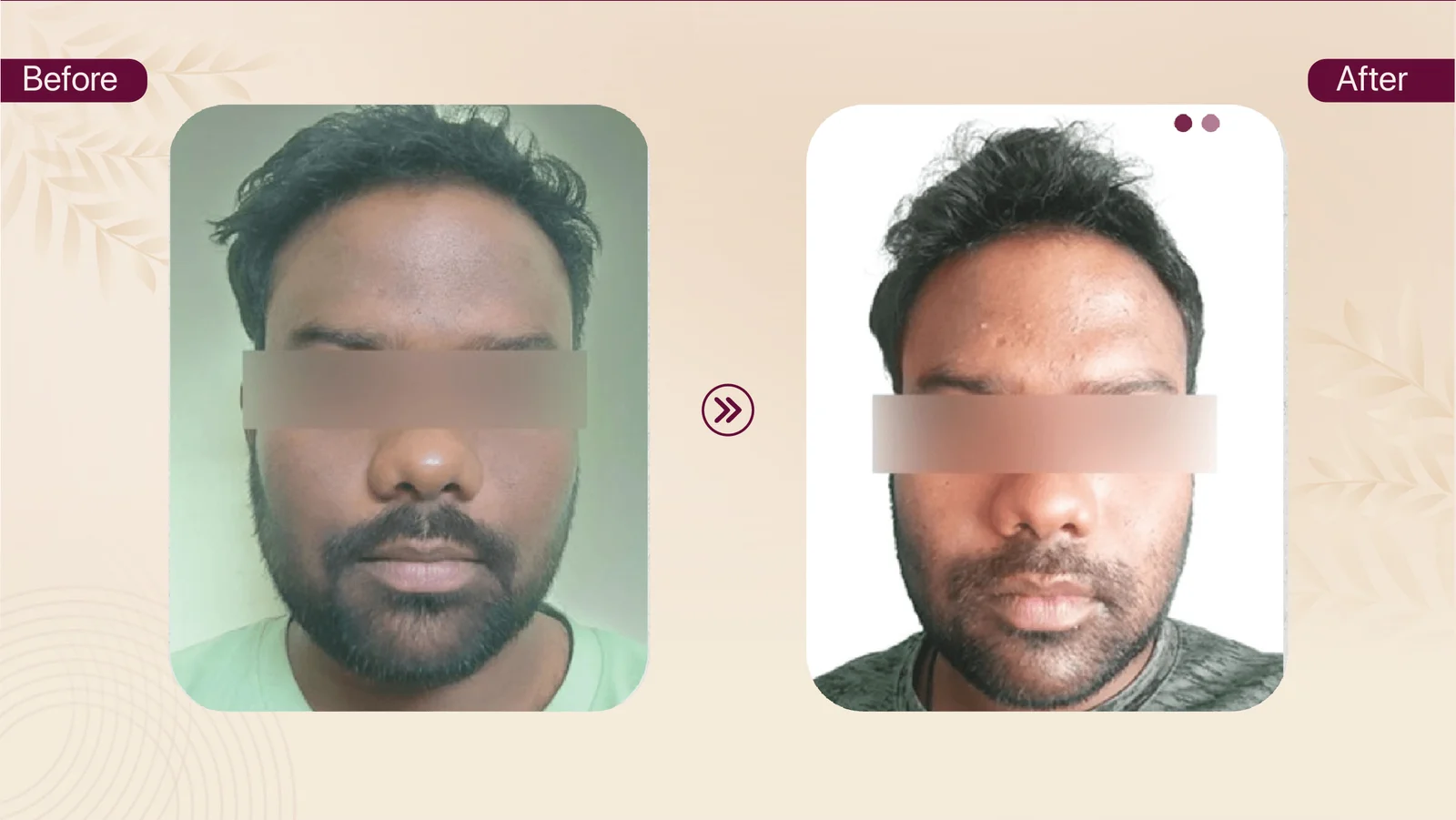
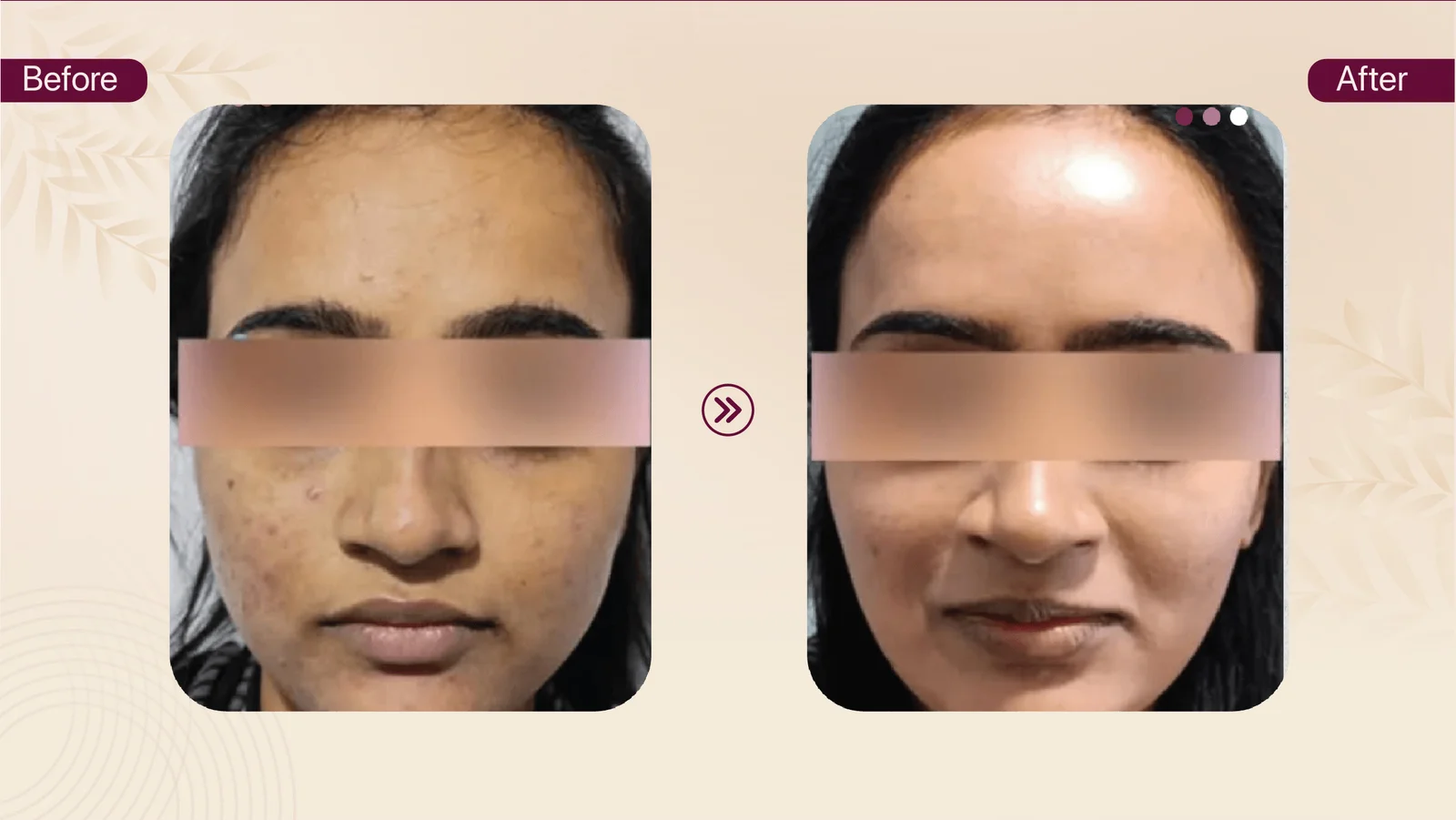
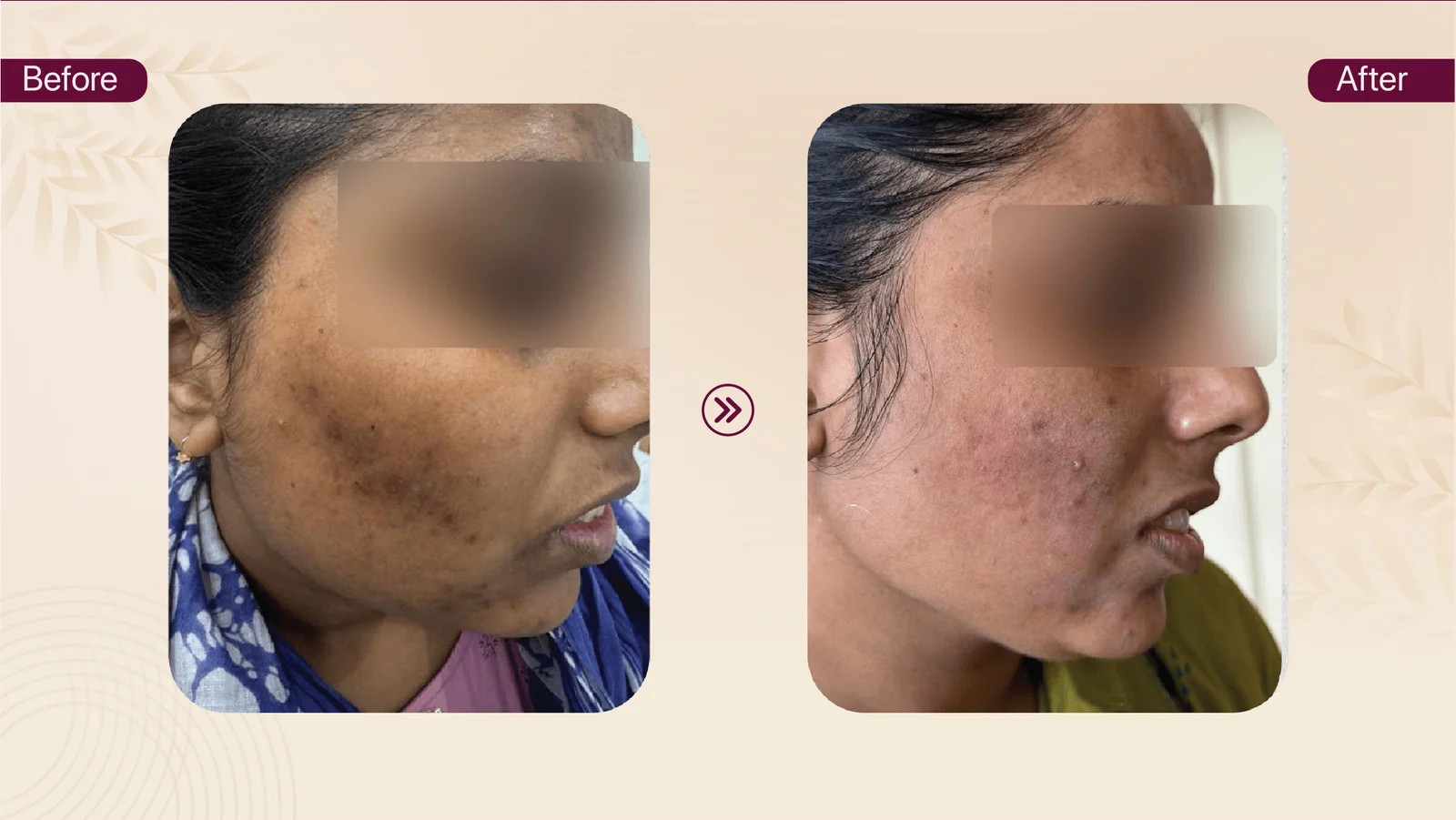
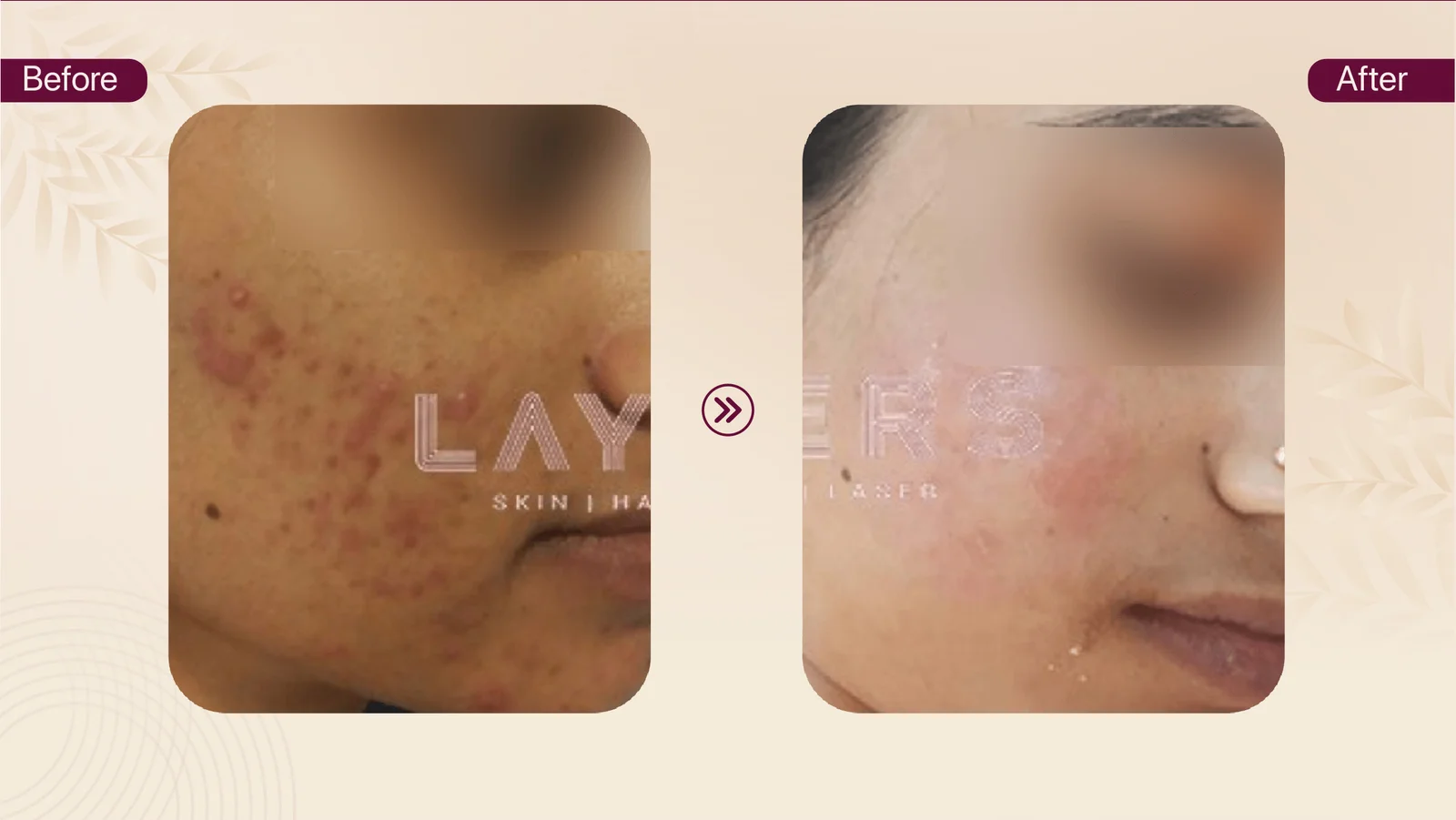
Individual results vary. These photographs show specific cases, not guaranteed outcomes. Original image quality, lighting and angles may differ. Your doctor can explain what may be possible for you.
Google review excerpts about Hydrafacial and related care at Layers. These describe individual facial-care experiences, not a guaranteed result for dull skin.
“The HydraFacial was absolutely worth the money—it left my skin feeling fresh, hydrated, and glowing from the very first session.”
“layers HSR was fantastic with my hydra facial. They informed me about the treatment at every step and made the process very smooth.”
“I had a great experience with this hydra facial treatment. Special thanks to Devi for her excellent service.”
“Overall experience was very nice at reasonable cost.”
“I had hydra facial at layers. The service was good and people are helpful. Hoping to visit again”
“I recently underwent a hair therapy and took hydra facial, and I’m really happy with the results.”
“I took Q-switch laser and HydraFacial sessions, and I can already see improvement.”
Combined Q-switch and Hydrafacial care.
















No. Rough texture, dark marks and irritation can also change how skin looks. The right plan depends on what you are noticing.
There is no need to assume daily exfoliation is right for you. Too much can irritate the skin. Consider your skin type and the other products in your routine.
No. Different pigment problems need different care, and some can recur. Have persistent patches assessed before choosing a treatment.
Yes. Oiliness and moisture are different. Choose a moisturiser suited to your skin and acne tendency; your clinician can help with the texture and ingredients.
The aim is to care for dryness, texture or unwanted marks while respecting your natural skin tone. A lighter complexion is not the measure of healthy skin.
That depends on the cause and the plan. Surface comfort and persistent pigment changes follow different timelines. Ask what to expect and when to review.
Not necessarily. A simple routine may be enough. If a procedure is suggested, ask what it is expected to add and whether it suits your skin.
Avoid choosing stronger products just because the skin looks dull. Aggressive exfoliation can cause irritation and dark marks, especially in skin prone to pigmentation.
Tell us what you have noticed. We’ll help you choose care that fits your skin.
Prefer a call? +91 9000 572727