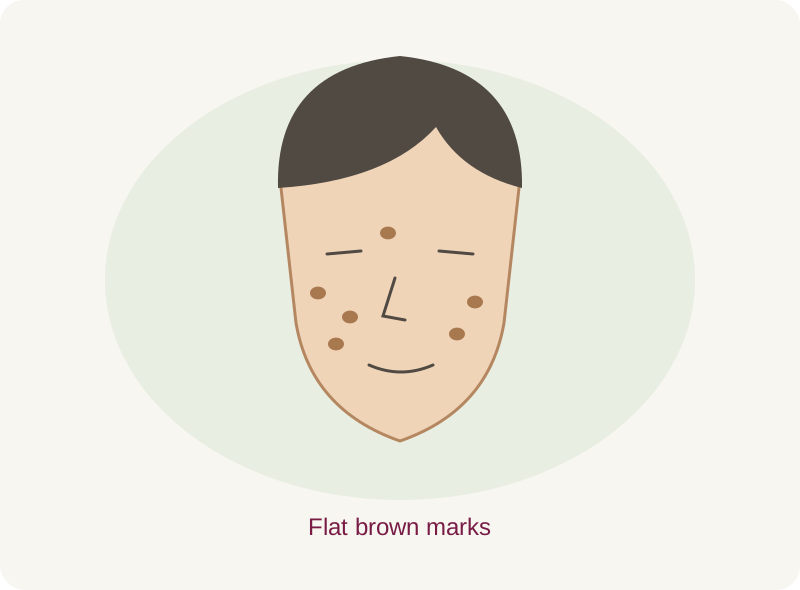
Brown or grey-brown marks
Pigment can remain where acne has settled. Dark marks are often more noticeable and last longer in deeper skin tones.
A breakout may settle and leave a brown, pink or red mark. Find out what kind of change you have and how to care for it.

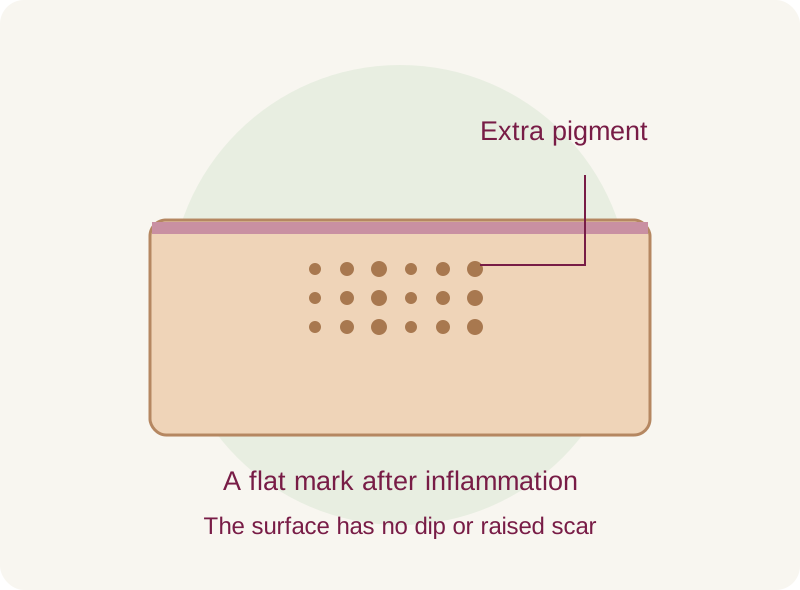
Inflammation from acne can leave a colour change after the spot heals. Extra melanin causes brown or darker marks, called post-inflammatory hyperpigmentation, or PIH.
Some marks are pink or red and relate to changes around small blood vessels during healing. This is called post-inflammatory erythema, or PIE. Marks can occur alongside active acne or scars.
Pigment can remain where acne has settled. Dark marks are often more noticeable and last longer in deeper skin tones.
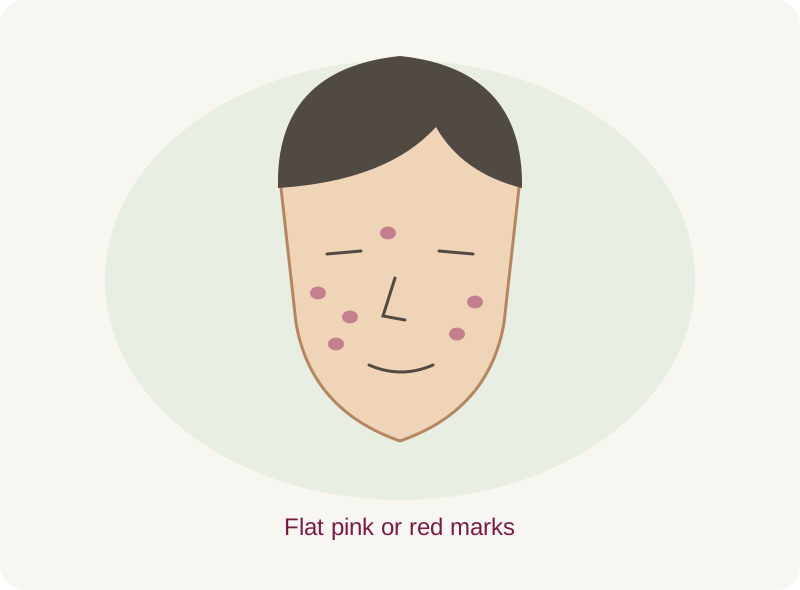
Redness after a spot is not the same as excess brown pigment. The dermatologist can check which type of change is present.
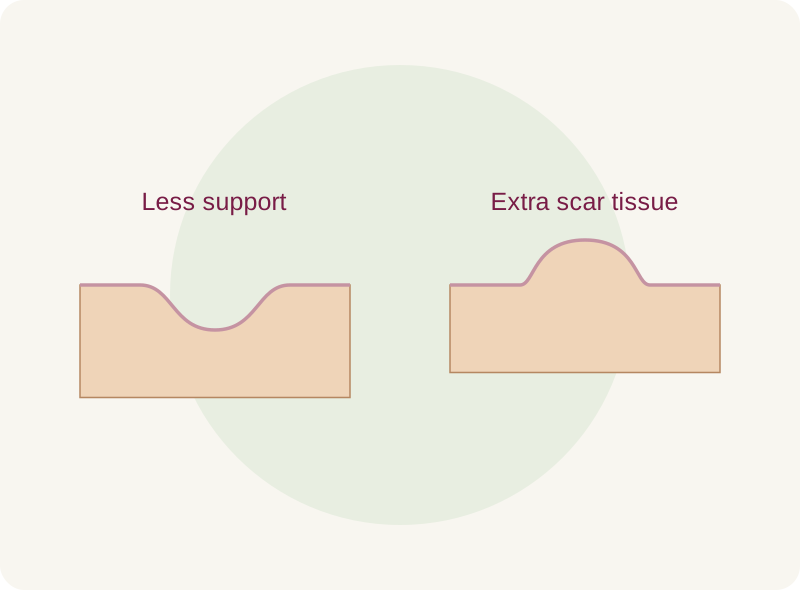
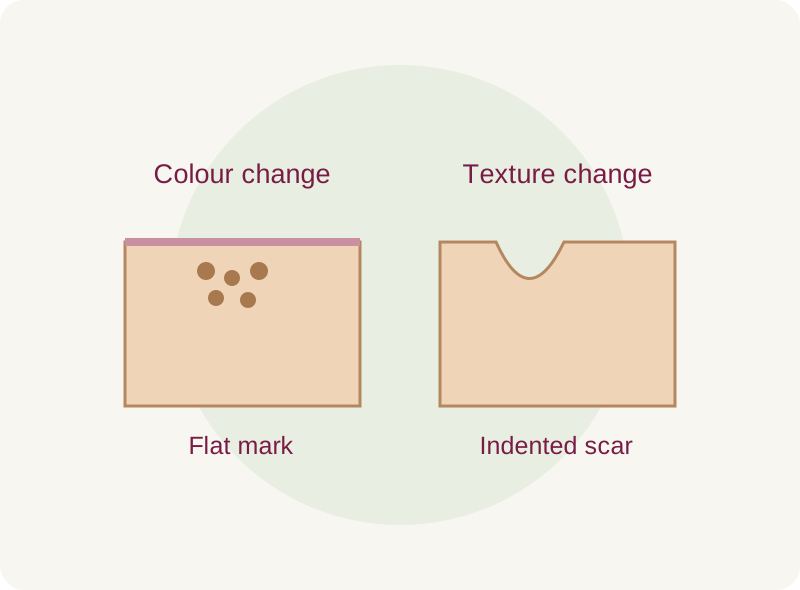
A pit or raised area is a change in skin structure. Fading its colour will not necessarily correct its texture.
Explore acne scars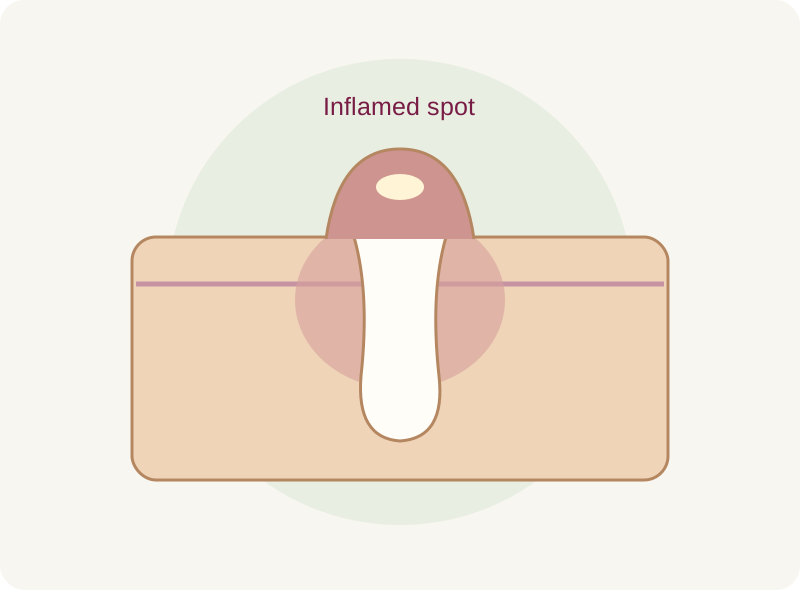
If new spots keep forming, new marks may appear while older ones fade. Discuss an acne plan alongside colour concerns.
Squeezing and harsh scrubs can worsen inflammation. Burning from a product is a reason to seek advice, not a sign that the mark is clearing.
A mark with no clear link to a breakout, or one that changes, bleeds or does not heal, should be assessed rather than assumed to be an acne mark.
Treating ongoing acne helps reduce the trigger for new marks. Medicines are selected for the severity of the acne and your health.
Explore acne care
For brown marks, ingredients such as azelaic acid or a suitable retinoid may help. Prescription options need an individual plan and review.
Understand pigmentation care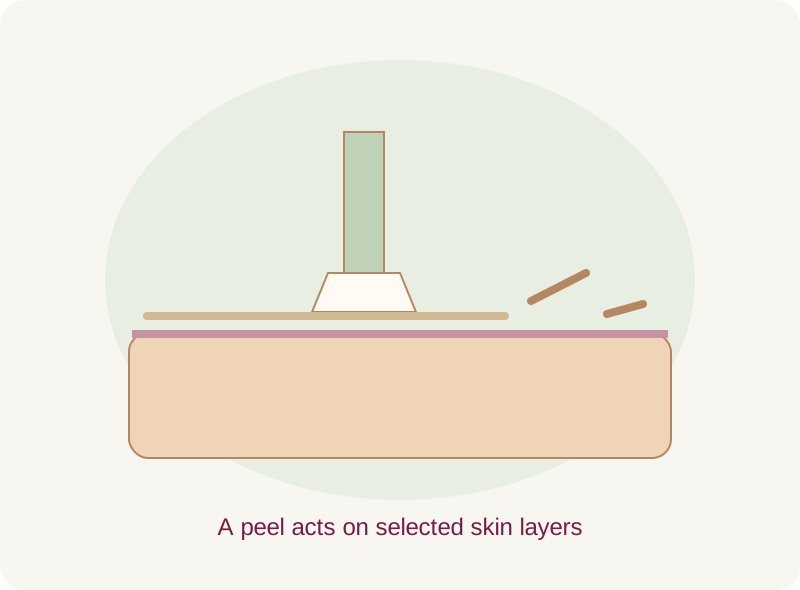
A suitable peel may help some surface pigment. The clinician should consider sensitivity and the chance of creating more pigmentation.
Explore chemical peels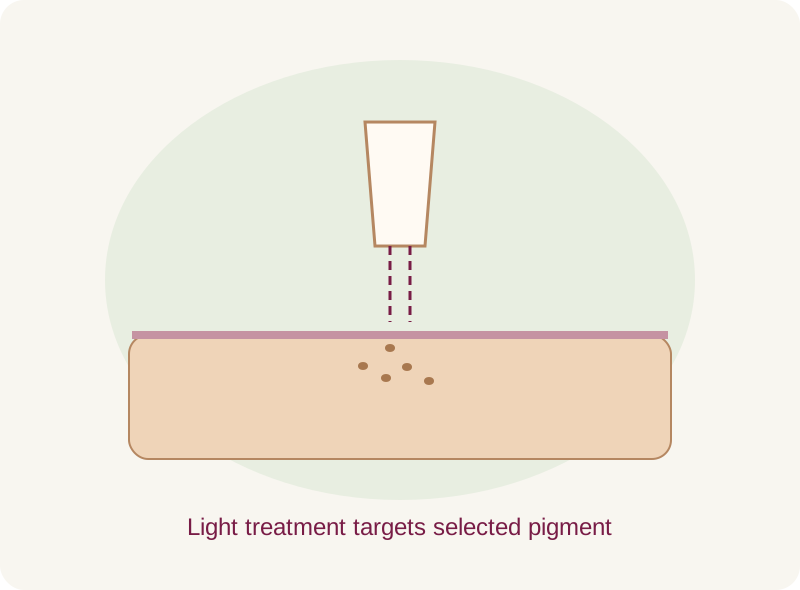
Laser treatment may be discussed for selected pigment concerns. A pigment laser is not a universal treatment for redness, deep pigment or every scar.
Explore laser toningThe choice depends on the type and depth of the mark. You do not need every option, and procedures can sometimes worsen pigmentation.
Tell the dermatologist when the acne and marks started, whether new spots are appearing and what you have already tried.
Bring your product list and mention medicines, prior reactions, pregnancy or breastfeeding. The examination separates colour changes from scars.
Agree how to manage acne, protect the skin and use any selected treatment. Ask which concern each product addresses.
Discuss alternatives, recovery and the risk of darker or lighter patches. Confirm preparation before booking any treatment.
Use photographs taken at a similar distance and in the same light. Avoid judging progress against edited or filtered skin.
Report persistent irritation or new breakouts. Review the response before adding another active ingredient or procedure.
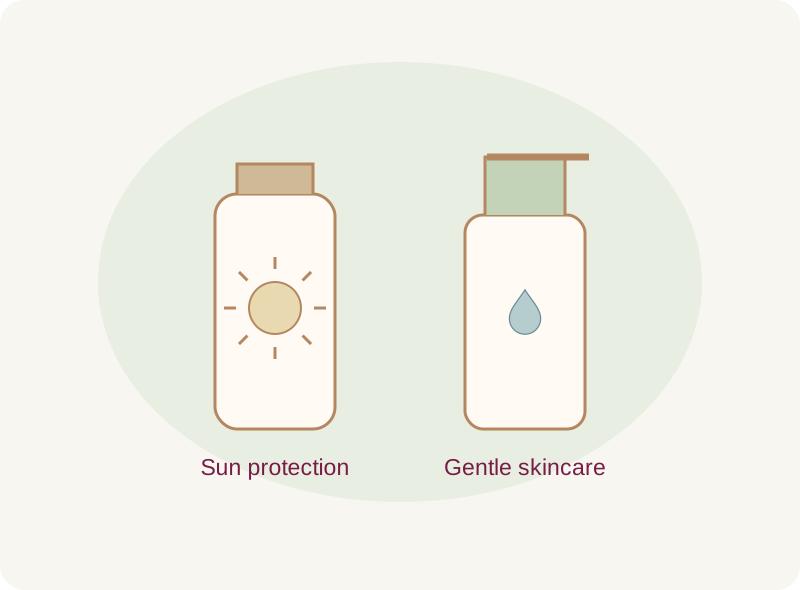
Use broad-spectrum SPF 30 or higher, shade and a hat. A tinted sunscreen with iron oxides can add visible-light protection for dark marks.
Choose products that suit acne-prone skin and avoid stacking strong exfoliants. Follow the agreed routine rather than changing it every few days.
Bring unfamiliar products to your consultation. Do not use steroid mixes, household bleach or strong acids to try to remove marks.
Many marks gradually fade after the trigger settles, but this can take months or longer. The depth of pigment, continued breakouts and irritation affect progress. No single session can guarantee clear skin.
The aim is a more even appearance while keeping your natural skin colour. Any remaining scar texture needs its own assessment, even if the colour improves.
Report burning, peeling, a rash or recent sunburn. More exfoliation can make an irritated area worse.
Some pigment and acne treatments are unsuitable during pregnancy or breastfeeding. Do not start retinoids or change prescribed medicines without advice.
Mention darkening or light patches after earlier peels, lasers or injuries. The proposed procedure should account for this history.
These original Layers photographs show broader acne care. They do not identify an acne-mark-only treatment or establish a particular procedure or timeline.
Showing all 7 photographs
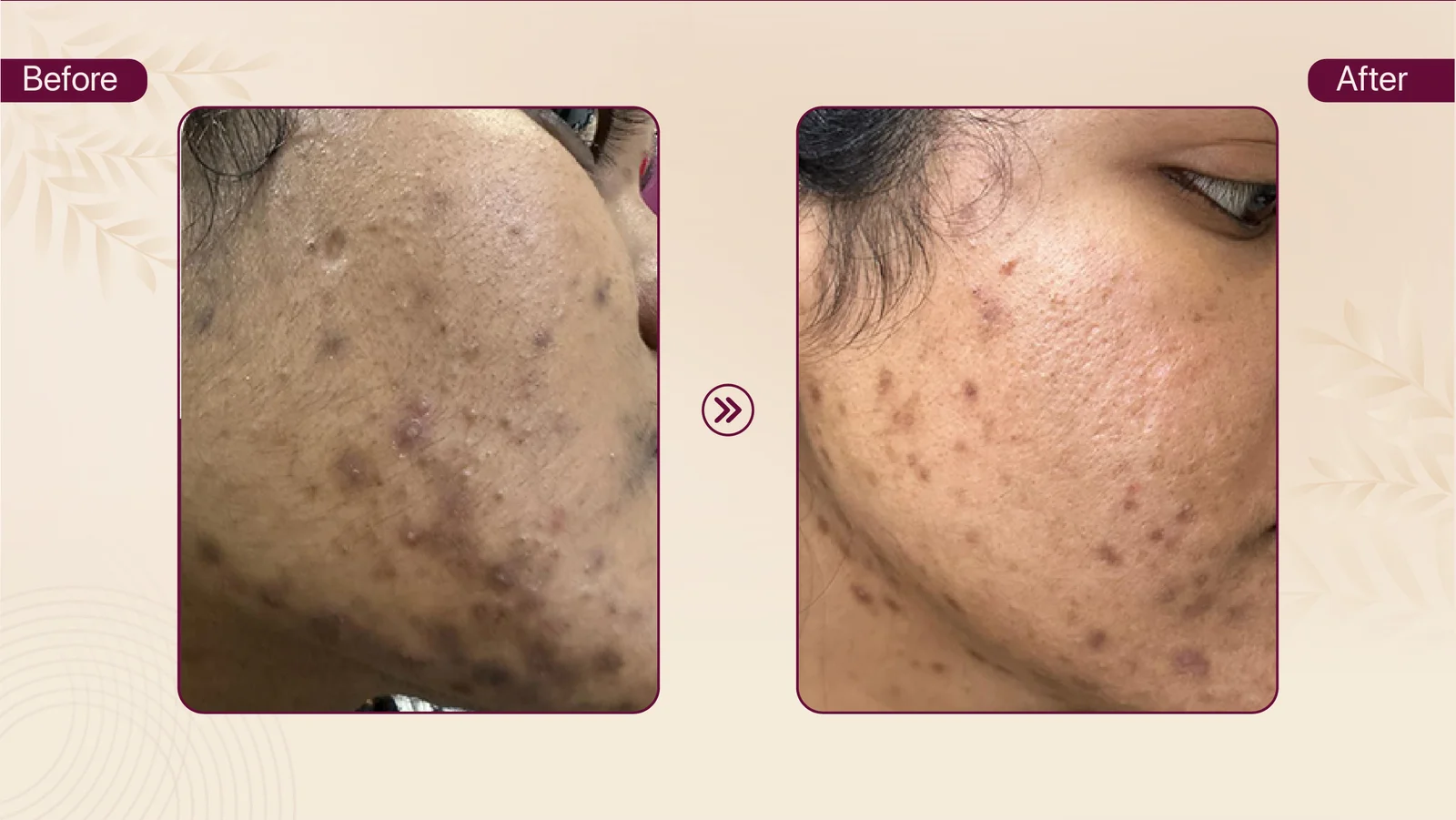
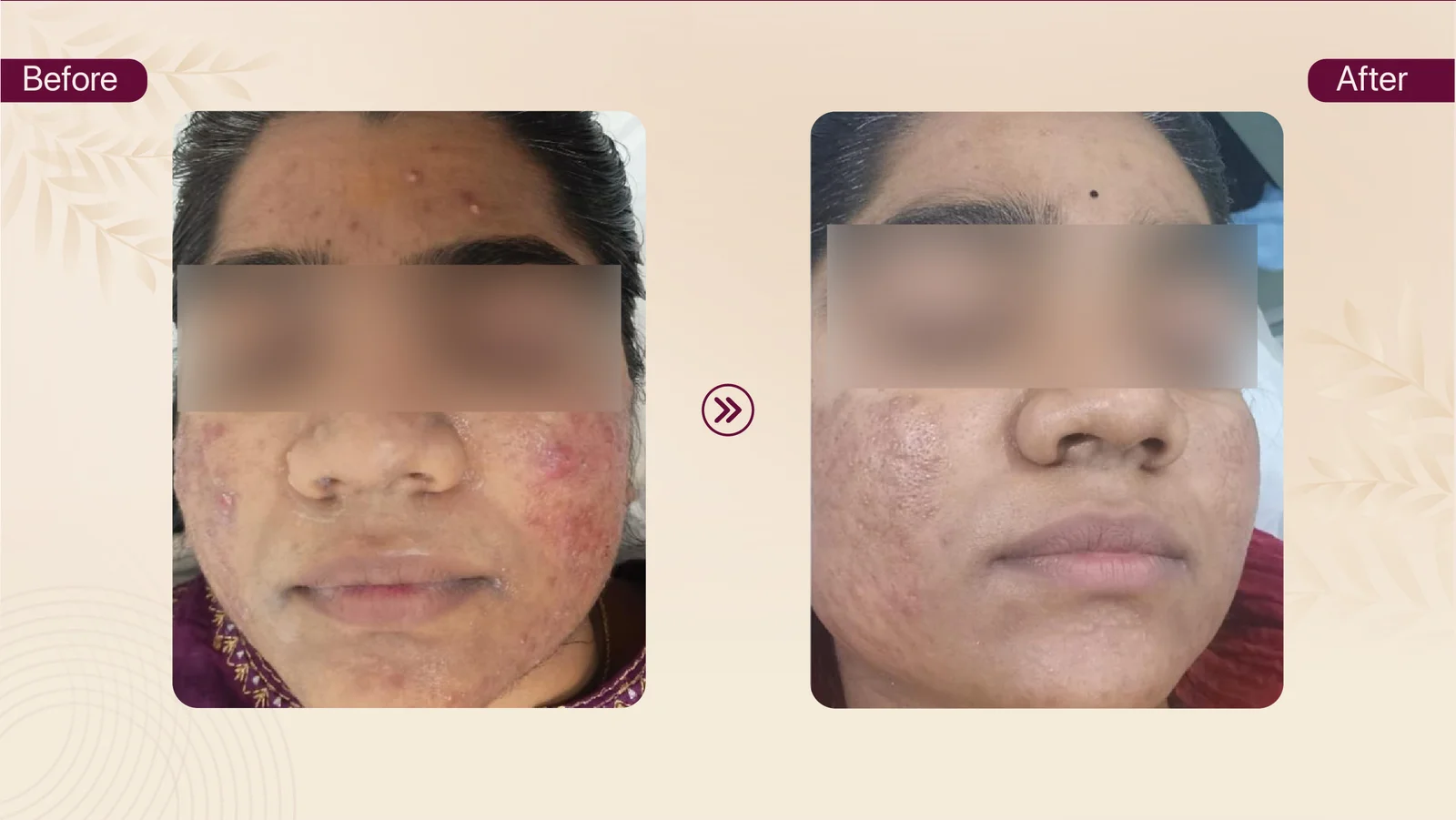
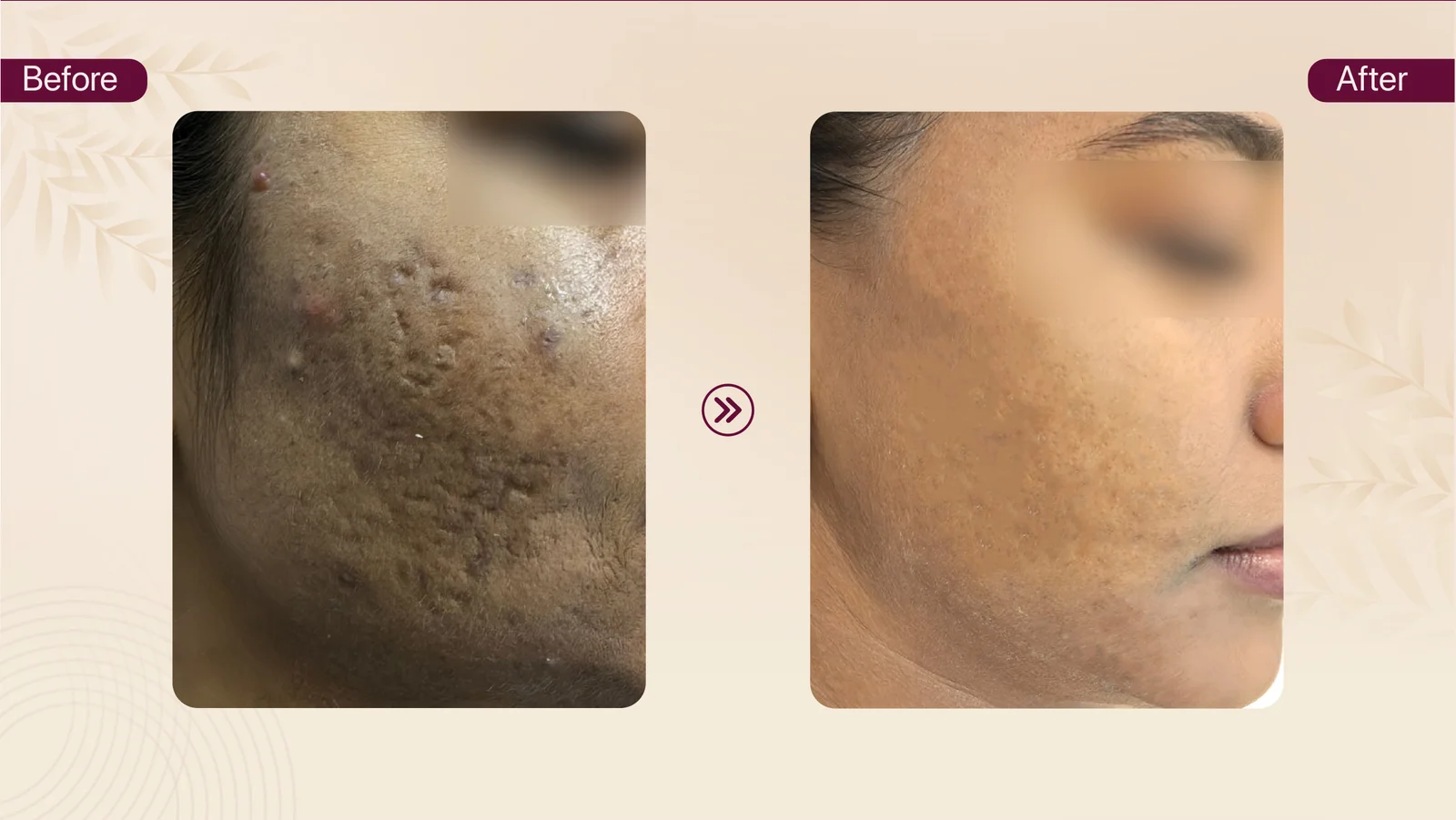
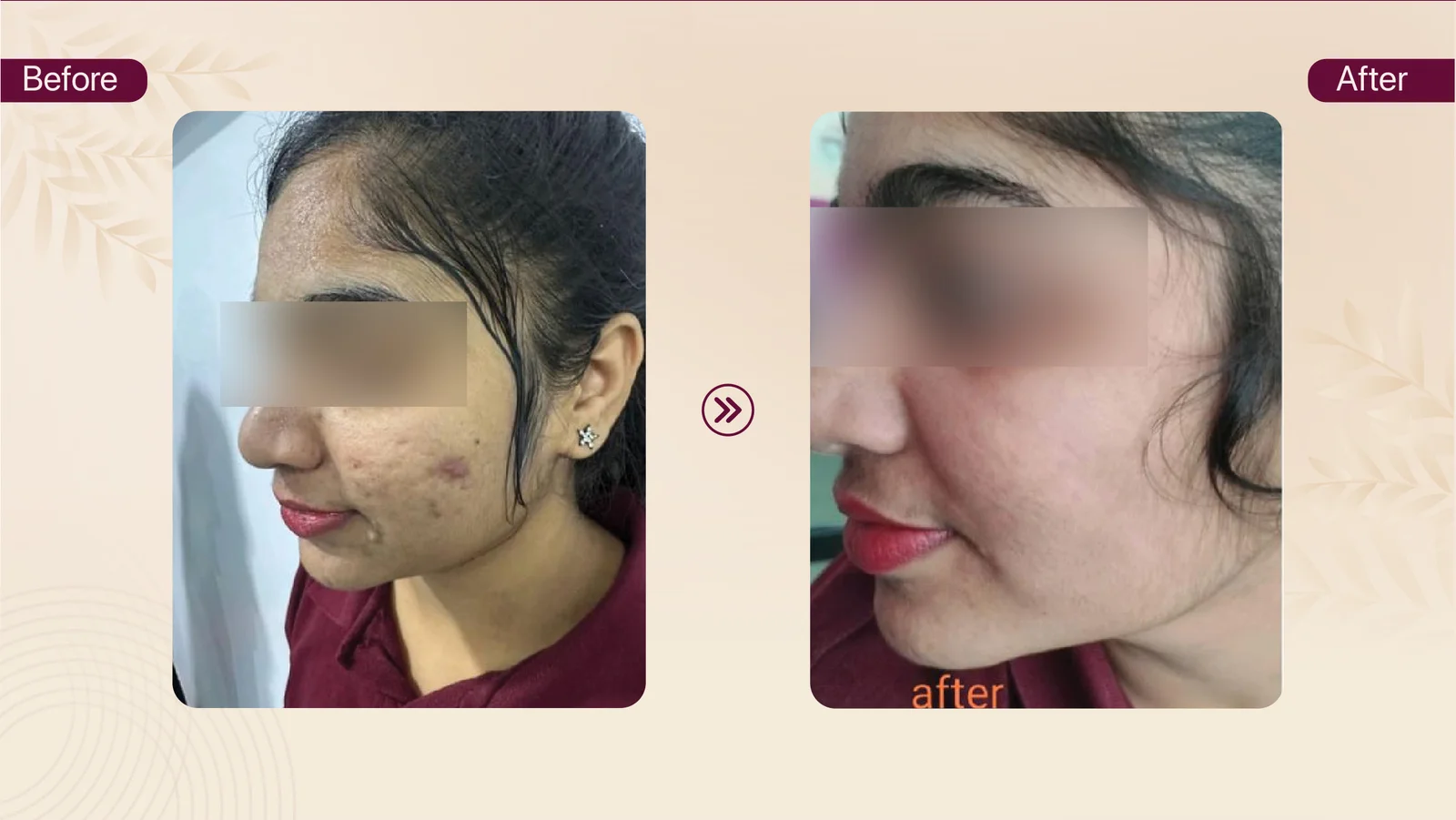
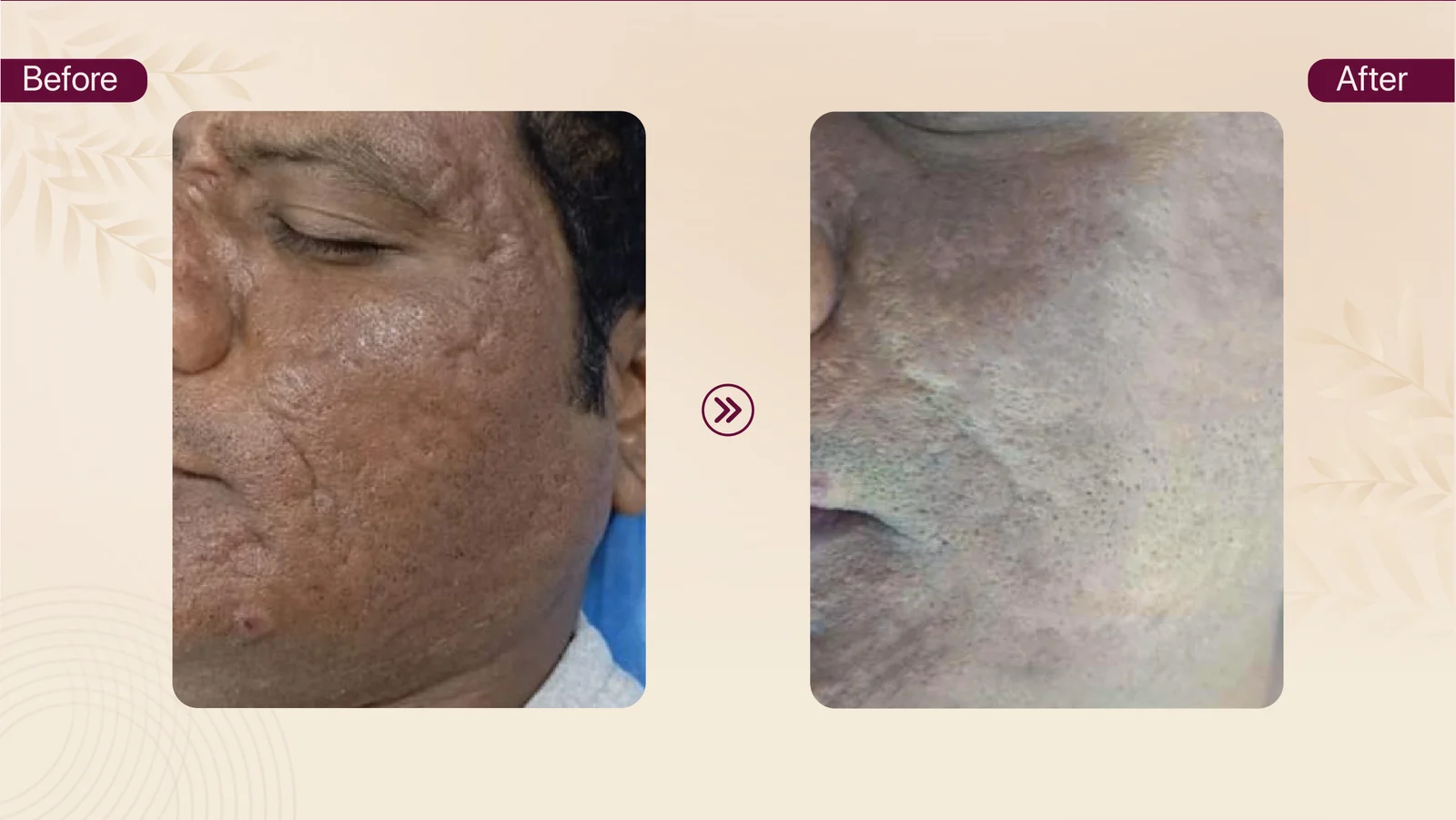
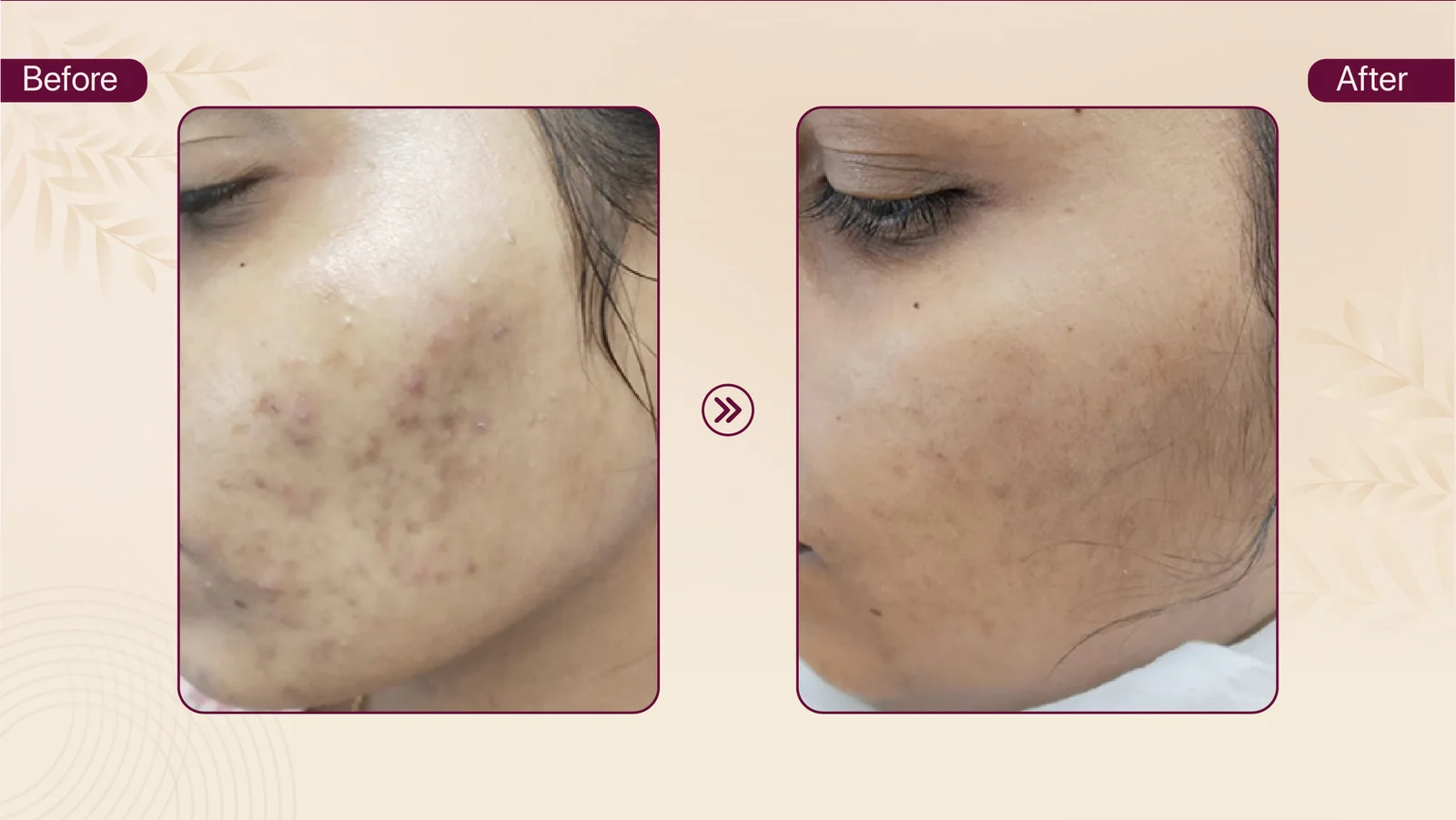
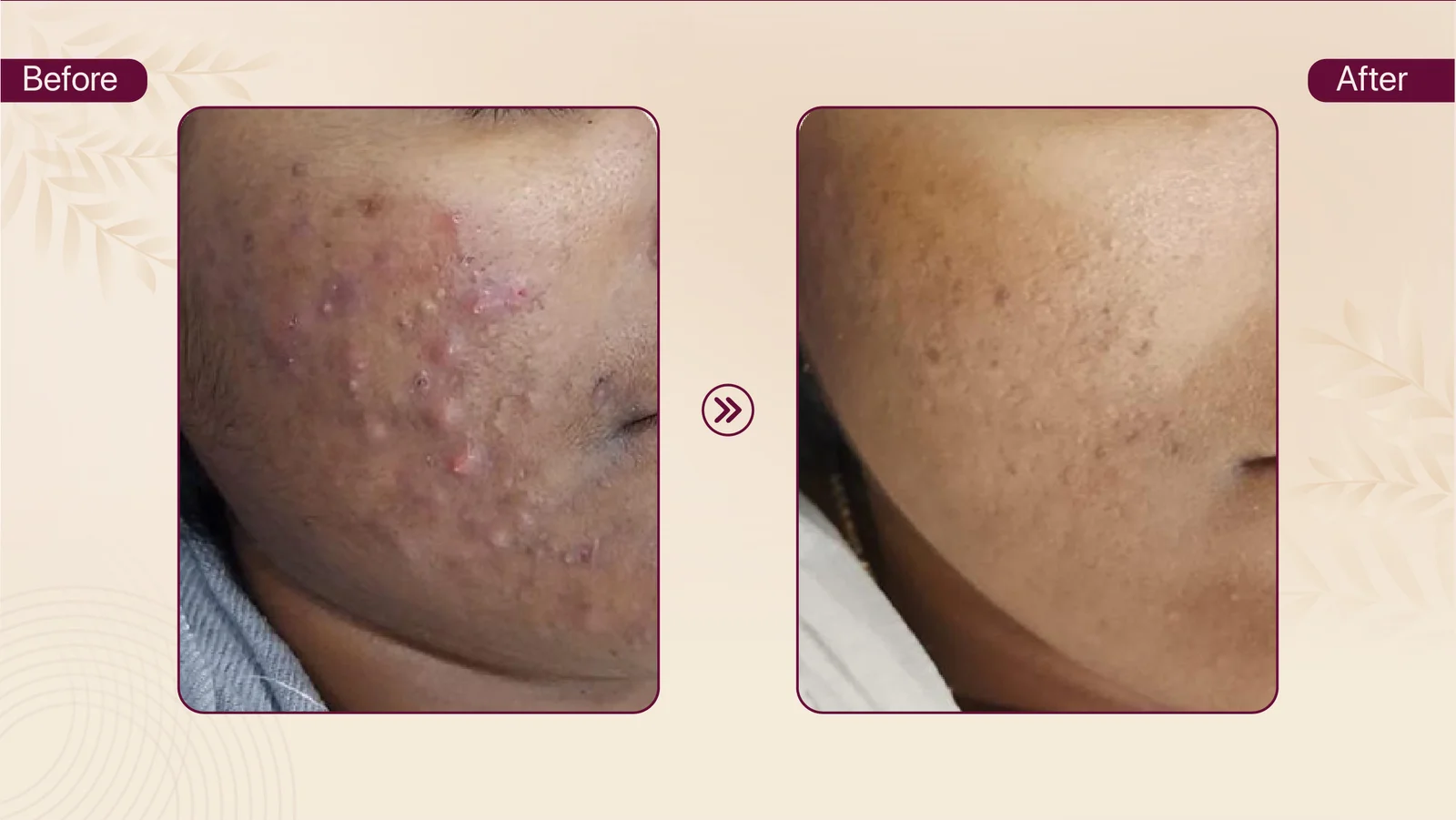
Individual results vary. These photographs show specific cases, not guaranteed outcomes. Original image quality, lighting and angles may differ. Your doctor can explain what may be possible for you.
Original Google excerpts about acne and acne-scar care at Layers. These are related experiences, not confirmed acne-mark-only treatment results.
“have also tried their acne treatment. So far, the experience has been great!”
“My skin has cleared up significantly in just a few months. Thank you for giving me my confidence back!”
Acne and acne-scar care; procedure not specified.
















A flat colour change is different from a pit or raised scar. Marks often fade over time, while a structural scar may persist. Both can be present together.
PIH describes extra pigment, often seen as a brown mark. PIE describes pink or red colour after inflammation. Their treatment priorities may differ.
Yes, the plan can address both. Controlling active breakouts helps reduce the formation of new marks.
The timing varies. Expect gradual change over months rather than an overnight result. Deeper pigment and continuing inflammation may take longer.
No. Assessment, skin protection and topical care may be enough to start. A procedure should have a clear purpose and an acceptable risk for your skin.
Yes. Irritation or injury can trigger more pigment, especially in skin prone to darkening. Technique, preparation and aftercare matter.
No. Colour and texture are separate changes. A depressed or raised scar needs a scar-specific assessment.
The goal is to address uneven marks, not change your natural skin colour. Avoid unlabelled mixtures and ask the dermatologist to review the ingredients in products you use.
Talk through your acne, skin colour changes and the care that suits you.
Prefer a call? +91 9000 572727