A soft lip tint
Pigment is selected to add your preferred wash of colour and definition. Discuss how subtle or noticeable you want the healed finish to be.
Explore a soft tint or a more even-looking lip tone. Start with your natural colour, the finish you like and a careful assessment.
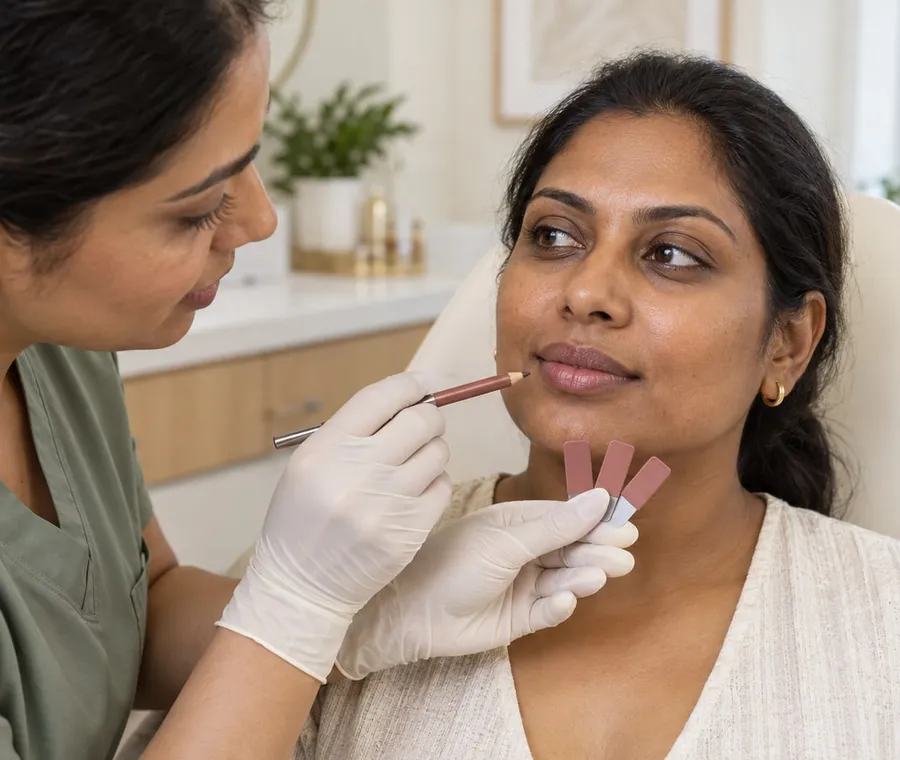
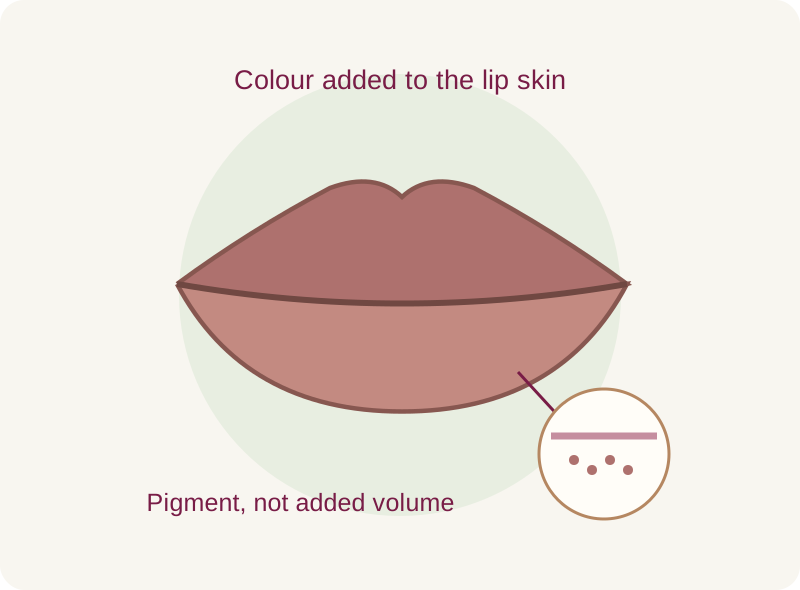
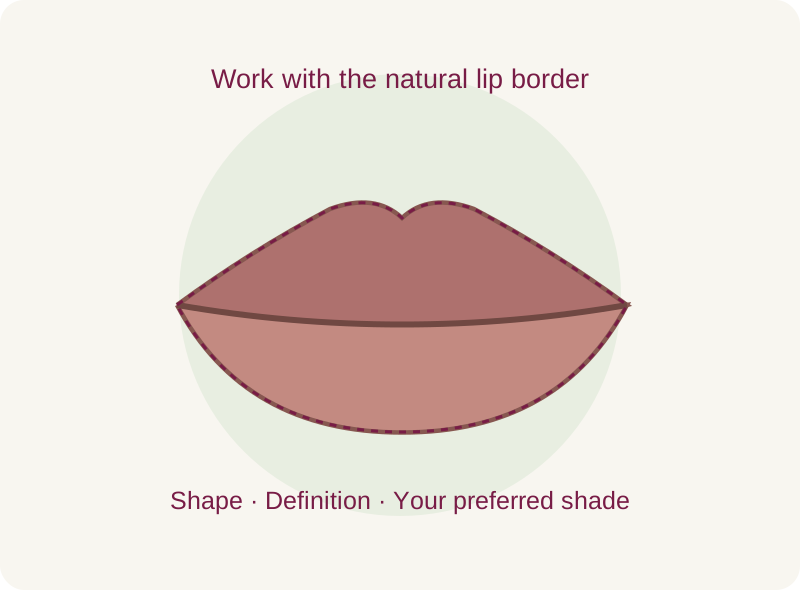
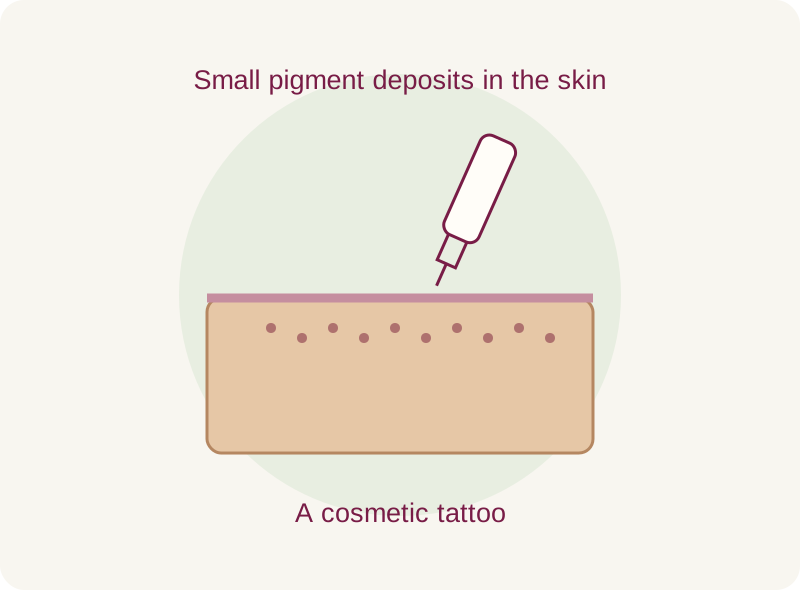
Lip tinting, often called lip blush, is cosmetic tattooing. Small deposits of pigment add colour to the lip skin and can make the natural border look more defined.
It changes the appearance of colour, rather than adding volume like a filler. The plan should work with your lip shape and the tone already present, without promising an exact lipstick shade after healing.
Pigment is selected to add your preferred wash of colour and definition. Discuss how subtle or noticeable you want the healed finish to be.
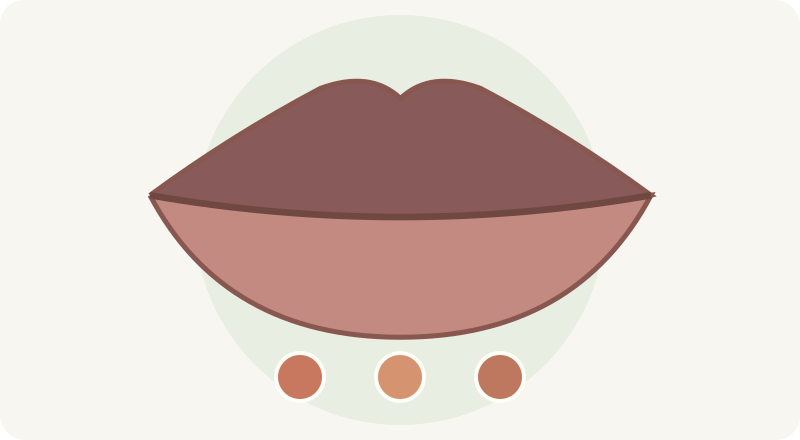
Warm-toned pigments may be chosen to balance the appearance of cooler or uneven tones. This is colour work within a tattoo plan, not bleaching or removing natural melanin.
Bring examples of colours you enjoy wearing. The practitioner can discuss how those preferences relate to your starting lip tone, existing pigment and the limits of cosmetic tattooing.
Naturally darker lips do not need correction unless you want a cosmetic change. New, persistent or unexplained colour changes should be assessed before they are covered with pigment.
Look at the proposed outline before treatment. Colour definition cannot replace a procedure that changes lip structure or volume.
Some colour plans need more than one visit. Review the healed response before deciding on further pigment, rather than assuming one session will suit everyone.
Initial colour, swelling and flaking can differ from the healed finish. Discuss timing if you have an important event coming up.
Cracks, active cold sores, infection or significant irritation need attention first. Tell the team about persistent soreness or a spot that has changed.
Tattooing can trigger a flare in people with a history of cold sores. A clinician can advise whether preventive medicine is appropriate before a planned visit.
Share allergies, previous pigment reactions, healing problems, medicines and pregnancy or breastfeeding. Mention lip filler, surgery and previous tattoos too.
Pigment does not make lip tissue fuller, treat a medical cause of darkening or guarantee perfectly even colour. The consultation should match the procedure to your actual goal.
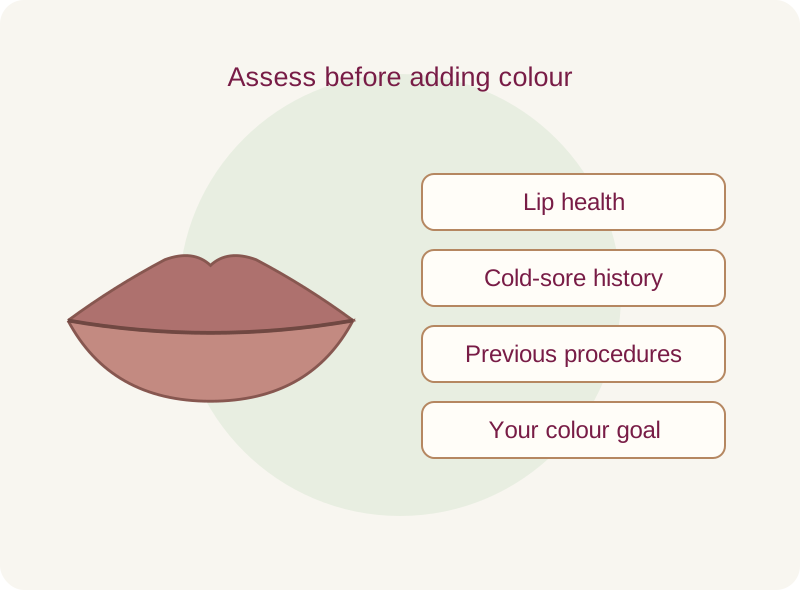
Discuss lip health, cold-sore history, previous treatments and the colour you want. Ask to see relevant healed work when choosing a practitioner.
Review the proposed border and pigment plan. Confirm any preparation, comfort measures and aftercare before proceeding.
The lips are cleaned and suitable comfort measures may be used. Skin-contact needles or cartridges should be sterile and single-use.
The practitioner applies controlled passes within the planned lip area. The exact device and technique can vary; tell them if you need a pause.
Keep to the written cleaning and moisturising instructions. Avoid picking flakes and confirm when makeup, swimming, exercise and usual lip products can restart.
Check colour retention and any uneven areas once the lips have healed. Further colour work should follow that assessment.
Lips can look brighter or darker at first, with temporary swelling, tenderness or dryness. The surface may flake as it heals. Give the skin time to settle before judging the shade.
Keep your review appointment and ask about ongoing care and sun protection. Fading varies and some pigment can remain long term, so “semi-permanent” should not be taken to mean it will disappear completely.
Infection, allergic reactions, scarring, uneven colour or an unwanted shade can occur. Correction or removal may be difficult, particularly when pigment is already in the skin.
Contact a clinician for worsening pain, spreading redness, discharge or new blisters. Rapid swelling of the mouth or difficulty breathing needs urgent medical help.
Ask for the pigment details and keep your aftercare instructions. These can help if you need a review, further colour work or advice about a reaction.
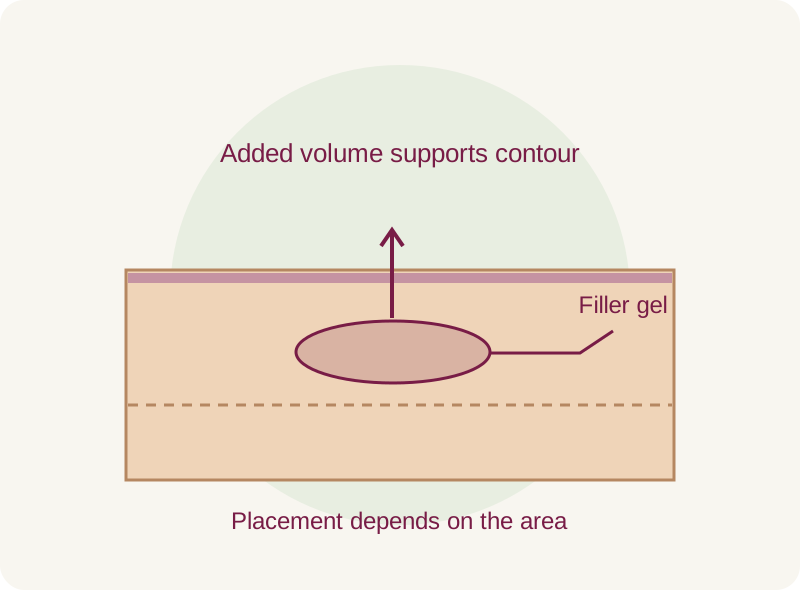
If your main goal is volume or contour, learn how filler assessment differs from cosmetic lip colour.
Explore fillers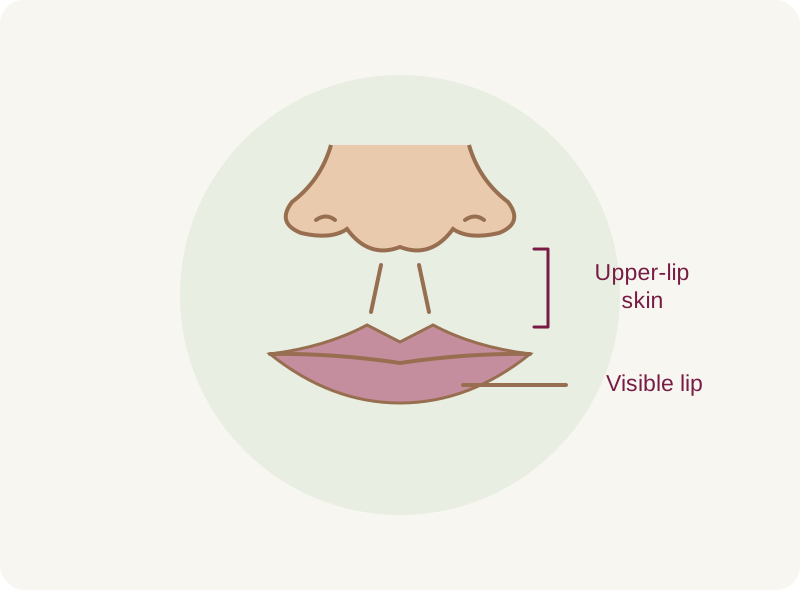
Surgery changes selected lip position and leaves a scar. Understand the difference from changing colour or adding volume.
Understand lip lift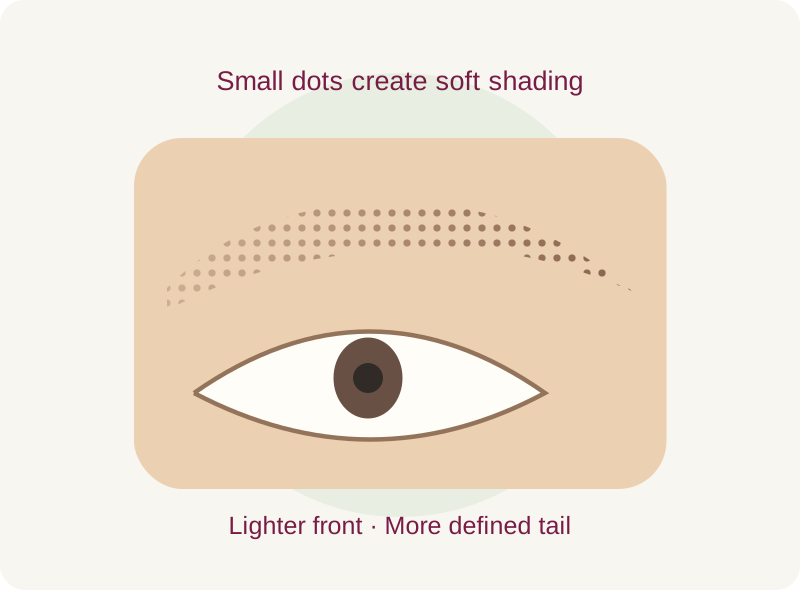
Learn how a shaded pigment finish can add cosmetic definition to the brows.
Explore microshadingOriginal Google reviews about consultations and care at Layers. These are not lip-tinting results.
“The doctors listened carefully to my concerns and explained the treatment in a clear and professional manner.”
Consultation experience; condition not specified.
“She explained the treatment clearly and made me feel comfortable throughout the consultation.”
Consultation experience; condition not specified.
“The doctor took the time to understand my skin concerns and explained the treatment plan clearly, without rushing.”
Consultation experience; condition not specified.
“Very patient ,humble and polite to answer every single query and build confidence.”
Consultation experience; condition not specified.
“The doctors explained everything clearly and made me feel comfortable and confident.”
Consultation experience; condition not specified.
“The doctor took the time to listen to my concerns patiently and explained the treatment options clearly.”
Consultation experience; condition not specified.















No. Better colour definition can change their appearance, but pigment does not add volume. Fillers and cosmetic tattooing address different goals.
No. It uses selected cosmetic pigments to change how the existing tone looks. It is not a treatment that removes melanin, and an exact colour outcome cannot be promised.
No. Natural lip colour varies. Cosmetic treatment is a personal choice. A new or unexplained change in colour, especially with a persistent sore or other symptoms, should be assessed first.
Tell the clinician before booking. A history of cold sores may require a preventive plan, and active sores need to heal before cosmetic tattooing. Do not start medication without appropriate advice.
You can share your preference, but the starting lip tone and the healed pigment response affect the result. A lipstick sample is a discussion aid, not an exact prediction.
That depends on the starting tone, the plan and colour retention after healing. Discuss the likely stages at consultation and review before committing to additional pigment.
Tell the team what product was used and when. The lips need to be settled and suitable for treatment. Timing should be agreed with the clinicians involved rather than following a universal interval.
Not necessarily. Colour can fade or shift, but some pigment may persist. Removal is not as simple as removing makeup, so discuss the long-term choice before proceeding.
Understand the options, the healing process and what may suit your lips.
Prefer a call? +91 9000 572727