Care applied to the skin
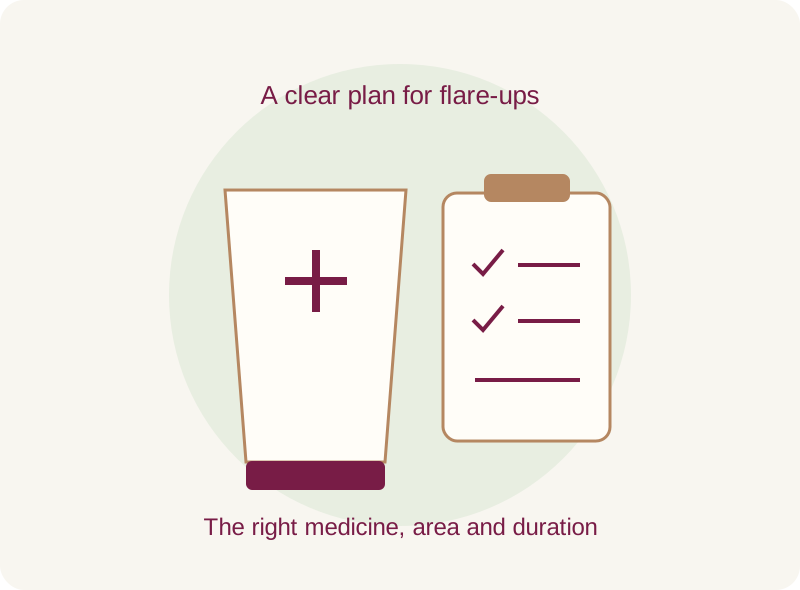
Prescribed creams, ointments or scalp preparations may include corticosteroids or vitamin D treatments. The body area helps determine the right preparation and strength.
Recurring patches can affect your comfort, sleep and confidence. A dermatologist can help you find a treatment plan that fits your skin and daily life.

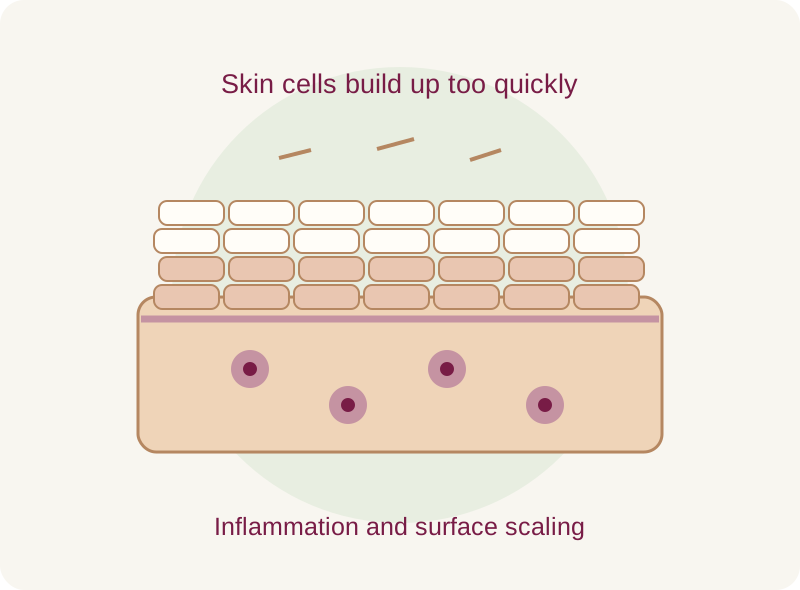
Psoriasis is a long-term inflammatory condition. Changes in the immune system make skin cells collect at the surface too quickly, forming raised or scaly patches.
It is not contagious. Symptoms may settle and return; care aims to keep them under control and reduce their effect on everyday life.
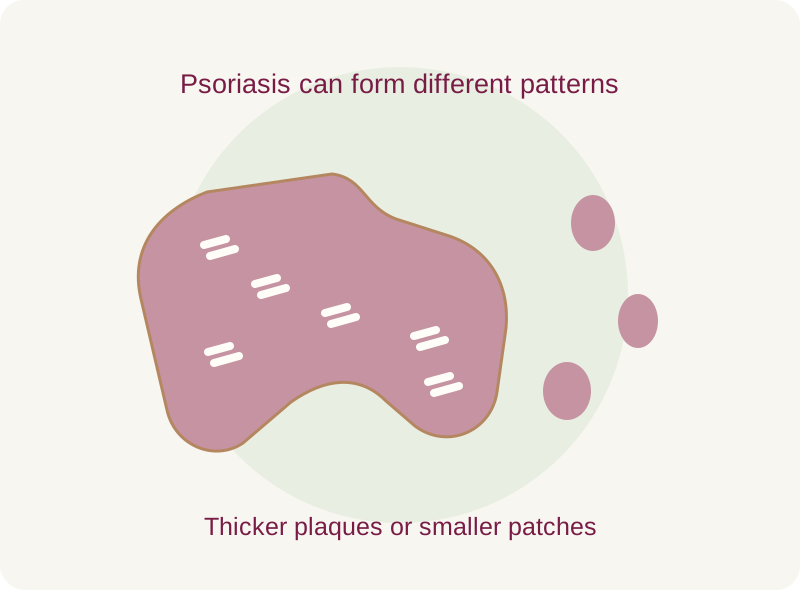
Plaque psoriasis often affects elbows, knees, the lower back and scalp. Patches may itch, crack or feel sore; colour and scale vary with skin tone.
Some people develop many smaller spots. Psoriasis in folds can look smoother, with less scale. These patterns may need different treatment.
Scalp patches may extend beyond the hairline. Nails may develop pits, thickening or lifting. Tell your clinician about these changes.
Prescribed creams, ointments or scalp preparations may include corticosteroids or vitamin D treatments. The body area helps determine the right preparation and strength.
Emollients help soften dry skin and reduce discomfort. They support the plan but may not control active inflammation on their own.
Widespread or persistent psoriasis may need specialist light treatment or medicines that act throughout the body. The choice requires assessment, monitoring and discussion of availability.
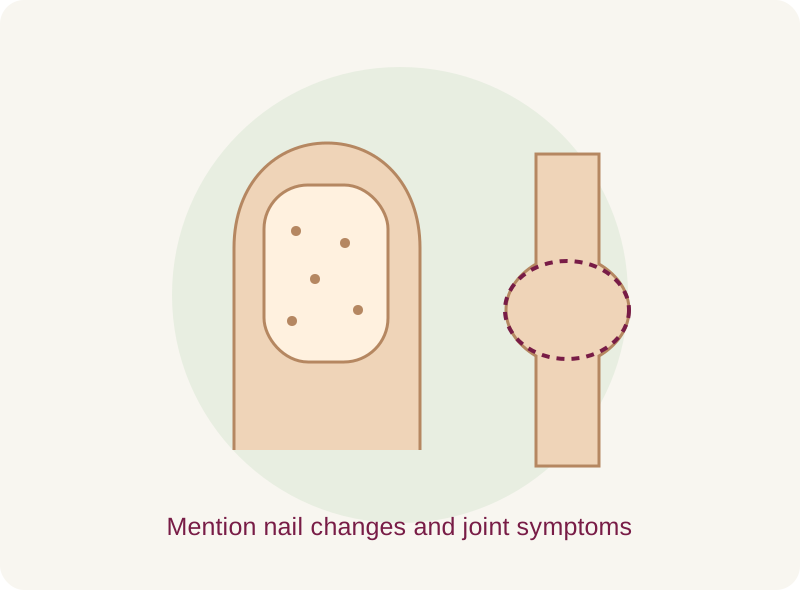
Pain, swelling or stiffness in joints can be signs of psoriatic arthritis. Arrange a medical review, particularly if symptoms return or are worse after rest.
A whole finger or toe may become swollen. Heel pain or ongoing back stiffness are also worth mentioning, even if the skin patches are mild.
Not every ache is arthritis. A clinician can assess the symptoms and arrange specialist care when needed; earlier treatment can help protect joints.
Share when patches started, where they occur and how they affect sleep, work or confidence.
Mention nail or joint changes, current medicines, previous treatment and pregnancy plans.
The scalp, face, folds and thicker plaques may need different instructions.
Ask how much to apply, for how long and what to do when the skin settles or flares.
Discuss progress, side effects and any difficulties following the plan.
Persistent symptoms or joint concerns may need further investigation or specialist referral.
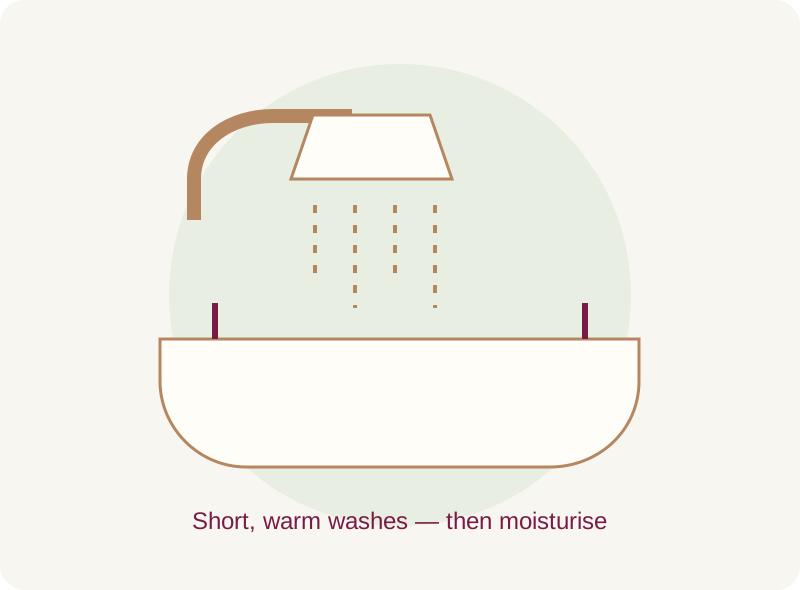
Avoid picking scales or repeatedly scrubbing irritated skin. Keep washing comfortable and use a moisturiser you tolerate.
Skin injury, stress, infection or some medicines can matter. Discuss a repeatable pattern; do not stop prescribed medicines on your own.
Rapidly spreading inflammation or pus-filled bumps, especially with fever or feeling unwell, need urgent medical assessment.
Verified Google review excerpts about consultations and explanations at Layers. The condition is not specified; these are not psoriasis treatment results.
“The doctors listened carefully to my concerns and explained the treatment in a clear and professional manner.”
Consultation experience; condition not specified.
“She explained the treatment clearly and made me feel comfortable throughout the consultation.”
Consultation experience; condition not specified.
“The doctor took the time to understand my skin concerns and explained the treatment plan clearly, without rushing.”
Consultation experience; condition not specified.
“Very patient ,humble and polite to answer every single query and build confidence.”
Consultation experience; condition not specified.
“The doctors explained everything clearly and made me feel comfortable and confident.”
Consultation experience; condition not specified.
“The doctor took the time to listen to my concerns patiently and explained the treatment options clearly.”
Consultation experience; condition not specified.
















There is no permanent cure, but treatment can bring symptoms under control. A useful plan includes what to do during flares and between them.
No. Psoriasis is not spread by touch or sharing everyday spaces.
No. The conditions can look similar and sometimes overlap. Thick patches extending beyond the hairline or symptoms elsewhere help guide assessment.
No. Many people use treatment applied to the skin. More extensive options are considered when the pattern, severity or impact calls for them.
Not without checking. Sensitive areas such as the face and folds need their own instructions, even when the diagnosis is the same.
Yes. Skin severity does not reliably show whether joints are affected. Recurring pain, swelling or stiffness deserves a review.
Tell the clinician if you are pregnant or planning pregnancy. Some medicines need to change, so review the plan before continuing or starting treatment.
That depends on the treatment and how well symptoms are controlled. Agree on a follow-up plan and contact the team sooner if you have side effects or worsening symptoms.
Talk through your symptoms, current treatment and the changes you would like help with.
Prefer a call? +91 9000 572727