Electrolysis: one follicle at a time
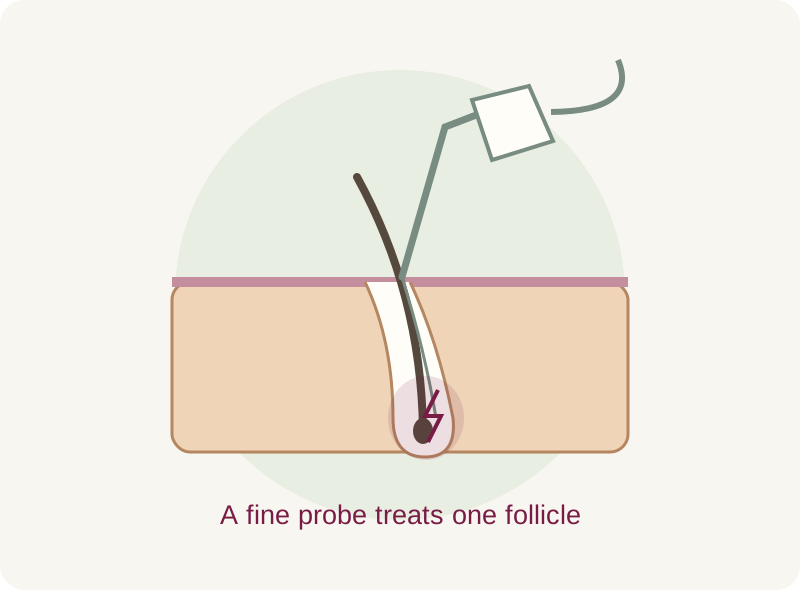
Uses electrical energy through a fine probe. It can treat hairs without relying on pigment, but the individual approach makes larger areas time-intensive.
A fine probe treats one follicle at a time. Electrolysis can be useful for selected unwanted hairs, including grey or white hairs that have little pigment for laser to target.
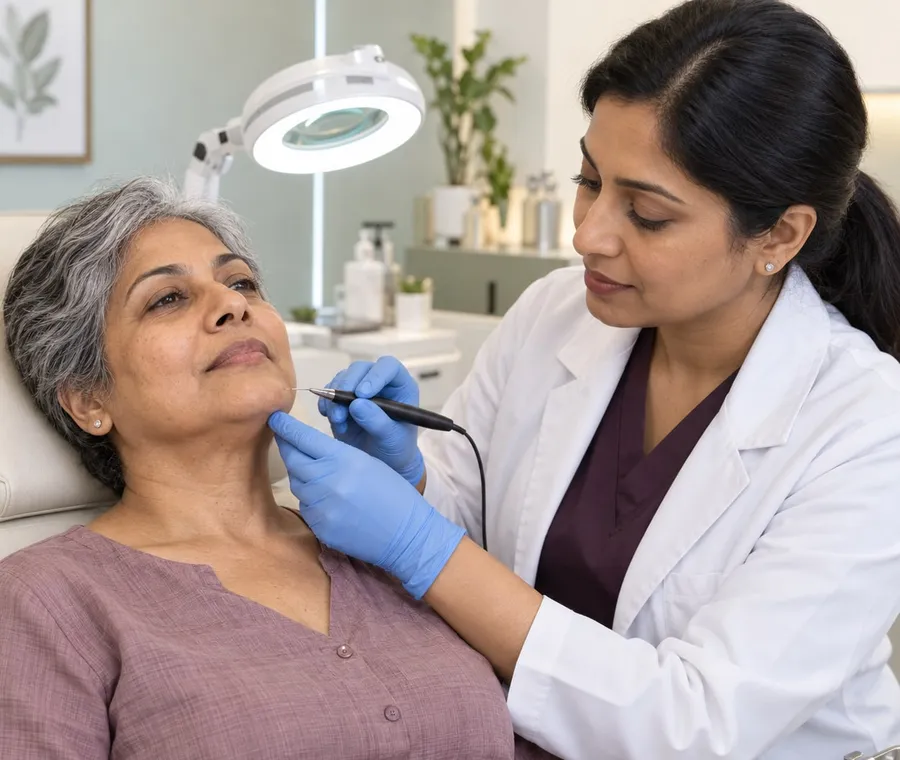
Electrolysis is a method of hair removal that delivers electrical energy through a fine probe placed into a hair follicle opening. The aim is to destroy the cells responsible for growth in that treated follicle.
It works on individual hairs rather than sweeping over a large area. A properly completed course can achieve permanent removal of successfully treated hairs, but one appointment does not clear every follicle or prevent new hormone-driven growth.
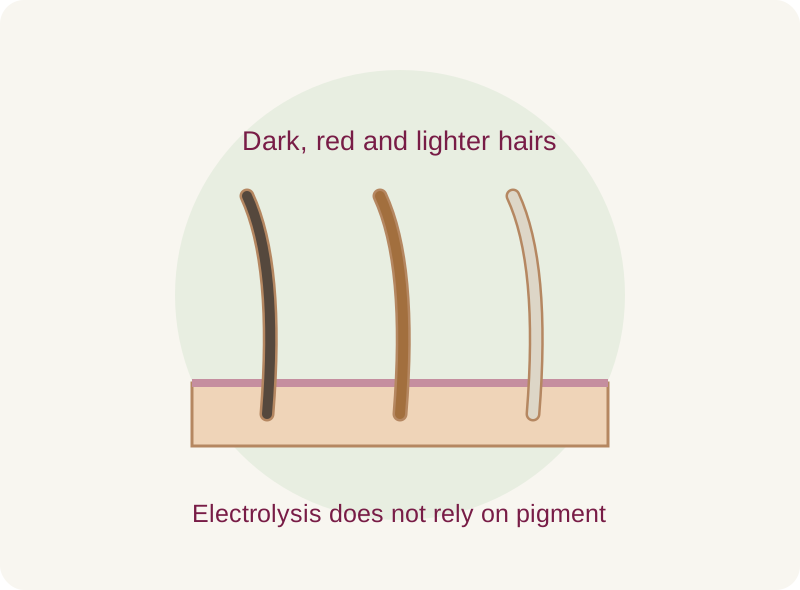
Unlike laser, electrolysis does not depend on the hair absorbing light. Grey, white, red or blonde hairs may be considered after checking the skin and follicles.
It may suit individual chin hairs or a limited area, including suitable hairs remaining after laser reduction. Larger areas take longer because follicles are treated separately.
You need time for repeated visits and skin recovery. The practical plan depends on how much hair is present, the area and your response, rather than a fixed package.
Uses electrical energy through a fine probe. It can treat hairs without relying on pigment, but the individual approach makes larger areas time-intensive.
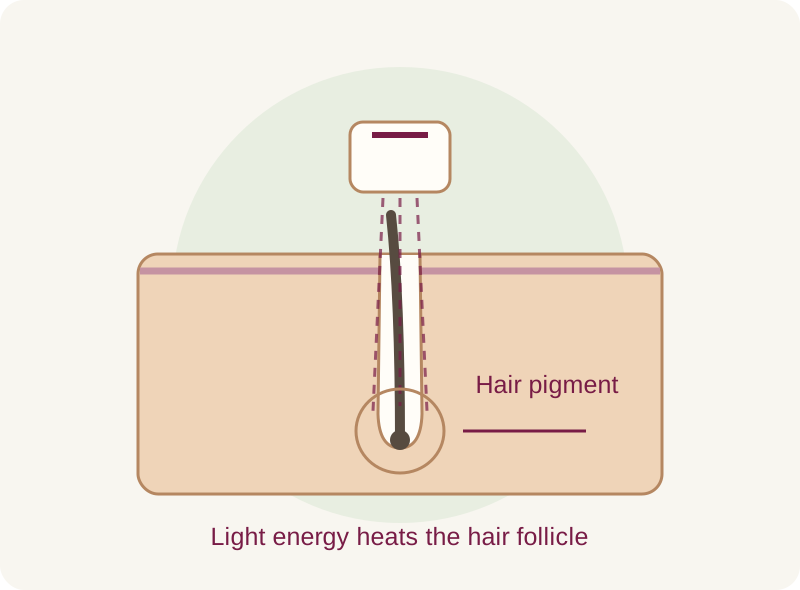
Uses light to reduce growth in suitable pigmented hairs. It can be more practical for a larger area, but light or grey hairs usually respond poorly.
Explore laser hair reductionProfessional electrolysis may use galvanic current, high-frequency thermolysis or a blend of the two. These describe different ways of delivering energy; none should be chosen only because its name sounds more advanced.
The practitioner selects a suitable approach and settings, places a sterile fine probe through the follicle opening and releases the treated hair. Ask which method your clinic offers, who performs it and what experience they have with your skin type.
Active infection, an inflamed area or a growth that needs diagnosis may mean delaying treatment. Sudden changes in facial or body hair may also need medical investigation.
Mention medicines, pregnancy, healing problems, keloid scars and any implanted electrical device such as a pacemaker. The practitioner may need advice from your treating clinician before proceeding.
Ask how much regrowth is needed for the appointment. Avoid waxing, threading or plucking the planned area as instructed; the hair needs to be located and handled during treatment.
The practitioner checks regrowth, skin recovery and any health changes. A small test area may help assess comfort and skin response.
Skin is cleaned and a sterile single-use probe is selected. Discuss comfort measures before treatment starts.
The fine probe follows the follicle opening. You may feel a brief warm or stinging sensation; tell the practitioner if it feels excessive.
The hair is lifted with forceps, then the practitioner moves to another follicle. Session length depends on the area, comfort and skin response.
Temporary redness and small bumps may occur. Keep the area clean, avoid picking and follow instructions for products, sun exposure and exercise.
Allow the skin to recover and target new visible growth at a suitable time. The plan should change if irritation is persisting.
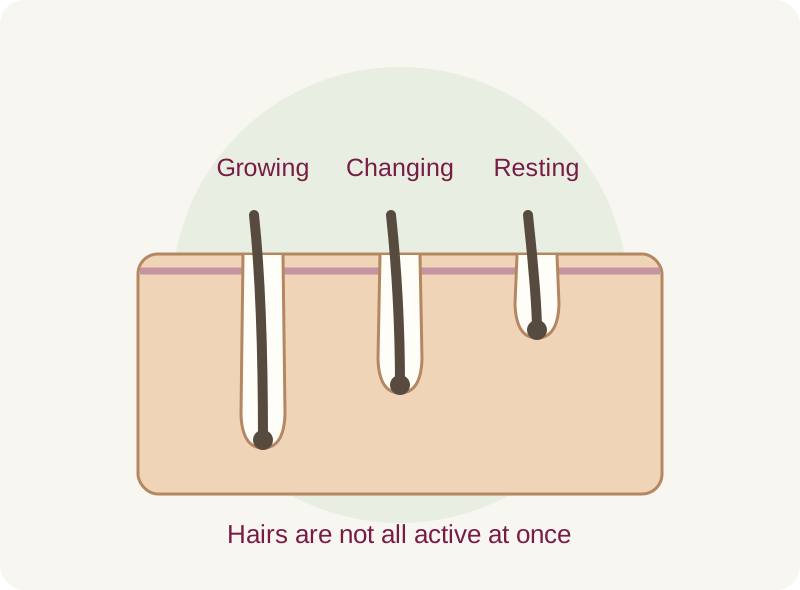
Not all hairs are visible or at the same point in their growth cycle. Treating an area thoroughly involves returning as other hairs appear, and some follicles may need repeat treatment.
The total course depends on the number and thickness of hairs, previous removal, the body area, hormonal influences and how the skin tolerates treatment. Discuss a realistic plan at assessment and review progress rather than expecting a guaranteed session count.
Avoid touching or picking the area. Follow advice on cleansing, moisturiser and when makeup or active skin products can restart.
Heat, heavy sweating, friction and sun exposure can aggravate freshly treated skin. Ask how long to modify your routine for the area being treated.
Increasing pain, heat, swelling, discharge, blisters or persistent colour change needs review. Do not apply strong lightening products to a new dark mark without advice.
Hair removal manages visible hairs. A new or changing pattern may need a separate assessment of the cause, alongside grooming choices.
Compare your optionsThese original Google excerpts describe laser hair removal at Layers, a related service. They are not electrolysis reviews or evidence of its results.
“I am taking full body laser treatment in Layers I am very satisfied with the progress”
“So far my experience is good in terms of the treatment, already saw a decent result after 2 sittings.”
Progress during an ongoing laser hair-removal course.
“Staff is very friendly and do a great job without rushing. Hygiene maintained very well. Highly recommend for facials and laser hair removal.”
“Ive been getting my LHR full body here and the therapist is very friendly and comfortable.”
“now I have completed about 10 sessions. Extremely satisfied with the treatment.”
Personal experience after about ten sessions; course length varies.
















It can permanently stop growth from successfully treated follicles. Completing an area takes repeated visits, and new hair can still develop from previously untreated follicles or hormonal changes.
It does not rely on pigment, so lighter hairs may be suitable. The practitioner still needs to assess the hair, skin, treatment area and your health.
Electrolysis can be used across skin tones with appropriate technique. Pigment changes and scarring remain possible, so experience with your skin type matters.
There is no reliable universal number. Density, hair cycles, area size and response all affect the course. Ask how progress and skin recovery will be reviewed.
Brief warmth or stinging is common. Comfort measures can be discussed, and the practitioner should adjust the approach if the sensation is excessive.
Ask for a grooming plan. Plucking, waxing or threading can make hairs unavailable for the next treatment, while suitable trimming may be allowed.
No. Professional electrolysis uses a fine probe in the follicle opening. A device that only grips or pulls the hair is not the same procedure.
No. It treats selected follicles, not a hormone imbalance. New or changing growth may need medical assessment and a separate treatment plan.
Ask about suitability, comfort, the likely time involved and who will provide your treatment.
Prefer a call? +91 9000 572727