Gradual thinning
A wider part, a thinning crown or a receding hairline may develop slowly. Take note of the areas changing and how long it has been happening.
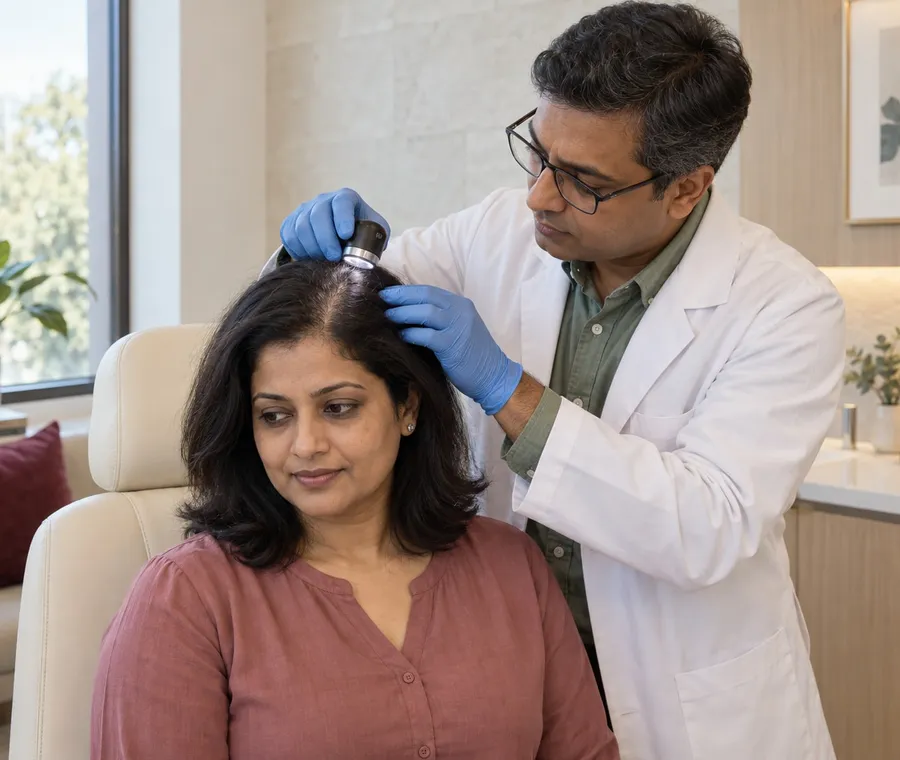
Noticing more shedding or less hair density? A hair and scalp assessment helps you understand the cause and discuss a suitable care plan.
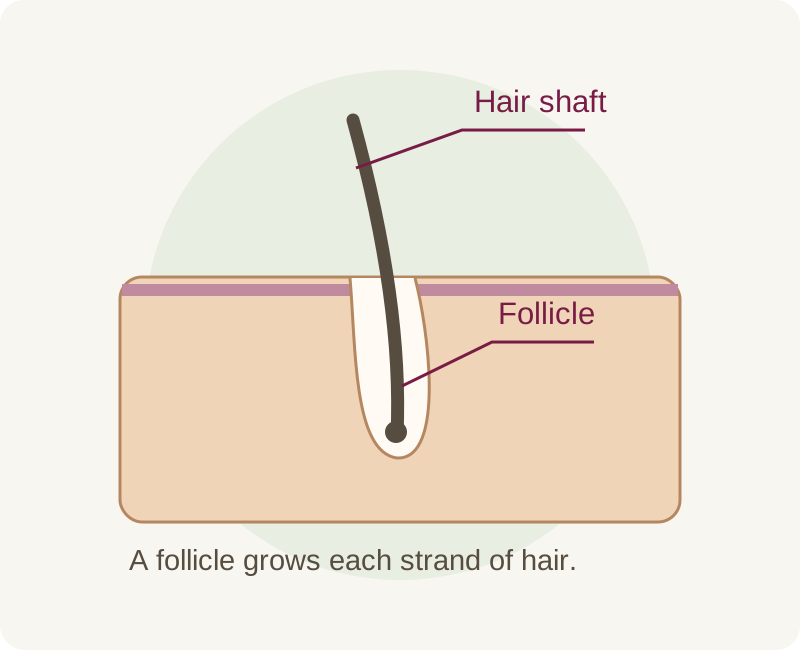
Each hair grows from a follicle beneath the scalp. Hair follicles go through a cycle of growth, rest and shedding. Changes in that cycle can affect how much hair you shed.
Gradual thinning, sudden shedding and hair breakage can have different causes. Your scalp, health history and the pattern of change help a dermatologist decide what care you need.
A treatment plan should explain the exact method, why it suits your diagnosis and how progress will be reviewed.
A wider part, a thinning crown or a receding hairline may develop slowly. Take note of the areas changing and how long it has been happening.
Illness, major stress, childbirth and other health changes can be followed by increased shedding. Tell your doctor about recent changes.
Itching, soreness, scale or patches of hair loss need examination. Care for a scalp condition may be different from treatment for pattern thinning.
Note when shedding or thinning began, where you notice it and any scalp discomfort. Older photographs can help show the change.
Include prescribed medicines, supplements and previous hair treatments. Keep taking prescribed medicines unless your prescriber advises otherwise.

Your dermatologist checks the pattern of loss and looks for inflammation, breakage or scarring. Further tests are suggested when the findings call for them.
Discuss the proposed treatment, its evidence, possible side effects and alternatives. Your diagnosis guides the plan.
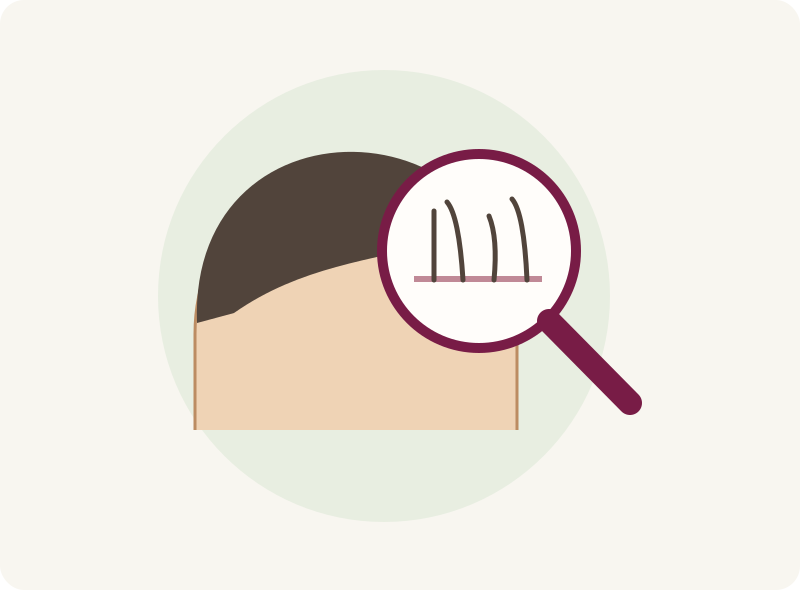
Your plan should explain how to use any prescribed treatment, how to care for your scalp and who to contact if you have a problem.
Agree how progress will be assessed. Comparable photographs and scalp checks can help your doctor decide whether to continue or change treatment.

Related hair-care experiences, including PRP, GFC and care for thinning hair.
“I underwent GFC and PRP treatment for hair loss and had a very positive experience.”
Combined PRP and GFC hair care.
“This was my first GFC treatment, and I'm very happy with my decision.”
GFC hair care.
“Excellent experience from consultation to treatment. The GFC procedure was explained clearly, and the doctors were very knowledgeable.”
GFC hair care.
“I am currently undergoing GFC (Growth Factor Concentrate) treatment at Layers and my experience so far has been highly satisfactory!”
GFC hair care.
“They suggested me GFC treatment and I experienced good results.”
GFC hair care.
“Most importantly, I’m seeing amazing results for my hair thinning treatment.”
Hair-thinning care.
“I noticed visible improvements in my skin texture and a significant reduction in hair fall within just a few sessions.”
Hair-fall and skin care.
















No. Pattern thinning, temporary shedding, hair breakage and scalp diseases need different approaches. An examination helps identify the cause before a treatment is chosen.
The treatment name alone does not tell you which method or product will be used. Before starting, ask your dermatologist to explain the exact plan, expected benefits, possible risks and alternatives.
Not everyone needs tests. Your dermatologist may recommend them if your history or examination suggests a medical cause that needs investigating.
Tell your dermatologist about everything you already use, including medicines, supplements and clinic treatments. A combined plan should have a clear reason for each part.
Book an assessment for persistent or progressive hair loss. Sudden patches, pain, redness or a scarring appearance deserve prompt attention.
Bring the names or photographs of the products you use. Your clinic can tell you how to prepare for the examination; do not stop prescribed treatment without advice.
Tell us what has changed. We’ll help you arrange a hair and scalp assessment.
Prefer a call? +91 9000 572727