
Breast implants
An implant adds a planned volume in a surgically created pocket. Size, filling, shape and position are chosen together. An implant also brings ongoing checks and a possibility of further surgery.
Thinking about added fullness or a change in breast size? Understand the options, recovery and ongoing care before deciding what feels right for you.

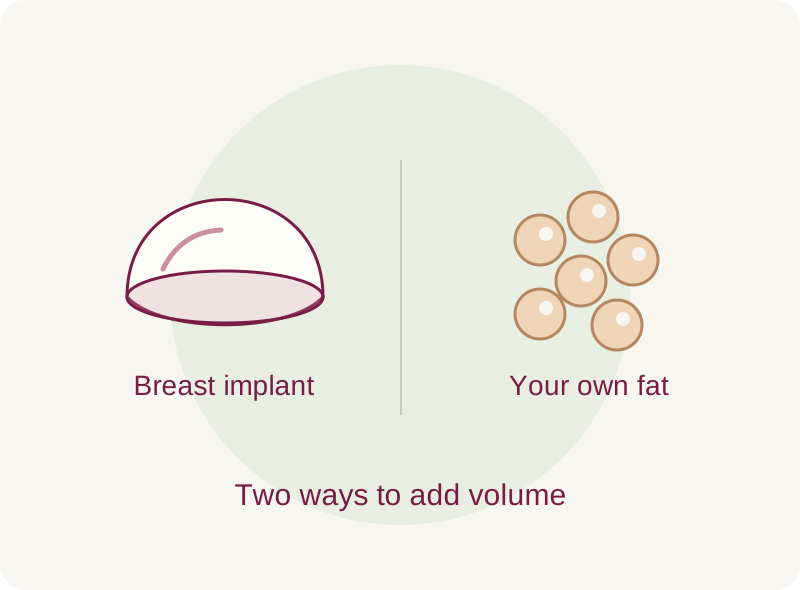
Breast augmentation adds volume using an implant or fat transferred from another part of your body. It may be considered for naturally smaller breasts, a loss of fullness or differences in size.
The right approach depends on your existing tissue, skin and goals. Adding volume does not correct every change in breast position; a lift may be needed when loose skin or a low nipple position is the main concern.
An implant adds a planned volume in a surgically created pocket. Size, filling, shape and position are chosen together. An implant also brings ongoing checks and a possibility of further surgery.
Liposuction collects fat from another area, which is prepared and placed in the breasts. It is generally considered for a more modest increase. Some fat is absorbed, and another session may be needed.
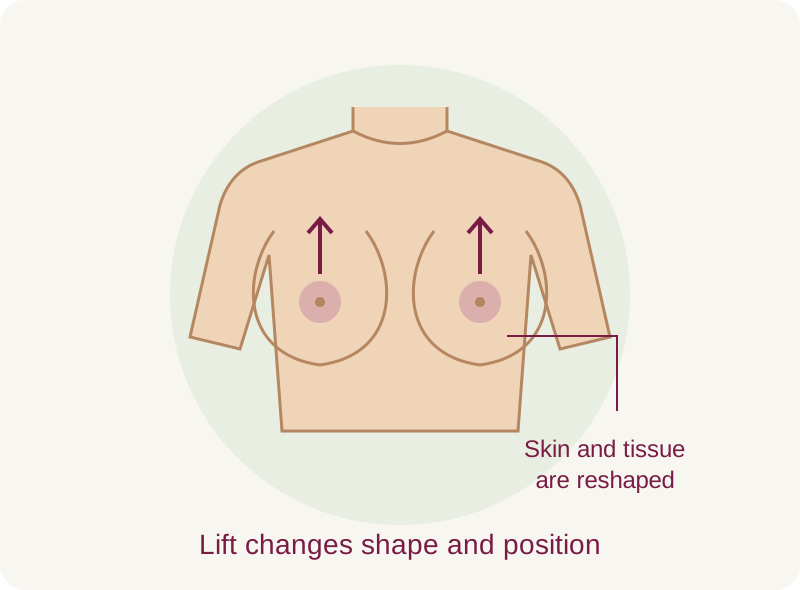
A lift reshapes tissue and removes loose skin. It may be combined with augmentation or planned separately after considering healing and risks.
Explore breast liftA silicone shell contains silicone gel. A rupture may cause no obvious change in shape, so ultrasound or MRI can be needed to check the implant.
A silicone shell contains sterile salt water. A leak usually causes the implant to deflate. The body absorbs the saline, but the damaged implant still needs surgical assessment.
Filling is one choice; shell surface, shape and dimensions also matter. Ask which specific device is proposed, why it suits you and what follow-up it requires.
Chest width, existing tissue, skin stretch and natural differences help guide size. The same implant can look different on two people.
Explain the change you want in everyday clothing and without a bra. Samples or sizing aids can support the conversation, but cannot promise an exact result.
A larger implant is not automatically a better fit. Discuss tissue support, visibility, rippling and how your breasts may change with weight, pregnancy and time.
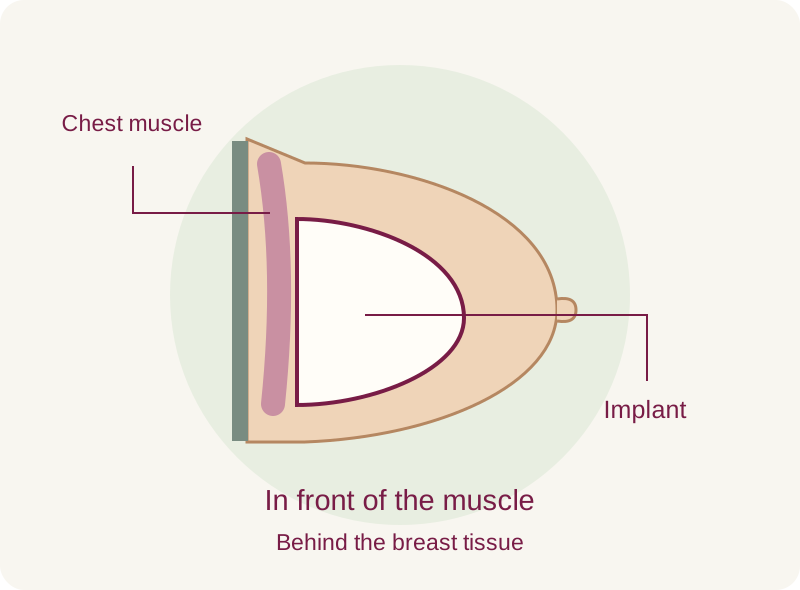
Also called subglandular placement. Your own breast tissue covers the implant; the amount of tissue affects how easily its edges or rippling may be seen.
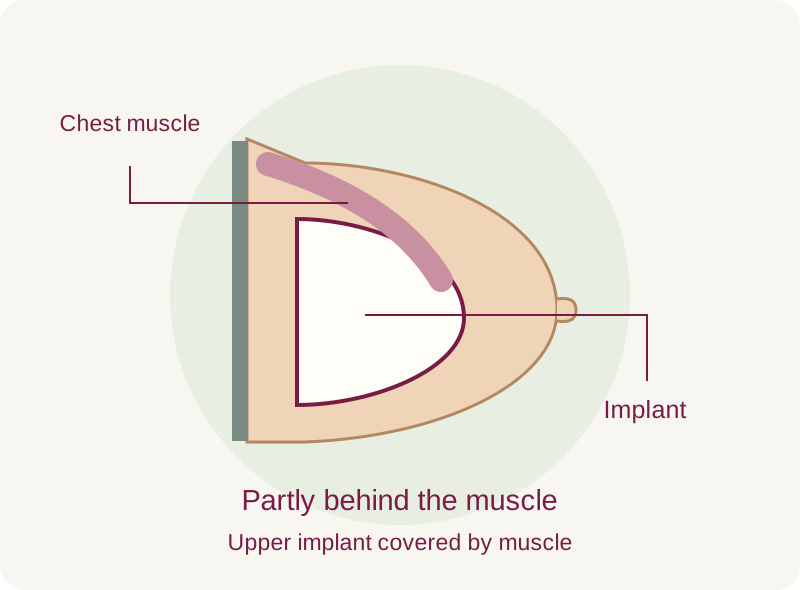
The muscle covers part of the implant. A dual-plane approach is one variation. The surgeon will discuss coverage, recovery and changes that can occur when the muscle contracts.
These simplified side views show two common arrangements. Your surgeon should explain the exact pocket and why it fits your anatomy.
Make the decision for yourself. Consider the expected change alongside scars, recovery and the chance of future surgery. Natural differences between breasts may remain.
Breasts should be fully developed. Surgery is not planned during pregnancy or breastfeeding. Discuss future pregnancy and major weight changes before deciding on timing.
Share your medicines, nicotine use, previous surgery and personal or family breast history. A new lump, nipple discharge or unexplained change needs assessment first.
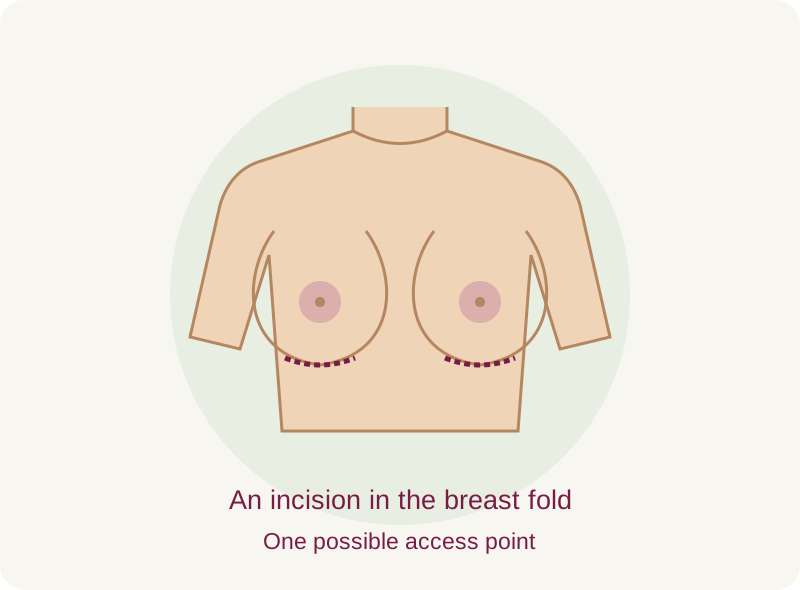
An incision in the fold beneath the breast is one common approach. Other possible access points include the edge of the areola or the armpit, depending on the implant and surgical plan.
The incision leaves a permanent scar, even if its position makes it less noticeable. Ask to see the proposed location and discuss your own history of thick or raised scars.
The plastic surgeon examines and measures the breasts. Confirm the method, device details if relevant, anaesthetic, facility, aftercare and possible need for further surgery.
Tests may be requested based on your health. Follow individual medicine, nicotine and fasting instructions. Arrange transport and help at home for the first stage of recovery.
Under the agreed anaesthetic, the surgeon makes an incision, creates the pocket and places the implant. The tissue and skin are closed and dressed.
Fat is collected with liposuction, prepared and placed in small amounts in the breast tissues. The donor area also needs care during recovery.
The team monitors you before discharge. Follow the instructions for dressings, any support garment and prescribed medicines.
Attend your checks and get guidance before lifting, driving or exercising. Keep the surgical contact details and, for implants, the device record.
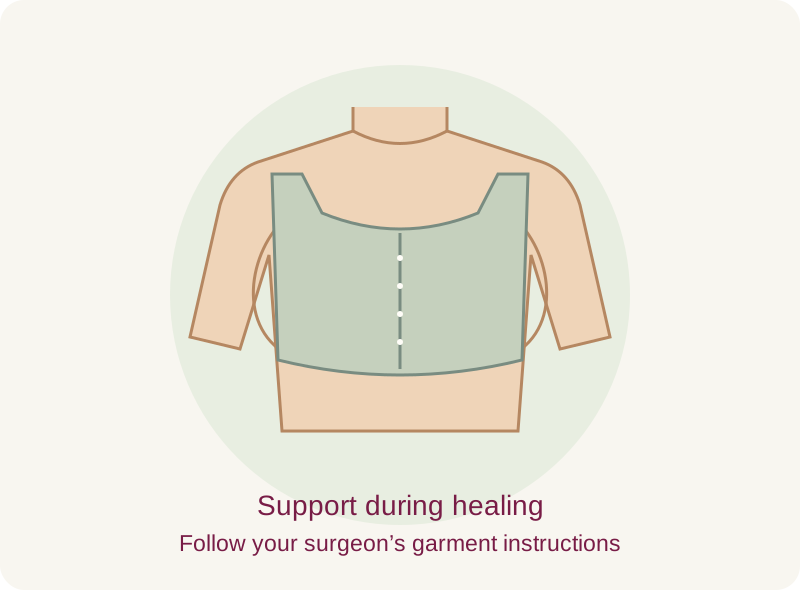
Soreness, bruising and swelling are common. Arrange help with everyday tasks, and follow the advice on movement, sleeping and wound care.
Swelling and tenderness can continue for several weeks. Return to work and exercise depends on the operation, your healing and how physical the activity is.
Early swelling can make the breasts look higher or firmer than the settled result. Review the change over the following months rather than judging it immediately.
An implant may later need removal or replacement because of a complication or a change in your priorities. Keep its manufacturer, model and serial-number record.
Silicone implant rupture can be silent. Ask about ultrasound or MRI checks suited to your device and local clinical guidance, even when the breast feels unchanged.
Implant checks do not replace breast cancer screening. Tell the imaging team that you have implants so they can plan the appropriate views.
Bleeding, infection, wound problems, scars, blood clots and anaesthetic complications can occur. Sensation or breastfeeding may be affected, and perfect symmetry cannot be guaranteed.
The capsule around an implant may tighten and cause hardness or pain. Rupture, movement, rippling and persistent discomfort are possible, and may require further surgery.
Some transferred fat may not survive. Cysts, firm areas from fat necrosis, infection and calcium deposits can occur. New lumps need assessment, and further treatment may be needed.
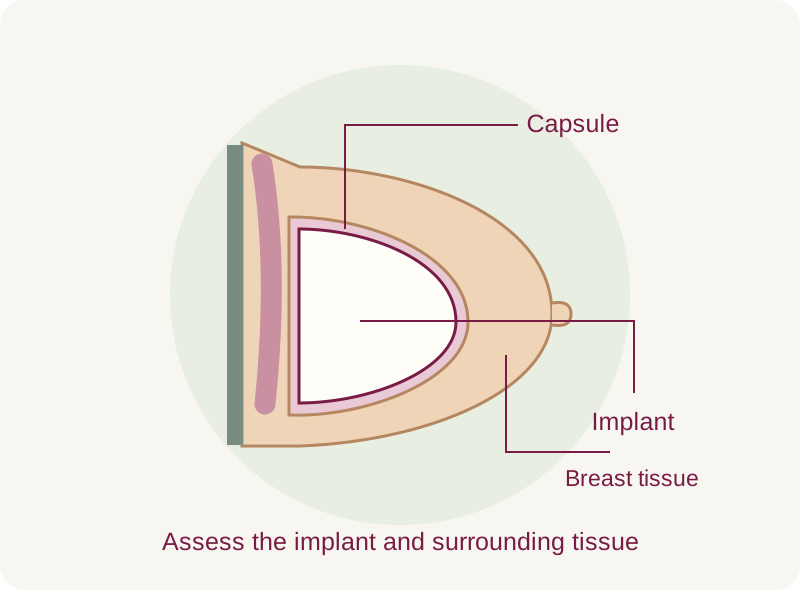
Explore replacement, removal and reshaping when you already have implants or have noticed a change.
Explore implant revision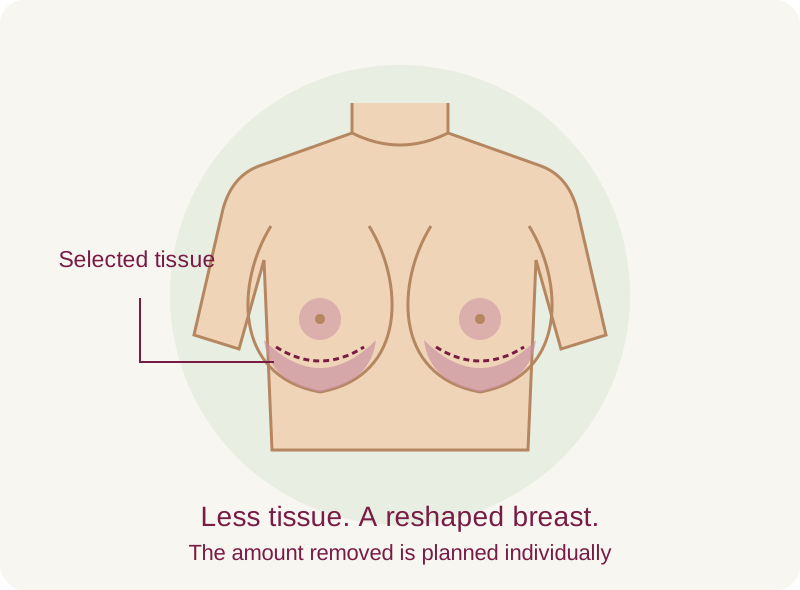
If breast weight or size affects comfort, explore the options for reduction.
Explore breast reduction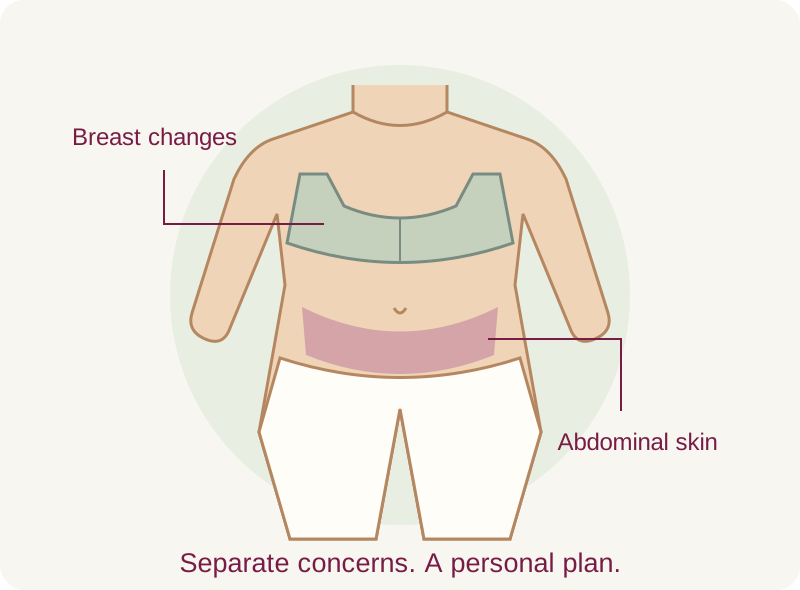
Consider your priorities, timing and recovery support for breast and abdominal changes.
Explore mommy makeoverThese verified Google excerpts describe general consultations and care. They do not identify breast augmentation surgery or show its results.
“The doctors listened carefully to my concerns and explained the treatment in a clear and professional manner.”
Consultation experience; condition not specified.
“She explained the treatment clearly and made me feel comfortable throughout the consultation.”
Consultation experience; condition not specified.
“The doctor took the time to understand my skin concerns and explained the treatment plan clearly, without rushing.”
Consultation experience; condition not specified.
“Very patient ,humble and polite to answer every single query and build confidence.”
Consultation experience; condition not specified.
“The doctors explained everything clearly and made me feel comfortable and confident.”
Consultation experience; condition not specified.
“The doctor took the time to listen to my concerns patiently and explained the treatment options clearly.”
Consultation experience; condition not specified.













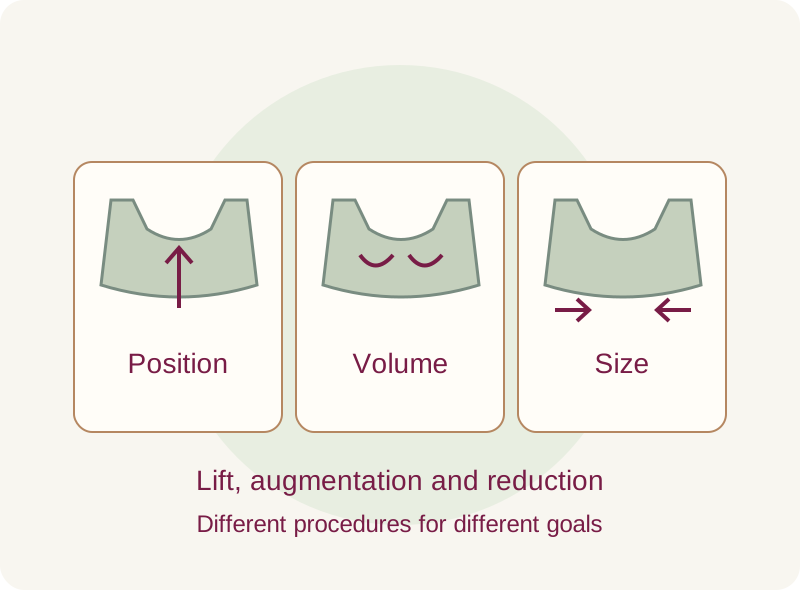
Implants add volume; a lift changes shape and position. An examination helps decide whether either, both or neither meets your goals.
Fat transfer is generally considered for a modest increase and needs enough suitable donor fat. The amount that survives varies. An implant and fat transfer are different choices.
Discuss the size and appearance you want, but bra sizing varies and the same volume looks different on different bodies. An exact cup size cannot be guaranteed.
There is no single replacement date for everyone. Implants are not lifetime devices; their condition, symptoms, device advice and your preferences guide future surgery.
Some people can, but surgery may affect milk production or sensation. Discuss your future plans and the proposed approach before consenting.
Yes. Tell the imaging team about your implants when booking. They may need additional views. Continue screening as advised for your age and risk.
Every incision leaves a scar. Its location and healing affect how visible it becomes; it may fade but does not disappear.
That decision needs your anatomy, goals and the device’s safety and follow-up information. Ask for the exact model and patient information before agreeing to surgery.
Arrange a consultation about breast fullness, the methods available and the care involved.
Prefer a call? +91 9000 572727