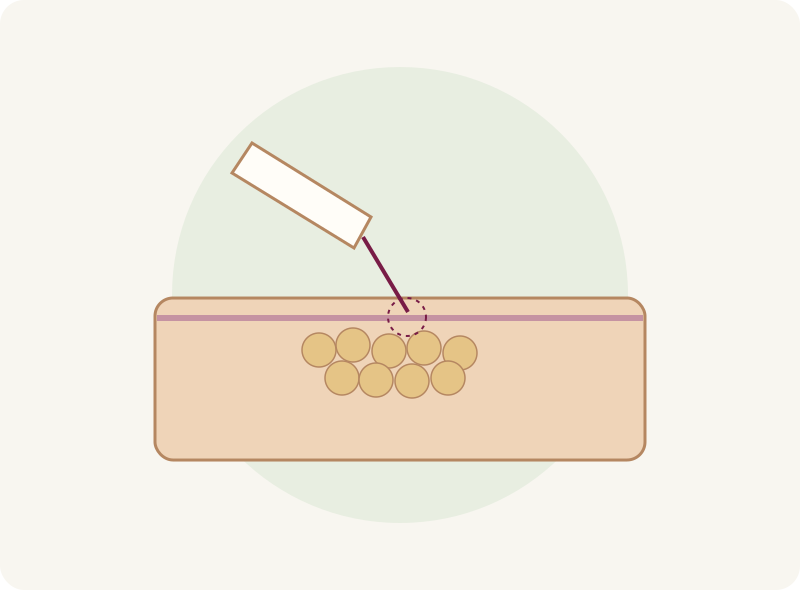
Laser or selected heat treatment
Selected superficial plaques may be treated with a laser or controlled heat method. The depth, skin type and eye protection affect the plan.
An eyelid patch deserves a careful skin check. Learn what xanthelasma is, why a health review may help and what to consider before removal.

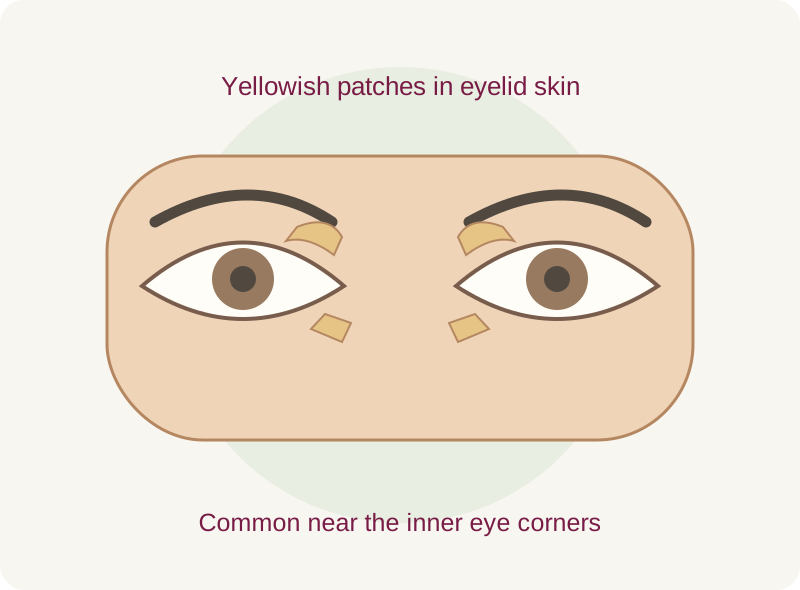
Xanthelasma is a collection of cholesterol-rich deposits in the eyelid skin. It usually appears as soft yellowish patches, often close to the inner corners of the eyes.
It is usually benign and treatment for appearance is optional. A clinician should confirm the diagnosis because other eyelid growths can look similar.
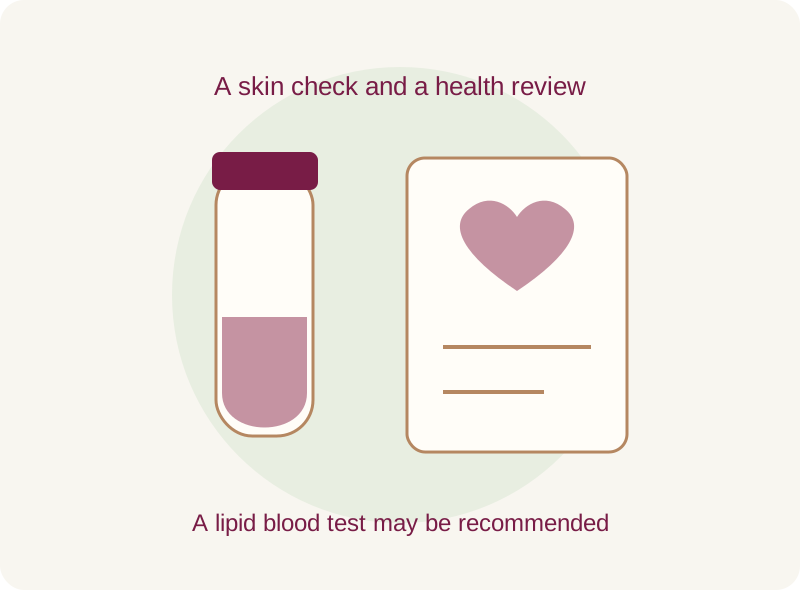
Xanthelasma can occur with high cholesterol or other lipid changes, but it can also appear when blood lipid levels are normal.
The clinician may ask about family history, diabetes, thyroid or liver conditions and relevant medicines. Any tests should be based on your assessment.
Managing raised lipids matters for your health, but may not remove an existing plaque. Removing the plaque does not replace ongoing health care.
Selected superficial plaques may be treated with a laser or controlled heat method. The depth, skin type and eye protection affect the plan.
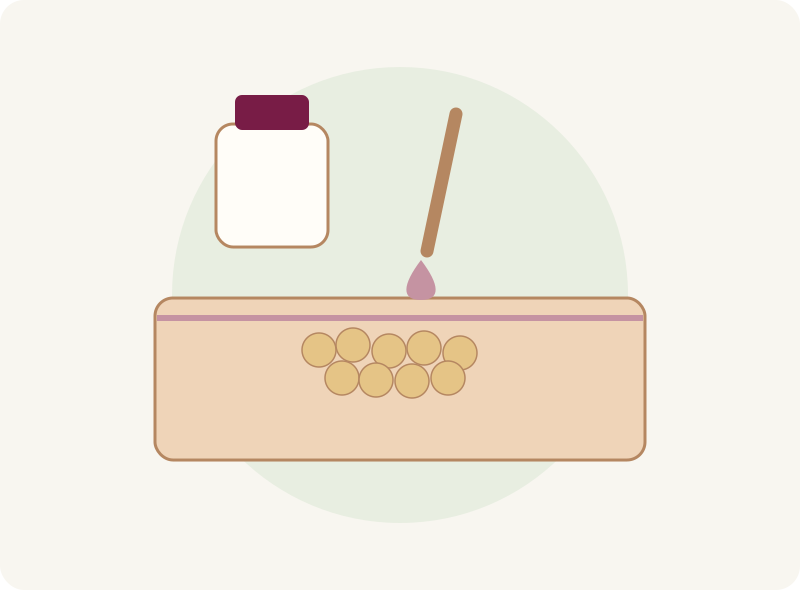
A clinician may consider a carefully applied chemical for some plaques. Acids near the eye can cause serious injury and must not be used as a home remedy.
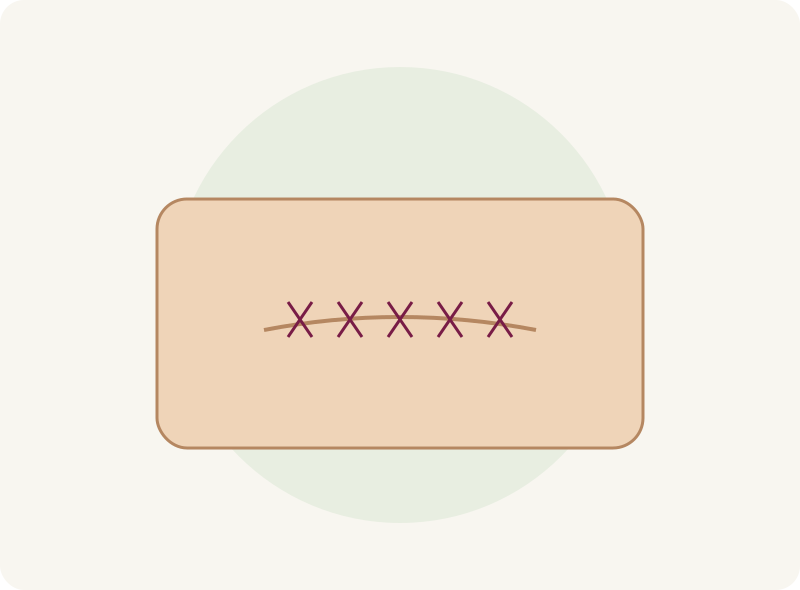
Larger, deeper or selected recurrent plaques may need excision. The amount of eyelid skin and the risk of altering lid shape are important.
Observation is also an option. Your clinician will explain the exact technique, whether referral is needed and what is available at your clinic.
The clinician checks the position, size and depth and asks whether it is changing or causing symptoms.
Bring any recent cholesterol results and your medicine list. Further testing depends on the assessment.
Removal is usually a choice about appearance. Ask what change is realistic and whether more than one treatment may be needed.
Discuss eye protection, pain relief, marks, scarring and the possibility of a change in eyelid shape.
Cleaning, ointments, dressings, makeup and any stitches need a plan suited to the procedure.
Continue any recommended lipid or wider health care even after the skin has healed.
Swelling, bruising, crusting or a healing wound may occur. Timing varies with the size, depth and method; ask when to resume eye makeup and usual activities.
Pigment changes, scarring or a change in eyelid position are possible. A patch can recur even after successful removal.
Eye pain, changes in vision, difficulty closing the eye or worsening swelling after treatment need urgent medical advice.
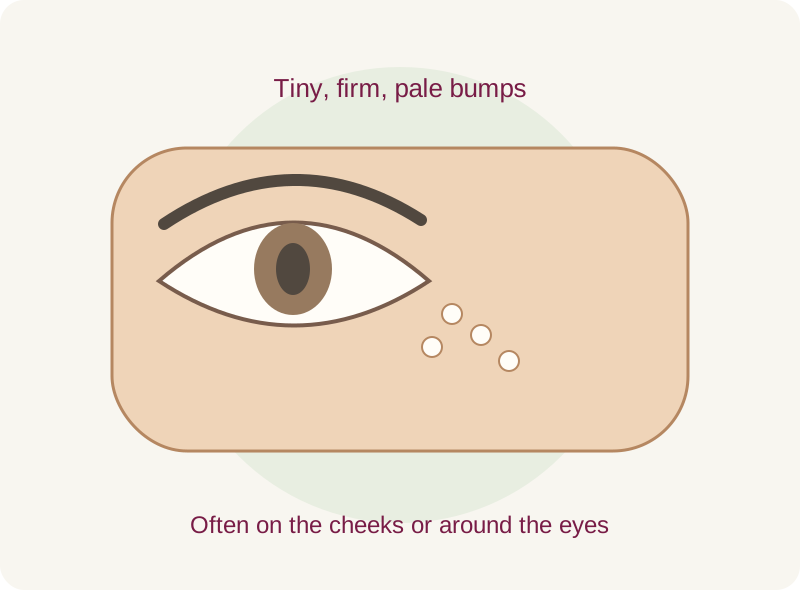
Small white keratin cysts differ from yellowish eyelid plaques. Their care is usually simpler.
Explore miliaVerified Google review excerpts about consultations and explanations at Layers. The condition is not specified; these are not xanthelasma-removal results.
“The doctors listened carefully to my concerns and explained the treatment in a clear and professional manner.”
Consultation experience; condition not specified.
“She explained the treatment clearly and made me feel comfortable throughout the consultation.”
Consultation experience; condition not specified.
“The doctor took the time to understand my skin concerns and explained the treatment plan clearly, without rushing.”
Consultation experience; condition not specified.
“Very patient ,humble and polite to answer every single query and build confidence.”
Consultation experience; condition not specified.
“The doctors explained everything clearly and made me feel comfortable and confident.”
Consultation experience; condition not specified.
“The doctor took the time to listen to my concerns patiently and explained the treatment options clearly.”
Consultation experience; condition not specified.
















No. Some people have normal lipid levels. It is still worth discussing an appropriate lipid and health assessment.
Treating raised cholesterol is important for health, but an existing plaque may remain. Skin removal and lipid management address different needs.
Usually it is optional once the diagnosis is confirmed. Your preference, symptoms and the examination help decide whether to observe or treat it.
No method can promise a scar-free result. The clinician should explain the risk of marks, pigment change and eyelid effects for your particular plaque.
Yes. Recurrence can happen even after treatment and even when lipid levels are managed. A recurrent patch needs reassessment.
No. These can injure the eyelid and eye. Seek professional assessment rather than using a home wart remover, acid or cautery device.
Depth, position and available eyelid skin matter as much as size. The clinician may recommend a different method or referral for specialist eyelid care.
Have it examined rather than assuming it is xanthelasma. A changing, painful or bleeding growth may need a different investigation.
Talk through the skin change, relevant health checks and whether removal is right for you.
Prefer a call? +91 9000 572727