Visible pores
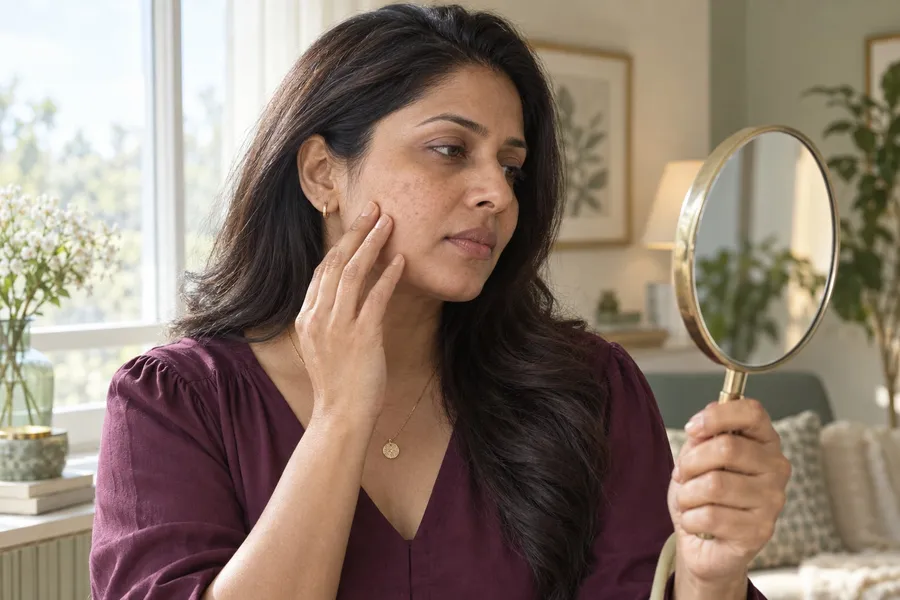
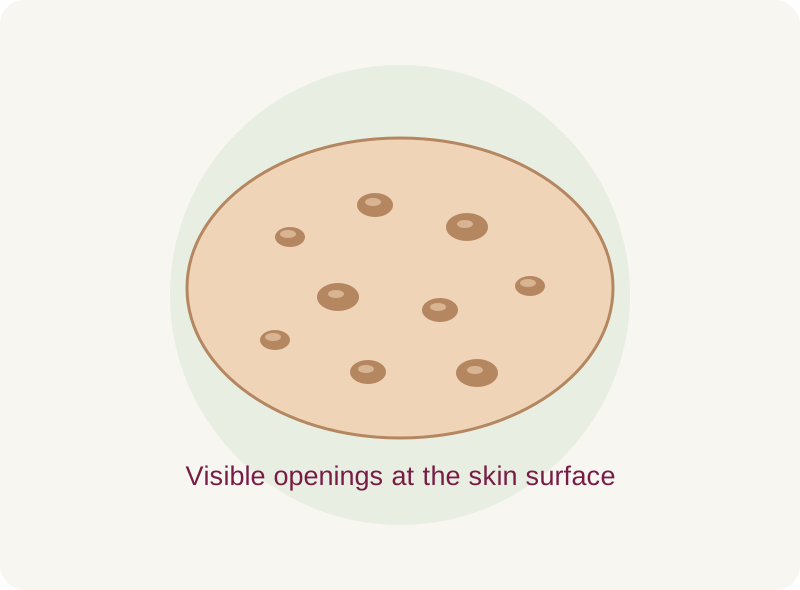
Small surface openings can stand out even without a dark plug or a breakout. Their appearance varies with oiliness and the skin around them.
Noticeable pores on your cheeks or nose? Start with a skin assessment and explore care for oiliness, blocked pores or changes in texture.
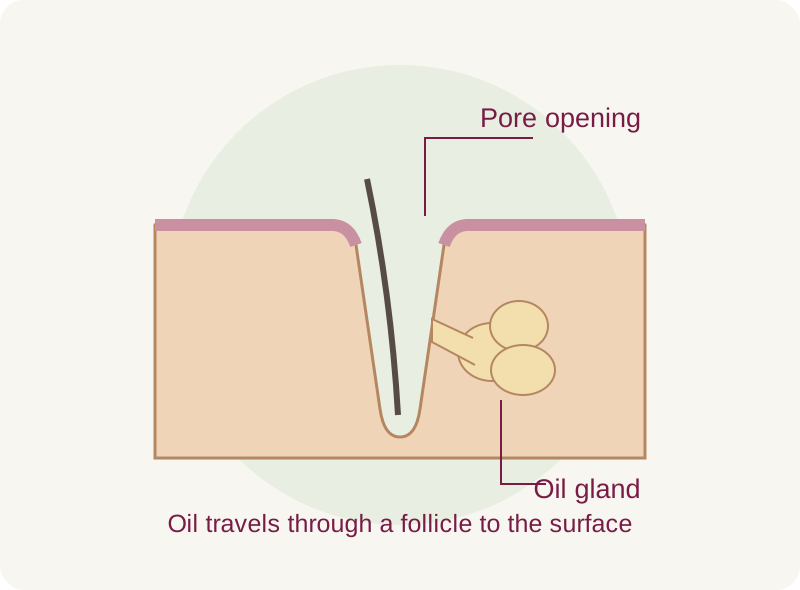
Pores are natural openings in the skin. “Open pores” usually describes facial pores that look larger or more noticeable. Oil reaches the surface through openings around hair follicles.
They are part of normal skin texture. Care aims to make them less noticeable, rather than remove every opening or create pore-free skin.
Small surface openings can stand out even without a dark plug or a breakout. Their appearance varies with oiliness and the skin around them.
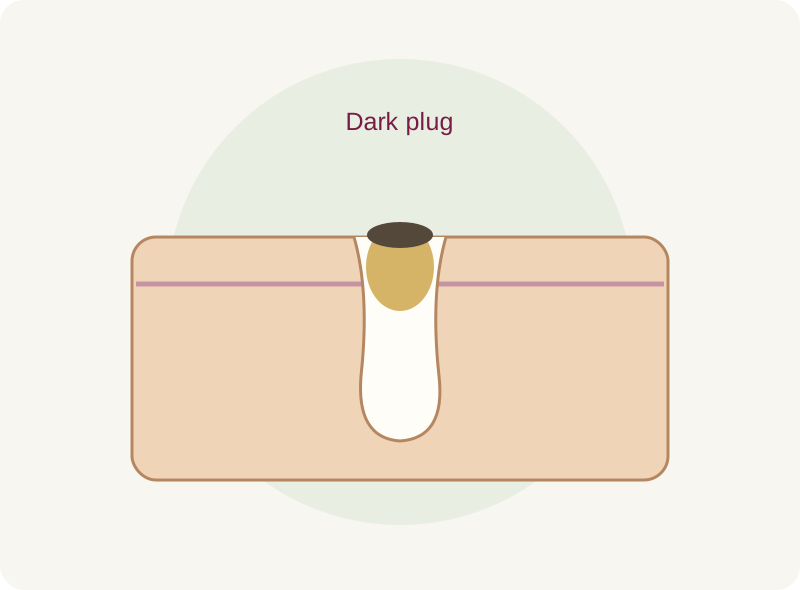
These are blocked follicles with a dark surface. They are a type of acne, and the dark colour is not dirt.
Explore acne care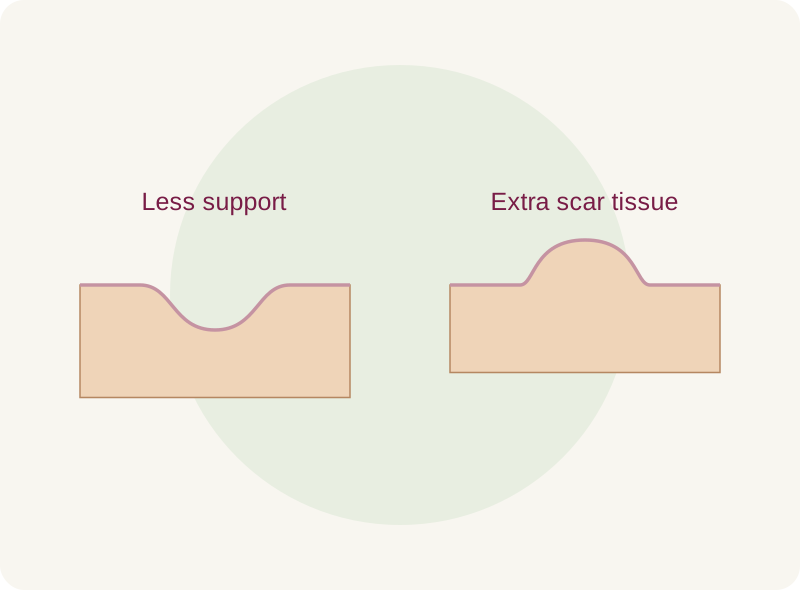
Depressions left after acne may resemble large pores. Scar shape and depth affect which treatments may help.
Explore scar care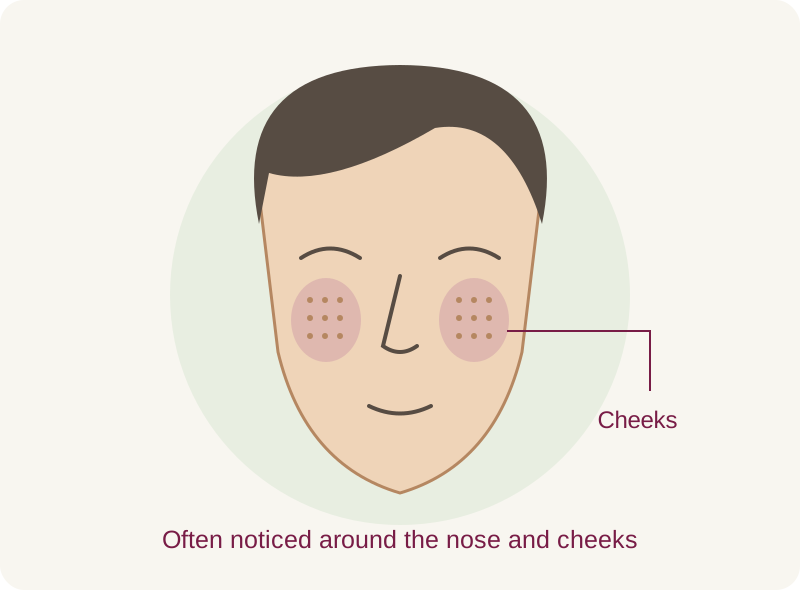
More oil and products that block follicles can make openings more noticeable. Acne may be part of the picture.
Follicle size differs between people. A close-up mirror can show texture that is much less obvious in everyday conversation.
Ageing and sun damage reduce skin support. This can change how pore openings look.
A clinician can review your current products and discuss ingredients such as salicylic acid or a retinoid when suitable. A routine is often the starting point.
See everyday care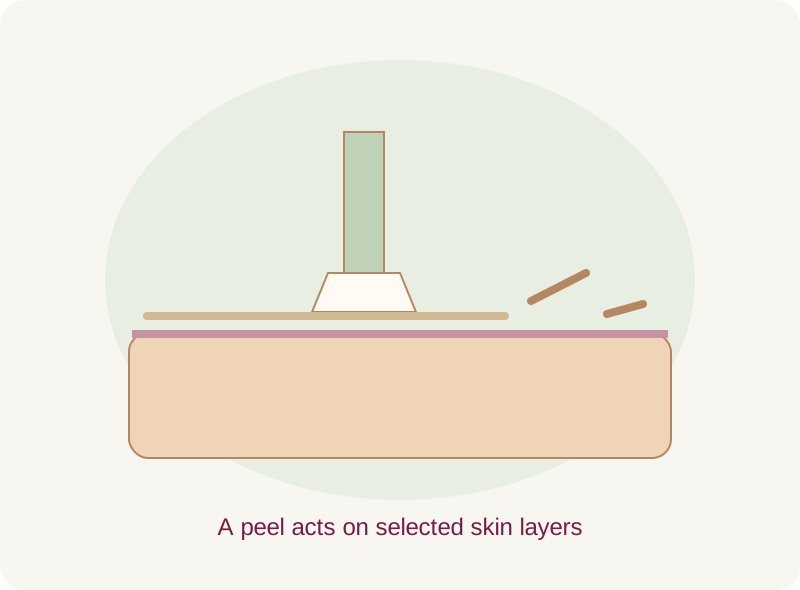
A suitable superficial peel may help blocked pores and surface texture. The strength, skin tone and sensitivity guide the choice.
Explore chemical peels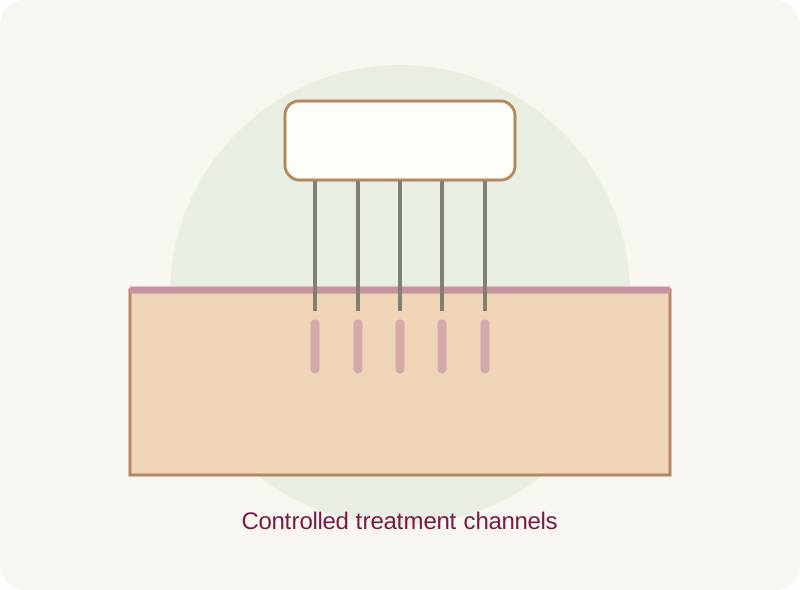
Controlled needling can support collagen remodelling for selected texture concerns. Active skin problems need assessment first.
Explore microneedlingThese are options to discuss, not a package everyone needs. If scars or skin laxity are the main concern, the plan may be different.
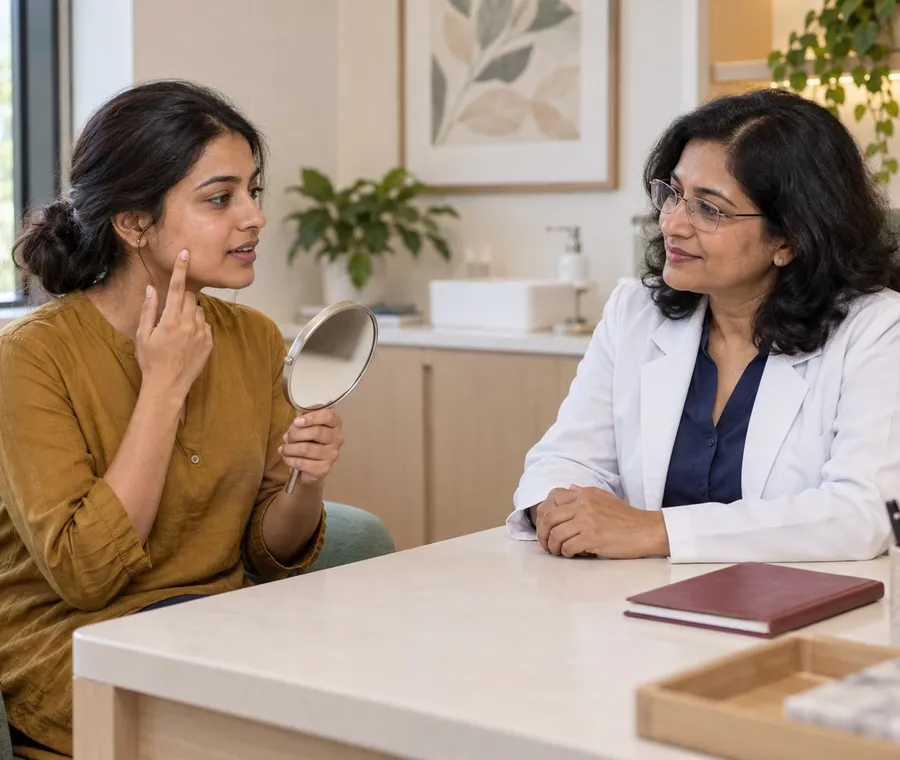
The dermatologist checks whether you are noticing pores, blocked follicles, acne scars or a combination.
Bring product names and mention previous procedures, irritation, medicines and pregnancy or breastfeeding. Explain the change you hope to see.
You may begin with a routine or acne care. If a procedure is appropriate, discuss its expected benefit, risks, downtime and alternatives.
Confirm what to use, what to pause and when to return. A stronger product or more frequent treatment is not automatically better.
Report irritation or new breakouts rather than adding more products on your own. The routine can be adjusted to your response.
Use similar lighting and distance when reviewing photographs. Phone filters and extreme close-ups are not a useful treatment target.
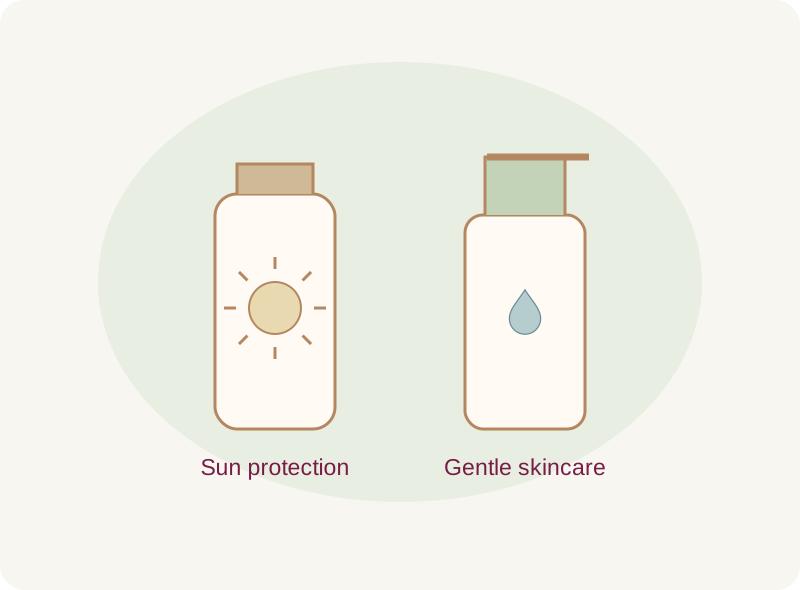
Use a gentle cleanser and lukewarm water. Avoid squeezing, harsh brushes or repeatedly trying to empty every pore.
Look for non-comedogenic products. Introduce active ingredients with advice if your skin is sensitive; avoid layering several exfoliants.
Use broad-spectrum SPF 30 or higher and other sun protection. Follow any extra aftercare instructions after a clinic procedure.
Tell the clinician about sore, peeling or inflamed skin. Treating the underlying problem may take priority over a cosmetic procedure.
Retinoid products are not appropriate during pregnancy. Ask about suitable care while planning pregnancy or breastfeeding rather than starting a new active product yourself.
Peels and needling have risks, including irritation, infection, scarring or unwanted colour change. Skin tone, previous reactions and the chosen method affect the assessment.
A successful plan may reduce congestion or make texture less noticeable. Improvement is gradual and varies; one visit cannot promise a permanent change in pore size.
Review the response before deciding on more treatment. Pores remain part of your skin, and ongoing care may be needed to manage oiliness or acne.
Original acne and skin texture before-and-after cases from Layers Clinics. Individual results vary.
Showing all 7 photographs
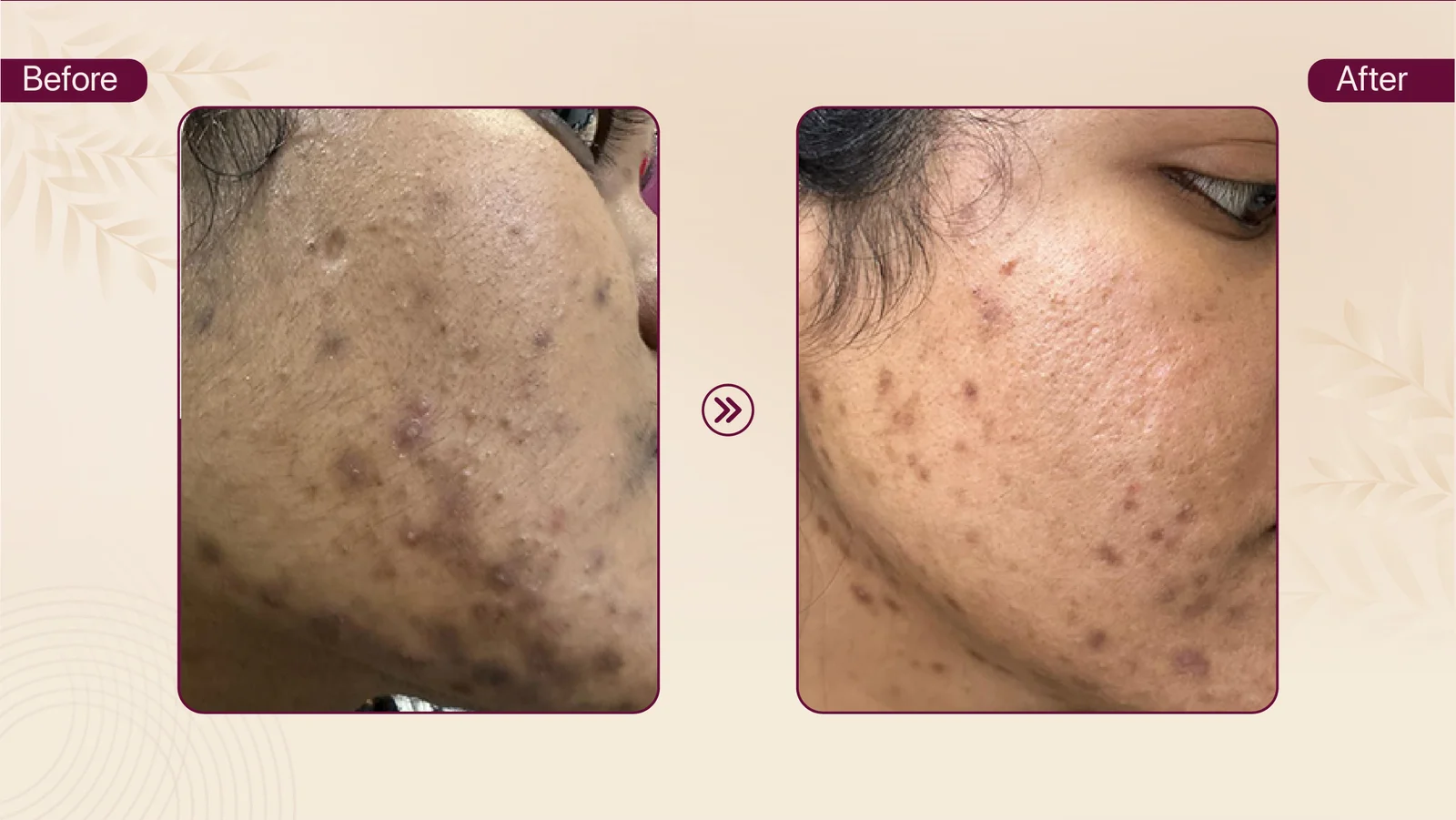
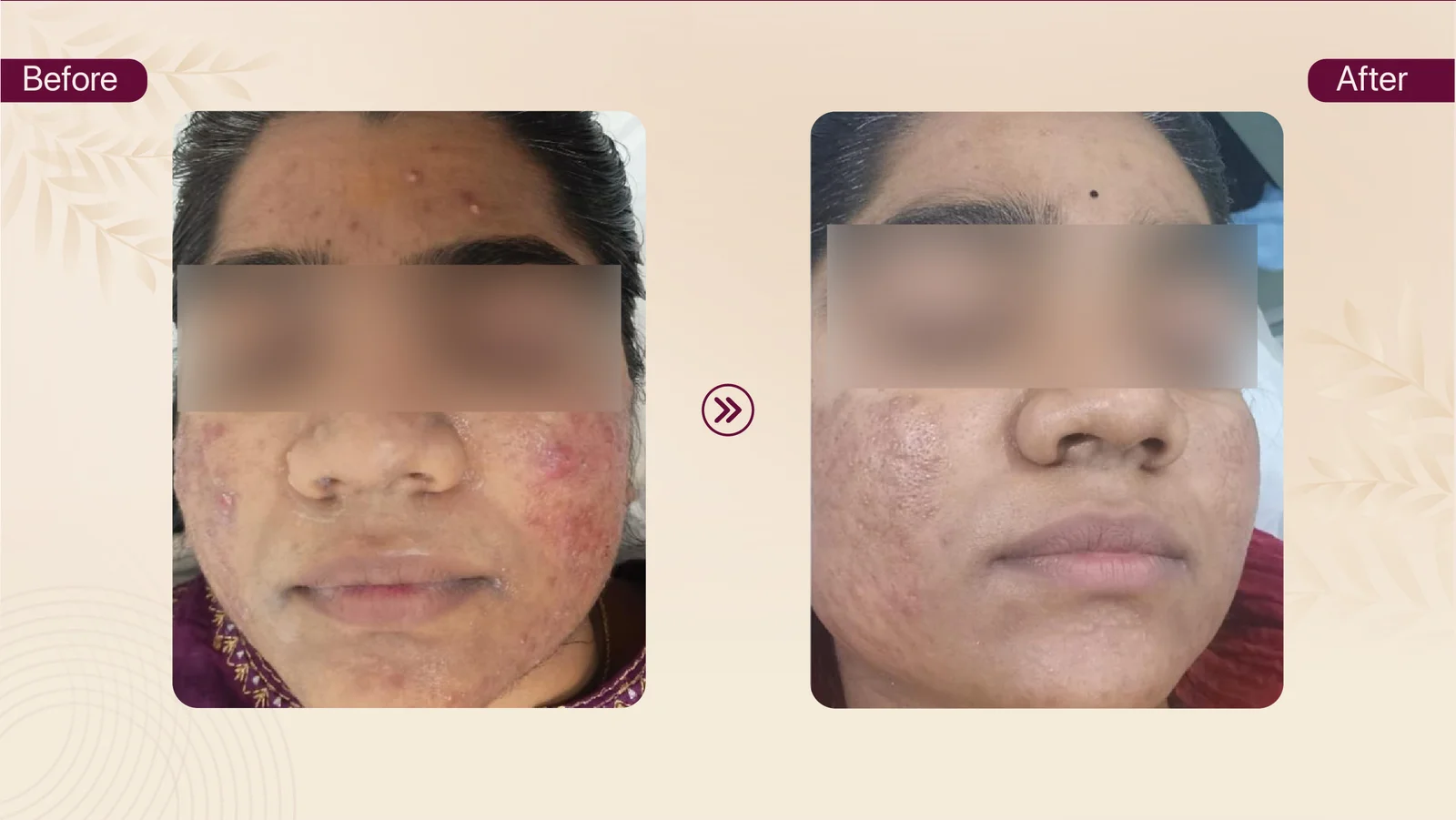
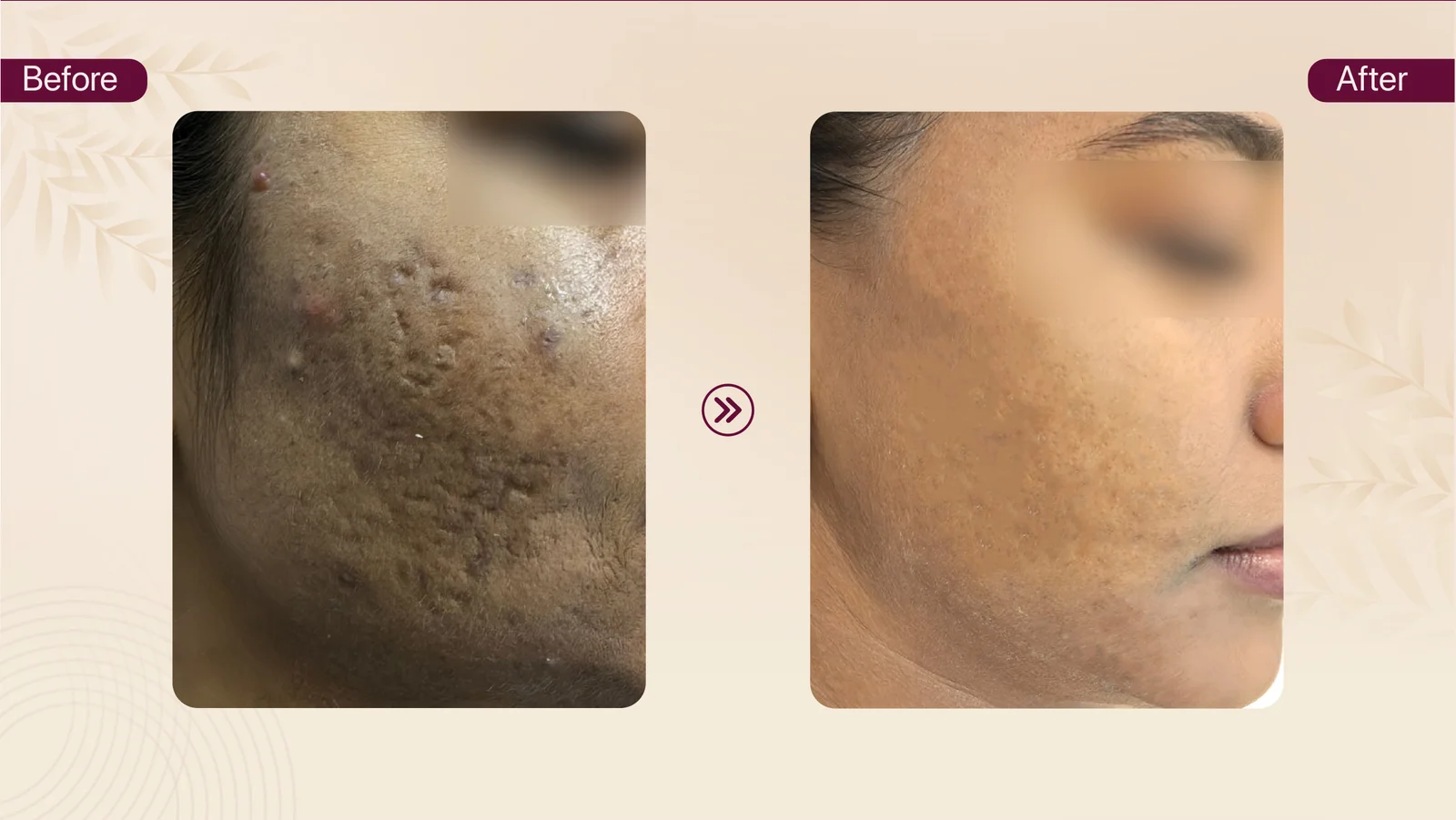
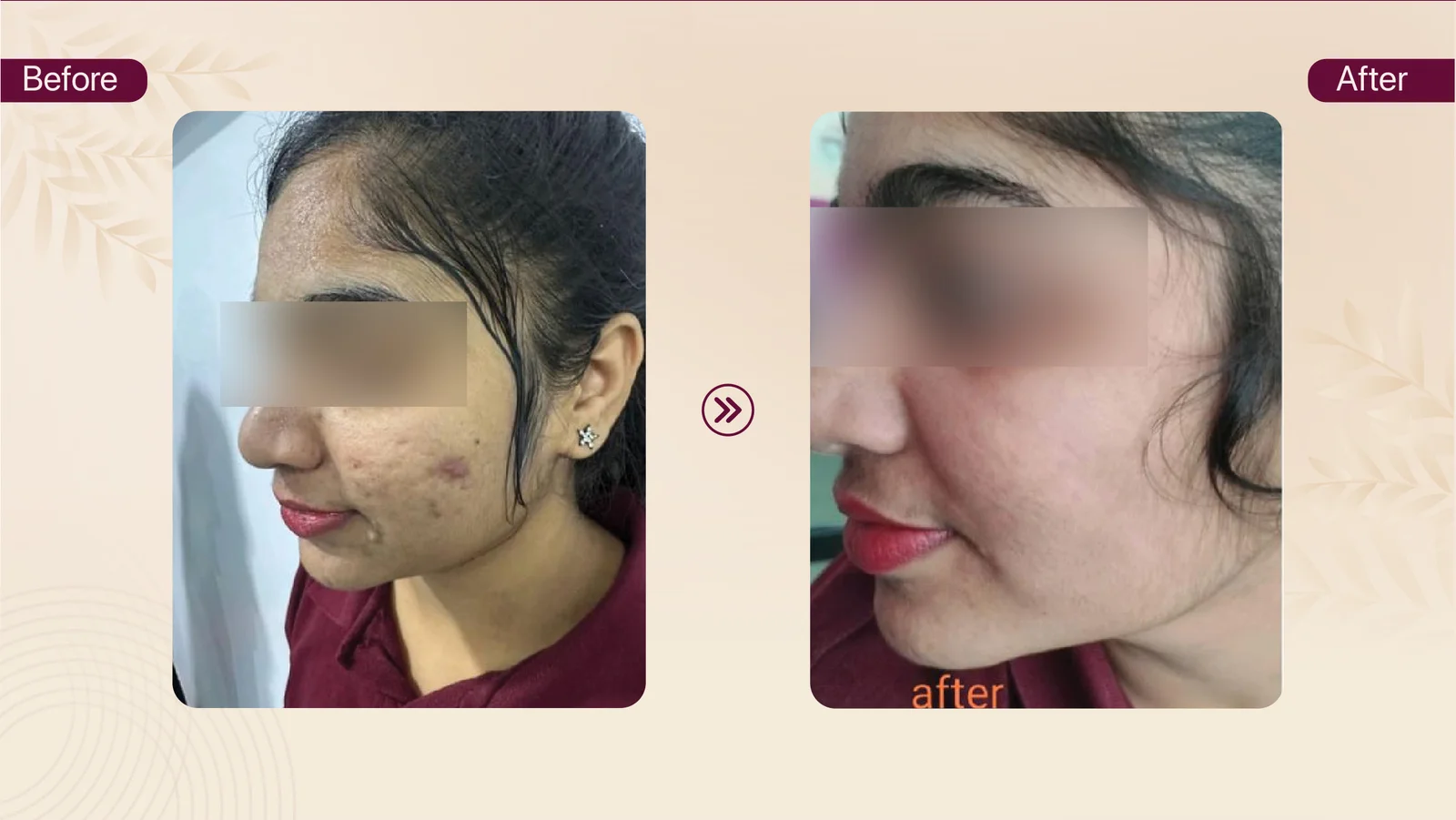
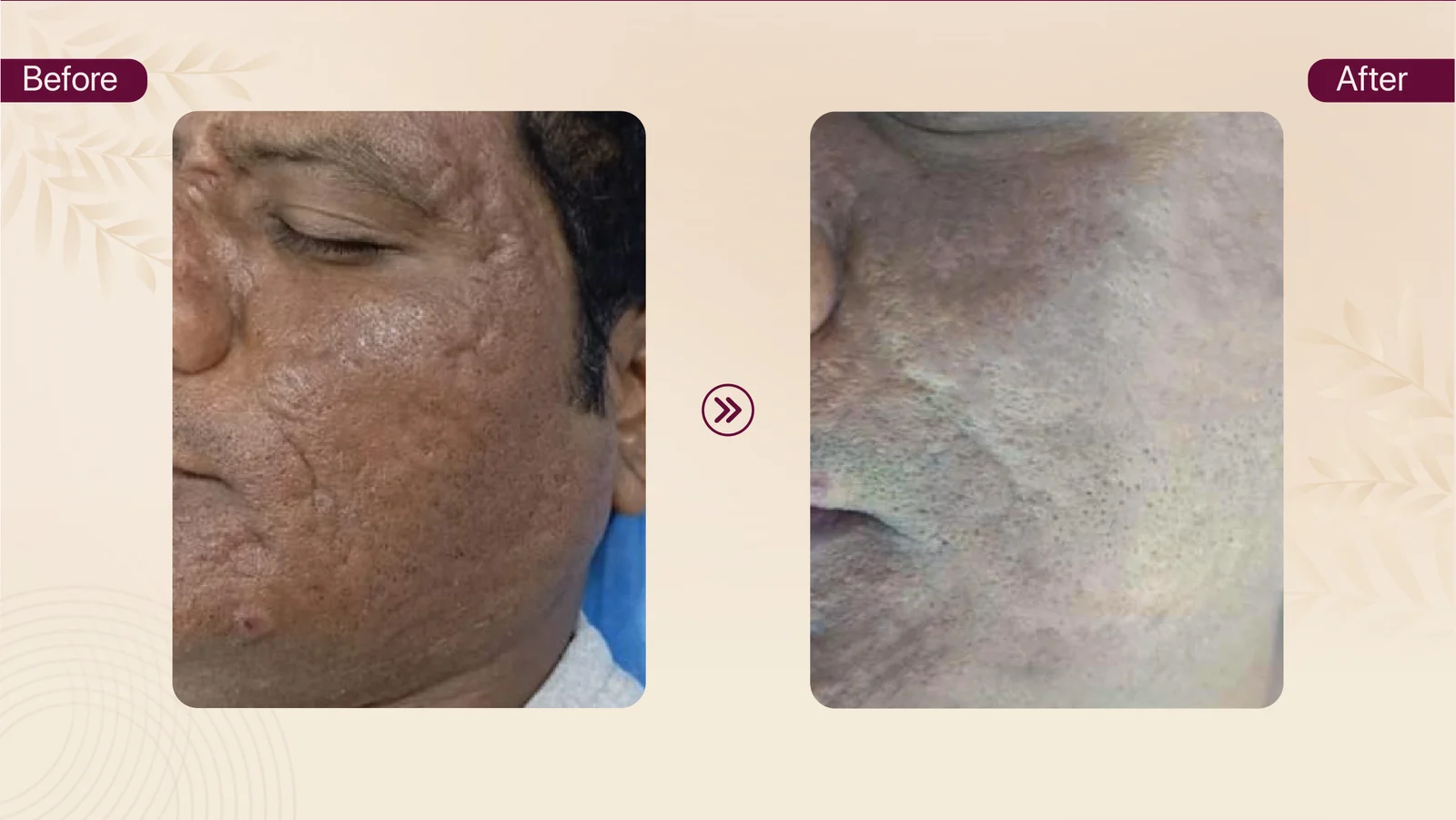
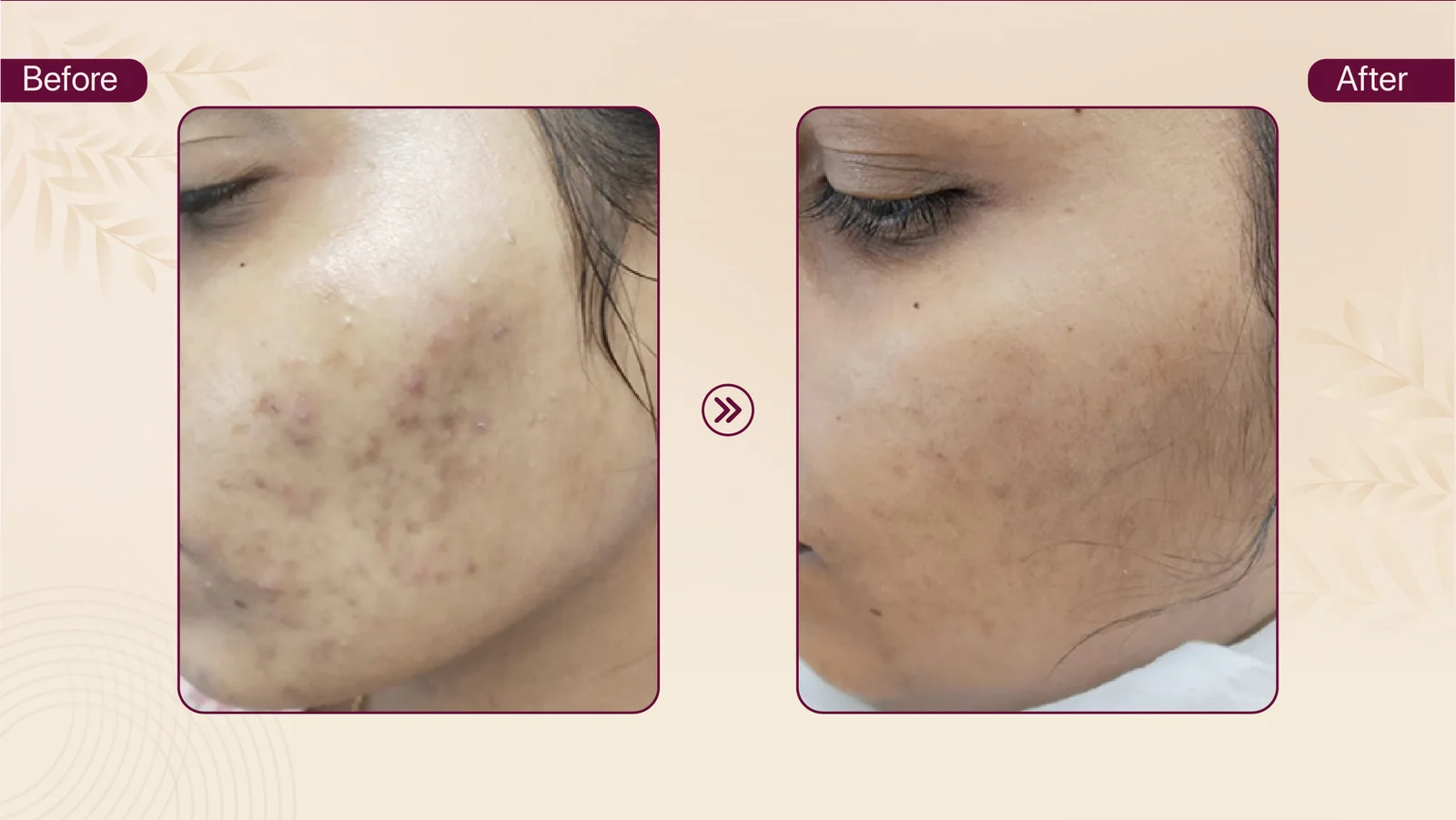
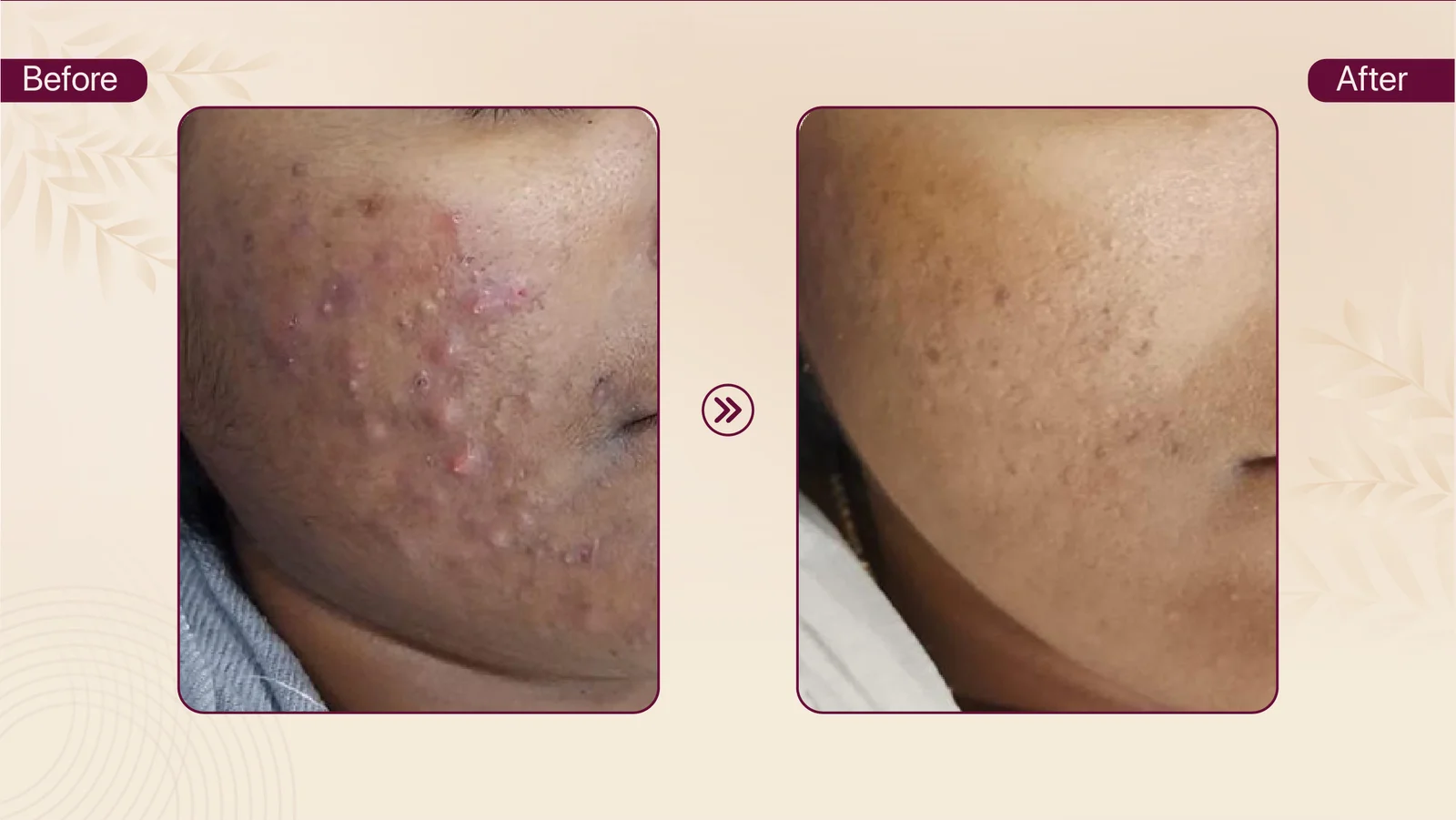
Individual results vary. These photographs show specific cases, not guaranteed outcomes. Original image quality, lighting and angles may differ. Your doctor can explain what may be possible for you.
These original Google excerpts describe acne and acne-scar care at Layers. They are related skin-care experiences, not confirmed open-pore treatment results.
“have also tried their acne treatment. So far, the experience has been great!”
“My skin has cleared up significantly in just a few months. Thank you for giving me my confidence back!”
Acne and acne-scar care; procedure not specified.
















Treatment aims to reduce their appearance. Normal skin still has pores; complete or permanent pore removal is not a realistic promise.
No. A visible opening does not always contain a plug. Blackheads are blocked follicles and are a form of acne.
That depends on what is making the texture noticeable. Ask the dermatologist to explain whether the priority is oil control, acne care, surface texture or scars.
Not necessarily. Begin with an assessment. If a device treatment is proposed, ask why that method fits your concern and how its benefit compares with its risks and downtime.
Scrubbing and squeezing can irritate or damage skin. Gentle care and appropriate treatment for blockage are more useful than trying to remove every visible opening.
No. Suitability depends on the skin concern and healing risks. It should not be treated as a home experiment or a guaranteed fix for every type of pore or scar.
There is no set number for everyone. Some people need a routine rather than a procedure. If a course is advised, agree review points and discuss the expected benefit before booking.
Seek advice for deep painful spots, scarring or breakouts that persist despite care. These need an acne assessment rather than only a pore-focused cosmetic treatment.
Get a clear assessment of your pores, texture and everyday skincare.
Prefer a call? +91 9000 572727