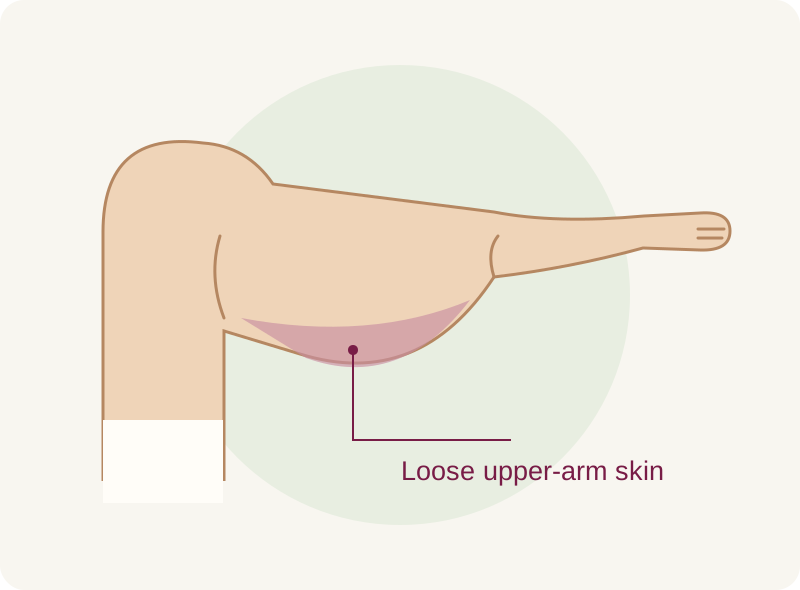
Mostly loose skin
A hanging fold needs a skin assessment. Removing fat alone may leave the looseness more noticeable.
An arm lift removes excess upper-arm skin. Learn what it can change, where the scars may sit and how to plan for healing.
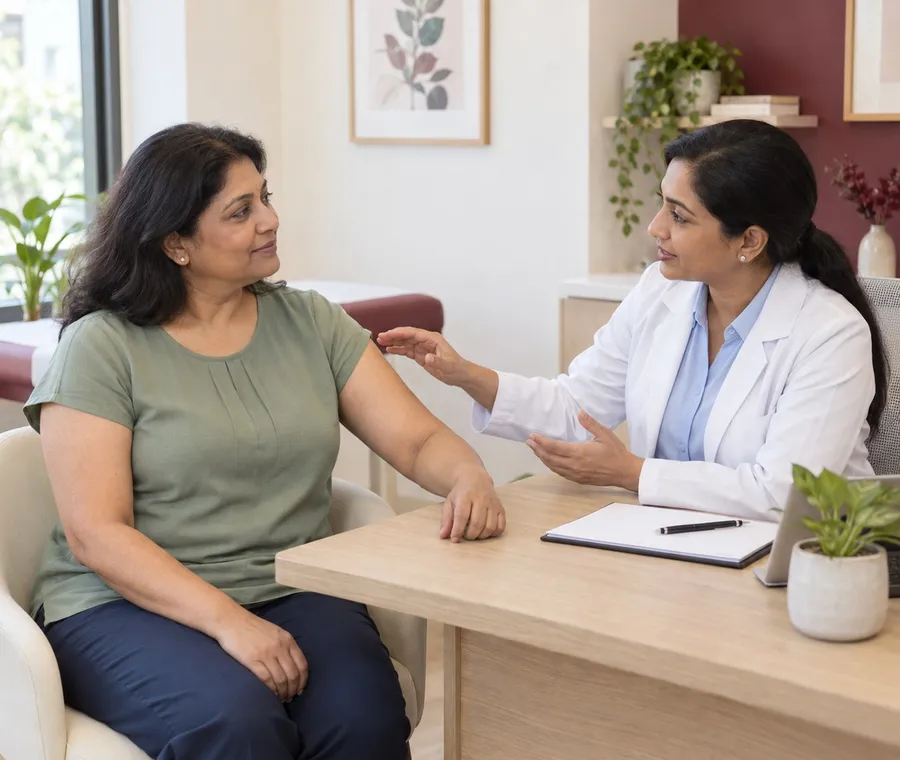
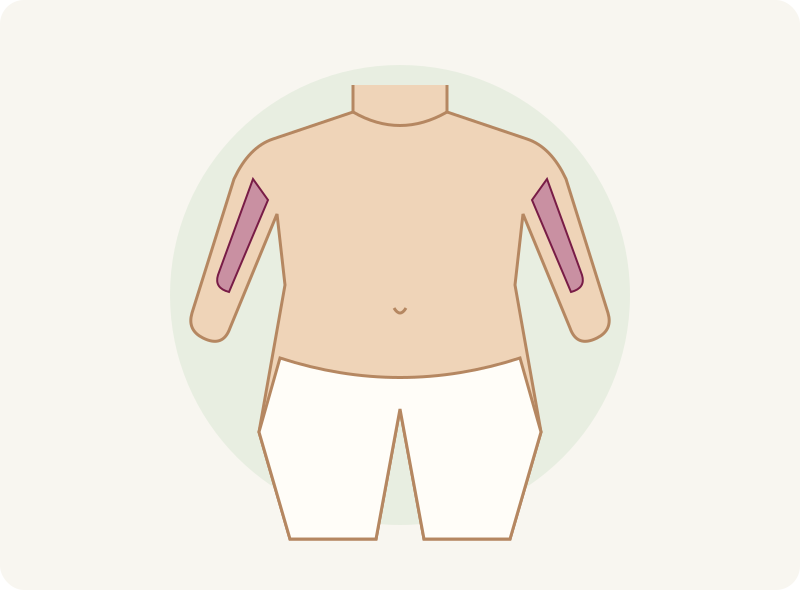
An arm lift, or brachioplasty, removes sagging skin from the upper arm and reshapes the supporting tissue. Local fat may also be removed.
It may be considered after weight loss or age-related skin changes. Exercise can strengthen muscle, but it cannot remove a substantial loose skin fold. Surgery changes the contour and leaves a scar.
A hanging fold needs a skin assessment. Removing fat alone may leave the looseness more noticeable.
If skin can adapt well, liposuction may be discussed for selected fat. It is a different operation from skin removal.
Explore liposuction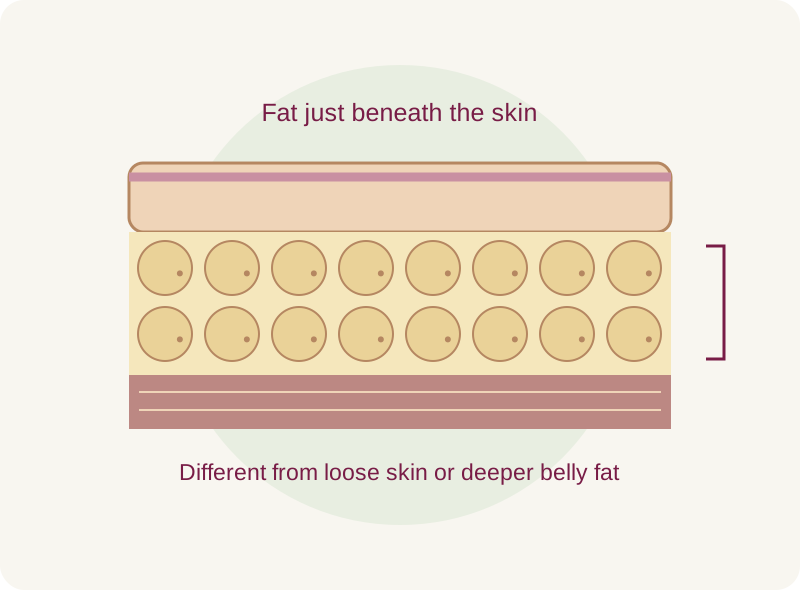
A combined plan may address both. The surgeon should explain what each part adds and how it affects healing.
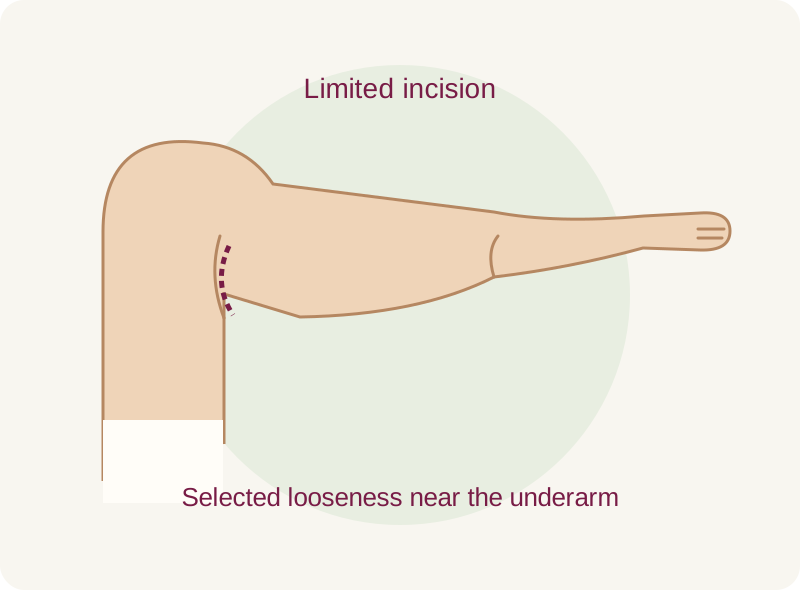
Selected small areas of looseness near the underarm may allow a shorter incision. It cannot correct every fold extending towards the elbow.
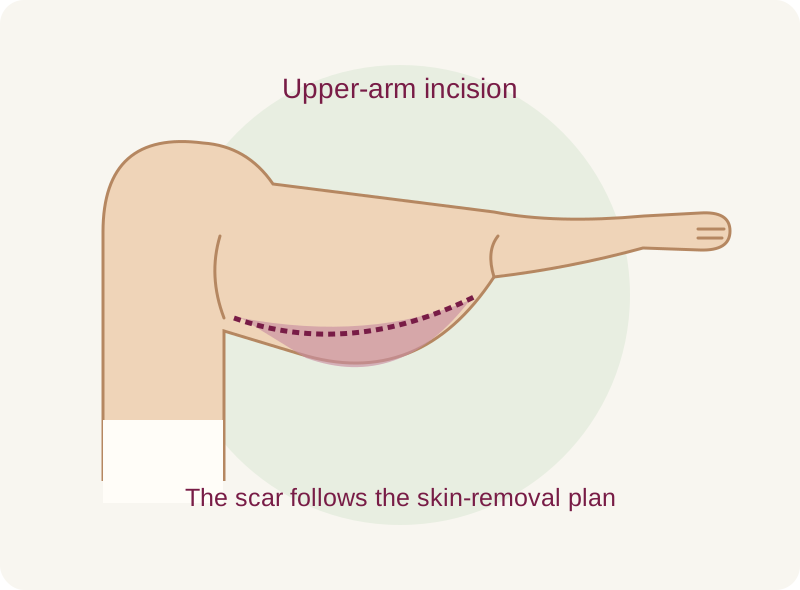
More extensive loose skin may need an incision along the inner or back of the upper arm. The line can run from the underarm towards the elbow.
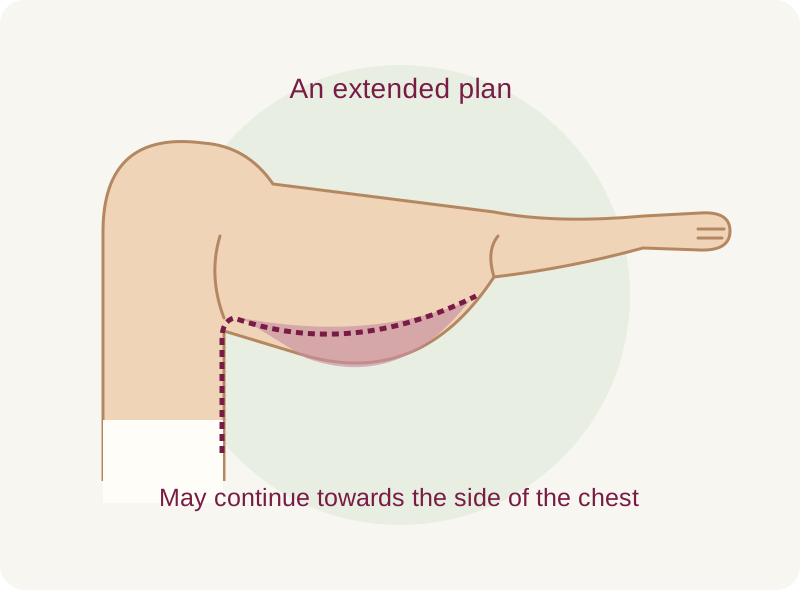
When loose skin continues beyond the underarm, an extended plan may reach the side of the chest. A wider skin assessment helps explain the additional scar and recovery.
These are example scar patterns, not a personal surgical plan. Ask to see where the proposed scar would sit when your arms are resting and raised.
An inner-arm scar may be less obvious with the arm down, but visible when you lift or turn it. No incision placement can guarantee a hidden scar.
Scars may be firm, raised or discoloured at first. They can soften and fade, but do not disappear completely.
Tell the surgeon about thick or raised scars from previous injuries or operations. Ask about wound care and when scar care can safely begin.
Further weight change can affect skin and contour. Discuss your current goals and whether the timing is right.
The assessment includes smoking, diabetes, anaemia, medicines and past surgery. Report existing arm swelling, movement problems or changes in sensation.
Consider work, lifting, exercise and help at home. The likely benefit should matter enough to you to accept a lasting scar and surgical risks.
The plastic surgeon assesses the skin, fat, symmetry and arm function. Discuss alternatives, the incision and whether liposuction has a role.
Confirm the surgeon, facility, anaesthesia and follow-up. Follow individual instructions for tests, smoking, medicines, food and drink, and transport. Do not stop prescribed medicines on your own.
Sedation or general anaesthesia may be used. Through the planned incision, the surgeon removes excess tissue and reshapes the supporting layer.
The skin is closed over the new contour. Dressings, a support garment or temporary drains may be used as part of the plan.
Ask how to care for dressings and any drains, which medicines to take and how to use a support garment if prescribed.
Follow the team’s guidance for arm movement, lifting, work and exercise. Attend follow-up and report unexpected changes promptly.
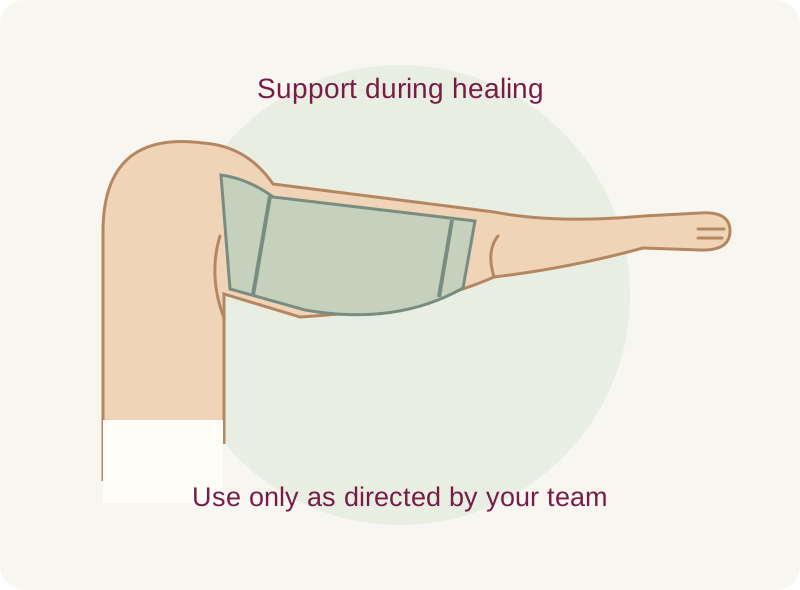
Bruising, tenderness and swelling are common early on. Dressings and any support garment should be used as directed.
Plan for dressing, carrying bags, childcare and tasks above shoulder height. Avoid heavy lifting and strenuous exercise until the team clears you.
Swelling can take weeks to settle and scars change over longer periods. Stable weight helps maintain the change, although normal ageing continues.
Bleeding, infection, fluid collections or wound separation can occur. Some areas of skin or fat may heal poorly.
Numbness, persistent pain or injury to nerves, blood vessels or muscles are possible. New hand or arm movement changes need prompt assessment.
Scars may be thick or noticeable, and the two arms may not look identical. Some people need revision. Anaesthesia also carries risks.
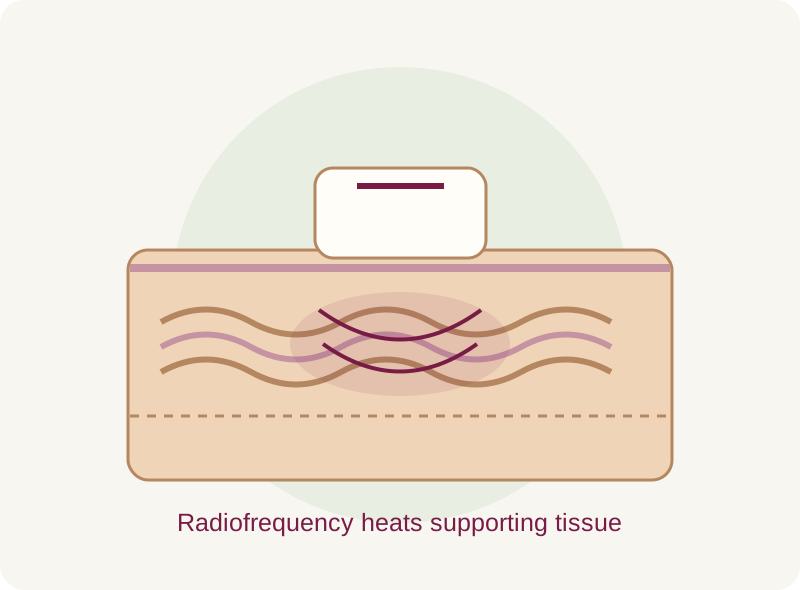
Selected skin-firming devices may help mild laxity. They cannot remove a hanging fold in the way surgery does.
Understand skin laxity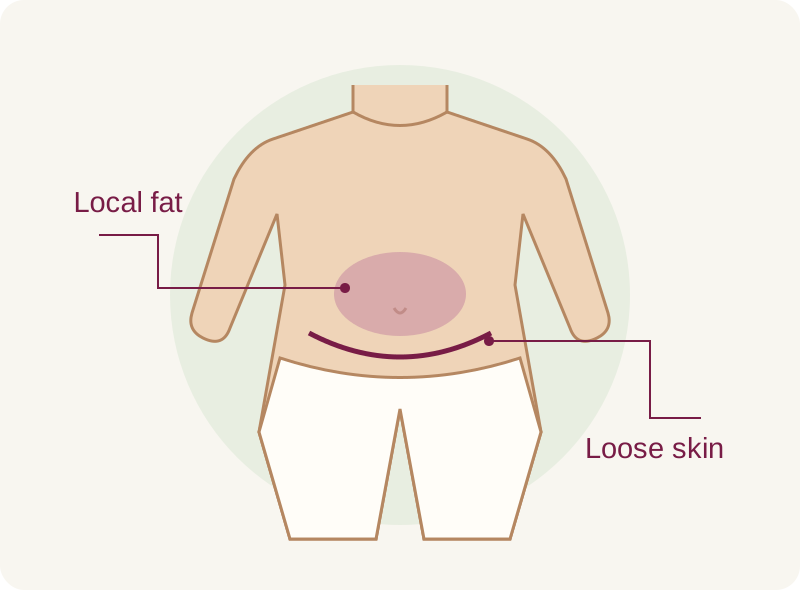
A wider body-contouring assessment can help prioritise concerns. Several operations may be better planned in stages.
Explore body contouringThese verified Google excerpts describe general consultations and care. They do not identify arm lift surgery or show its results.
“The doctors listened carefully to my concerns and explained the treatment in a clear and professional manner.”
Consultation experience; condition not specified.
“She explained the treatment clearly and made me feel comfortable throughout the consultation.”
Consultation experience; condition not specified.
“The doctor took the time to understand my skin concerns and explained the treatment plan clearly, without rushing.”
Consultation experience; condition not specified.
“Very patient ,humble and polite to answer every single query and build confidence.”
Consultation experience; condition not specified.
“The doctors explained everything clearly and made me feel comfortable and confident.”
Consultation experience; condition not specified.
“The doctor took the time to listen to my concerns patiently and explained the treatment options clearly.”
Consultation experience; condition not specified.
















Exercise can improve muscle strength and tone, but does not remove a significant skin fold. The skin and muscle need to be considered separately.
Possibly, if local fat is the main concern and skin can adapt. Significant skin looseness usually needs a different discussion. Ask what liposuction alone would leave behind.
The amount and location of excess skin limit the options. A shorter incision may not address a longer fold. The surgeon should explain the trade-off using your own arm shape.
No. It can become softer and less noticeable as it heals, but remains. Thick or raised scars may need additional care.
Wait for the surgical team’s clearance. The incision, healing and any additional procedure determine when and how to restart; returning too early can strain the wound.
A compression garment may be prescribed, but the type, fit and duration depend on the operation. Use the instructions from your team rather than buying a tight sleeve on your own.
Ageing and weight changes can alter skin after surgery. Weight stability supports the result but cannot stop normal changes.
Sometimes, but the total operation, anaesthesia and recovery needs matter. A staged plan may be more appropriate. Confirm who will care for you during recovery.
Discuss upper-arm skin, the assessment you need and the recovery involved.
Prefer a call? +91 9000 572727