A suitable dandruff shampoo
Medicated shampoos can help control flakes. The active ingredient, frequency and contact time should follow the product instructions and your clinician’s advice.
Flakes and an itchy scalp can be frustrating. Understand what is causing them and build a scalp-care routine that suits your hair.
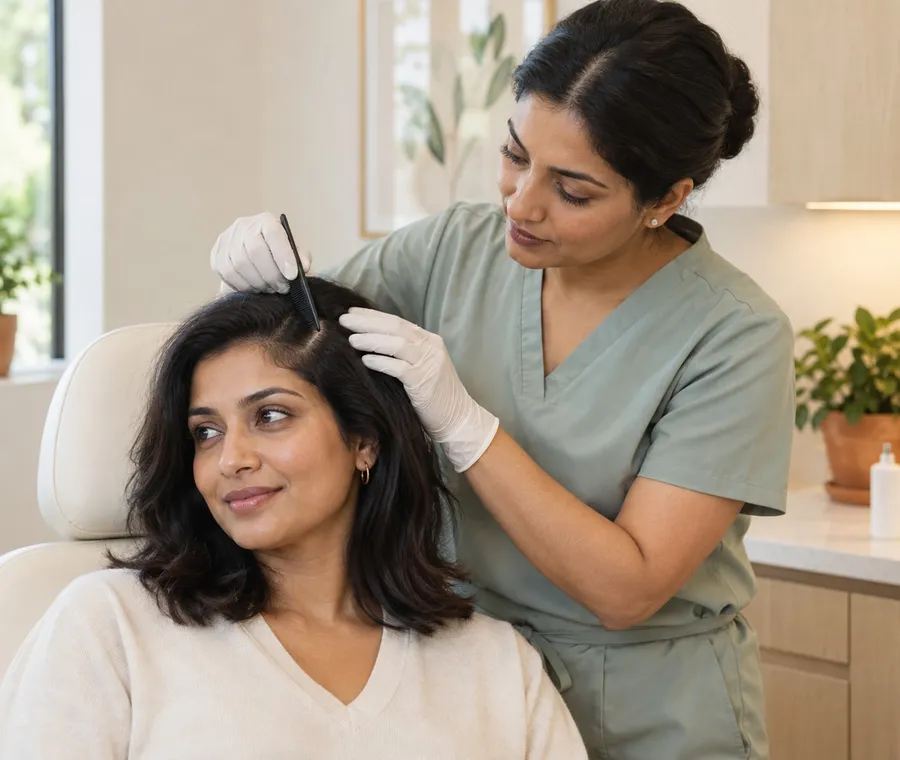
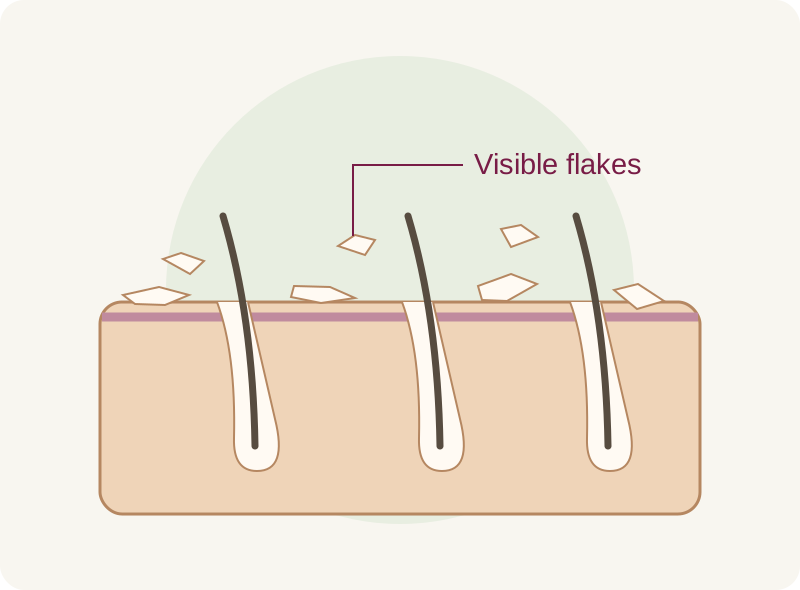
Dandruff is a common scalp condition that causes visible flakes, sometimes with mild itching. It can occur even when you wash regularly and is not simply a sign of poor hygiene.
It is linked to how the scalp responds to oil, skin-barrier changes and yeast that normally lives on the skin. Dandruff can come and go. More inflamed, widespread scaling may be seborrhoeic dermatitis.
Not every flaky scalp is dandruff. Psoriasis, product reactions and infections can look similar and need different care.
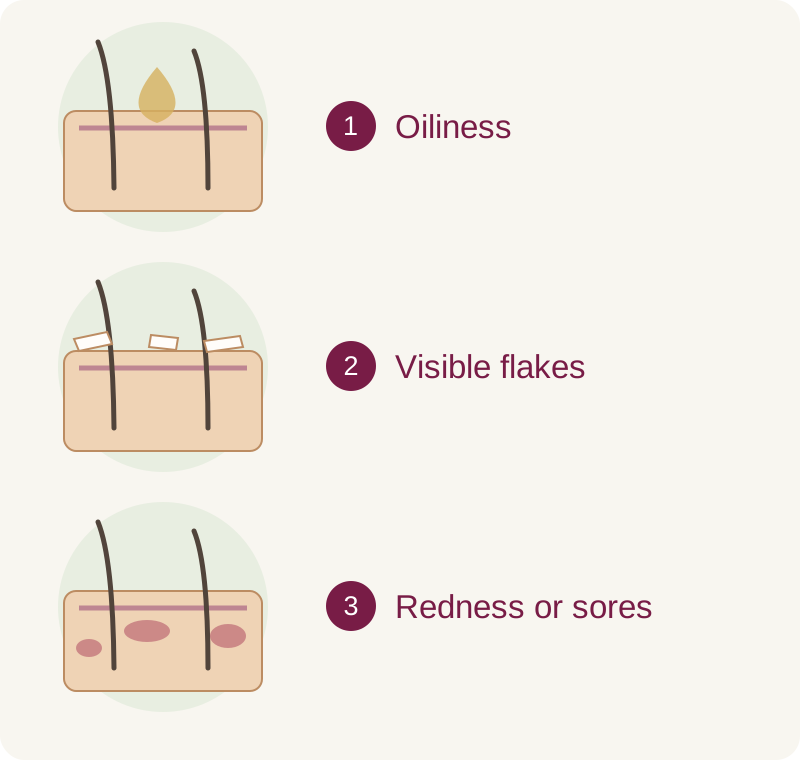
White or pale flakes may be most noticeable in dark hair or on shoulders. The scalp can feel mildly itchy.
Greasy scale and recurring irritation may suggest seborrhoeic dermatitis, especially around the hairline, ears or face.
Pain, swelling, thick plaques, broken hairs or patchy loss need an examination. Do not assume that an ordinary dandruff shampoo will treat the cause.
Medicated shampoos can help control flakes. The active ingredient, frequency and contact time should follow the product instructions and your clinician’s advice.
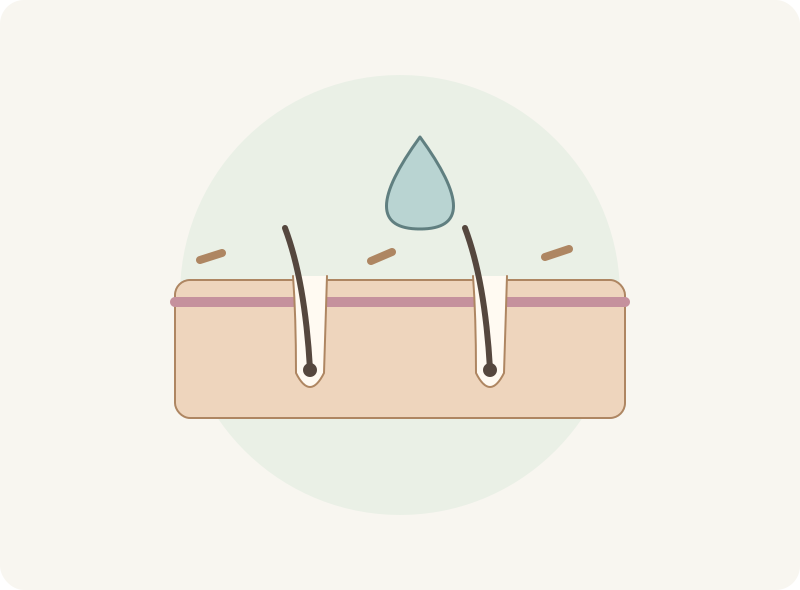
Persistent redness or discomfort may need prescribed treatment or a different diagnosis. Your dermatologist can explain what is appropriate and how long to use it.
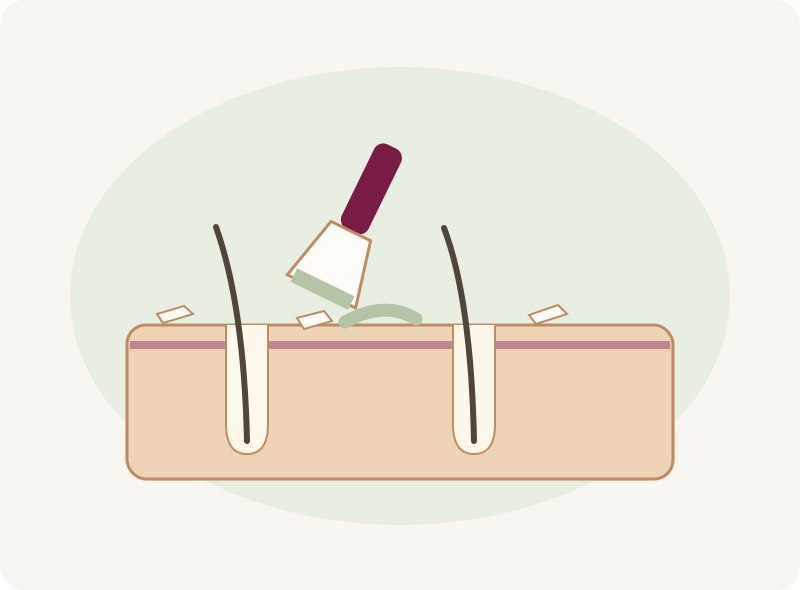
A scalp peel may be discussed for suitable surface buildup. It is not required for everyone and is not a substitute for treating an inflamed or infected scalp.
Explore scalp peelsDescribe when flaking started, whether it itches and whether the face or other skin is affected.
Bring details of shampoos, hair dyes, oils and medicines you use, including anything that seemed to trigger irritation.
The dermatologist checks the type of scale, inflammation and any hair changes. Further tests may be needed if an infection or another condition is suspected.
Agree which products to use, how to apply them and when to review. Ask about contact time, rinsing and protecting dry or curly lengths.
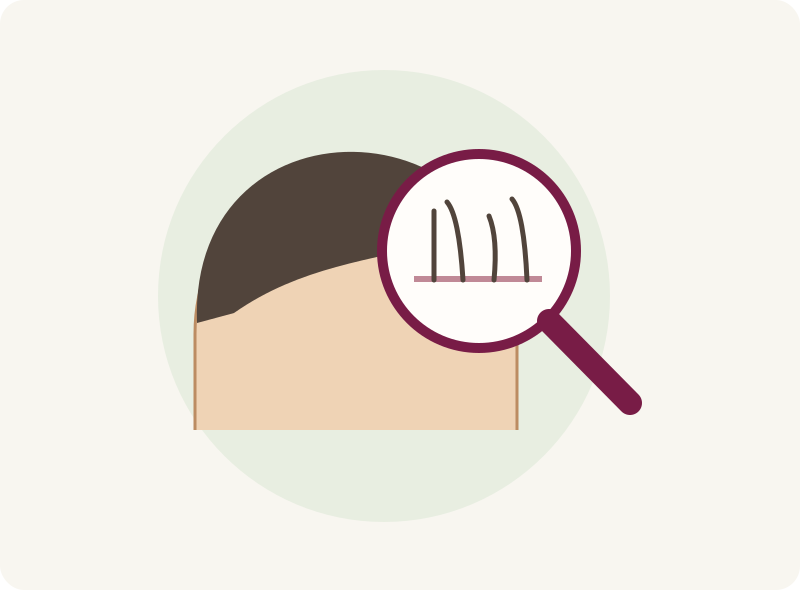
Report persistent irritation or worsening symptoms. If treatment is not helping, the diagnosis or product choice may need review.
Dandruff can recur. Once controlled, your clinician can suggest a practical maintenance routine and what to do during a flare.
Use the chosen shampoo as directed, focusing on the scalp. Some products need time in contact with the skin before rinsing; the label or your clinician should guide this.
Avoid scratching or scraping scale off. Be cautious with new oils, dyes, fragranced products or home mixtures if they irritate your scalp. Keep the lengths of your hair conditioned as appropriate for your hair type.
The right frequency differs for oily, straight, curly or tightly coiled hair. Discuss how to treat the scalp without drying the lengths.
Arrange a review if an appropriate shampoo routine is not helping after about a month, or sooner for severe itching, soreness, swelling or hair loss.
Related experiences of hair care at Layers, including PRP, GFC and thinning care. These are not dandruff-treatment reviews.
“I underwent GFC and PRP treatment for hair loss and had a very positive experience.”
Combined PRP and GFC hair care.
“This was my first GFC treatment, and I'm very happy with my decision.”
GFC hair care.
“Excellent experience from consultation to treatment. The GFC procedure was explained clearly, and the doctors were very knowledgeable.”
GFC hair care.
“I am currently undergoing GFC (Growth Factor Concentrate) treatment at Layers and my experience so far has been highly satisfactory!”
GFC hair care.
“They suggested me GFC treatment and I experienced good results.”
GFC hair care.
“Most importantly, I’m seeing amazing results for my hair thinning treatment.”
Hair-thinning care.
“I noticed visible improvements in my skin texture and a significant reduction in hair fall within just a few sessions.”
Hair-fall and skin care.
















Dandruff itself is not contagious. Some other scalp conditions can resemble it, so get advice if there are painful patches, broken hairs or signs of infection.
No. It is not simply caused by poor hygiene. Regular suitable washing can help remove visible flakes, but the scalp’s response to oil, yeast and irritation also matters.
Not always. Flakes can occur with an oily scalp, seborrhoeic dermatitis or another skin condition. Treatment should match the cause rather than assuming more oil is the answer.
Oil is not a universal dandruff treatment and some products can worsen buildup or irritation. Discuss what is suitable for your scalp and hair type.
Simple dandruff is not a usual cause of permanent baldness. Scratching and inflammation can affect hair, while another condition may be responsible for patches or thinning. Have noticeable hair loss checked.
Not necessarily. Many people are managed with a suitable shampoo and scalp-care routine. Exfoliation is only considered when appropriate for the skin and the type of buildup.
Dandruff often relapses. A maintenance routine may help control it. Repeated flares or poor response are reasons to review the diagnosis and treatment.
Arrange a review if symptoms continue despite suitable shampoo use, or if the scalp is very itchy, red, swollen or painful. Patchy hair loss, crusting or widespread skin changes also need assessment.
Talk with our team about persistent flakes, itching and the products you have tried.
Prefer a call? +91 9000 572727