
Meals you can keep making
Find meals you enjoy and can prepare or access regularly. Discuss portions, hunger and busy days, with nutrition advice that suits your health and food preferences.
Whether you are maintaining progress or finding it hard to stay on track, ongoing support can help you adjust your plan as life changes.

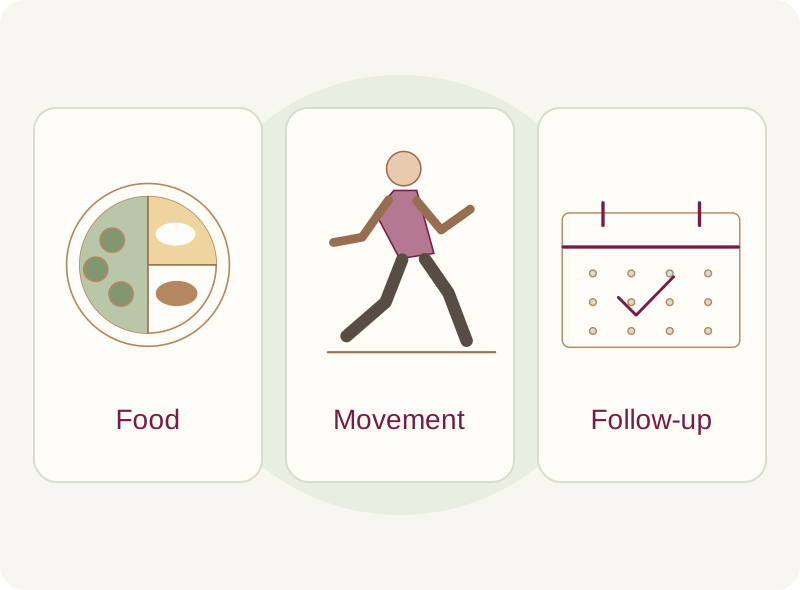
Weight management is ongoing care for your weight and related health needs. It can include maintaining weight loss, reducing regain or adjusting a plan that no longer fits your routine.
The aim is a workable pattern of food, activity and follow-up. If you are starting weight-loss care for the first time, an assessment can help establish an appropriate goal.
Find meals you enjoy and can prepare or access regularly. Discuss portions, hunger and busy days, with nutrition advice that suits your health and food preferences.
Keep activity manageable and build it up when appropriate. Include suitable strength work as well as aerobic movement; ask for adaptations if pain or mobility is a barrier.
Review sleep, shift work, stress and the support around you. A plan should be flexible enough for travel, family occasions and changes in routine.
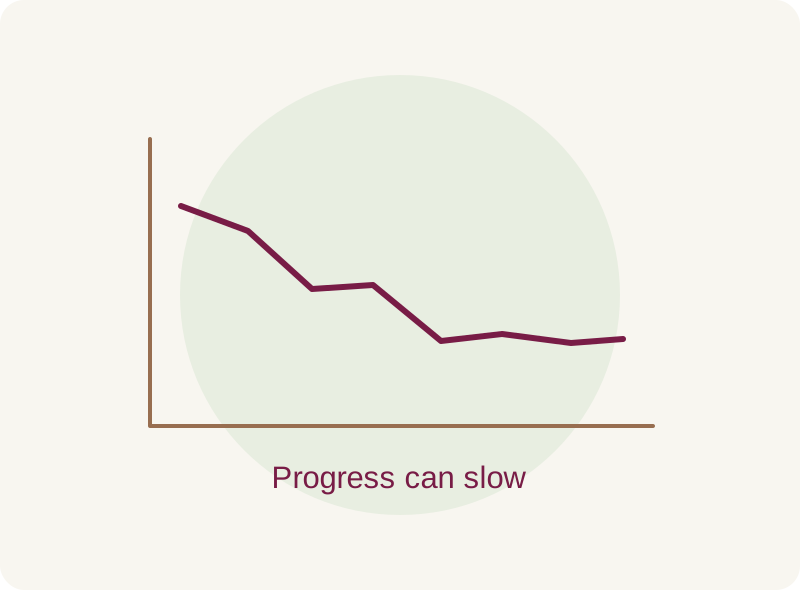
A plateau does not automatically mean you need to eat much less. After weight loss, energy needs and appetite can change. Review the trend alongside your routine, medicines and health.
Weight regain is a reason to check the plan, not a personal failure. Ongoing support can help identify what changed and whether nutrition advice, activity, medication review or specialist care would help.
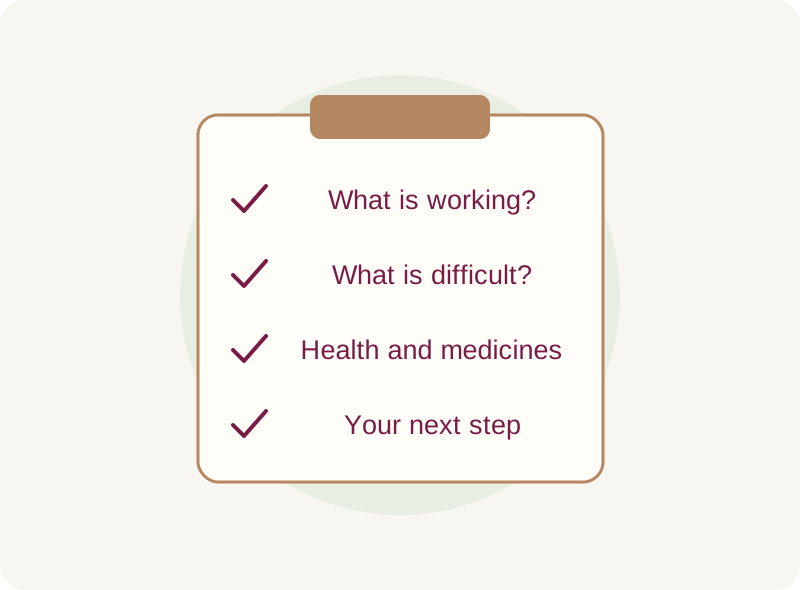
Ask for a maintenance plan before a short programme ends. Agree how to recognise changes and when to arrange another review.
A new job, illness, caring responsibilities or changes in mobility can affect habits. The plan can be adapted rather than abandoned.
Keep regular contact with your prescriber. Benefits, side effects and other medicines need review; do not change treatment based only on a home weight reading.
Share recent health reports, a medicine list and any notes you find helpful about appetite, activity or weight trends.
Explain hunger, fatigue, side effects, discomfort or practical obstacles. You do not need a perfect record to ask for support.
Identify habits you can continue and choose a small number of changes to try. Ask for qualified nutrition or activity support when needed.
A prescriber should review medication decisions. Changes to dose, product or stopping treatment need a medical plan.
Decide what to monitor and when to check back. The interval should reflect your treatment and health needs.
Ask who to contact if symptoms, side effects or eating difficulties develop before the next visit.
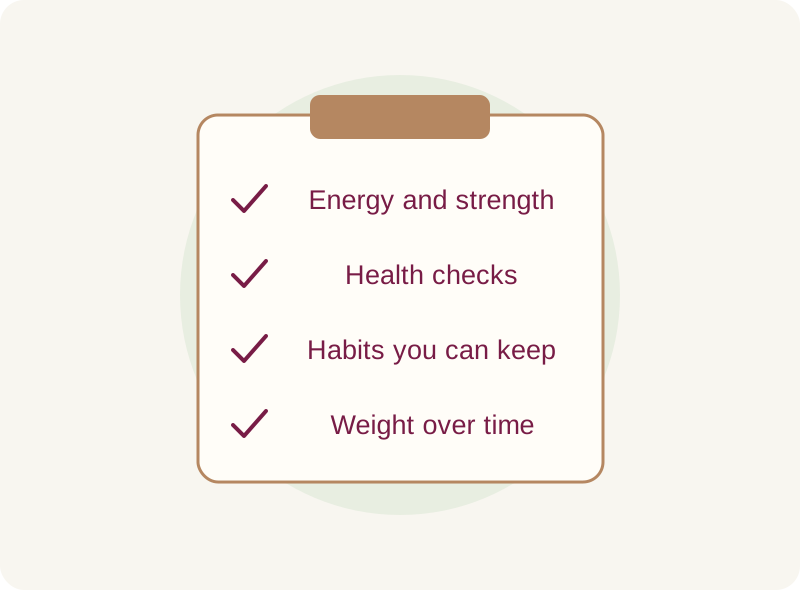
Body weight can vary from day to day. If monitoring helps you, use an agreed routine and look at the longer trend. If weighing causes distress, discuss a different approach with your clinician.
Review relevant health measures and how you feel and function. Better stamina, consistent habits and managing a health condition can all be useful goals alongside weight.

Dr. Rafia Ali discusses weight and fat-loss care in this SumanTV Health interview, linked from the Layers website.
SumanTV Health · Doctor interview
Watch on YouTubeThese are general consultation and care reviews, rather than evidence of weight-management outcomes.
“The doctors listened carefully to my concerns and explained the treatment in a clear and professional manner.”
Consultation experience; condition not specified.
“She explained the treatment clearly and made me feel comfortable throughout the consultation.”
Consultation experience; condition not specified.
“The doctor took the time to understand my skin concerns and explained the treatment plan clearly, without rushing.”
Consultation experience; condition not specified.
“Very patient ,humble and polite to answer every single query and build confidence.”
Consultation experience; condition not specified.
“The doctors explained everything clearly and made me feel comfortable and confident.”
Consultation experience; condition not specified.
“The doctor took the time to listen to my concerns patiently and explained the treatment options clearly.”
Consultation experience; condition not specified.
















No. Maintaining progress and supporting health can be appropriate goals. A review helps decide whether weight loss, stability or another priority makes sense for you.
Appetite, energy needs, health and daily circumstances can change. Maintenance often needs continuing support rather than simply repeating the initial weight-loss phase.
Choose a monitoring approach with your clinician. A longer trend is more useful than reacting to each small change. If weighing affects your wellbeing, say so.
Review your health and current routine before making drastic changes. A plateau may lead to a revised goal or plan, rather than a more restrictive diet.
Yes. Discuss ordinary meals, eating out and occasions when planning your routine. A sustainable plan should allow flexibility while supporting your health goals.
Discuss that with the prescriber. The decision should consider benefits, risks and maintenance. Weight may return after medication is stopped, so a follow-up plan matters.
The review schedule depends on your health, treatment and support needs. Medication changes or new symptoms may require closer contact than a stable maintenance phase.
Tell your clinician. Binge eating, severe restriction or distress around food may need specialist support. A stricter weight-loss target may not be the right next step.
Arrange a review of your routine, progress and the next step in your care.
Prefer a call? +91 9000 572727