Non-segmental vitiligo
Often affects both sides of the body, although the patches are not always identical. It may change over time and can be associated with other autoimmune conditions.
White patches can bring questions about your skin and what may happen next. Get clear information and discuss the care that fits your needs.

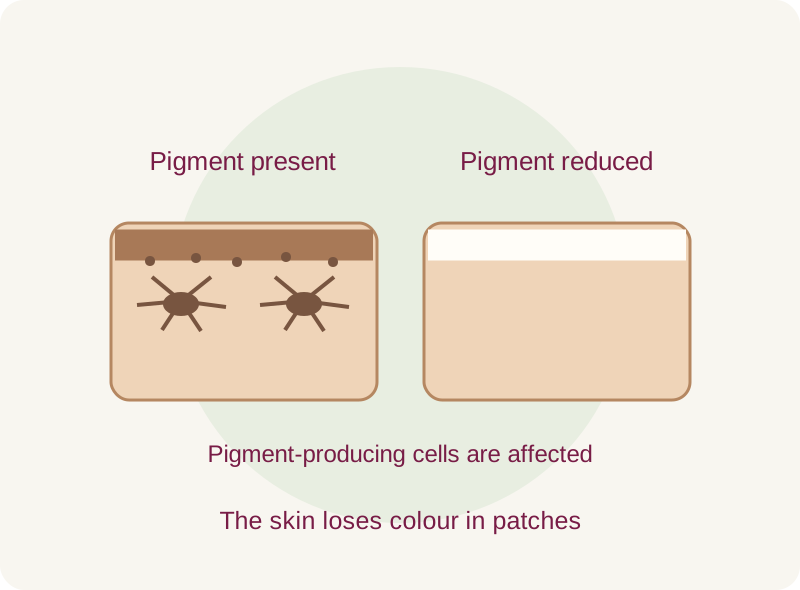
Vitiligo causes areas of skin to lose their natural colour. Pigment-producing cells, called melanocytes, are lost or stop working, leaving lighter or white patches.
It is not contagious and is not caused by poor hygiene. The pattern and pace of change vary; treatment decisions can include whether you want to treat the colour change at all.
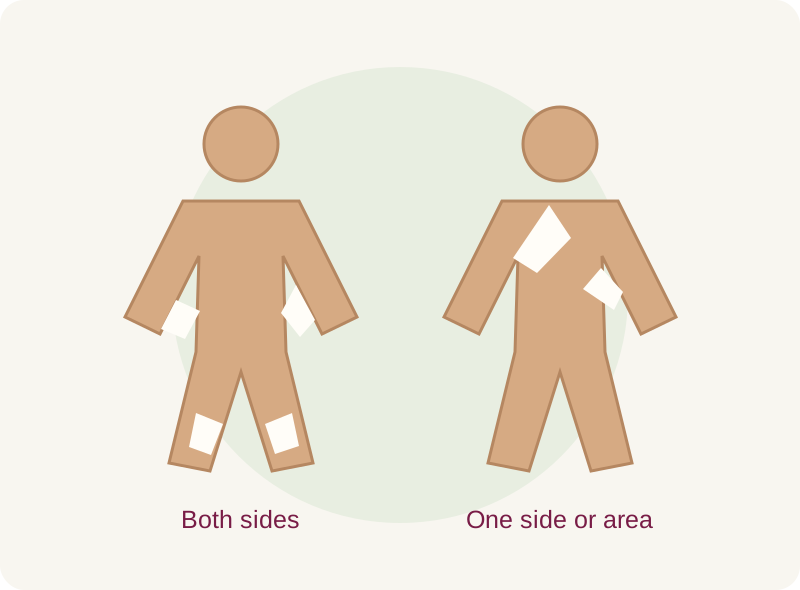
Changes may begin on the face, hands or other body areas. The contrast is often more noticeable on darker skin.
Hair growing in an affected area may lose colour too. Mention new patches or hair changes during assessment.
Patches may spread, remain unchanged or develop in new places. Not every pale patch is vitiligo, so an examination helps confirm the cause.
Often affects both sides of the body, although the patches are not always identical. It may change over time and can be associated with other autoimmune conditions.
Usually affects one side or a defined area. Its course and treatment considerations can differ from non-segmental vitiligo.
The clinician looks at whether patches are new or spreading, which areas are affected and what treatment you have tried. Size alone does not decide the plan.
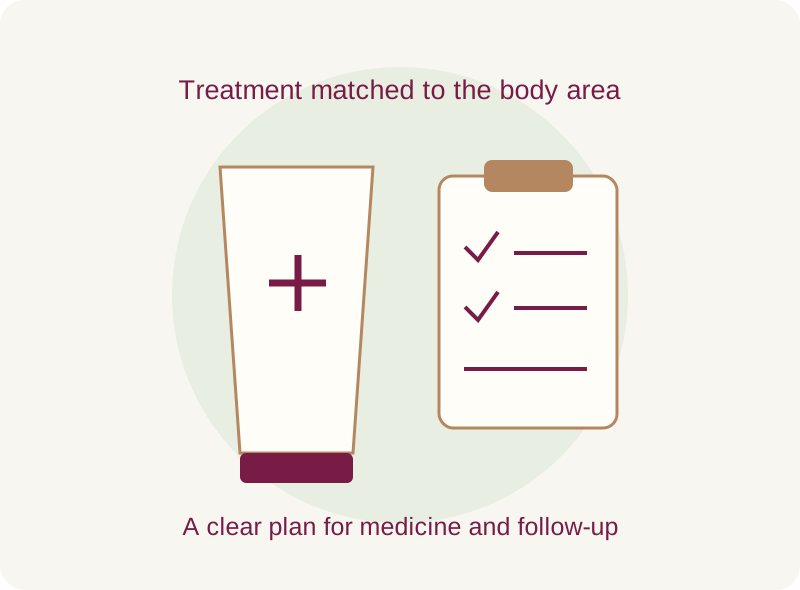
Prescription creams or ointments may help selected areas regain pigment or control activity. The choice depends on the area, age and pattern; sensitive sites need their own instructions.
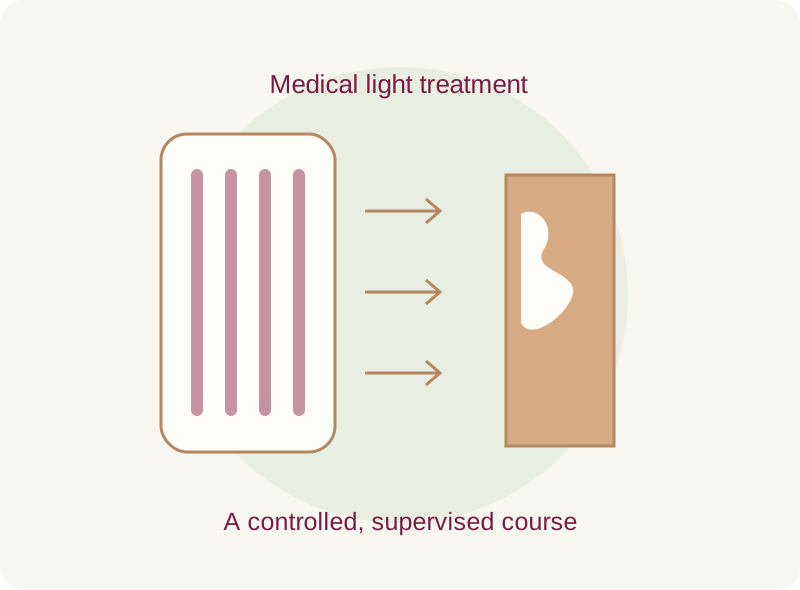
A dermatologist may discuss supervised phototherapy for selected cases. It usually involves a course of visits and monitoring; it is different from tanning or using an unprescribed lamp.
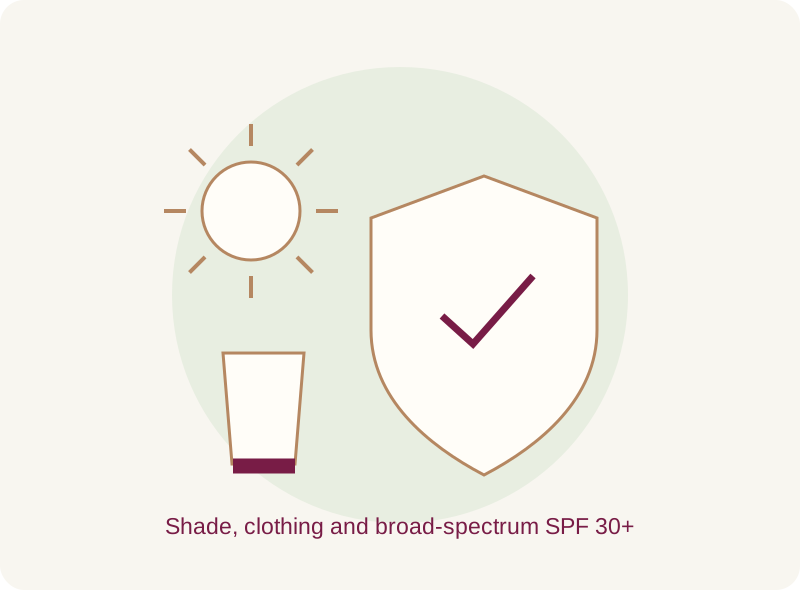
Sun protection is useful whether or not you choose pigment treatment. Optional camouflage products can reduce contrast without treating the underlying condition.
Explore camouflage optionsSelected stable cases may be assessed for specialist surgical options. Suitability, the exact method and availability need confirmation; surgery is not appropriate for everyone.
Share when patches appeared, whether they are changing and previous treatments.
A skin examination, sometimes with a special light, helps distinguish vitiligo from other causes. Blood tests may be considered based on your history.
Discuss whether your priority is limiting spread, trying to restore colour or learning how to protect your skin.
Consider the treatment area, likely time commitment, side effects and how progress will be reviewed.
Photographs taken in similar lighting can help the clinician assess change.
Tell the team about irritation, new patches or concerns. The plan may change if the response or your goals change.
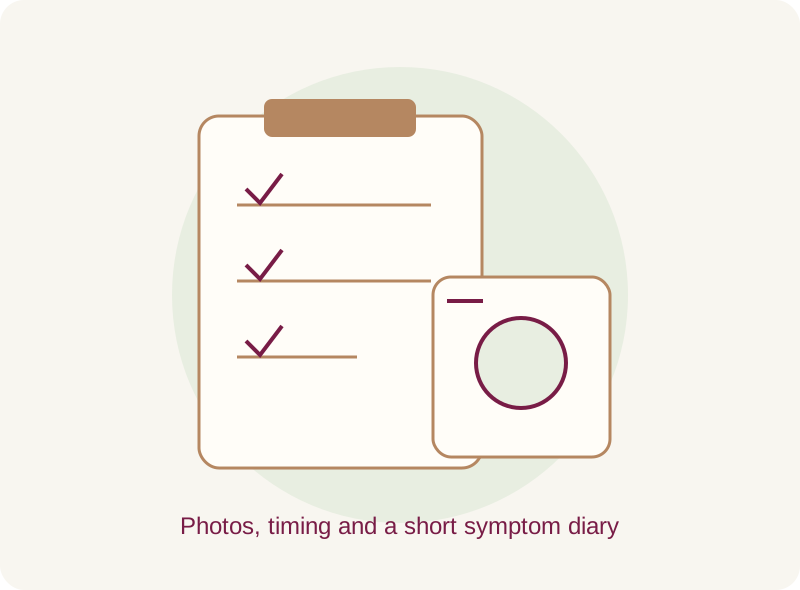
Repigmentation is usually gradual and may require months of care. Not every patch responds in the same way.
The face may respond better than fingers and toes. Hair colour, the type of vitiligo and how active it is can affect the outlook.
It is valid to choose skin protection without active colour treatment. Discuss any effect on confidence or wellbeing as part of the consultation.
Use broad-spectrum, water-resistant SPF 30 or higher, protective clothing and shade. Reapply as directed, especially after swimming or sweating.
Skin injury can trigger new patches in some people. Discuss tattoos or cosmetic procedures before going ahead.
Products promising rapid permanent repigmentation can cause harm or delay useful care. Check a new treatment with your dermatologist.
Verified Google review excerpts about consultations and explanations at Layers. The condition is not specified; these are not vitiligo treatment results.
“The doctors listened carefully to my concerns and explained the treatment in a clear and professional manner.”
Consultation experience; condition not specified.
“She explained the treatment clearly and made me feel comfortable throughout the consultation.”
Consultation experience; condition not specified.
“The doctor took the time to understand my skin concerns and explained the treatment plan clearly, without rushing.”
Consultation experience; condition not specified.
“Very patient ,humble and polite to answer every single query and build confidence.”
Consultation experience; condition not specified.
“The doctors explained everything clearly and made me feel comfortable and confident.”
Consultation experience; condition not specified.
“The doctor took the time to listen to my concerns patiently and explained the treatment options clearly.”
Consultation experience; condition not specified.
















No. Vitiligo is not an infection and does not spread through contact.
No. Other skin conditions can cause lighter patches. A dermatologist can examine the pattern and decide whether any tests are needed.
No. You can choose skin protection and support without trying to restore pigment. The decision should reflect your own goals.
A response is possible in some areas, but complete or lasting repigmentation cannot be guaranteed. Results differ between people and body sites.
The course varies. Some stay stable while others change. Tell the clinician about new or enlarging patches so the activity can be reviewed.
No. Uncontrolled exposure can cause sunburn. Medical phototherapy uses a prescribed and monitored approach.
Some forms of vitiligo are associated with autoimmune conditions. The clinician considers your symptoms and history before recommending relevant tests.
Yes, selected options may be considered, but age and treatment area affect the choice. A child needs an individual plan rather than an adult’s prescription.
Get help understanding the patches, available care and what matters most to you.
Prefer a call? +91 9000 572727